A Guide to Presenting Bupropion Using RxSlides PowerPoint Template

A Guide to Presenting Bupropion Using RxSlides PowerPoint Template

Bupropion is a dual-purpose pharmaceutical agent, used both as an antidepressant and a smoking cessation aid. Presentations for professional audiences require precise communication of neuropharmacology, clinical indications, and safety considerations. The Bupropion PowerPoint Presentation Template provides a structured framework to present complex concepts clearly and visually.

Here is how you can utilize the specific features of this template to customize your presentation for a wide variety of audiences.

1. Neuroanatomical Context

Medical professionals benefit from understanding the drug’s site of action.

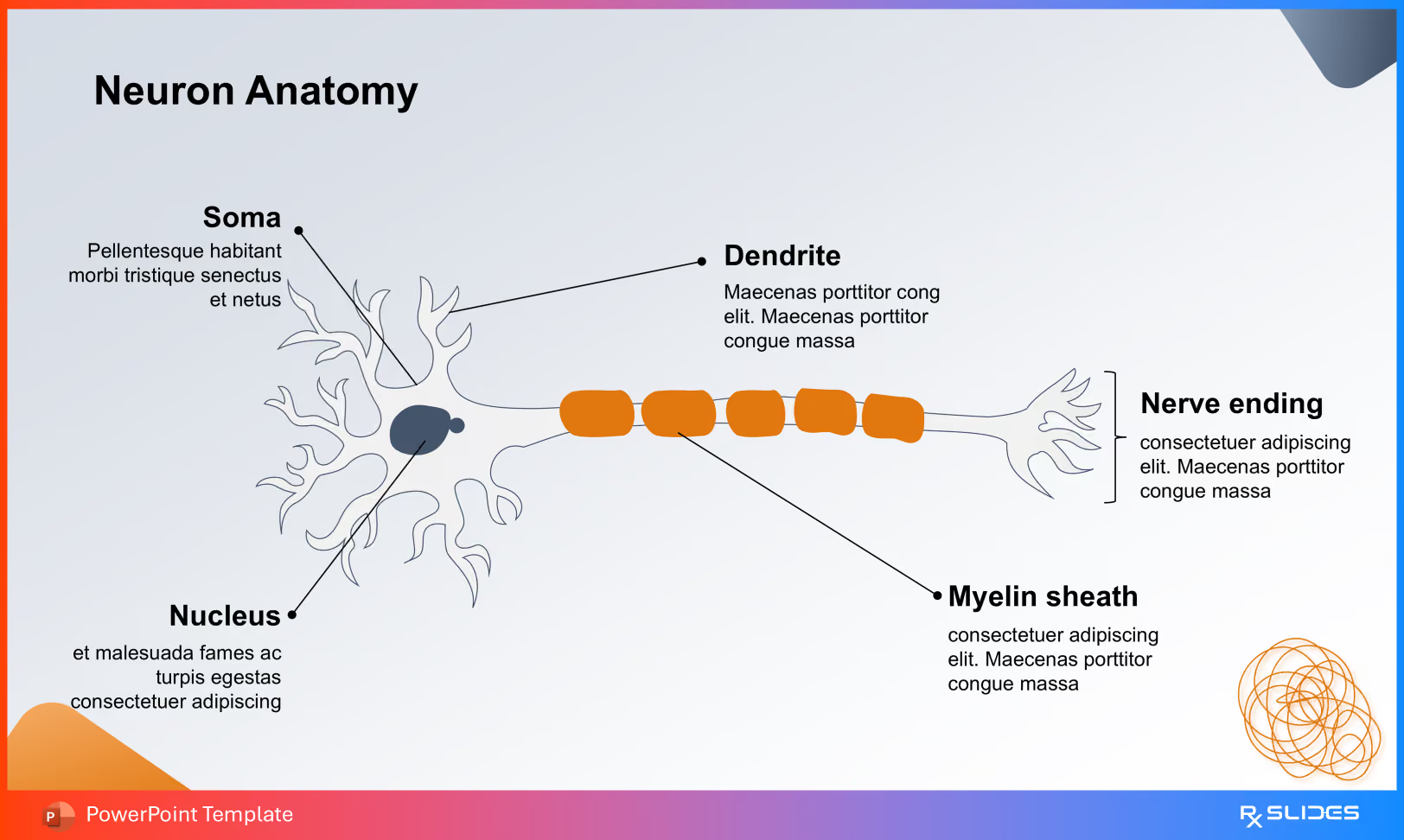
Neuron Anatomy Slide

  • Diagrams detail the neuron’s structure: Soma, Nucleus, Dendrites, Axon, Myelin sheath, and Synaptic terminals.
  • Serves as a foundation for explaining neurotransmission and how Bupropion modulates neural circuits.
Neuron Anatomy Slide From Bupropion PowerPoint Presentation Template

2. Condition Overview: Etiology and Symptomatology

For academic or clinical audiences, organize depression and nicotine dependence into structured frameworks.

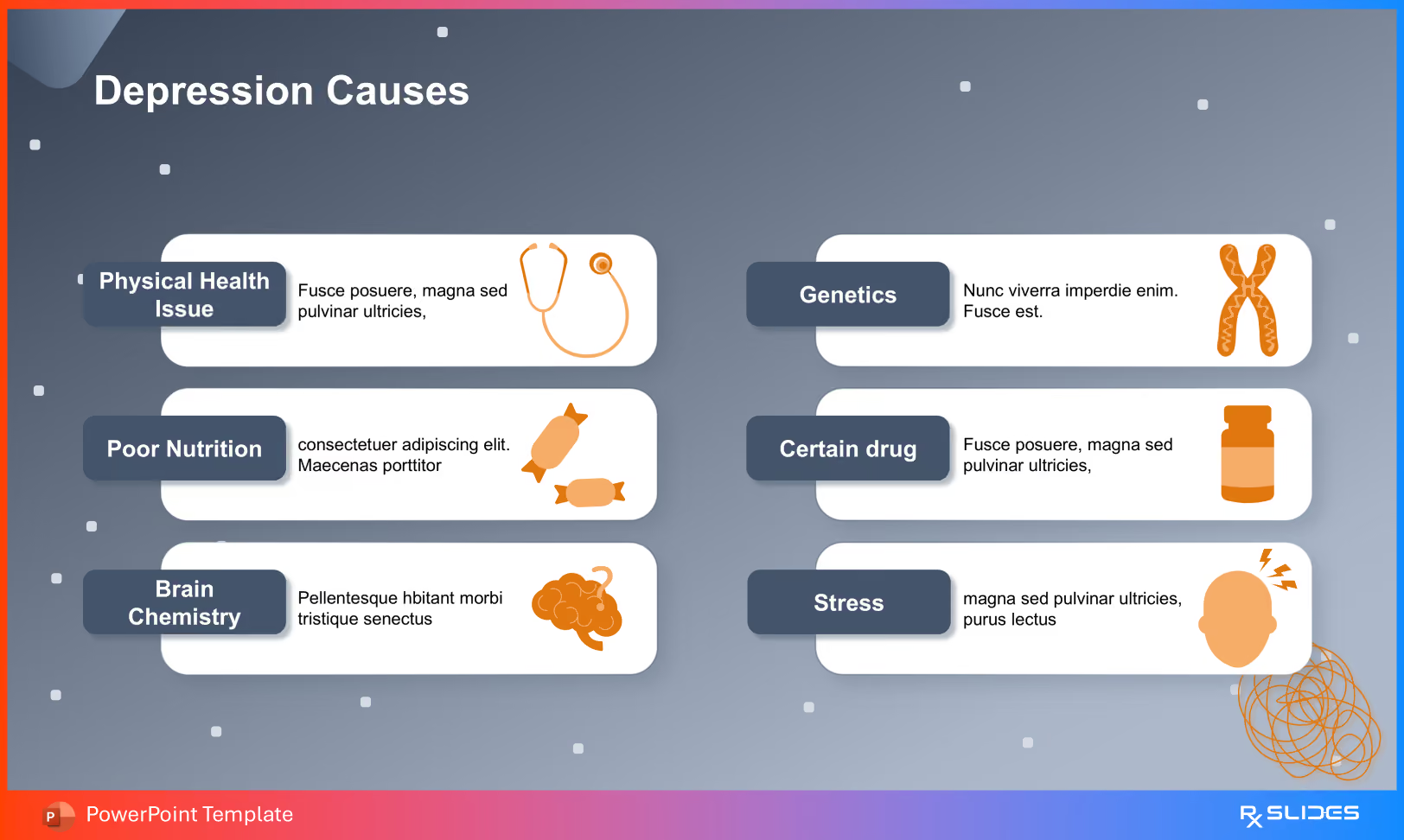
Etiology Slide

  • Categorize contributing factors: Genetics, Environmental Stressors, Medical Conditions, Drug Interactions, and Neurochemical Imbalances.
Etiology Slide From Bupropion PowerPoint Presentation Template

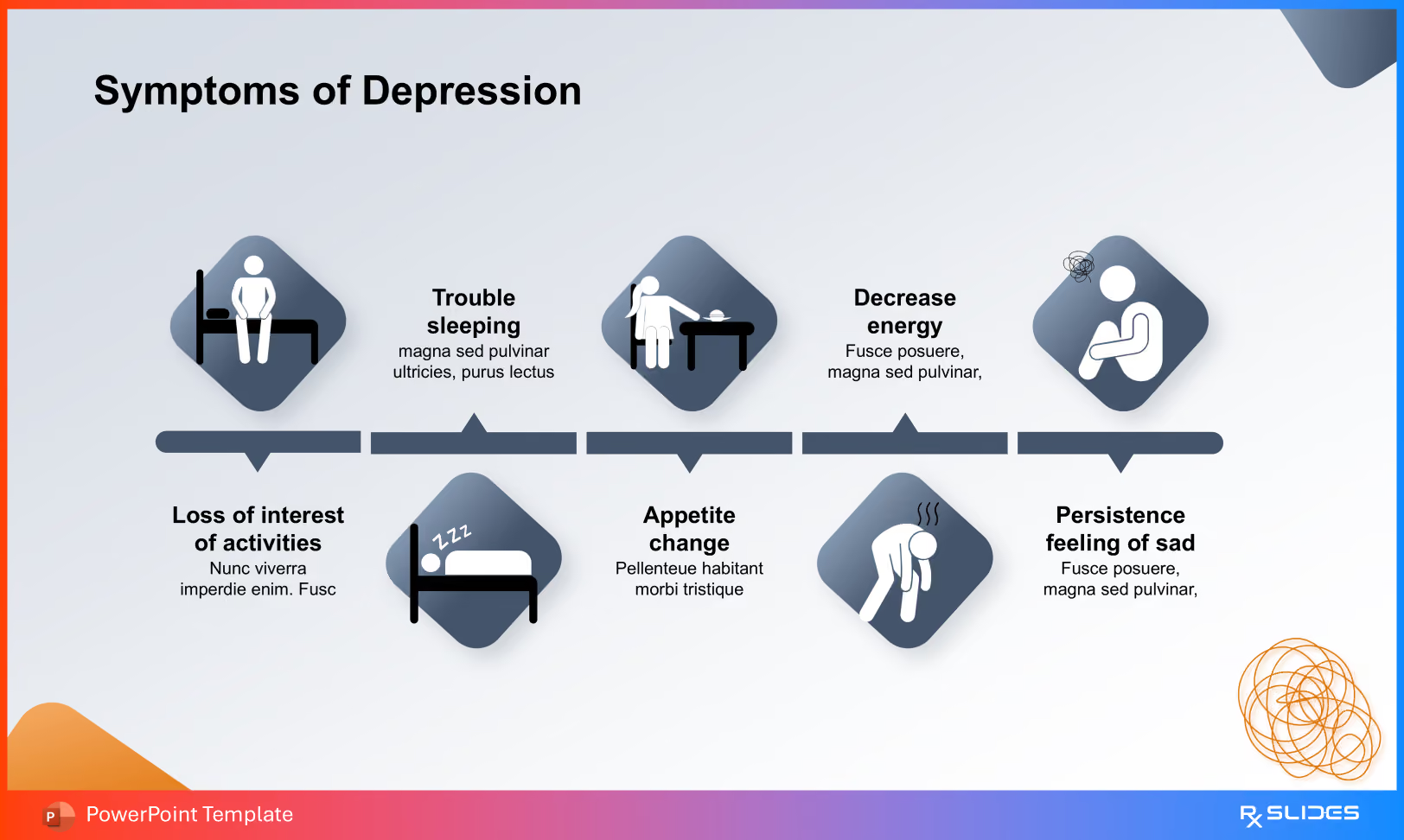
Symptoms of Depression Slide

  • Highlight core clinical signs relevant for diagnosis: Depressed mood, Anhedonia, Fatigue, Sleep disturbances, Appetite changes.
Symptoms of Depression Slide From Bupropion PowerPoint Presentation Template

3. Mechanism of Action and Pharmacodynamics

Detailed visualizations illustrate Bupropion’s molecular and cellular effects.

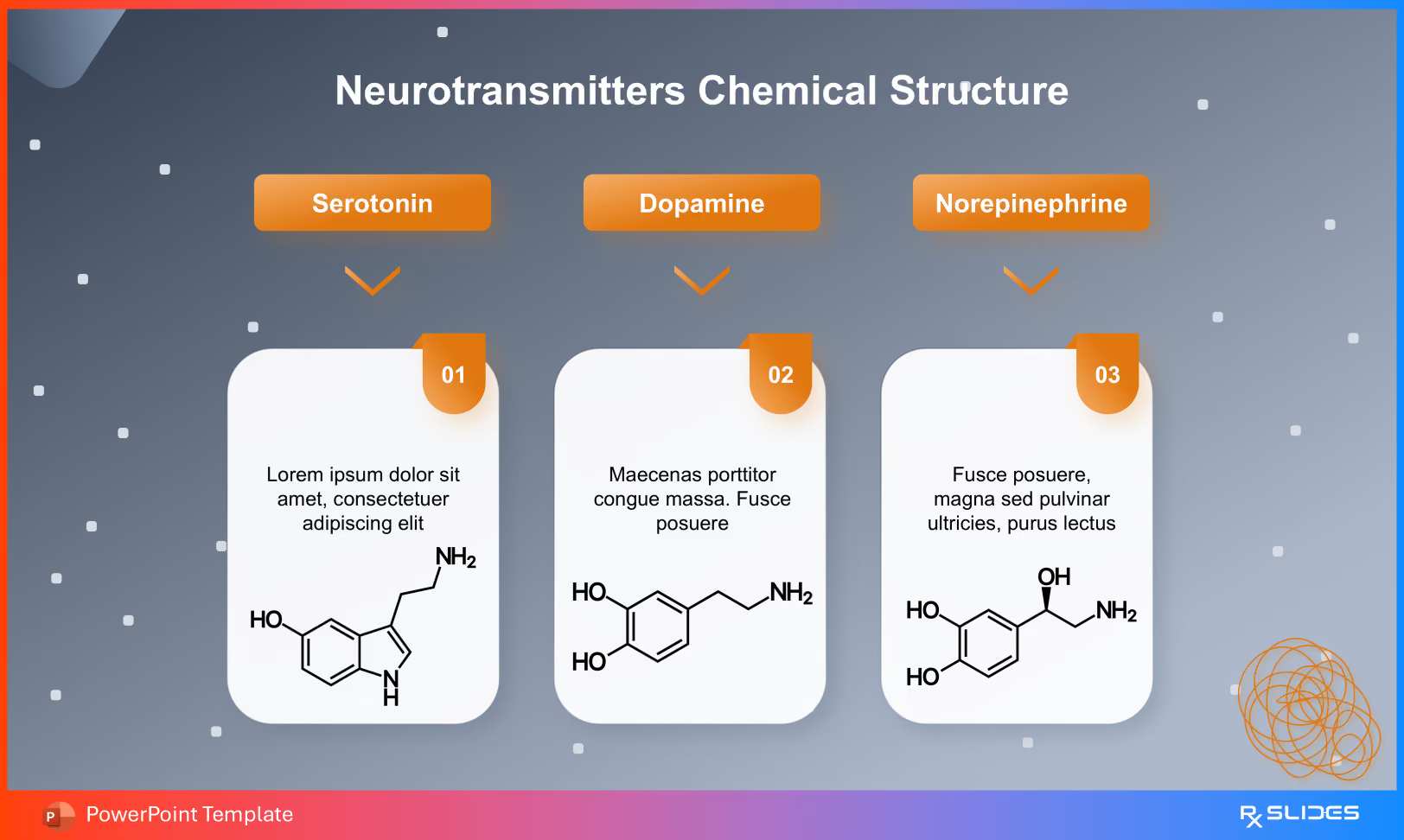
Neurotransmitter Overview Slide

  • Identify key targets: Dopamine, Norepinephrine, Serotonin (minor effects).
Neurotransmitter Overview Slide From Bupropion PowerPoint Presentation Template

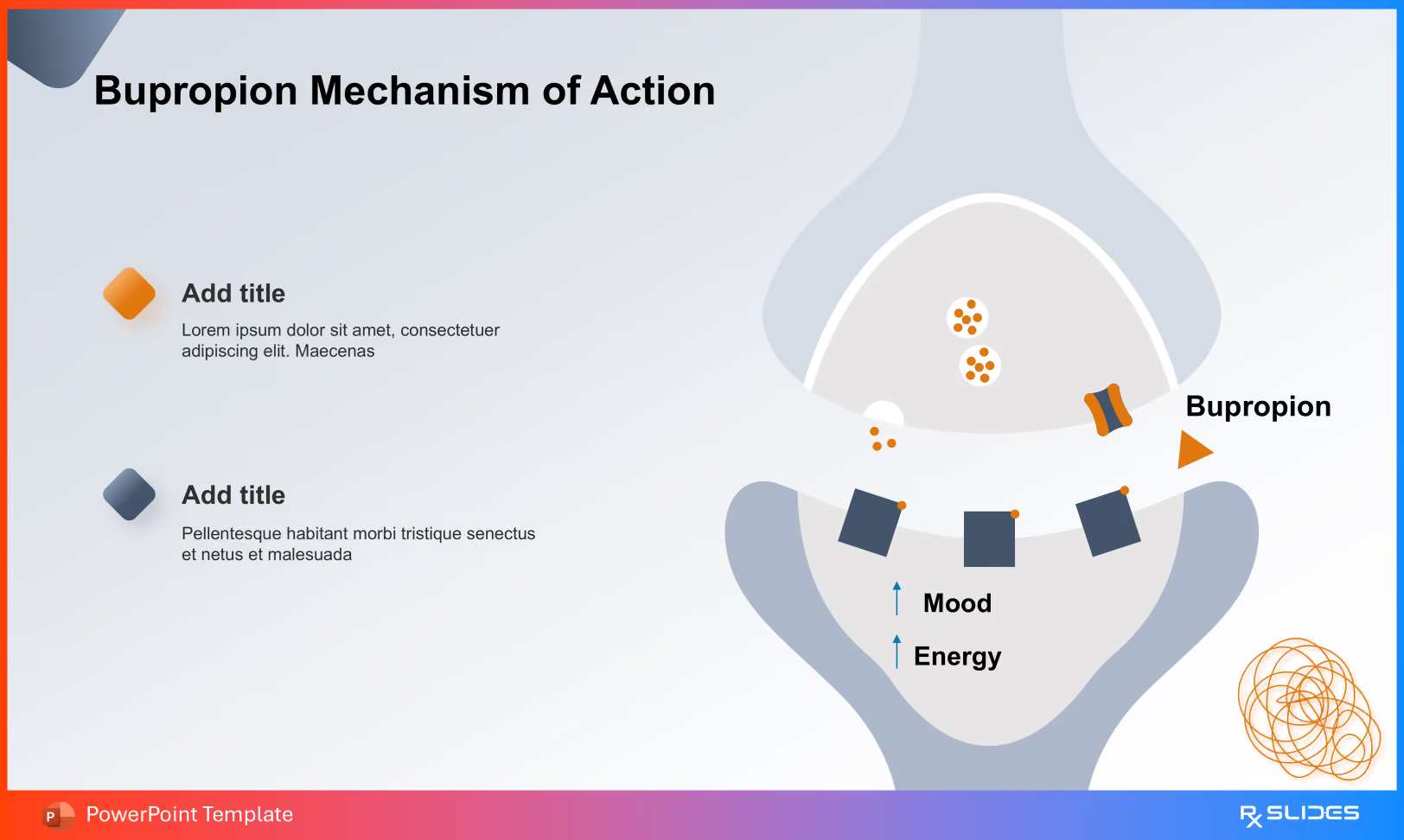
Mechanism of Action Slide

  • Illustrate presynaptic and postsynaptic interactions, showing inhibition of dopamine and norepinephrine reuptake.
  • Include synthesis pathways (Tyrosine → L-DOPA → Dopamine) and presynaptic vesicle dynamics.
Mechanism of Action Slide From Bupropion PowerPoint Presentation Template

4. Clinical Indications and Safety Considerations

Professional presentations should clearly delineate therapeutic scope and risk management.

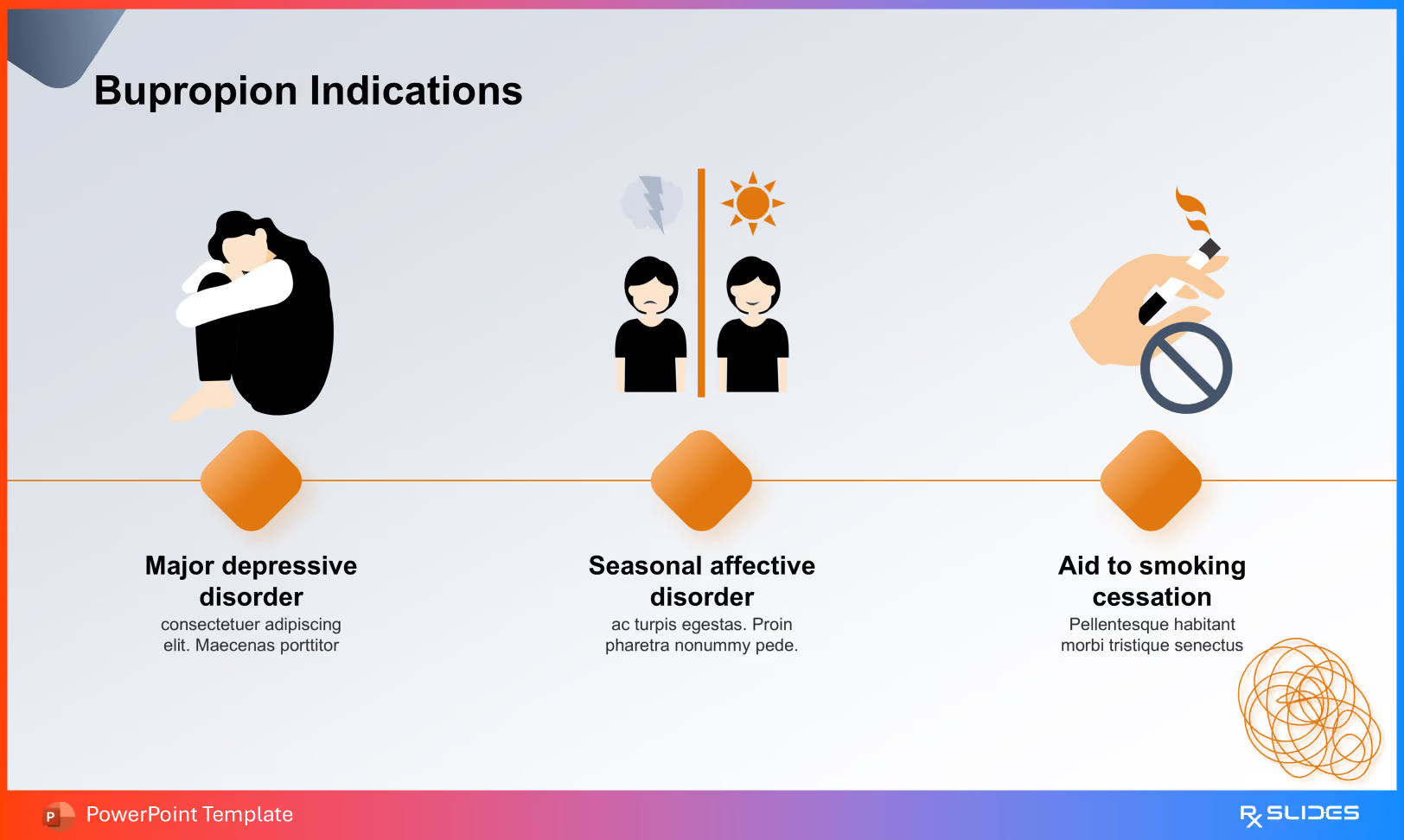
Indications Slide

  • Major Depressive Disorder (MDD)
  • Seasonal Affective Disorder (SAD)
  • Smoking cessation aid
Indications Slide From Bupropion PowerPoint Presentation Template

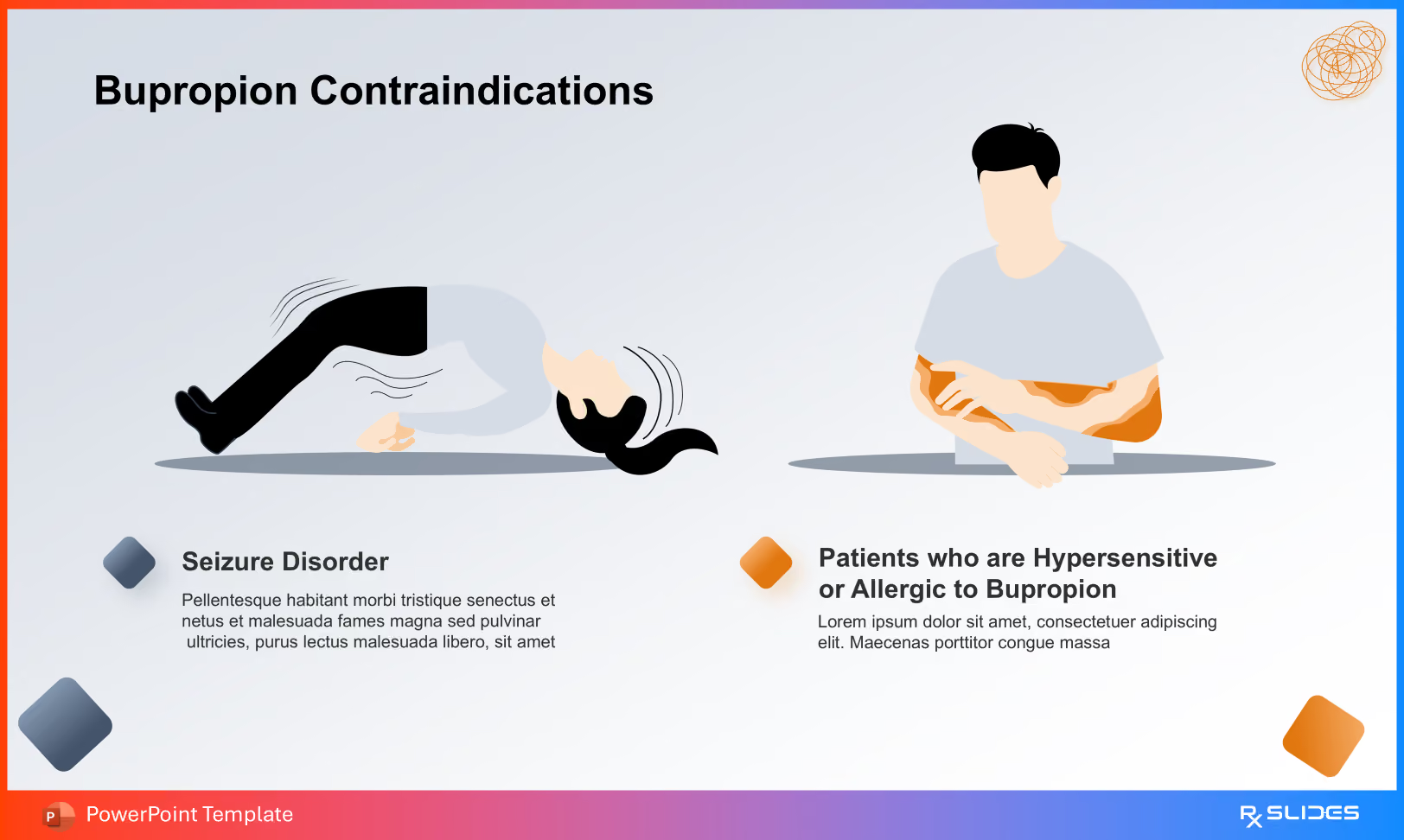
Contraindications Slide

  • High seizure risk (history of seizure disorder)
  • Hypersensitivity reactions
  • Co-administration with MAO inhibitors or other high-risk medications
Contraindications Slide From Bupropion PowerPoint Presentation Template

5. Pharmacokinetics and Formulation Differences

For research or clinical pharmacology audiences, data-driven slides provide precise information.

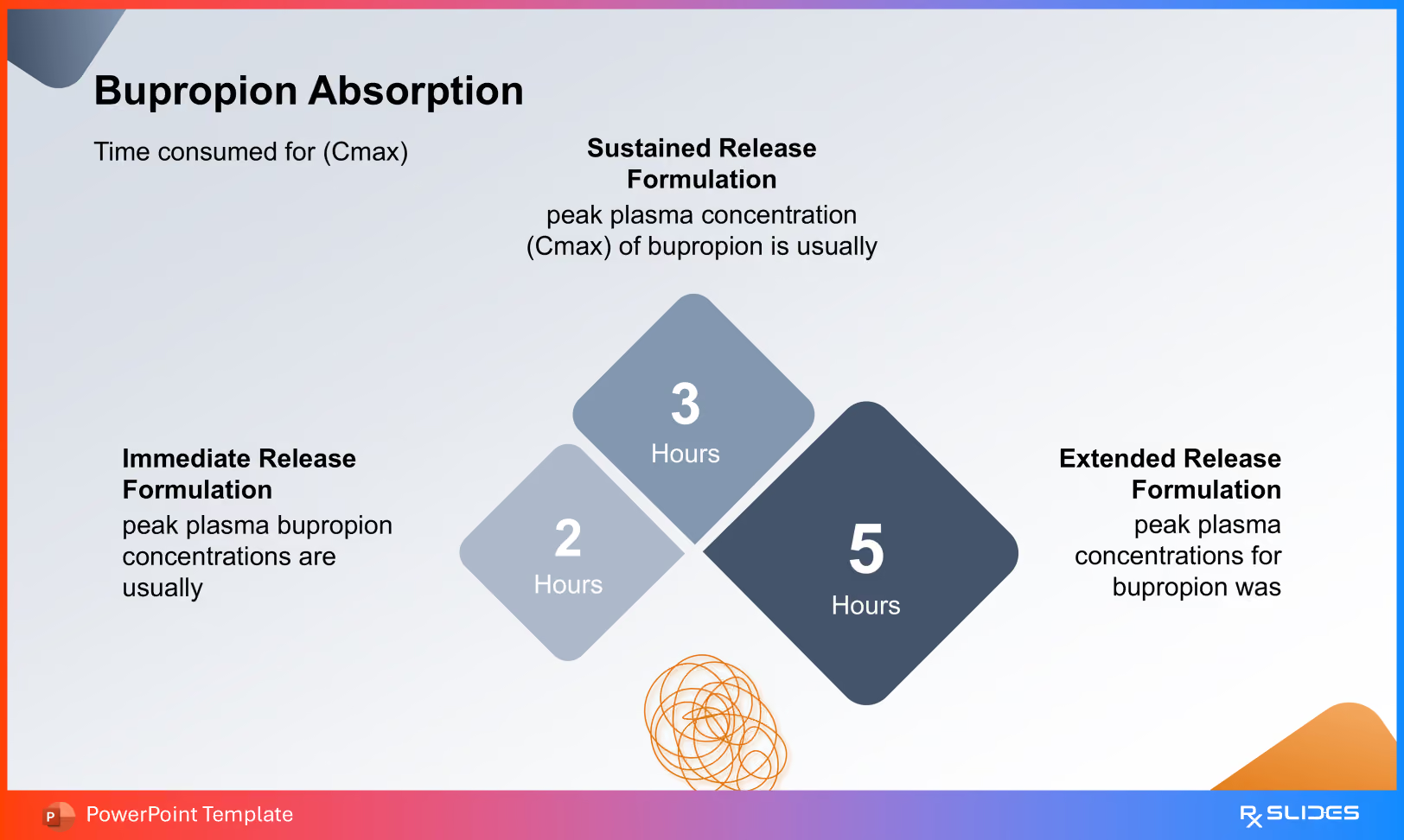
Pharmacokinetics Slide

  • Absorption, peak plasma concentrations (Cmax), bioavailability, metabolism via CYP2B6
  • Formulation distinctions: Immediate Release (IR), Extended Release (ER), Sustained Release (SR)
Bupropion Absorption Slide From Bupropion PowerPoint Presentation Template

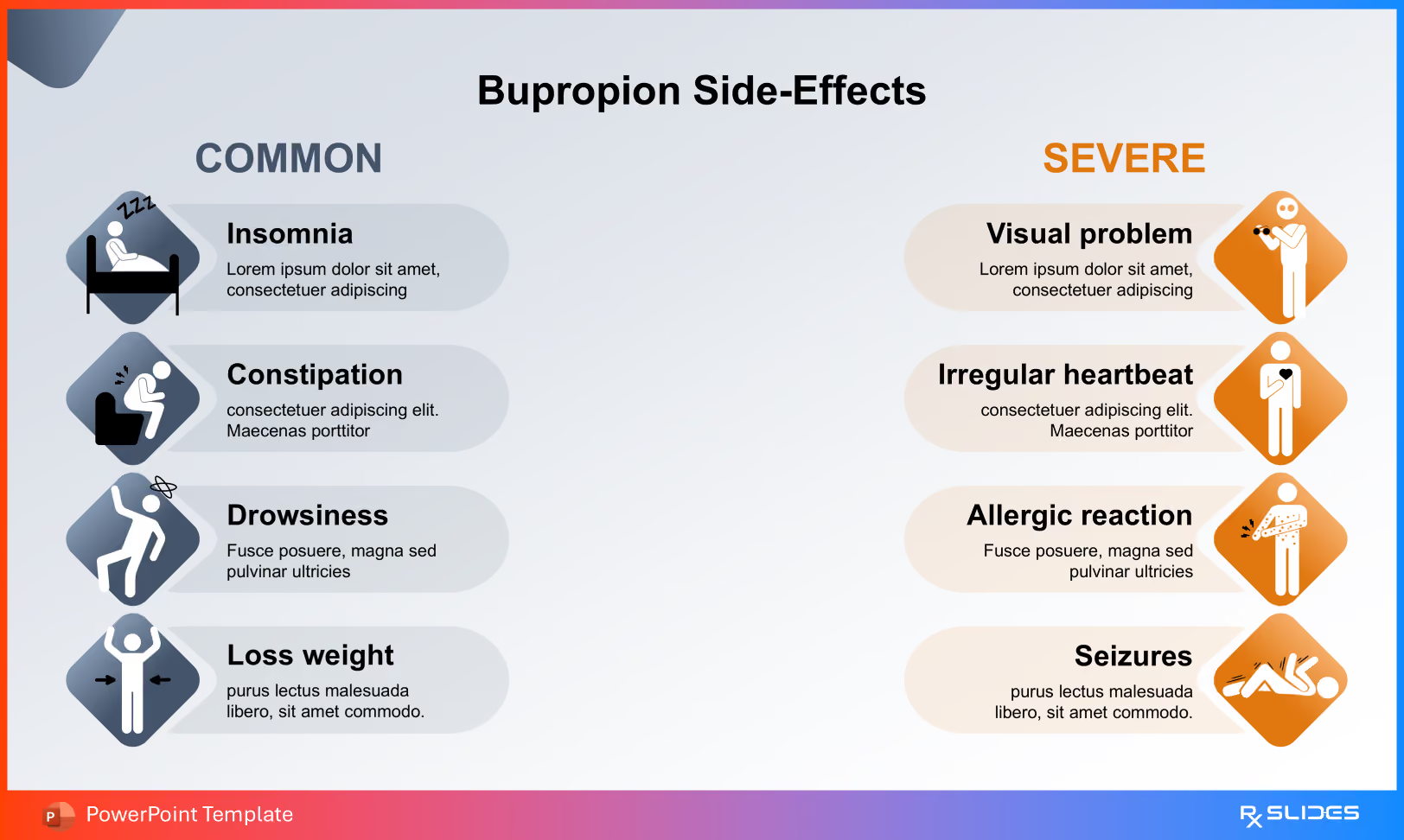
Toxicity and Adverse Effects Slide

  • Categorize adverse events:
    • Mild: Insomnia, Dry mouth, Constipation
    • Severe: Seizures, Cardiac events, Neuropsychiatric reactions
Toxicity and Adverse Effects Slide From Bupropion PowerPoint Presentation Template

Summary

This template enables scientific communication of Bupropion across educational, clinical, and research contexts. It bridges neuroanatomy, pharmacology, and clinical management, supporting detailed presentations for medical educators, congresses, and professional workshops.

Latest Articles

Explore All