A Guide to Presenting Venlafaxine with RxSlides PowerPoint Template

A Guide to Presenting Venlafaxine with RxSlides PowerPoint Template

Venlafaxine is a serotonin–norepinephrine reuptake inhibitor (SNRI) widely prescribed for major depressive disorder and multiple anxiety spectrum conditions. Its therapeutic effect arises from modulation of monoaminergic signaling within the synaptic cleft, a mechanism that can be challenging to convey without structured visualization.

For psychiatrists, pharmacology educators, and clinical researchers, effective teaching requires tools that integrate neuroanatomy, synaptic pharmacodynamics, and real-world prescribing considerations.

The Venlafaxine PowerPoint Presentation Template provides a coherent visual framework for this purpose, enabling educators to move from brain anatomy to clinical outcomes in a logical progression.

Below is a structured guide for leveraging the template in professional medical education.

1. Neuroanatomical Foundations of Mood Regulation

Understanding antidepressant action begins with neural structure.

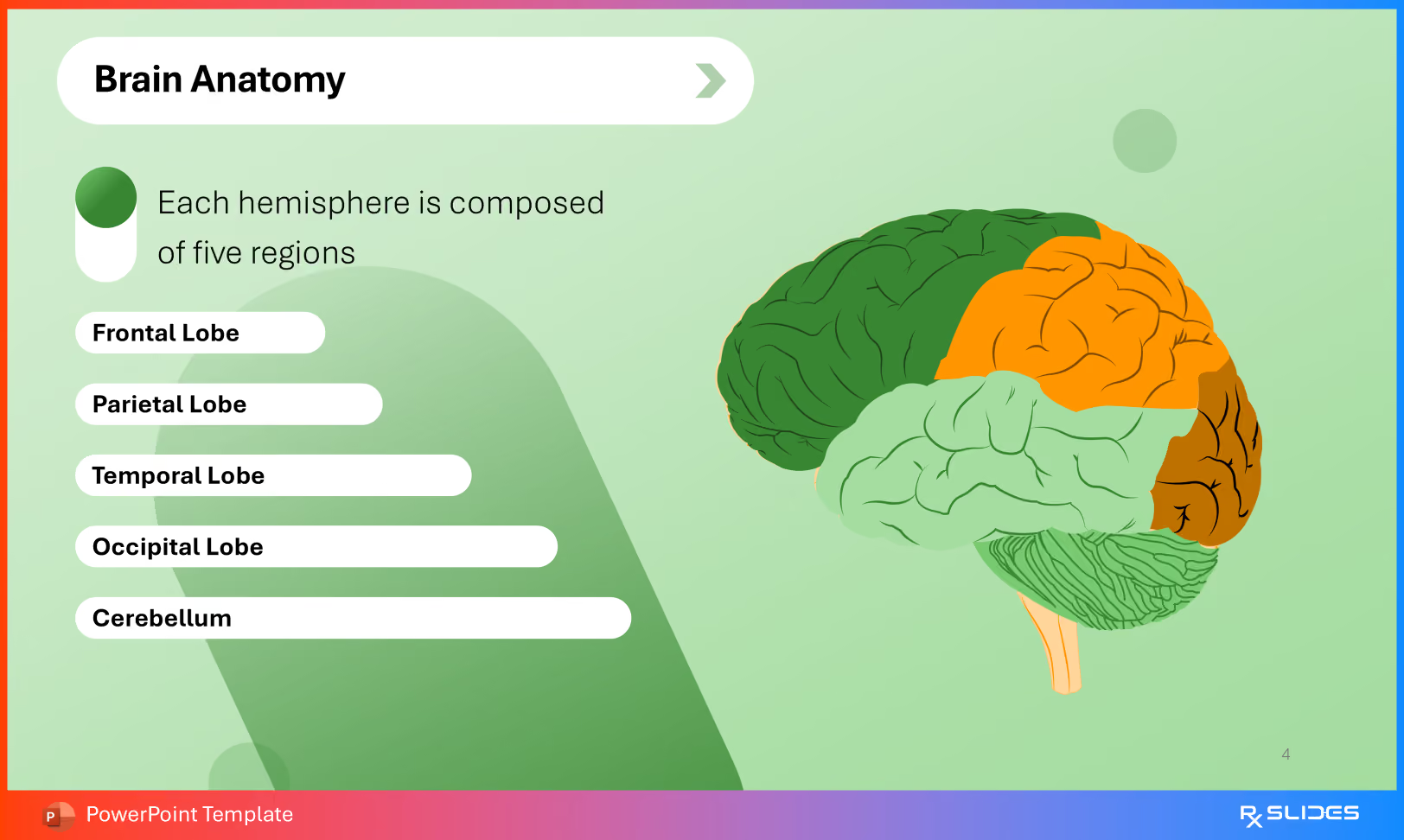
Brain Anatomy

Use this slide to identify cortical regions implicated in mood and cognition, including the frontal, parietal, and temporal lobes. This establishes anatomical context for affective regulation.

Brain Anatomy Slide from Venlafaxine PowerPoint Presentation Template

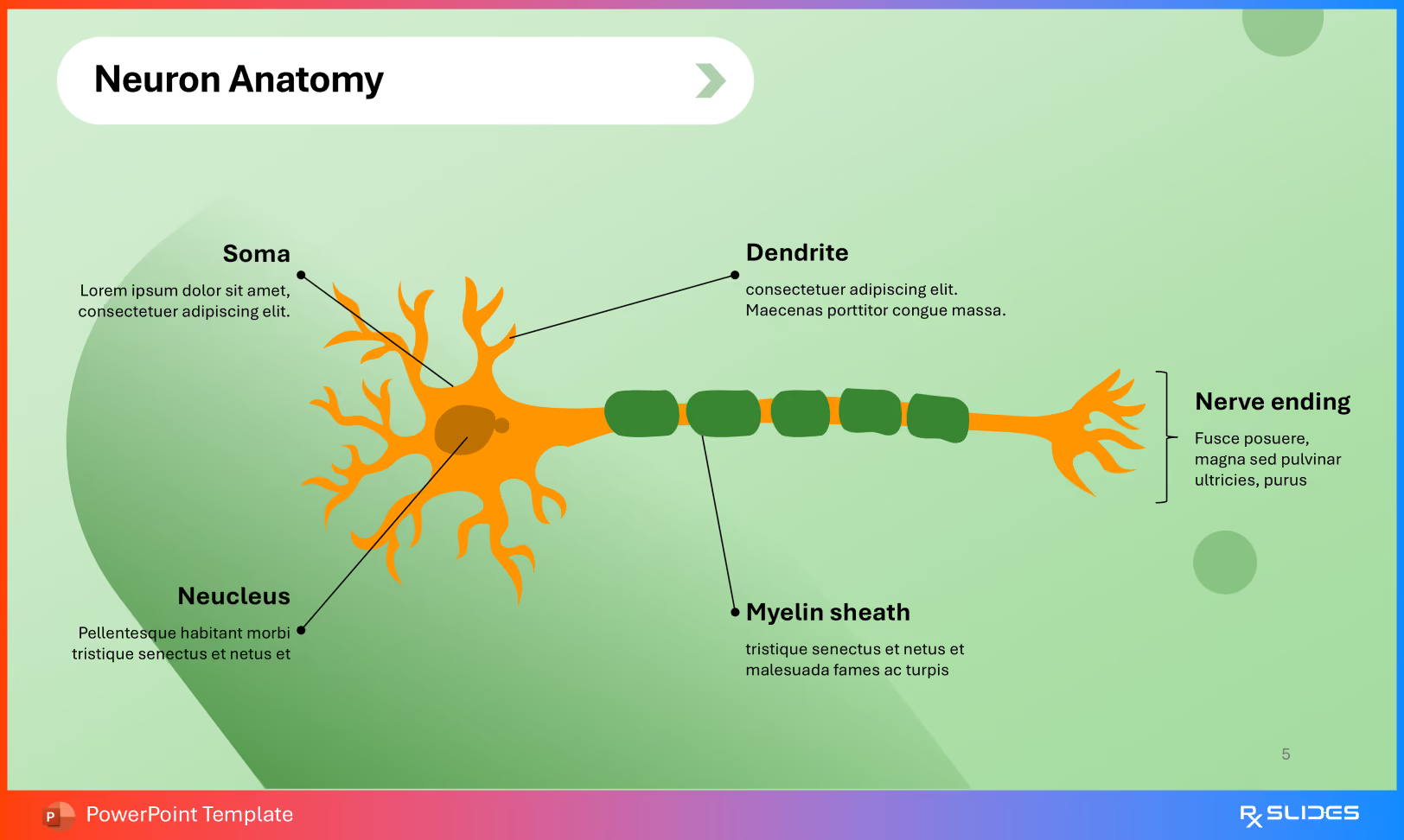
Neuron Anatomy

Transition to cellular architecture by highlighting:

  • Soma and nucleus
  • Dendrites
  • Myelin sheath
Neuron Anatomy Slide from Venlafaxine PowerPoint Presentation Template

These components illustrate how electrical impulses and chemical signaling propagate through neural networks.

2. Clinical Phenotypes of Depression and Anxiety

For psychiatry trainees and mental health clinicians, symptom clustering supports diagnostic reasoning.

Depression and Anxiety

Use the dedicated slides to review:

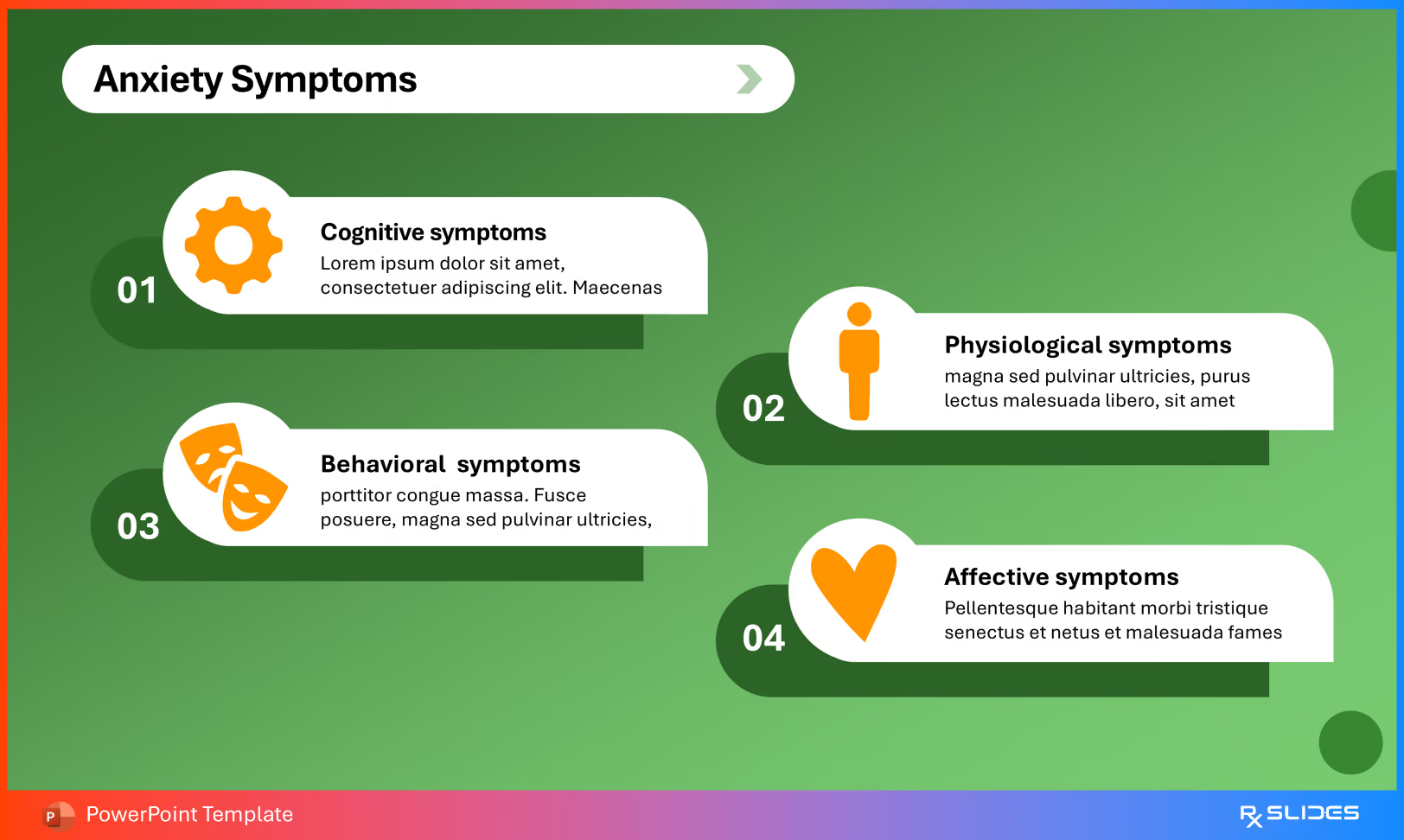
Anxiety Symptoms Slide from Venlafaxine PowerPoint Presentation Template
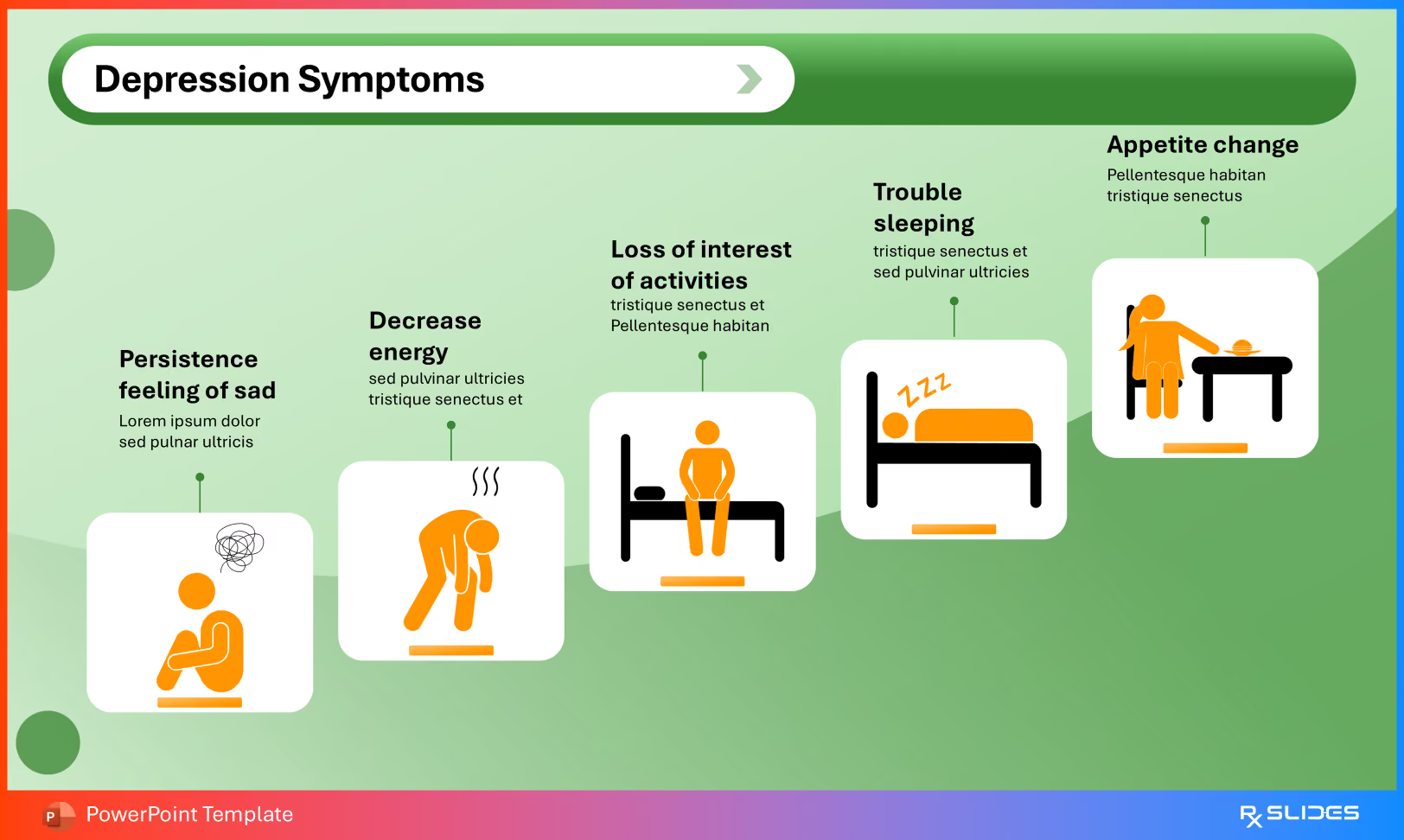
  • Core depressive features such as low mood persistence, reduced energy, sleep disturbance, and appetite changes
  • Multifactorial contributors including genetics, neurochemistry, and psychosocial stressors
  • Anxiety manifestations categorized into cognitive, behavioral, and physiological domains
Depression Symptoms Slide from Venlafaxine PowerPoint Presentation Template

These visuals support structured assessment frameworks.

3. Mechanism of Action: Synaptic Pharmacodynamics

This section represents the pharmacologic core of the presentation.

Neurotransmitters

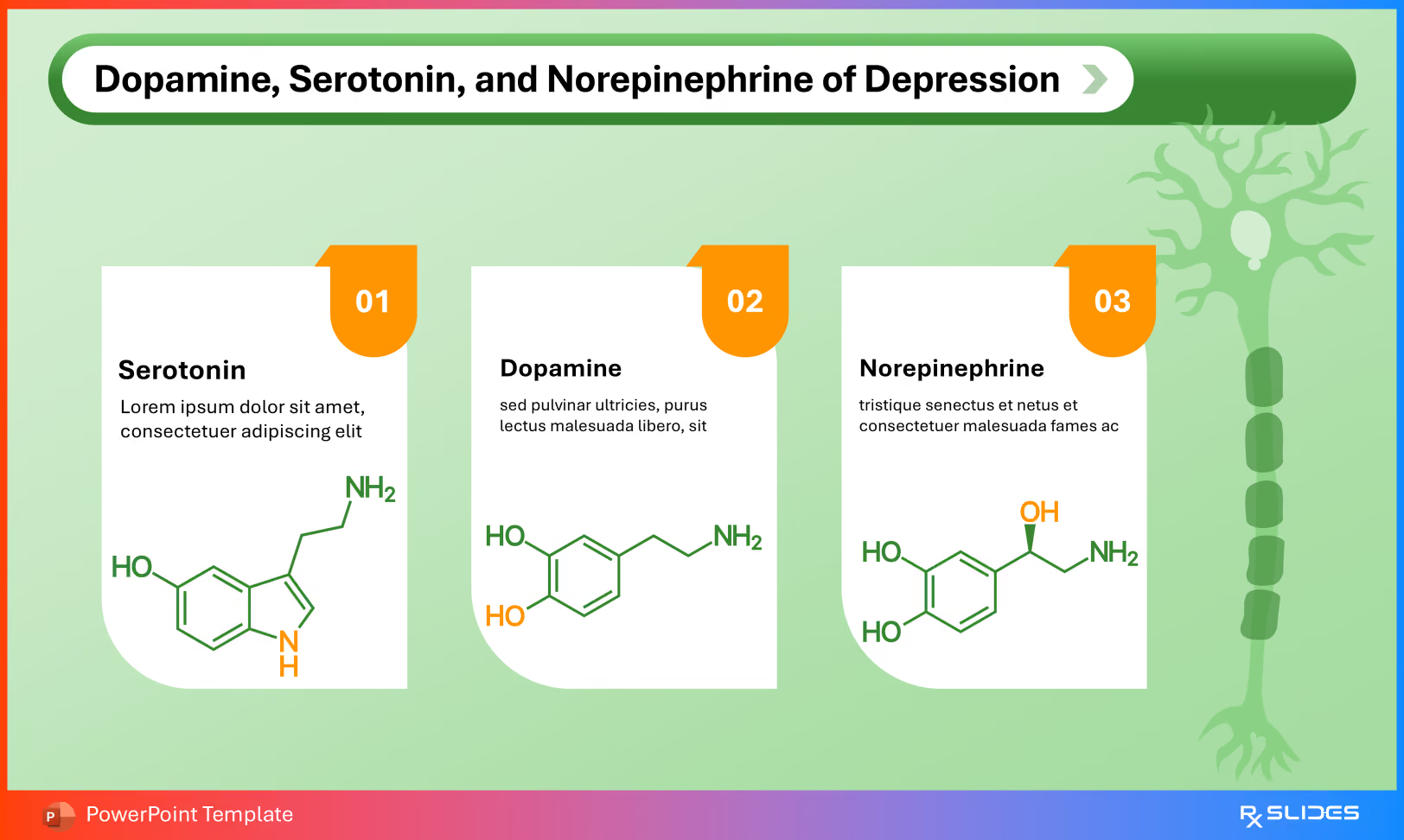
Introduce dopamine, serotonin, and norepinephrine as central neurotransmitters implicated in depressive pathology.

Neurotransmitters Slide from Venlafaxine PowerPoint Presentation Template

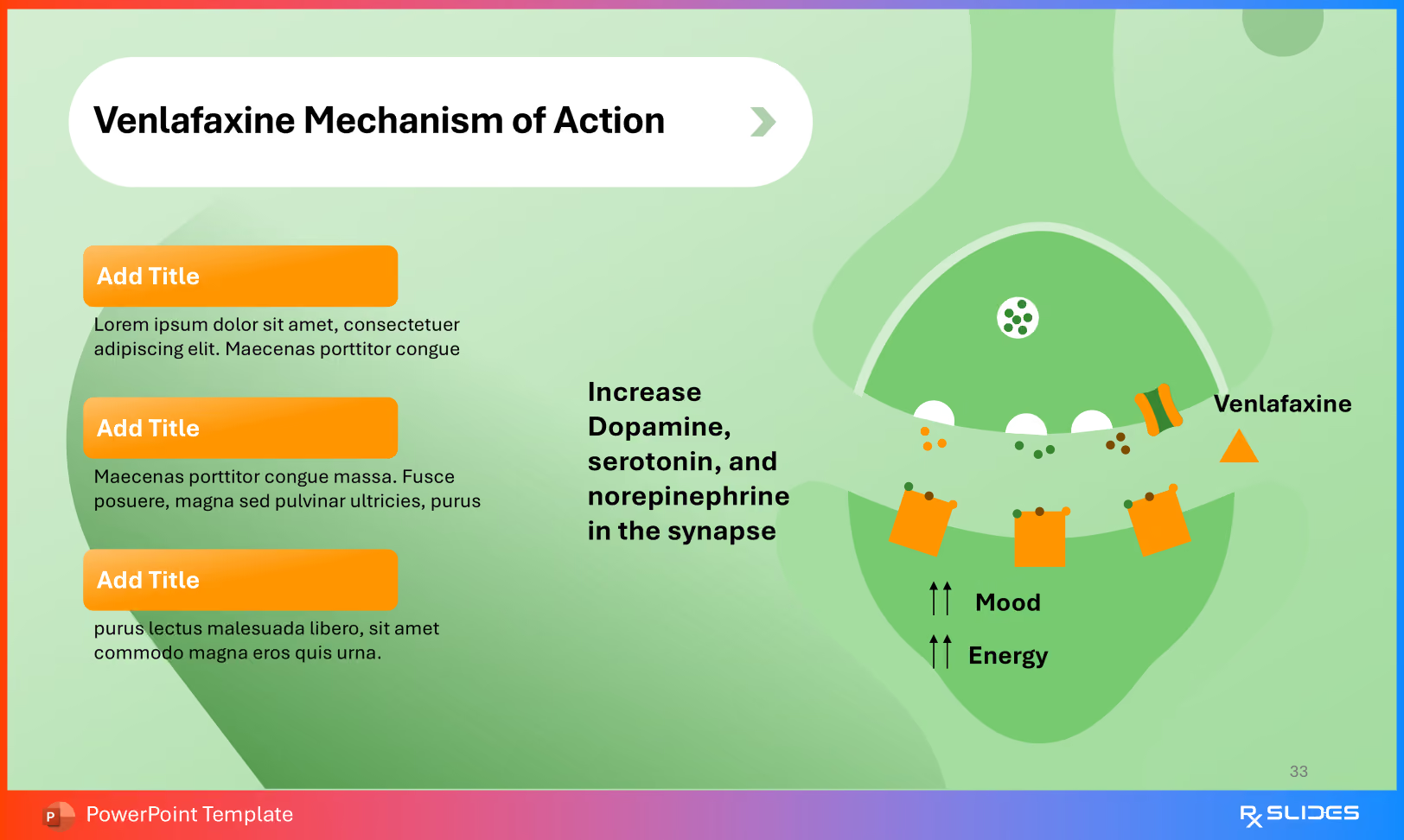
Venlafaxine Mechanism of Action

Use the synaptic diagrams to demonstrate:

  • Presynaptic and postsynaptic terminals
  • Reuptake transporters for serotonin and norepinephrine
  • Inhibition of these transporters by venlafaxine, resulting in increased monoamine availability within the synaptic cleft
Venlafaxine Mechanism of Action Slide from Venlafaxine PowerPoint Presentation Template

This visualization explains how venlafaxine enhances mood, alertness, and emotional regulation through sustained neurotransmitter signaling.

4. Clinical Use: Indications, Formulations, and Safety

For prescribers and nursing staff, practical application becomes central.

Indications

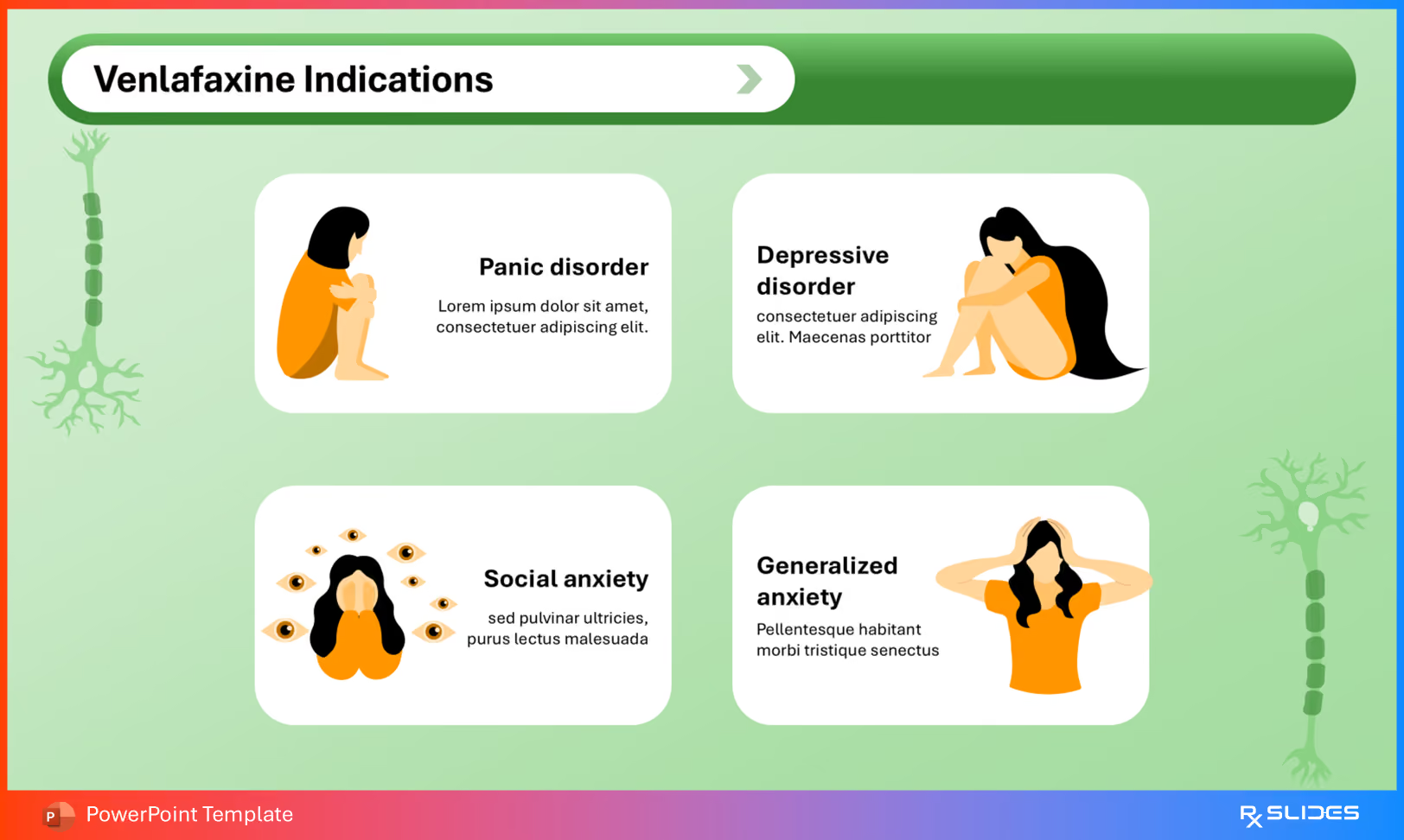
Review approved therapeutic uses including:

  • Major depressive disorder
  • Generalized anxiety disorder
  • Social anxiety disorder
  • Panic disorder
Indications Slide from Venlafaxine PowerPoint Presentation Template

Dosage Forms

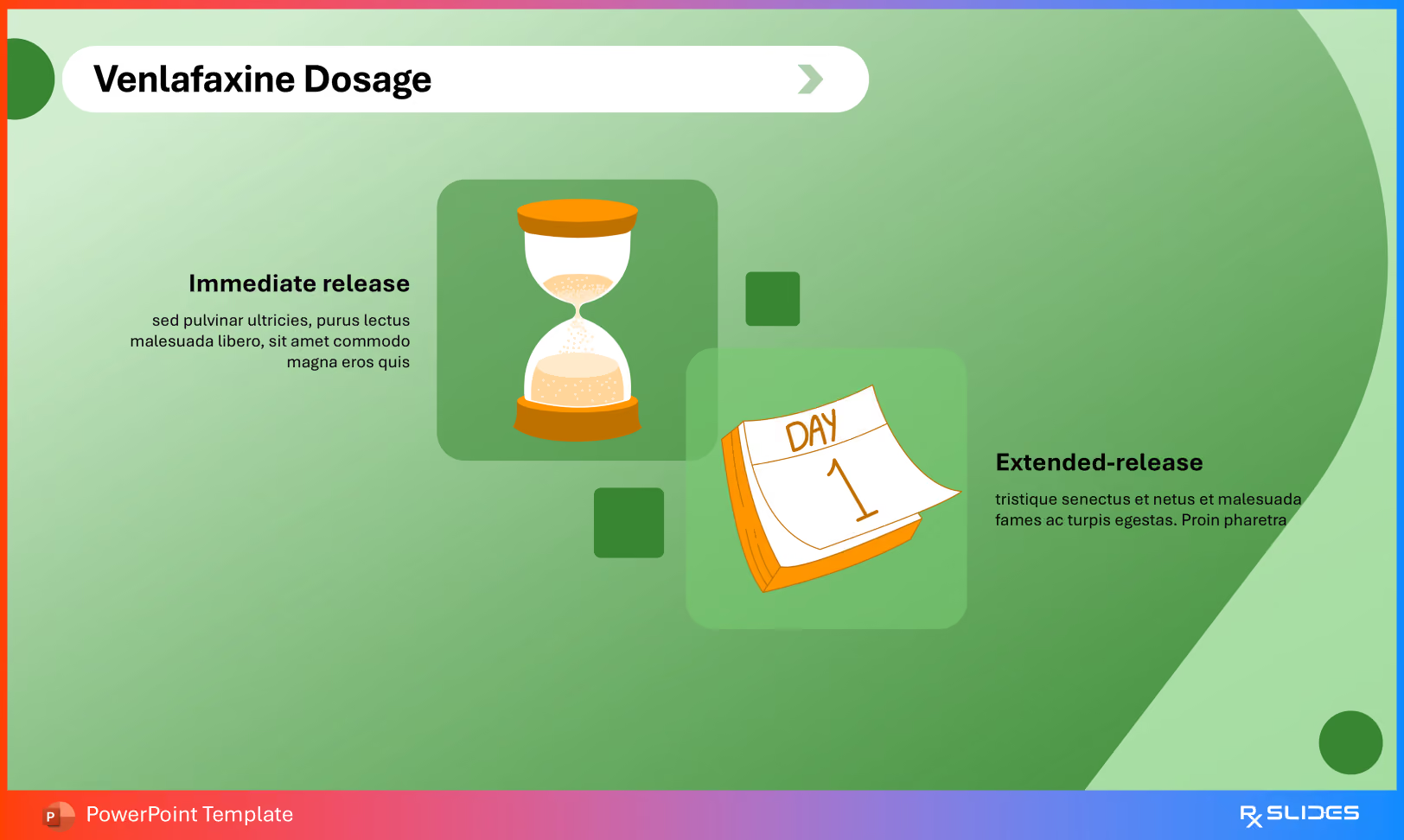
Use the dosage slides to distinguish between immediate-release and extended-release formulations, emphasizing their implications for adherence and plasma stability.

Dosage Slide from Venlafaxine PowerPoint Presentation Template

Contraindications

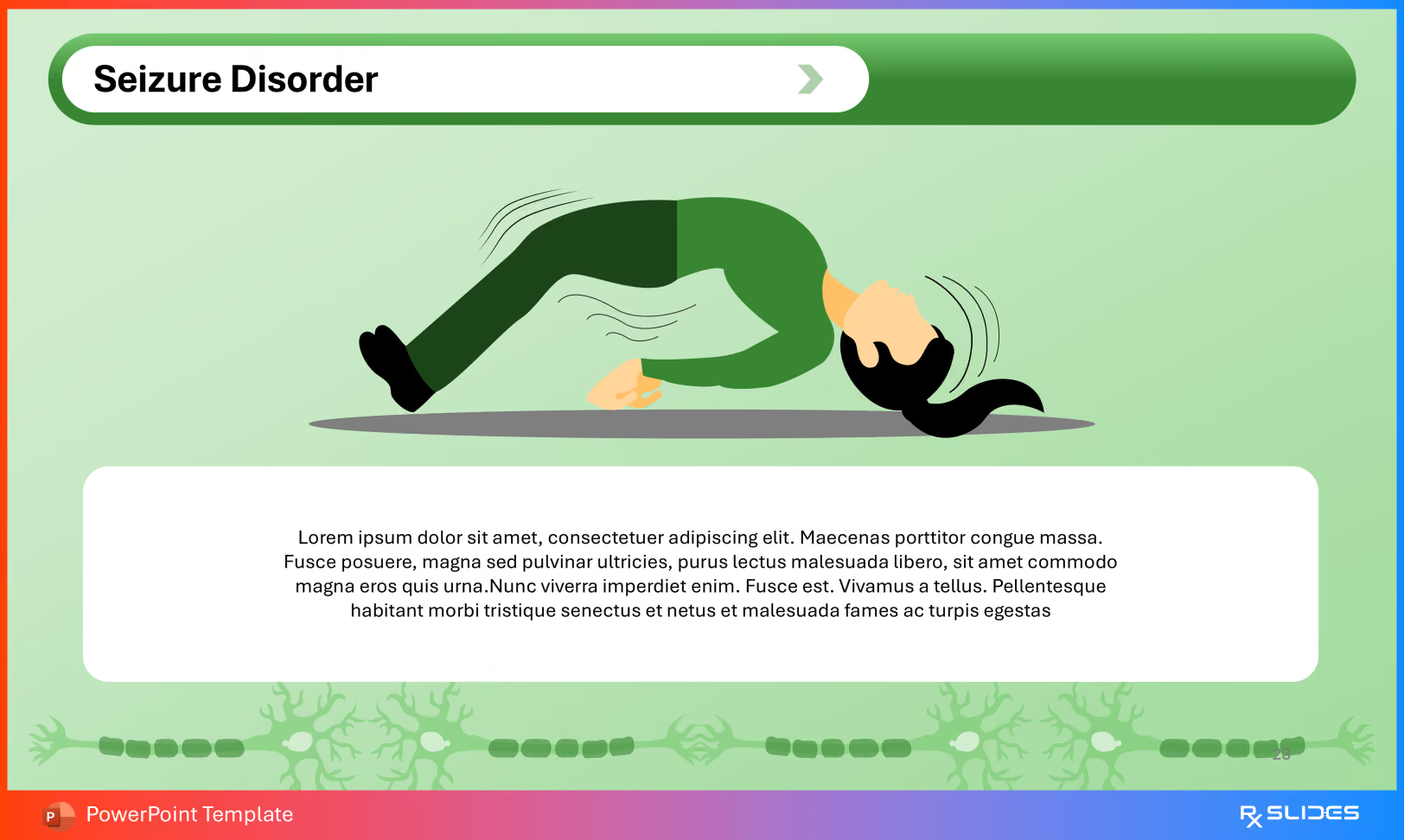
Highlight key safety considerations, including seizure disorders and other clinical cautions relevant to antidepressant initiation.

Contraindications Slide from Venlafaxine PowerPoint Presentation Template

5. Pharmacokinetics: Absorption, Metabolism, and Elimination

For pharmacology instruction and academic review, quantitative kinetics provide essential context.

Pharmacokinetic Profile

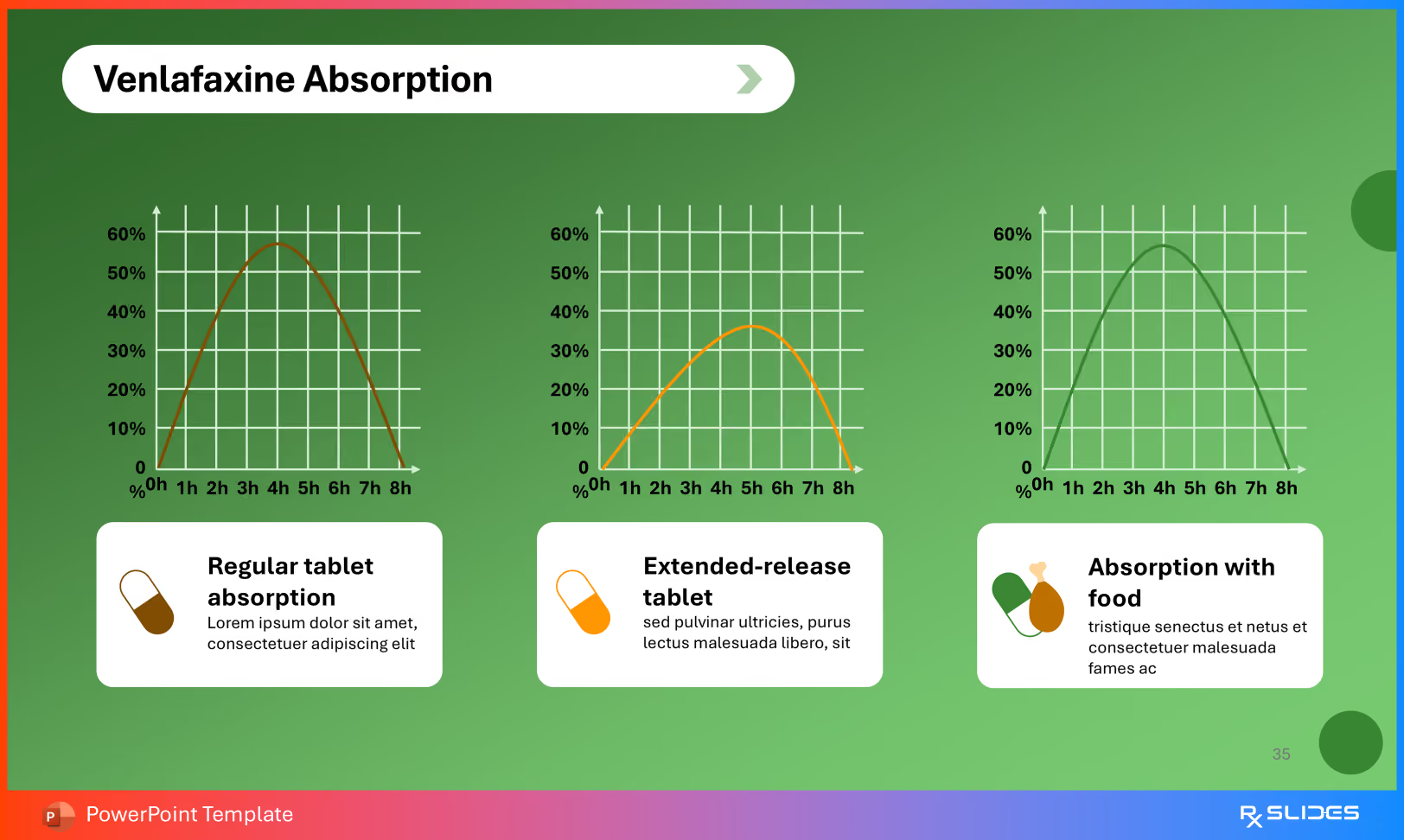
  • Absorption: Compare oral bioavailability with and without food
Absorption Slide from Venlafaxine PowerPoint Presentation Template
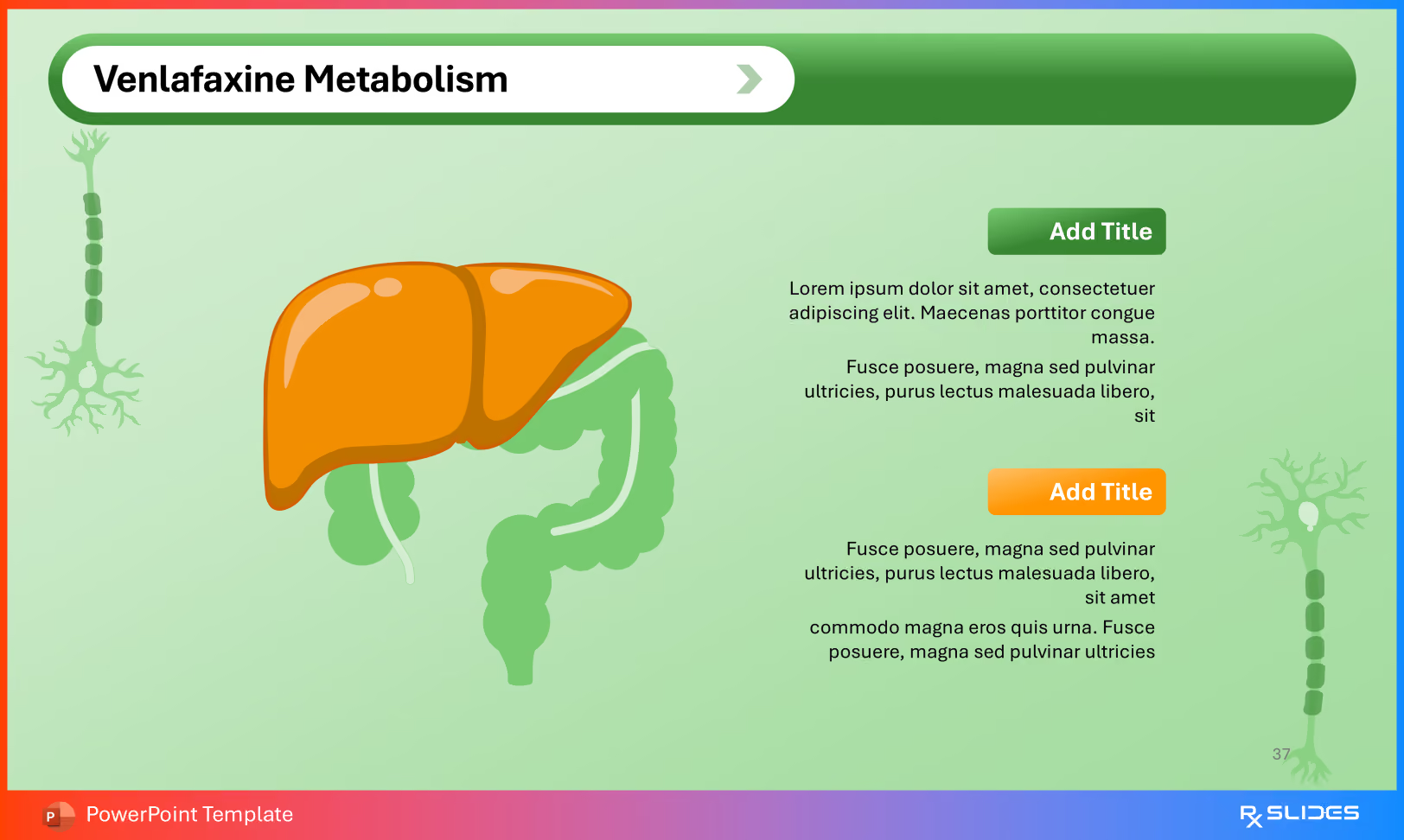
  • Metabolism: Use the liver schematic to explain hepatic processing
Metabolism Slide from Venlafaxine PowerPoint Presentation Template
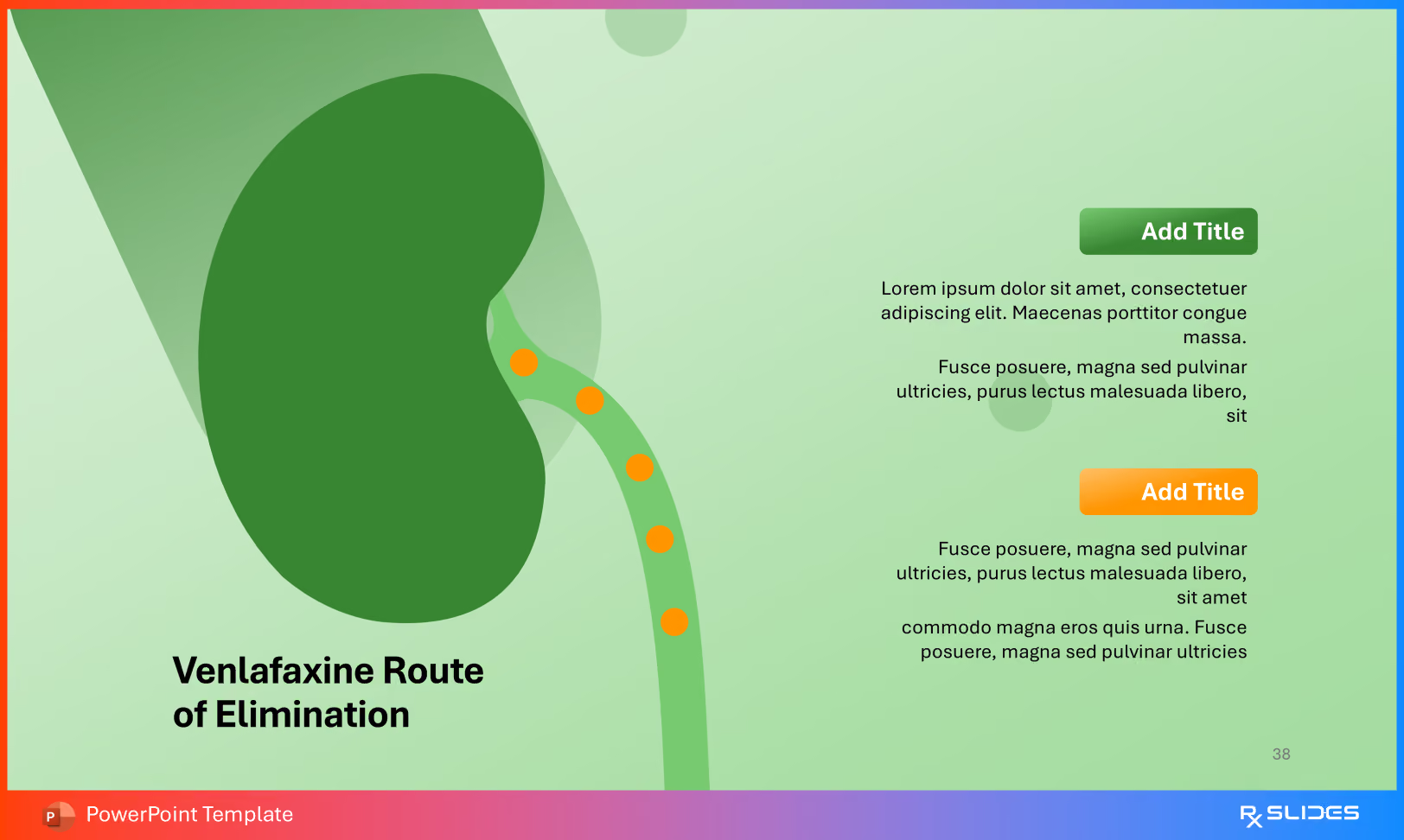
  • Elimination: Visualize half-life progression across time intervals
Elimination Slide from Venlafaxine PowerPoint Presentation Template

These slides support understanding of dosing frequency and steady-state dynamics.

6. Adverse Effects and Discontinuation Considerations

Risk communication remains integral to antidepressant management.

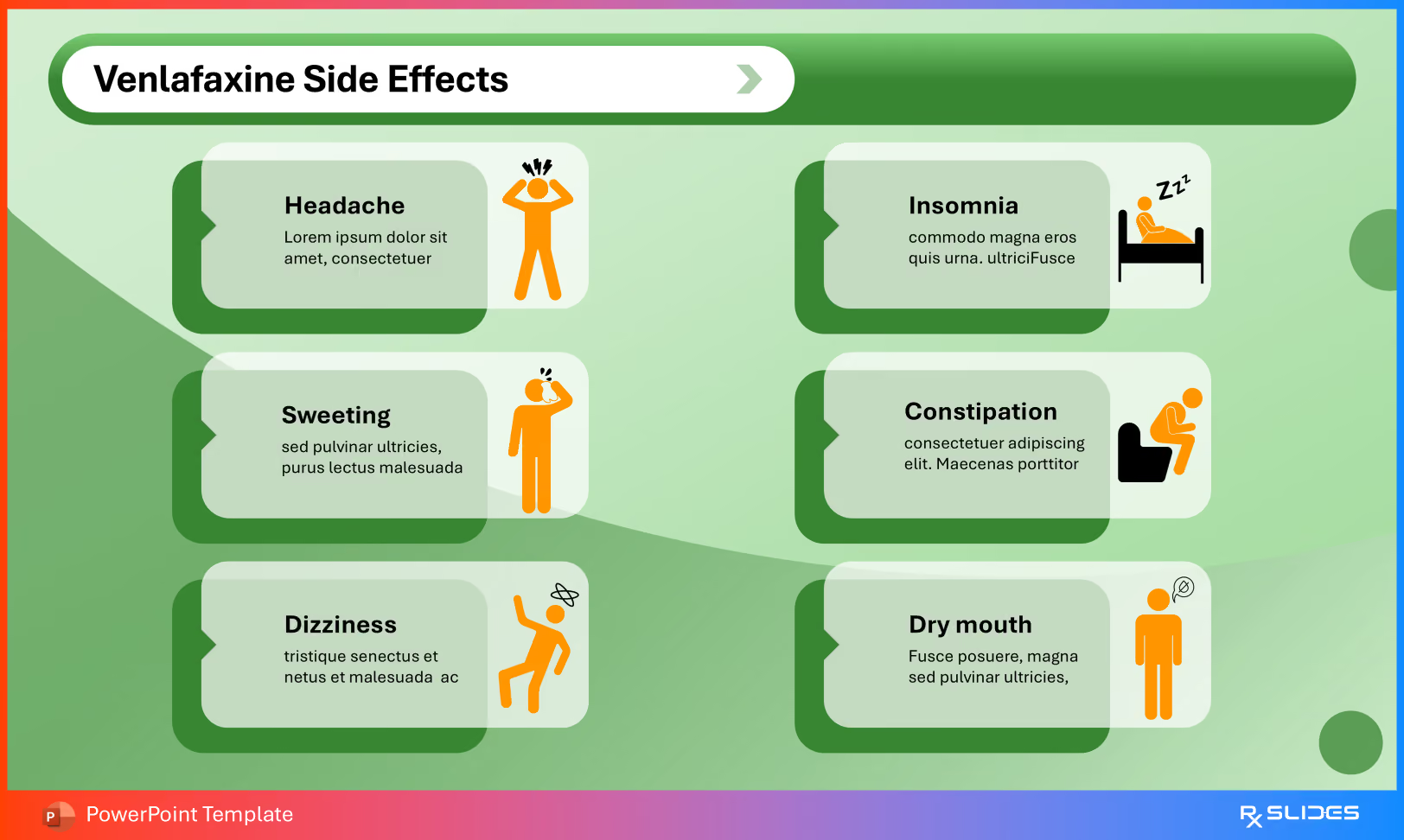
Adverse Effects

Review commonly reported reactions such as:

  • Headache
  • Sweating
  • Dizziness
  • Insomnia
  • Xerostomia
Side Effects Slide from Venlafaxine PowerPoint Presentation Template

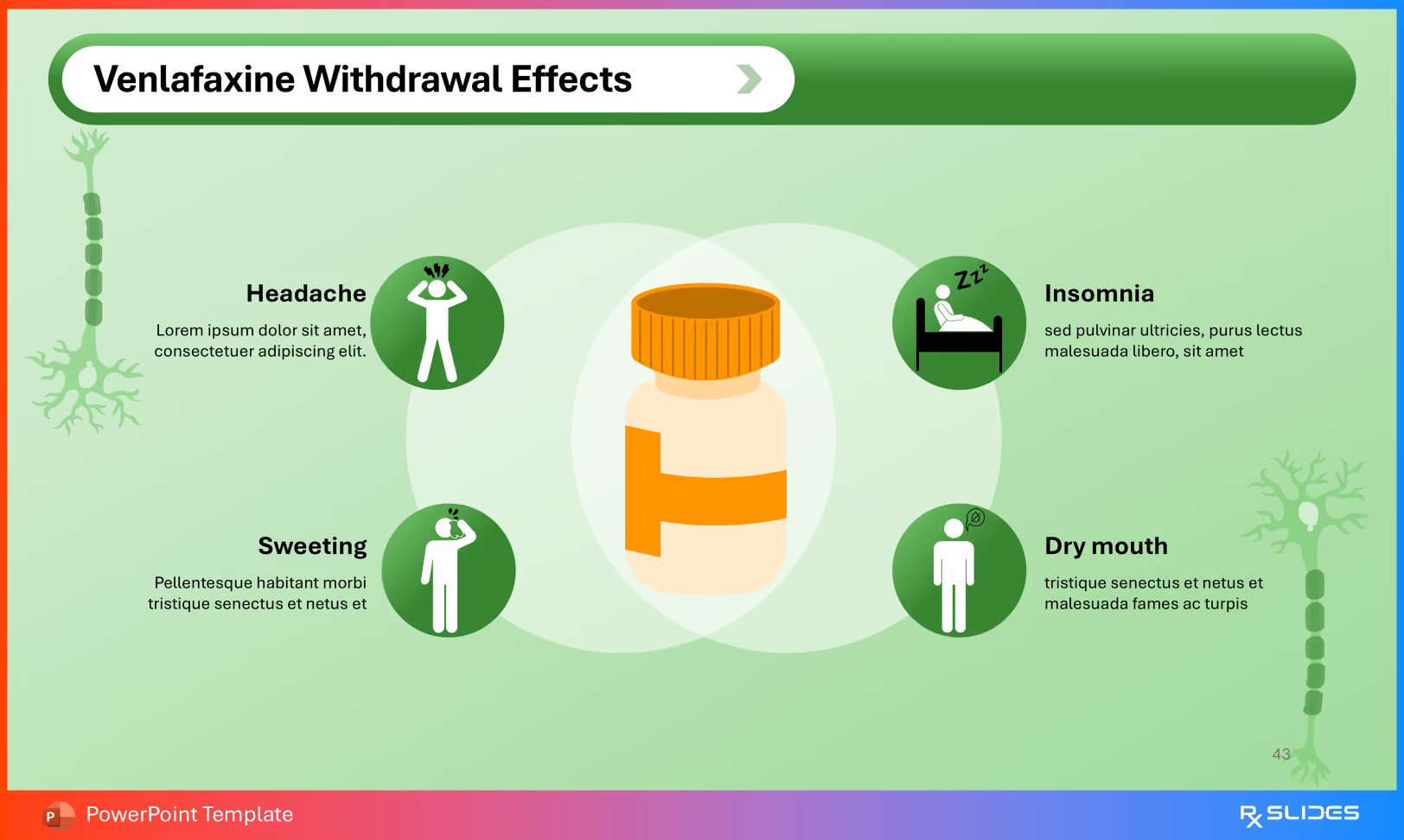
Withdrawal Effects

Emphasize the importance of gradual tapering by illustrating discontinuation symptoms including headache and sleep disturbance.

Withdrawal Effects Slide from Venlafaxine PowerPoint Presentation Template

Conclusion: From Synaptic Transporters to Symptom Improvement

This template connects monoamine transporter inhibition with clinical outcomes in depressive and anxiety disorders. It enables educators to transition seamlessly from cortical anatomy to pharmacokinetic curves and therapeutic response.

For healthcare professionals, it offers a structured framework to teach SNRI pharmacology, neurobiology, and evidence-based prescribing across psychiatry, internal medicine, and clinical pharmacy.

Latest Articles

Explore All