A Guide to Presenting Vitamin D Deficiency in PowerPoint
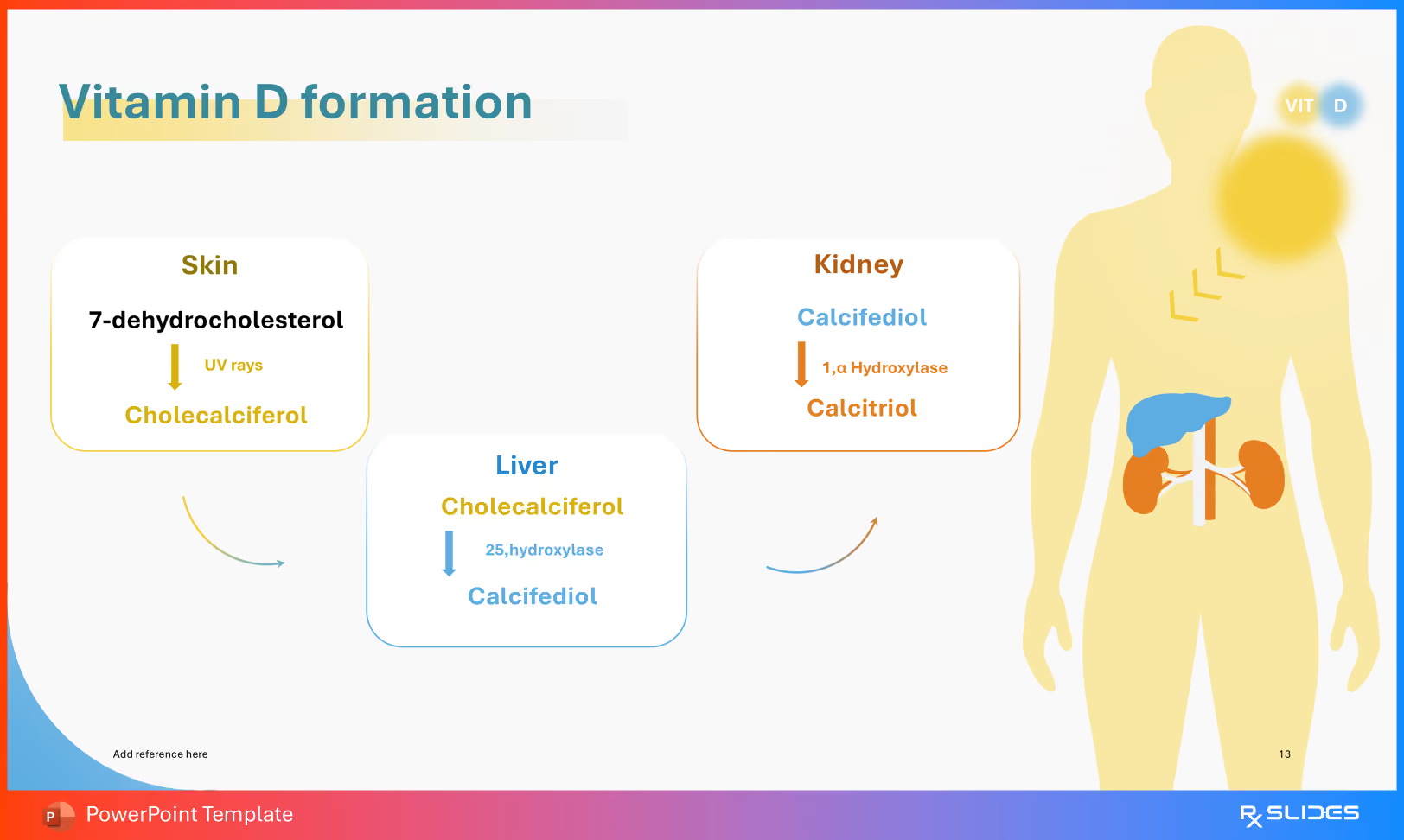
Vitamin D occupies a unique position among vitamins. Functionally, it behaves as a steroid hormone, regulating calcium homeostasis, skeletal integrity, immune modulation, and gene transcription. Its metabolism spans multiple organs, skin, liver, kidneys, and culminates in nuclear receptor signaling.
For healthcare professionals and medical educators, explaining “The Sunshine Vitamin” requires educational tools that connect lifestyle factors with molecular biology and clinical outcomes.
The Vitamin D Deficiency PowerPoint Presentation Template is designed to support this multidimensional teaching approach, enabling instructors to move seamlessly from population-level risk to intracellular signaling pathways.
Below is a structured guide to using this template for professional medical education.
1. Clinical Impact of Vitamin D Deficiency on Skeletal Health
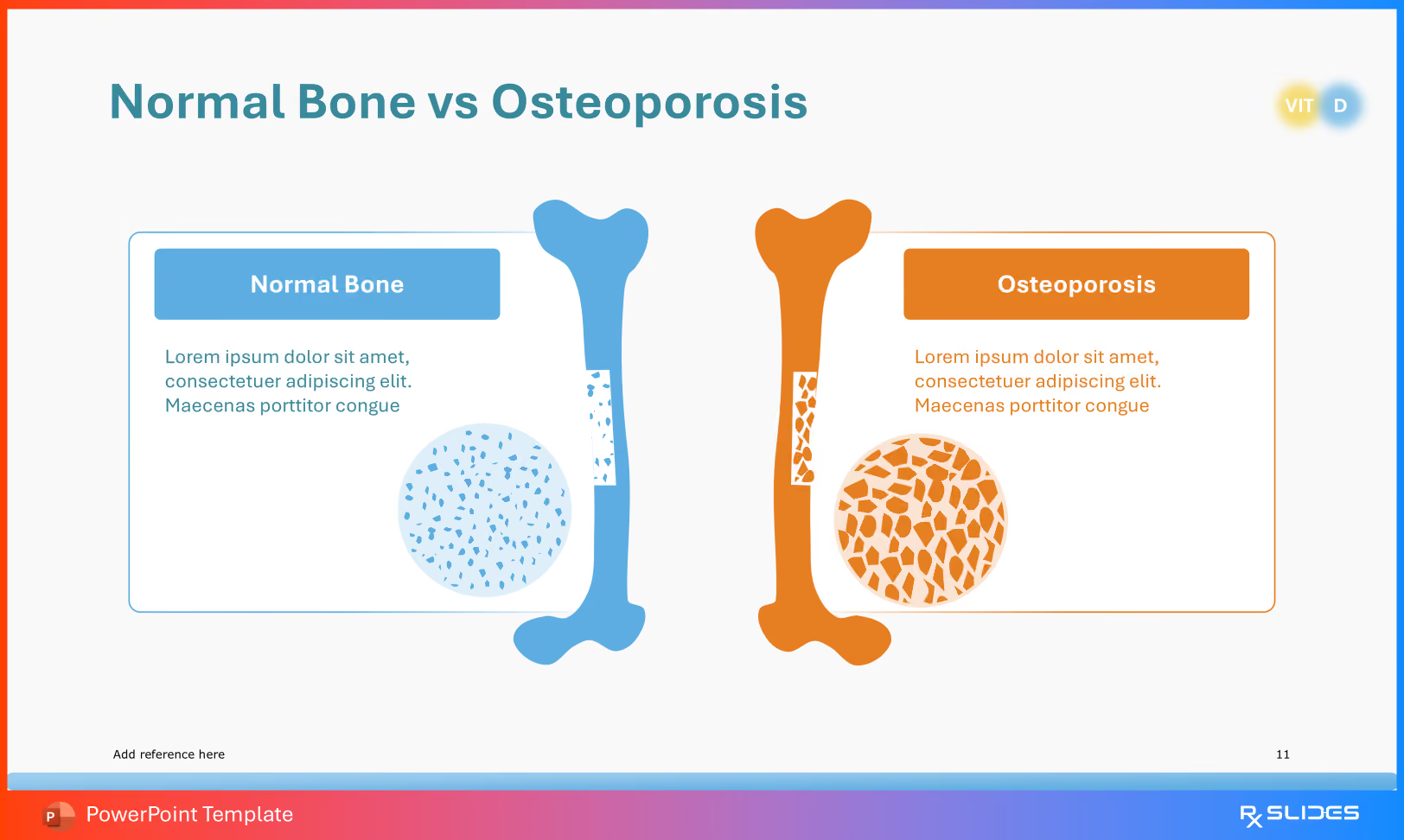
Visualizing bone architecture is essential when introducing Vitamin D deficiency.
Use this slide to demonstrate the contrast between healthy trabecular density and osteoporotic porosity. This provides an immediate structural explanation for fracture risk associated with chronic hypovitaminosis D.
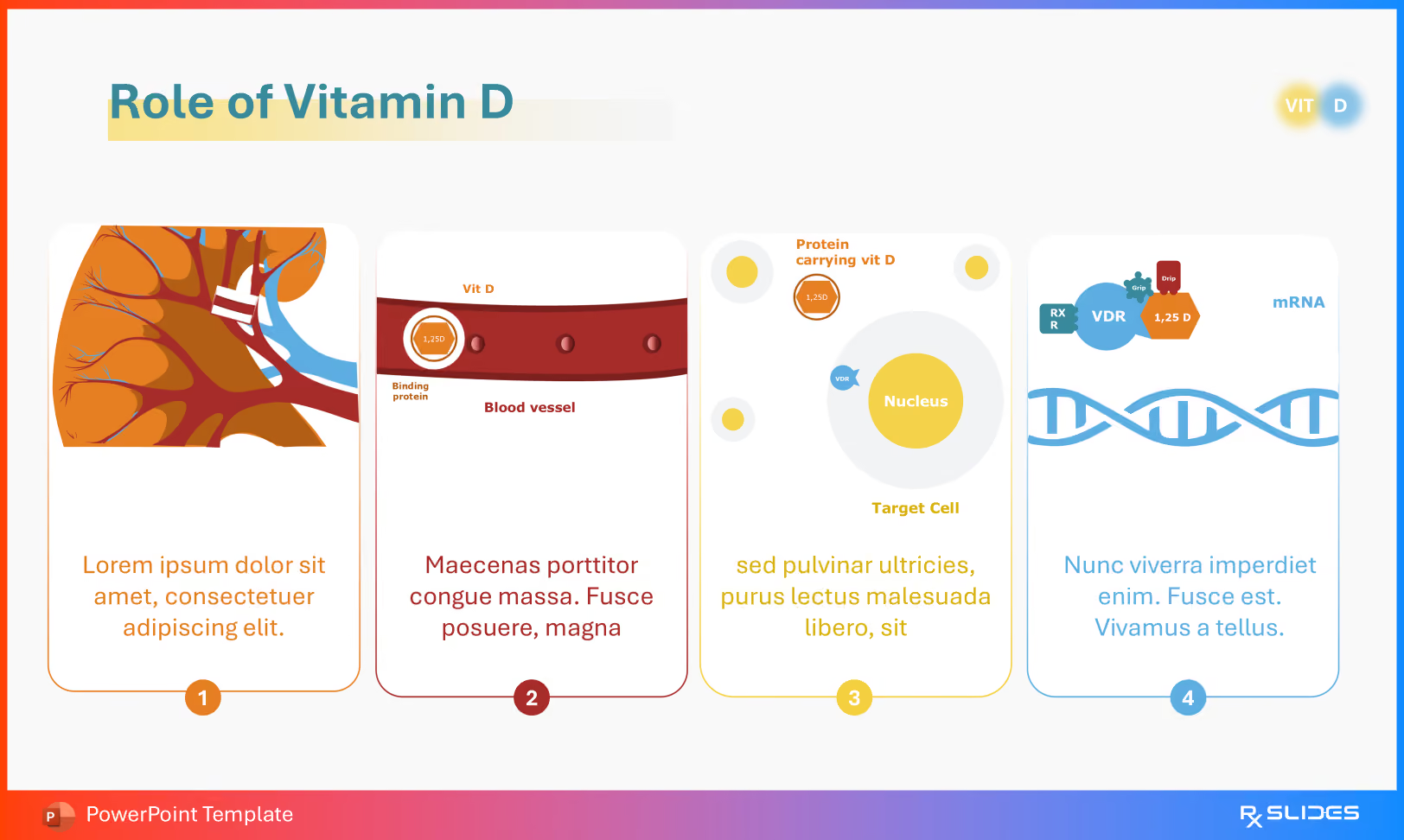
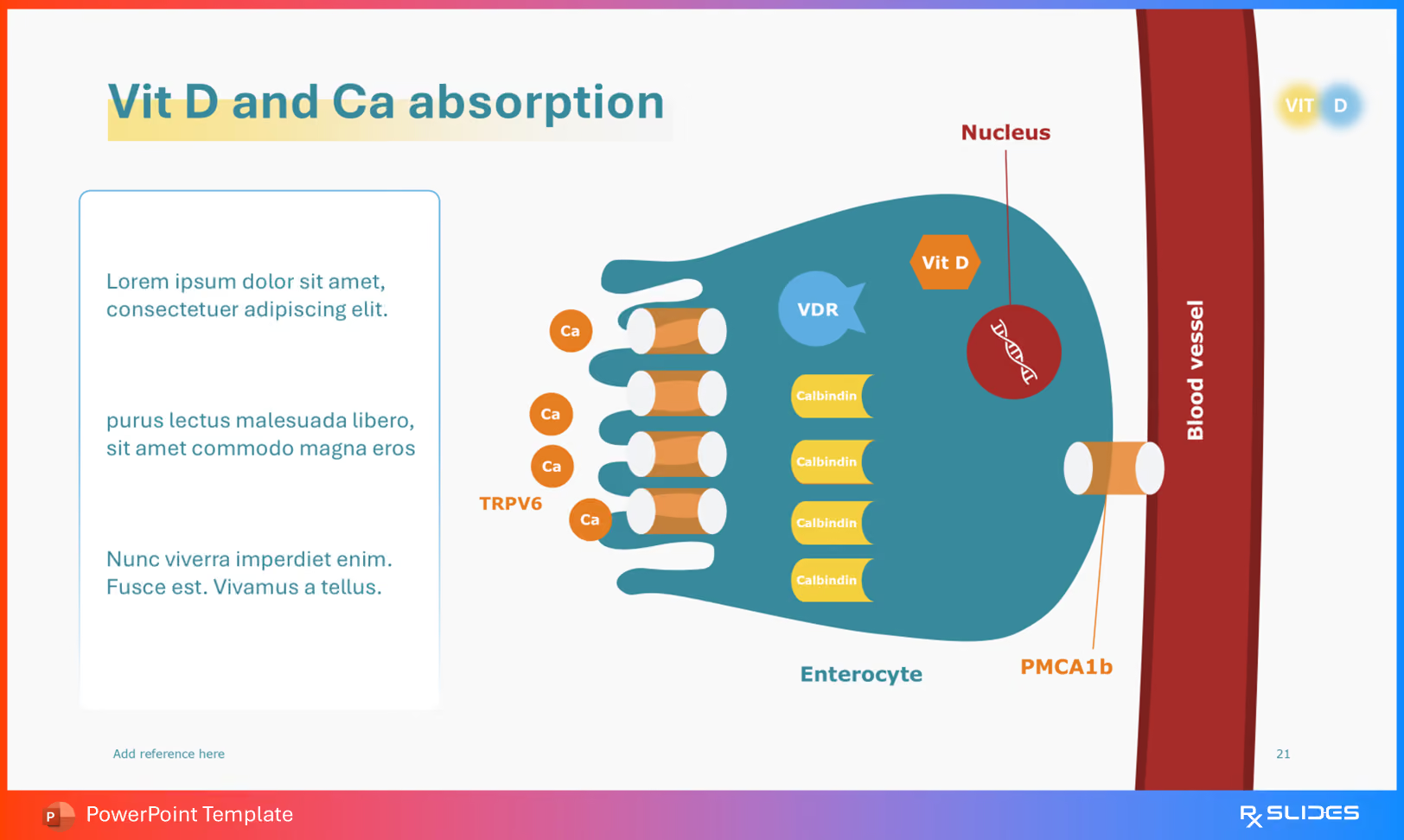
These diagrams illustrate how calcitriol enters target cells, binds the Vitamin D receptor (VDR), heterodimerizes with the Retinoid X Receptor (RXR), and attaches to DNA response elements.
This receptor complex regulates transcription of proteins involved in:
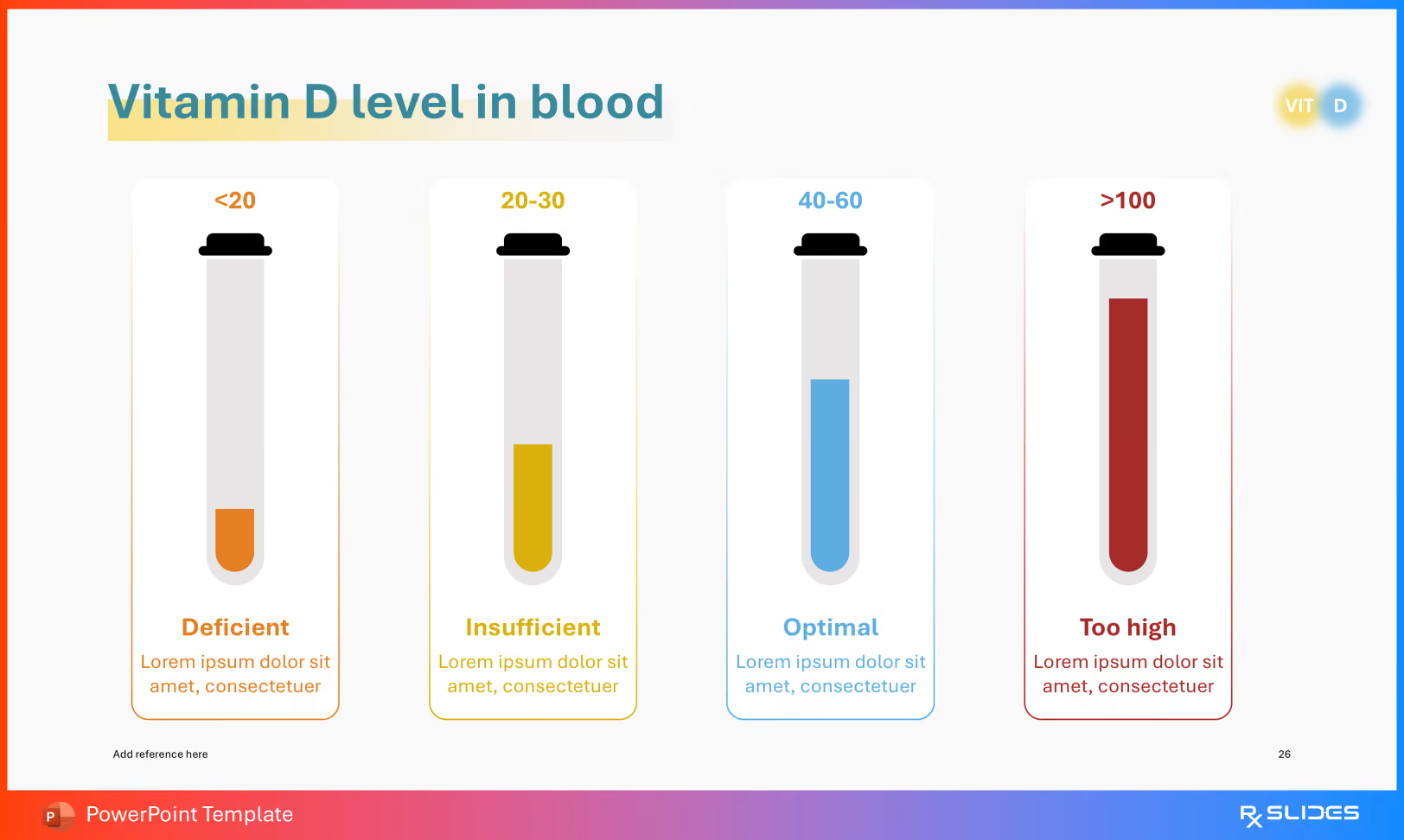
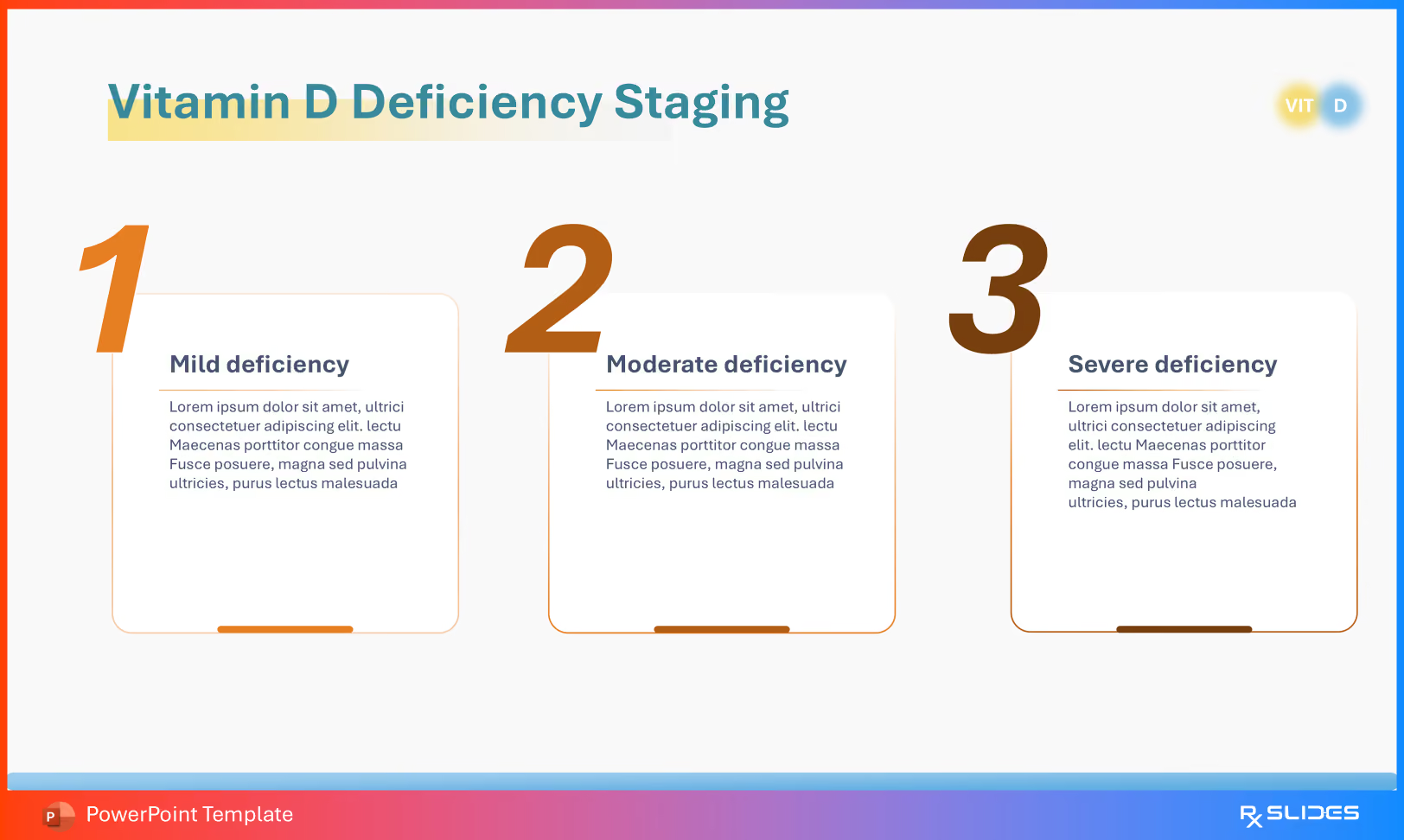
Categorize patients into mild, moderate, or severe deficiency, then integrate the Medical Conditions slide to highlight high-risk populations, including:
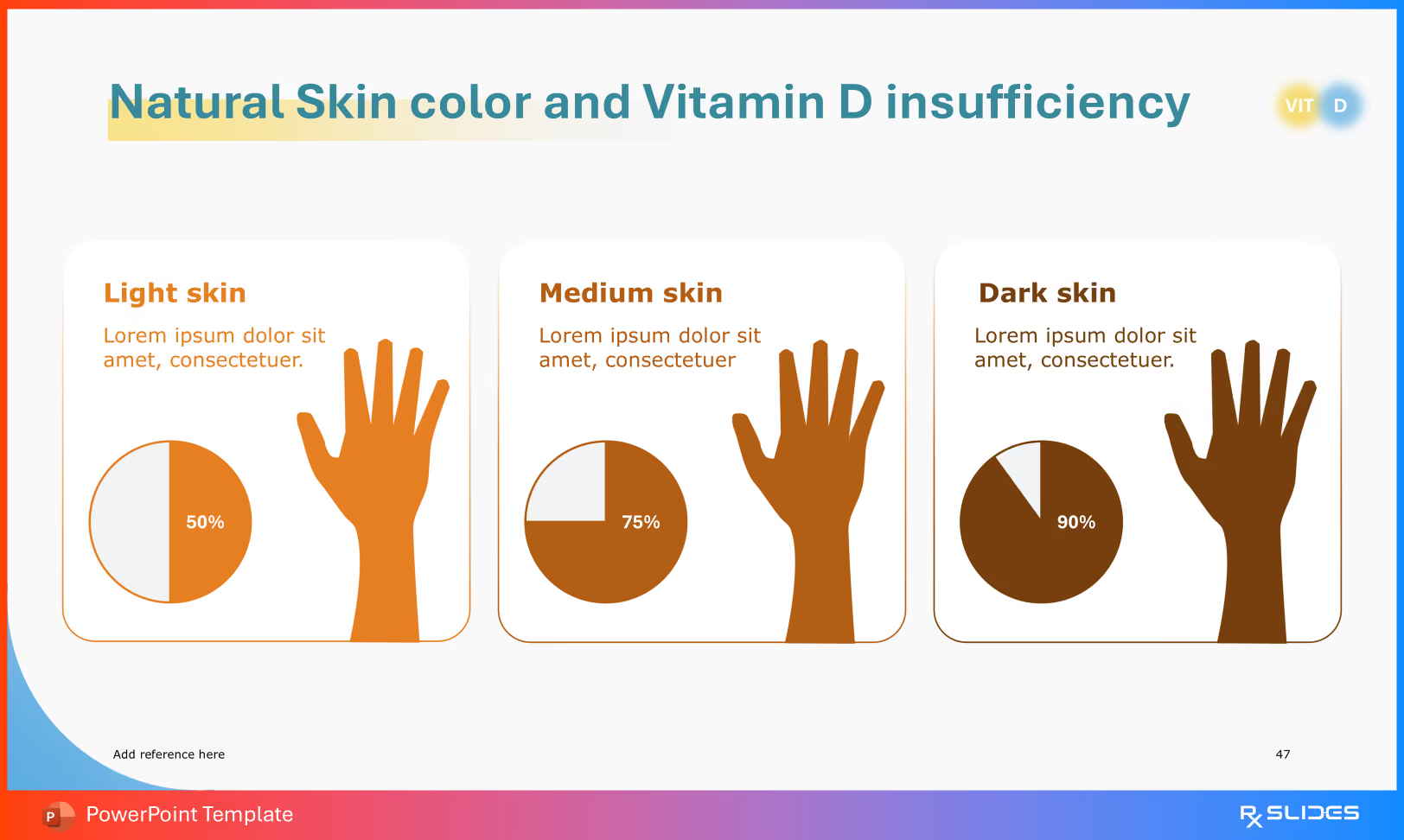
Use this visual to discuss how increased melanin reduces UV-mediated synthesis, with insufficiency rates approaching 90% in darker skin phenotypes, an important consideration in population health and equity.
These slides support preventive strategies and public health messaging.
Conclusion: From Renal Hydroxylation to Muscle Weakness
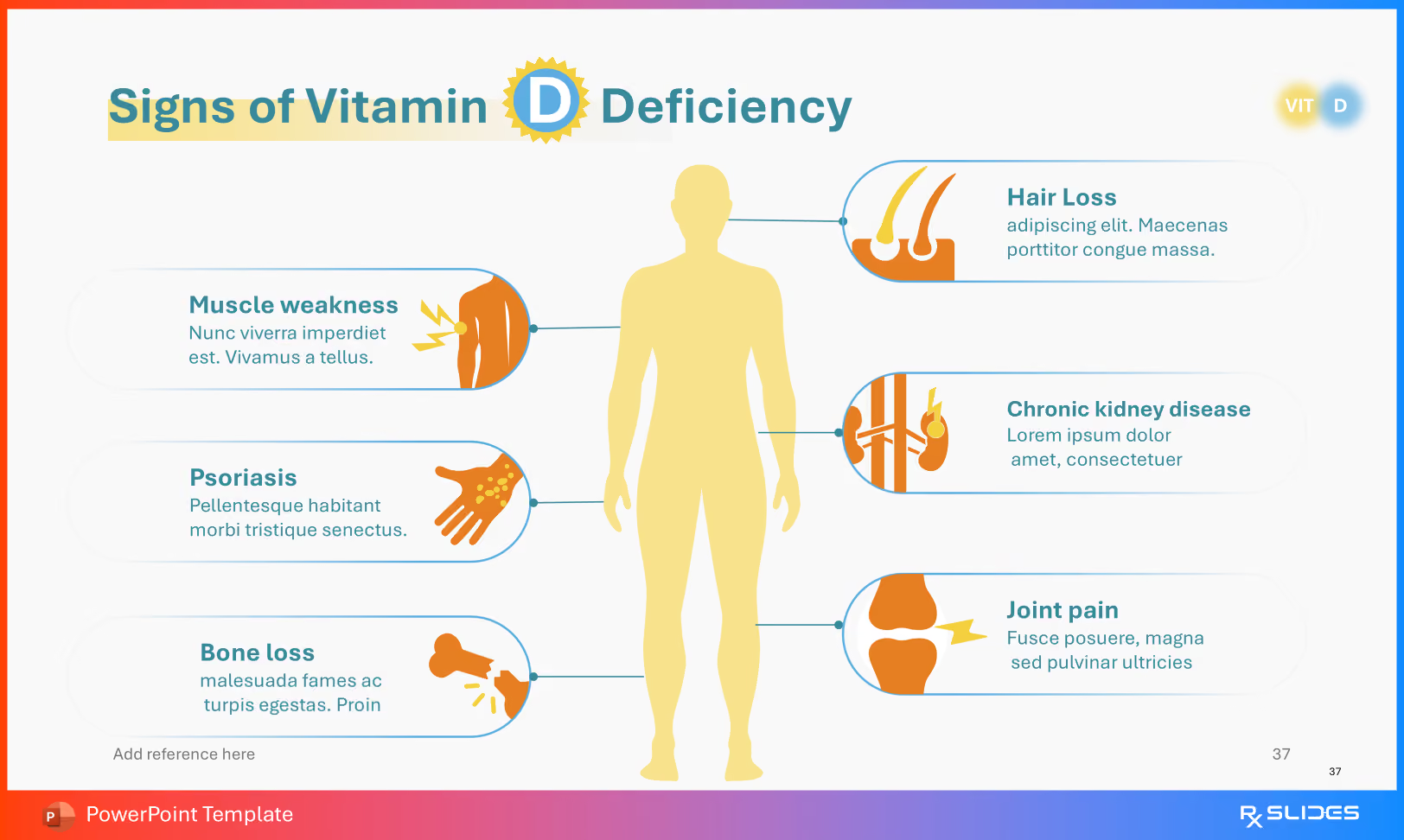
This template enables educators to bridge molecular endocrinology with everyday clinical presentations. It supports transitions from renal 1-alpha hydroxylase activity to proximal myopathy, from RXR-mediated transcription to fracture risk.
For healthcare professionals, it offers a structured, visually coherent framework to teach Vitamin D physiology, deficiency, and management across internal medicine, endocrinology, geriatrics, and primary care.