A Guide to Presenting Lisdexamfetamine with Our Medical Template

A Guide to Presenting Lisdexamfetamine with Our Medical Template

Lisdexamfetamine, a prodrug converted to active D-amphetamine in vivo, is approved for Attention Deficit Hyperactivity Disorder (ADHD) and Binge Eating Disorder (BED). Its unique pharmacology and CNS effects require a structured, mechanism-driven educational approach. The Lisdexamfetamine PowerPoint Presentation Template supports medical, pharmacy, and research audiences by integrating neuroanatomy, synaptic pharmacology, clinical indications, and safety considerations.

1. Biological Context: Brain Anatomy and Molecular Structure

For medical and pharmacology audiences, establishing the target organ and drug composition is critical.

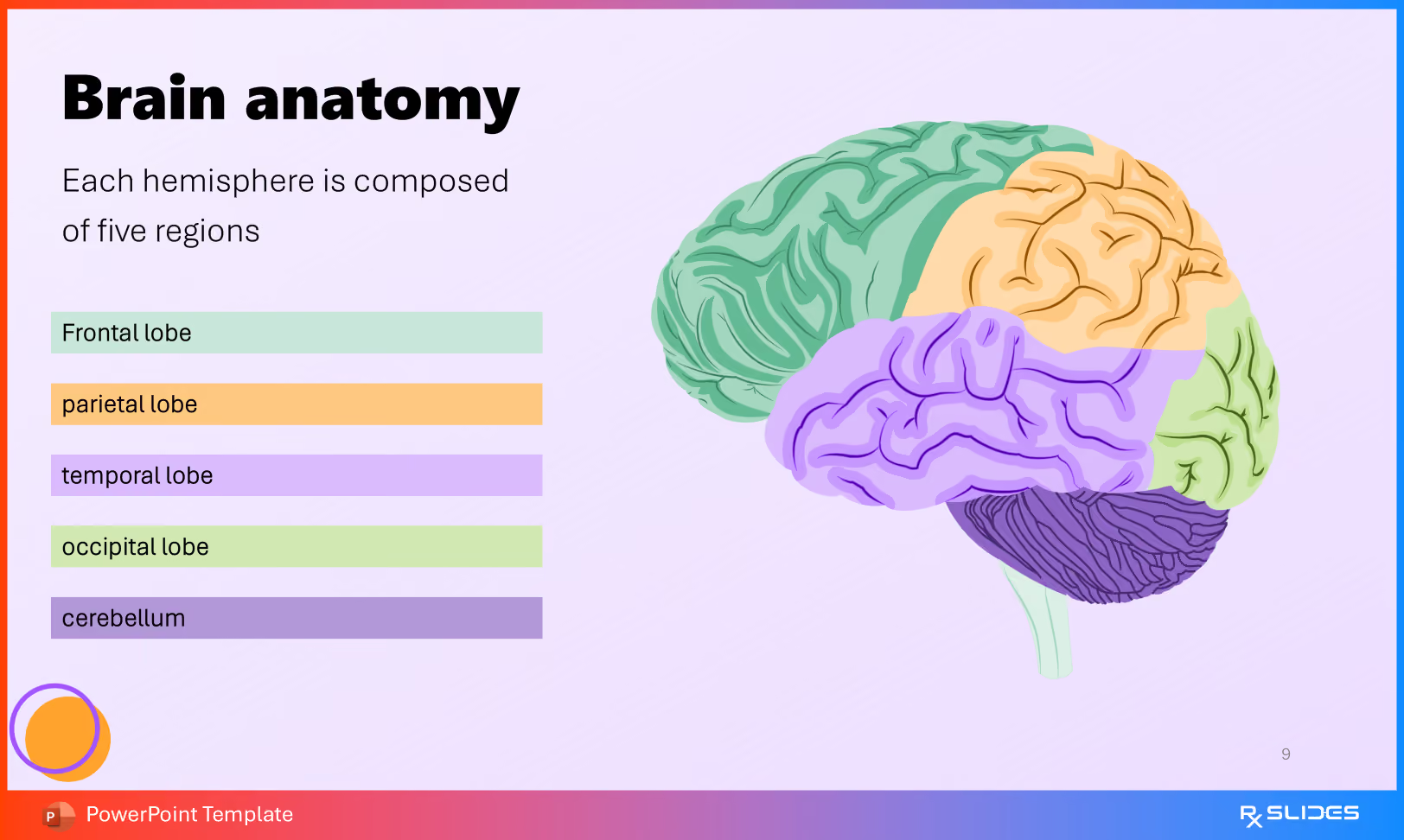
Brain Anatomy Slides

  • Highlight frontal, parietal, and temporal lobes.
  • Link executive function to ADHD pathophysiology: attention regulation, reward processing, and emotional control.
Brain Anatomy Slide from Lisdexamfetamine PowerPoint Presentation Template

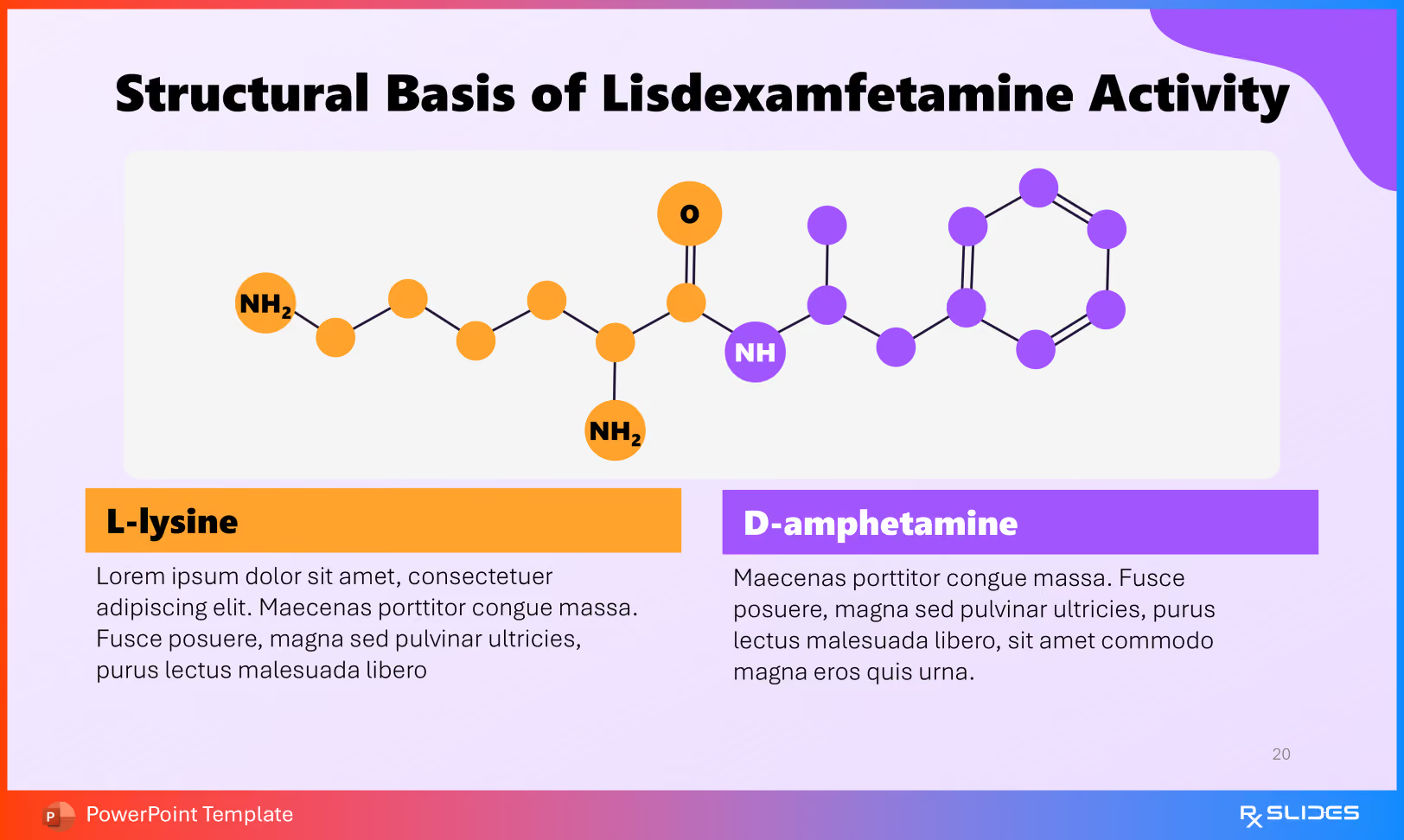
Molecular Structure Slide

  • Illustrate the prodrug composition: L-lysine + D-amphetamine.
  • Emphasize enzymatic hydrolysis converting lisdexamfetamine to active D-amphetamine.
  • Supports discussions on absorption kinetics, delayed onset, and reduced abuse potential compared to immediate-release amphetamines.
Structural Basis of Lisdexamfetamine Activity Slide From Lisdexamfetamine PowerPoint Presentation Template

2. Mechanism of Action: Synaptic Modulation

For clinicians, visualizing synaptic interactions clarifies therapeutic effects.

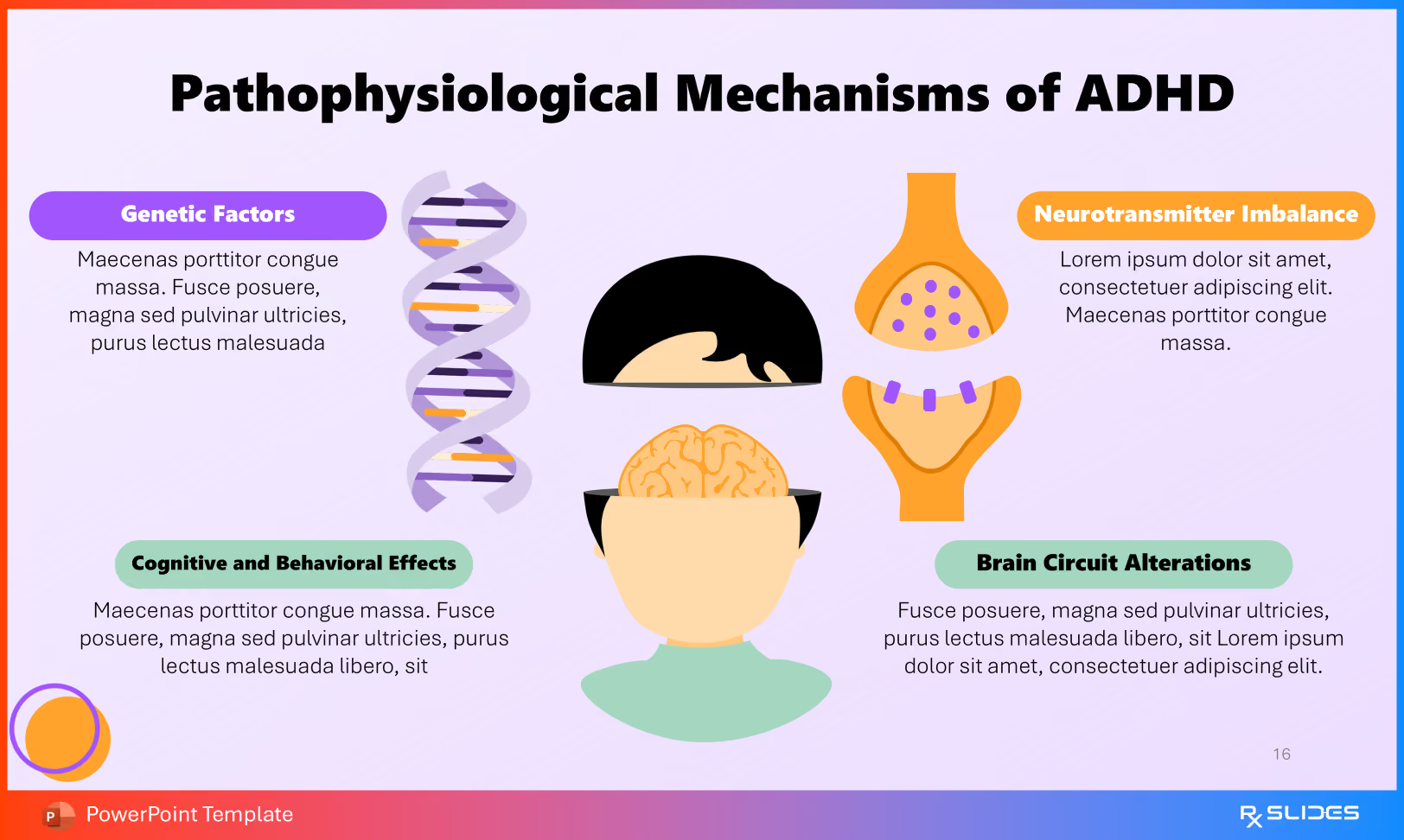
ADHD Pathophysiology Slide

  • Show neurotransmitter imbalance and altered prefrontal cortex circuitry.
  • Include structural differences observed in ADHD brains (e.g., reduced cortical volume in key regions).
ADHD Pathophysiology Slide from Lisdexamfetamine PowerPoint Presentation Template

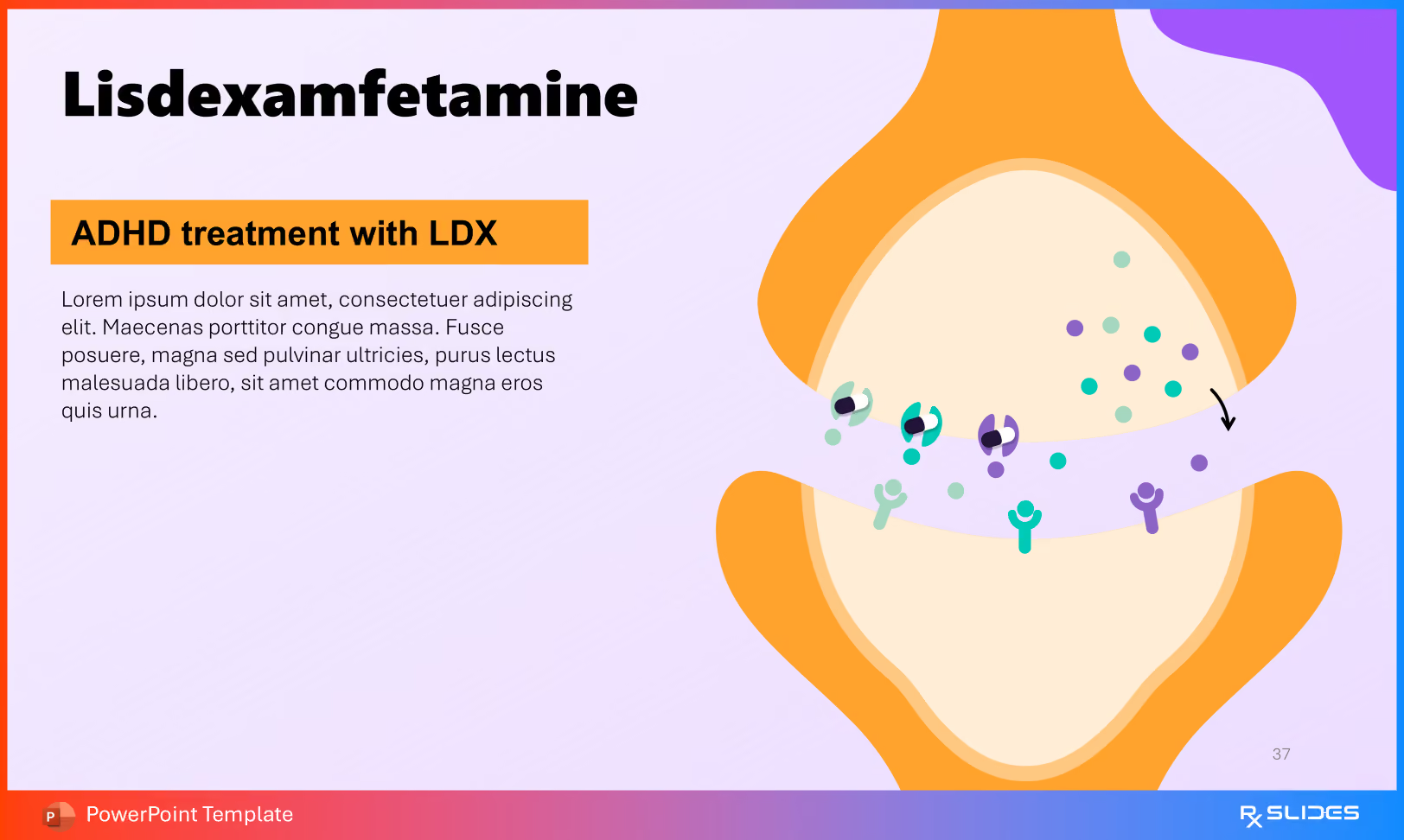
Mechanism of Action Slides

  • Visualize inhibition of dopamine (DA) and norepinephrine (NE) reuptake transporters.
  • Connect increased synaptic DA and NE levels to improved attention and impulse control.
  • Highlight prodrug conversion timing to explain steady plasma concentrations.
Mechanism of Action Slide From Lisdexamfetamine PowerPoint Presentation Template

3. Clinical Application: Indications, Forms, and Dosage

For HCP training and dosing education:

Dosage Forms Slide

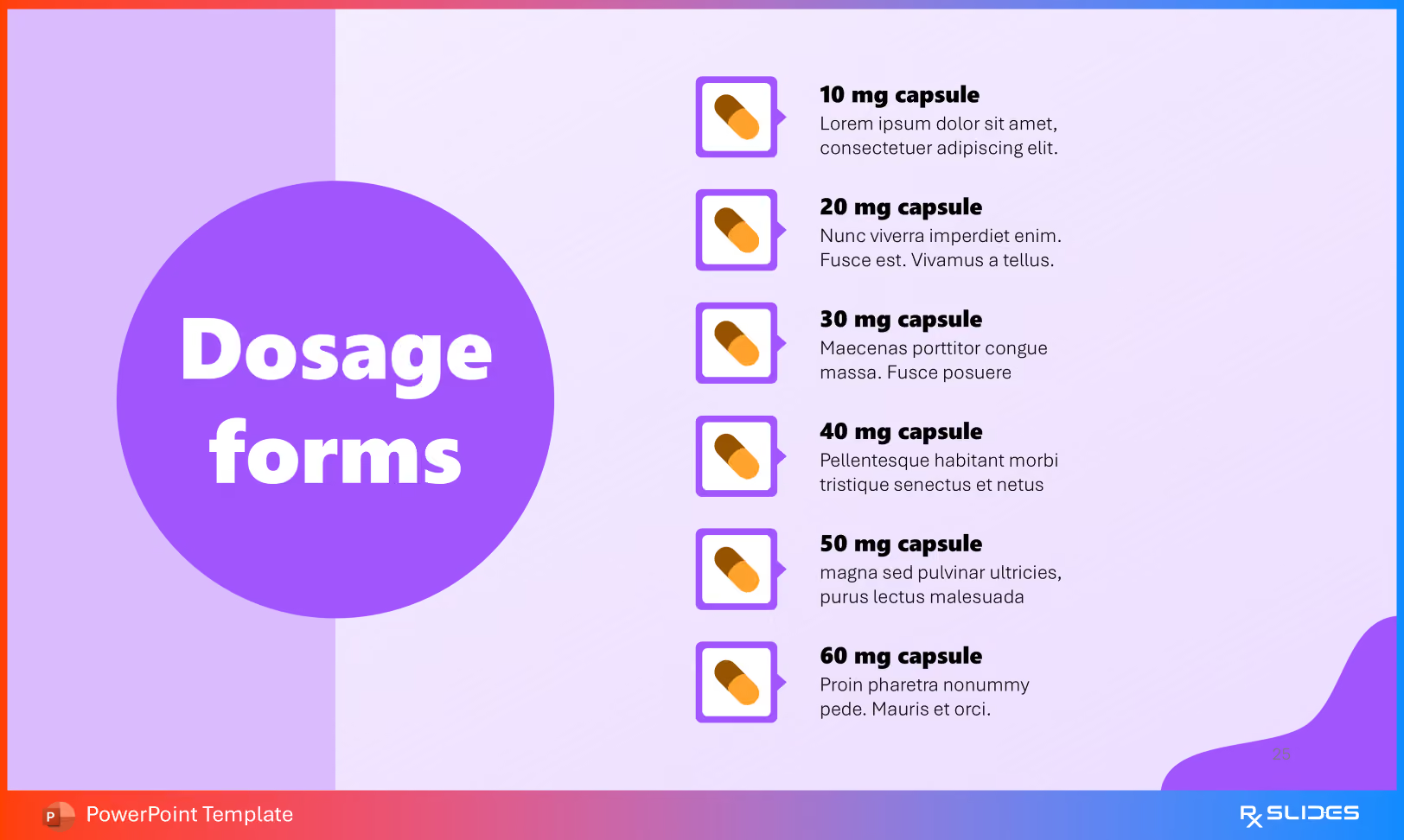
  • Display capsule strengths (10–60 mg) for titration strategies.
Dosage Forms Slide From Lisdexamfetamine PowerPoint Presentation Template

Indications Slide

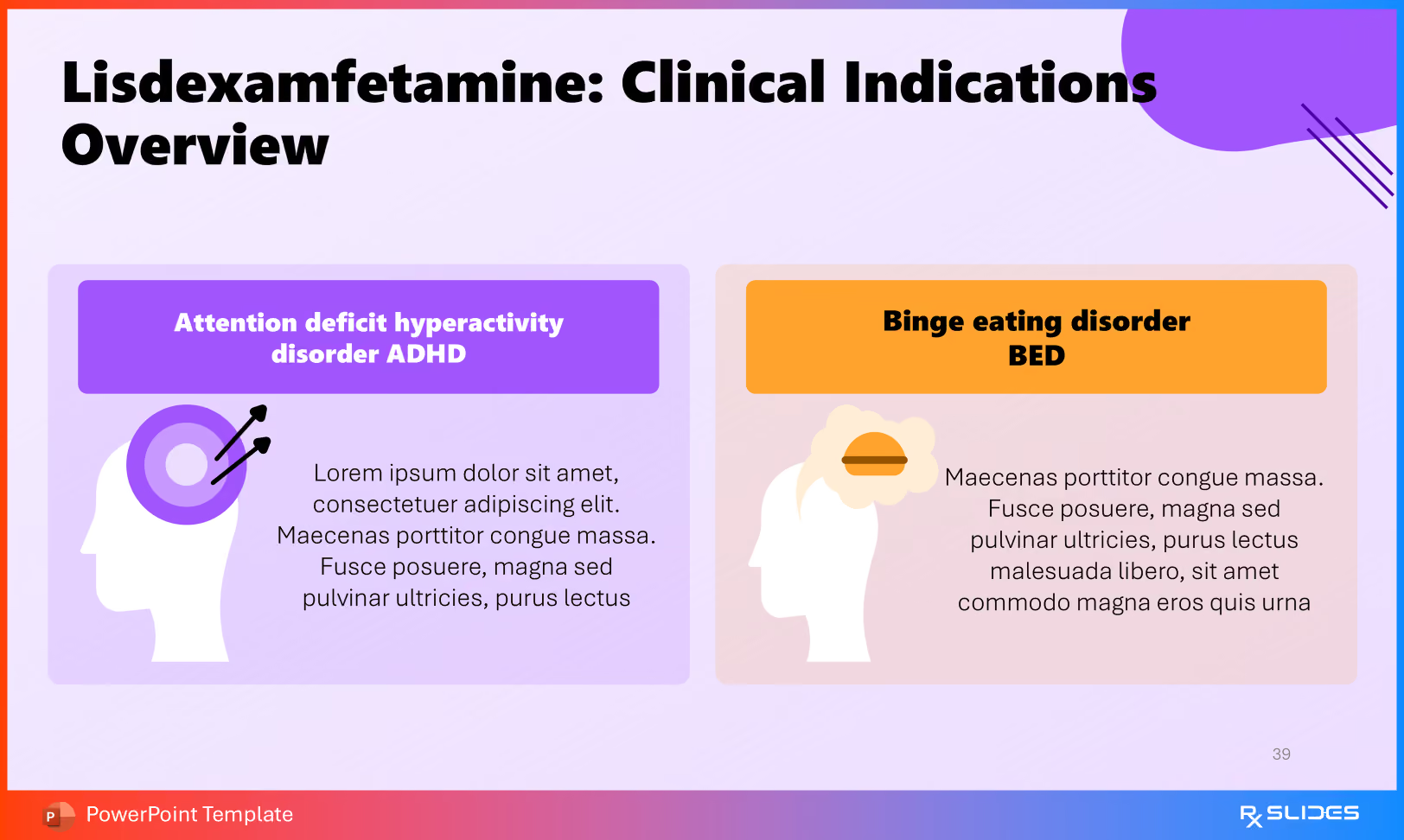
  • ADHD (patients ≥6 years)
  • Binge Eating Disorder (BED)
  • Visual aids support rapid recall of approved uses and population-specific recommendations.
Indications Slide From Lisdexamfetamine PowerPoint Presentation Template

4. Pharmacokinetics and Evidence

Advanced presentations can include detailed pharmacology and trial data.

Elimination Profile Slide

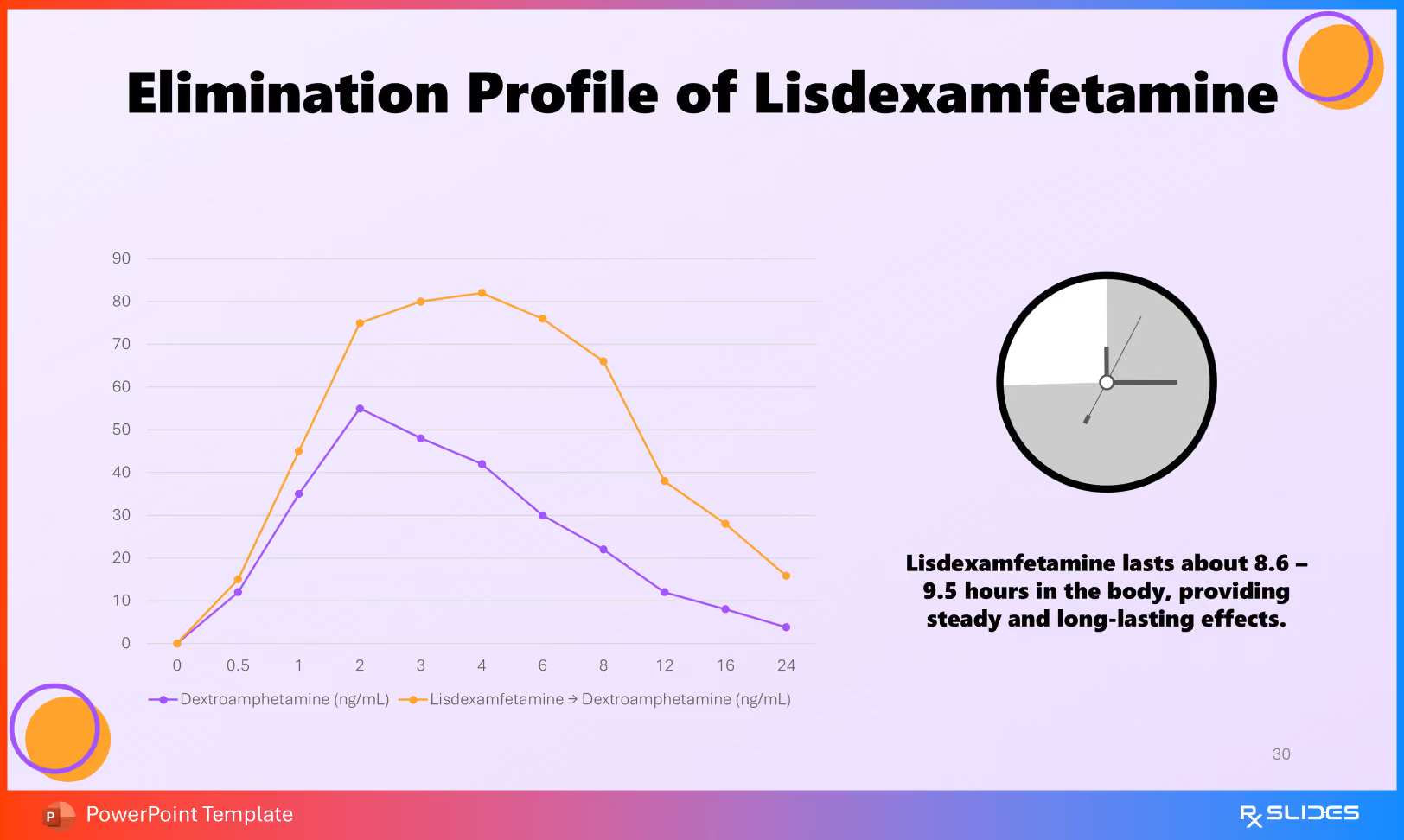
A duration of effect ranging from approximately 8.6 to 9.5 hours supports once-daily dosing, simplifying adherence and improving continuity of symptom control.

Elimination Profile Slide From Lisdexamfetamine PowerPoint Presentation Template

Excretion Slide

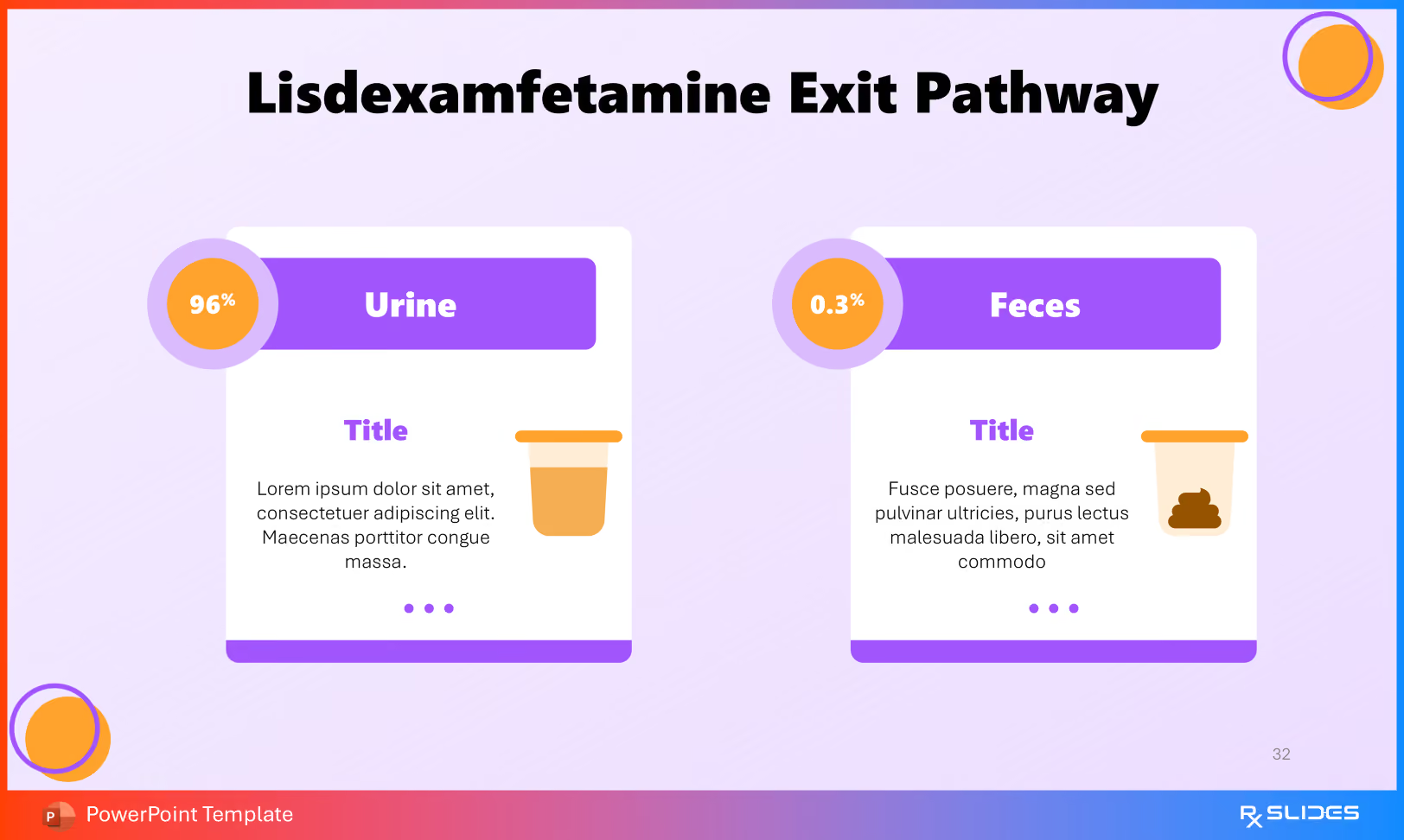
  • Approximately 96% renal
  • Approximately 0.3% fecal
Excretion Slide From Lisdexamfetamine PowerPoint Presentation Template

These parameters are clinically relevant when considering renal impairment and overall drug clearance.

5. Safety Profile: Warnings, Adverse Events, and Interactions

Risk communication is critical for prescribers:

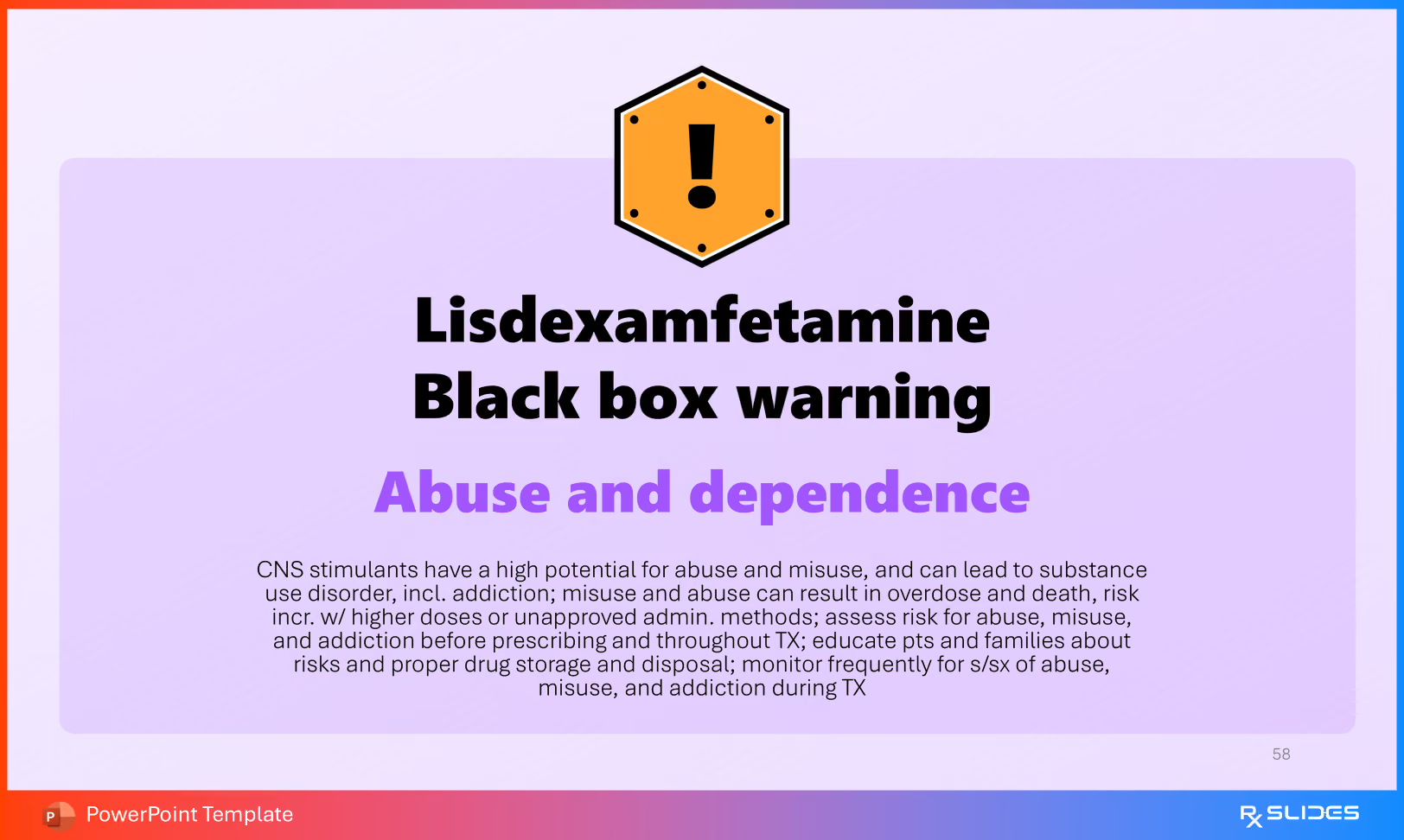
Black Box Warning Slide

  • CNS stimulant abuse potential
  • Risk of substance use disorders
Black Box Warning Slide From Lisdexamfetamine PowerPoint Presentation Template

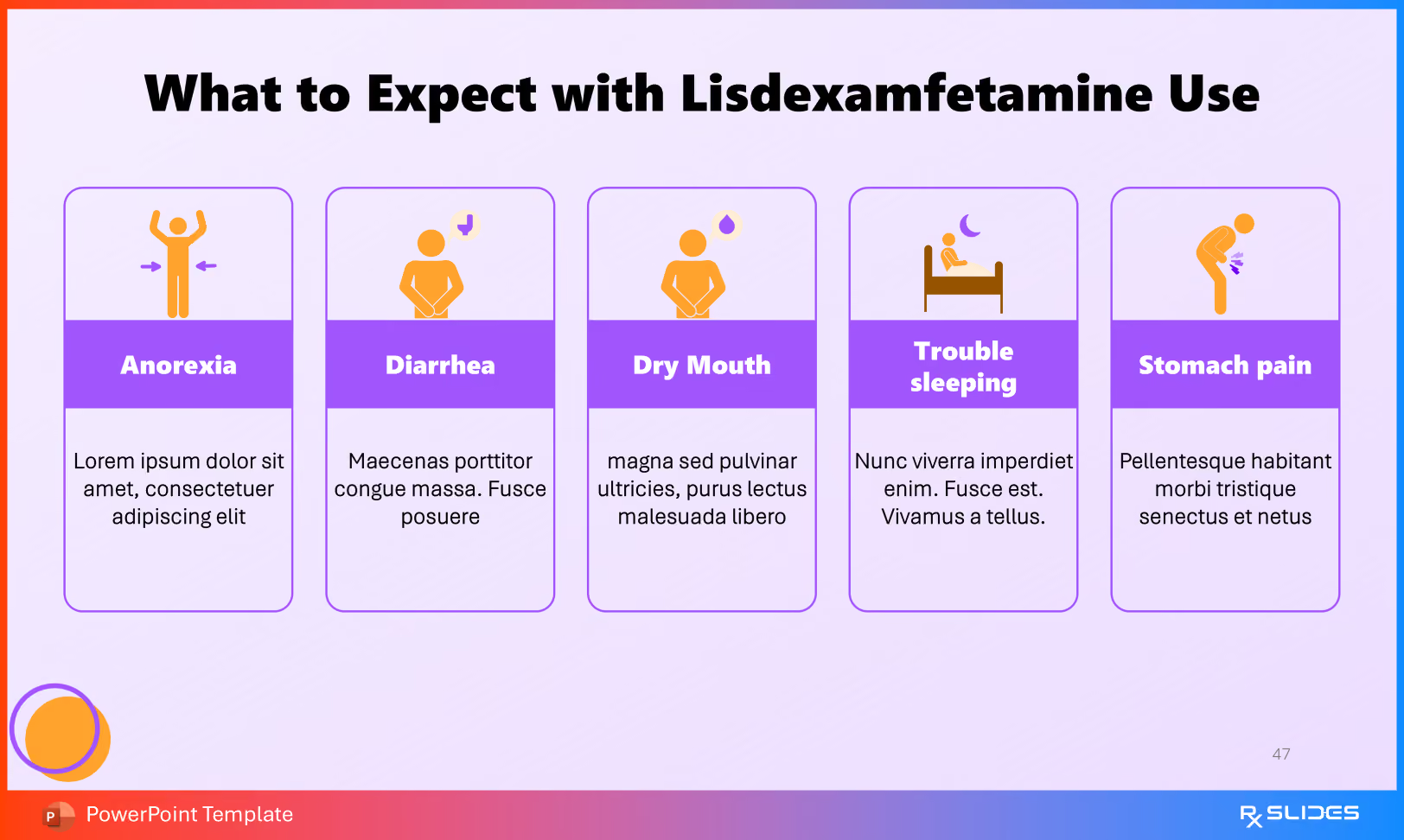
Side Effects Slide

Common adverse events include anorexia, insomnia, dry mouth, gastrointestinal discomfort, irritability, and anxiety. Presenting these visually supports anticipatory guidance and patient counseling.

Side Effects Slide From Lisdexamfetamine PowerPoint Presentation Template

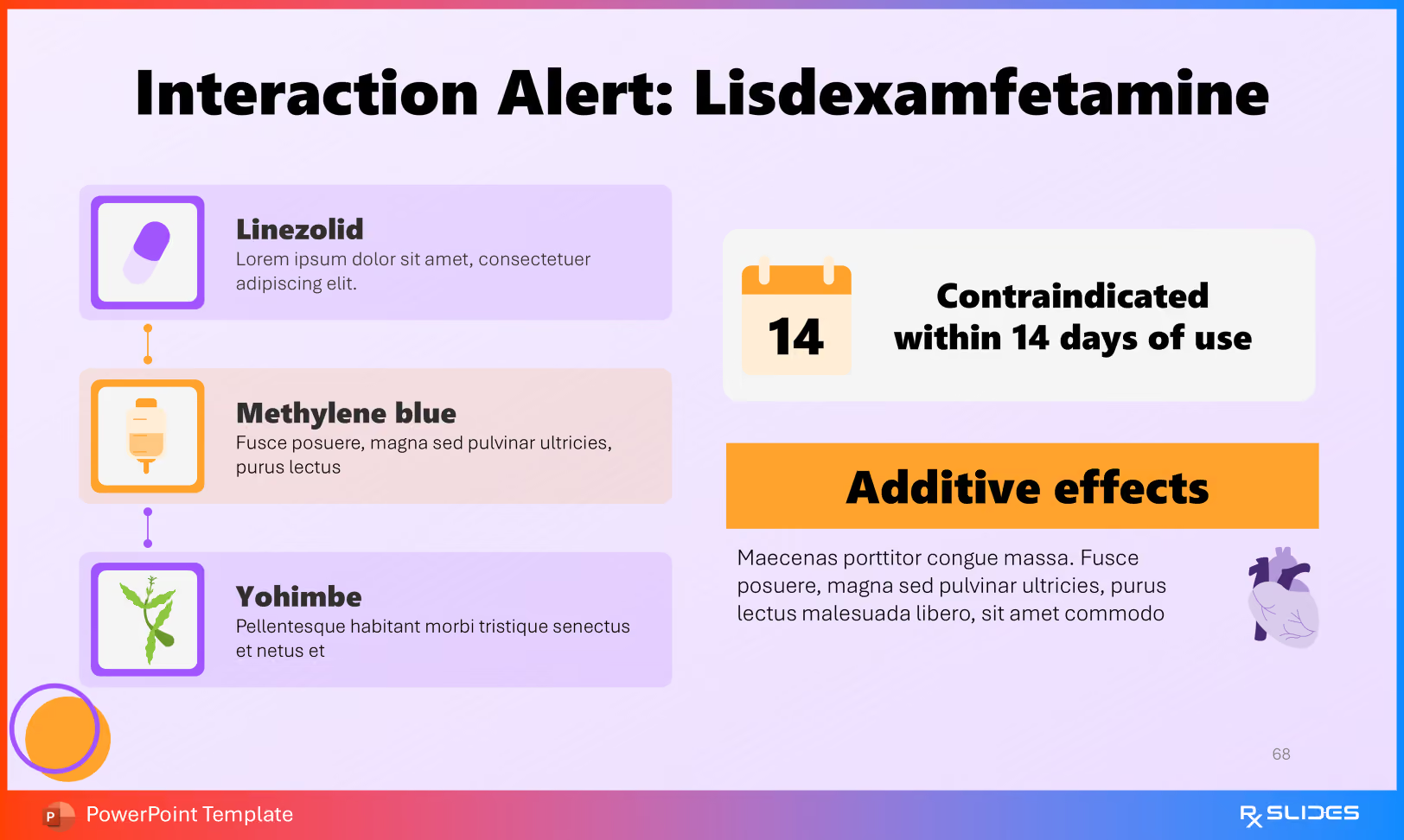
Interactions & Contraindications Slides

Key interactions include MAOIs such as phenelzine and selegiline, as well as linezolid. Contraindications encompass structural cardiac abnormalities, severe arrhythmias, and lactation.

These sections reinforce structured risk assessment, baseline cardiovascular screening, and ongoing monitoring strategies—core components of safe long-term management.

Interactions Slide From Lisdexamfetamine PowerPoint Presentation Template

Summary

This Lisdexamfetamine Template translates complex pharmacology into an organized educational workflow. It connects prodrug hydrolysis, CNS neurotransmission, and therapeutic outcomes, while integrating dosage, pharmacokinetics, and safety considerations. The result is a clinically grounded, mechanism-driven platform suitable for medical education, pharmacy instruction, and multidisciplinary training programs.

Latest Articles

Explore All