A Guide to Presenting Urinary Tract Infections using RxSlides Powerpoint Template

A Guide to Presenting Urinary Tract Infections using RxSlides Powerpoint Template

Urinary tract infections (UTIs) represent one of the most prevalent bacterial infections encountered in outpatient and inpatient settings. Despite their frequency, effective teaching requires navigating sensitive anatomy, ascending bacterial pathways, and localization-dependent symptomatology.

For urologists, internists, residents, and medical educators, communicating UTI pathophysiology and management benefits from visual frameworks that integrate anatomy, microbiology, and clinical workflows.

The Urinary Tract Infections (UTI) PowerPoint Presentation Template provides a structured toolkit to support this multidisciplinary educational approach.

Below is a guide for leveraging the template in professional medical education.

1. Urinary Tract Anatomy and Sex-Based Risk Differences

Understanding UTI susceptibility begins with anatomical orientation.

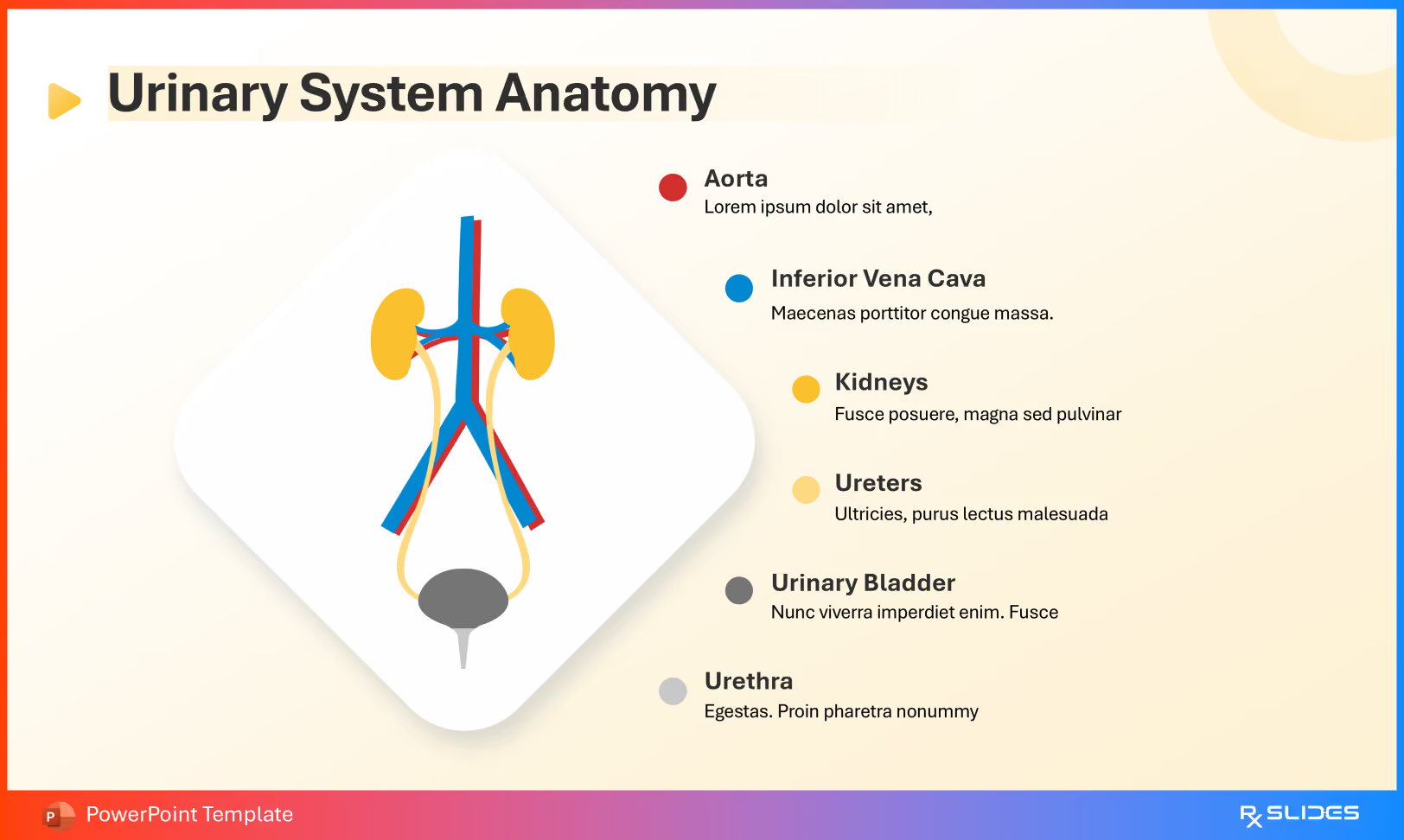
Urinary System Anatomy

Use this slide to identify the major structures:

  • Kidneys
  • Ureters
  • Urinary bladder
  • Urethra

This establishes the ascending route of infection from urethra to upper urinary tract.

Urinary System Anatomy Slide from Urinary Tract Infections (UTI) PowerPoint Presentation Template

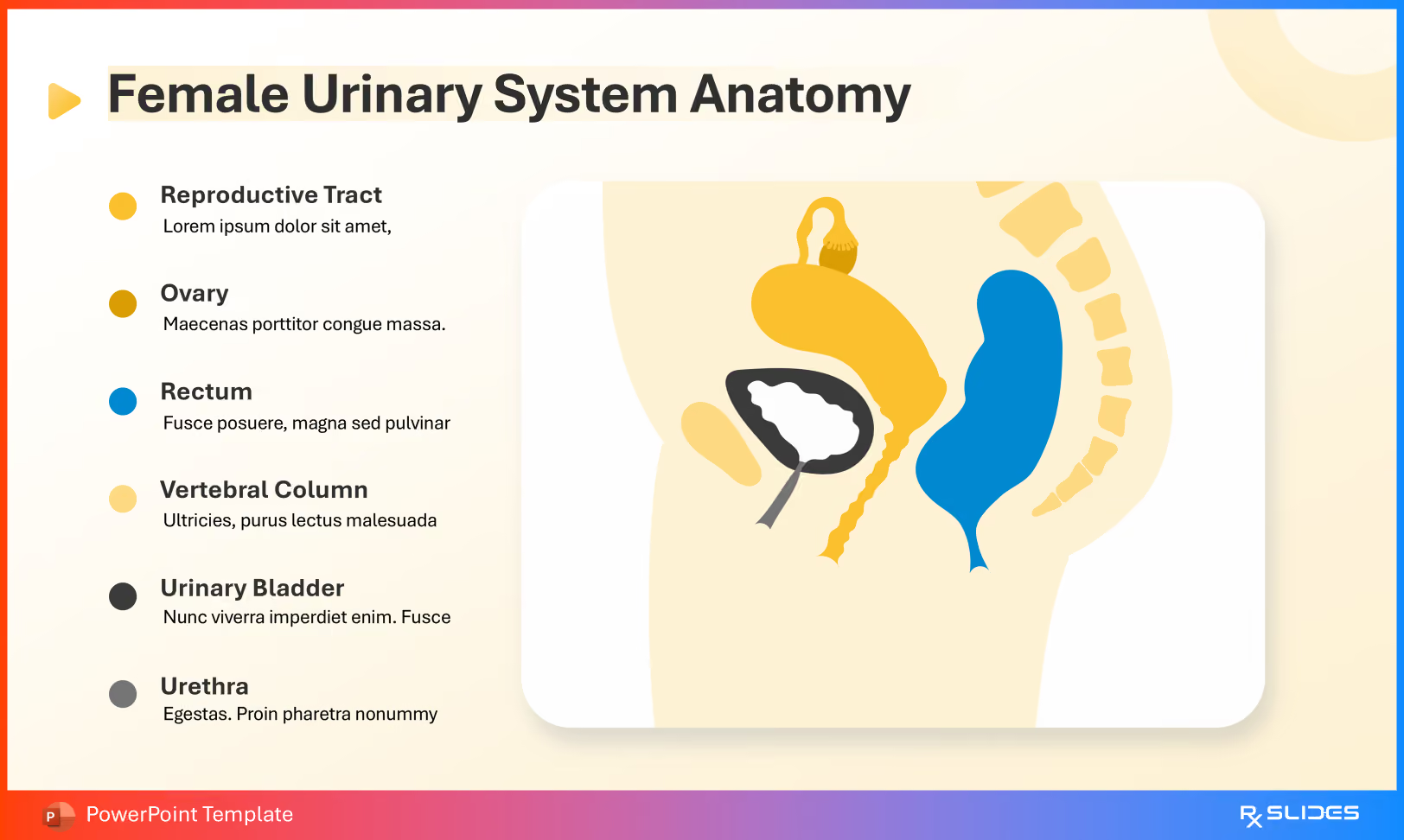
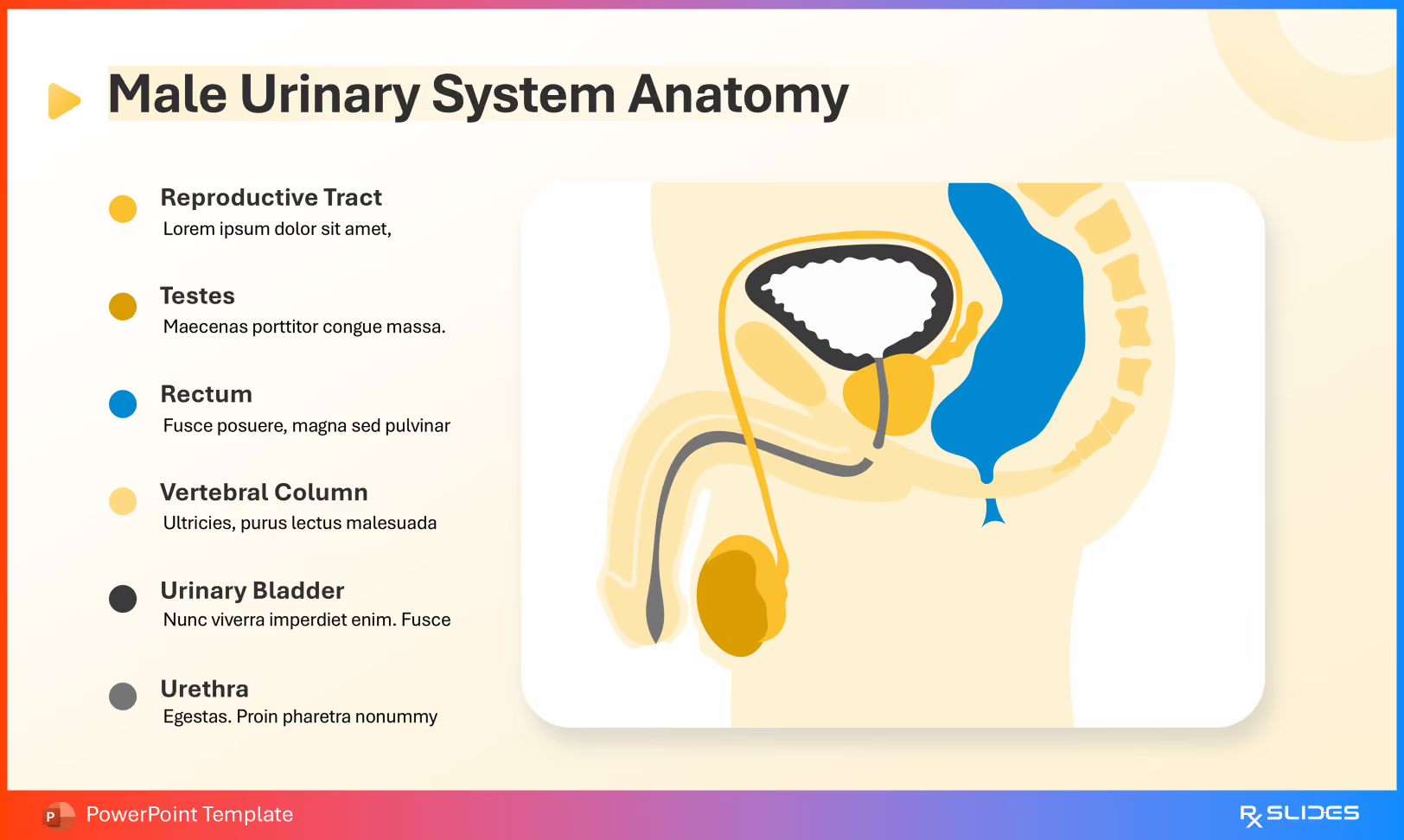
Female vs Male Urinary Anatomy

These comparative visuals highlight the shorter female urethra, providing a structural explanation for increased UTI prevalence in women. This section supports discussions on epidemiology and preventive counseling.

Female Urinary System Anatomy Slide from Urinary Tract Infections (UTI) PowerPoint Presentation Template
Male Urinary System Anatomy Slide from Urinary Tract Infections (UTI) PowerPoint Presentation Template

2. Uropathogenesis: Ascending Infection and Microbial Etiology

For microbiology and pathophysiology instruction, the template visualizes bacterial migration and colonization.

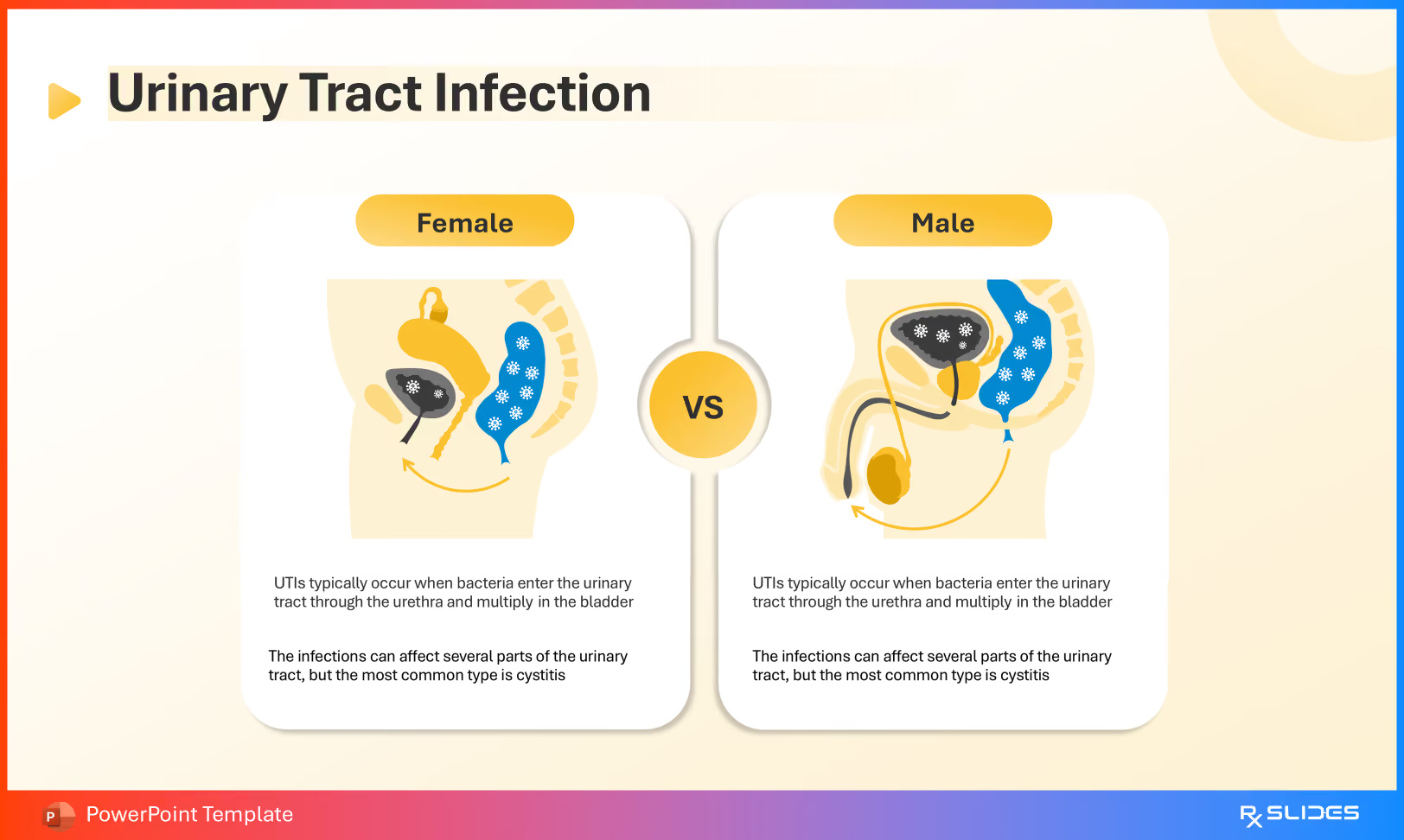
UTI Pathogenesis

Use this slide to illustrate how pathogens typically enter via the urethra and proliferate within the bladder, most commonly originating from enteric flora.

Female Vs Male UTI Slide from Urinary Tract Infections (UTI) PowerPoint Presentation Template

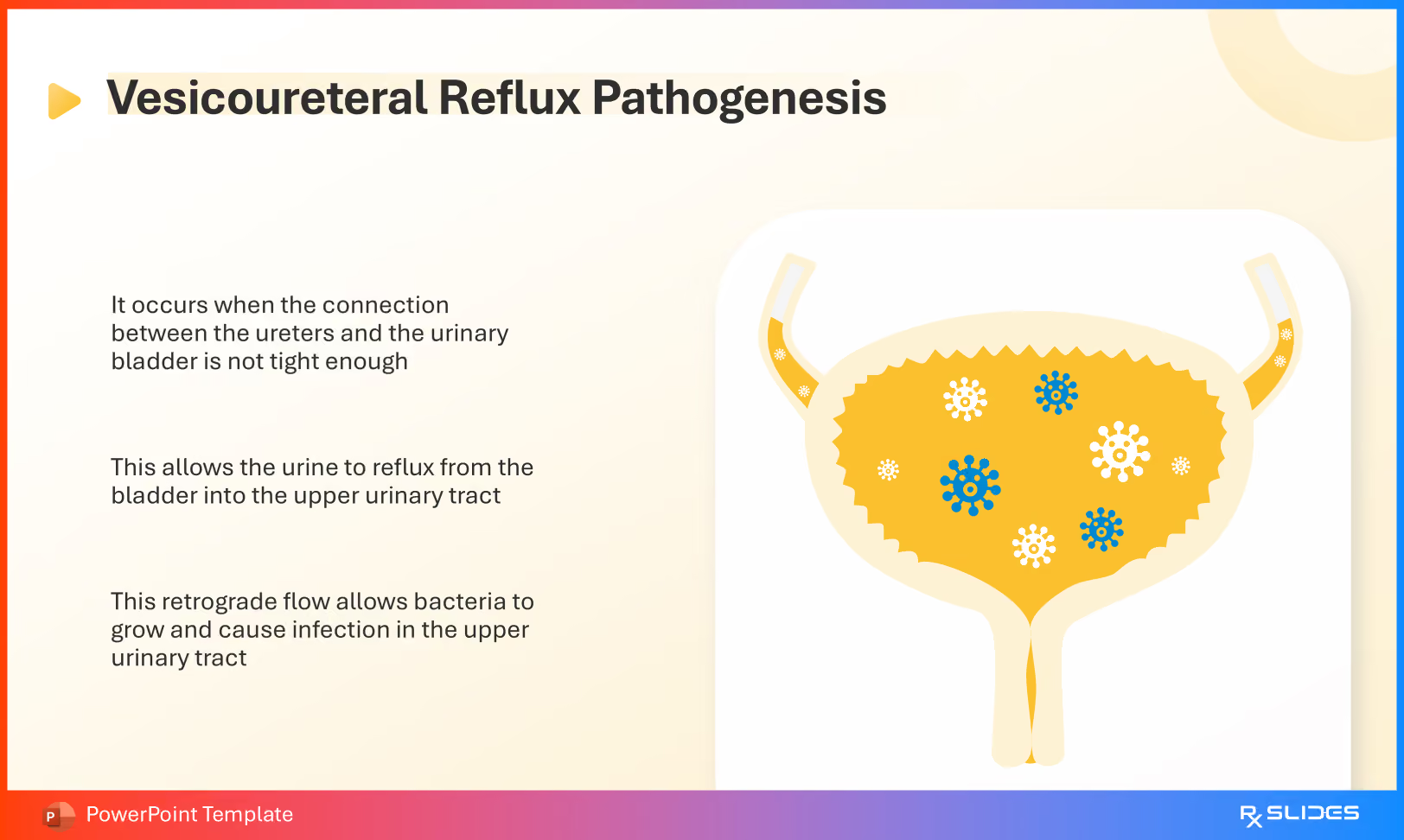
Vesicoureteral Reflux

Advanced learners can explore reflux physiology using dedicated slides showing retrograde urine flow from bladder to ureters, facilitating upper tract involvement.

Vesicoureteral Reflux Slide from Urinary Tract Infections (UTI) PowerPoint Presentation Template

Etiologic Agents

The Causes slide identifies principal organisms:

  • Escherichia coli (dominant pathogen)
  • Chlamydia species
  • Mycoplasma species
UTI Causes slide from Urinary Tract Infections (UTI) PowerPoint Presentation Template

This supports organism-specific diagnostic and therapeutic strategies.

3. Clinical Classification and Symptom Localization

Accurate diagnosis depends on anatomical localization.

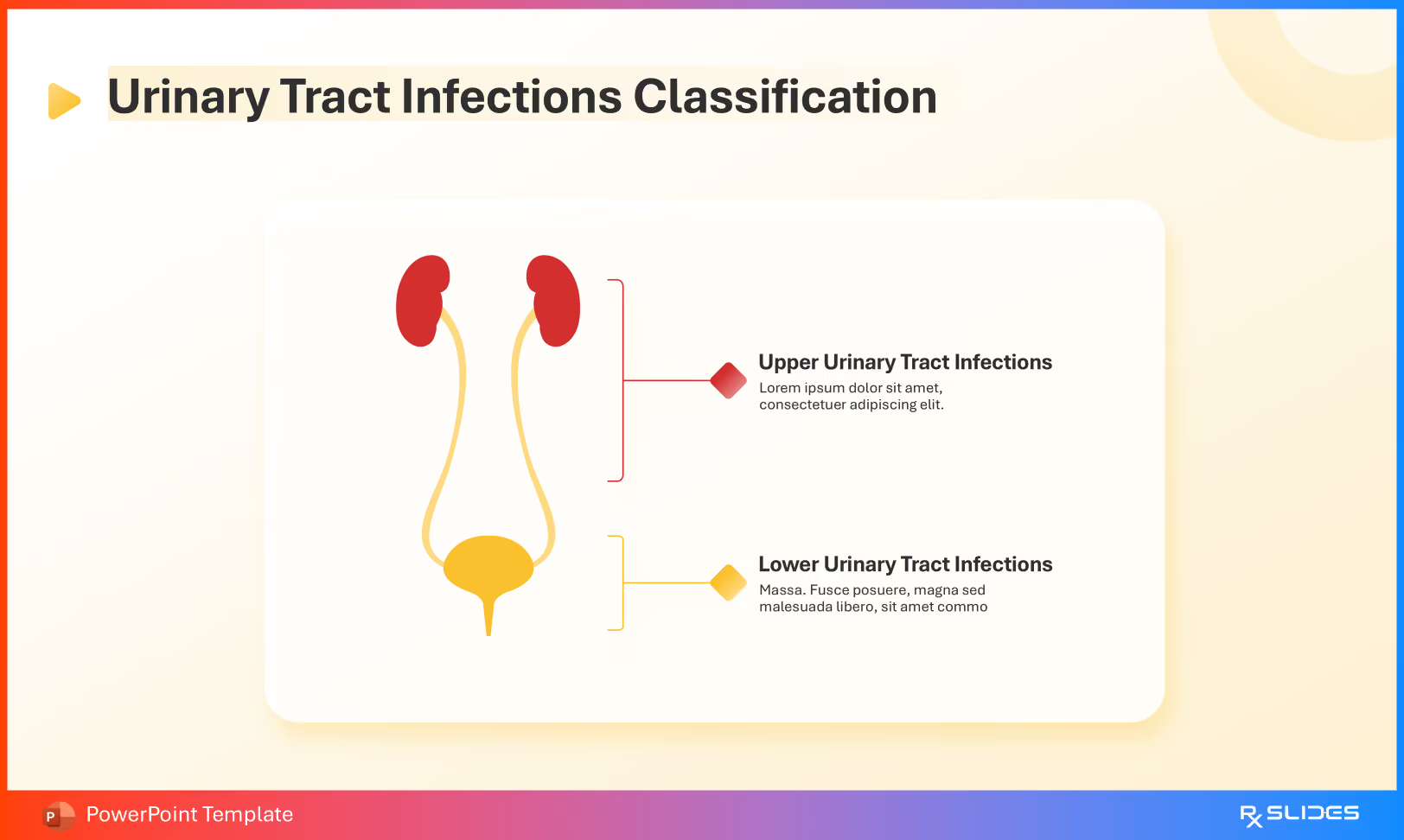
Classification

Use this slide to distinguish:

  • Lower UTIs (urethra and bladder)
  • Upper UTIs (renal involvement)
UTI Classification Slide from Urinary Tract Infections (UTI) PowerPoint Presentation Template

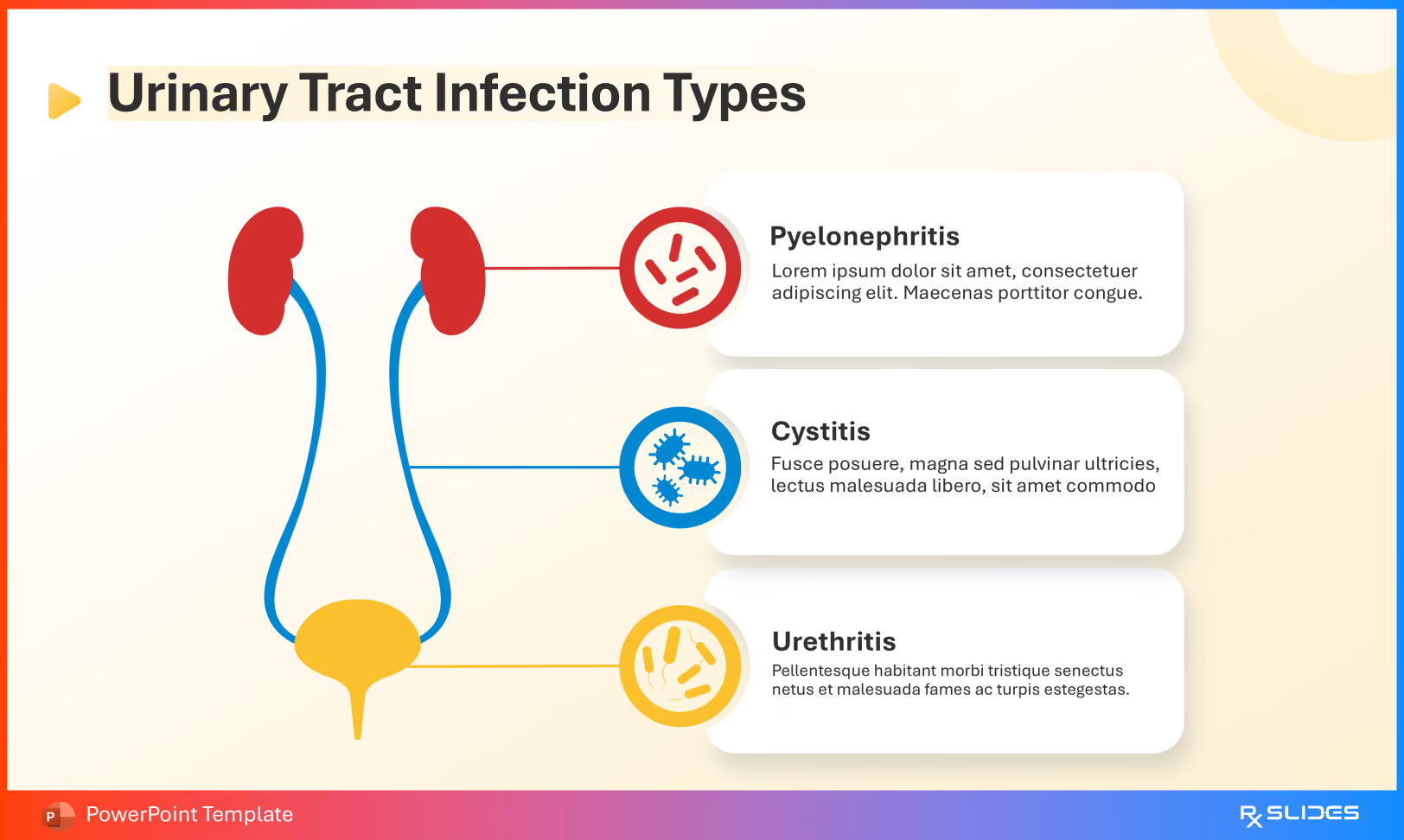
Further categorize using:

  • Cystitis
  • Urethritis
  • Pyelonephritis
UTI Types Slide from Urinary Tract Infections (UTI) PowerPoint Presentation Template

Symptom Profiles

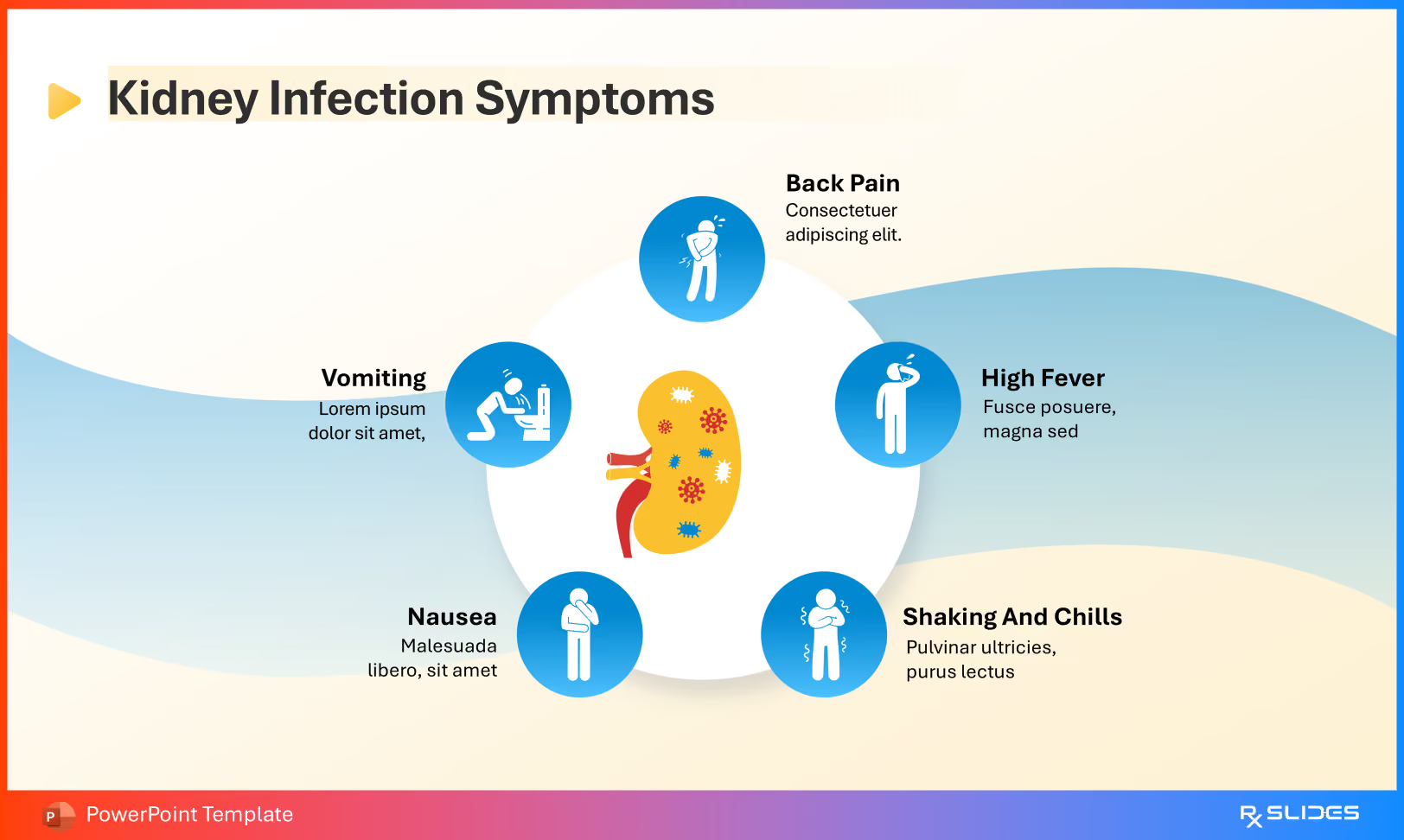
The template provides region-specific symptom clusters:

Renal involvement

  • Fever
  • Rigors
  • Vomiting
  • Flank or back pain
Kidney Infection Symptoms Slide from Urinary Tract Infections (UTI) PowerPoint Presentation Template

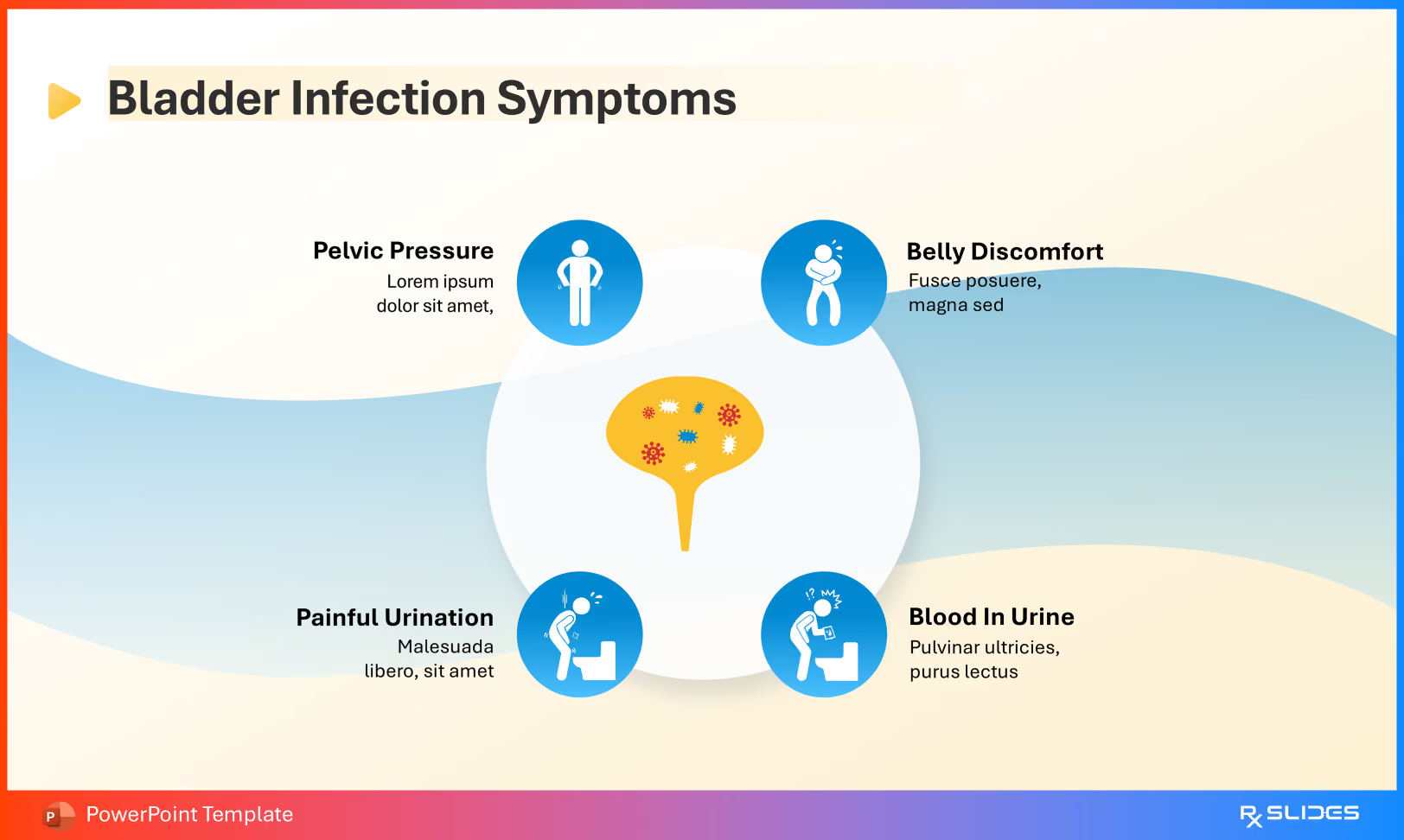
Bladder involvement

  • Dysuria
  • Hematuria
  • Pelvic pressure
Bladder Infection Symptoms Slide from Urinary Tract Infections (UTI) PowerPoint Presentation Template

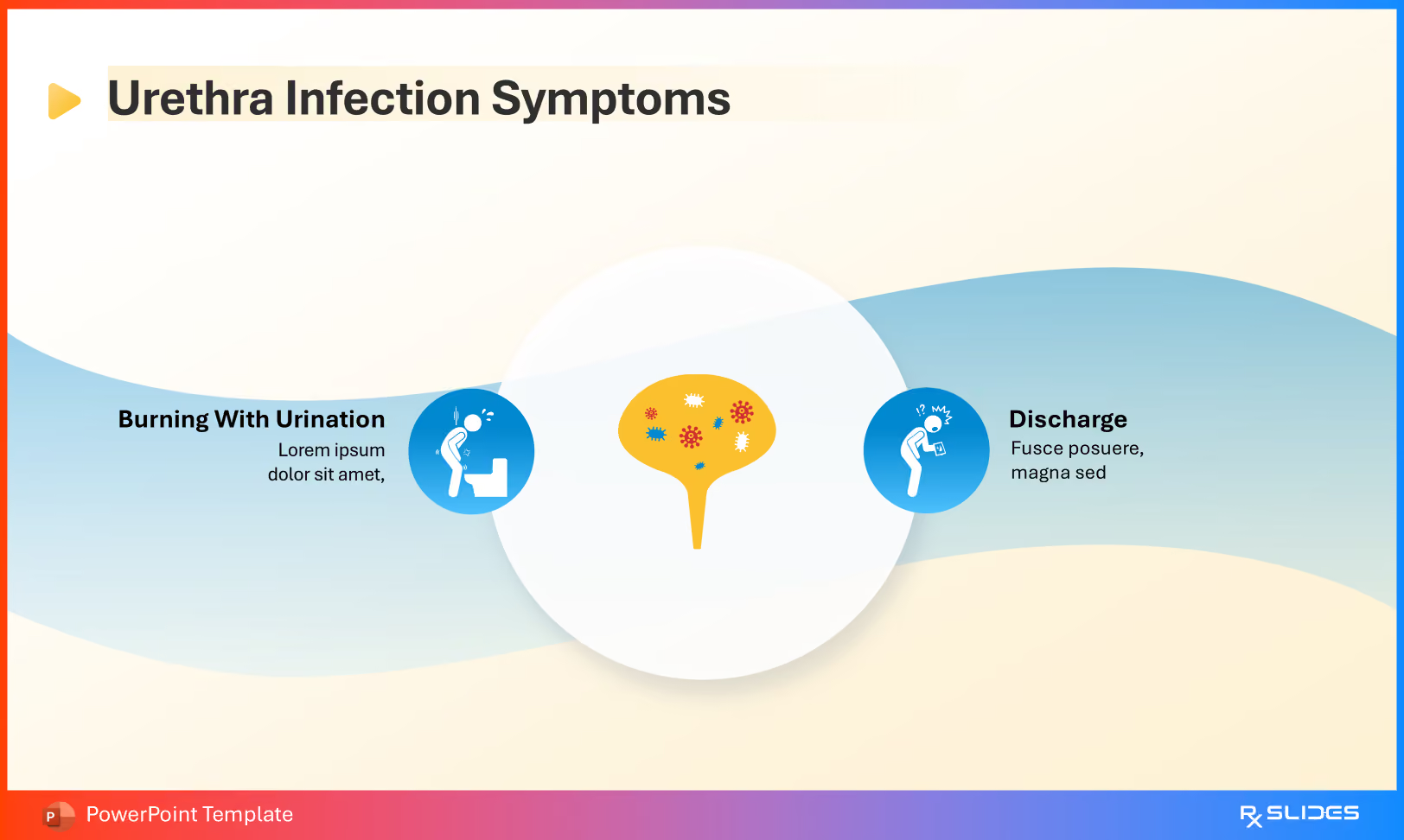
Urethral involvement

  • Burning micturition
  • Urethral discharge
Urethra Infection Symptoms Slide from Urinary Tract Infections (UTI) PowerPoint Presentation Template

These checklists support clinical reasoning and differential diagnosis.

4. Diagnostic Pathway and Therapeutic Management

For residents and practicing clinicians, standardized workflows are essential.

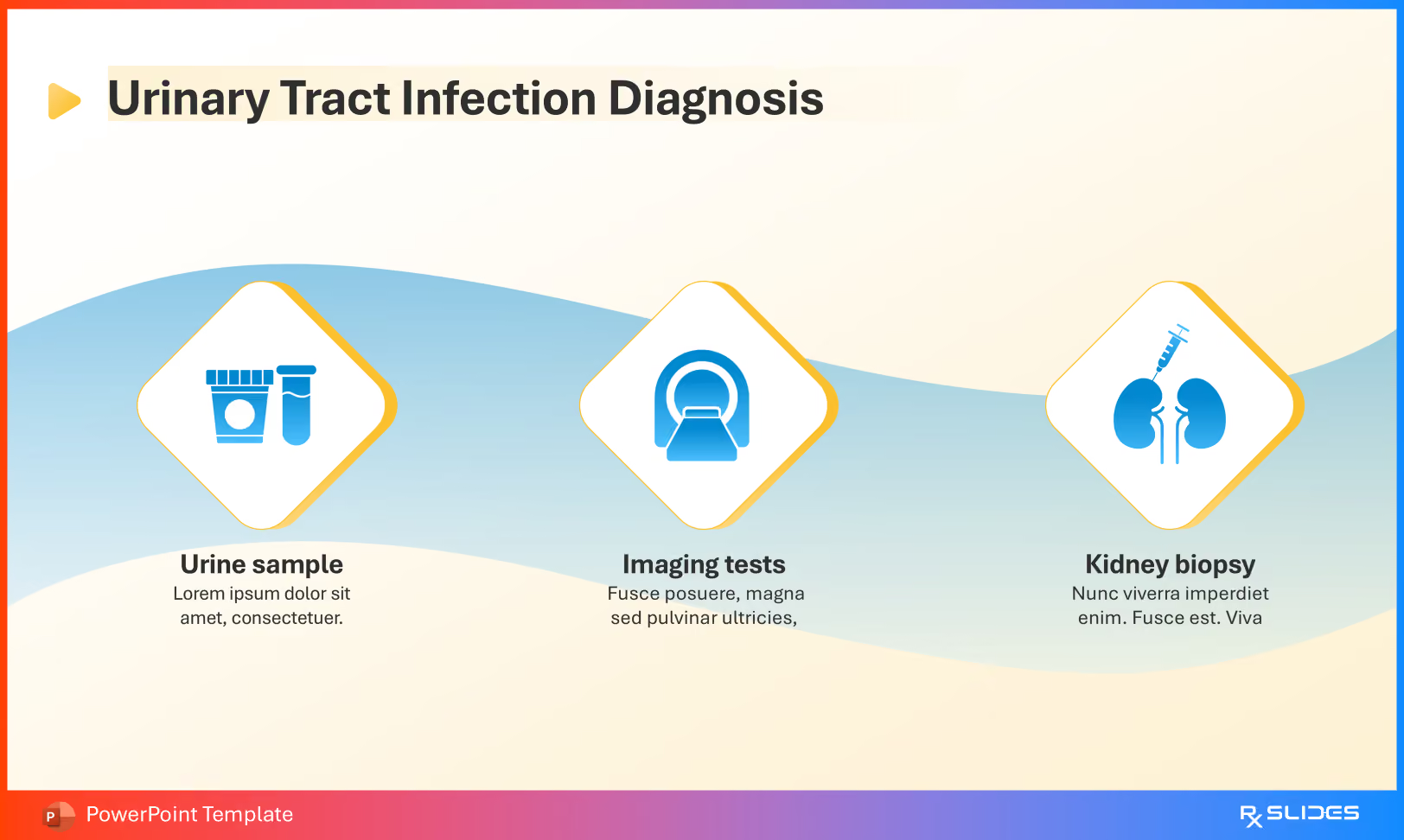
Diagnostic Tools

Use this slide to outline:

  • Urinalysis and urine culture
  • Imaging for recurrent or complicated cases
  • Renal evaluation for atypical presentations
UTI Diagnosis slide from Urinary Tract Infections (UTI) PowerPoint Presentation Template

(Note: kidney biopsy is rarely indicated and should be discussed only in exceptional diagnostic contexts.)

Treatment Strategy

Management is categorized into:

  • Targeted antibiotic therapy
  • Analgesics and urinary anesthetics for symptom relief
UTI Treatment Slide from Urinary Tract Infections (UTI) PowerPoint Presentation Template

These visuals reinforce guideline-based care.

5. Risk Stratification and Preventive Strategies

Reducing recurrence requires identification of modifiable contributors.

Risk Factors

Discuss:

  • Sexual activity
  • Pregnancy
  • Prostatic enlargement
  • Spermicide exposure
UTI Risk Factors slide from Urinary Tract Infections (UTI) PowerPoint Presentation Template

Prevention

Prevention slides highlight practical measures such as:

  • Adequate hydration
  • Proper perineal hygiene
  • Regular voiding
  • Post-coital urination
UTI Prevention Slide from Urinary Tract Infections (UTI) PowerPoint Presentation Template

These concepts integrate behavioral modification with clinical prevention.

Conclusion: From Ascending Bacteria to Targeted Therapy

This template connects the anatomy of the ureterovesical junction with microbial proliferation and symptom localization. It enables educators to move fluidly from E. coli pathogenesis to antibiotic selection and recurrence prevention.

For healthcare professionals, it provides a coherent framework for teaching UTI anatomy, microbiology, and management across internal medicine, urology, and primary care.

Latest Articles

Explore All