Atherosclerosis Educational Slides Covering Vascular Biology Symptomatology and Management Strategies

Atherosclerosis Educational Slides Covering Vascular Biology Symptomatology and Management Strategies

Atherosclerosis (the progressive hardening and narrowing of arteries) is a leading contributor to cardiovascular disease and stroke. Explaining this condition to medical professionals requires a presentation that can illustrate both cellular mechanisms and systemic outcomes. The Atherosclerosis PowerPoint Presentation Template provides a structured, visual framework designed for academic lectures, congresses, and professional workshops.

This guide demonstrates how to leverage the template to communicate complex pathophysiology, clinical implications, and interventions effectively.

1. Visualizing the Vessel: Anatomy and Definitions

Medical presentations benefit from anatomical precision.

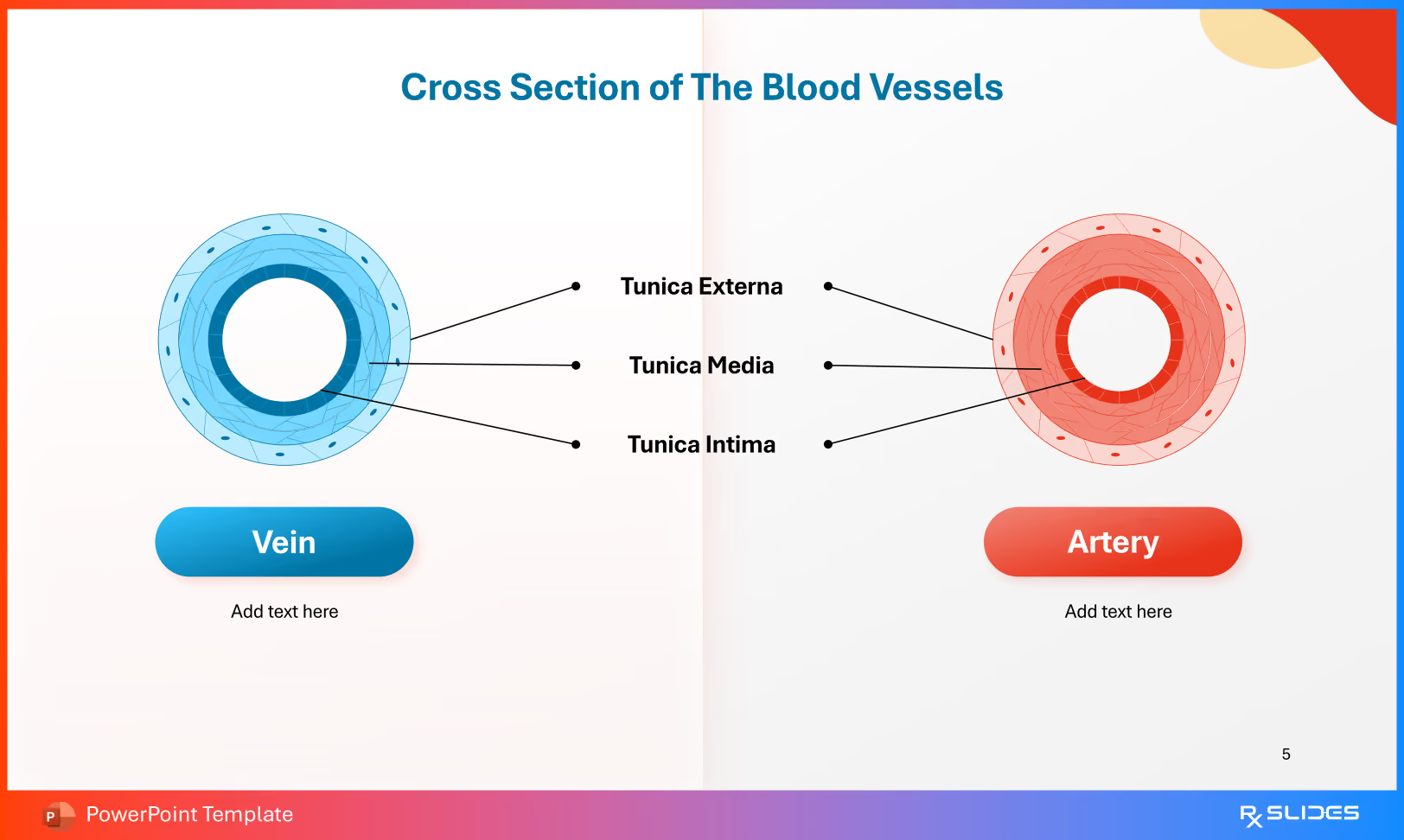
Cross Section of Blood Vessels

  • Detail histological layers: Tunica Externa, Tunica Media, and Tunica Intima.
  • Highlight the specific location of plaque accumulation to support mechanistic discussions.
Cross Section of Blood Vessels Slide from Atherosclerosis PowerPoint Presentation Template

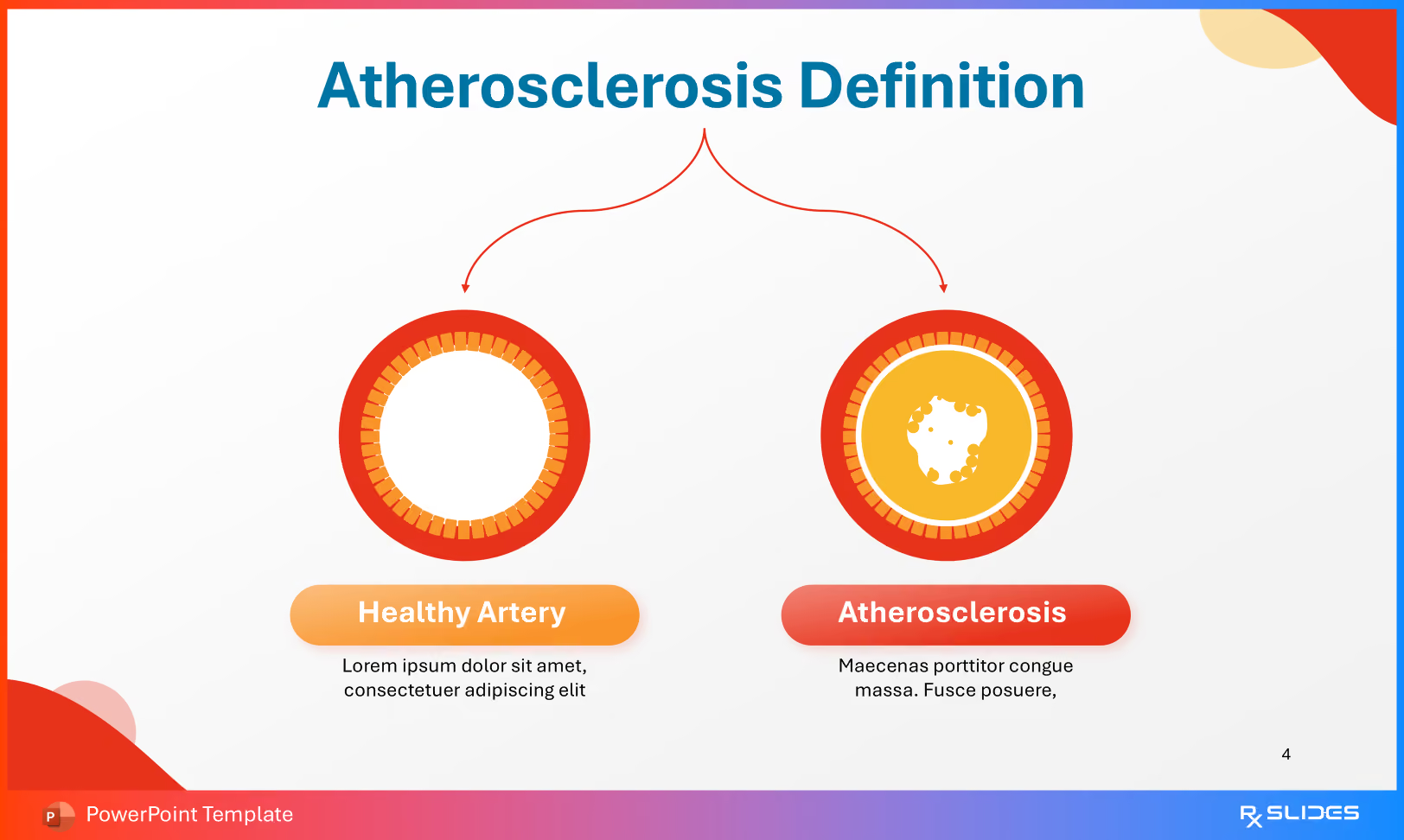
Healthy vs. Atherosclerotic Artery

  • Use side-by-side visuals to contrast unobstructed vessels with arteries narrowed by plaque, reinforcing the pathological definition.
Healthy vs. Atherosclerotic Artery Slide from Atherosclerosis PowerPoint Presentation Template

2. Cellular Mechanisms: Pathogenesis

Understanding plaque formation at a cellular level is essential for academic and professional audiences.

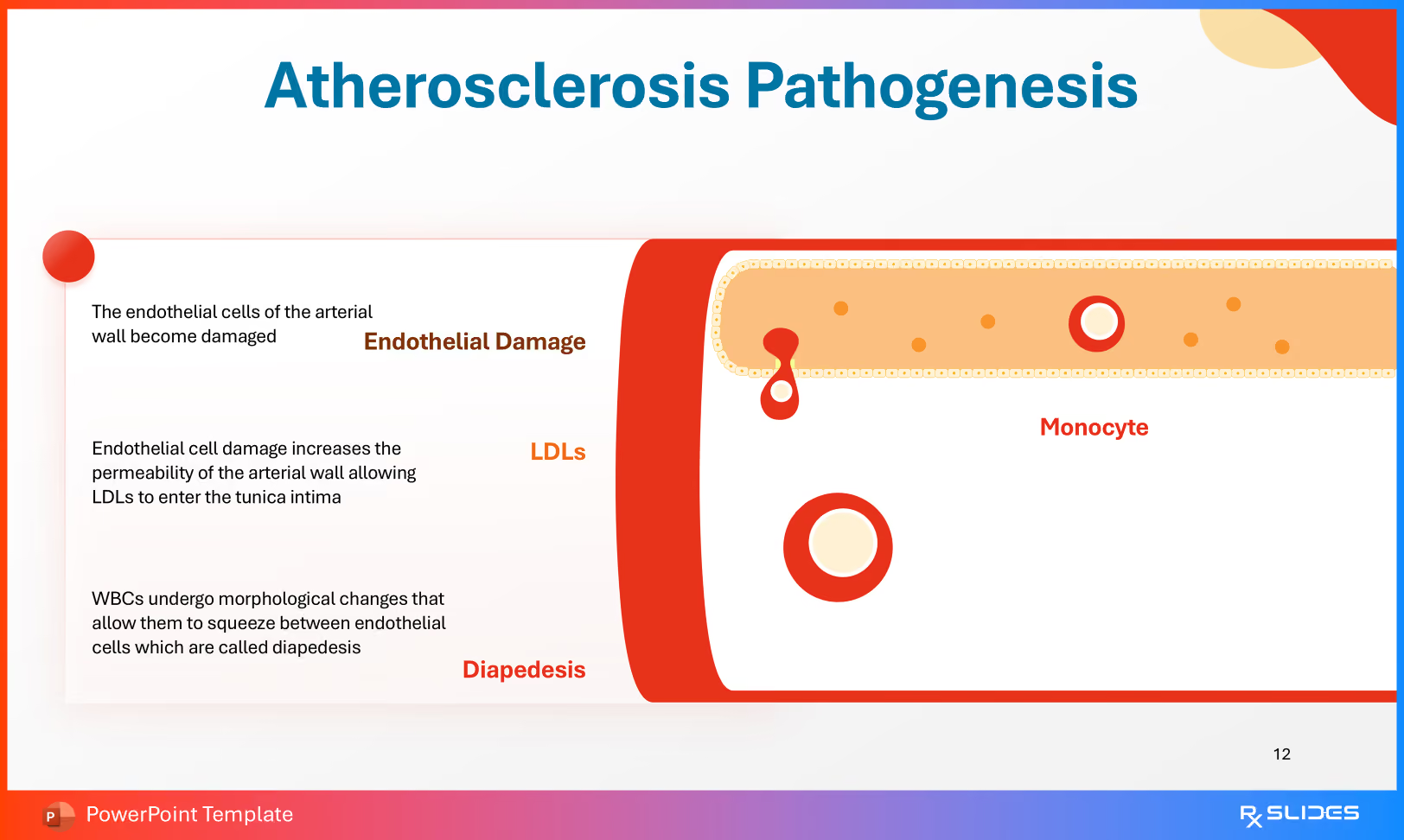
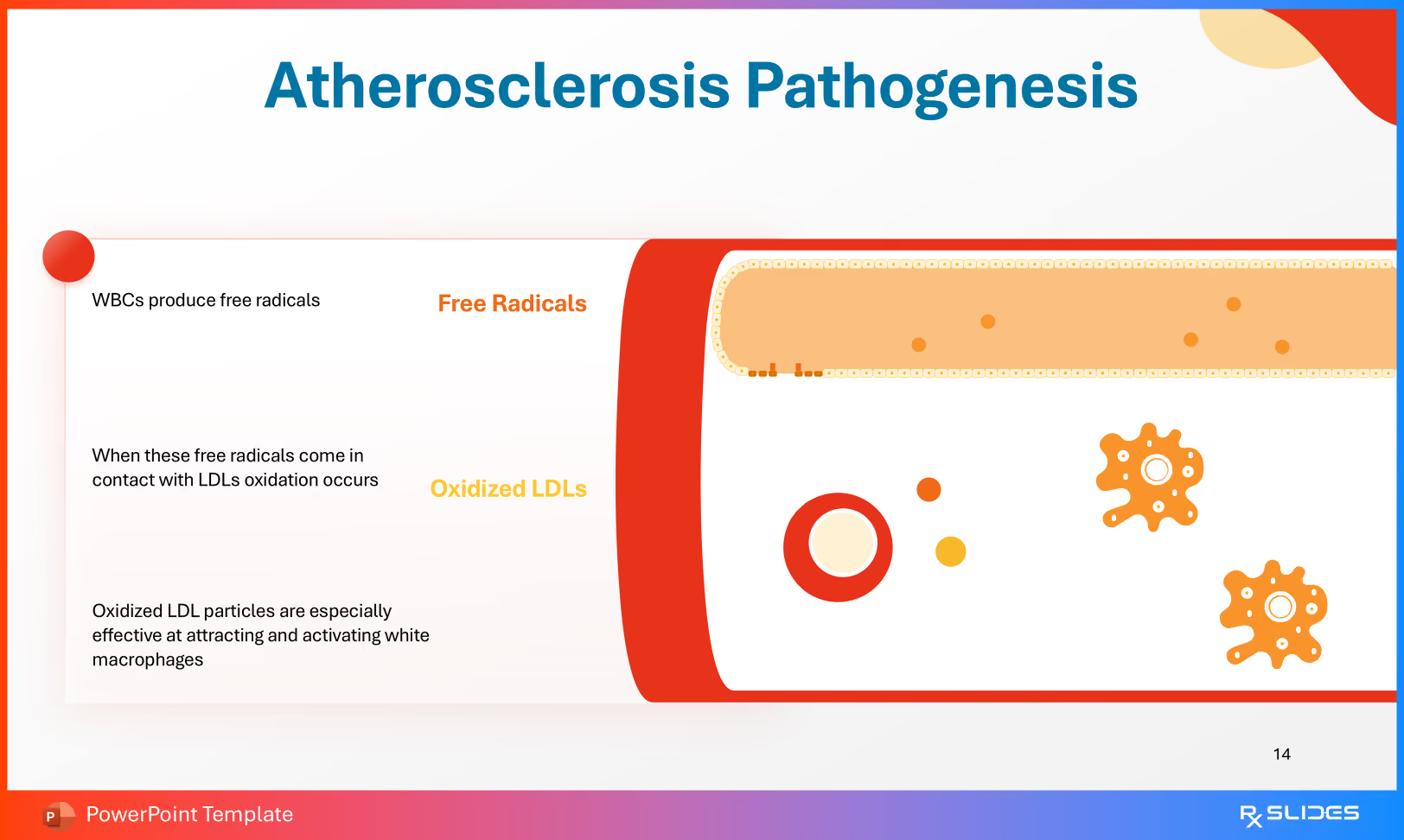
Atherosclerosis Pathogenesis

  • Trigger: Illustrate endothelial injury and increased vascular permeability.
Atherosclerosis Pathogenesis Slide from Atherosclerosis PowerPoint Presentation Template
  • Infiltration: Show diapedesis of white blood cells through the endothelium.
  • The Infiltration: Walk the audience through "Diapedesis," showing how WBCs (White Blood Cells) squeeze between endothelial cells.
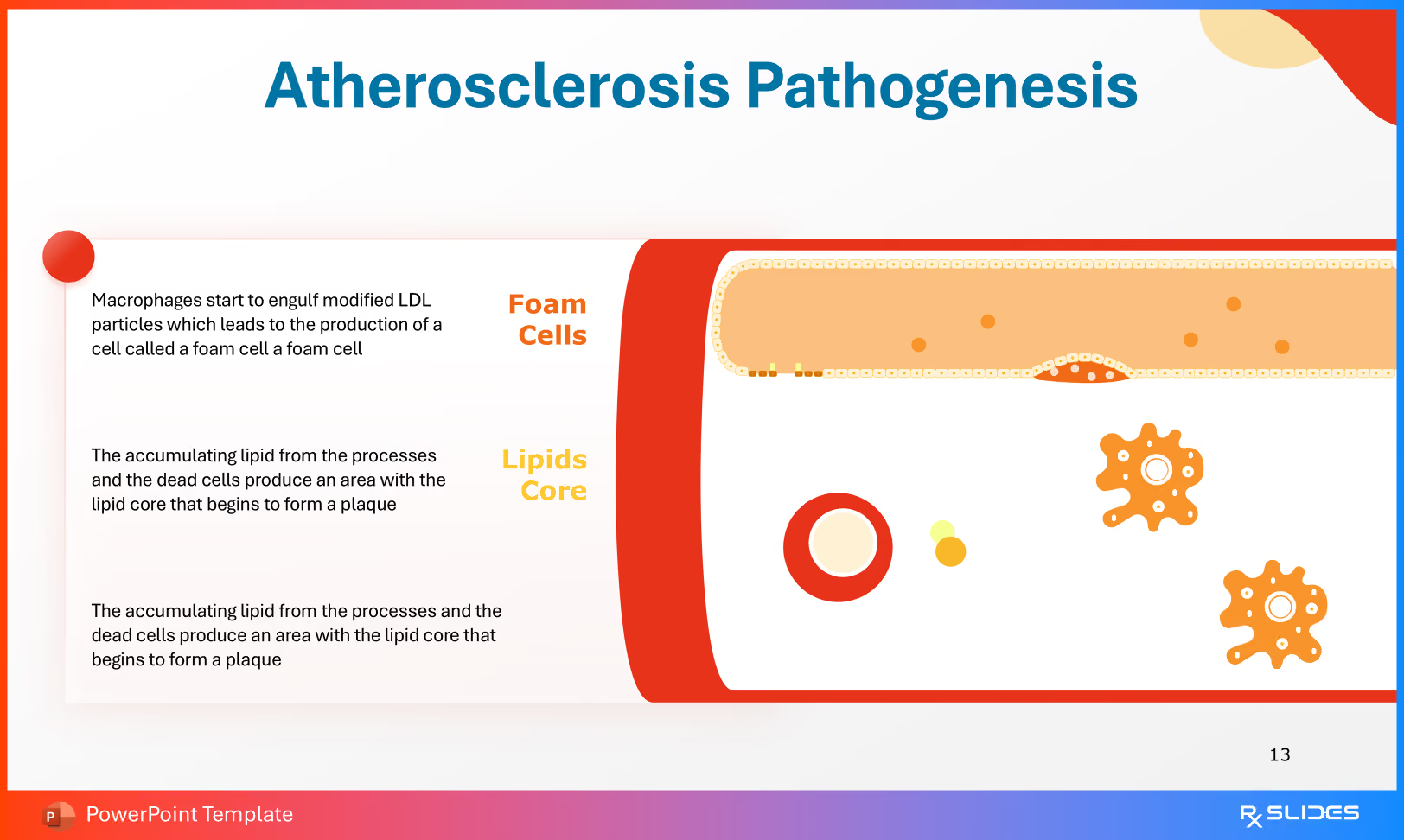
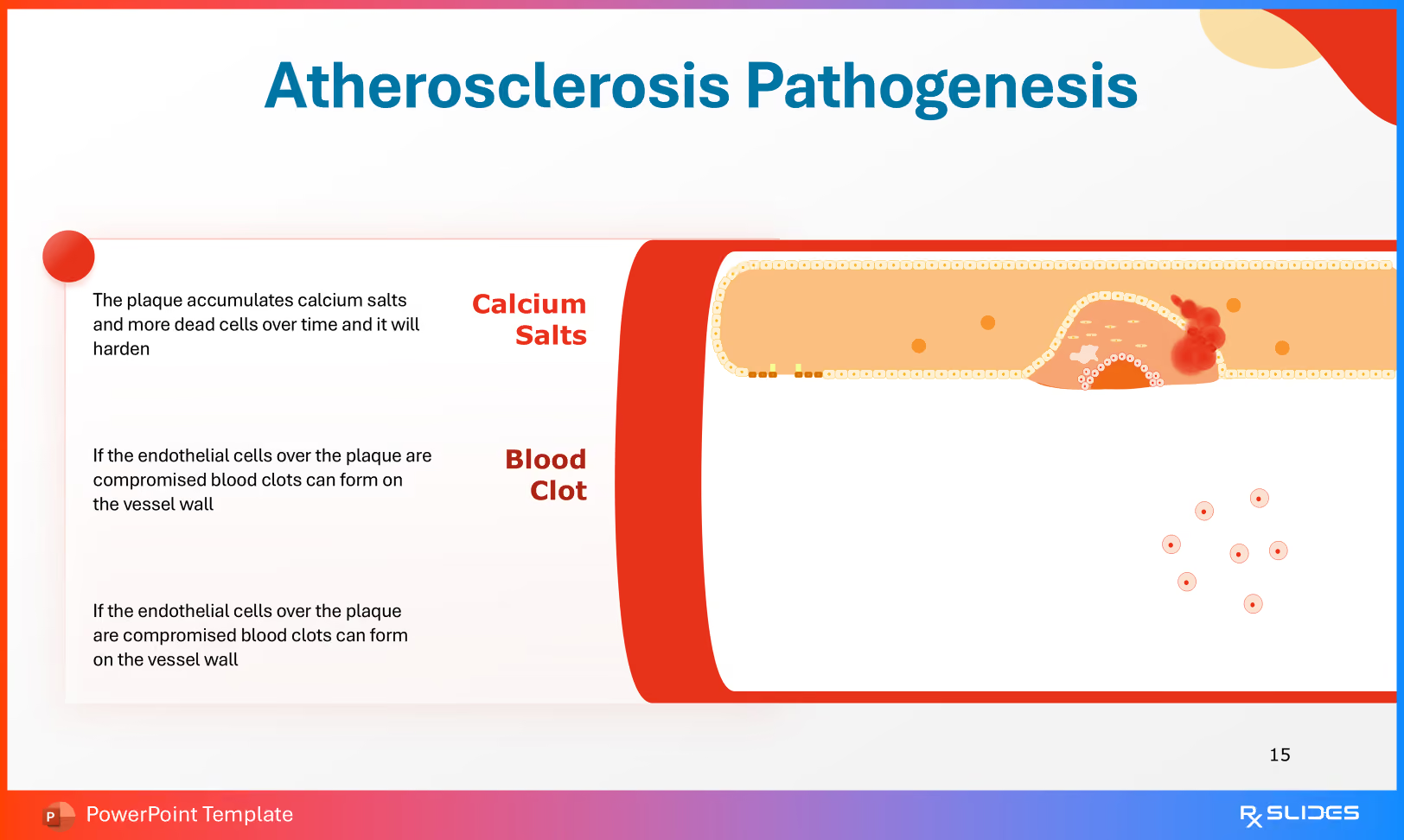
Atherosclerosis Pathogenesis cont. Slide from Atherosclerosis PowerPoint Presentation Template
  • Plaque Formation: Detail foam cell development from macrophage uptake of oxidized LDL and formation of the lipid core.
Plaque Formation slide from Atherosclerosis PowerPoint Presentation Template
  • Complications: Highlight calcification, plaque hardening, and thrombosis if the endothelial layer is disrupted.
Complications slide from Atherosclerosis PowerPoint Presentation Template

3. Disease Progression: Stages and Continuum

To convey the chronicity of atherosclerosis, use progression slides.

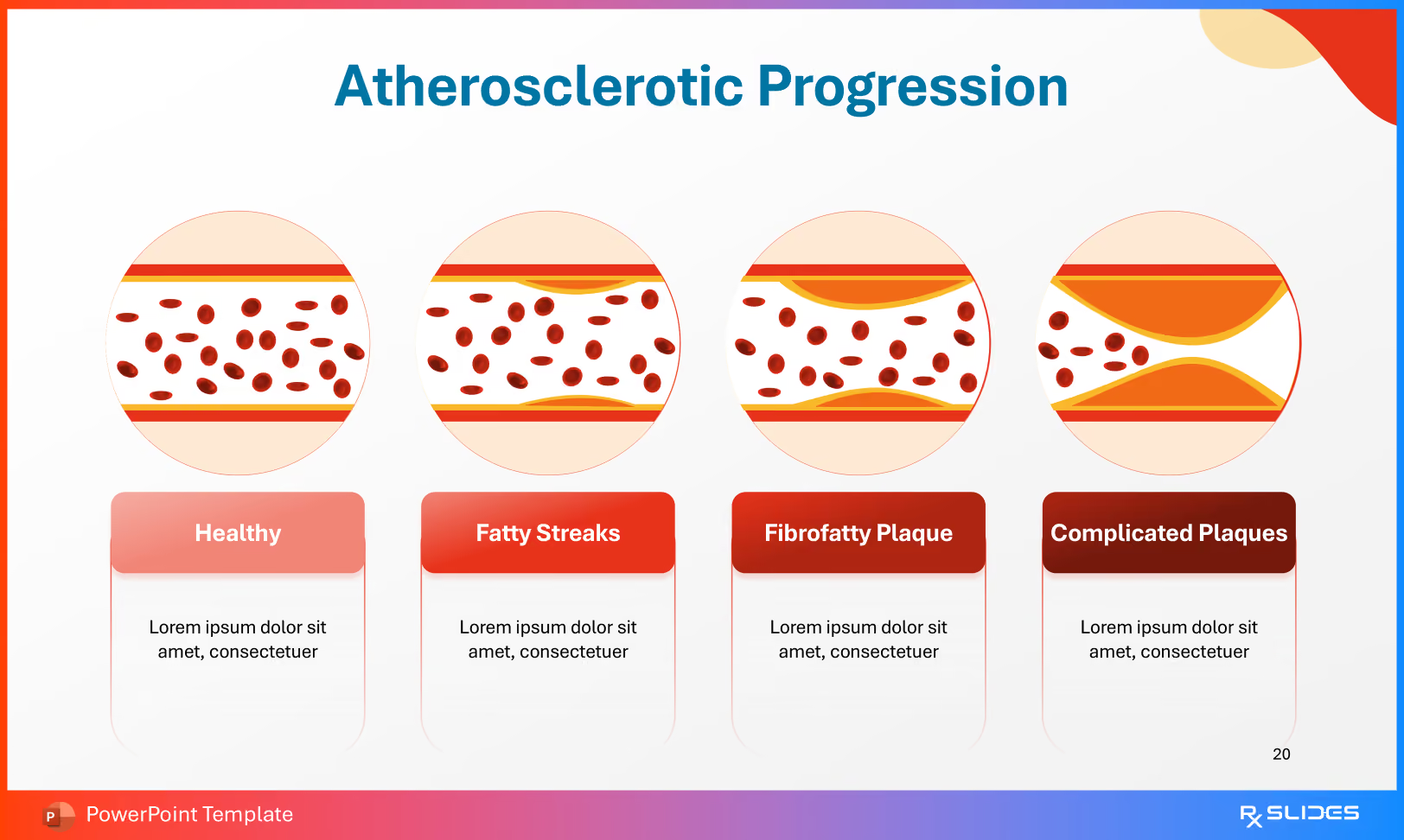
Plaque Formation Timeline

  • Illustrate the sequence: Healthy endothelium → Fatty streaks → Fibrofatty plaque → Complicated plaque.
  • This visualizes the disease as a continuous process, useful for lectures and policy discussions.
Plaque Formation Timeline slide from Atherosclerosis PowerPoint Presentation Template

4. Clinical Recognition: Symptoms and Diagnostic Workflow

Professional audiences require structured approaches to detection and evaluation.

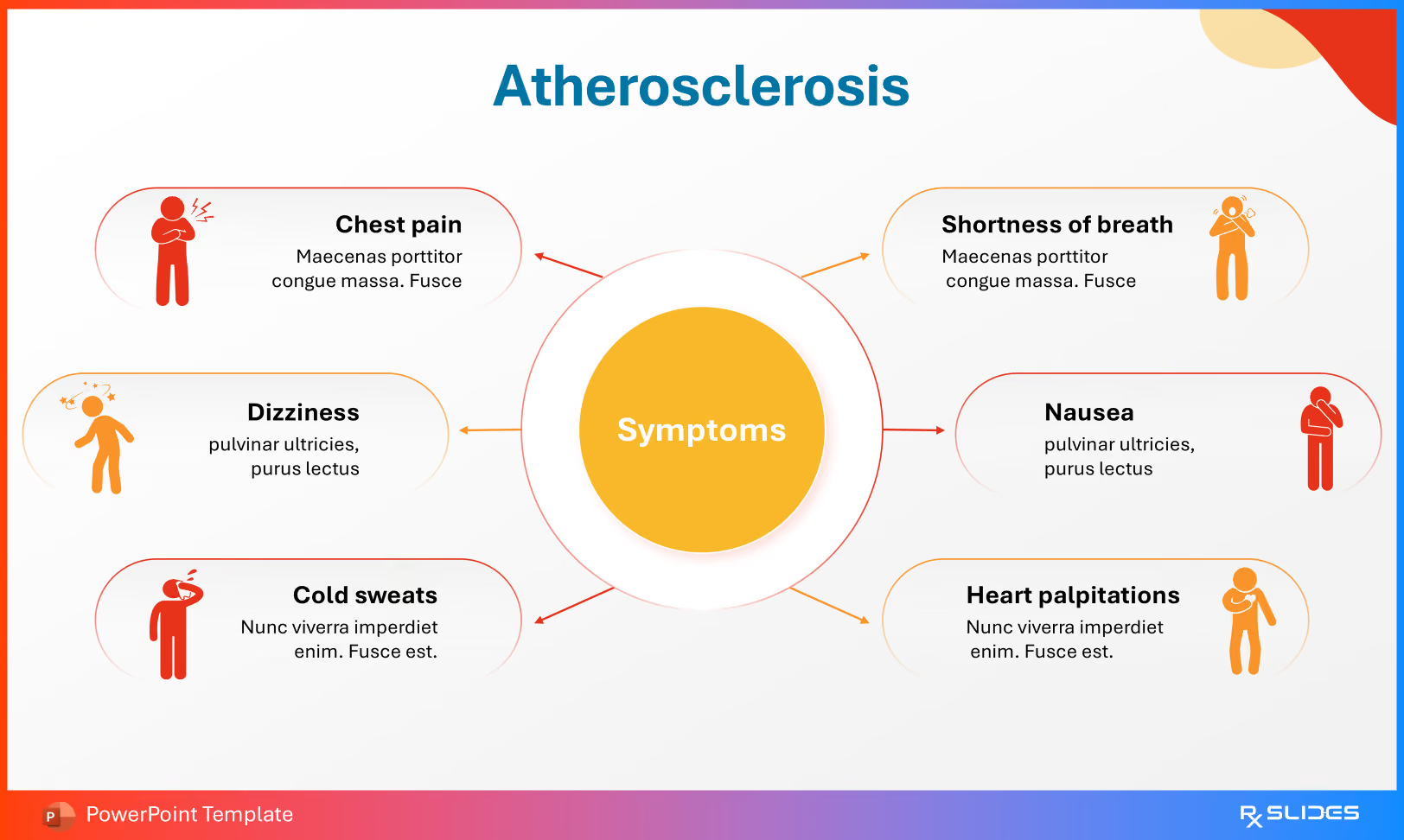
Symptoms and Indicators

  • Present key clinical signs such as angina, dyspnea, palpitations, dizziness, and diaphoresis.
Symptoms and Indicators slide from Atherosclerosis PowerPoint Presentation Template

Diagnostic Tools

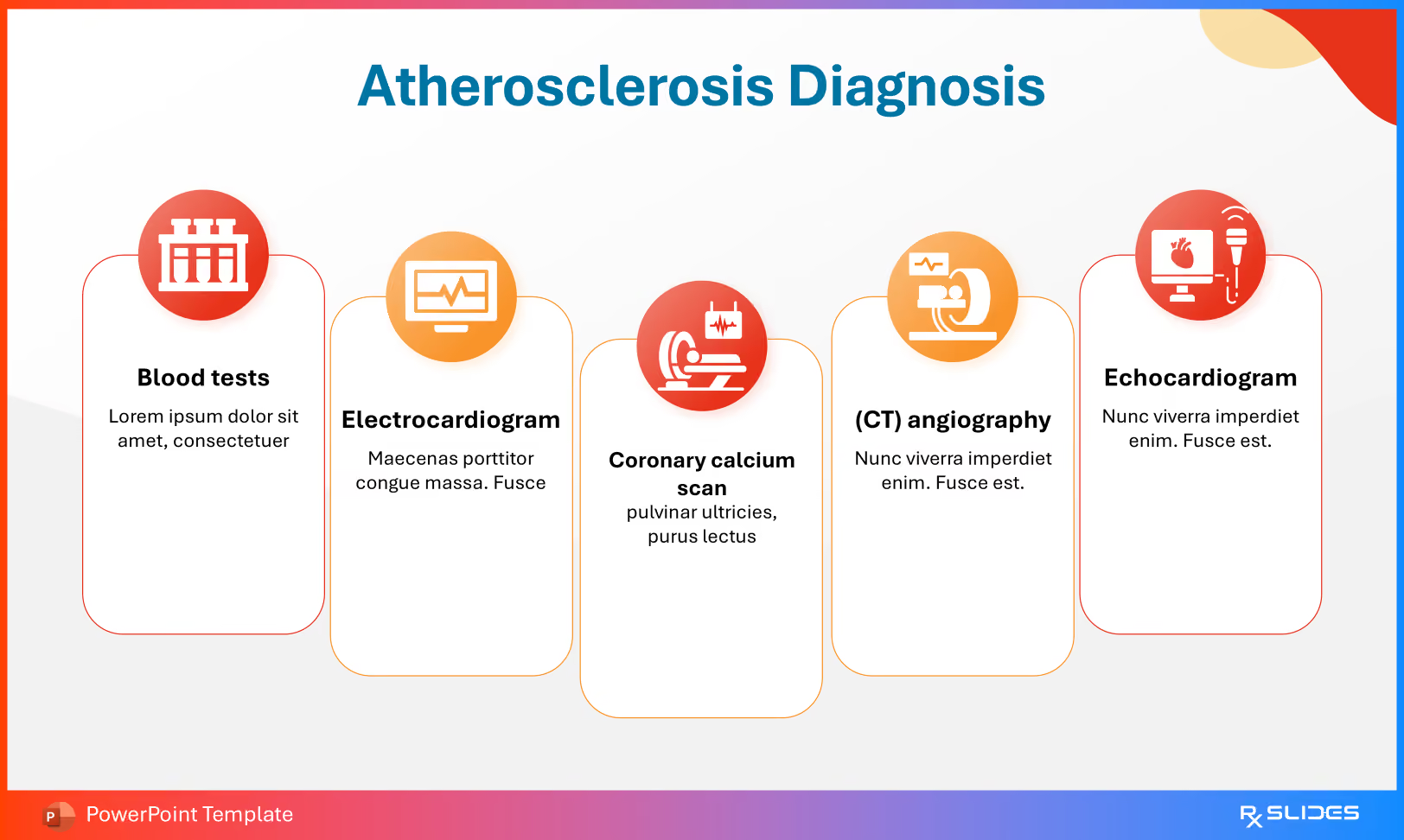
  • Use slides detailing protocols: blood lipid panels, ECG, coronary calcium scoring, and CT angiography.
  • Highlight decision-making frameworks for identifying high-risk patients.
Diagnostic Tools slide from Atherosclerosis PowerPoint Presentation Template

5. Intervention: Therapeutics and Procedures

Visual depictions enhance understanding of both surgical and pharmacological strategies.

Angioplasty and Stent Placement

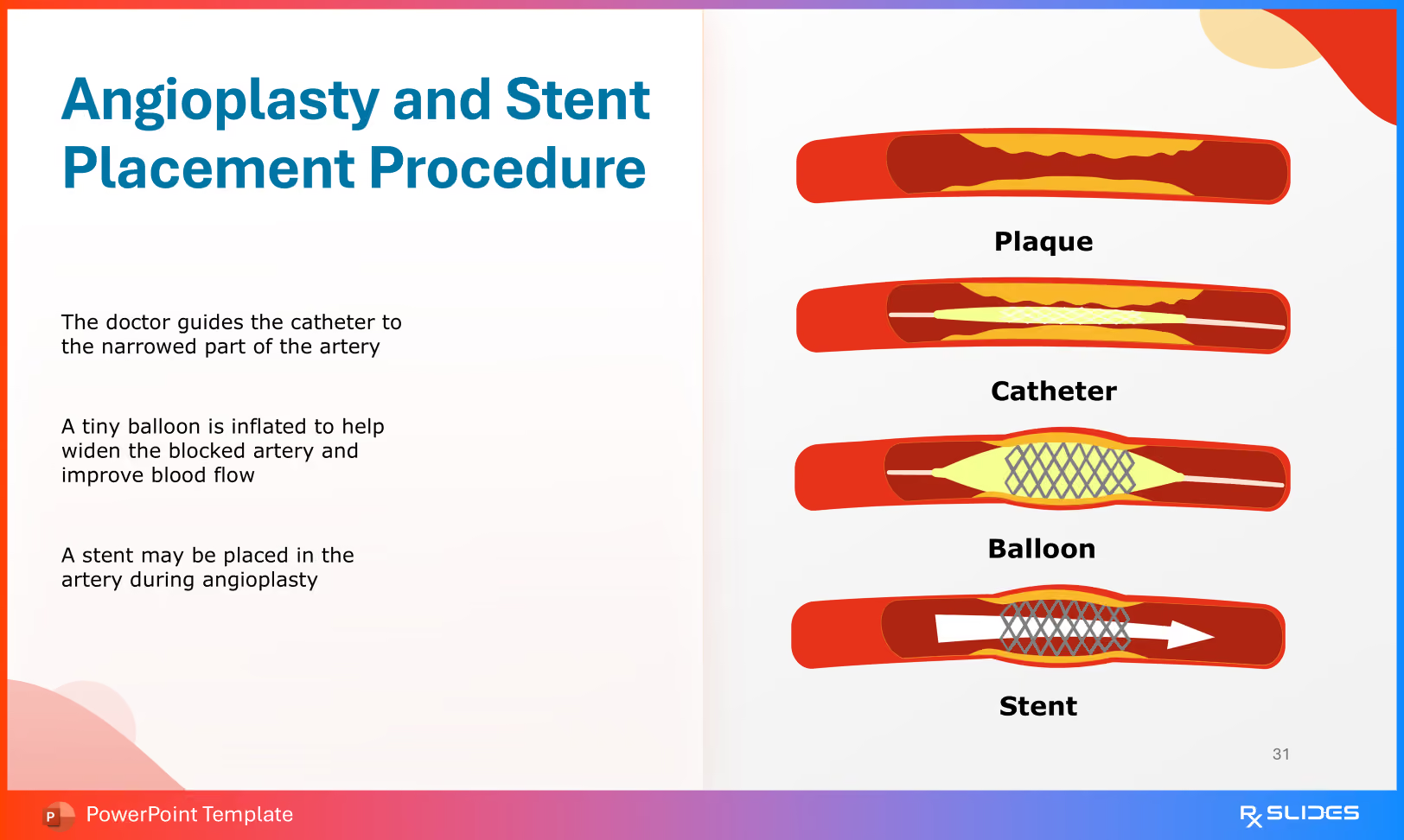
  • Break the procedure into steps: catheter navigation, balloon dilation, and stent deployment.
Angioplasty and Stent Placement slide from Atherosclerosis PowerPoint Presentation Template
  1. Catheter: The doctor guides the catheter to the narrowed artery.
  2. Balloon: A tiny balloon is inflated to widen the blockage.
  3. Stent: A stent is placed to keep the artery open.

Pharmacological Management

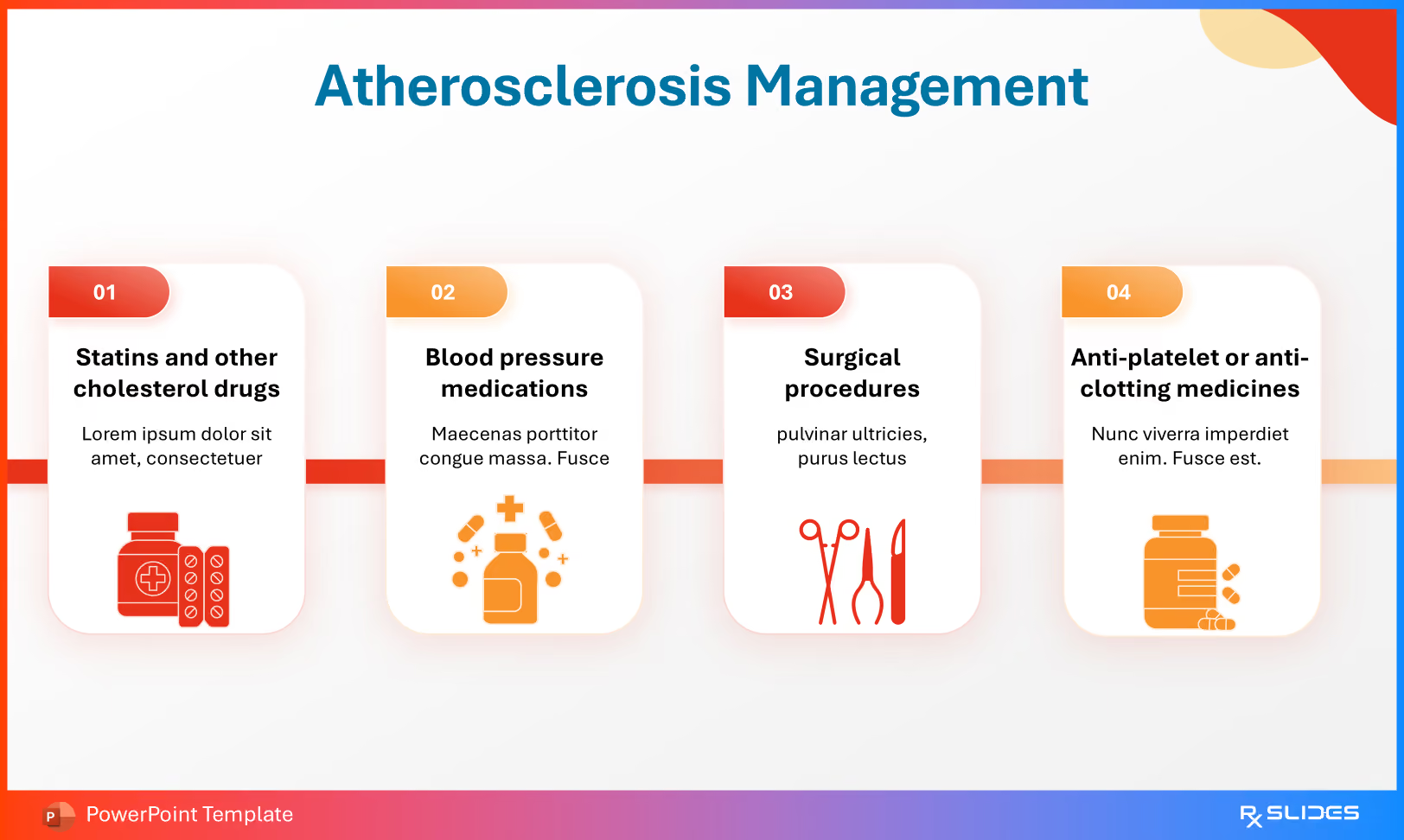
  • Use template slides to discuss evidence-based therapies, including statins, antiplatelet agents, and antihypertensives.
Management slide from Atherosclerosis PowerPoint Presentation Template

6. Prevention and Risk Modification

The template supports discussion of modifiable risk factors for professional and policy-level audiences.

Key Prevention Strategies

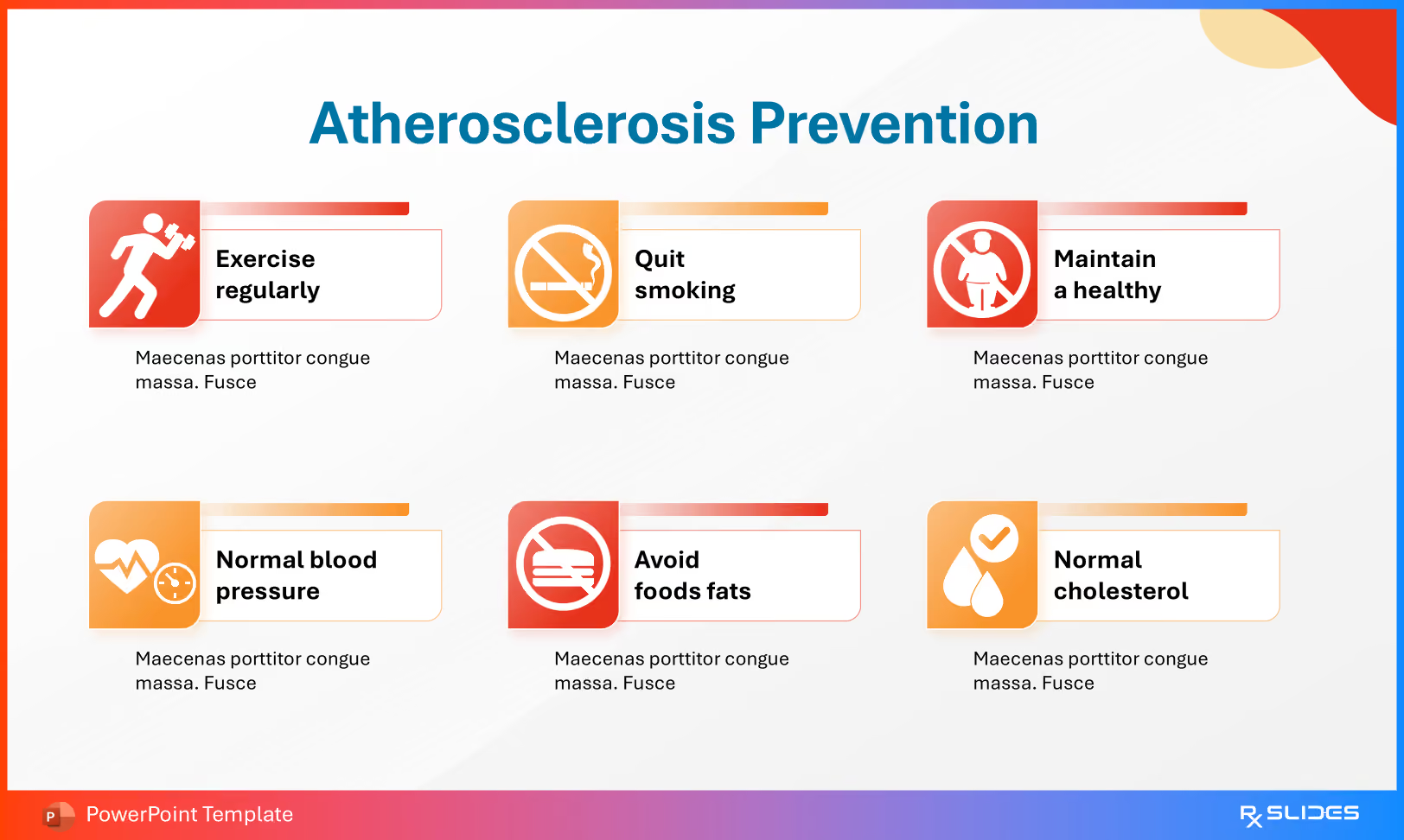
  • Promote cardiovascular risk reduction through physical activity, smoking cessation, weight management, and dietary optimization.
  • Use slides to support guideline-based recommendations.
Prevention and Risk Modification Slide from Atherosclerosis PowerPoint Presentation Template

Summary

The Atherosclerosis PowerPoint Presentation Template bridges microscopic pathophysiology and systemic outcomes. It enables presenters to move seamlessly from endothelial dysfunction and LDL oxidation to stent deployment and cardiovascular risk management, making it ideal for medical education, congresses, and clinical workshops.

Latest Articles

Explore All