How RxSlides Medical PowerPoint Template Simplifies Chronic Obstructive Pulmonary Disease Education
Chronic Obstructive Pulmonary Disease (COPD) is a progressive respiratory disorder characterized by persistent airflow limitation and chronic inflammatory response. For medical educators, clinical trainers, and congress presenters, communicating COPD requires structured visuals that integrate anatomy, pathophysiology, and therapeutic mechanisms. The COPD PowerPoint Presentation Template provides a clinically oriented framework to support academic lectures, professional workshops, and scientific meetings.
Below is a guide on how to leverage this template for professional medical education and congress delivery.
1. Visualizing Airflow Limitation: Anatomy and Core Definitions
For foundational sessions or multidisciplinary audiences, begin with structural changes in the airway.
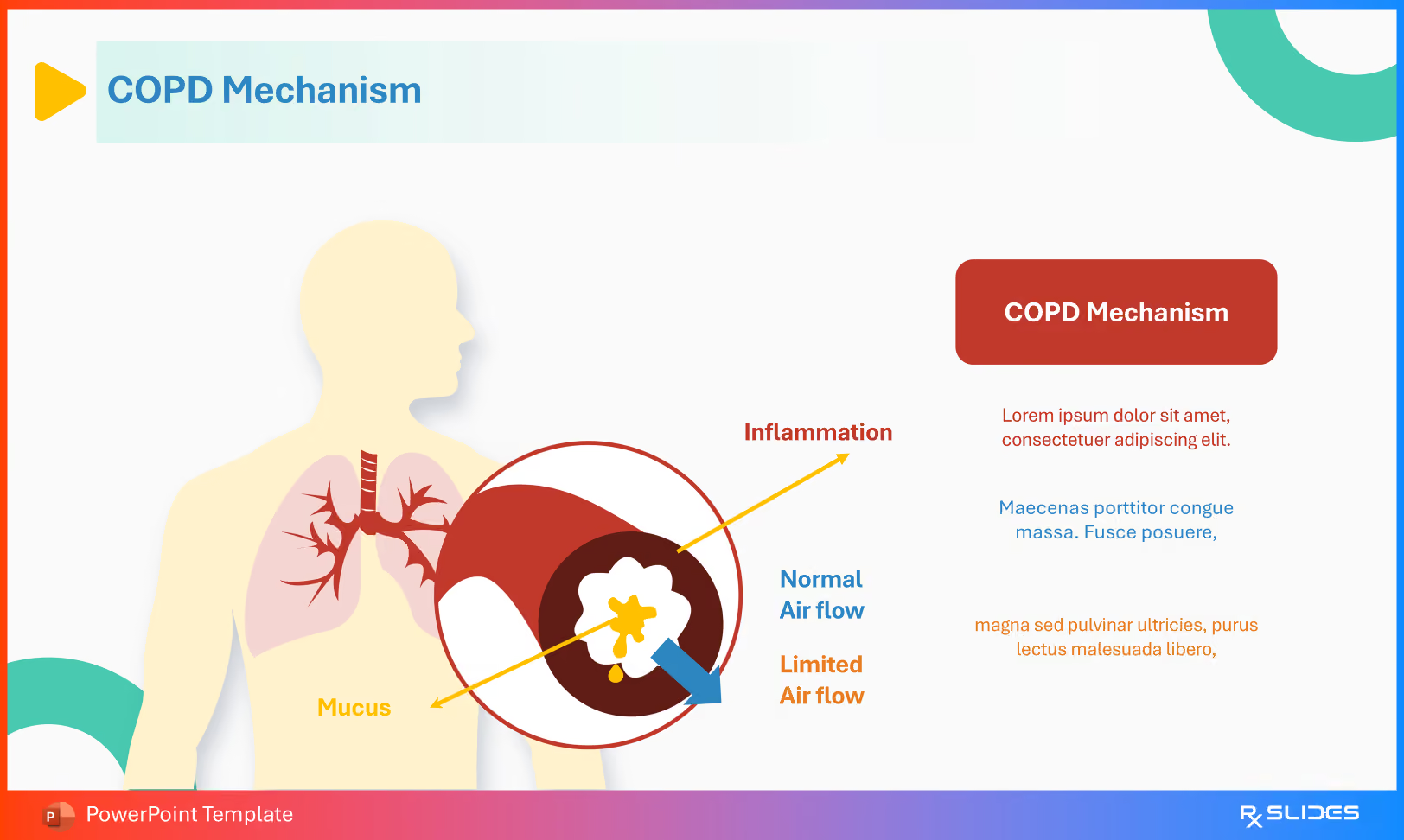
COPD Mechanism
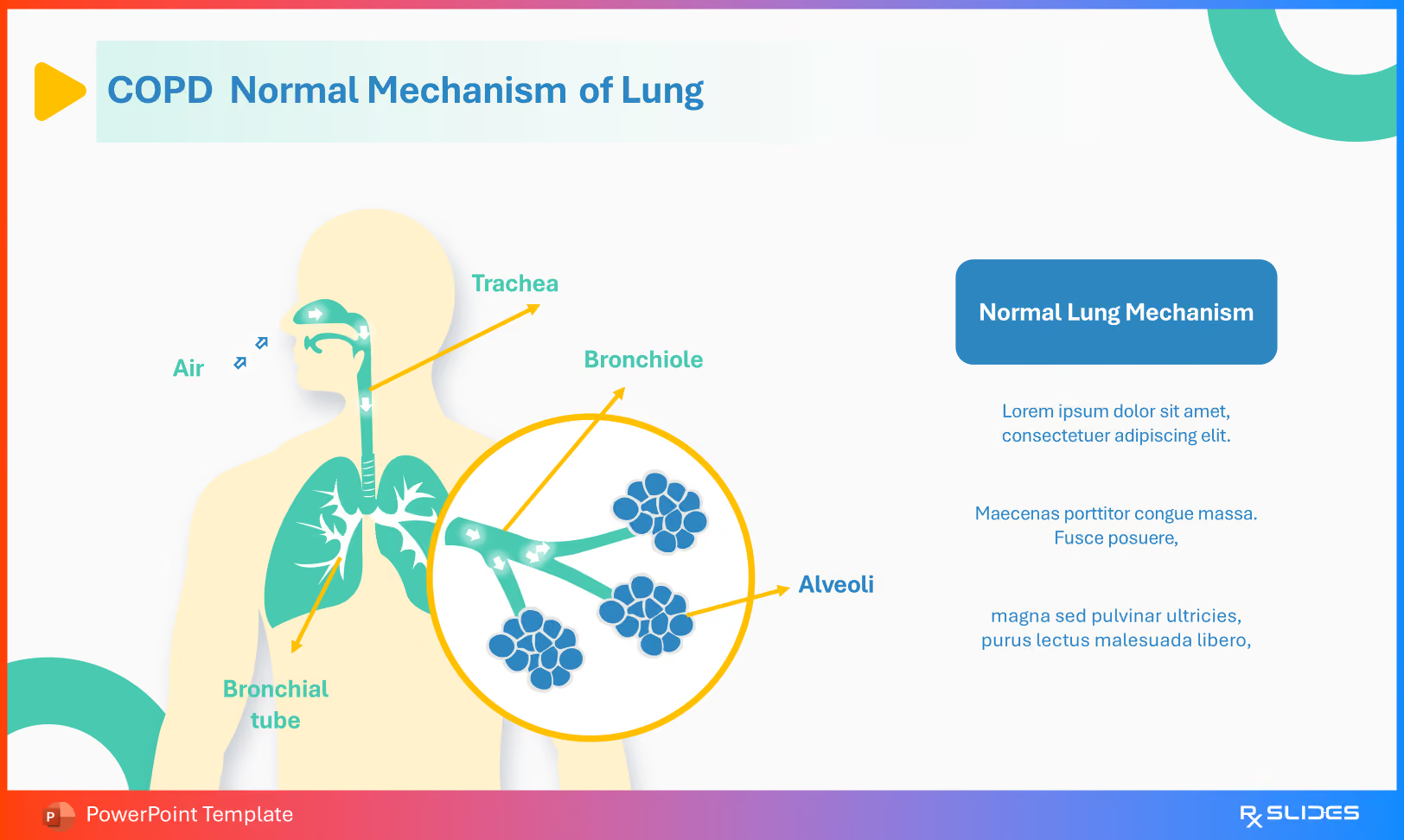
Use the “Normal Mechanism of Lung” and “COPD Mechanism” slides to contrast healthy bronchial architecture with obstructed airways.
• Highlight pathological features including mucus accumulation, inflammatory narrowing, and reduced airflow compared with normal pulmonary mechanics. • These comparative visuals support explanation of chronic obstruction and impaired gas exchange.
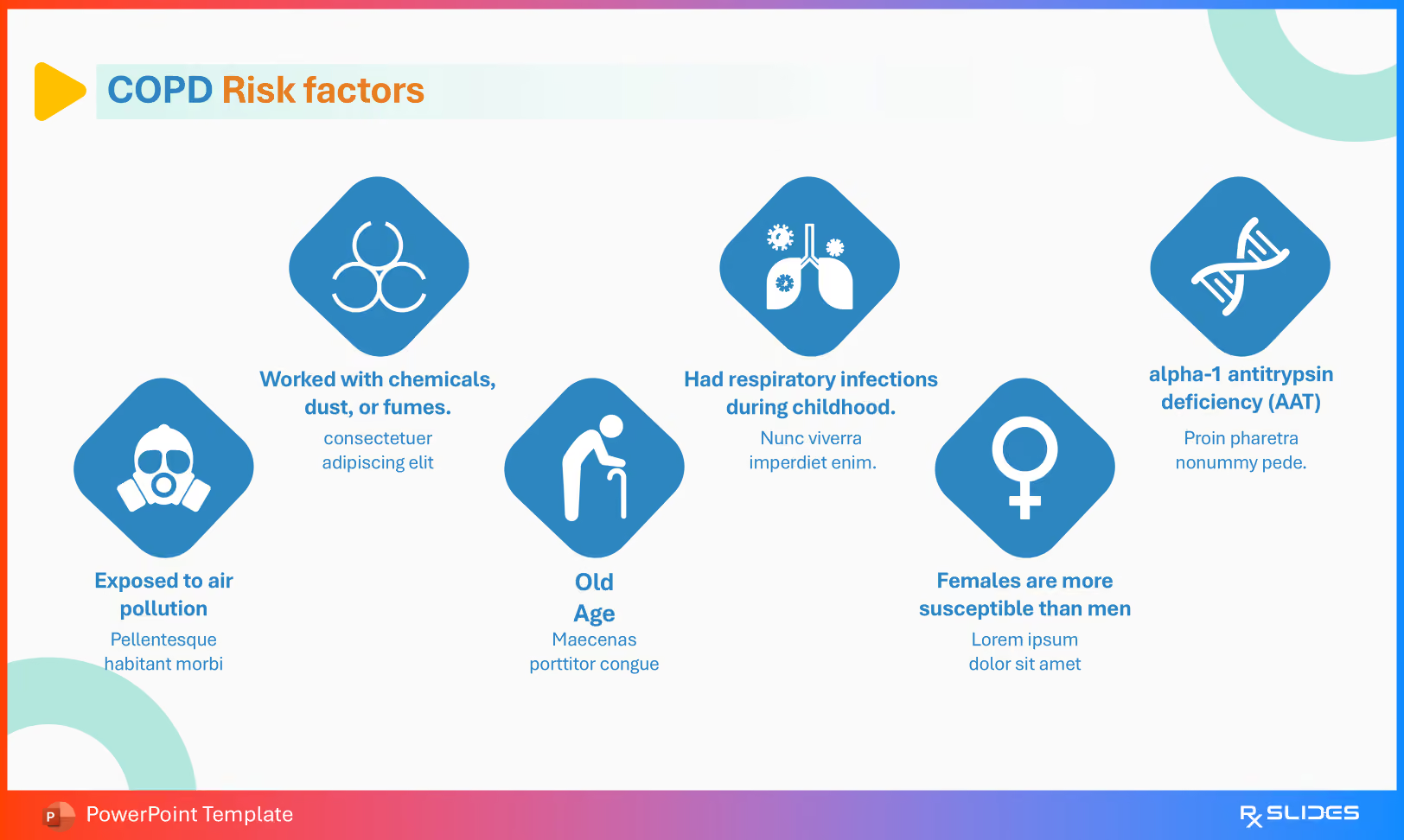
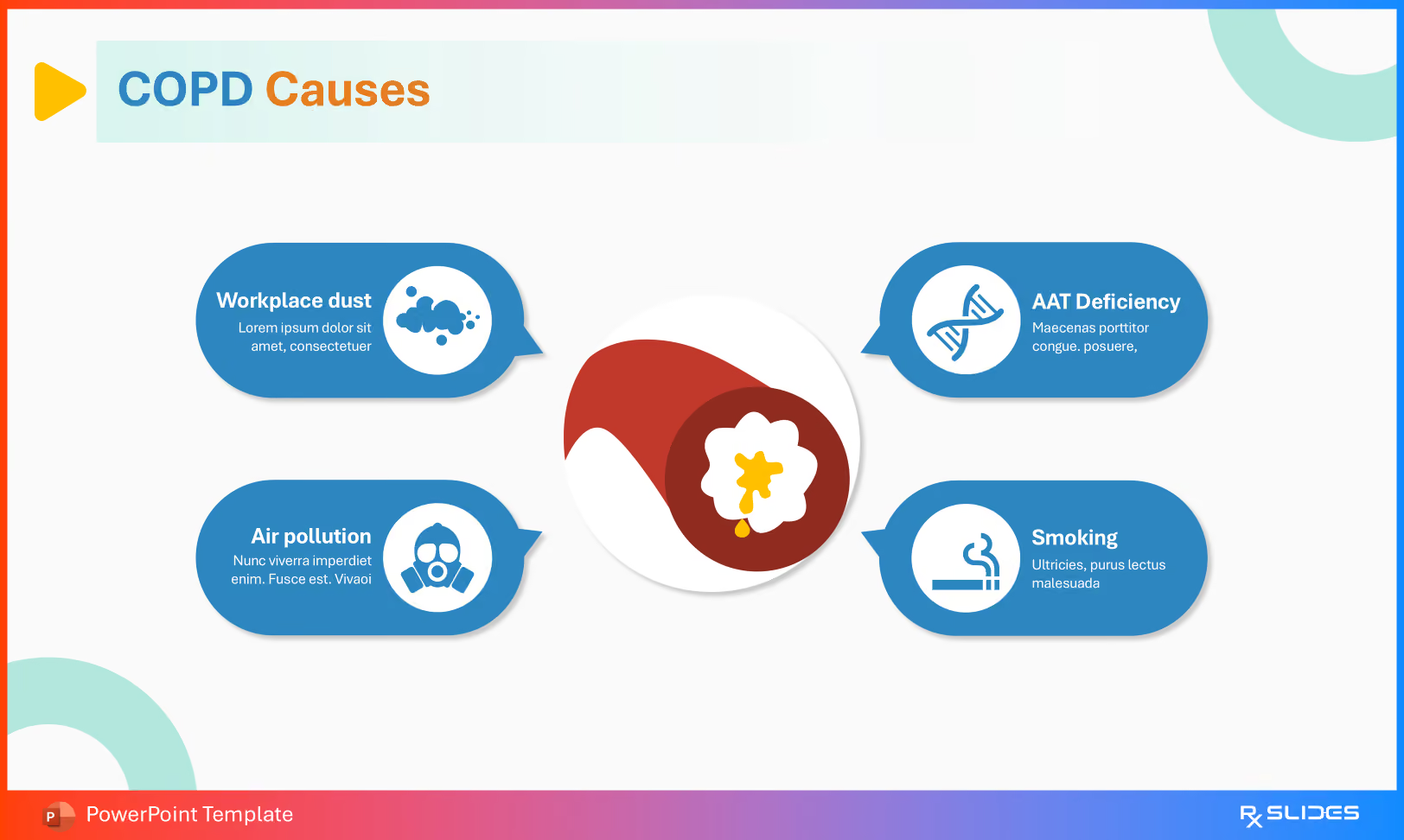
The “COPD Causes” and “Risk Factors” slides categorize contributors into:
• Environmental exposures such as occupational dust and air pollution • Behavioral factors including tobacco use • Genetic predisposition, notably alpha-1 antitrypsin deficiency (AAT)
This section integrates well into epidemiology or preventive medicine sessions.
This section is particularly valuable for pharmacology lectures and pharmaceutical congress sessions, as it visualizes drug mechanisms rather than listing therapies alone.
Anticholinergic Mechanism
This slide illustrates vagal acetylcholine release and muscarinic receptor blockade, demonstrating how anticholinergics reduce bronchoconstriction and mucus secretion.
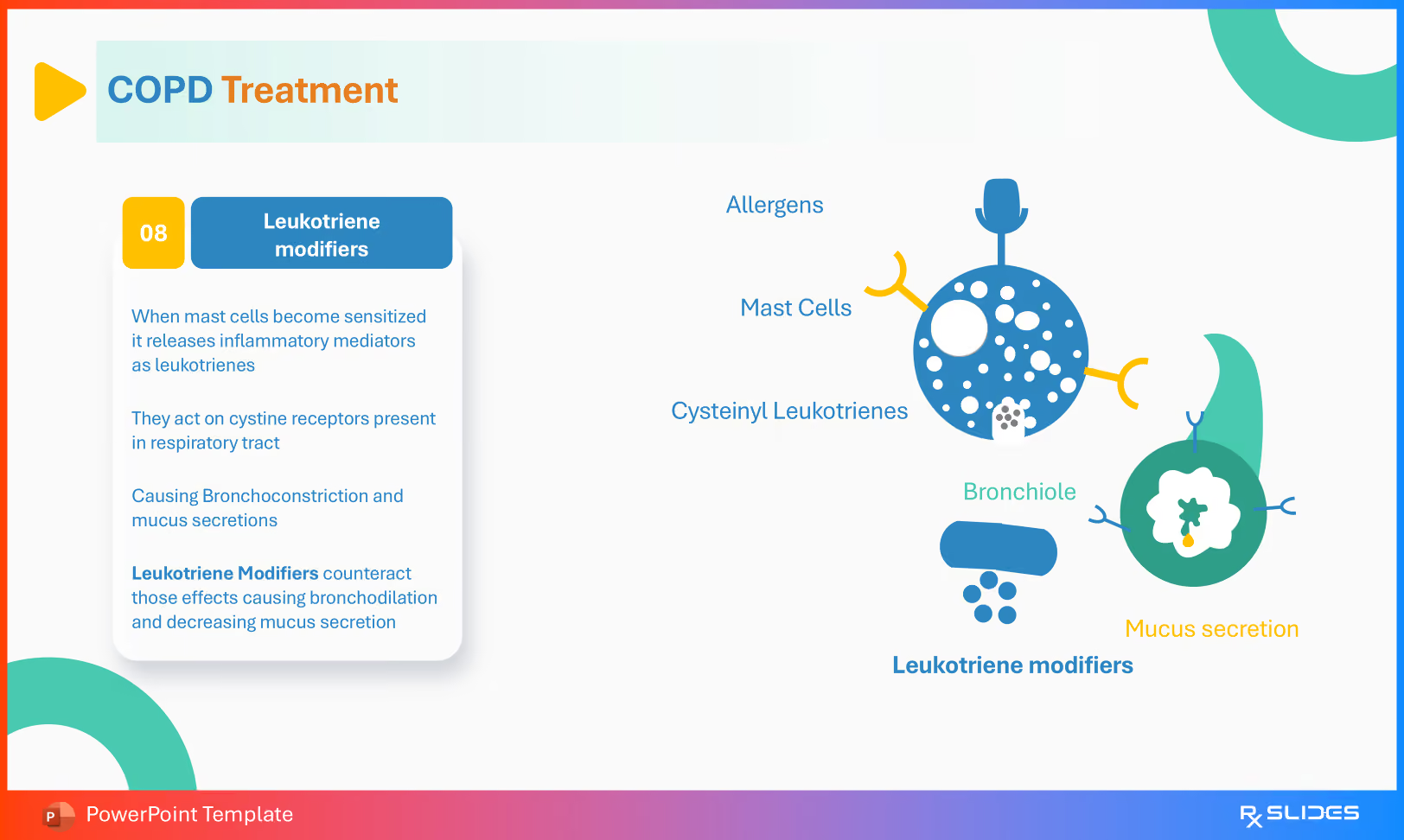
Use this layout to explain mast cell mediated cysteinyl leukotriene activity and how receptor antagonists attenuate airway inflammation and constriction.
Additional slides support presentation of standard COPD interventions including bronchodilators, inhaled corticosteroids, antibiotics, and supplemental oxygen.
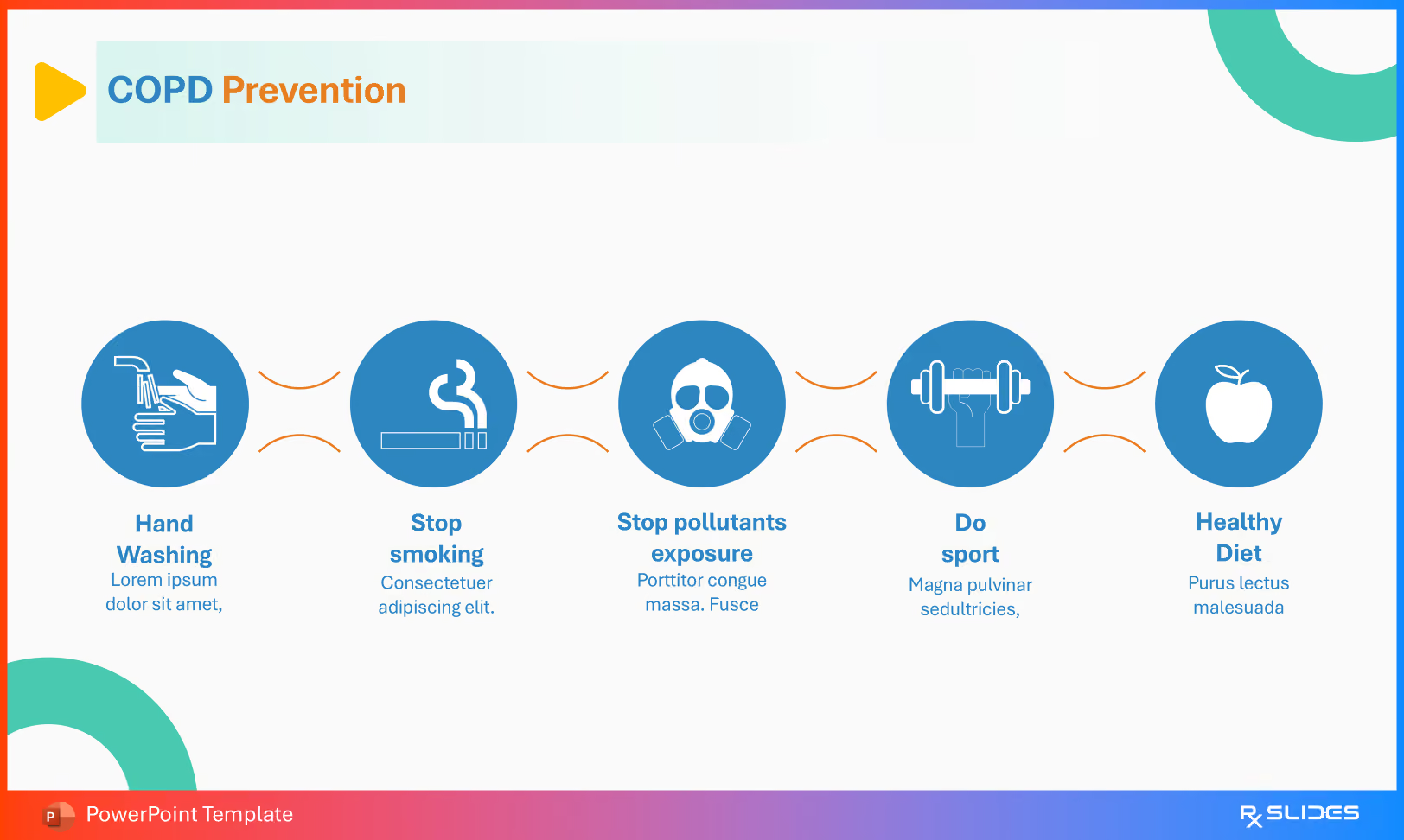
The “COPD Prevention” slides visually reinforce evidence-based strategies such as smoking cessation, vaccination, infection control measures, and nutritional optimization.
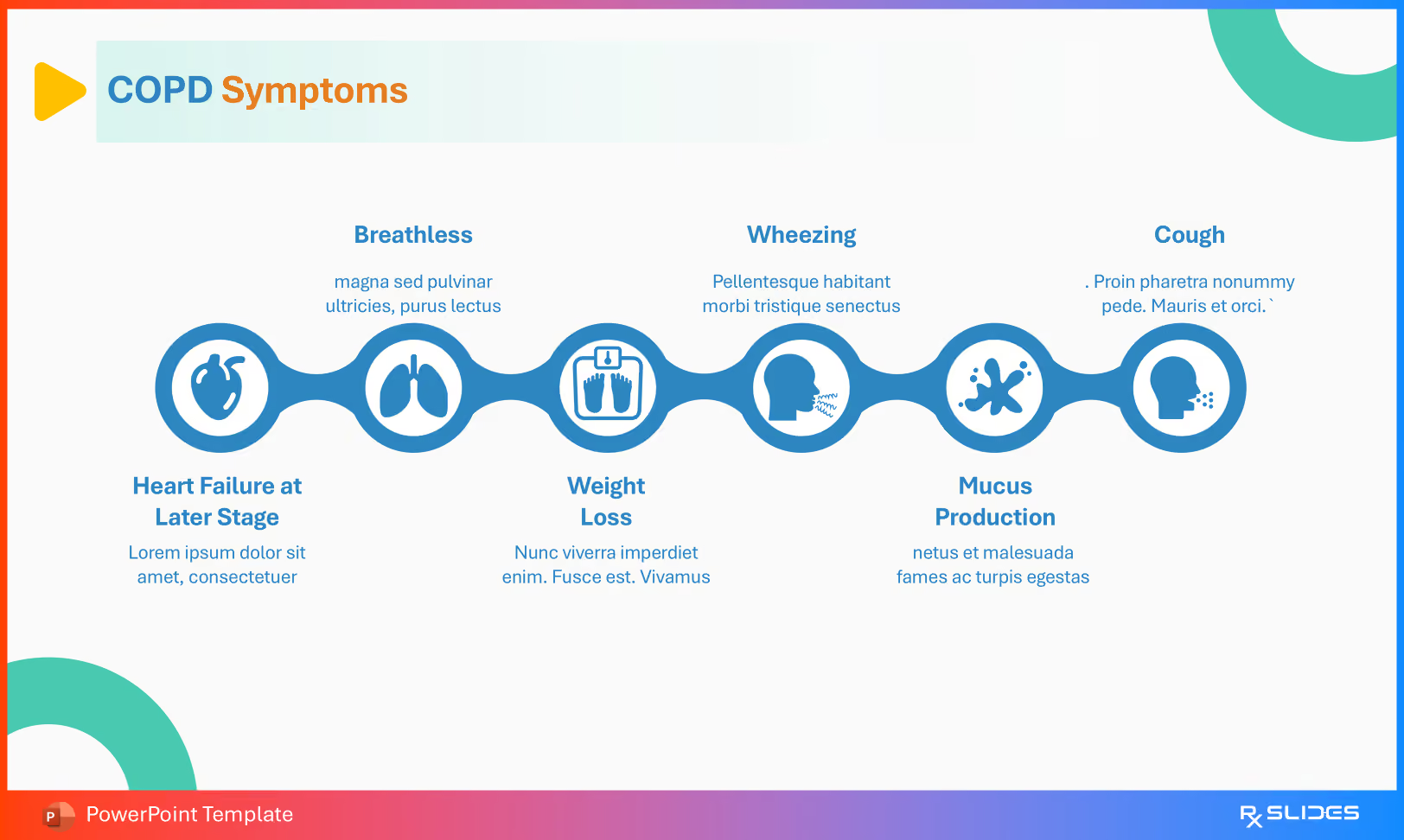
This template connects clinical symptoms with underlying cellular pathology and pharmacologic intervention. It enables presenters to move from airway remodeling to receptor-level mechanisms in a cohesive narrative, making it well suited for medical faculty lectures, institutional training programs, and respiratory-focused congress presentations.