How to Present Lactose Intolerance in PowerPoint for Healthcare Professionals

How to Present Lactose Intolerance in PowerPoint for Healthcare Professionals

Lactose intolerance results from insufficient lactase enzyme activity, leading to malabsorption of lactose and subsequent fermentation in the colon. Accurate education requires connecting molecular, physiological, and clinical levels. The Lactose Intolerance PowerPoint Template provides visual tools to present this condition to medical students, healthcare providers, and patients alike.

1. Milk Chemistry: Understanding the Substrate

Chemical Structure Slide

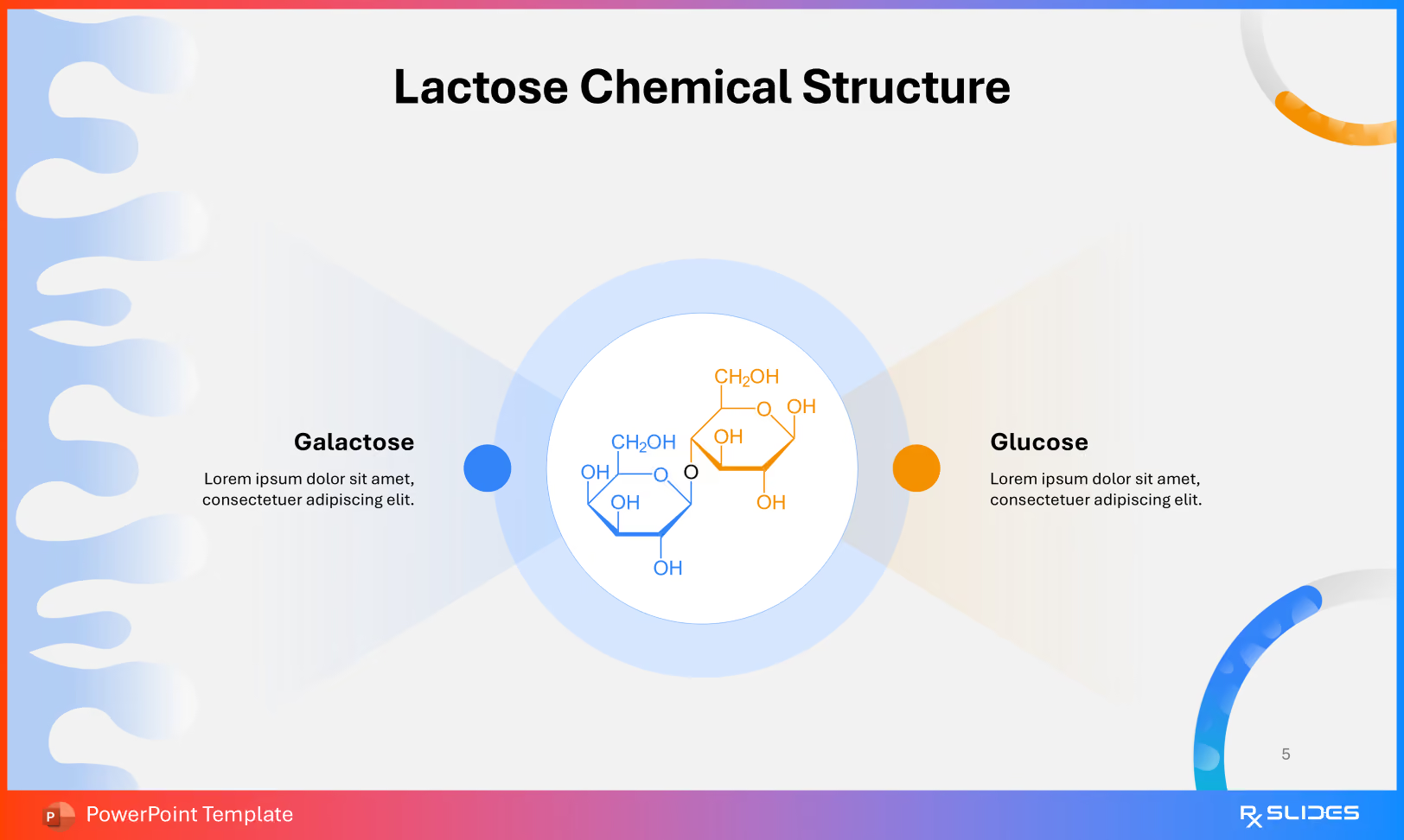
  • Define lactose as a disaccharide composed of glucose + galactose.
  • Reinforce that lactose is specific to mammalian milk and dairy products.
Chemical Structure Slide From Lactose Intolerance PowerPoint Template

Sources Slide

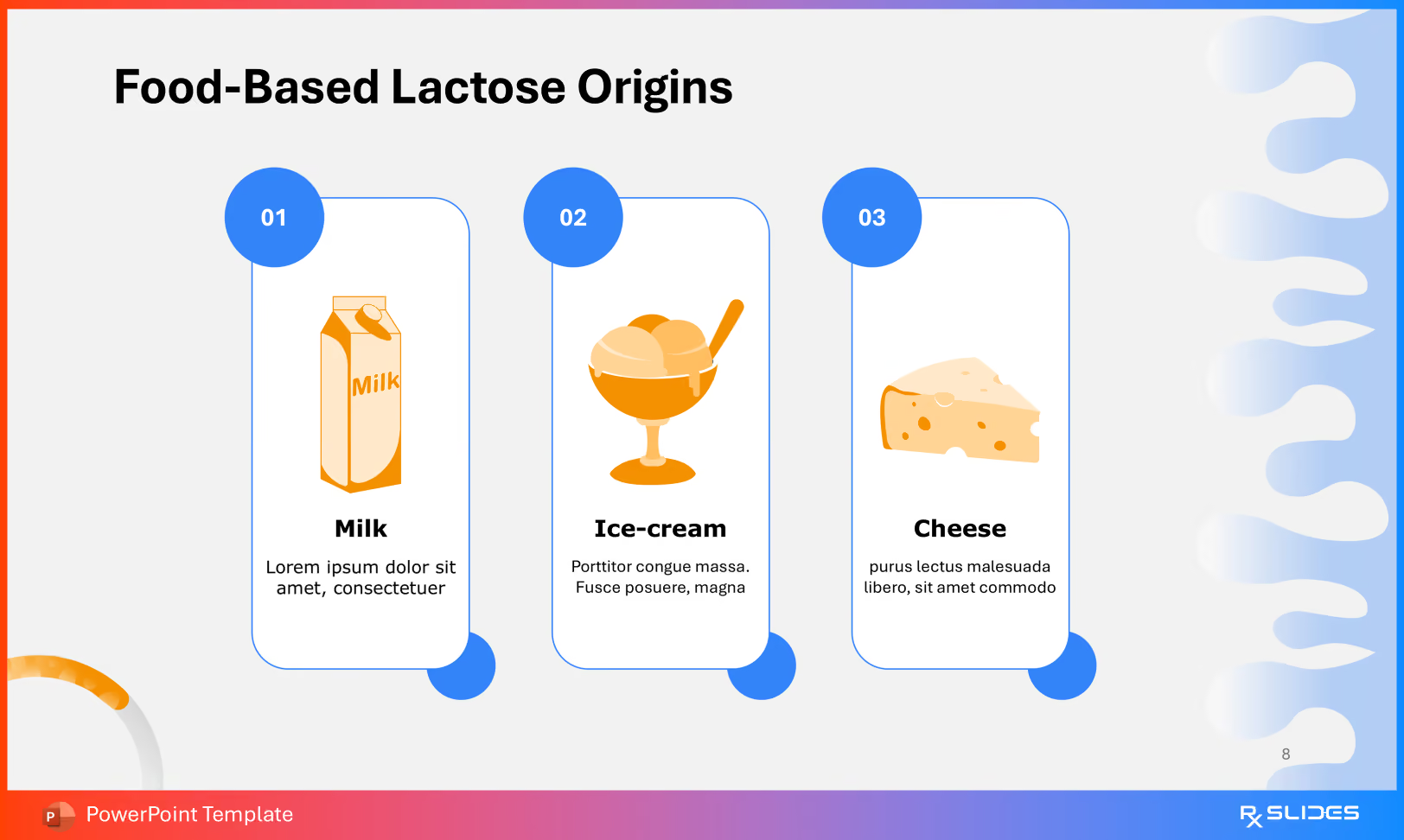
  • Illustrate common dietary triggers: milk, yogurt, ice cream, soft cheeses.
  • Visual icons improve recall for patient counseling and nutrition education.
Sources Slide From Lactose Intolerance PowerPoint Template

2. Mechanism: Digestion vs. Malabsorption

Normal vs. Intolerant Mechanism Slide

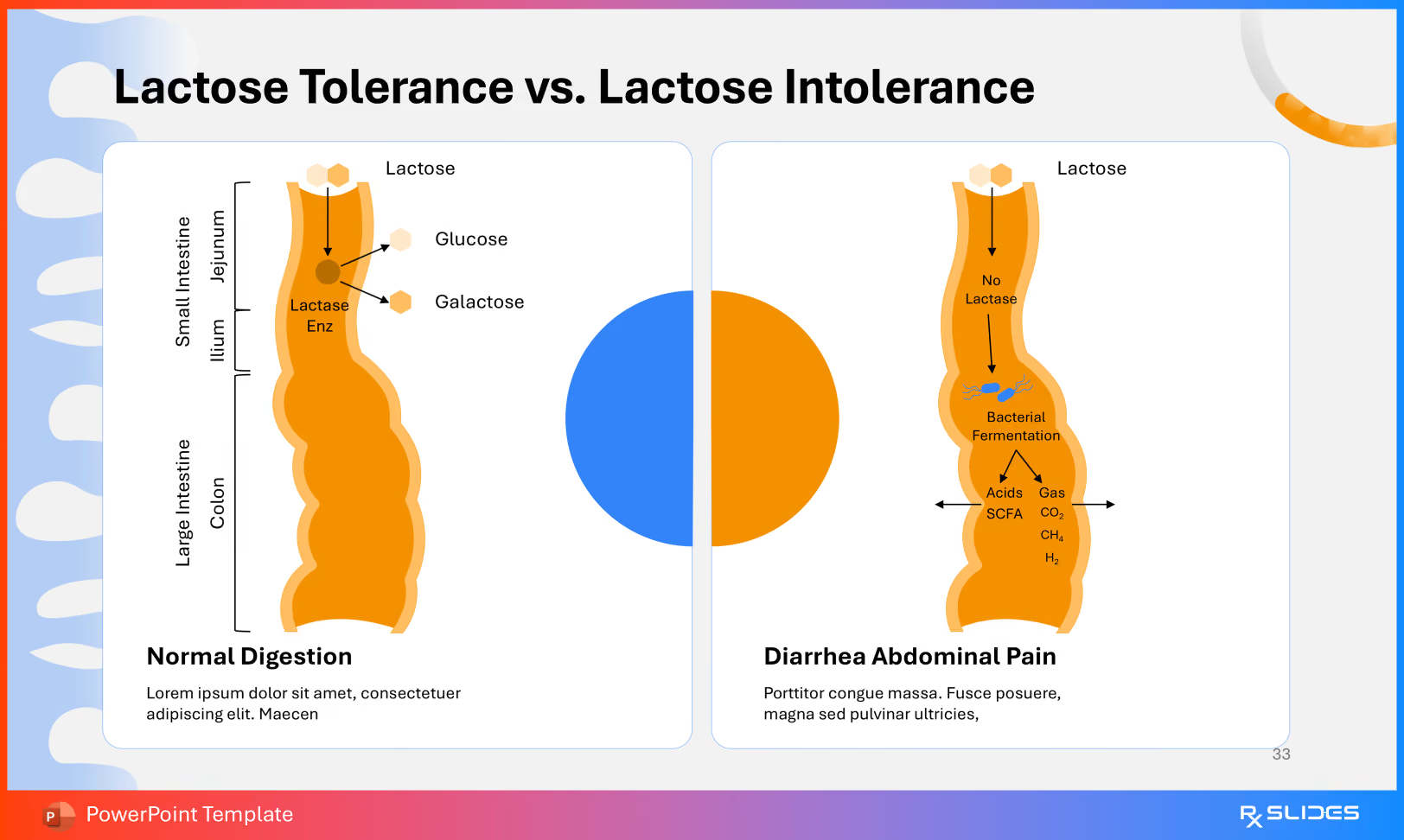
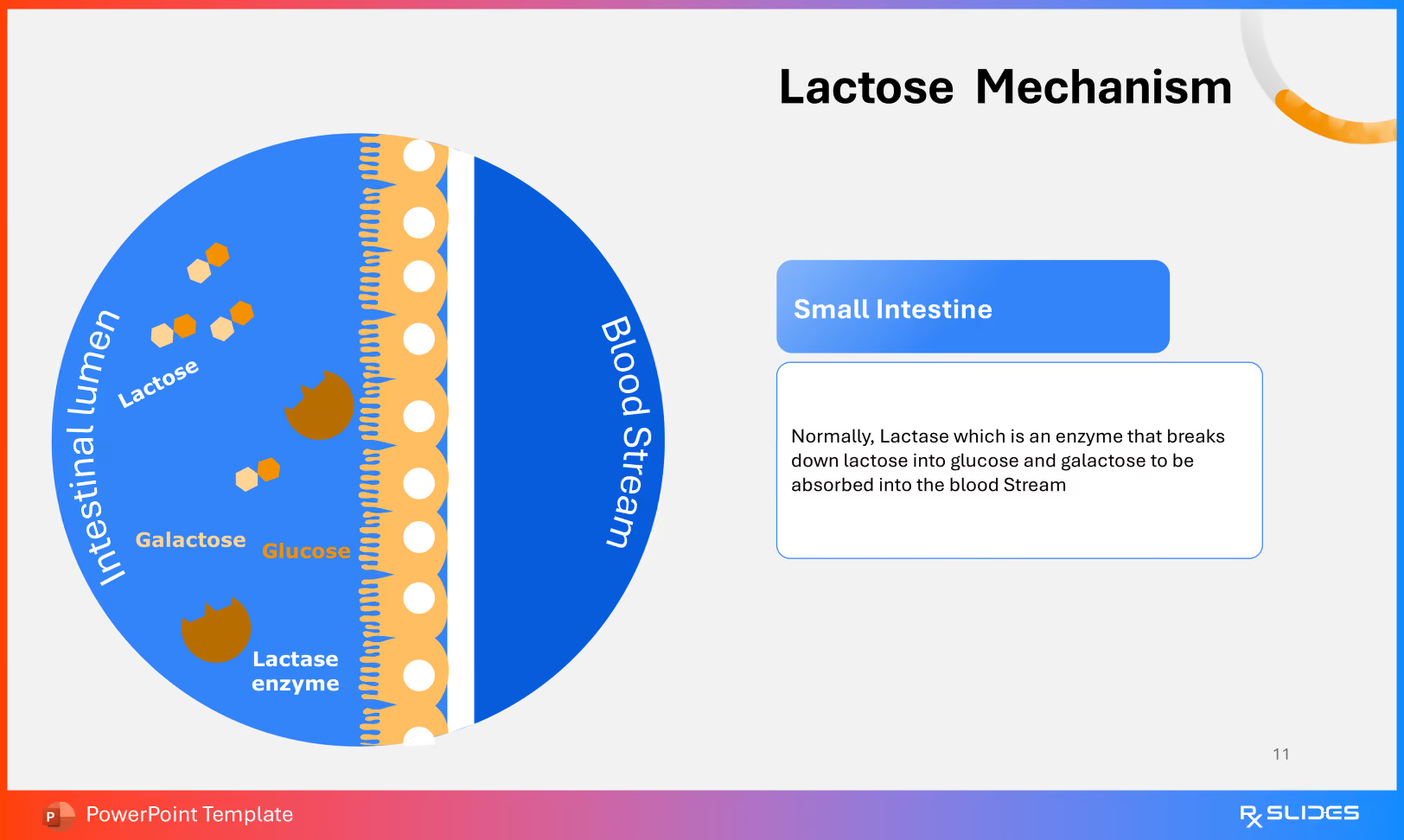
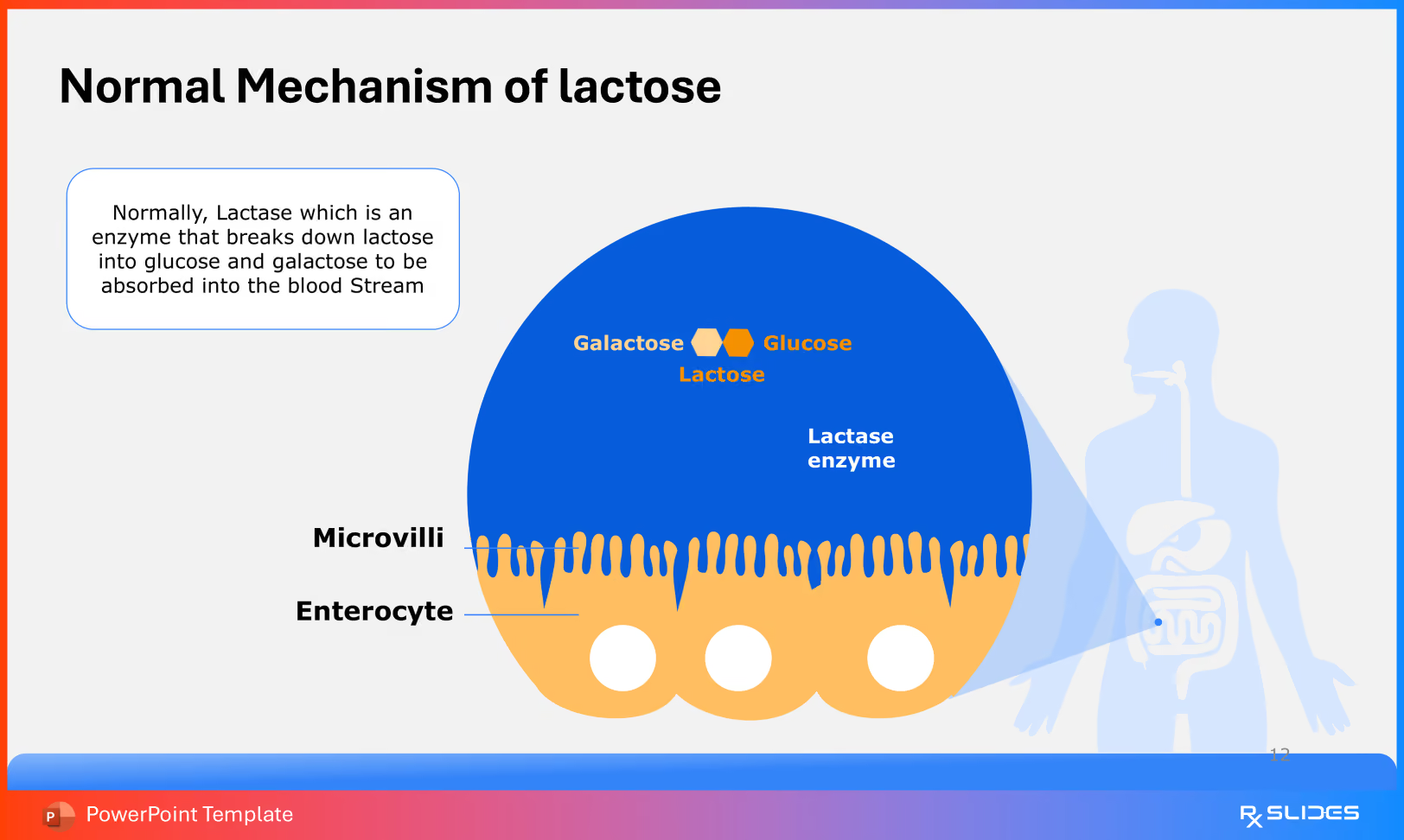
  • Normal: Lactase in small intestinal enterocytes hydrolyzes lactose → glucose + galactose → absorbed into blood.
  • Intolerance: Lactase deficiency → lactose reaches colon → bacterial fermentation → gas (H₂, CH₄, CO₂) + SCFA → bloating, cramps, diarrhea.
Lactose Tolerance vs. Lactose Intolerance Slide from Lactose Intolerance PowerPoint Template
Intolerant Mechanism Slide from Lactose Intolerance PowerPoint Template
Normal Mechanism Slide from Lactose Intolerance PowerPoint Template

This visual comparison reinforces the pathophysiological link between enzyme deficiency and clinical symptoms.

3. Etiology: Types of Lactase Deficiency

Causes and Types Slides

  • Primary Lactase Deficiency: Age- and genetically-related reduction in lactase activity.
  • Congenital Lactase Deficiency: Rare autosomal recessive; present at birth.
  • Developmental Lactase Deficiency: Seen in preterm infants due to intestinal immaturity.
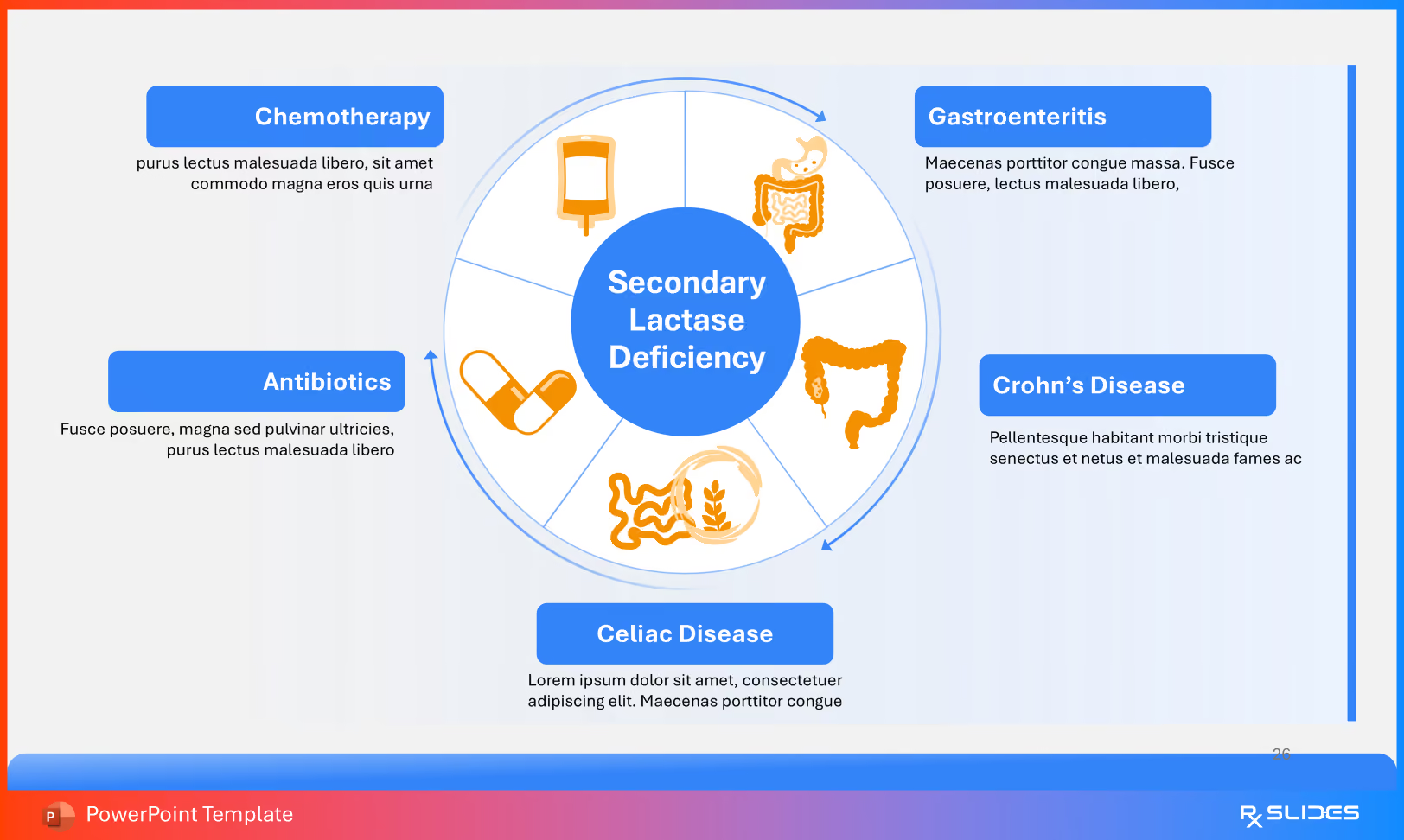
  • Secondary Lactase Deficiency: Acquired after intestinal injury (gastroenteritis, Crohn’s disease, chemotherapy, antibiotics).
Causes Slide from Lactose Intolerance PowerPoint Template
Secondary Lactase Deficiency Slide form Lactose Intolerance PowerPoint Template

Use the slide’s table or flowchart to clarify pathogenesis and epidemiology.

4. Diagnosis and Clinical Management

Diagnostic Tests Slide

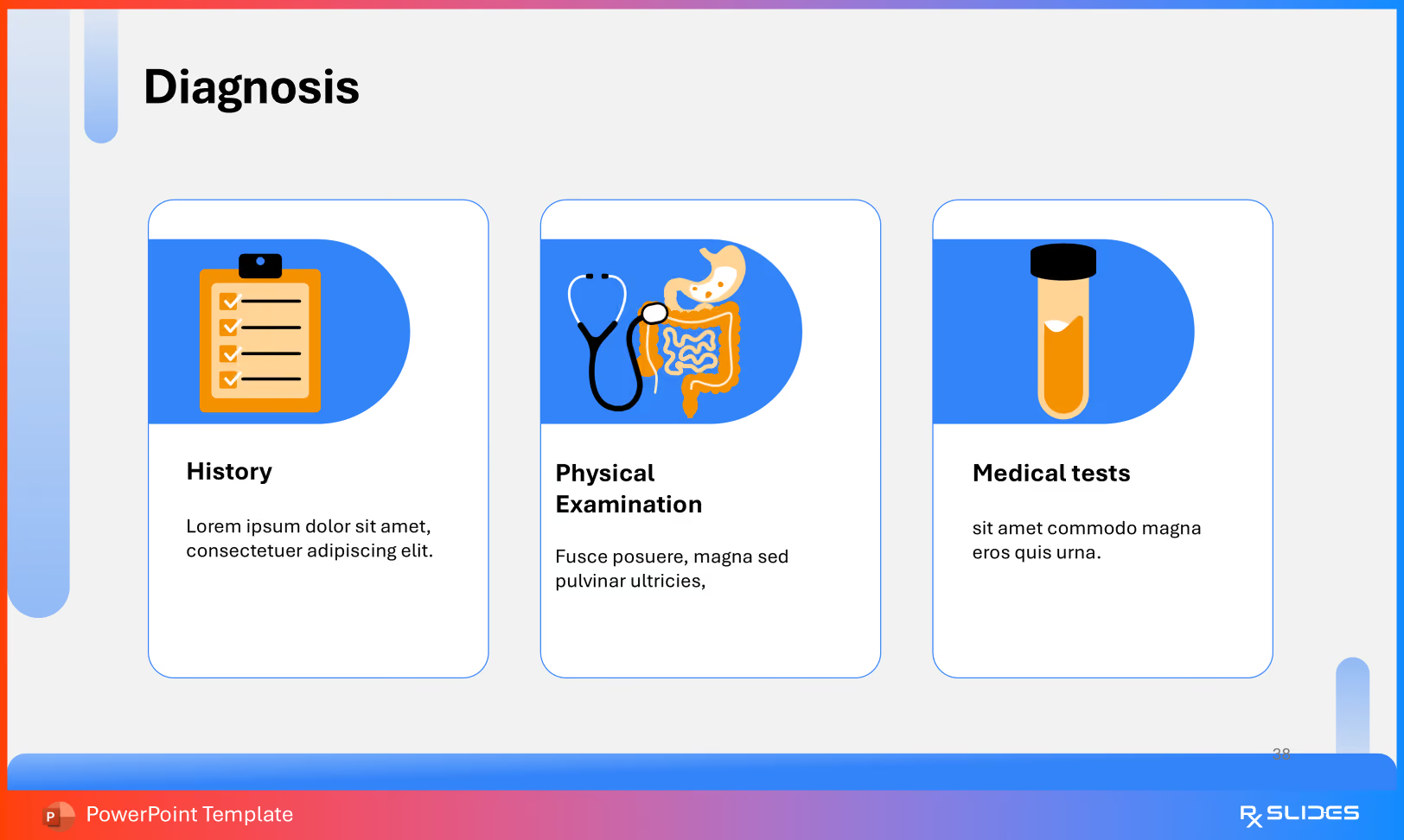
  • Hydrogen Breath Test
  • Stool Acidity Test (infants/children)
  • Small Bowel Biopsy (rare, definitive)
Diagnostic Tests Slide From Lactose Intolerance PowerPoint Template

Management Slides

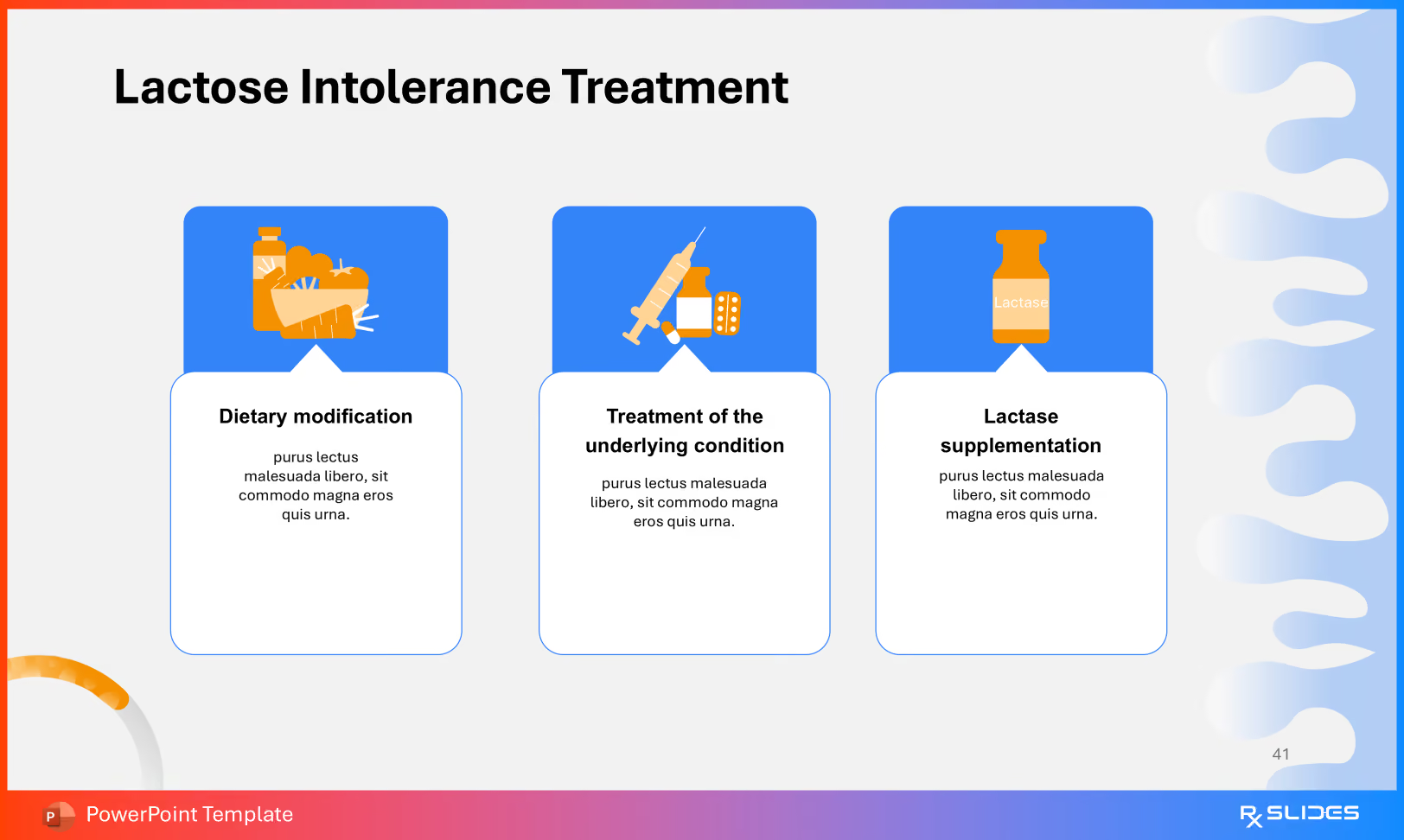
  • Lactase enzyme supplementation (tablets or drops)
  • Gradual lactose reintroduction to tolerance
  • Dairy alternatives (lactose-free milk, fortified plant-based beverages)
Management Slide From Lactose Intolerance PowerPoint Template

Complications Slide

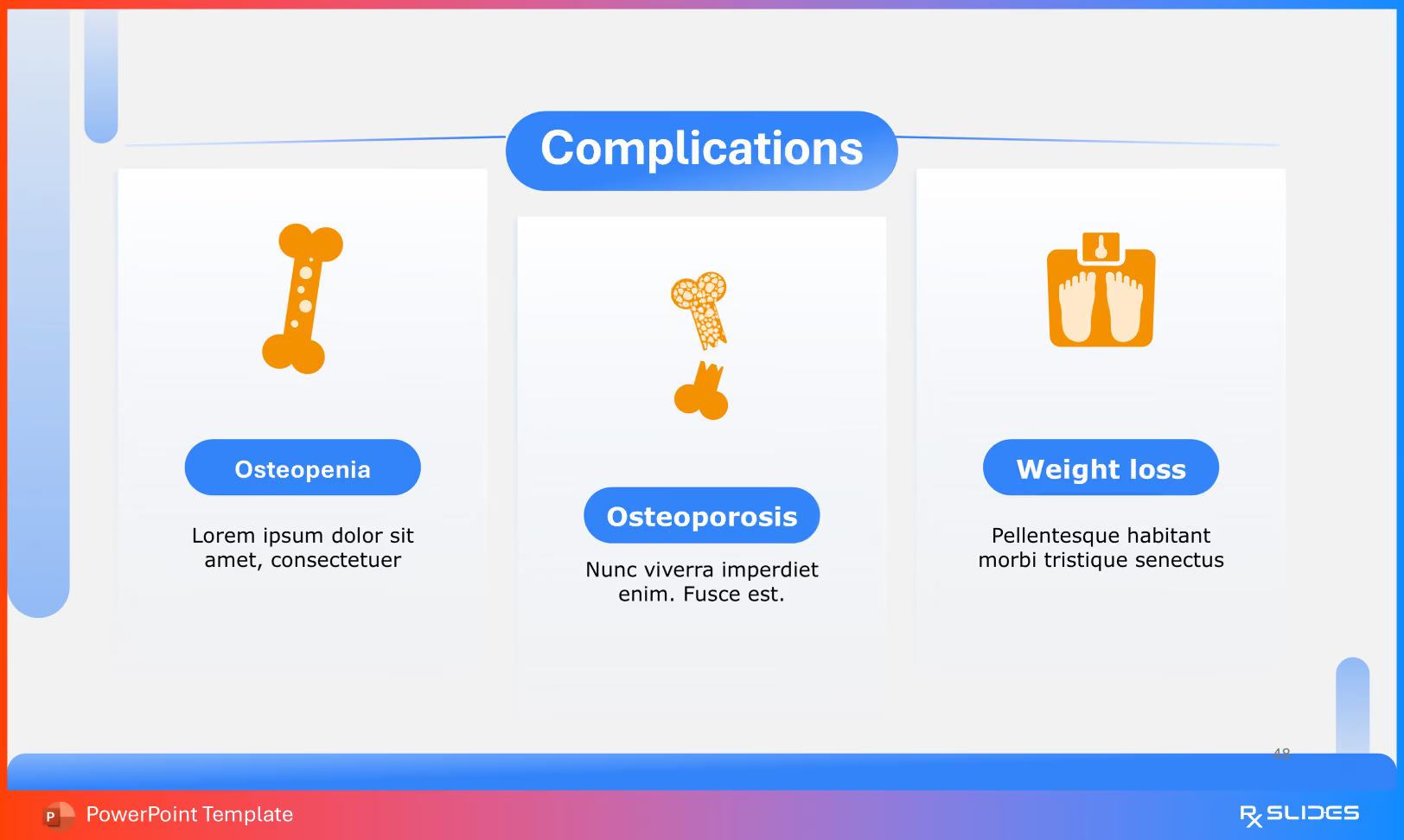
  • Calcium deficiency → osteopenia/osteoporosis
  • Nutritional counseling for long-term bone health
Complications Slide From Lactose Intolerance PowerPoint Template

Summary

The Lactose Intolerance Template translates molecular carbohydrate structure, intestinal physiology, and bacterial fermentation into clinically meaningful education. It guides audiences from the enzymatic basis of malabsorption through symptomatology, differential diagnosis, and practical management strategies, supporting instruction across nutrition, gastroenterology, and primary care settings.

Latest Articles

Explore All