How to use RxSlides's Brain Tumor Presentation Template Covering Classification Epidemiology Symptoms and Management

How to use RxSlides's Brain Tumor Presentation Template Covering Classification Epidemiology Symptoms and Management

Brain tumors represent a complex intersection of neuropathology, clinical management, and epidemiology. Presentations at congresses, academic lectures, or professional workshops require clarity and precision. The Brain Tumor PowerPoint Presentation Template provides a structured framework to convey detailed scientific information effectively.

This guide demonstrates how to leverage the template for high-level medical and academic audiences.

1. Defining the Mass: Terminology and Context

Professional audiences benefit from precise definitions and conceptual clarity.

Key Concepts

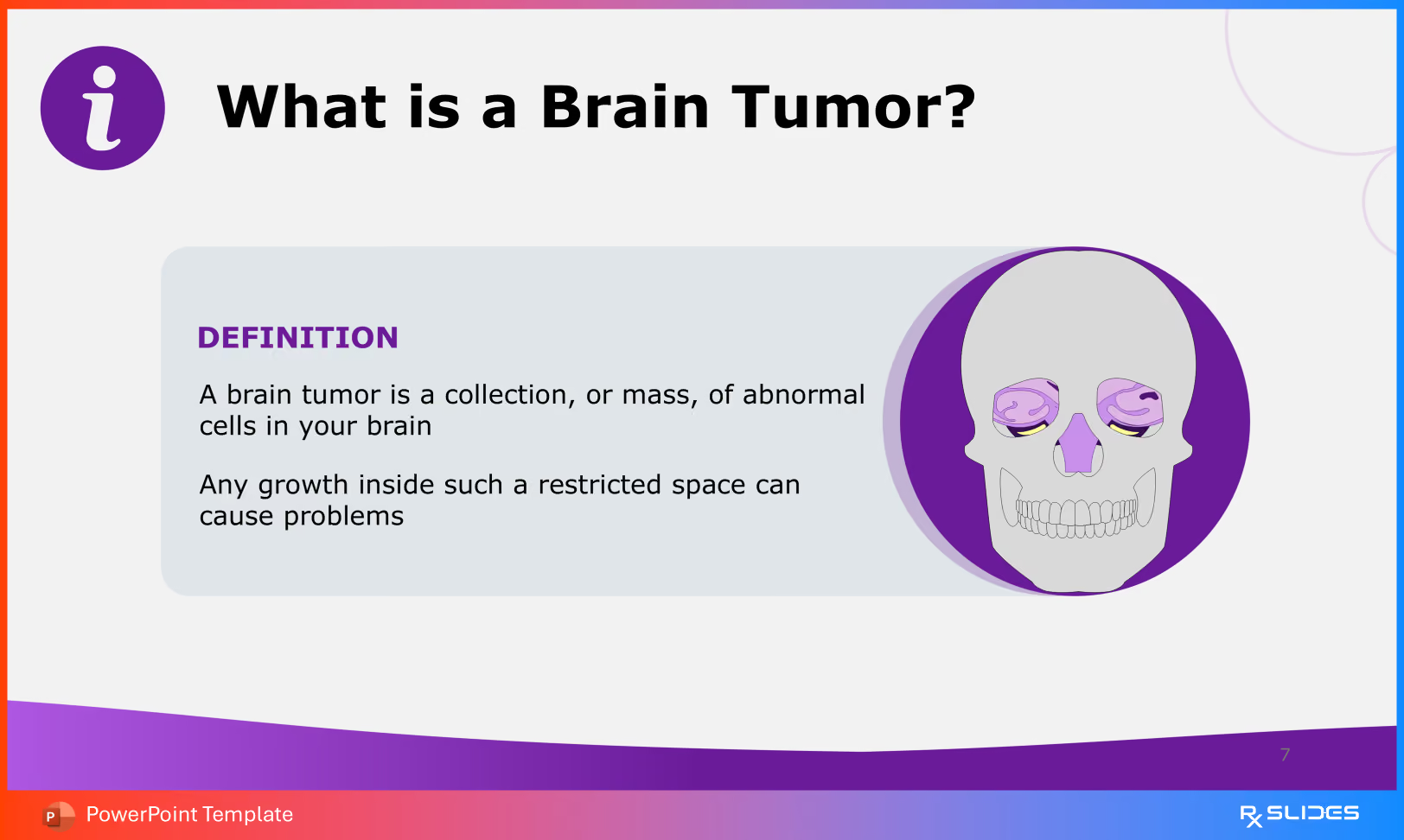
  • Use the "What is a Brain Tumor?" slide to define tumors as "a mass of abnormal cells in the brain."
  • Highlight the clinical significance of intracranial growth: even benign lesions can cause functional impairment due to spatial constraints.
Brain Tumor Definition Slide from Brain Tumor PowerPoint Presentation Template

2. Classification: Benign vs. Malignant

Understanding tumor behavior is critical for clinical decision-making and teaching neuropathology.

Comparison Slide: Benign vs. Malignant

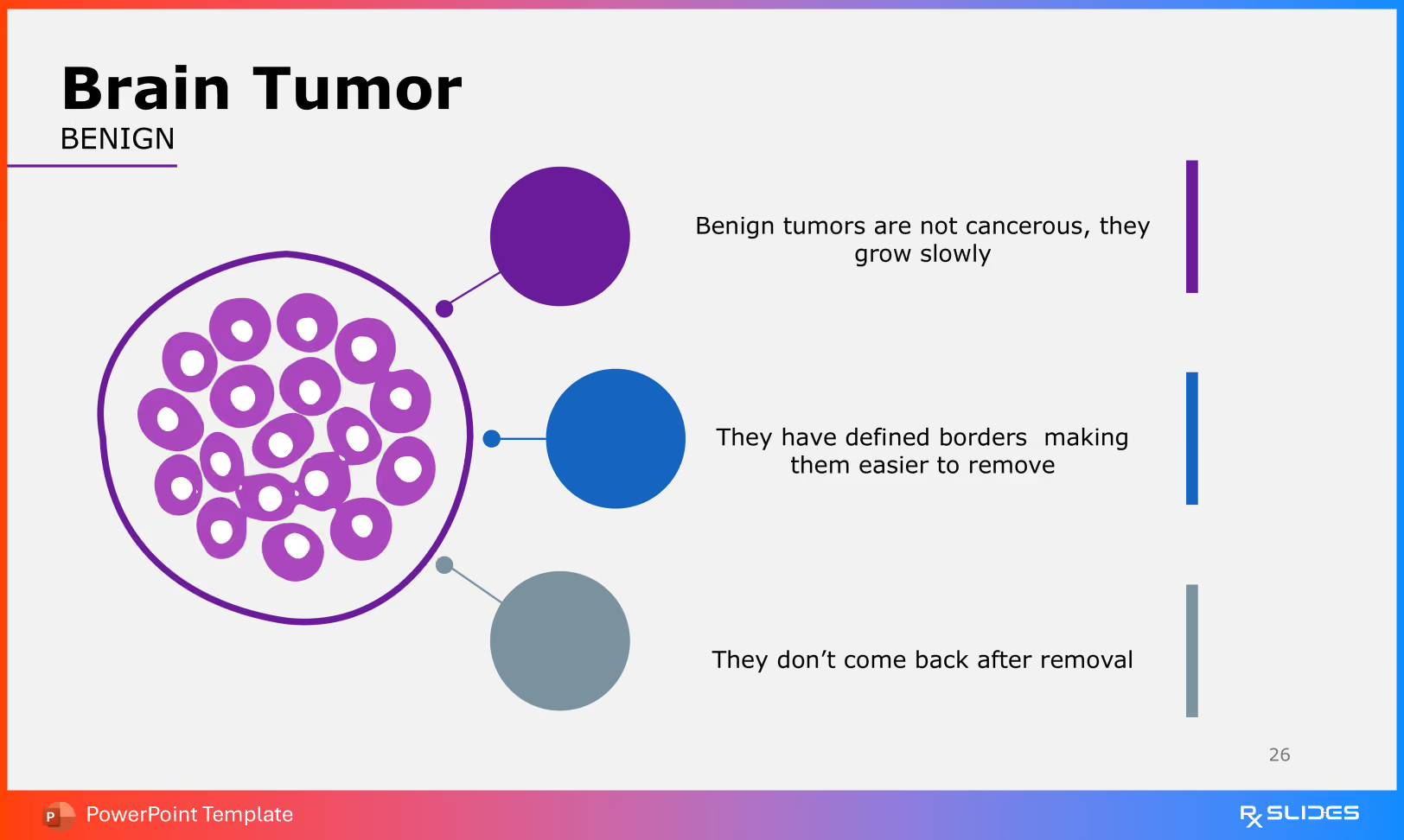
  • Benign: Slow-growing, well-circumscribed, often amenable to surgical resection.
Brain tumor Benign from Brain Tumor PowerPoint Presentation Template
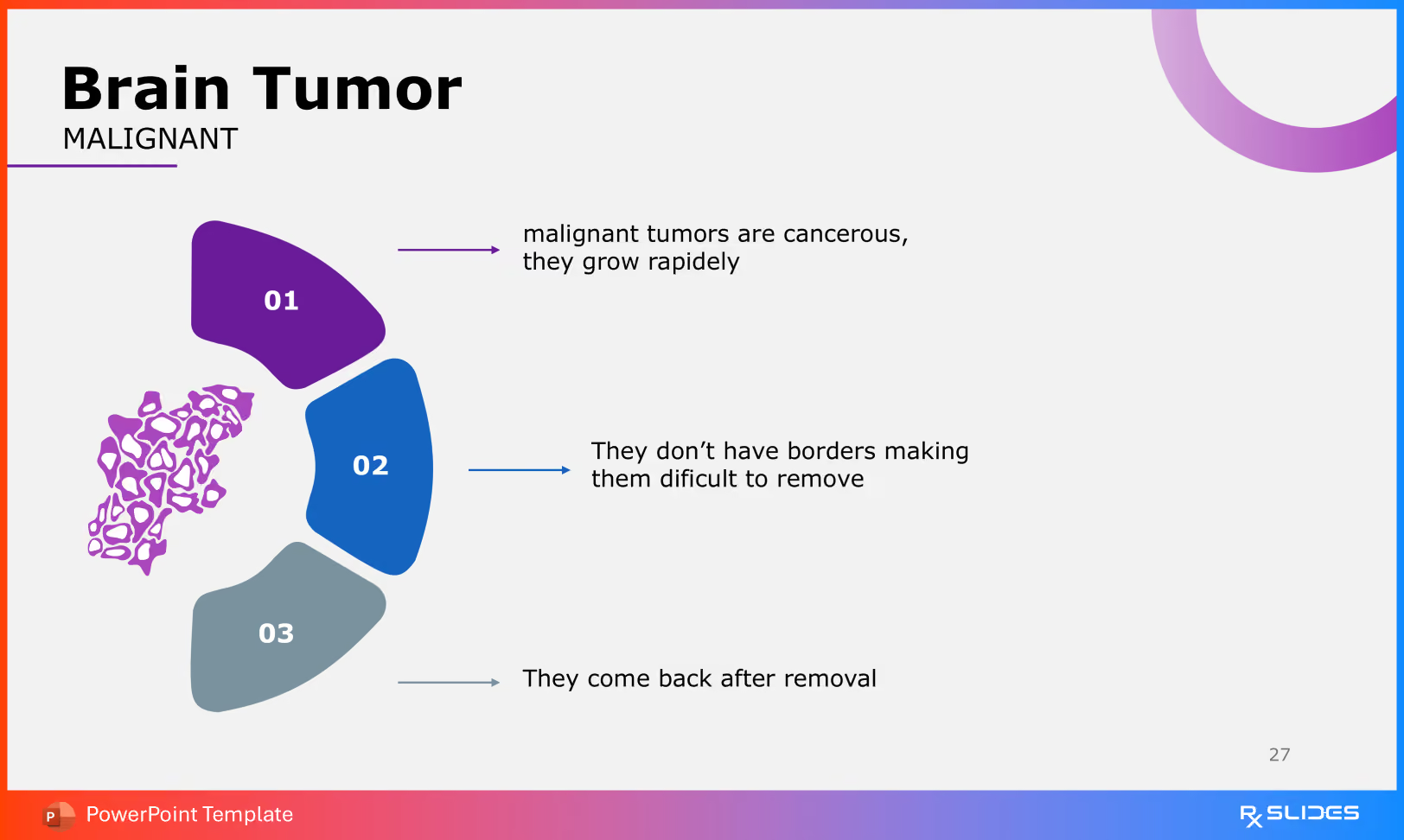
  • Malignant: Rapidly proliferating, infiltrative, high recurrence risk, requiring multimodal management.

Use side-by-side visualization to illustrate histological and clinical differences.

Brain Tumor Malignant from Brain Tumor PowerPoint Presentation Template

3. Origin and Subtypes: Primary vs. Secondary

Differentiating tumor origin informs prognosis, treatment, and research discussions.

Primary Tumors

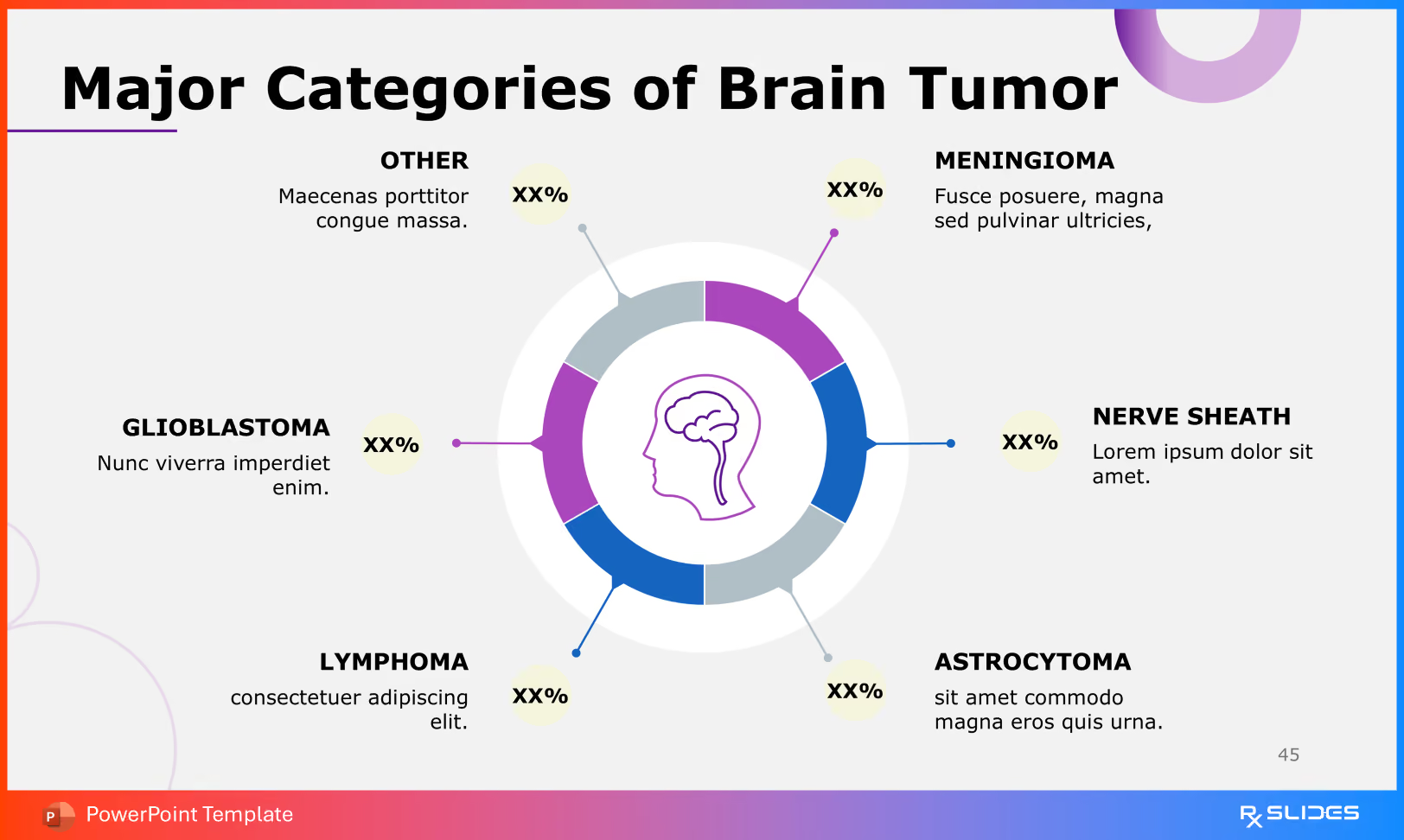
  • Include Glioblastoma, Astrocytoma, Meningioma, Lymphoma, and Nerve Sheath Tumors.

Secondary Tumors (Metastases)

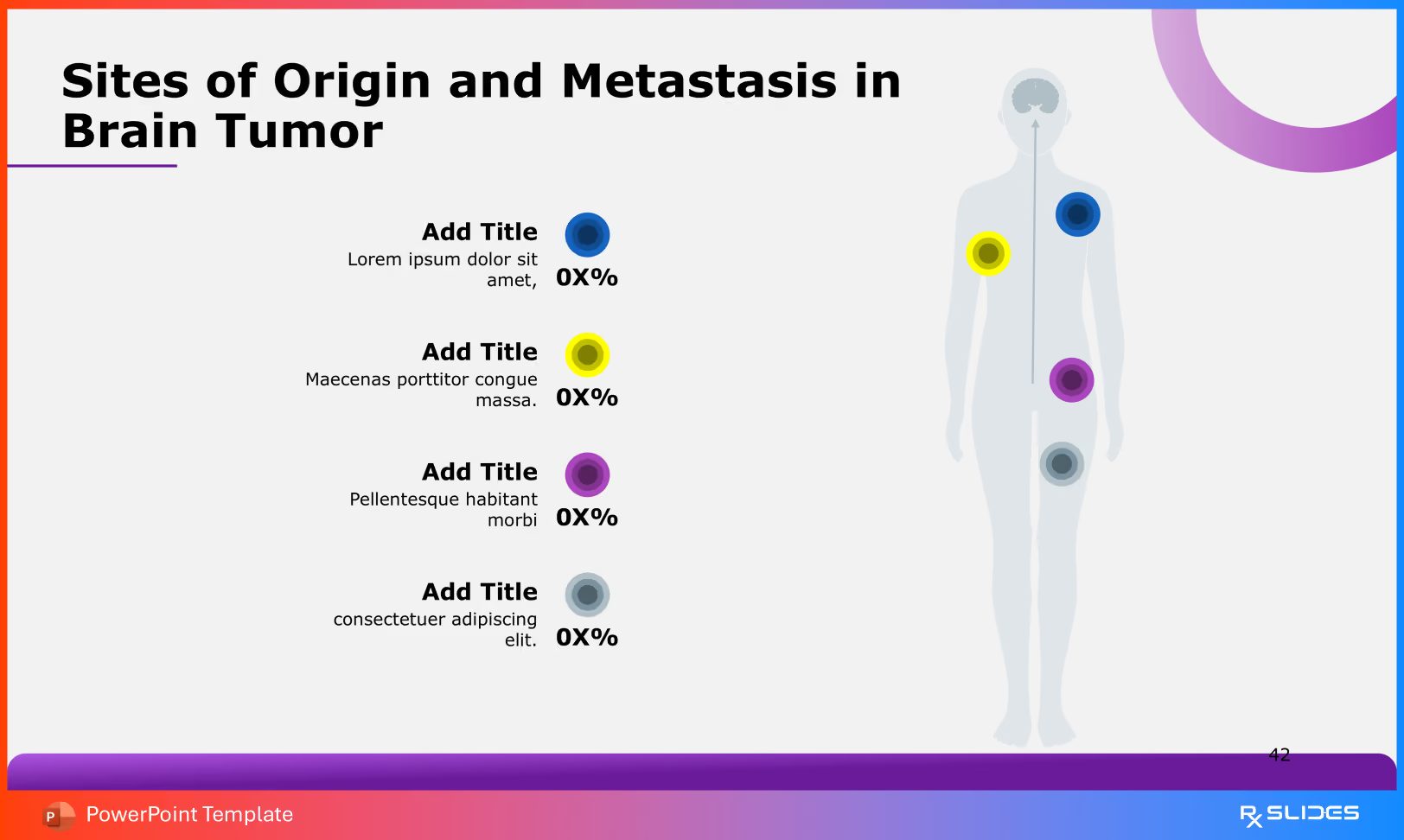
  • Use the Common Origins of Secondary Brain Tumors slide to highlight systemic cancers that metastasize to the brain.
  • Include prevalence data for context, e.g., proportion of brain metastases arising from lung, breast, or melanoma primaries.
Origins of Secondary Brain Tumors slide from Brain Tumor PowerPoint Presentation Template

Major Categories of Brain Tumor from Brain Tumor PowerPoint Presentation Template

4. Scope and Epidemiology

For research, public health, or academic sessions, robust data visualization supports evidence-based discussion.

Epidemiology

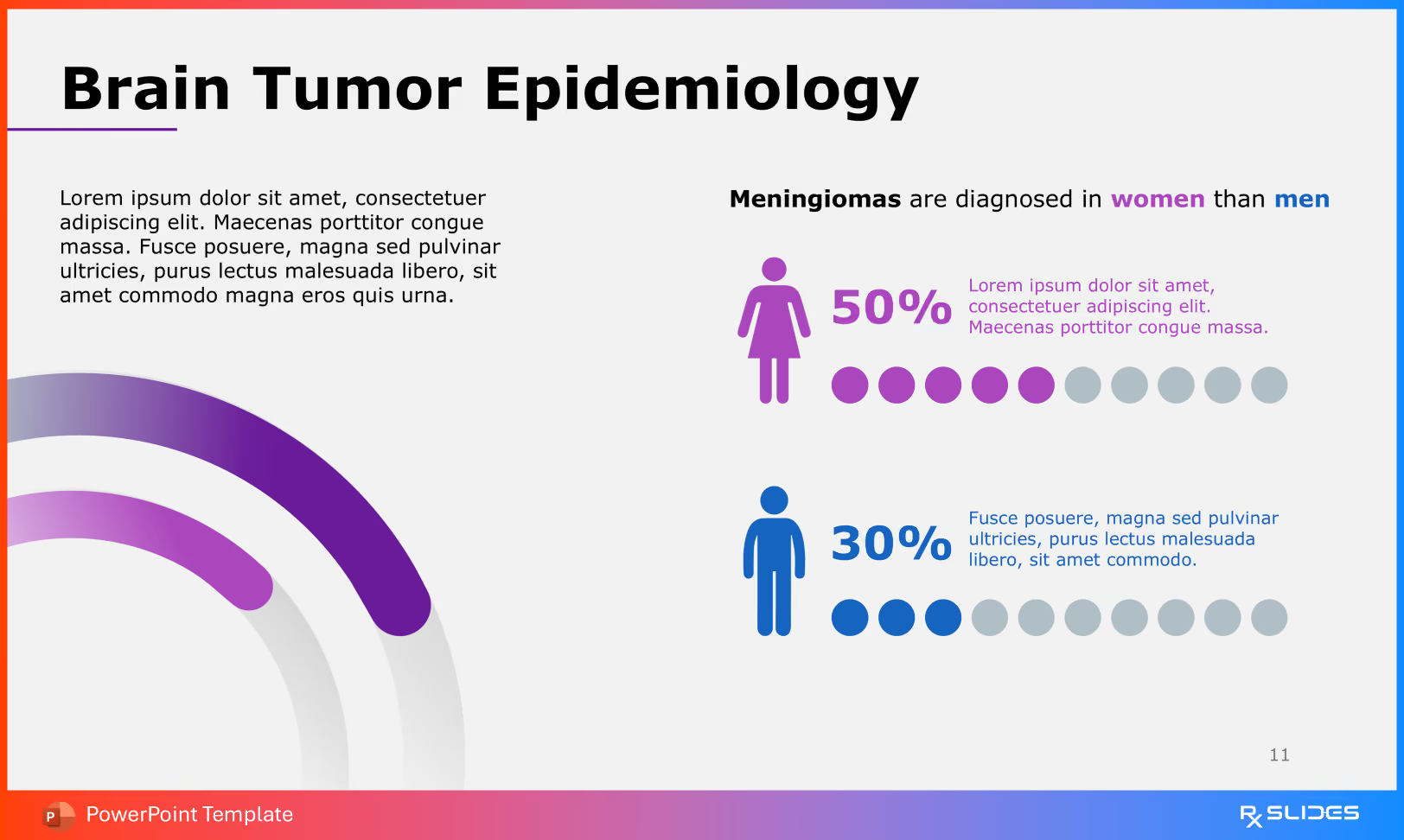
  • Present incidence by age group, gender, and pediatric versus adult prevalence.
  • Highlight trends such as higher Meningioma incidence in females and predominance of certain tumor types in pediatric populations.
Brain Tumor Epidemiology slide from Brain Tumor PowerPoint Presentation Template

Risk Factors

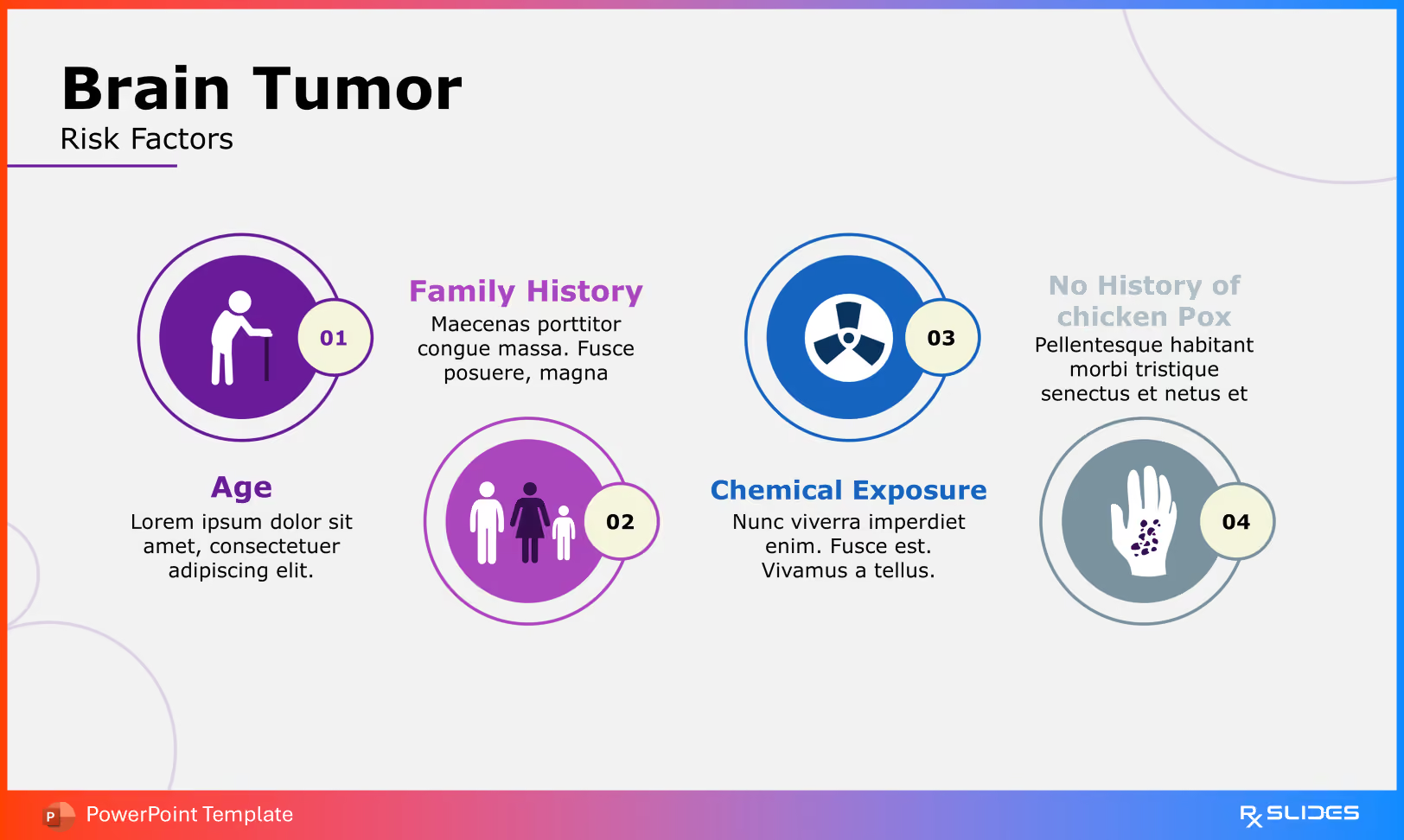
  • Include genetic predisposition, chemical exposures, prior cranial irradiation, and relevant medical histories.
Brain Tumor Risk Factors from Brain Tumor PowerPoint Presentation Template

5. Clinical Presentation: Symptoms and Red Flags

Clinical recognition is key for early intervention and educational emphasis.

Symptoms Slide

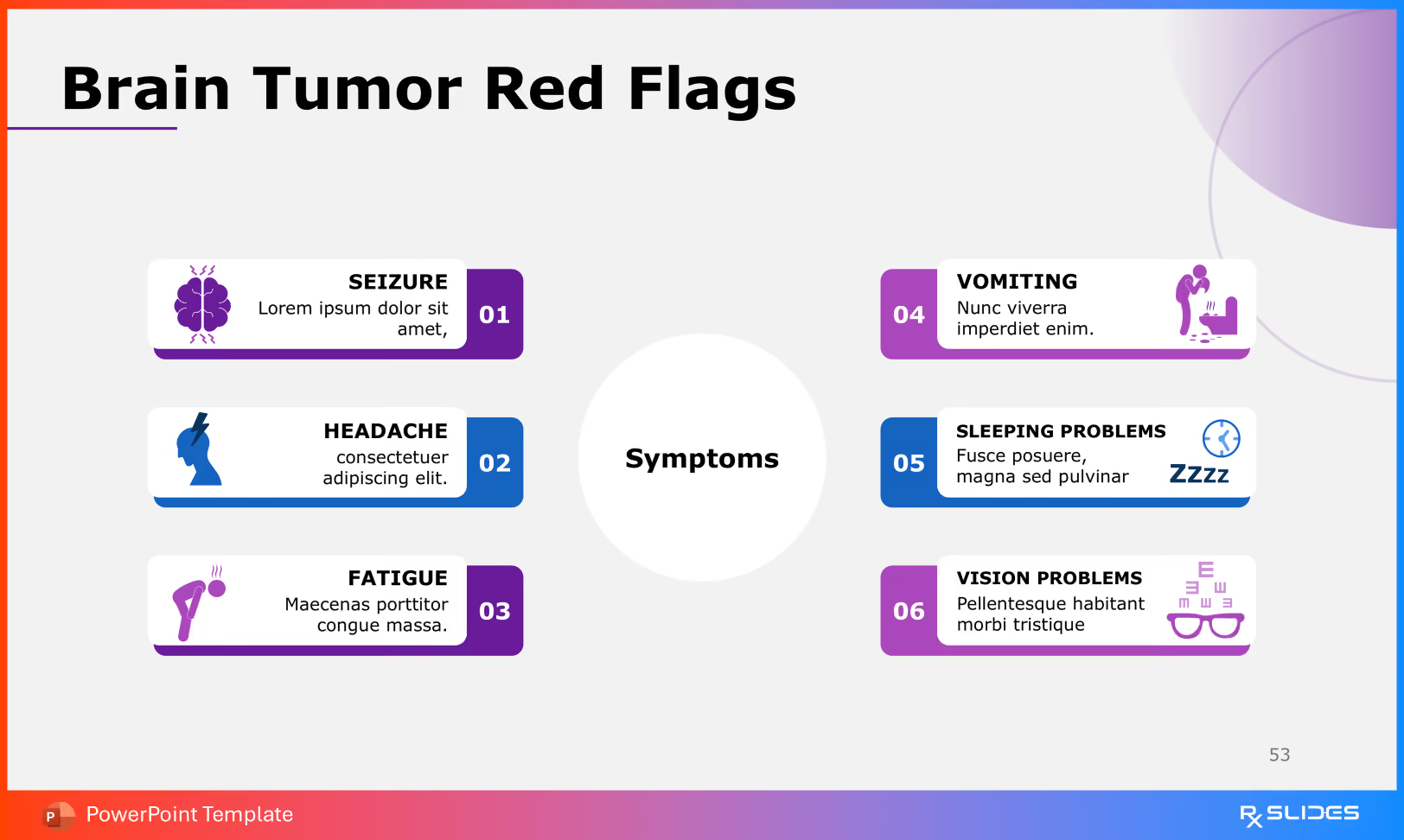
  • Organize manifestations into clear categories:
    • Neurological: Seizures, vision deficits, motor or sensory impairment.
    • Systemic/Physical: Headache, fatigue, nausea/vomiting, sleep disturbances.

Use icons and structured layouts to facilitate quick recall in professional training settings.

Brain Tumor Symptoms slide from Brain Tumor PowerPoint Presentation Template

6. Diagnostic Workflow and Treatment Strategy

For professional audiences, illustrate evidence-based pathways from detection to intervention.

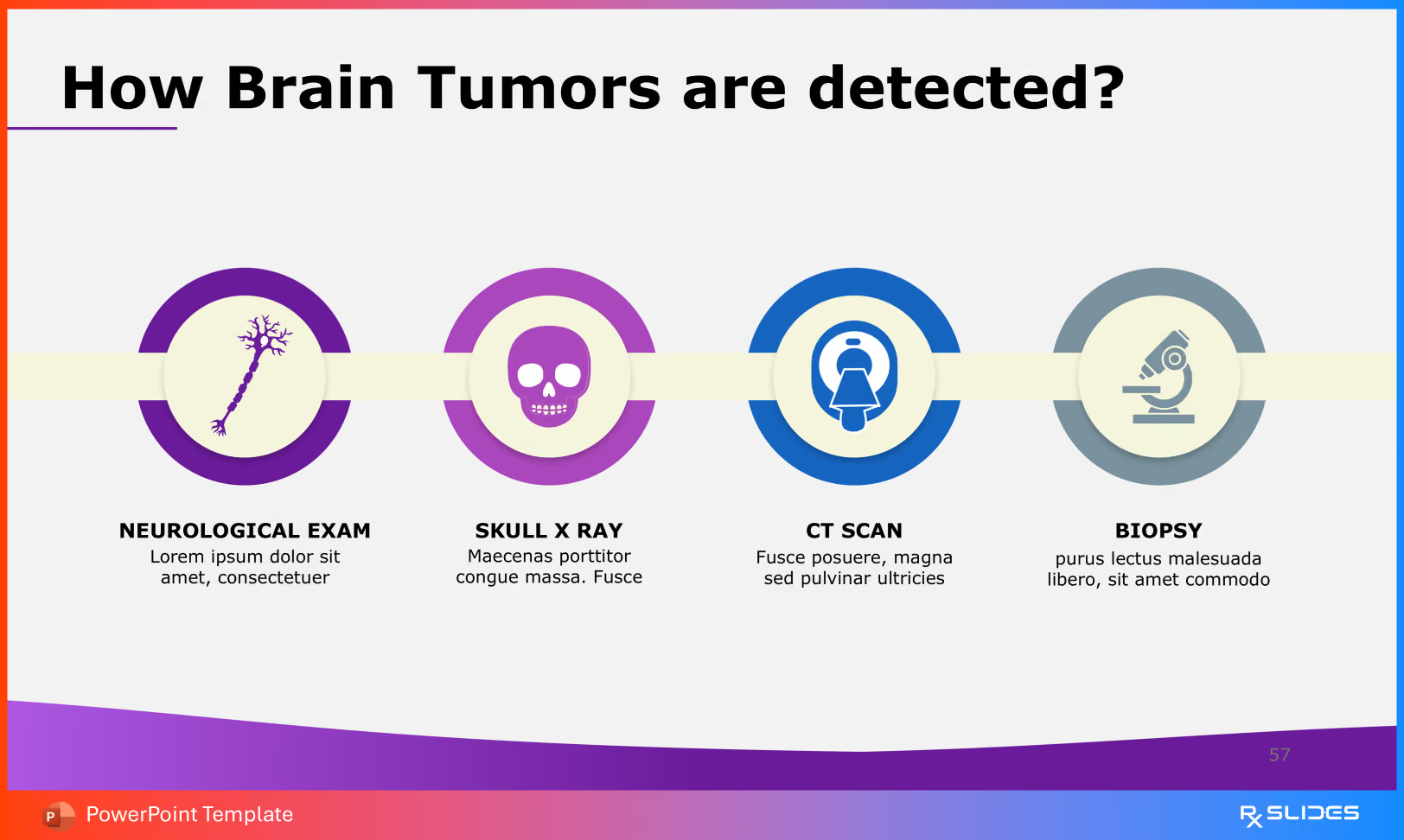
Diagnosis

  • Workflow slide: Neurological Exam → Imaging (CT/MRI) → Biopsy → Molecular/Genetic Profiling.
  • Include key imaging and histopathology visuals for clarity.
Diagnosis Slide from Brain Tumor PowerPoint Presentation Template

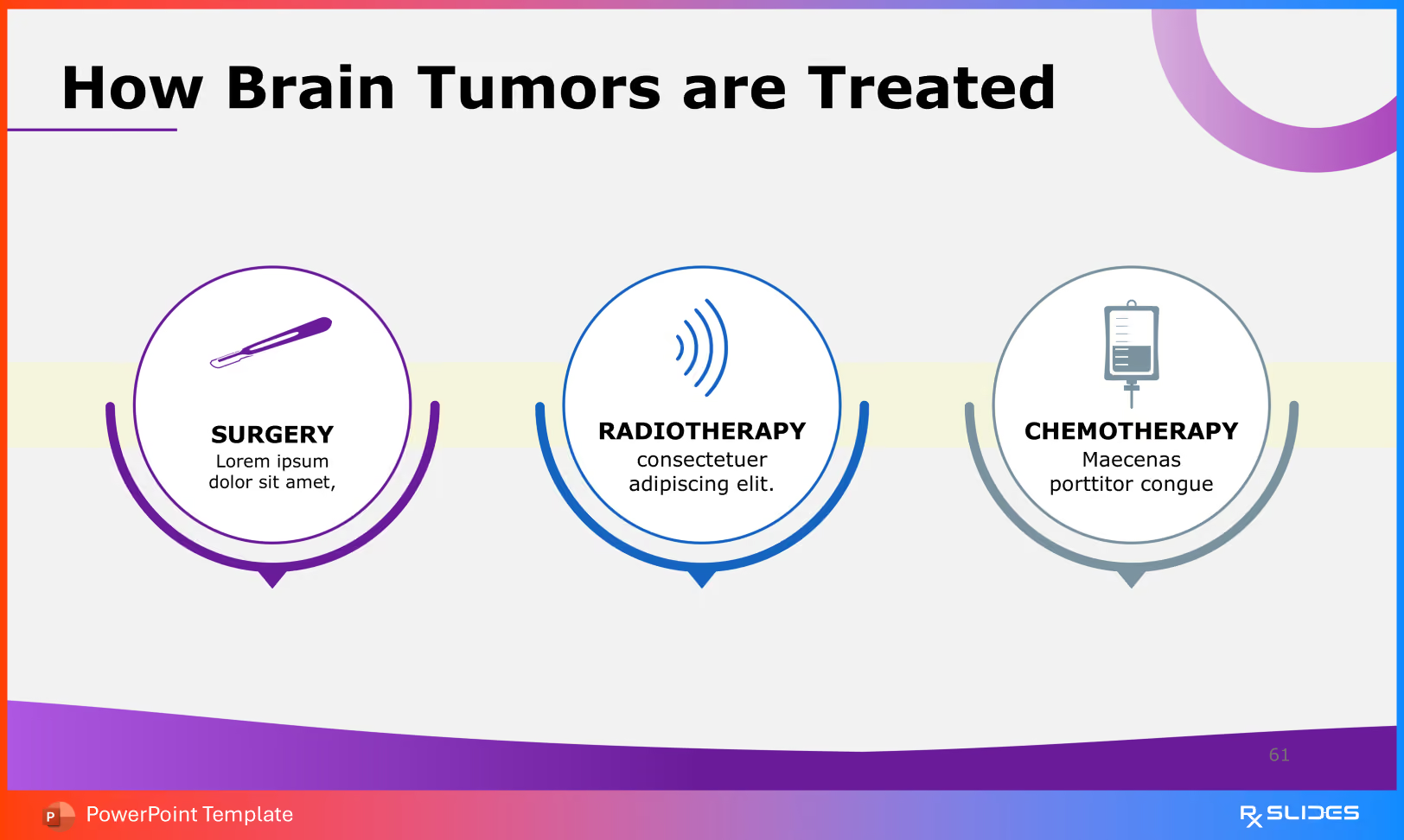
Treatment Approach

  • Use template slides to outline decision-making based on tumor type, size, location, and patient comorbidities.
  • Interventions include:
    • Surgery: Resection techniques and extent.
    • Radiotherapy: Modalities and dosing considerations.
    • Chemotherapy / Targeted Therapy: Mechanism-focused slides to support scientific discussion.
Treatment Slide from Brain Tumor PowerPoint Presentation Template

Summary

The Brain Tumor PowerPoint Presentation Template enables professional audiences to bridge complex neuropathology, clinical workflows, and epidemiological context. It supports detailed discussions on molecular behavior, histological classification, and evidence-based management, making it ideal for medical educators, congress speakers, and clinical researchers.

Latest Articles

Explore All