Anxiety PowerPoint Template

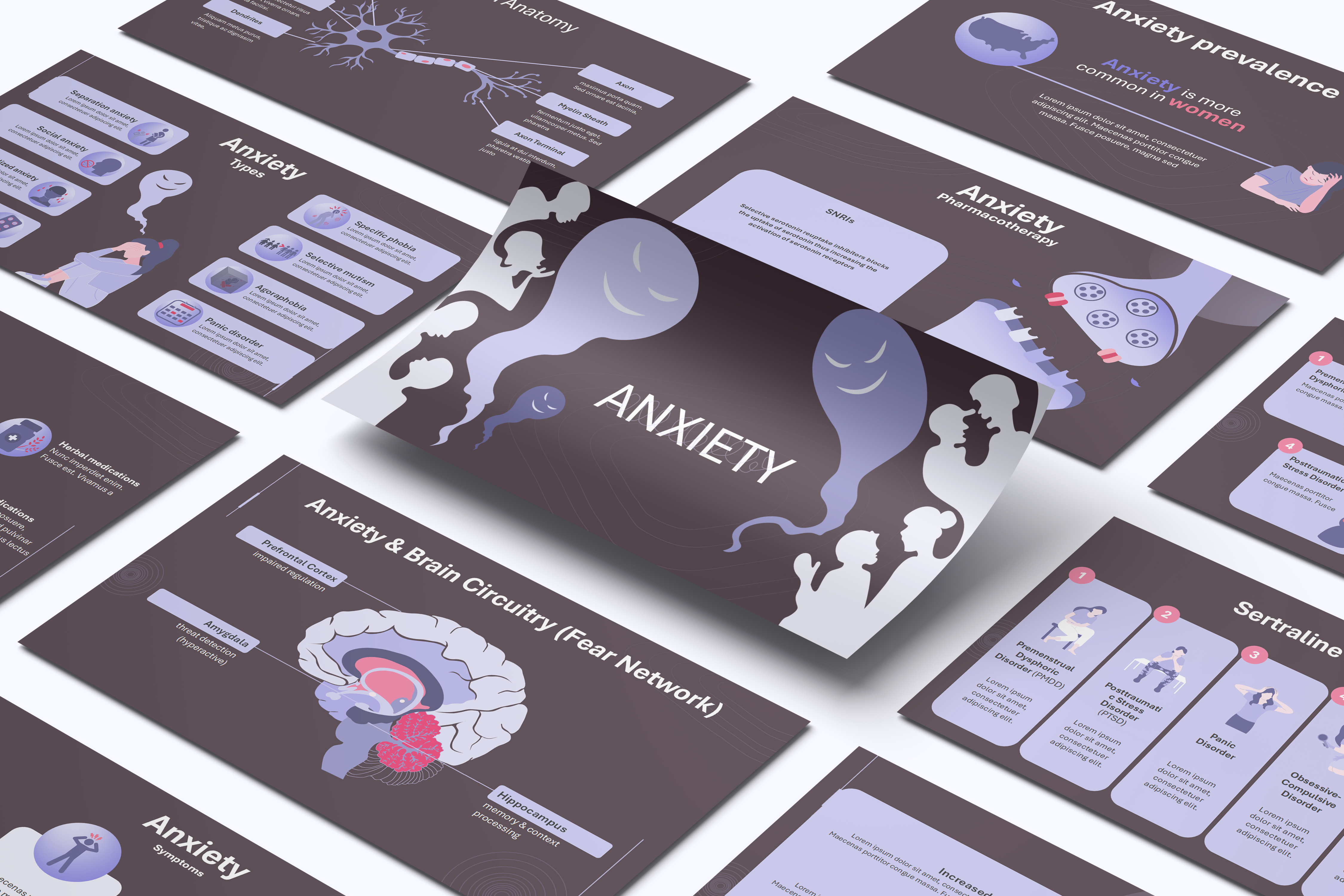




Template Preview
Designed for healthcare professionals creating clear and structured medical presentations.
Ideal for doctors, medical educators, and pharmaceutical teams preparing lectures, clinical education, product presentations, and training.
Fully editable in PowerPoint, allowing you to customize diagrams, charts, and slide layouts with your own medical content
Ready-to-use presentation structure that saves time and helps you build professional healthcare presentations quickly.
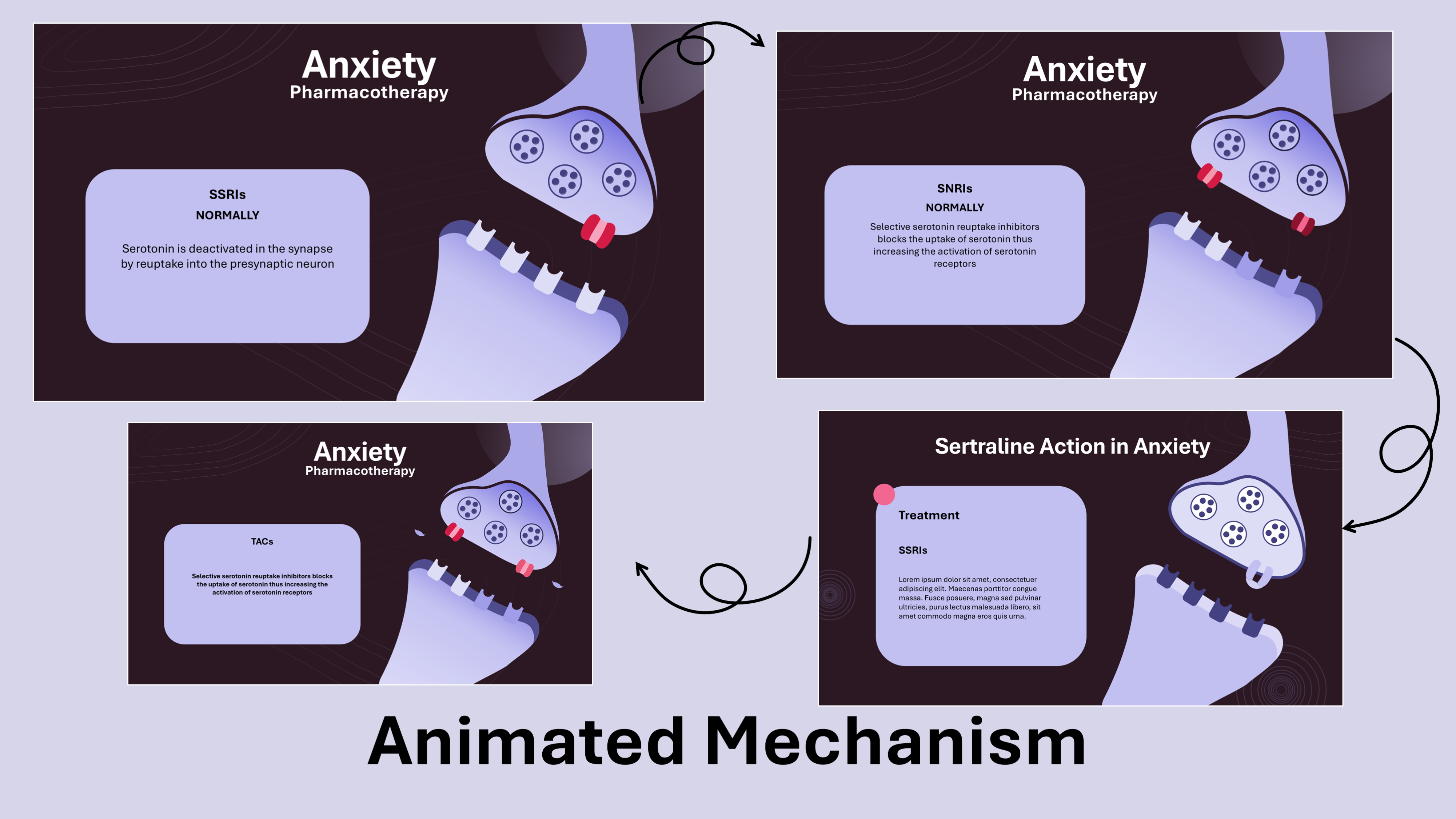
Fully Animated
Built-in animations help you present medical information clearly and make complex concepts easier to understand.
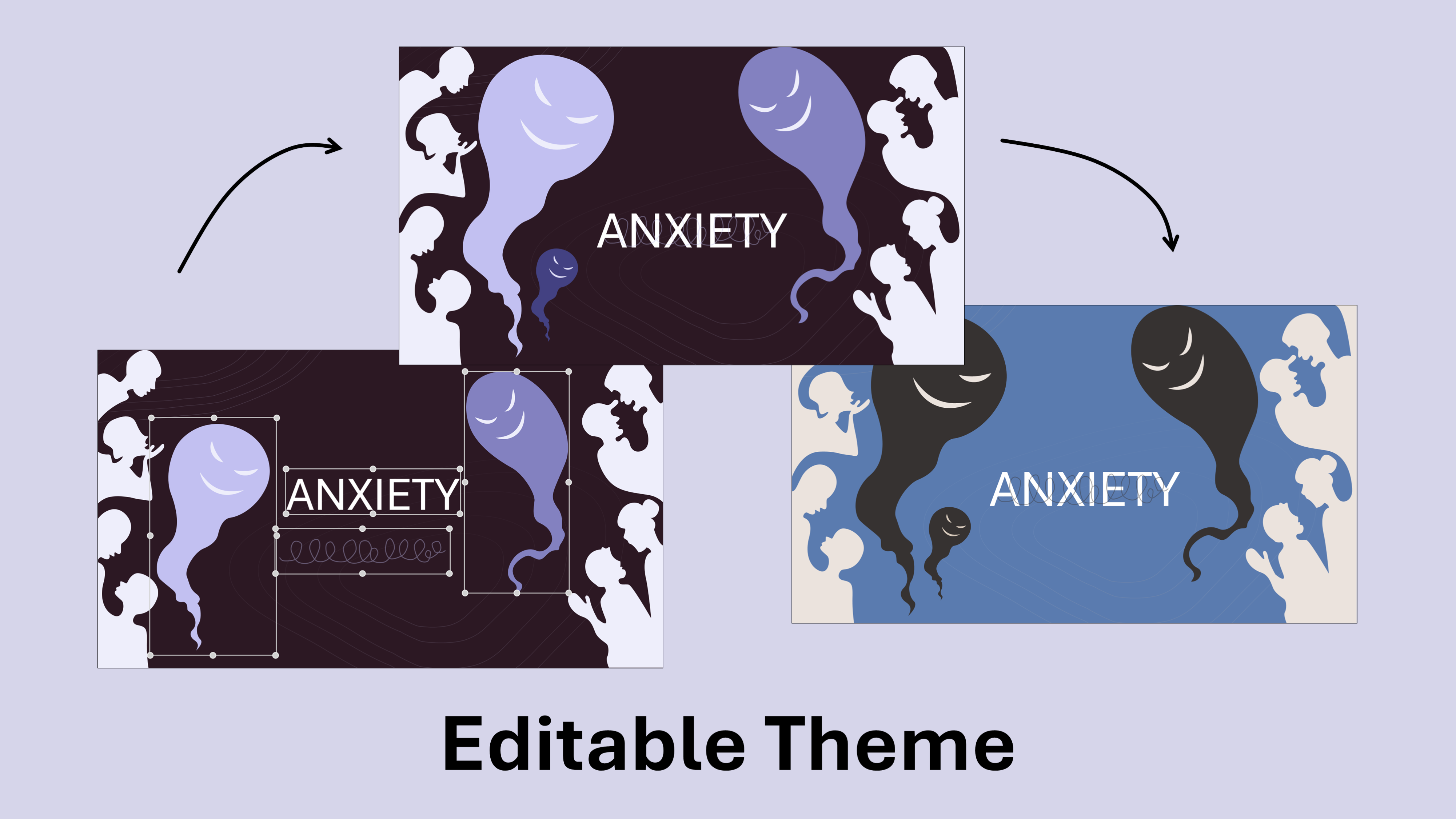
Editable Colors and Shapes
Editable colors and shapes help you easily customize the slides to match your content and presentation style, just drag and drop your content.
Professional medical layouts
Professional medical layouts help you organize clinical information, medical data, and treatment insights in a clear and structured way.

Created by Medical Professionals
This template prioritizes medical accuracy, clarity, and real-world usability. Each slide is designed with a medical audience in mind, helping you present clinical information, data, and treatment insights in a way that is structured, credible, and easy for healthcare professionals to understand.
Medical Training for Pharmaceutical & Life Sciences Companies
A CNS or mental health portfolio's internal training on anxiety disorders can draw directly on this editable, animated template. It maps the neurotransmitter systems involved, including GABA, serotonin, and norepinephrine, alongside the brain regions driving anxiety, and covers the mechanism of action for SSRIs, SNRIs, benzodiazepines, and beta-blockers. Sales representatives, once trained on the finished material, apply that pharmacology grounding in promotional conversations with psychiatrists and primary care physicians. Field messaging stays consistent because the underlying pharmacology is accurate from the start, which also cuts preparation time.
Medical Congress & Scientific Conference Presentations
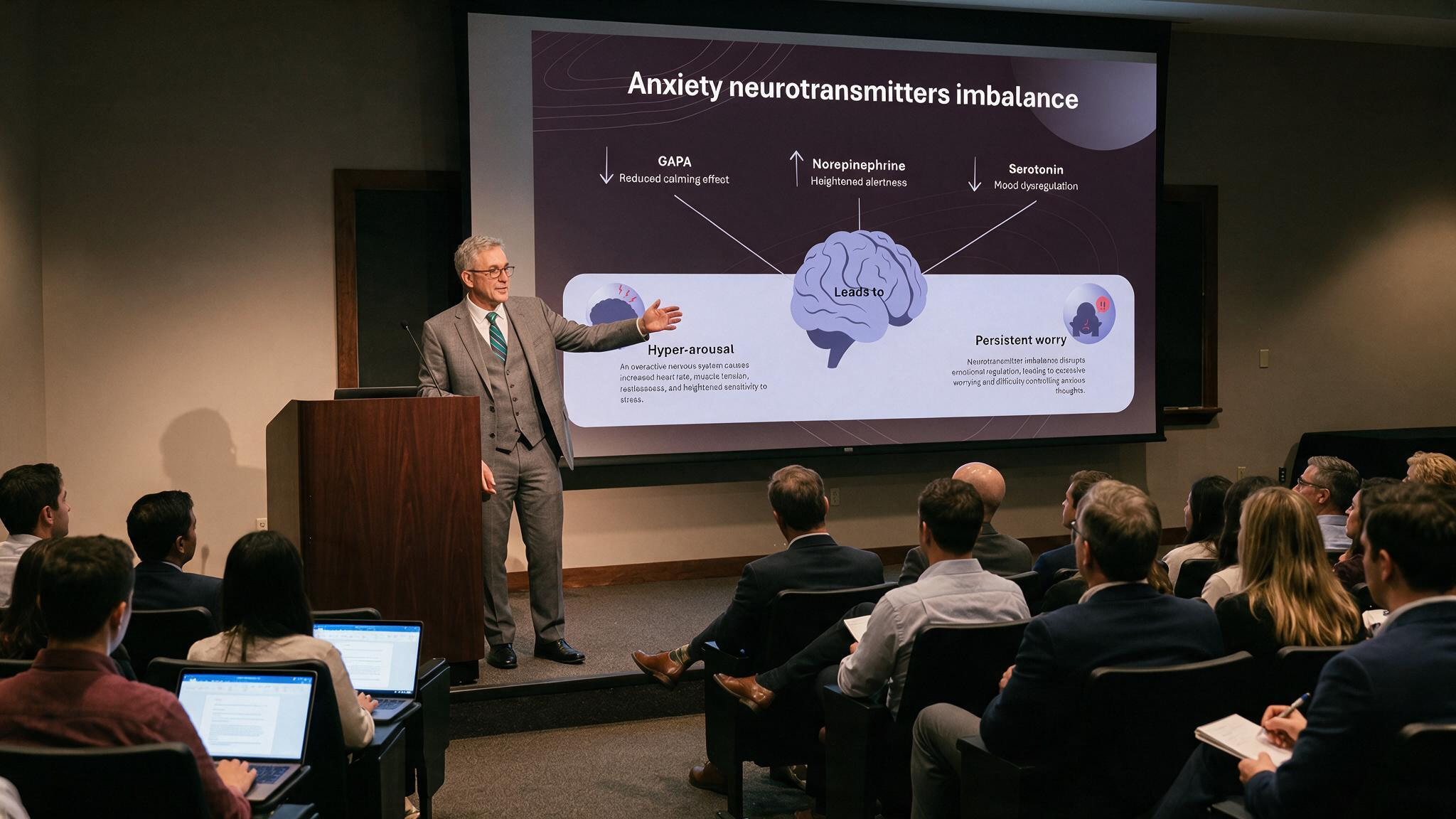
A congress talk, university seminar, or grand rounds presentation on anxiety disorders can be built around this editable, animated template's neurotransmitter diagrams, letting psychiatrists and psychologists skip the search for separate sources. The slides trace anxiety pathophysiology through the amygdala, prefrontal cortex, and hippocampus, then connect that mechanism to the major drug classes used in treatment. Without touching the underlying animations, a presenter can bring in their own case data or research findings. Congress-ready psychiatry visuals let the speaker focus on the science, not slide design.

Pharmaceutical Product & Medical Affairs Presentations
Internal training, scientific exchange resources, and clinical case discussion materials on anxiety disorders can all be built from this editable template, the standard starting point for a CNS or mental health Medical Affairs function. It covers the neurotransmitter and receptor mechanisms behind SSRIs, SNRIs, and benzodiazepines alongside the major anxiety disorder subtypes, giving Medical Affairs a framework to layer in their own clinical evidence. Medical Science Liaisons then carry the finished materials into scientific exchange with psychiatrists and mental health prescribers. This remains an editable starting point, not a finished promotional asset, which is why the scientific narrative stays consistent from one MSL to the next only after each company's own medical and compliance review.

eLearning & SCORM Training Modules
Before a Learning Management System ever sees this content, the buyer customizes the editable template with their own material for counseling students, nursing staff, or mental health outreach teams. Converting that finished presentation into a SCORM-compliant module is an optional next step, since the base template is a starting framework, not a finished course. Etiology, pathophysiology, symptoms, and treatment already follow a logical teaching sequence, which shortens the path from a customized version to a certification-ready SCORM course. When a program needs more than the standard template offers, the RxSlides team can adjust its scope, depth, or branding, or design something fully custom from scratch.
Medical & Healthcare Education
This editable template lets medical school faculty, psychology educators, and counseling program directors teach anxiety disorders without rebuilding neurotransmitter diagrams each term. It opens with the cognitive, physiological, behavioral, and affective symptom categories, then walks students through etiology, brain-level pathophysiology, and the major disorder subtypes before covering treatment approaches. The sequence gives anxiety a clear teaching arc for medical school, psychology, and counseling settings, rather than a dense clinical reference. Faculty can set the depth for an undergraduate, graduate, or CME audience, then carry the same slides into future cohorts, cutting prep time while giving students a more visual way to learn the material.
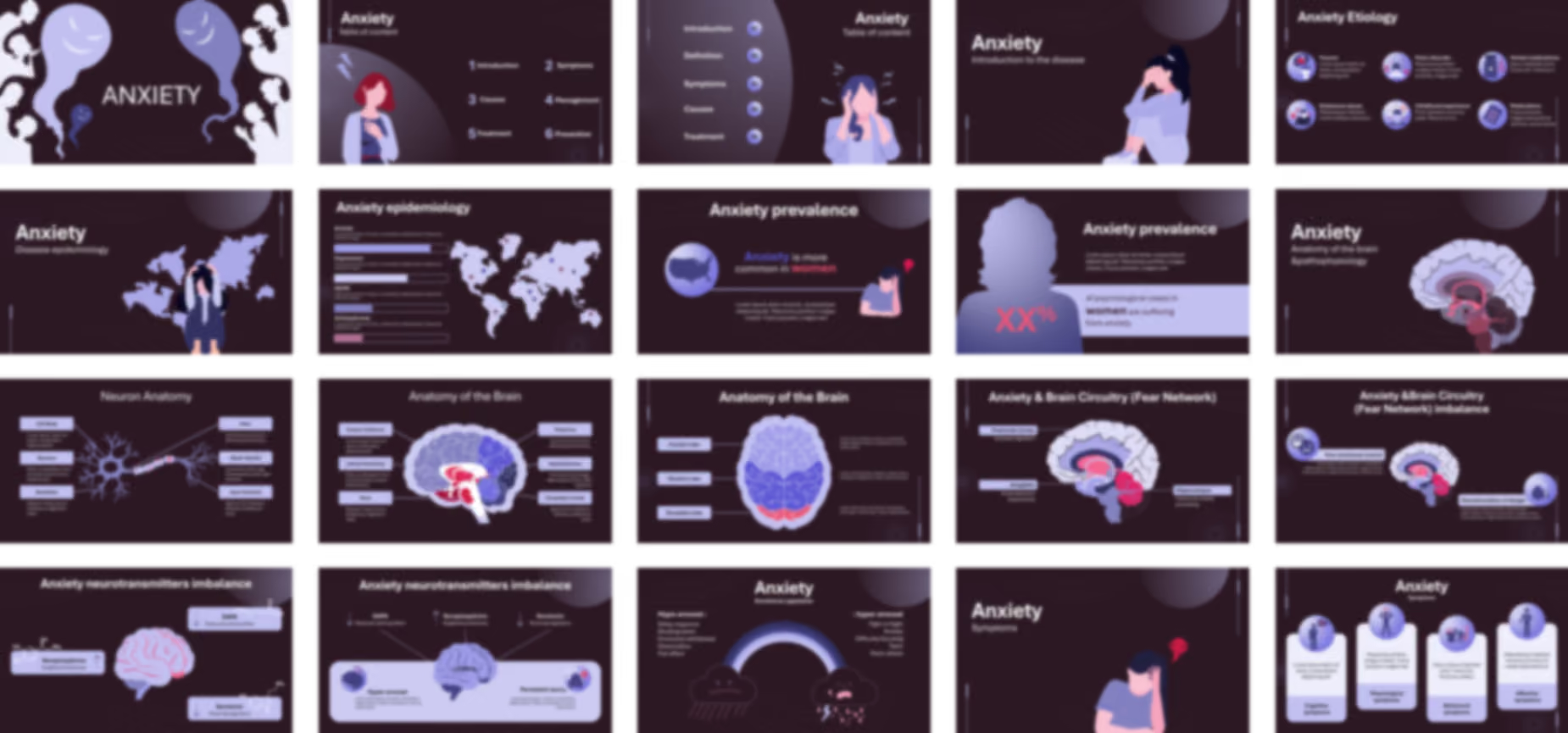
The presentation template opens with cover slides before a definition slide describes anxiety as a future oriented mood that produces cognitive, physiological, behavioral, and affective responses to anticipated threats. An animated infographic and accompanying maps then visualize epidemiology on global and local levels, with charts and blocks comparing anxiety's rate against other nervous disorders and each figure left editable for a specific dataset.
The template illustrates etiology through medical icons covering trauma, substance abuse, panic disorders, childhood experiences, and herbal or pharmacological medications. Establishing these contributing factors first gives the sequence a foundation before animated slides define the pathophysiology, naming GABA, norepinephrine, serotonin, dopamine, and CRF as the principal neurotransmitters involved and illustrating the amygdala, prefrontal cortex, medulla oblongata, and hippocampus as the brain regions at work.
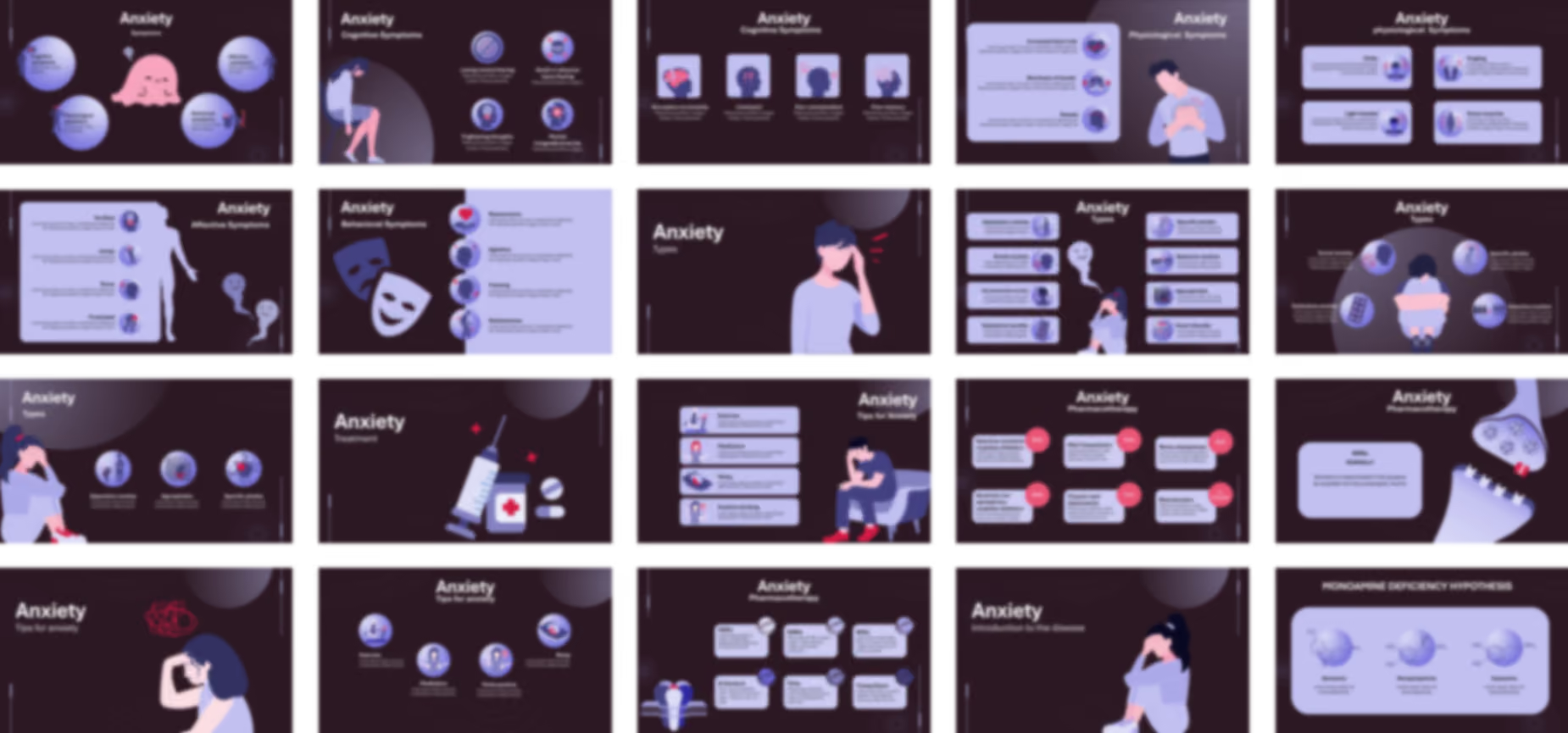
Medical illustrations separate symptoms into four categories, cognitive symptoms such as fear of losing control and poor concentration, physiological symptoms such as increased heart rate and shortness of breath, behavioral symptoms such as agitation and restlessness, and affective symptoms such as being terrified or tense. A series of animated slides then visualizes anxiety's types, including separation anxiety disorder, social anxiety disorder, generalized anxiety disorder, selective mutism, panic disorder, substance or medication induced anxiety disorder, specific phobia, and agoraphobia.
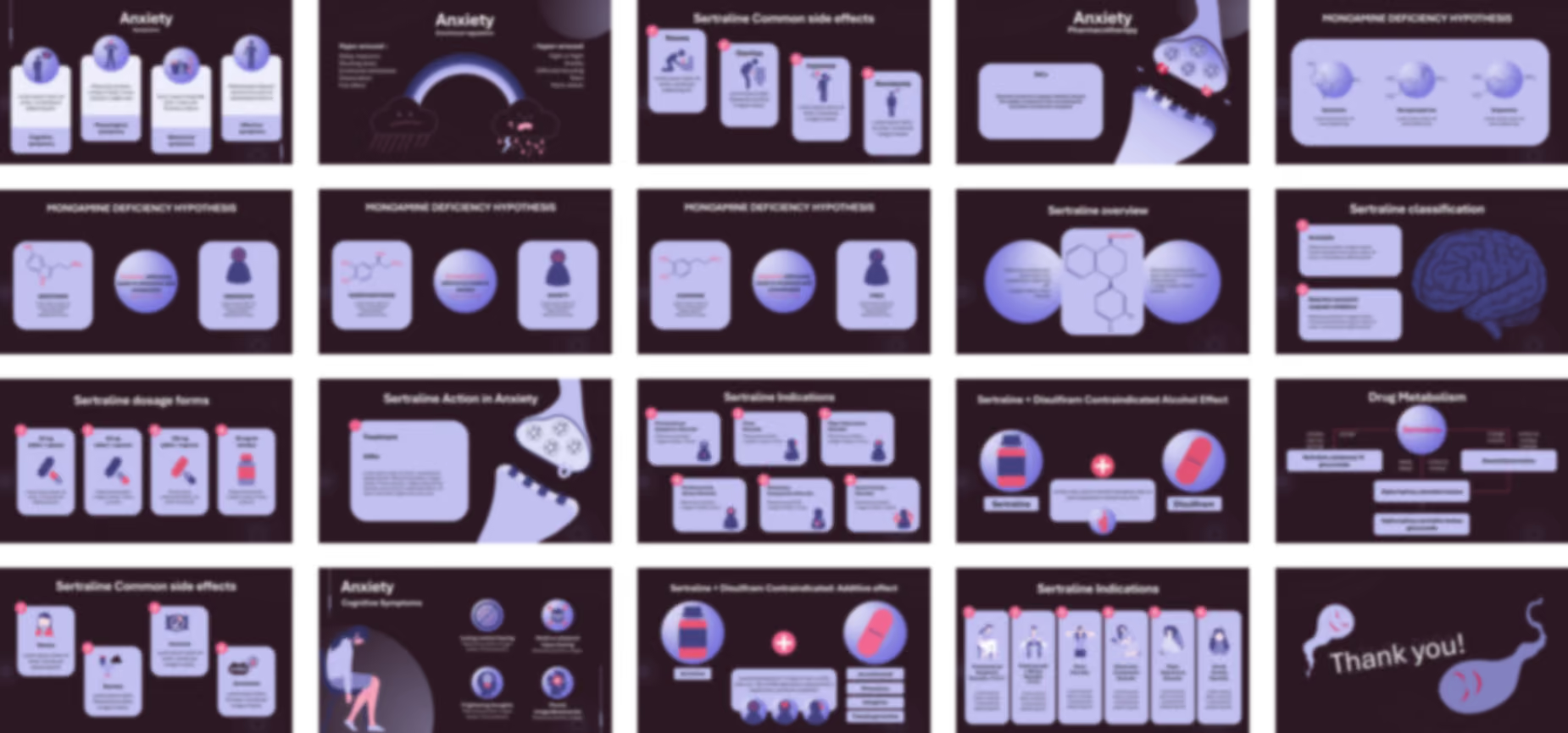
The presentation animates the mechanism of action for five drug classes used in treatment, selective serotonin reuptake inhibitors, selective norepinephrine reuptake inhibitors, tricyclic antidepressants, benzodiazepines, and beta blockers, alongside nonmedication tips including exercise, meditation, positive thinking, and getting outside. A closing set of editable PowerPoint illustrations and medical icons supports customizing the content to a specific audience.
Ready To Transform Your Presentation ?
Pay once, use forever