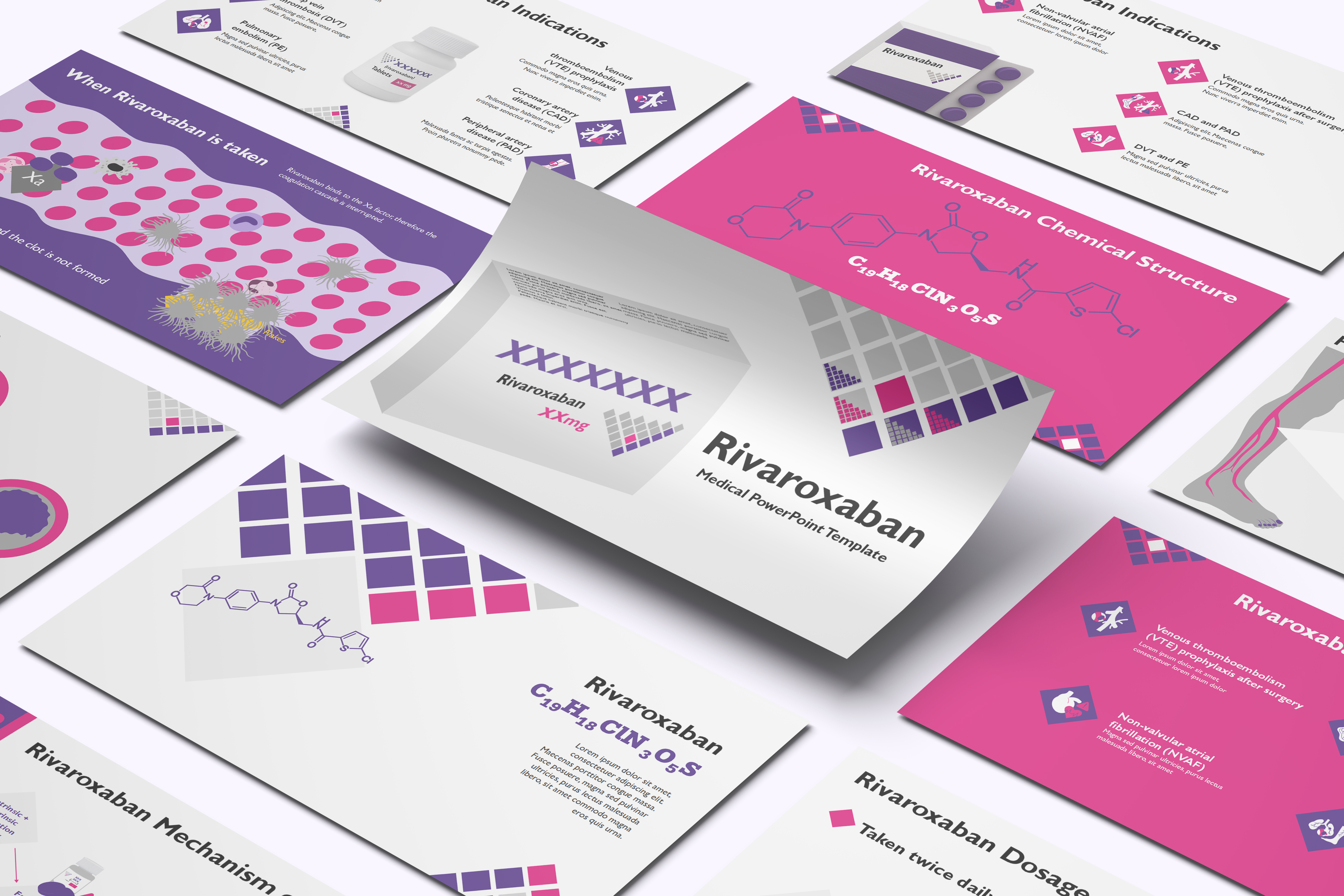
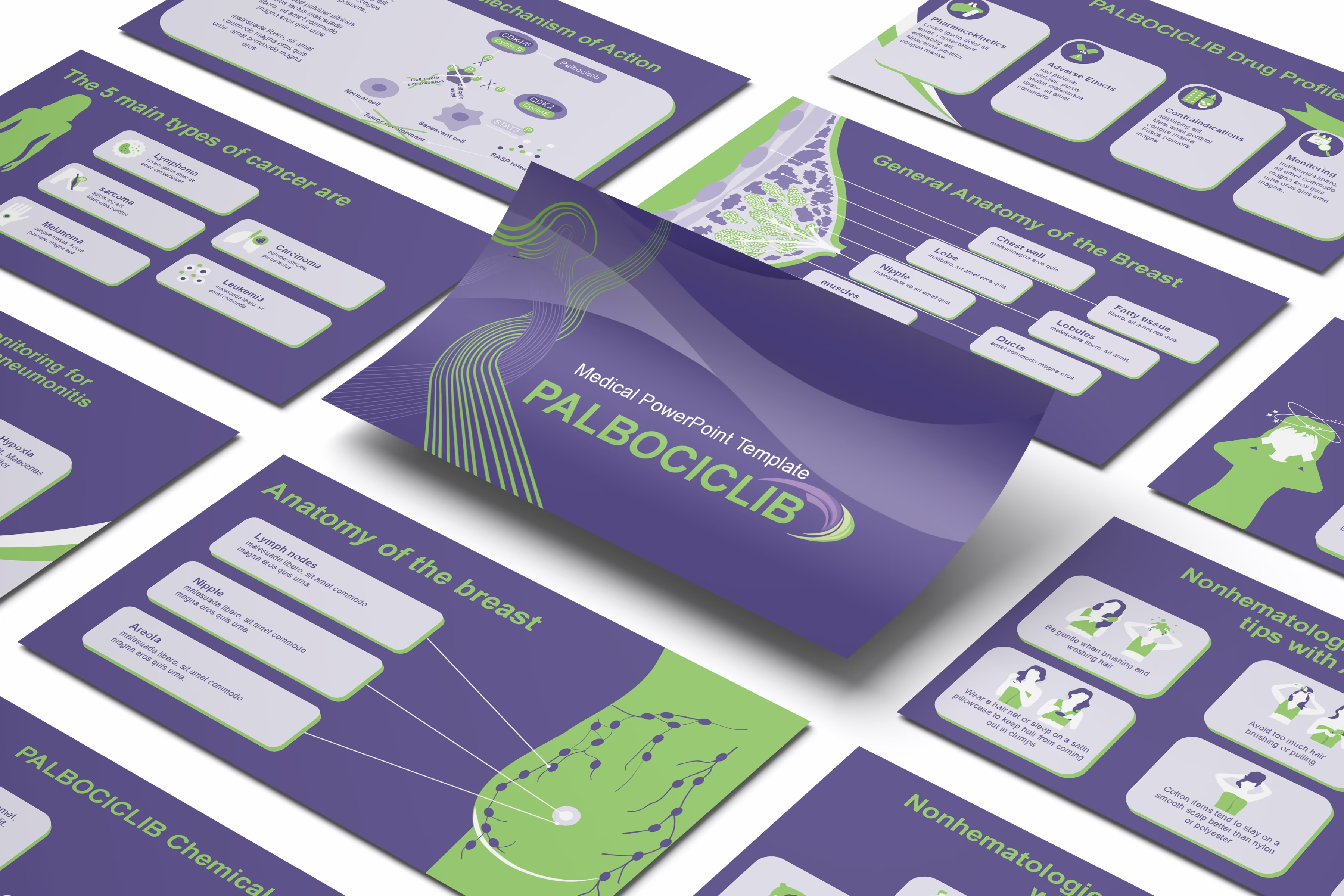
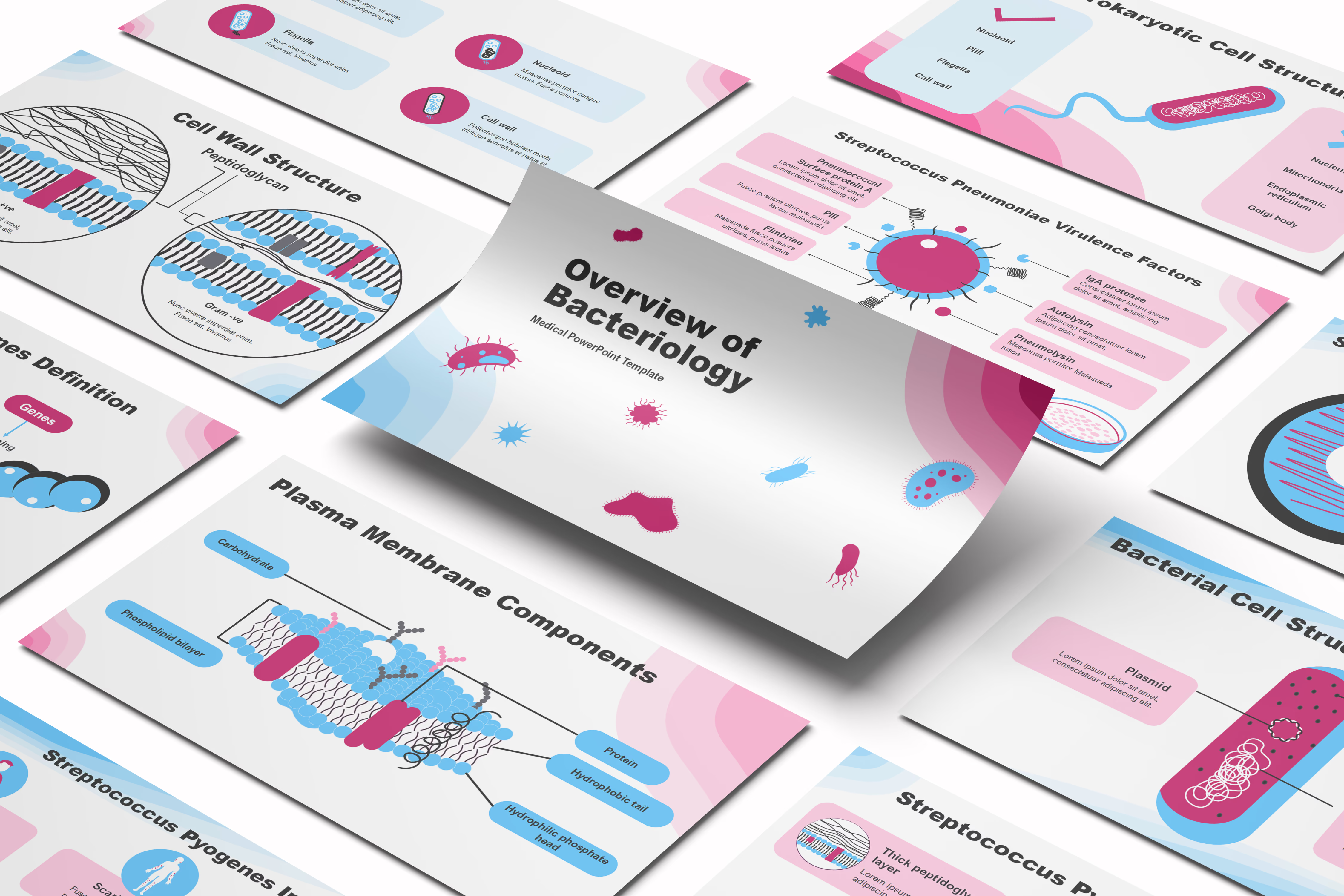
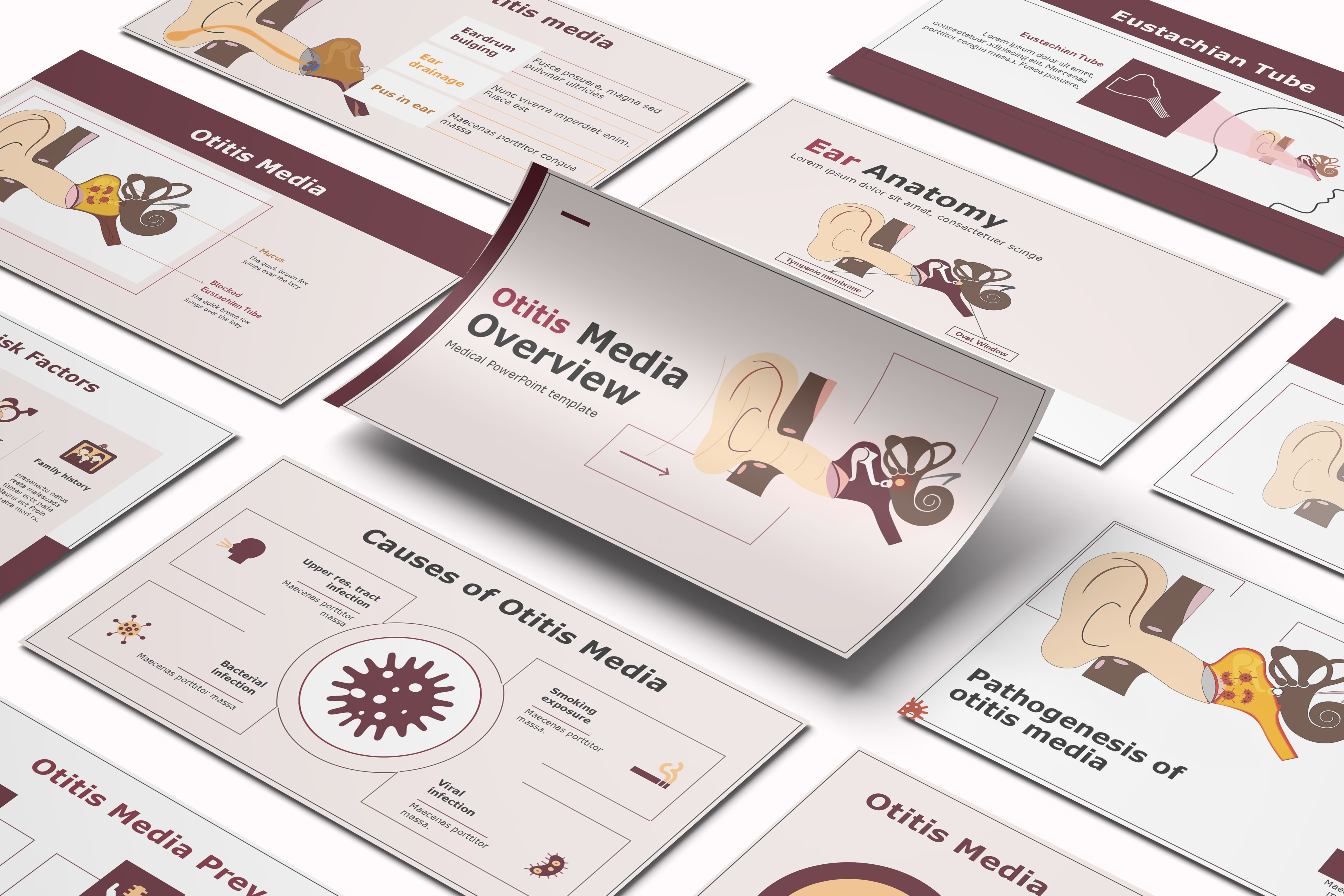
Sitagliptin Metformin PowerPoint Template





Template Preview
Designed for healthcare professionals creating clear and structured medical presentations.
Ideal for doctors, medical educators, and pharmaceutical teams preparing lectures, clinical education, product presentations, and training.
Fully editable in PowerPoint, allowing you to customize diagrams, charts, and slide layouts with your own medical content
Ready-to-use presentation structure that saves time and helps you build professional healthcare presentations quickly.
Fully Animated
Built-in animations help you present medical information clearly and make complex concepts easier to understand.
Editable Colors and Shapes
Editable colors and shapes help you easily customize the slides to match your content and presentation style, just drag and drop your content.
Professional medical layouts
Professional medical layouts help you organize clinical information, medical data, and treatment insights in a clear and structured way.

Created by Medical Professionals
This template prioritizes medical accuracy, clarity, and real-world usability. Each slide is designed with a medical audience in mind, helping you present clinical information, data, and treatment insights in a way that is structured, credible, and easy for healthcare professionals to understand.
Pharmaceutical Product & Medical Affairs Presentations
Medical Affairs teams supporting a combination antidiabetic portfolio can use this Sitagliptin/Metformin template's dual-mechanism content, DPP-4 inhibition increasing incretin activity alongside metformin's reduction of hepatic glucose production, as scientific groundwork before any product-specific data enters a conversation. MSLs can reference the renal-monitoring content when a scientific exchange calls for context on combination-therapy safety. The complementary-mechanism framing gives Medical Affairs a ready reference for positioning questions without commissioning new pharmacology slides. Endocrinology and primary-care-facing teams gain a consistent scientific reference spanning mechanism, efficacy, and safety.
Medical Congress & Scientific Conference Presentations
Endocrinologists and diabetologists preparing a congress session can build around this Sitagliptin/Metformin template's dual-mechanism sequence, DPP-4 inhibition and AMPK-mediated hepatic glucose suppression, rather than assembling two separate mechanism diagrams from scratch. A Key Opinion Leader presenting on combination antihyperglycemic therapy can adapt the HbA1c-outcomes content to an efficacy discussion. A presenter's own institutional glycemic-control data layers into the existing incretin-pathway content without disturbing the underlying mechanism illustrations. The renal-function and gastrointestinal-safety content keeps the discussion clinically current for a specialist audience.

Medical Training for Pharmaceutical & Life Sciences Companies
Endocrinology and primary-care sales teams onboarding new representatives can structure introductory sessions around this Sitagliptin/Metformin template's dual mechanism, working from DPP-4 inhibition and hepatic glucose suppression through to combined glycemic effect before a single dosing conversation begins. Representatives study the combination-therapy rationale and HbA1c outcomes, alongside the renal-monitoring content, before they are cleared to discuss the product with physicians and pharmacists. The gastrointestinal-side-effect and lactic-acidosis-risk content gives trainees a structured foundation for safety conversations. New hires reach the field able to connect dual mechanism, efficacy, and safety into a single coherent story.

eLearning & SCORM Training Modules
Endocrinology and pharmacy programs building a combination-antidiabetic module can customize this Sitagliptin/Metformin template with their own case studies, then convert the finished presentation into a SCORM-compliant module for a learning management system. The dual-mechanism animation translates naturally into interactive checkpoints within a broader diabetes-pharmacology course. When a program needs a narrower scope, such as the renal-monitoring content alone, the RxSlides team can adjust the template's depth and branding. The RxSlides team can also build a fully custom, from-scratch presentation whenever a training objective isn't yet covered by the catalog.
Medical & Healthcare Education
Medical and pharmacy faculty teaching combination antidiabetic therapy can use this template's dual-mechanism sequence to walk students through DPP-4 inhibition and AMPK-mediated hepatic glucose suppression side by side. The HbA1c-outcomes content gives students a clear framework for understanding combination-therapy efficacy versus monotherapy. The renal-monitoring and gastrointestinal-safety content connects classroom pharmacology to the patient-counseling reasoning students will need at the bedside. Students leave with a structured understanding of the sitagliptin-metformin combination spanning mechanism, efficacy, and safety.
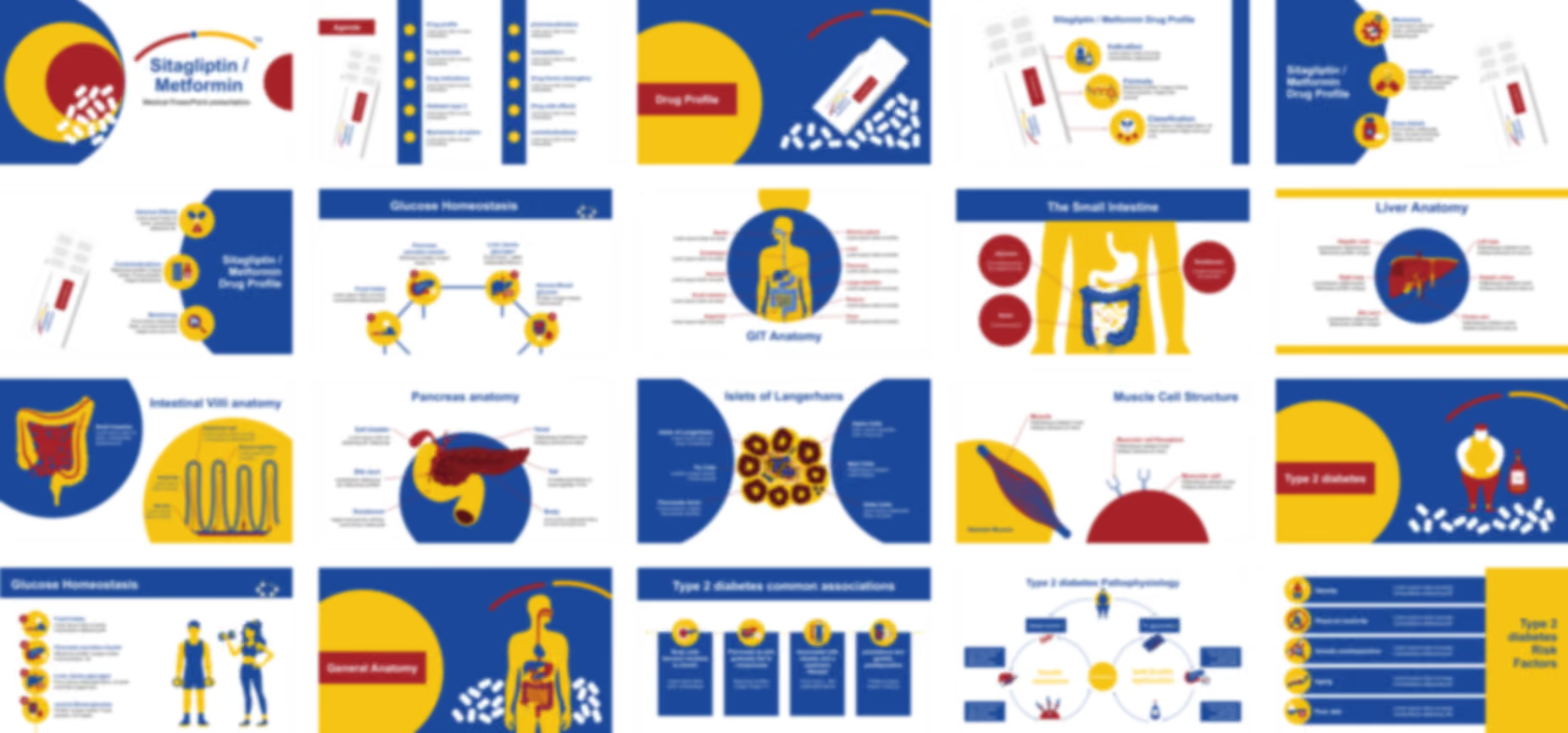
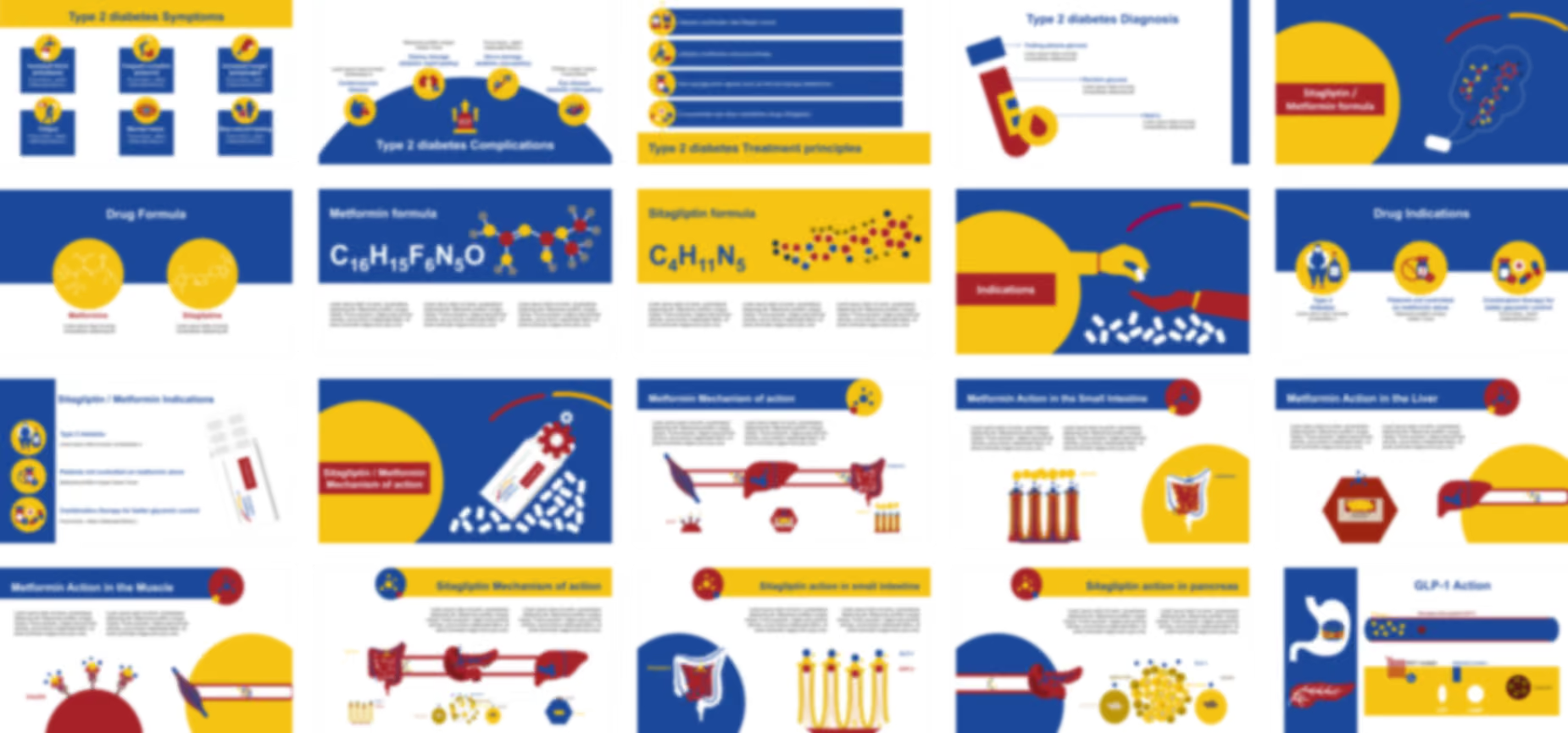
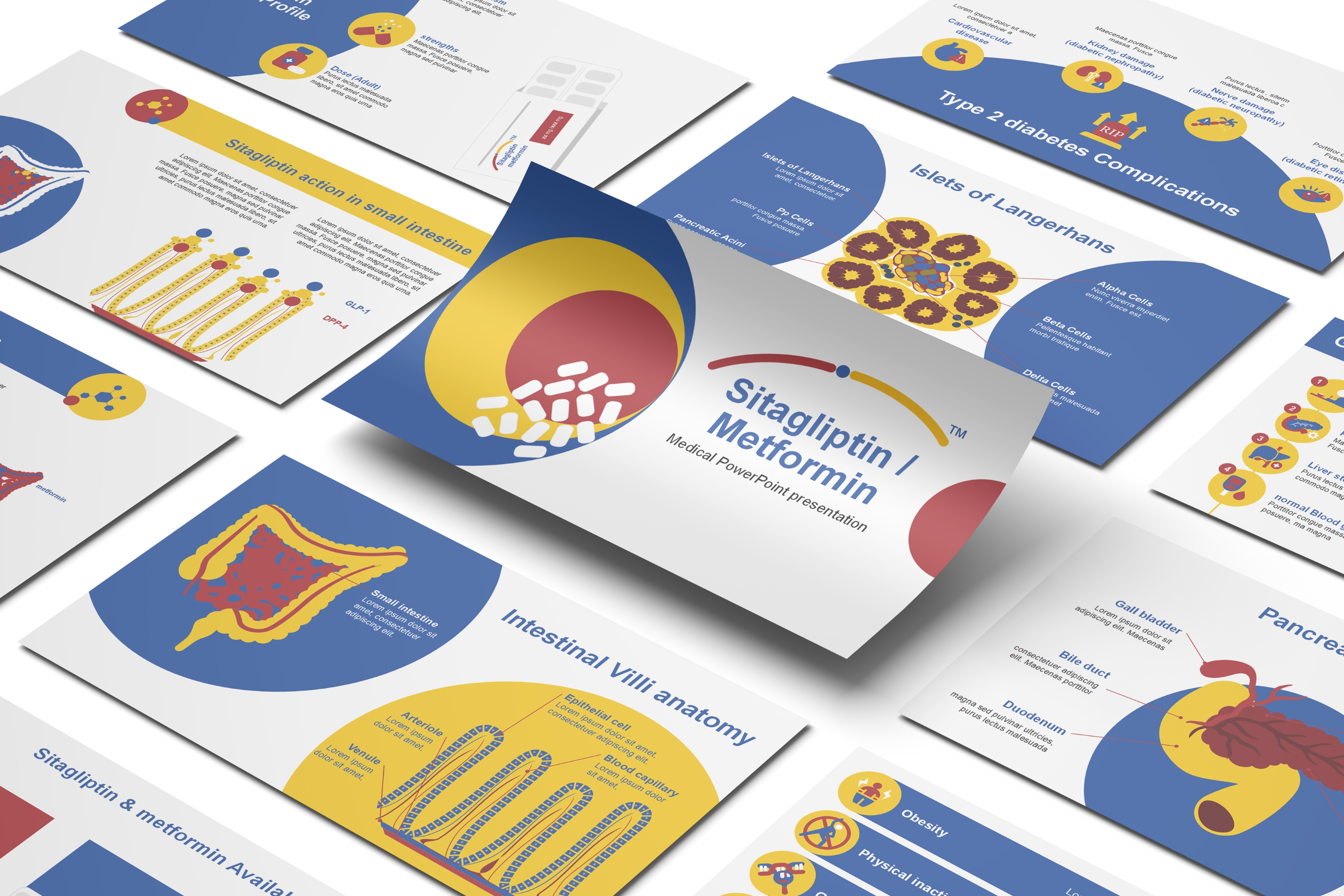
The Sitagliptin Metformin PowerPoint template traces type 2 diabetes pathophysiology from insulin resistance and progressive pancreatic beta cell dysfunction to associations with obesity, sedentary lifestyle, and genetic predisposition, in this editable medical presentation template. Diagnostic criteria covering fasting plasma glucose, random glucose, and HbA1c sit alongside symptoms such as polydipsia, polyuria, polyphagia, fatigue, blurred vision, and slow wound healing.
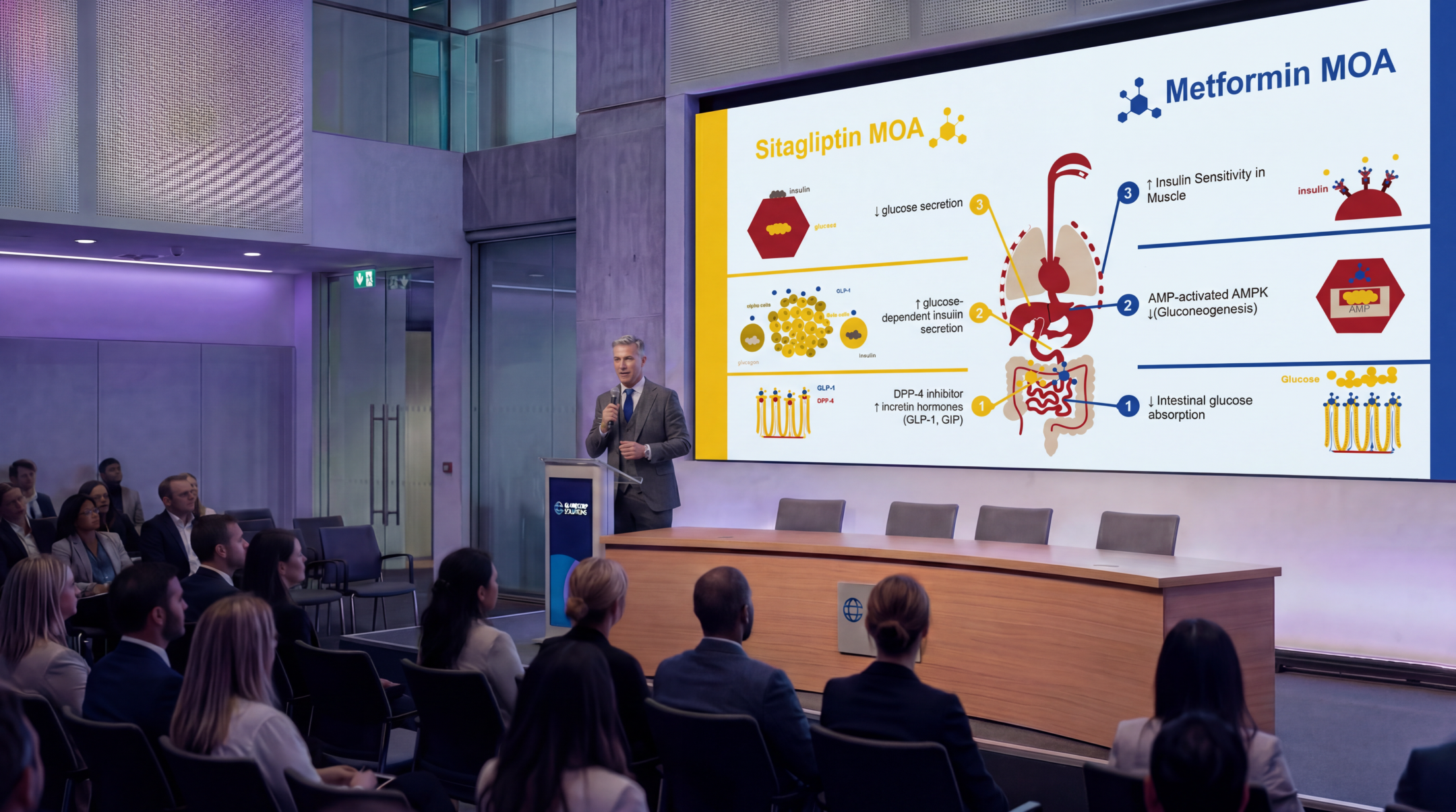
Illustrated pathways separate sitagliptin's action as a DPP4 inhibitor that raises incretin hormones GLP1 and GIP to boost glucose dependent insulin secretion from metformin's activation of AMPK, which lowers gluconeogenesis and intestinal glucose absorption while raising insulin sensitivity in muscle. Establishing these two distinct pathways first gives learners a foundation for understanding the combination's complementary glycemic effect.
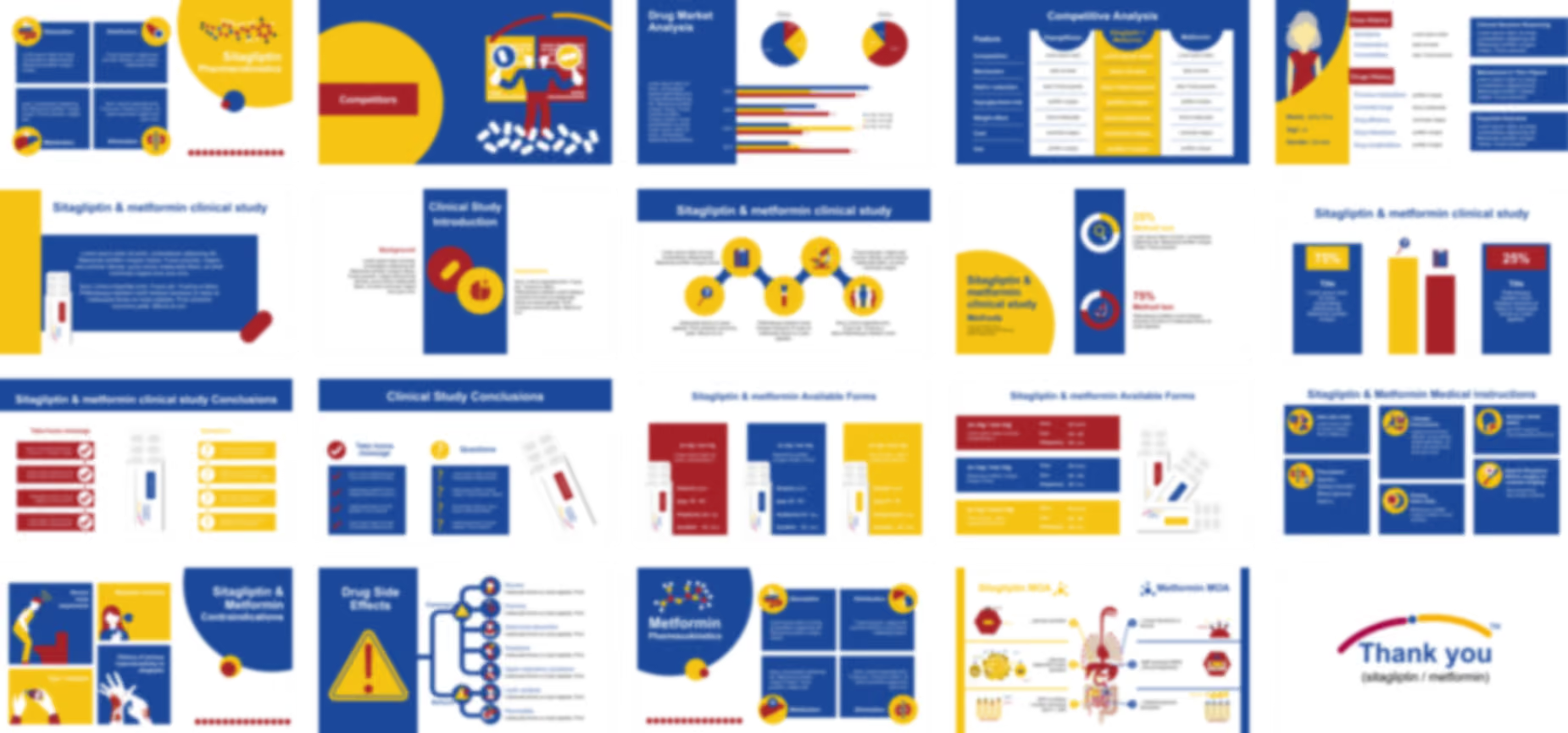
The combination is indicated for type 2 diabetes patients not controlled on metformin alone, positioned as combination therapy for improved glycemic control. Administration guidance calls for dosing with meals, swallowing tablets whole without crushing or chewing, particularly for extended release forms, and monitoring kidney function, blood glucose, and HbA1c.
Common side effects include nausea, diarrhea, abdominal discomfort, headache, and upper respiratory symptoms, while serious risks cover lactic acidosis and pancreatitis, presented through a set of customizable medical icons. Contraindications include severe renal impairment, metabolic acidosis, type 1 diabetes, and a history of serious hypersensitivity to sitagliptin.
Ready To Transform Your Presentation ?
Pay once, use forever