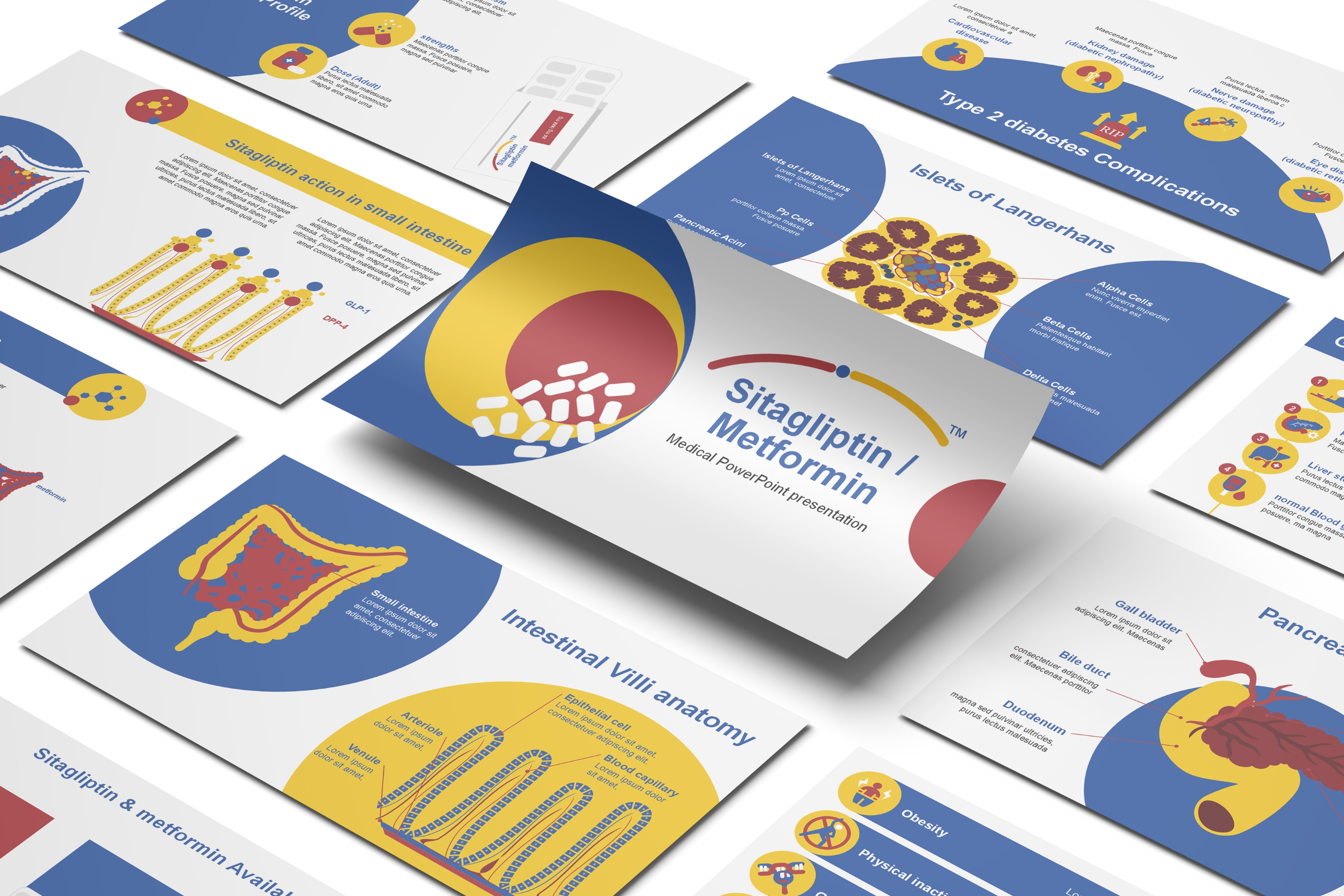
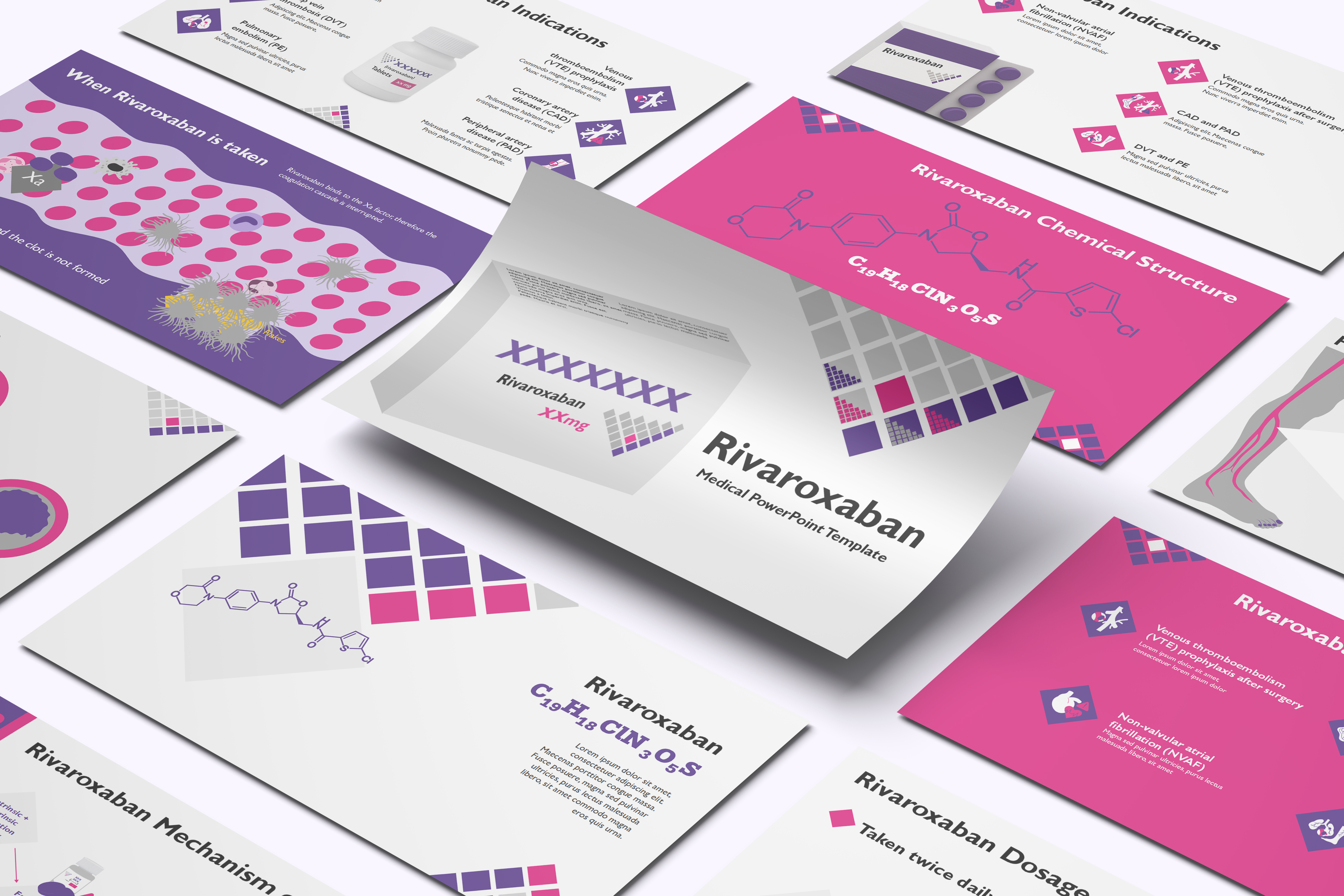
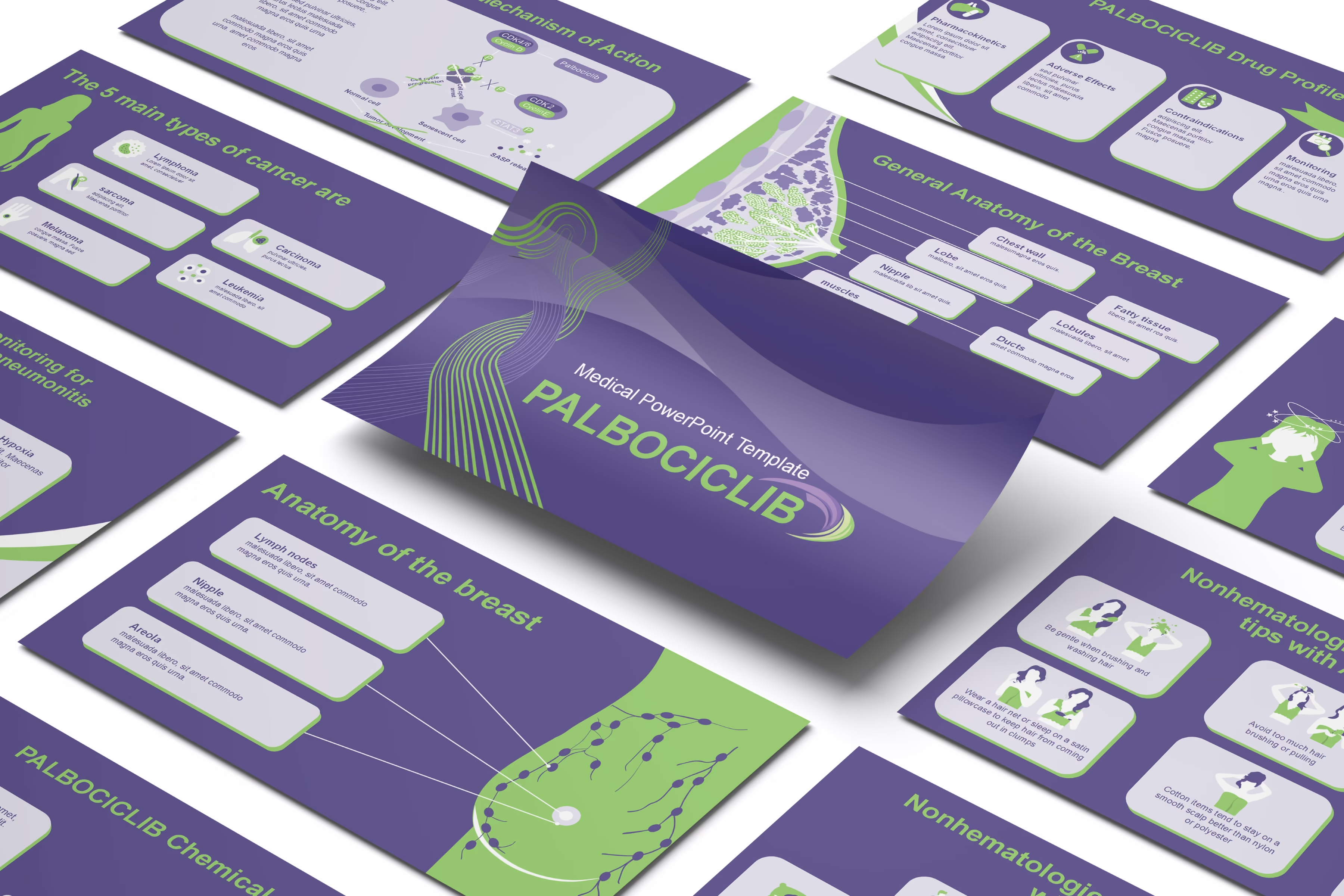
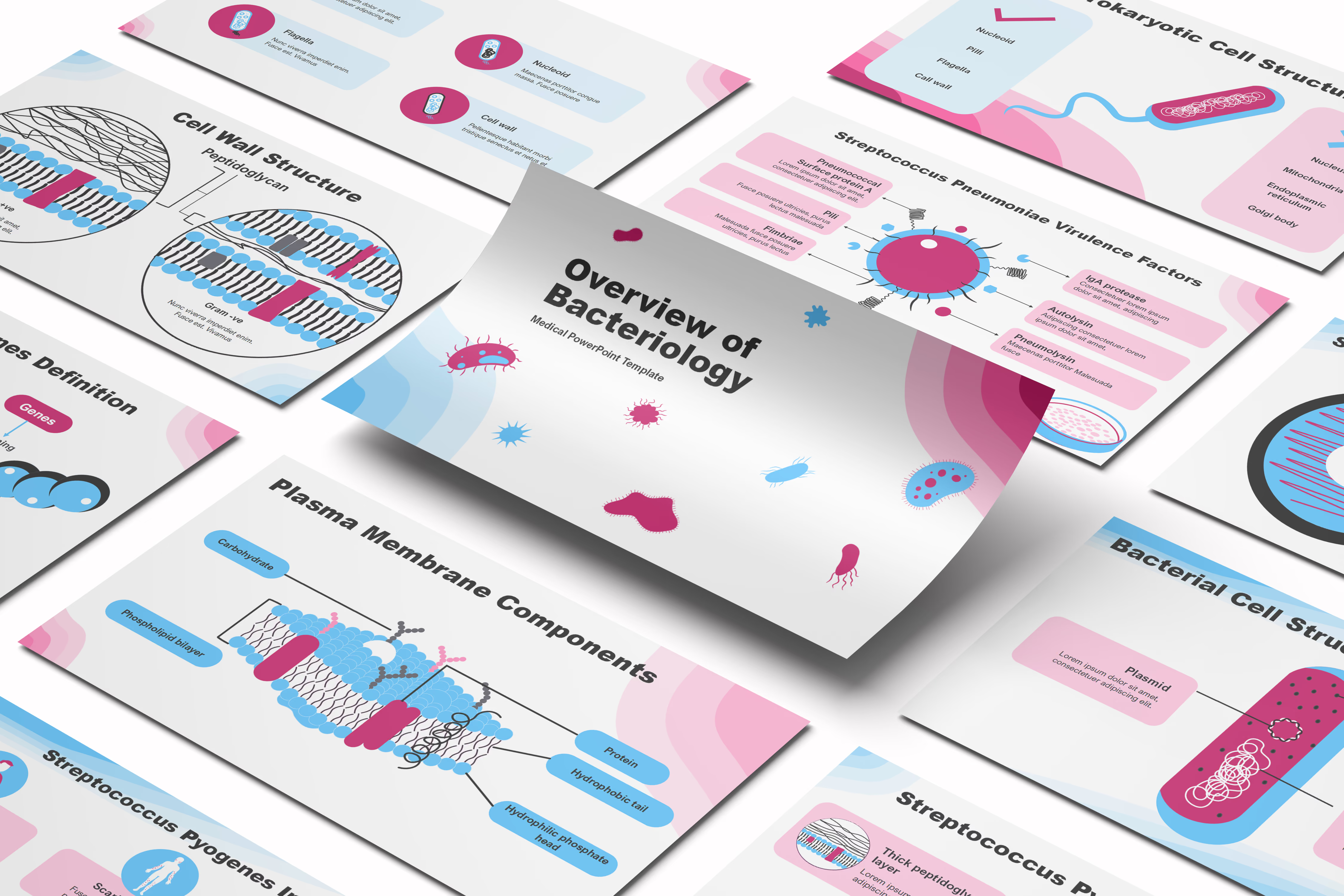
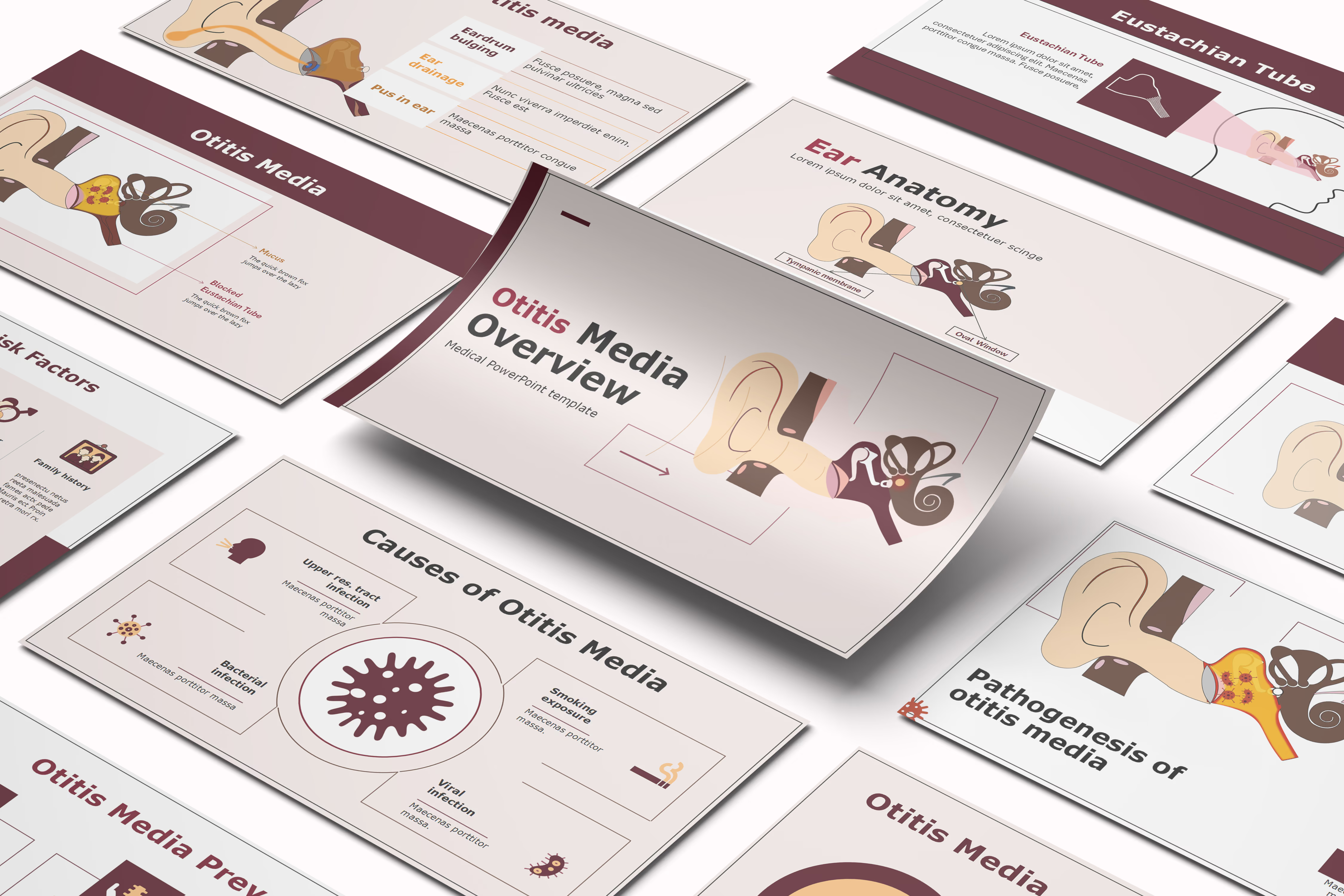
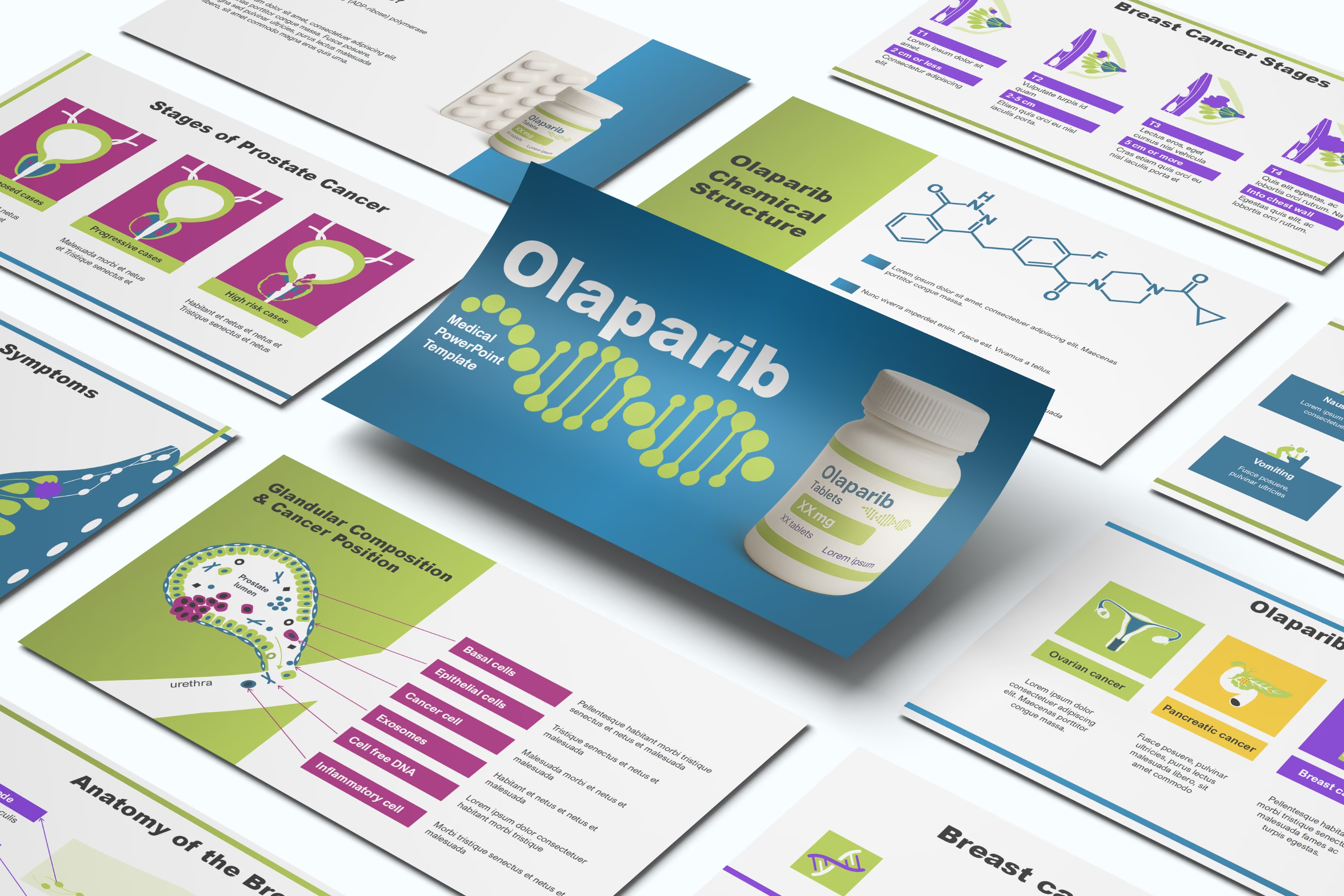
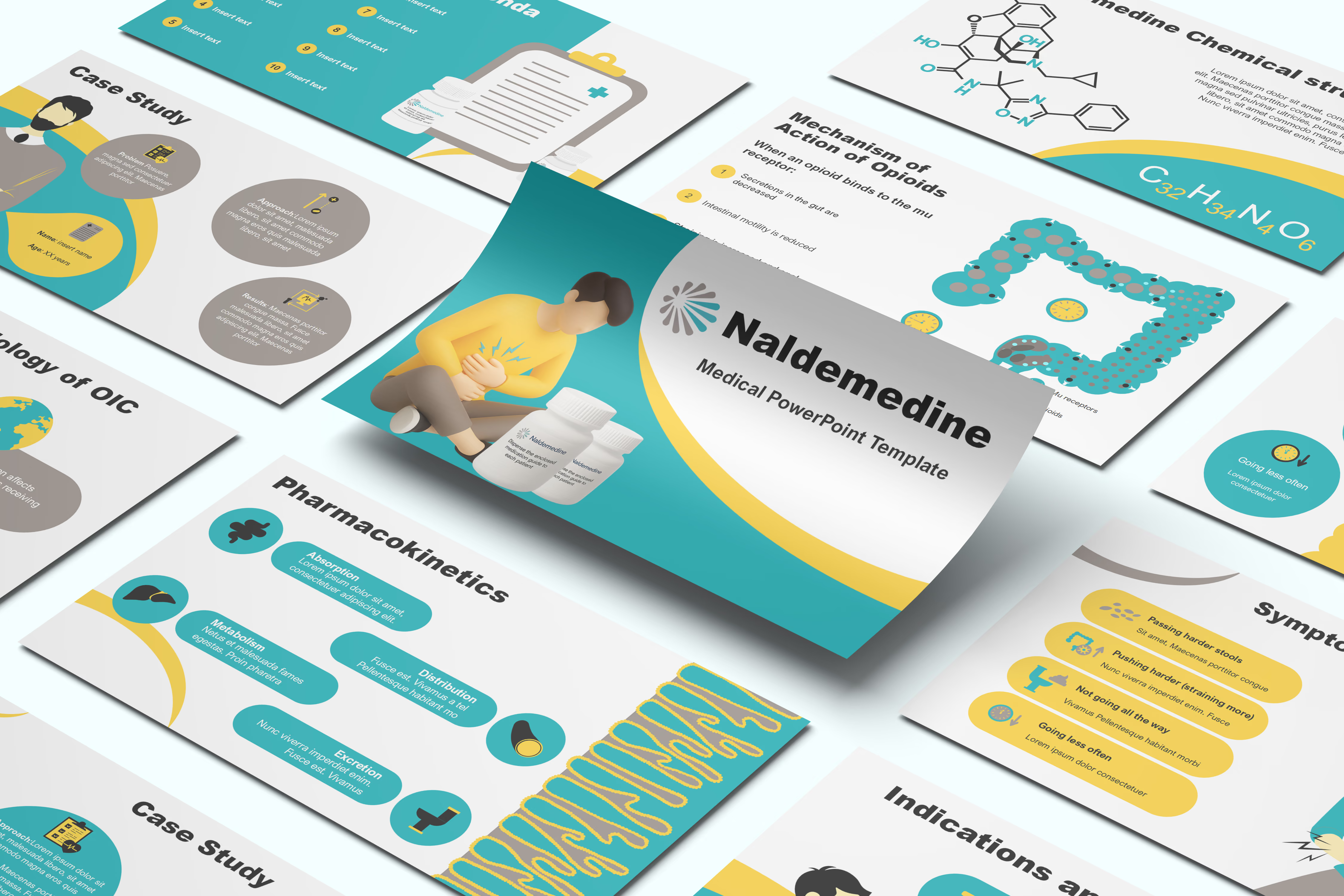
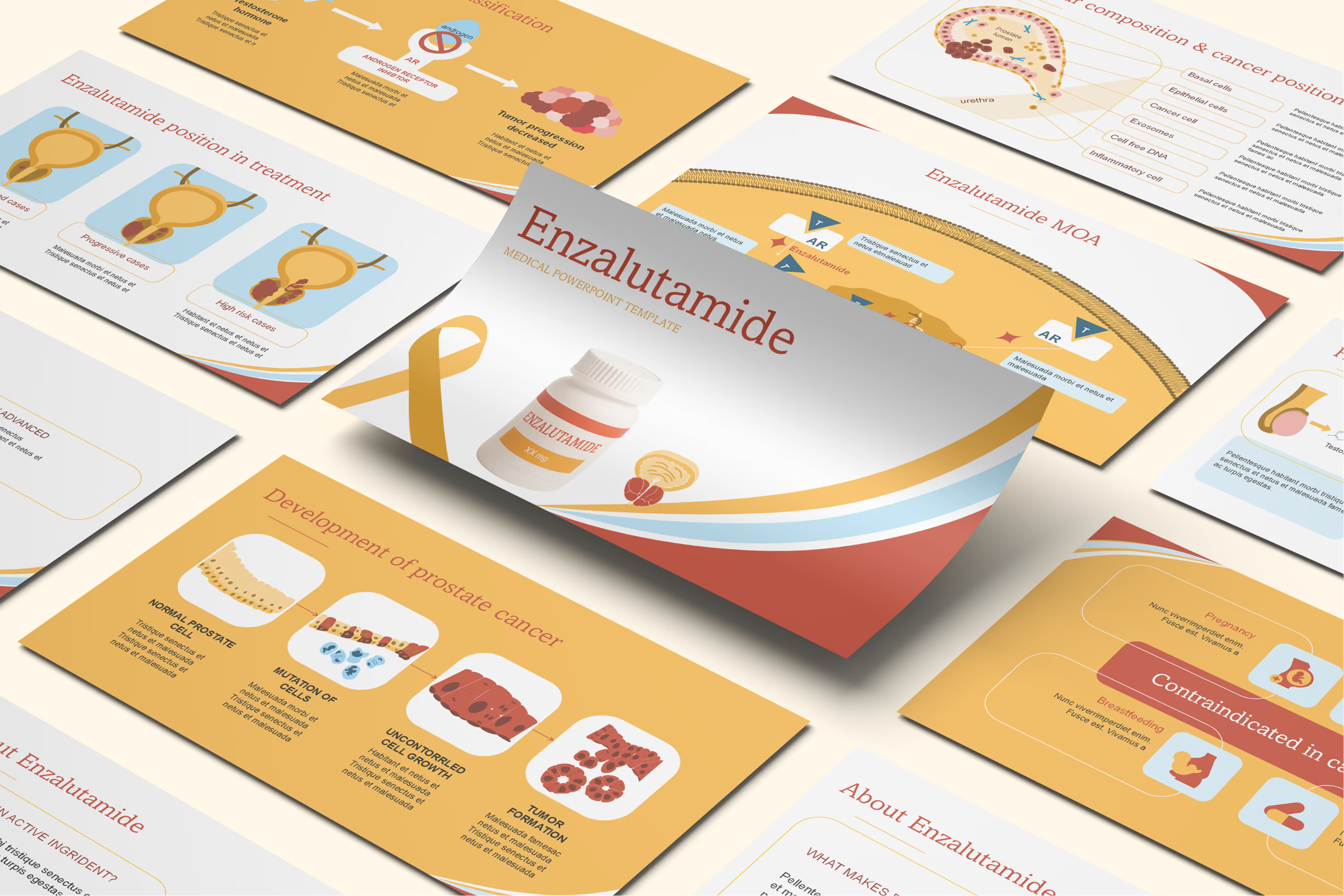
Budesonide Formoterol PowerPoint Template

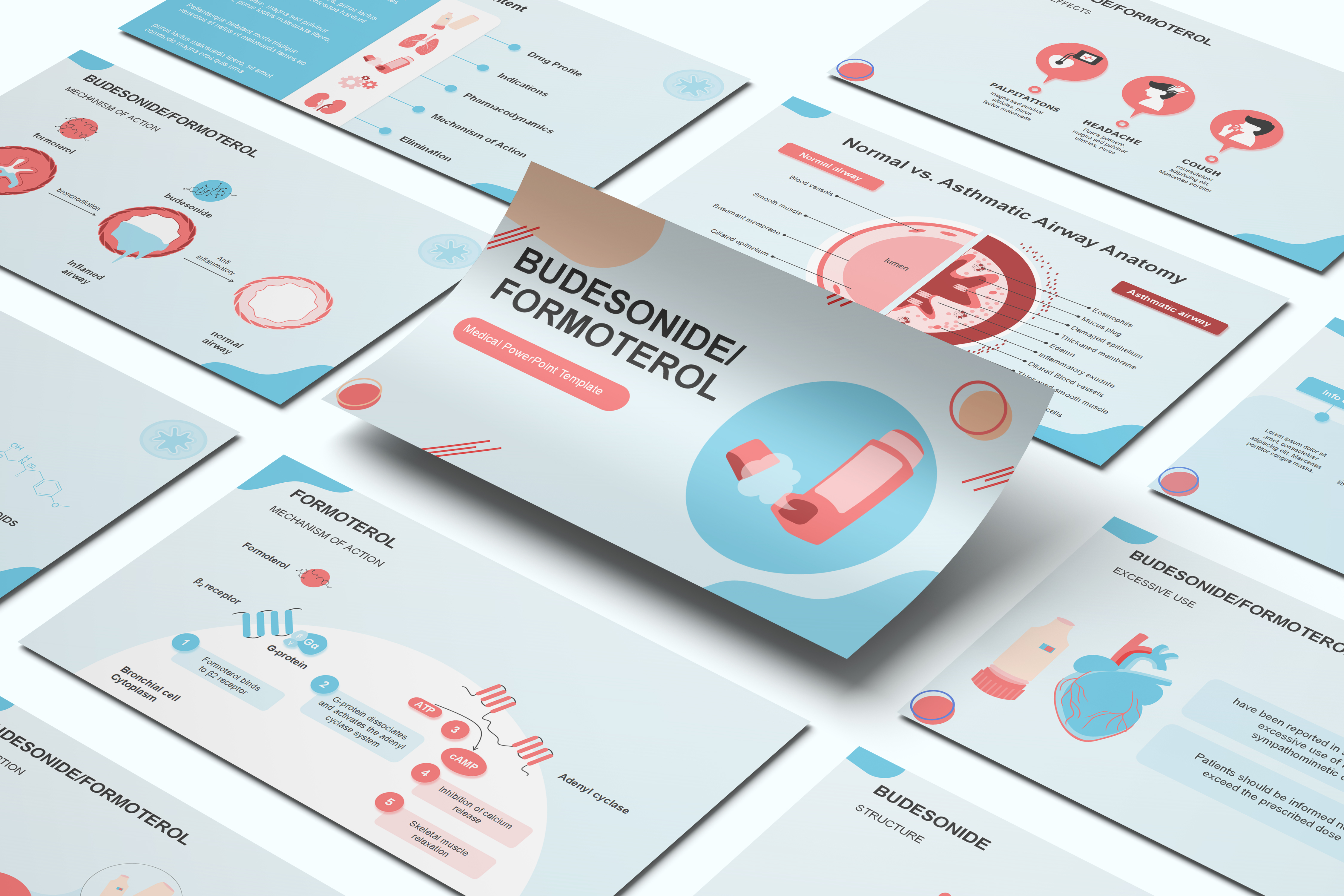




Template Preview
Designed for healthcare professionals creating clear and structured medical presentations.
Ideal for doctors, medical educators, and pharmaceutical teams preparing lectures, clinical education, product presentations, and training.
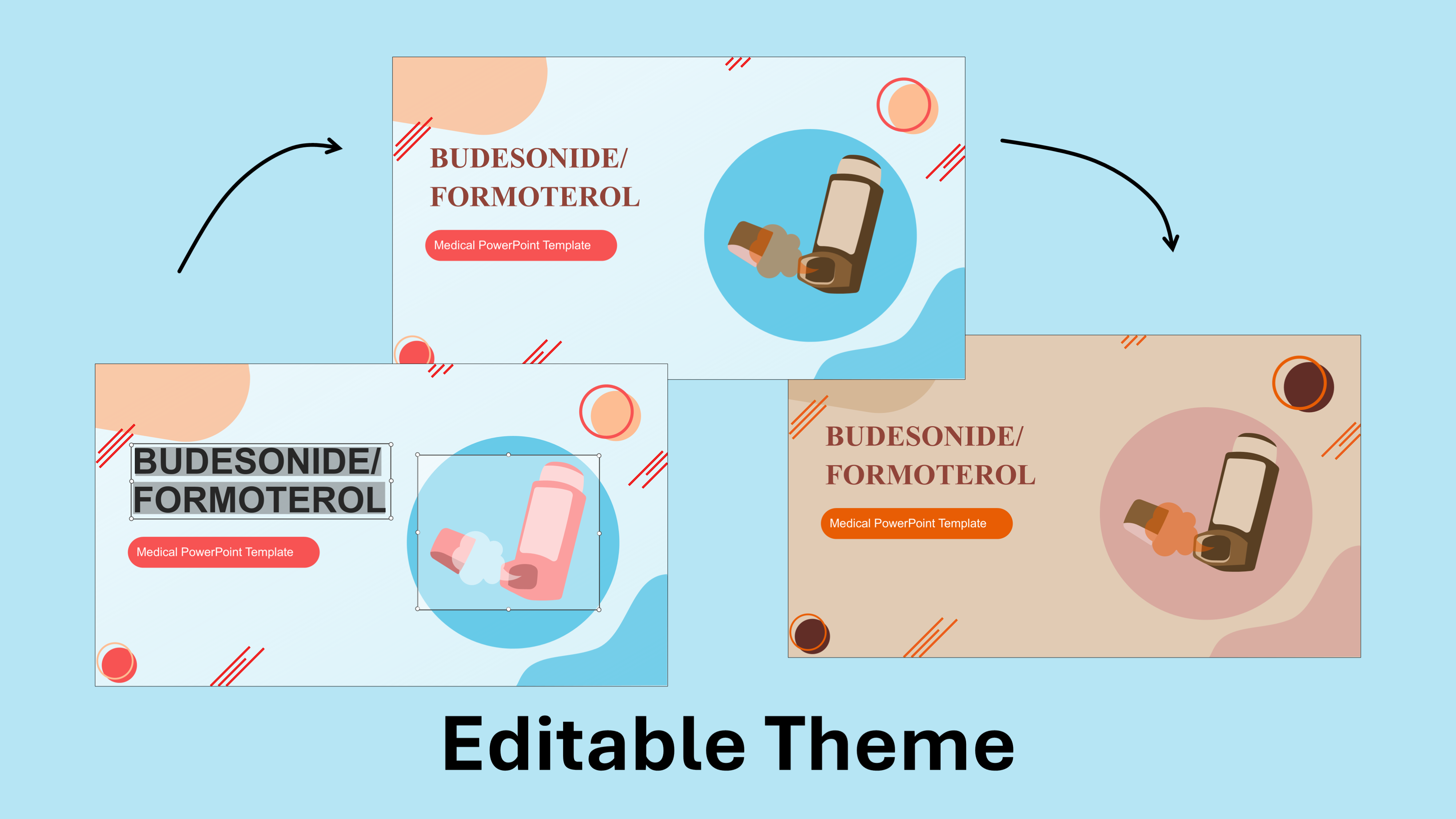
Fully editable in PowerPoint, allowing you to customize diagrams, charts, and slide layouts with your own medical content
Ready-to-use presentation structure that saves time and helps you build professional healthcare presentations quickly.
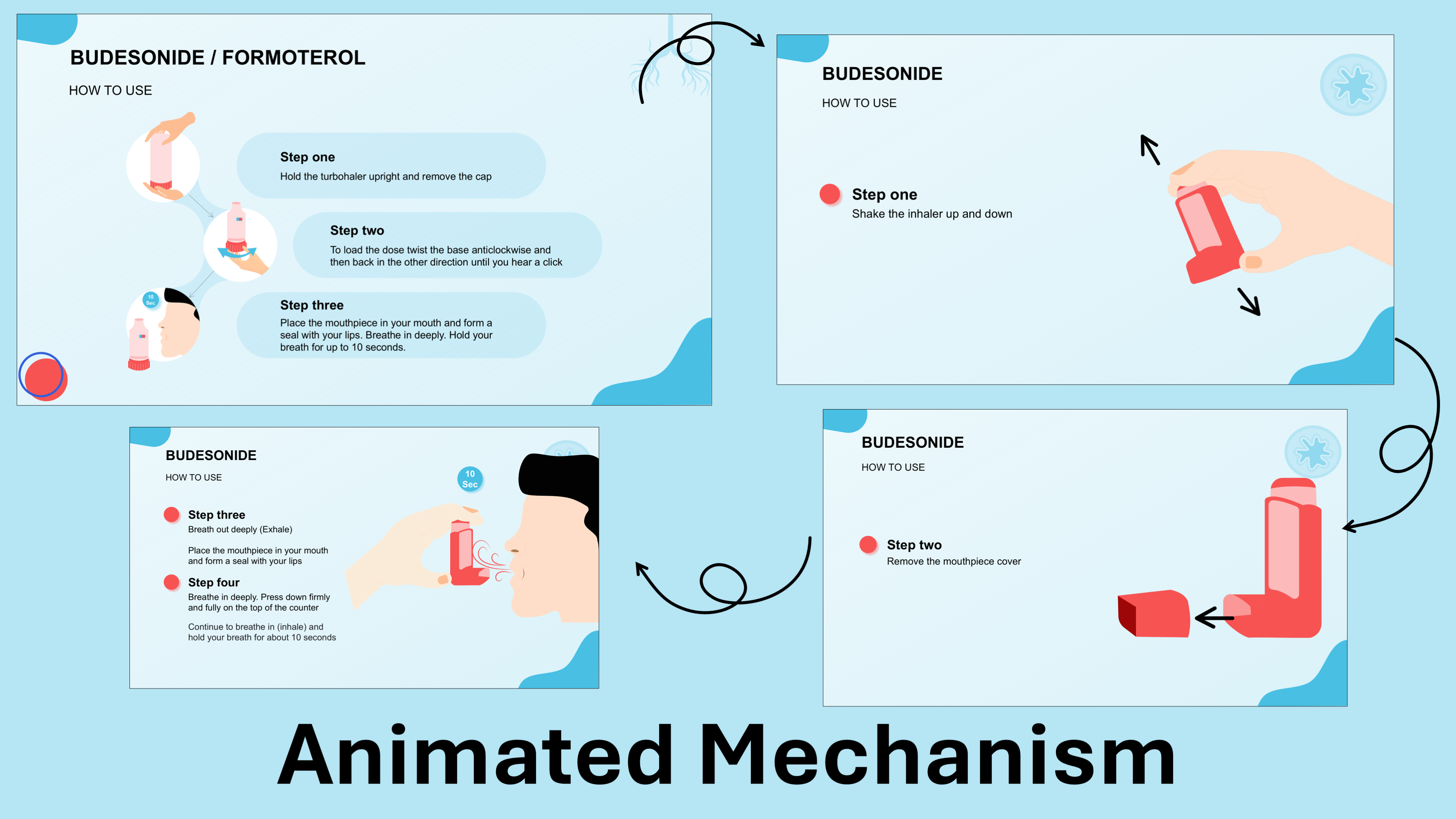
Fully Animated
Built-in animations help you present medical information clearly and make complex concepts easier to understand.
Editable Colors and Shapes
Editable colors and shapes help you easily customize the slides to match your content and presentation style, just drag and drop your content.
Professional medical layouts
Professional medical layouts help you organize clinical information, medical data, and treatment insights in a clear and structured way.

Created by Medical Professionals
This template prioritizes medical accuracy, clarity, and real-world usability. Each slide is designed with a medical audience in mind, helping you present clinical information, data, and treatment insights in a way that is structured, credible, and easy for healthcare professionals to understand.
Pharmaceutical Product & Medical Affairs Presentations
Inhaler mechanism animations anchor the field materials a Medical Affairs team builds around Budesonide Formoterol for a respiratory portfolio. Sales representatives are trained on the finished materials before making promotional calls to pulmonologists and respiratory physicians, while Medical Science Liaisons carry the same GINA-aligned MART therapy science into scientific exchange. The template's editable comparison between ICS/LABA maintenance therapy and short-acting reliever options gives Medical Affairs a framework to layer in their own clinical evidence rather than rebuilding it from published guidelines. Because it remains an editable starting point rather than a finished promotional asset, each company still applies its own medical and compliance review before the materials reach the field.

Medical Congress & Scientific Conference Presentations
Pulmonologists and academic Key Opinion Leaders preparing a scientific conference session on inhaled combination therapy can start from the template's turbohaler and pMDI technique animations rather than filming their own device demonstrations. The mechanism-of-action sequence for corticosteroid and long-acting beta-agonist activity gives a congress talk a structured narrative from airway inflammation to bronchodilation. Clinical trial evidence, including the Novel START trial, and GINA-based MART therapy positioning slot into the existing structure without redrawing a single diagram. The finished talk arrives congress-ready, with room left for the presenter's own case series and prescribing data.

Medical Training for Pharmaceutical & Life Sciences Companies
Respiratory sales teams new to Budesonide Formoterol can build onboarding training around the template's inhaler technique animations and airway inflammation sequence. New representatives study the ICS/LABA mechanism and MART therapy positioning before they are cleared to have promotional conversations with pulmonologists and pharmacists. Clinical trainers pair the Turbohaler and pMDI comparison with GINA guideline content to explain how the combination fits into standard asthma and COPD management. New hires reach field readiness with a consistent, guideline-aligned foundation instead of piecing together reference material themselves.

eLearning & SCORM Training Modules
Respiratory pharmacology instructors can customize the Budesonide Formoterol template with their own inhaler protocols and case examples, then optionally convert the finished presentation into a SCORM-compliant module for pharmacy students or respiratory therapy trainees on an LMS. Nothing about the base template is presentation-ready before that customization step. The ICS/LABA mechanism and inhaler technique content is already sequenced for teaching, so a customized version reaches certification-ready SCORM status without a separate instructional-design pass. The RxSlides team can further tune scope, depth, or branding for a specific respiratory training program, or build a fully custom presentation from scratch if none of the existing templates fit.
Medical & Healthcare Education
Pharmacy and respiratory therapy faculty teaching inhaled combination therapy can use the template's airway inflammation and bronchodilation animations to walk students through how Budesonide and Formoterol act together, instead of rebuilding mechanism diagrams each term. Continuing education providers preparing CME on GINA-based asthma and COPD management benefit from the same inhaler technique visuals, without recreating device demonstrations for every course. Editable dosing and administration slides let an instructor tailor content to pharmacy, nursing, or respiratory therapy audiences at different levels. Students leave with a clearer picture of how ICS/LABA combination therapy fits into everyday respiratory care.
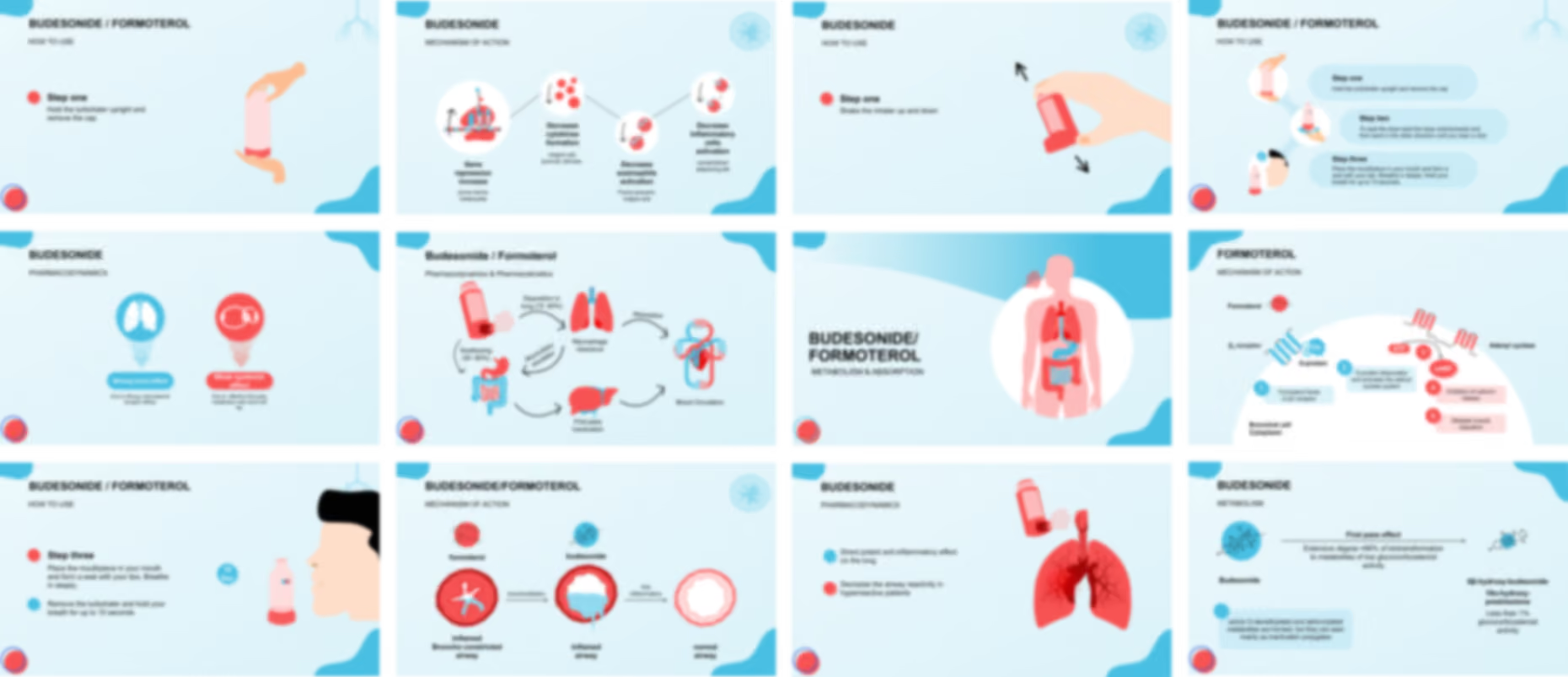
The Budesonide Formoterol PowerPoint template opens by mapping the respiratory tract, from the larynx and trachea to the lungs and diaphragm, before contrasting the roles of formoterol as a smooth muscle relaxant and budesonide as an anti-inflammatory corticosteroid. A further slide identifies asthma and chronic obstructive pulmonary disease as the two primary indications for the combination therapy.
The template then compares a normal airway to an asthmatic one, highlighting edema, mucus plugs, and thickened smooth muscle, before a step by step diagram illustrates the turbohaler technique, including the ten second breath hold needed for optimal deposition.
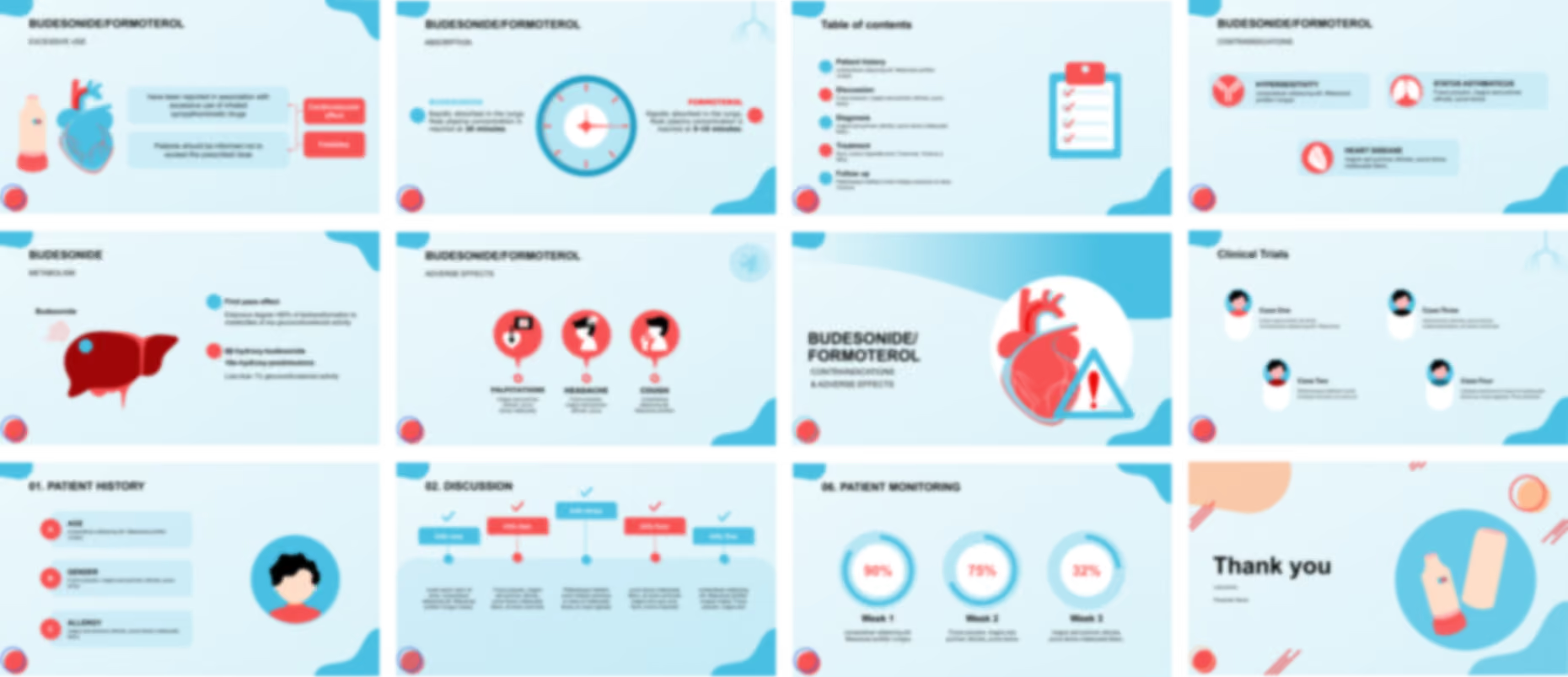
Editable medical diagrams detail the cellular cascade behind formoterol's beta2 receptor binding and budesonide's glucocorticosteroid receptor pathway, followed by a pharmacokinetic slide tracking lung deposition, absorption, and the swallowed portion lost to first pass inactivation. Establishing these mechanisms first gives educators a shared reference point before the presentation turns to chemical structures and metabolism profiles for both active ingredients.
Safety content lists contraindications for hypersensitivity, status asthmaticus, and heart disease, while a data driven layout tracks patient monitoring and clinical outcomes over a three week period. The presentation template closes with a full clinical case study section covering patient history, discussion, and follow-up.
Ready To Transform Your Presentation ?
Pay once, use forever