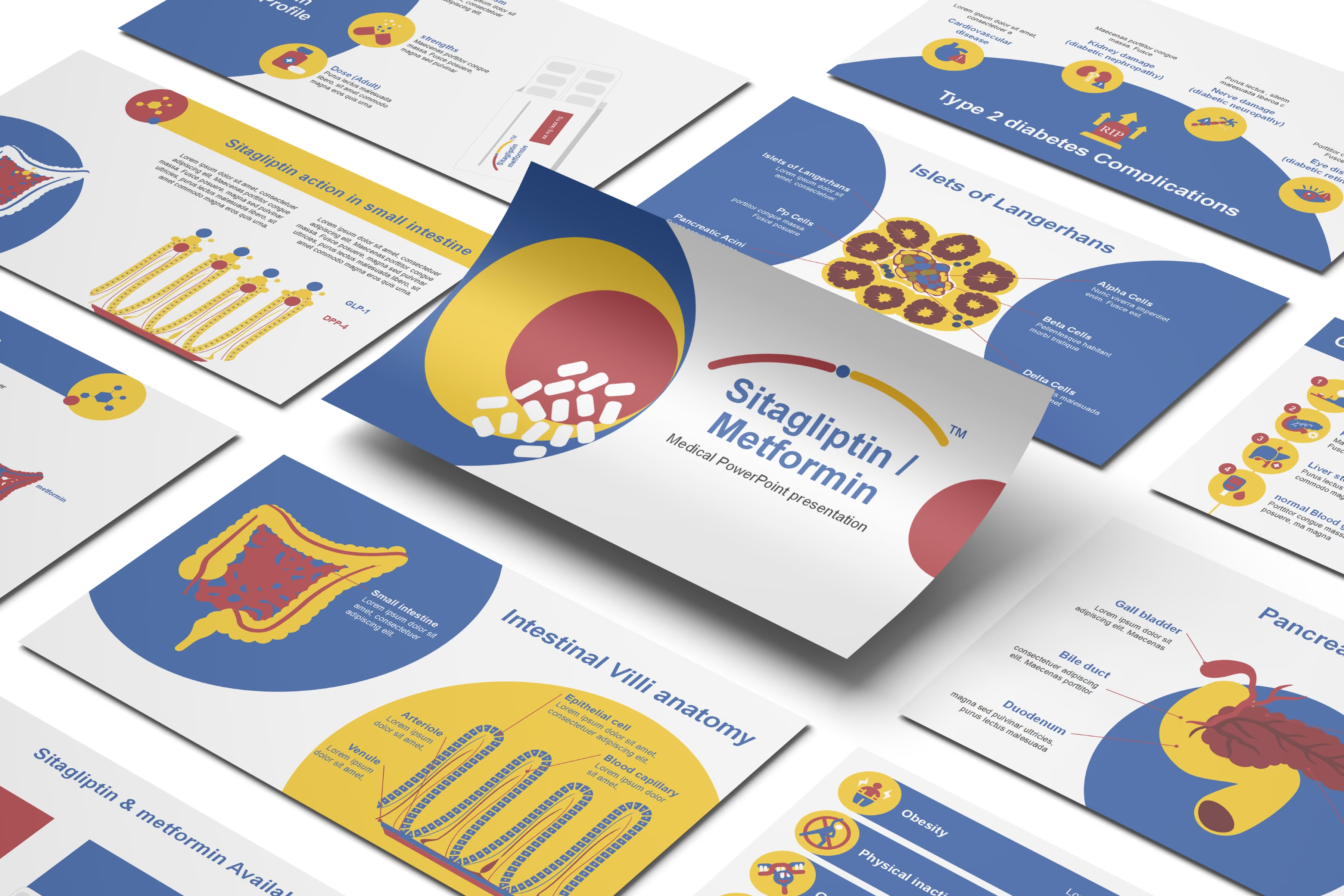
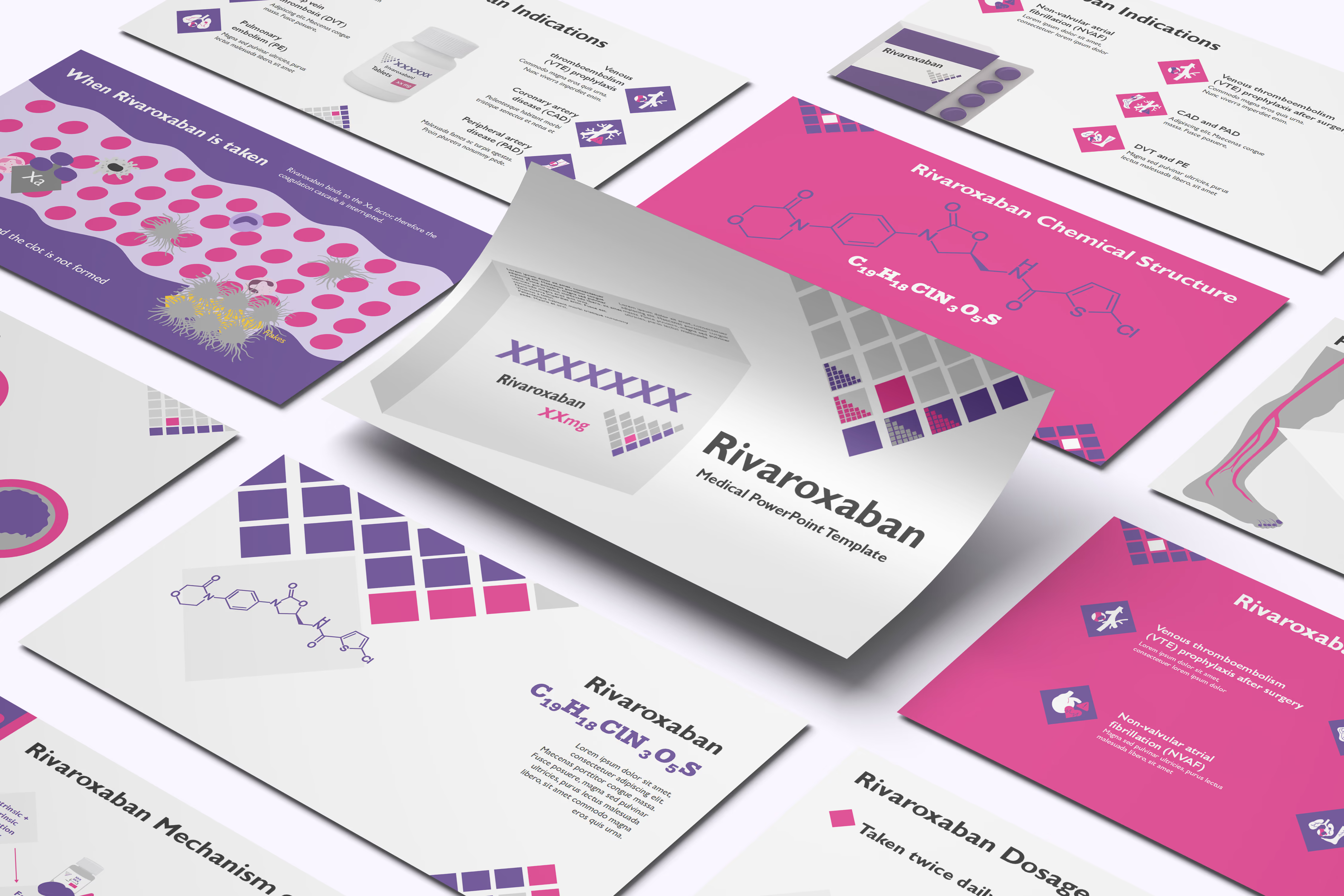
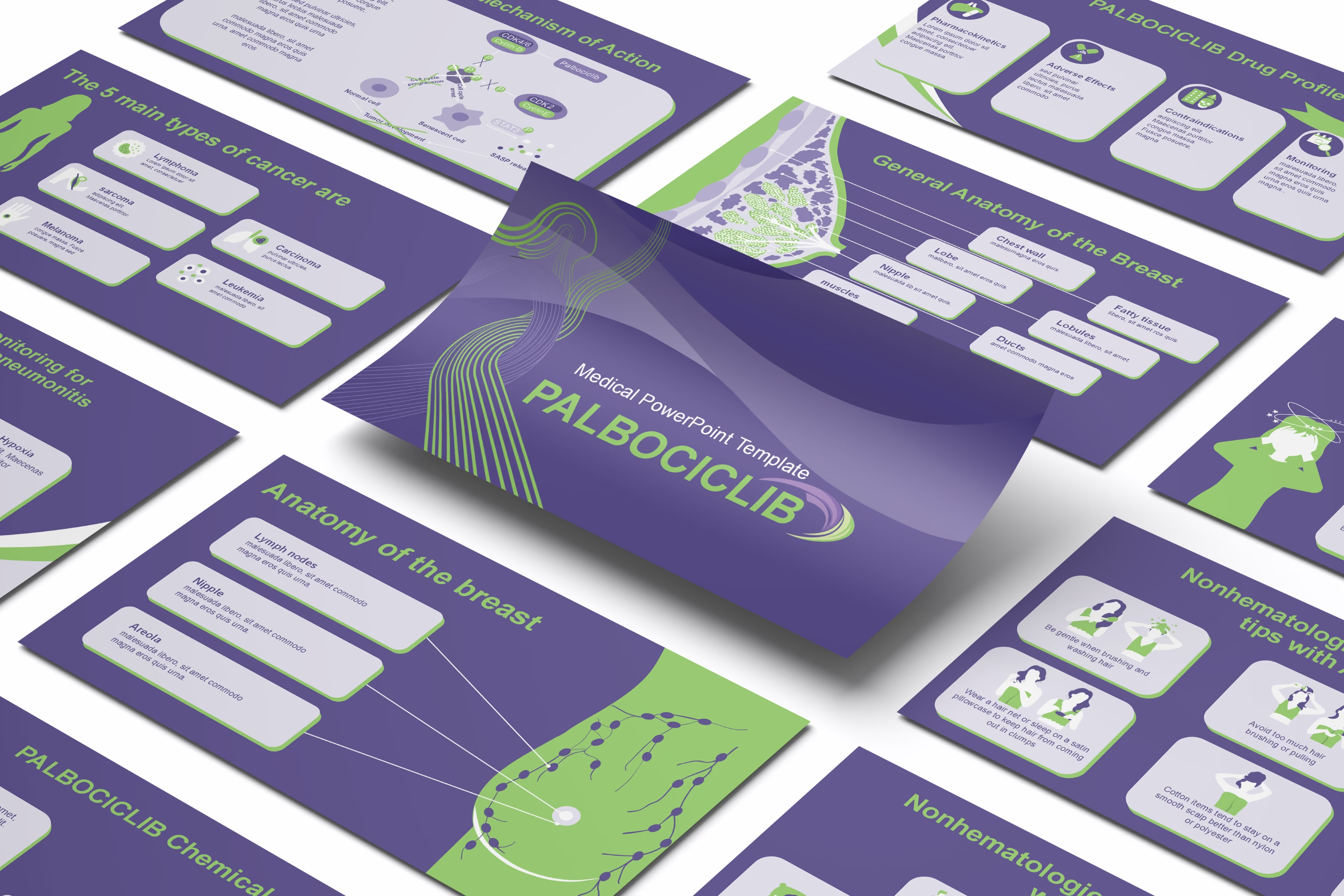
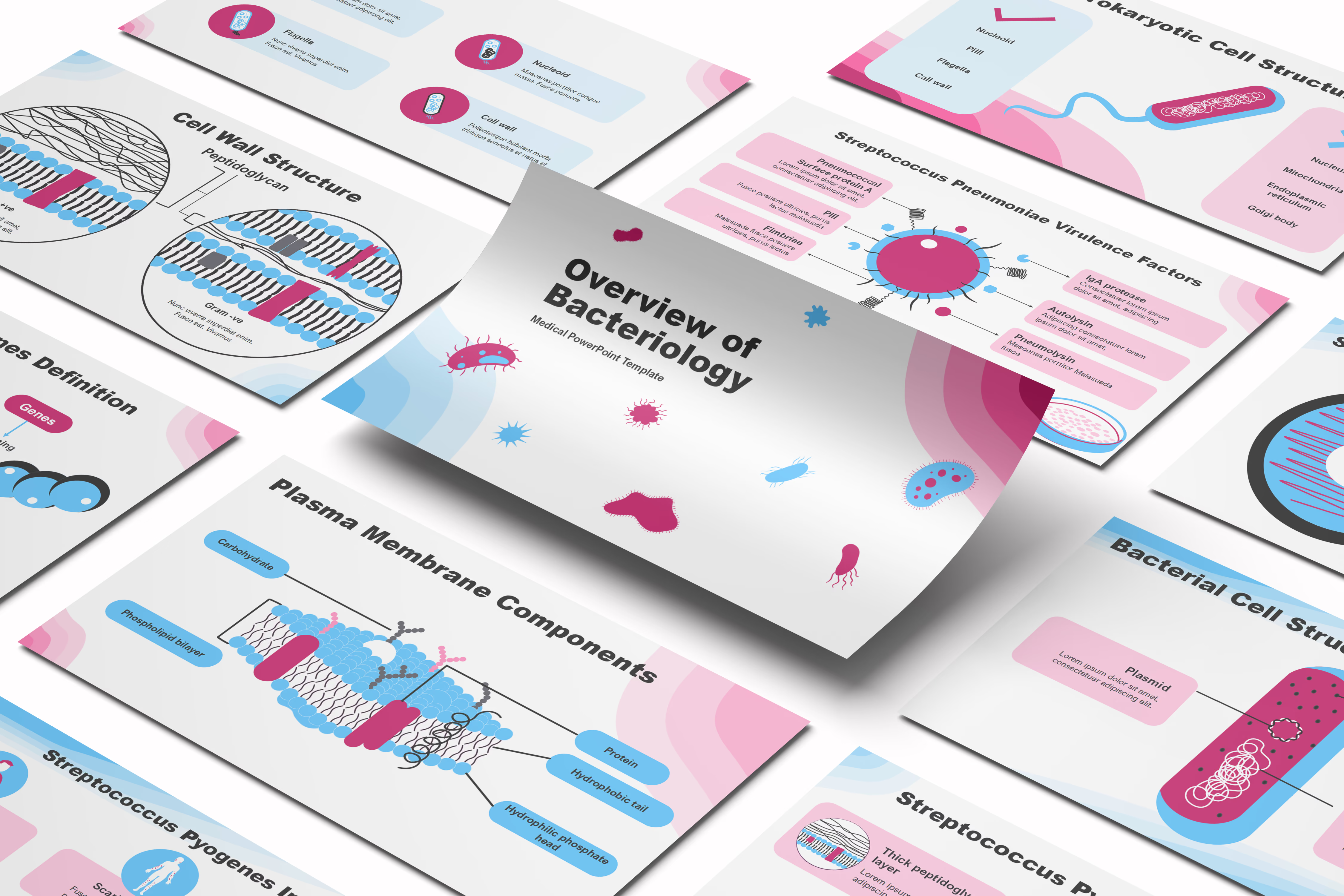
Gastrointestinal PowerPoint Templates Bundle





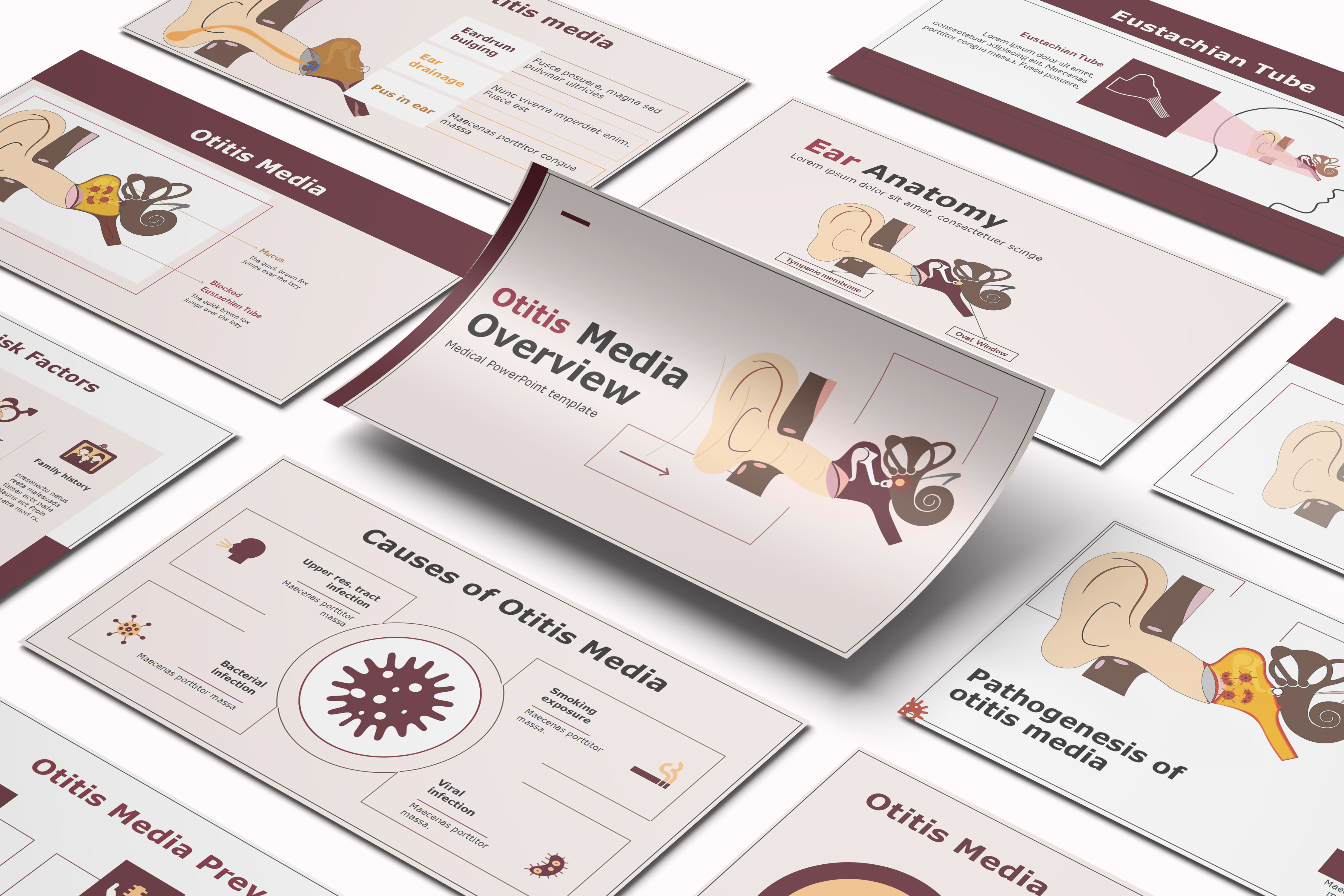
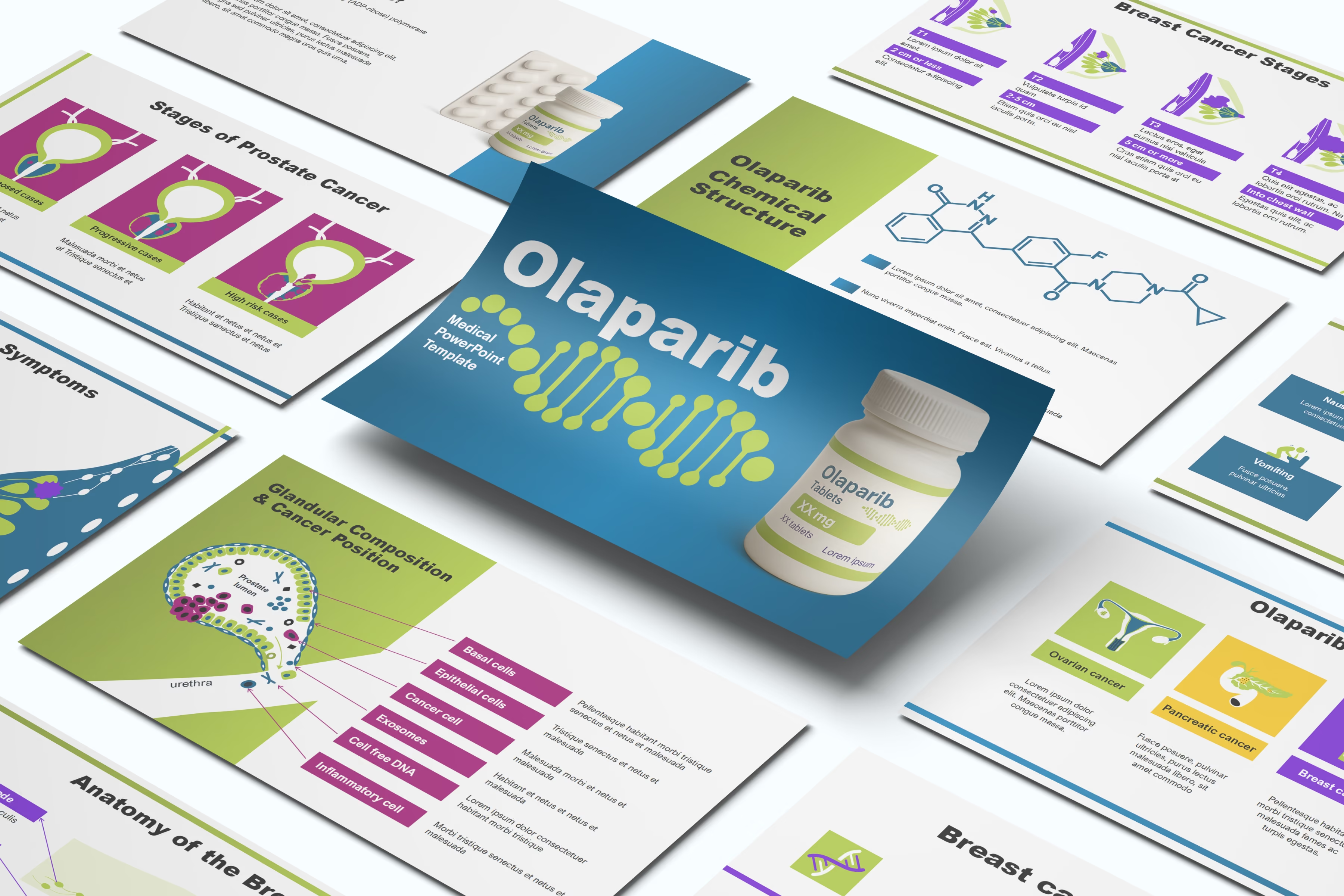
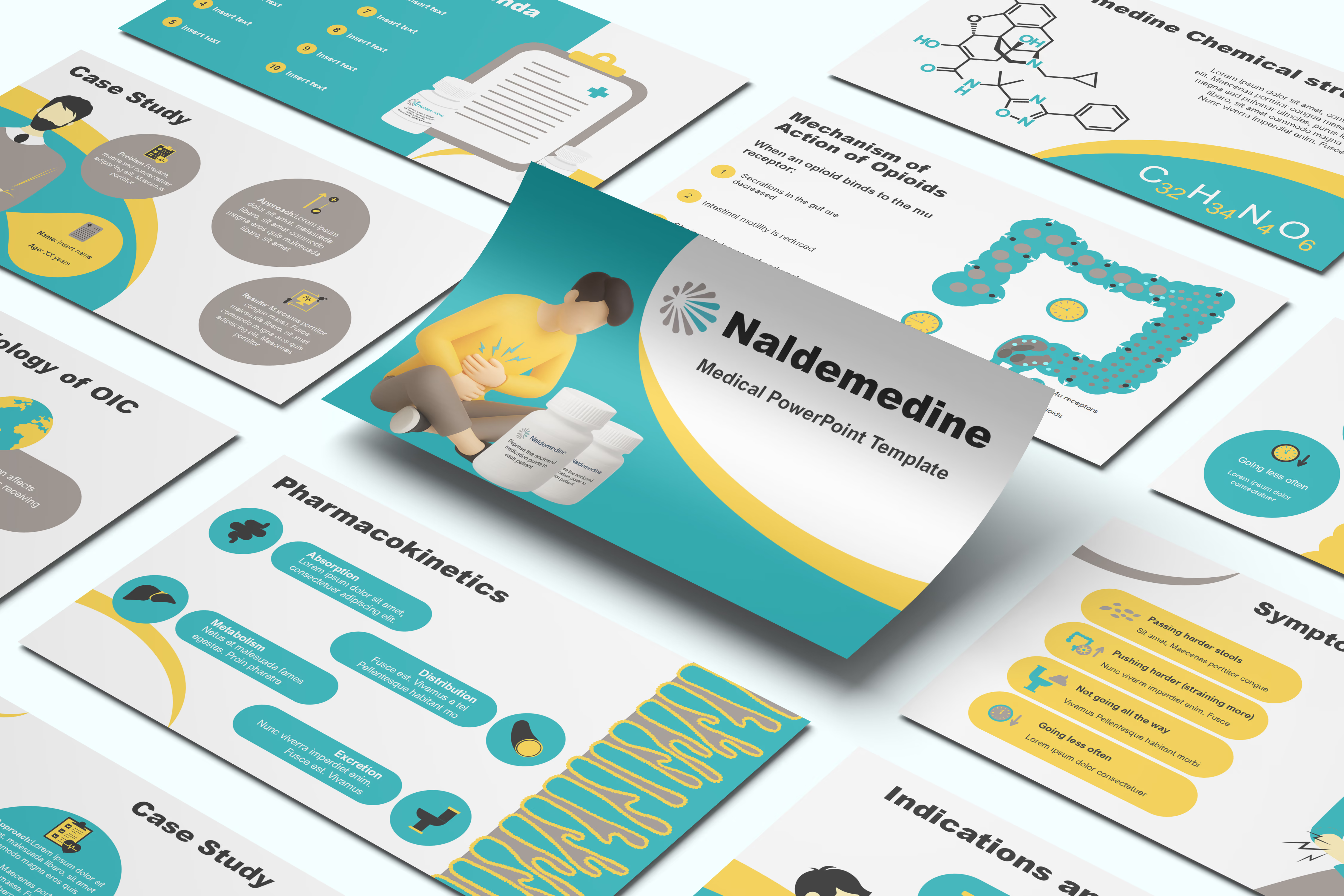
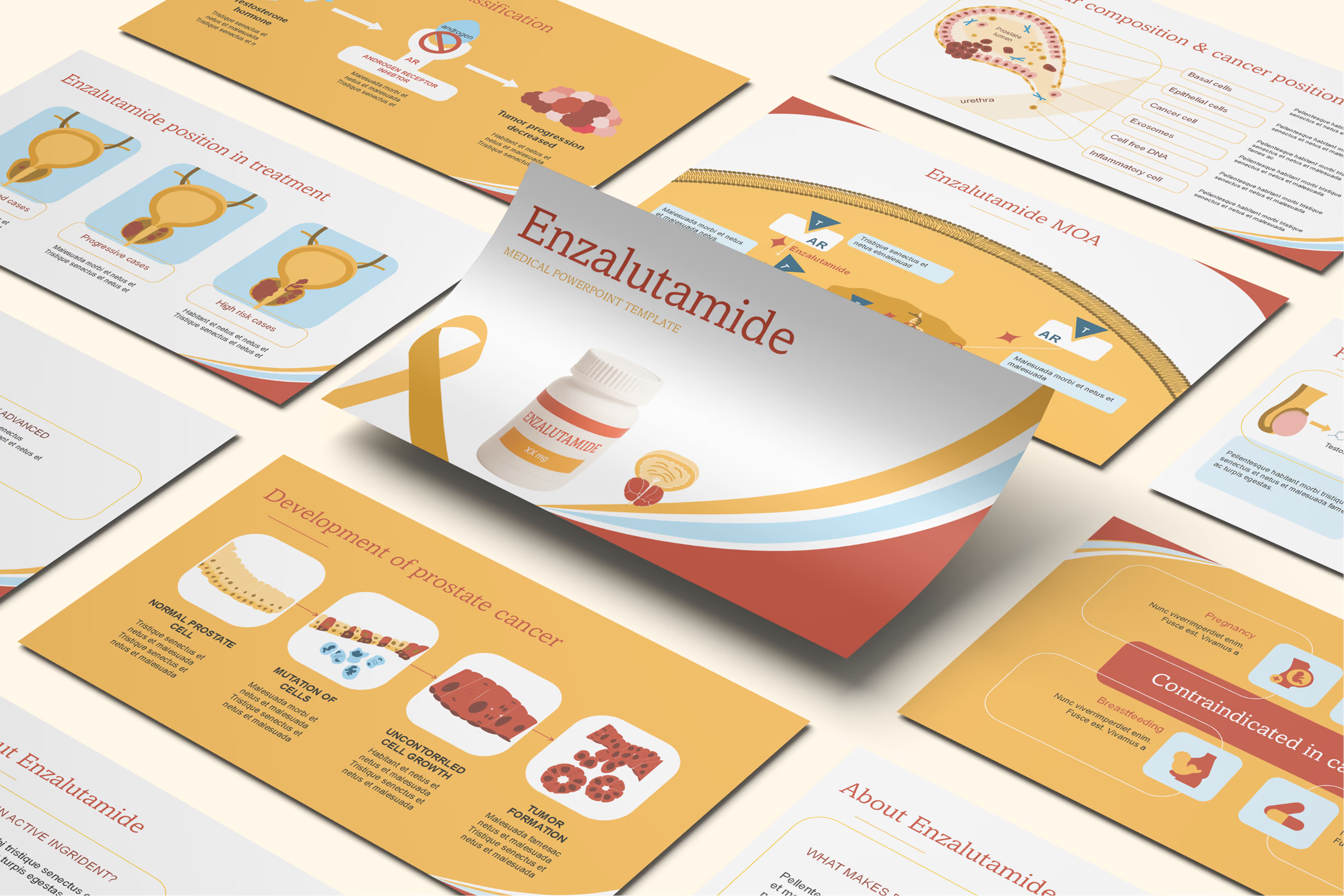
Template Preview
Designed for healthcare professionals creating clear and structured medical presentations.
Ideal for doctors, medical educators, and pharmaceutical teams preparing lectures, clinical education, product presentations, and training.
Fully editable in PowerPoint, allowing you to customize diagrams, charts, and slide layouts with your own medical content
Ready-to-use presentation structure that saves time and helps you build professional healthcare presentations quickly.
Fully Animated
Built-in animations help you present medical information clearly and make complex concepts easier to understand.
Editable Colors and Shapes
Editable colors and shapes help you easily customize the slides to match your content and presentation style, just drag and drop your content.
Professional medical layouts
Professional medical layouts help you organize clinical information, medical data, and treatment insights in a clear and structured way.

Created by Medical Professionals
This template prioritizes medical accuracy, clarity, and real-world usability. Each slide is designed with a medical audience in mind, helping you present clinical information, data, and treatment insights in a way that is structured, credible, and easy for healthcare professionals to understand.
Medical Training for Pharmaceutical & Life Sciences Companies

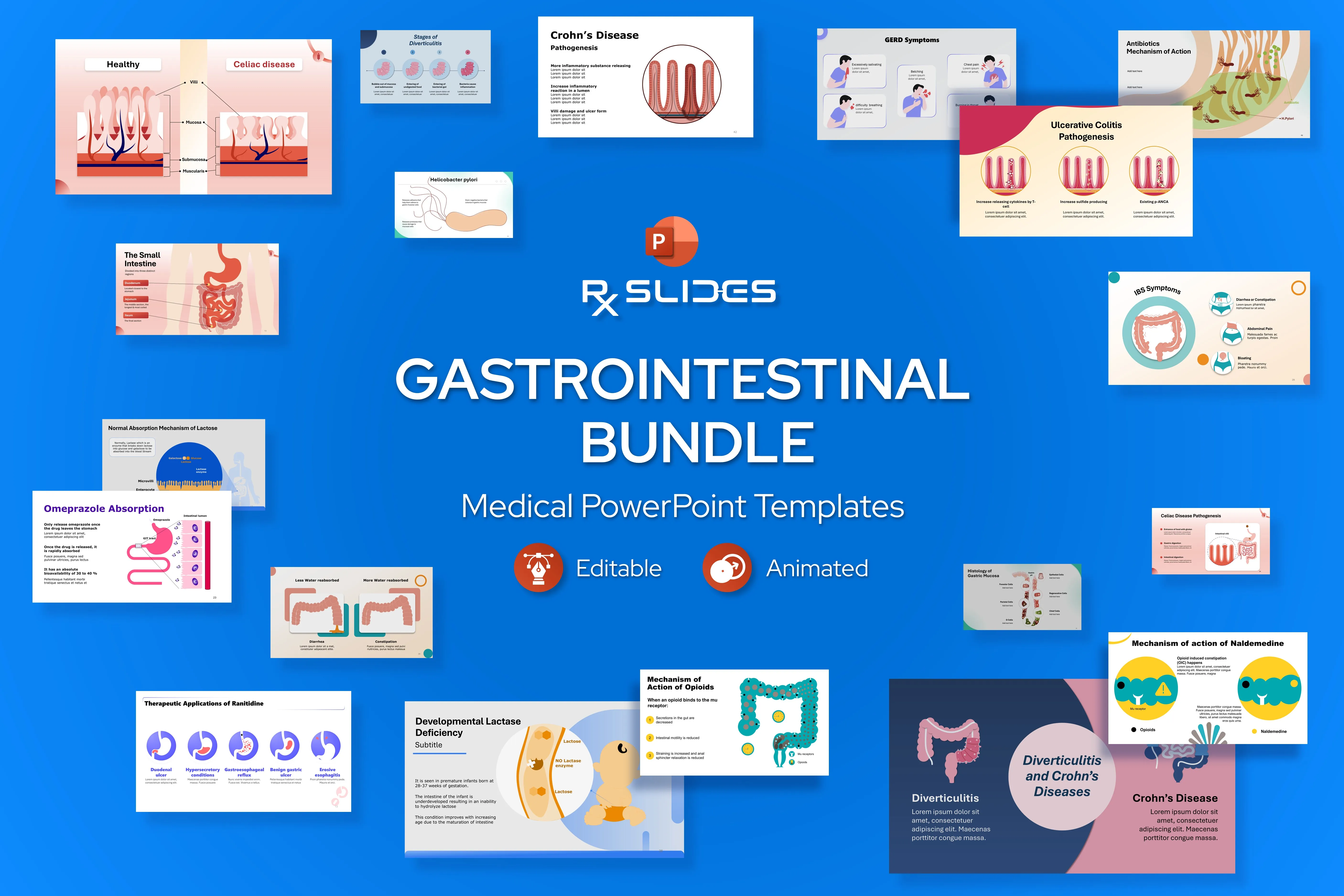
The bundle's 13 editable templates cover ten digestive conditions, from GERD, H. pylori infection, and peptic ulcer disease to Crohn's disease, ulcerative colitis, and gallstones, along with three medication templates on omeprazole, ranitidine, and naldemedine. Medical Affairs and training teams at pharmaceutical and life sciences companies can turn them into gastroenterology onboarding and refresher sessions, adding their own material and branding, for new MSLs and sales representatives before compound-specific training begins.
Medical Congress & Scientific Conference Presentations

Gastroenterologists and researchers presenting at congresses and scientific meetings can cover inflammatory bowel disease from two angles. The Crohn's disease template animates the immune response to gut bacteria through T-helper cells, cytokines, and macrophages. The ulcerative colitis template animates a pathogenesis built around three causes: T-cell cytokine release, sulfide-producing bacteria, and P-ANCA. Presenters add their own study data, endoscopy images, and patient cases.
Pharmaceutical Product & Medical Affairs Presentations
Medical Affairs and product teams supporting an acid-related therapy can put disease physiology beside medication slides. The peptic ulcer disease template animates how gastrin acts on parietal cells to drive acid secretion through the proton pump. The omeprazole and ranitidine templates animate irreversible binding at the H+/K+-ATPase and competitive binding at the histamine H2 receptor. The team adds its own product data, references, and approved messaging, and the presentations go through internal medical, legal, and regulatory review before they reach healthcare professionals.
eLearning & SCORM Training Modules

Learning and Development and corporate training teams building gastroenterology courses for sales trainees, new MSL hires, or nursing and clinical staff can work from any template in the bundle, adding their own content, data, and branding before the presentation is converted into a SCORM-compliant module for the company's LMS. When a course needs a narrower scope, more depth, or different branding, the RxSlides team can customize the template, and if nothing in the bundle suits the course, a fully custom presentation can be designed from scratch.
Medical & Healthcare Education
Medical and nursing instructors and gastroenterology educators can follow the digestive tract from top to bottom across the condition templates. The route runs from the gastroesophageal junction in GERD and the stomach and duodenum in peptic ulcer disease to the small intestinal villi in celiac disease and the large intestine in diverticulitis. Instructors add their own teaching content and clinical cases.


Anatomy slides go into the structures each condition affects: the right and left hepatic ducts and common bile duct in the gallstones template, the six layers of the small intestinal wall in celiac disease, the enterocyte and its microvilli in lactose intolerance, and the enteric nervous system in IBS. Physiology slides explain how bile emulsifies fat, how lactase breaks down lactose before absorption, and how water reabsorption differs between diarrhea and constipation. Every illustration is original vector artwork drawn by medical professionals trained in medical illustration, so you can resize, recolor, and modify each element and adjust its animations in PowerPoint.
Animated pathogenesis slides show a weakened lower esophageal sphincter letting acid reflux in GERD, cholesterol and bilirubin building into gallstones, raised colonic pressure leading to diverticulitis, and the gut-brain axis in IBS. The peptic ulcer disease template traces ulcers to H. pylori adhesion, NSAID-related loss of prostaglandin protection, and Zollinger-Ellison syndrome. The celiac disease template follows gluten from digestion to T-cell activation and epithelial damage. Classification slides sort gallstones into cholesterol, bilirubin, and mixed types and IBS into constipation-predominant, diarrhea-predominant, and mixed, with a Bristol stool chart. They also divide lactose intolerance into primary, secondary, congenital, and developmental forms.
Diagnostic slides include endoscopy in the GERD, peptic ulcer disease, and celiac disease templates, colonoscopy across the Crohn's disease, ulcerative colitis, diverticulitis, and IBS templates, the hydrogen breath test for lactose intolerance, and ultrasound for gallstones. Treatment slides range from laparoscopic cholecystectomy and ursodeoxycholic acid to a low-FODMAP diet for IBS and lactase enzyme replacement. For peptic ulcer disease, they cover antibiotics, proton pump inhibitors, H2 receptor antagonists, and antacids. The omeprazole template adds pharmacokinetics, side effects, and drug interactions, and the ranitidine template compares ranitidine with famotidine, cimetidine, and omeprazole.
The bundle includes templates on celiac disease, Crohn's disease, diverticulitis, gallstones, GERD, H. pylori, irritable bowel syndrome, lactose intolerance, peptic ulcer disease, and ulcerative colitis, along with the medications naldemedine, omeprazole, and ranitidine. Each template was built on its own visual theme, which matters when the same audience attends several gastroenterology sessions in one program. The templates are editable in PowerPoint, and you can contact us to have the RxSlides team edit them for you if needed.
Ready To Transform Your Presentation ?
Pay once, use forever