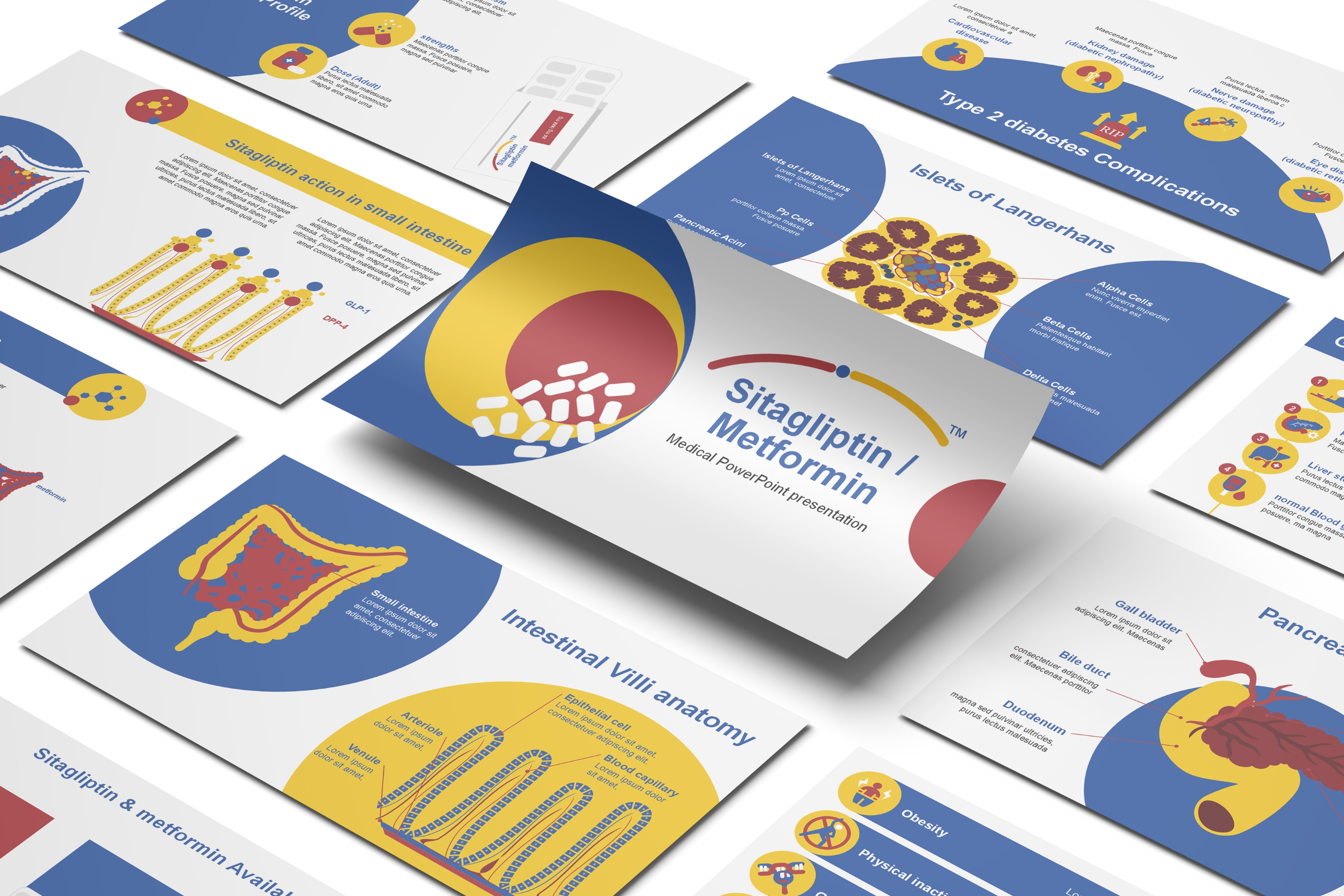
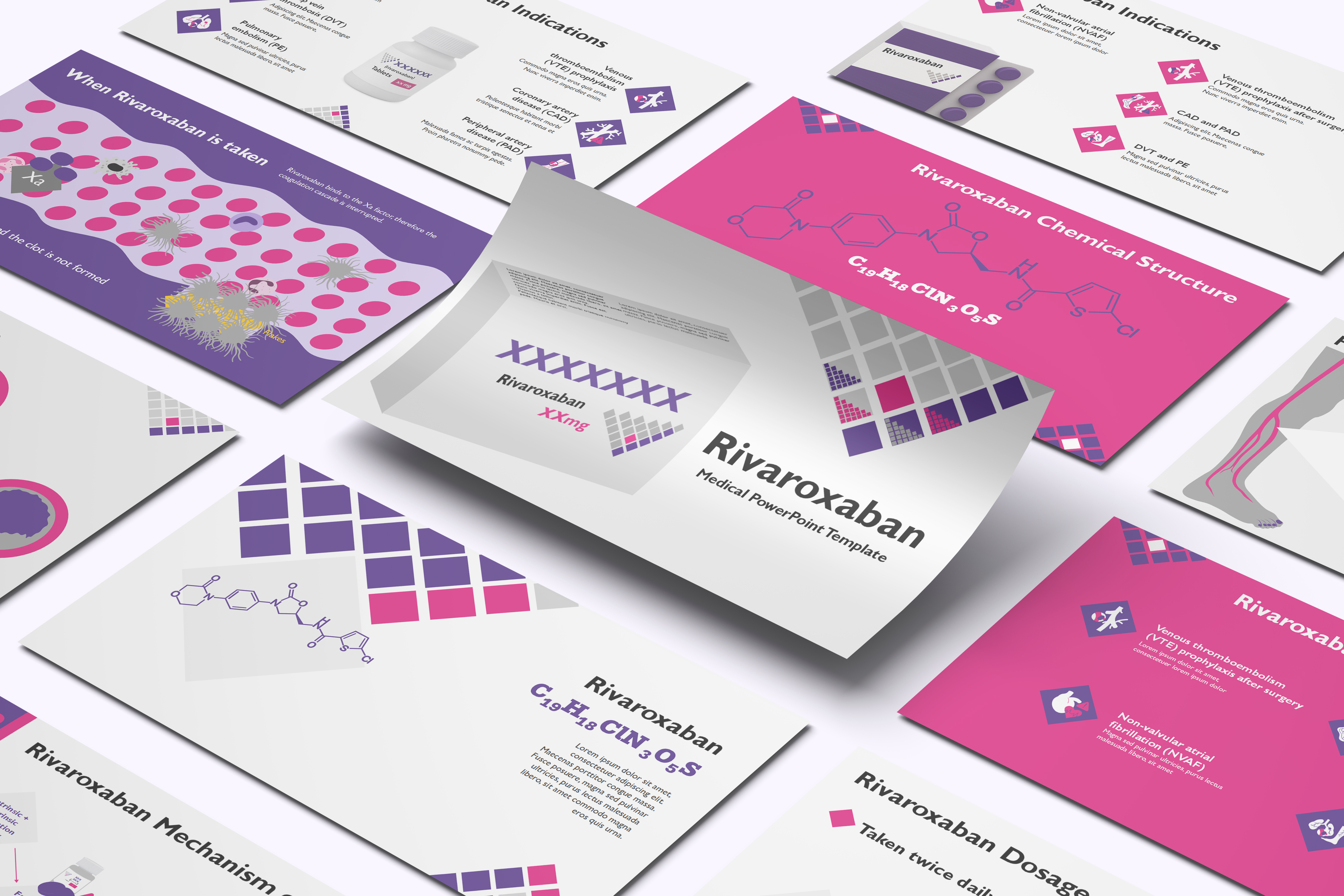
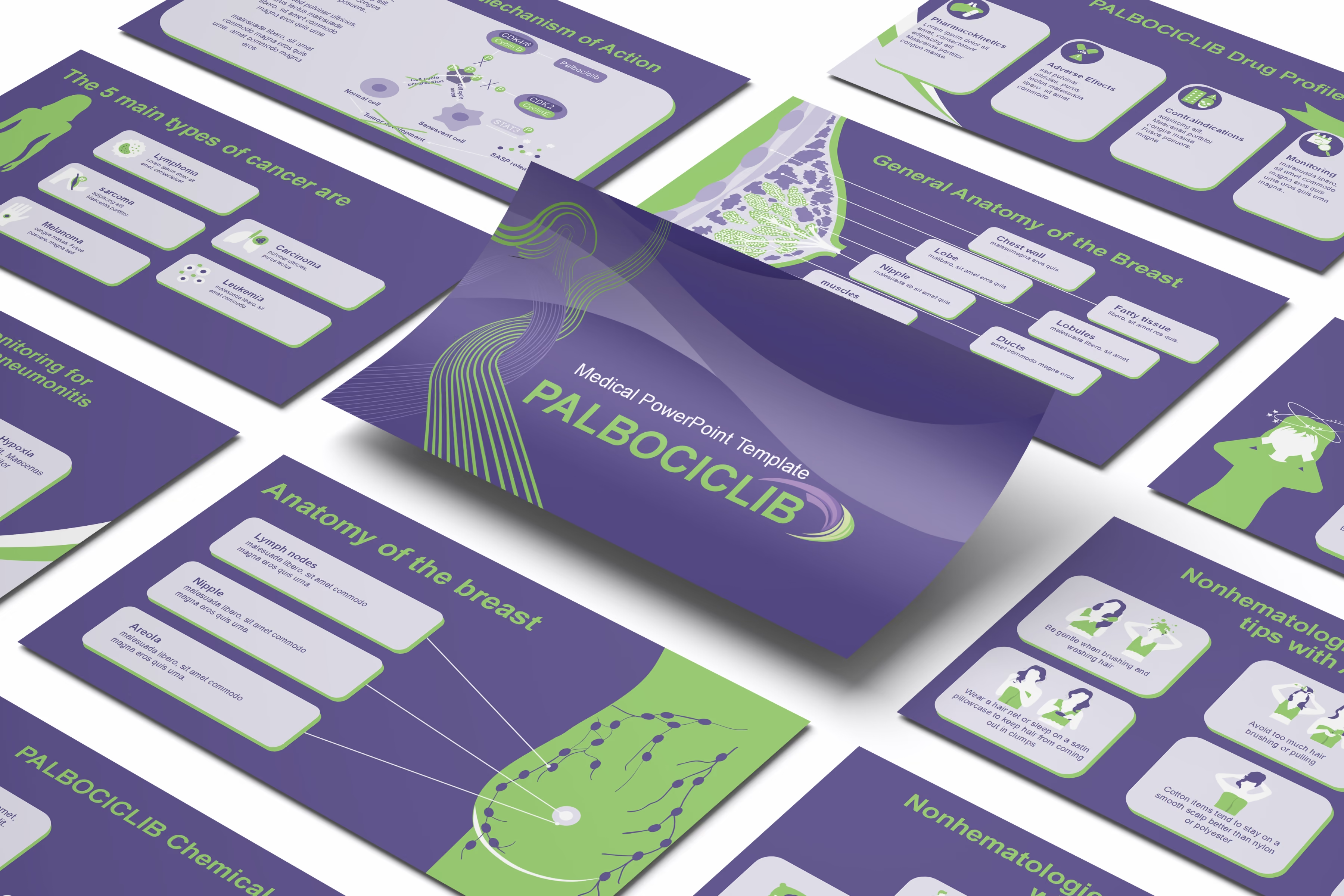
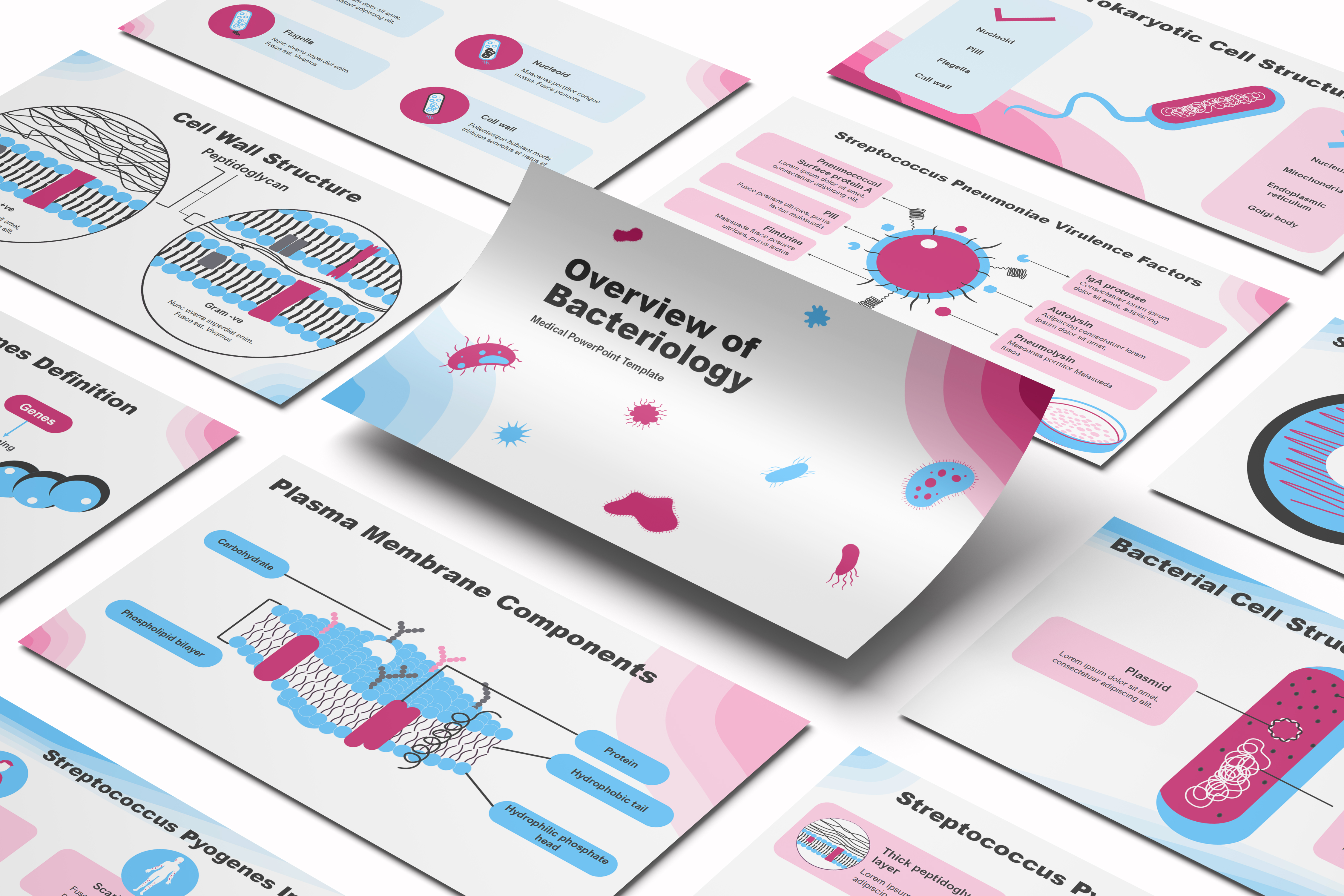
Hypertension PowerPoint Presentation Template

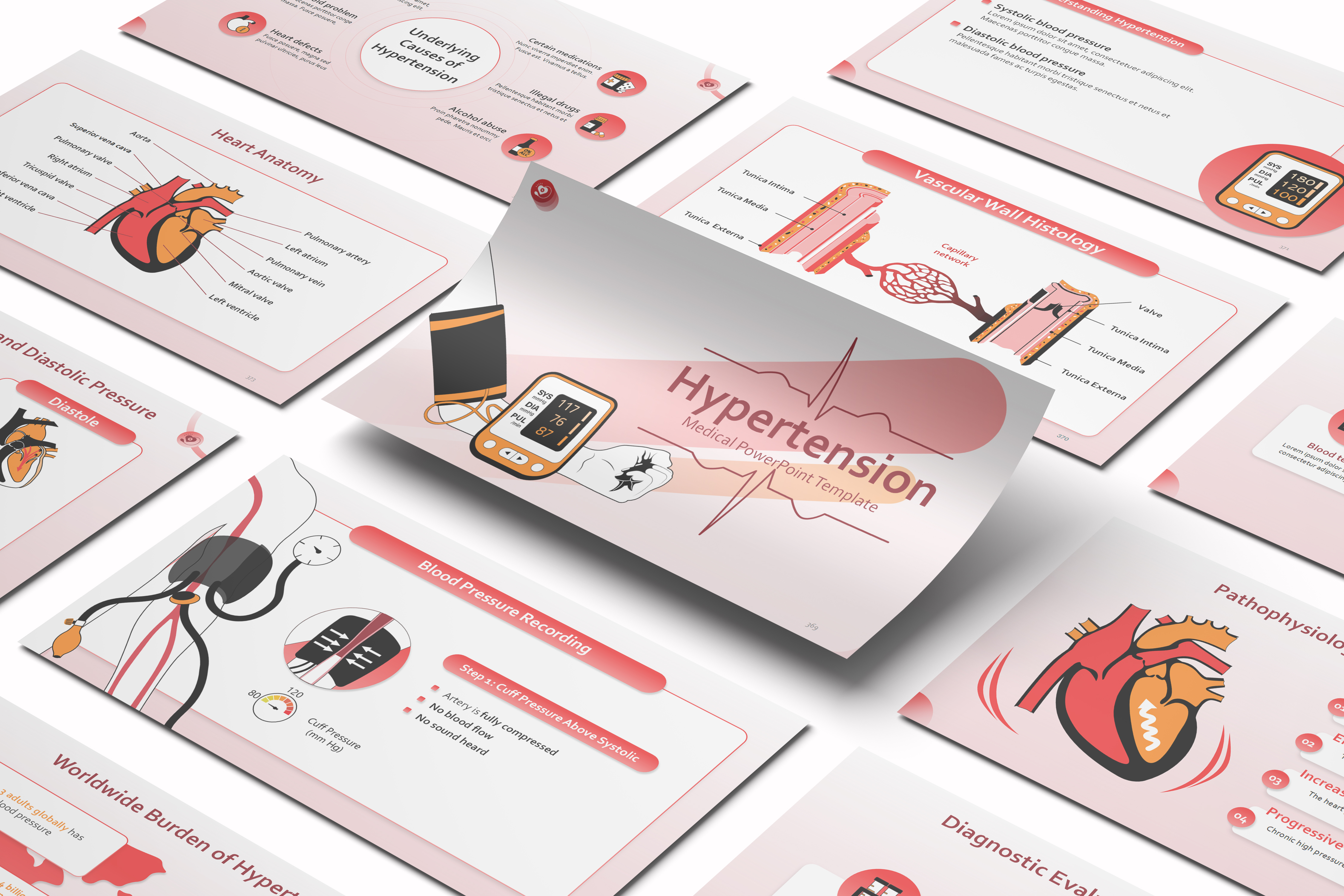




Template Preview
Designed for healthcare professionals creating clear and structured medical presentations.
Ideal for doctors, medical educators, and pharmaceutical teams preparing lectures, clinical education, product presentations, and training.
Fully editable in PowerPoint, allowing you to customize diagrams, charts, and slide layouts with your own medical content
Ready-to-use presentation structure that saves time and helps you build professional healthcare presentations quickly.
Fully Animated
Built-in animations help you present medical information clearly and make complex concepts easier to understand.
Editable Colors and Shapes
Editable colors and shapes help you easily customize the slides to match your content and presentation style, just drag and drop your content.
Professional medical layouts
Professional medical layouts help you organize clinical information, medical data, and treatment insights in a clear and structured way.

Created by Medical Professionals
This template prioritizes medical accuracy, clarity, and real-world usability. Each slide is designed with a medical audience in mind, helping you present clinical information, data, and treatment insights in a way that is structured, credible, and easy for healthcare professionals to understand.
Medical Training for Pharmaceutical & Life Sciences Companies
Cardiology and primary-care sales teams can build hypertension onboarding around the template's heart anatomy and systolic-versus-diastolic pressure illustrations before a single therapy conversation begins. New hires study the primary-versus-secondary pathogenesis pathways and the stress, genetic, and diabetes-driven risk factors, alongside the beta-blocker, calcium-channel-blocker, and diuretic mechanism slides, before they are cleared to discuss a product with cardiologists and internists. The stage-based blood pressure data table gives trainers a guideline-aligned foundation without needing a cardiovascular illustrator on staff. New hires leave onboarding equipped to match a given therapy to the correct point along that risk-factor-to-management continuum, not just recite a drug class.

Medical Congress & Scientific Conference Presentations
Cardiologists and academic Key Opinion Leaders preparing a hypertension congress session can start from the template's world-map epidemiology layout, showing regional prevalence and global burden, instead of assembling population data from separate sources. A medical professor lecturing on pathogenesis can adapt the cellular and systemic mechanism slides to walk through how chronic hypertension develops and progresses. The stage-based data table and symptom catalog give a clinical case presentation a structured path from diagnosis to prognosis. Presenters build their talk around the existing progression, adding their own outcomes data without redrawing a single diagram.

Pharmaceutical Product & Medical Affairs Presentations
Medical Affairs teams supporting a cardiovascular portfolio can adapt the template's pathogenesis and staging slides to position a therapy within hypertension management, from lifestyle modification through beta-blocker, calcium-channel-blocker, or diuretic therapy. Medical Science Liaisons carry the resulting materials into scientific exchange with cardiologists and primary-care physicians, referencing the same stage-based blood-pressure data those clinicians already use to guide treatment decisions. Because the pharmacological and non-drug management content sits in separate sections, Medical Affairs can shift emphasis toward a specific drug class without commissioning new illustrations. The template supplies the scientific groundwork; each company still applies its own medical and compliance review before anything reaches the field.

eLearning & SCORM Training Modules
Institution-specific care pathways turn this Hypertension template into customized coursework for cardiology nurse educators and instructional designers, who can then optionally convert the finished presentation into a SCORM-compliant module for nursing staff or primary-care trainees on an LMS. Out of the box, the 55-plus-slide template is a comprehensive reference set rather than a paced course. Because the anatomy, pathogenesis, staging, and treatment content already builds in a clinical progression, a customized version reaches certification-ready SCORM status without restructuring the underlying sequence. For programs with different needs, the RxSlides team can also adjust scope, depth, or branding, or design a fully custom cardiovascular presentation from scratch.
Medical & Healthcare Education
Medical and nursing school faculty teaching blood pressure regulation can use the template's heart anatomy and systolic-versus-diastolic illustrations to establish the physiological basis before introducing pathology, instead of assembling reference diagrams from multiple sources. Public health programs preparing community-based blood pressure education can adapt the same four-pillar framework built for the general public. Editable stage-based data tables let an instructor adjust depth for a preclinical, clinical, or public-health audience. Students and community members alike leave with a structured understanding of how hypertension progresses from risk factor to advanced disease.
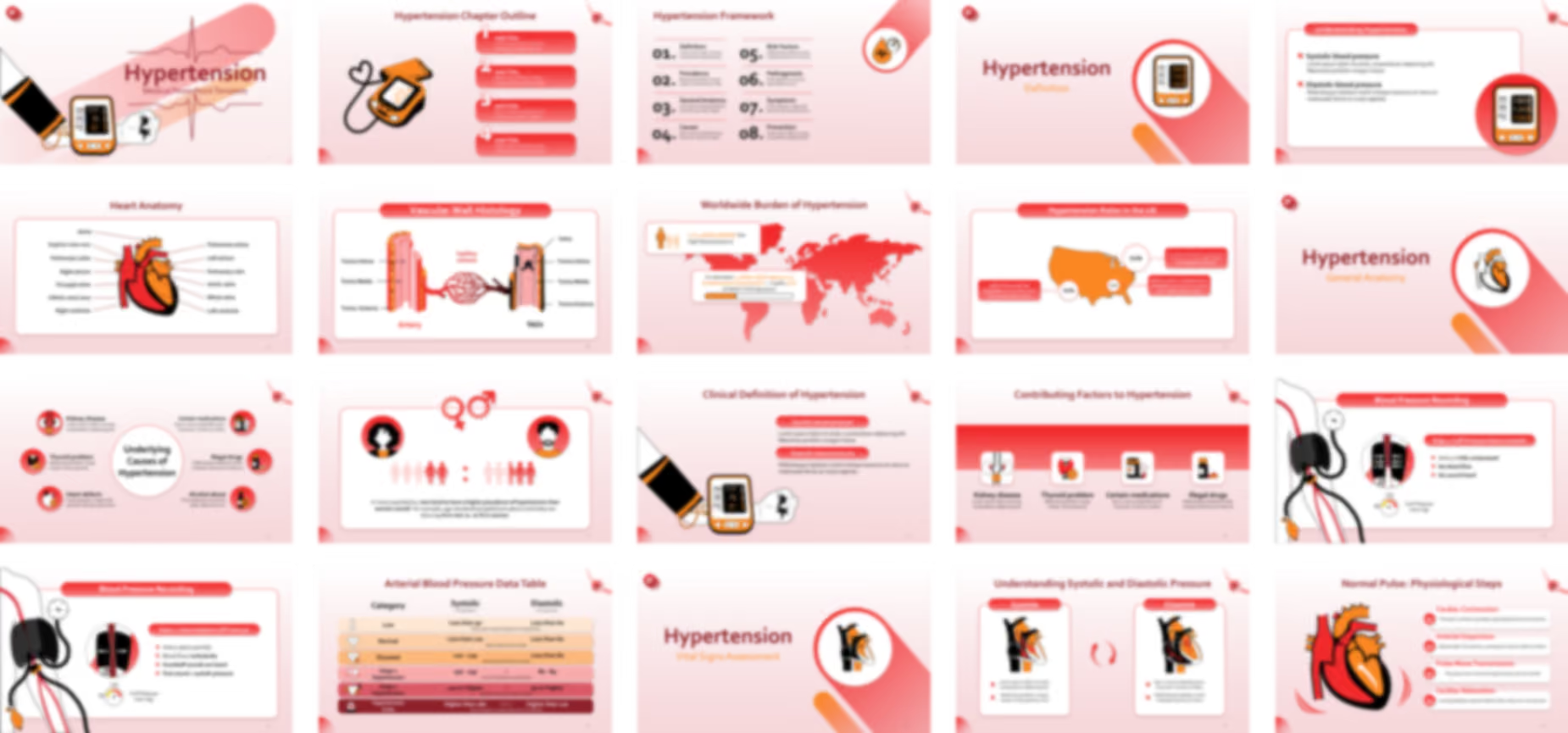
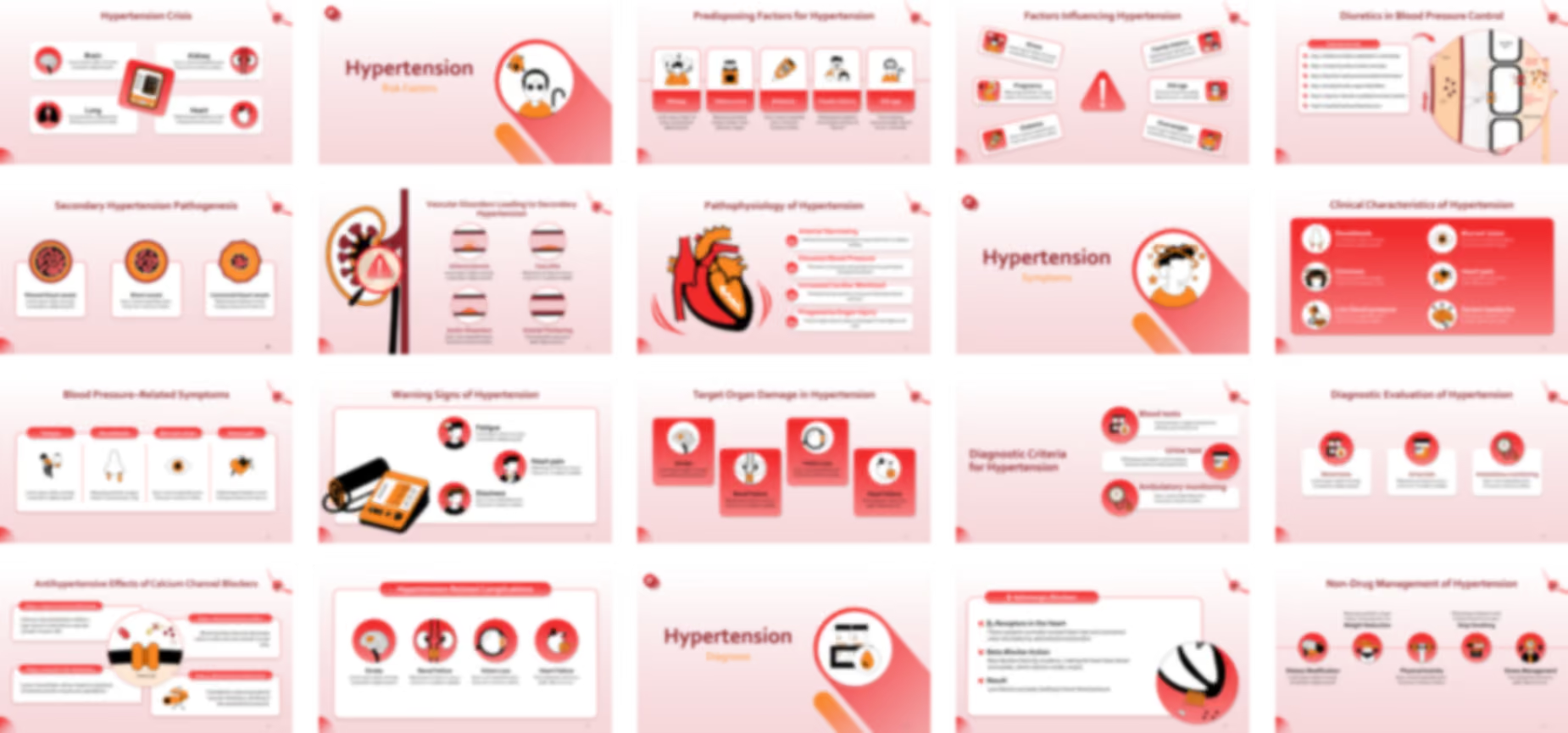
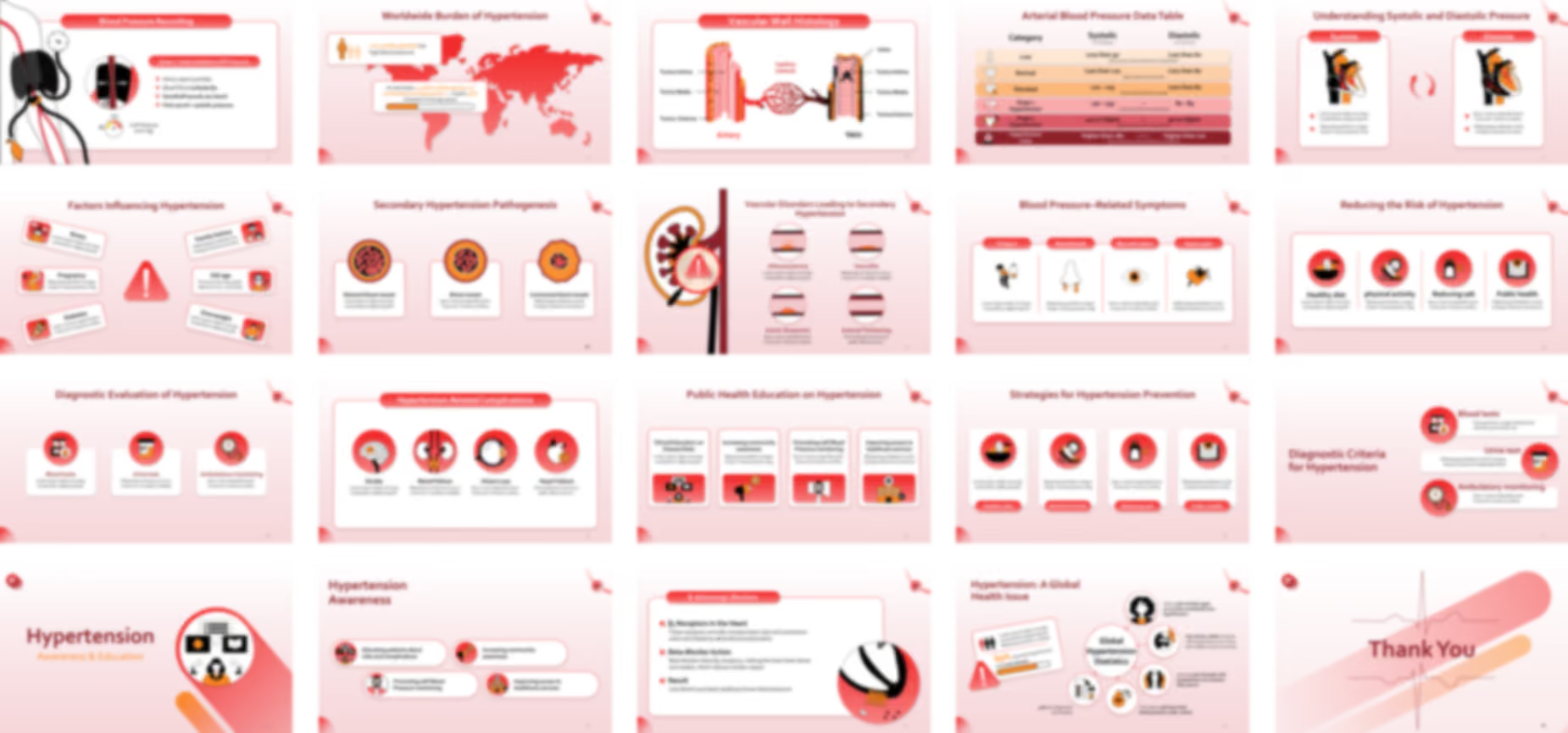
The Hypertension PowerPoint template opens with creative cover slides and an editable table of contents before an animated definition slide explains blood pressure as the force circulating blood exerts on vessel walls, distinguishing systolic from diastolic pressure and showing how it is measured at the brachial artery. An infographic then visualizes prevalence with changeable percentages according to your data.
Customizable icons cover risk factors including family history, obesity, kidney disease, stress, and smoking before animated illustrations detail causes such as gender, genetics, age, alcohol, and lack of physical activity. Establishing these contributing factors first gives educators a shared reference point before an editable infographic explains the pathogenesis, tracing how cardiac output, blood volume, and the baroreceptor and renin pathways raise arterial pressure.
Animated illustrations stage the condition from normal through elevated, stage one, and stage two before further slides explain its effects on blood vessels, accelerated atherosclerosis, the heart, brain, kidneys, and eyes. Animated vector shapes then depict symptoms including blurry vision, nausea, shortness of breath, and chest pain.
The presentation covers diagnostic measures such as blood tests, urine dip, and ECG before icons detail treatment options including diuretics, beta blockers, and ACE inhibitors. The medical presentation template closes with complications such as heart failure and stroke and editable prevention slides covering diet, sleep, and regular checkups.
Ready To Transform Your Presentation ?
Pay once, use forever