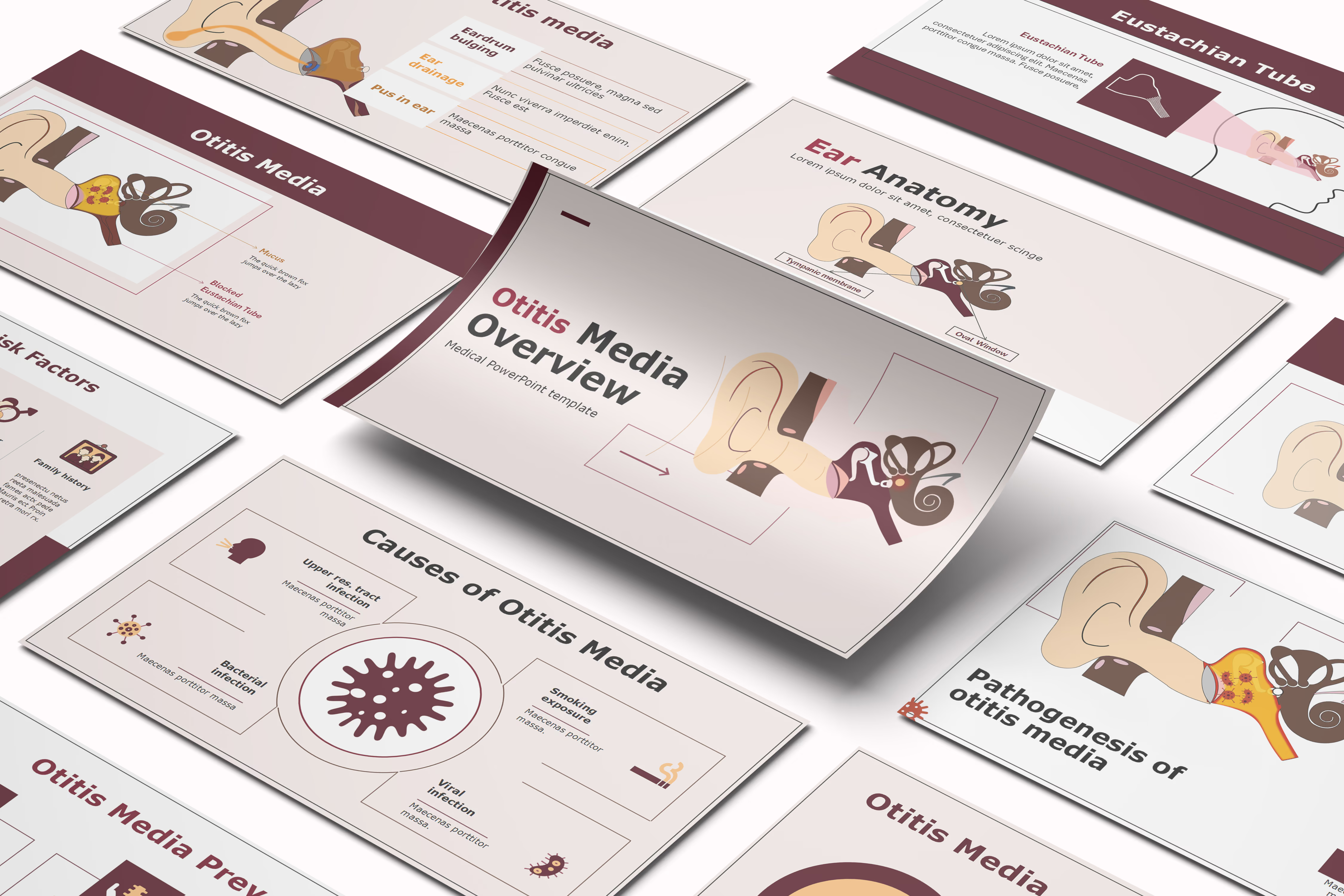
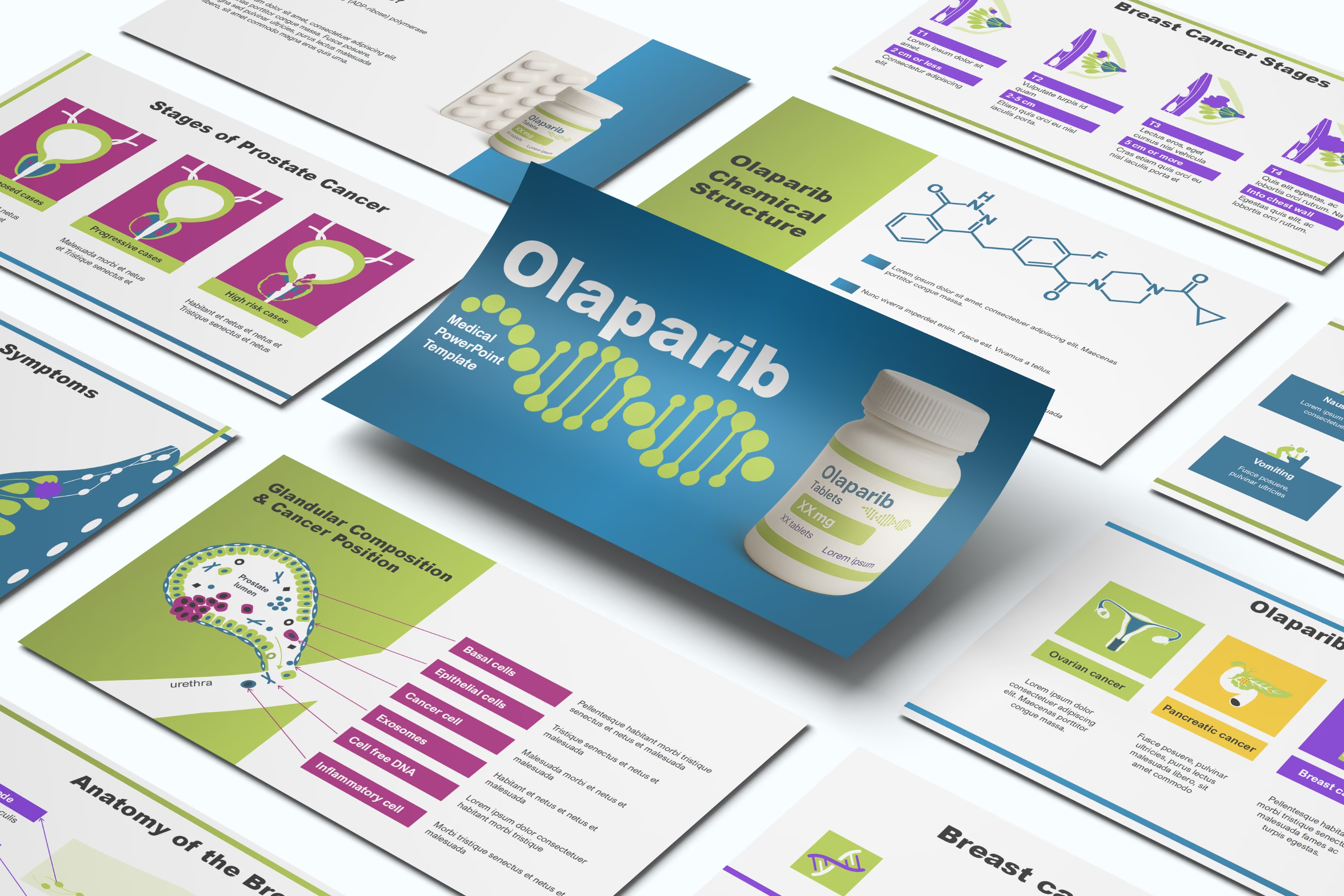
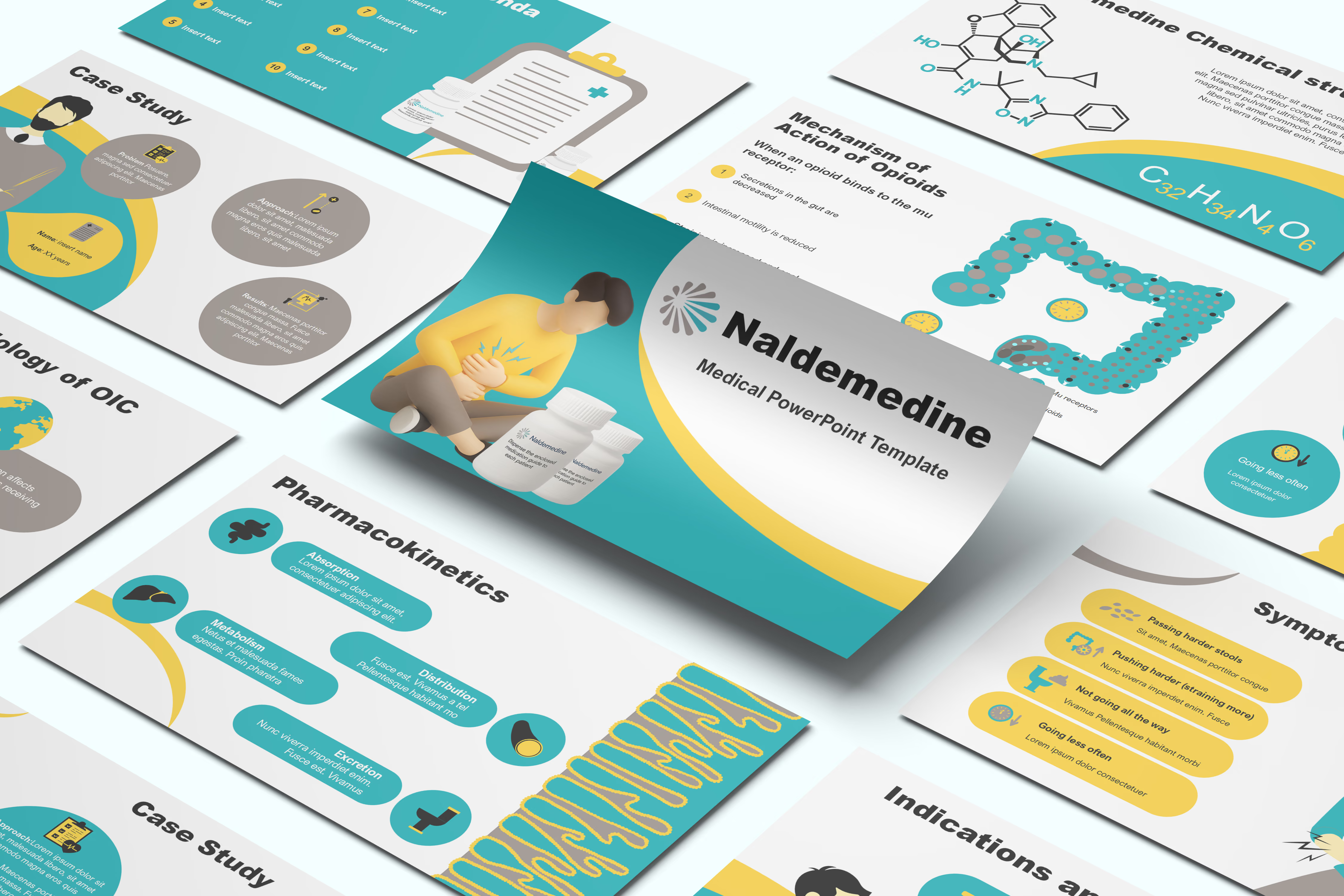
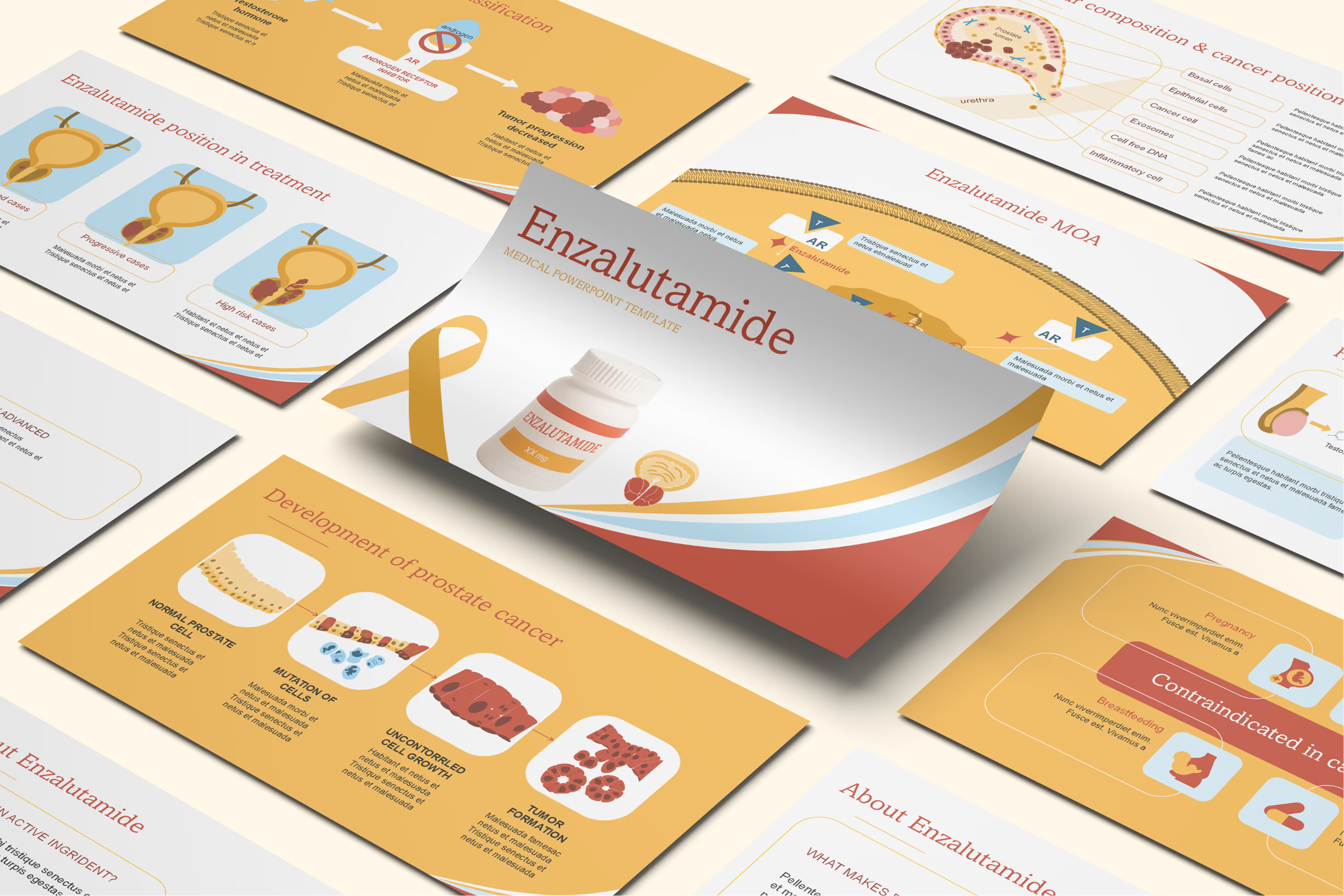
Loratadine PowerPoint Template




Template Preview
Designed for healthcare professionals creating clear and structured medical presentations.
Ideal for doctors, medical educators, and pharmaceutical teams preparing lectures, clinical education, product presentations, and training.
Fully editable in PowerPoint, allowing you to customize diagrams, charts, and slide layouts with your own medical content
Ready-to-use presentation structure that saves time and helps you build professional healthcare presentations quickly.
Fully Animated
Built-in animations help you present medical information clearly and make complex concepts easier to understand.
Editable Colors and Shapes
Editable colors and shapes help you easily customize the slides to match your content and presentation style, just drag and drop your content.
Professional medical layouts
Professional medical layouts help you organize clinical information, medical data, and treatment insights in a clear and structured way.

Created by Medical Professionals
This template prioritizes medical accuracy, clarity, and real-world usability. Each slide is designed with a medical audience in mind, helping you present clinical information, data, and treatment insights in a way that is structured, credible, and easy for healthcare professionals to understand.
Pharmaceutical Product & Medical Affairs Presentations
Medical Affairs teams supporting a second-generation antihistamine or broader allergy portfolio can put this 55-plus-slide Loratadine template to work as scientific-exchange groundwork, covering the selective H1-receptor-antagonism mechanism without referencing a specific brand. Medical Science Liaisons can reference the pharmacokinetic content, CYP3A4 and CYP2D6 metabolism, when a scientific exchange conversation calls for context on drug-interaction potential. Receptor pharmacology, not brand promotion, is what carries this presentation, and the customer's own medical and compliance team still has to approve it before it reaches any audience. Allergy and primary care teams gain a consistent scientific reference spanning mechanism, indications, and the adverse-reaction profile.
Medical Congress & Scientific Conference Presentations
Allergists preparing a conference session can build around this Loratadine template's H1-receptor-antagonism animation, tracing competitive histamine-receptor binding through symptom relief, rather than assembling antihistamine-pharmacology diagrams independently. The first-generation-versus-second-generation antihistamine classification gives a speaker a ready framework for a within-class positioning discussion. A Key Opinion Leader presenting at an allergy conference can pair the existing clinical-study content with their own institutional prescribing data. The urticaria-versus-allergic-rhinitis indication content keeps the discussion clinically current for a specialist audience.
Medical Training for Pharmaceutical & Life Sciences Companies
Allergy and primary care training teams onboarding new sales reps can structure introductory sessions around this Loratadine template's antihistamine-classification foundation, first- versus second-generation, before moving into the drug-specific H1-receptor mechanism. New hires get a visual reference for the dosage-form and brand landscape, tablets, capsules, and syrup, under Alavert and Claritin at 5mg and 10mg strengths. The adverse-reaction content, headache, dry mouth, nervousness, and fatigue, gives trainees a structured safety-communication reference. New reps finish training able to explain why loratadine's receptor-selectivity mechanism produces less sedation than first-generation antihistamines.
eLearning & SCORM Training Modules
Pharmacy schools and allergy fellowship programs building an antihistamine pharmacology module can customize this Loratadine template with their own case data, then convert the finished presentation into a SCORM-compliant module for their learning management system when self-paced study fits the curriculum better. The H1-receptor-mechanism animation translates naturally into interactive checkpoints within a broader allergy pharmacology course. When a program needs a narrower scope, such as the adverse-reaction content alone or a version tailored for nursing versus pharmacy learners, the RxSlides team can adjust the template's coverage and branding. The RxSlides team can also take on a fully custom, from-scratch build for training objectives the current catalog doesn't cover.
Medical & Healthcare Education
Medical and pharmacy school faculty teaching allergy pharmacology can use this template's antihistamine-classification slides to establish where loratadine fits within its drug class before introducing its H1-receptor mechanism. The indication content gives students a clear framework for understanding which allergic conditions this second-generation antihistamine is used to treat. The adverse-reaction content connects classroom pharmacology to the patient-counseling points students will need in practice. Students leave with a structured understanding of loratadine's mechanism, indications, and the safety profile that governs its use.
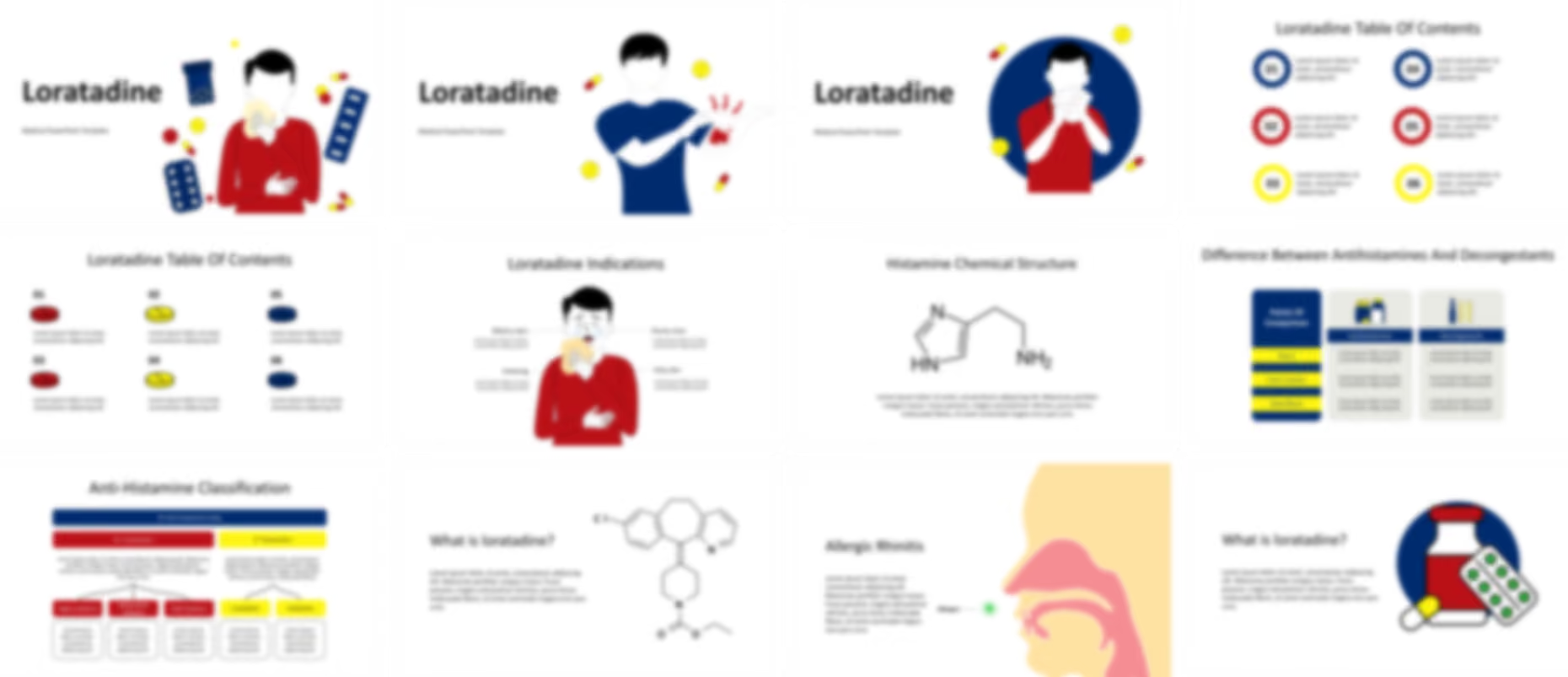
The Loratadine PowerPoint template opens with cover slides and an editable table of contents before an overview of antihistamines classifies first and second generation drugs and distinguishes antihistamines from decongestants. An introductory slide then illustrates loratadine's chemical structure as a second generation antihistamine.
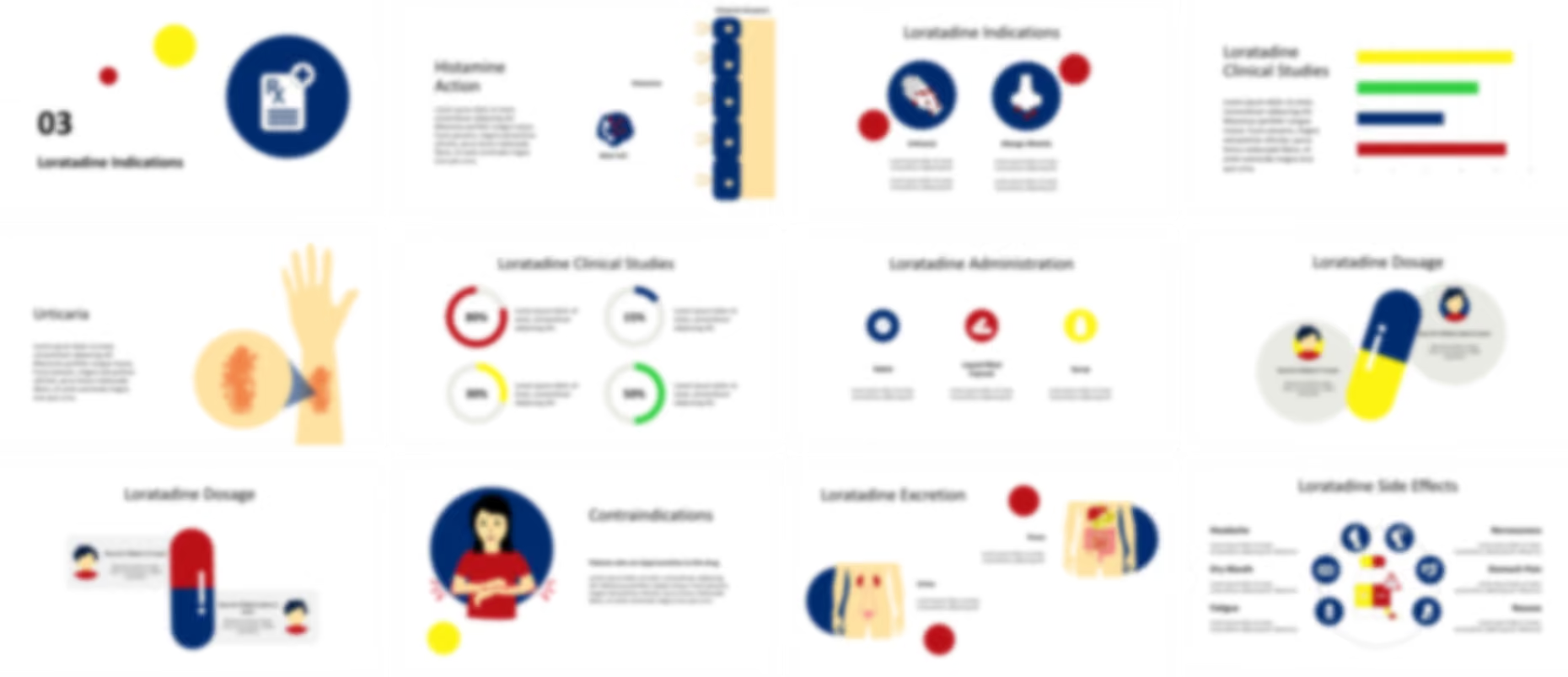
Indications are presented through illustrations covering allergic rhinitis and urticaria, before dosage form content details oral tablets, capsules, and syrup, marketed under the brands Alavert and Claritin in 5 and 10 milligram concentrations, in this editable medical presentation template.
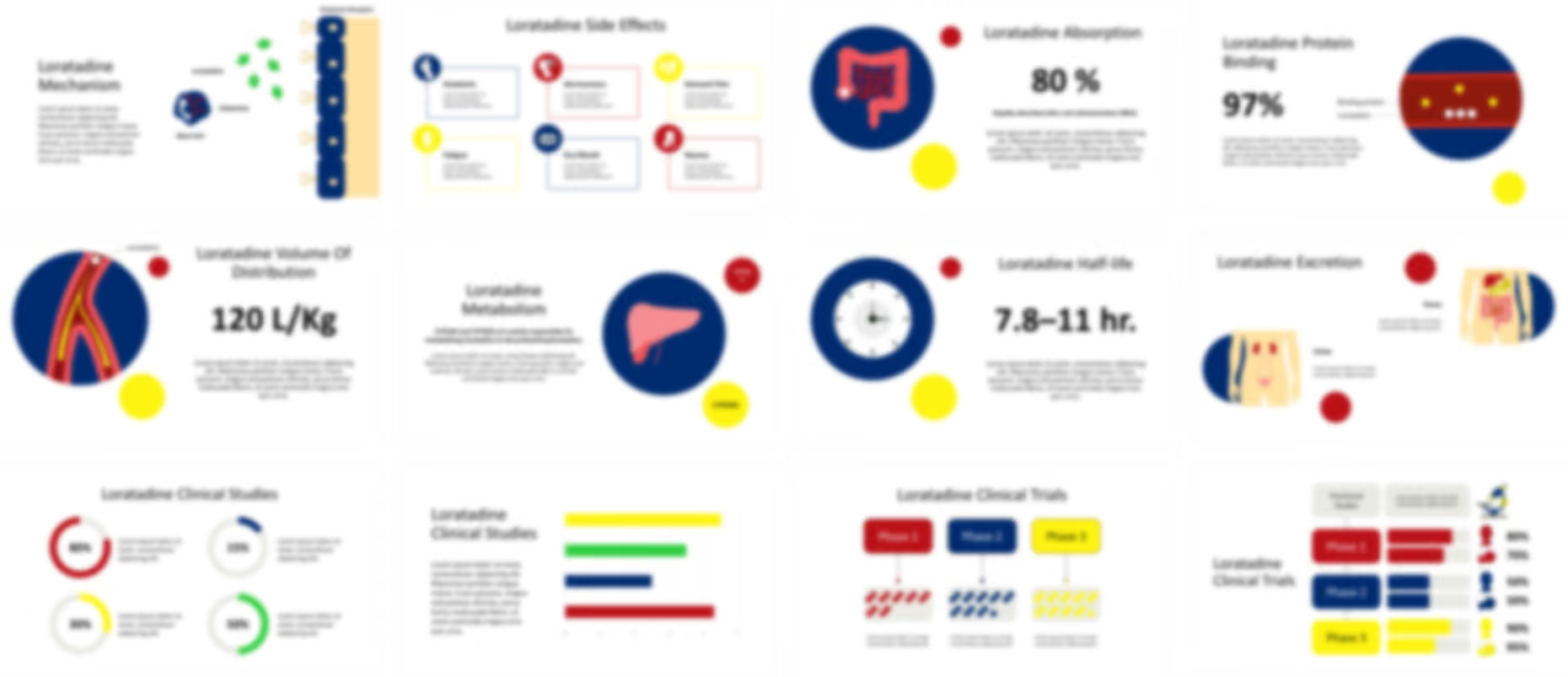
An animated illustration explains the mechanism of action, showing loratadine acting as a selective antagonist of histamine H1 receptors that competes with histamine for receptor binding. Establishing this receptor competition first gives educators a shared reference point before medical icons present adverse reactions including headaches, dry mouth, nervousness, and fatigue.
Medical graphs illustrate pharmacokinetics, including extensive hepatic metabolism by CYP3A4 and CYP2D6 and elimination primarily through urine, alongside protein binding and volume of distribution. The template closes with clinical study visuals for comparing loratadine against market competitors, plus a set of customizable icons and illustrations for allergy education.
Ready To Transform Your Presentation ?
Pay once, use forever