Metformin PowerPoint Template




Template Preview
Designed for healthcare professionals creating clear and structured medical presentations.
Ideal for doctors, medical educators, and pharmaceutical teams preparing lectures, clinical education, product presentations, and training.
Fully editable in PowerPoint, allowing you to customize diagrams, charts, and slide layouts with your own medical content
Ready-to-use presentation structure that saves time and helps you build professional healthcare presentations quickly.
Fully Animated
Built-in animations help you present medical information clearly and make complex concepts easier to understand.
Editable Colors and Shapes
Editable colors and shapes help you easily customize the slides to match your content and presentation style, just drag and drop your content.
Professional medical layouts
Professional medical layouts help you organize clinical information, medical data, and treatment insights in a clear and structured way.

Created by Medical Professionals
This template prioritizes medical accuracy, clarity, and real-world usability. Each slide is designed with a medical audience in mind, helping you present clinical information, data, and treatment insights in a way that is structured, credible, and easy for healthcare professionals to understand.
Pharmaceutical Product & Medical Affairs Presentations
Medical Affairs teams supporting a biguanide or broader type 2 diabetes portfolio can put this 105-plus-slide Metformin template to work as scientific-exchange groundwork, covering the OCT1-receptor-mediated hepatic mechanism and the AMP-to-ADP-ratio pathway that ultimately suppresses glucose production, without referencing a specific brand. Medical Science Liaisons can reference the FPG-and-HbA1c pharmacodynamic content when a scientific exchange conversation calls for context on glycemic-control outcomes. Hepatic glucose metabolism, not a specific brand, is the substance of this presentation, and Medical Affairs still routes it through the customer's own medical and compliance team before any audience sees it. Endocrinology and primary care teams gain a consistent scientific reference spanning mechanism, indications, and the lactic-acidosis black-box warning.
Medical Congress & Scientific Conference Presentations
Endocrinologists preparing a conference session can build around this Metformin template's hepatic-glucose-production animation, tracing the mitochondrial ATP-to-cAMP-to-glycogenolysis cascade before showing how metformin's OCT1-mediated mechanism interrupts it, rather than assembling hepatocyte-signaling diagrams independently. The off-label indication content, PCOS, gestational diabetes, and antipsychotic-induced weight gain, gives a speaker a ready framework for a use-case-expansion discussion. A Key Opinion Leader presenting at an endocrinology conference can pair the existing epidemiology content with their own regional prevalence data. The lactic-acidosis toxicity content keeps the discussion clinically current for a specialist audience.
Medical Training for Pharmaceutical & Life Sciences Companies
Endocrinology and primary care training teams onboarding new sales reps can structure introductory sessions around this Metformin template's diabetes-overview foundation, insulin physiology and type 1 versus type 2 pathogenesis, before moving into the drug-specific biguanide mechanism. New hires get a visual reference for the multi-brand landscape, Glucophage and Glucophage XR by Merck alongside Axpinet and Diagemet, across 500mg, 850mg, and 1000mg strengths. The black-box warning content, lactic acidosis symptoms including Kussmaul breathing, gives trainees a structured safety-communication reference. New reps finish training able to explain why metformin's insulin-independent mechanism distinguishes it from insulin-secretion-based diabetes drug classes.
eLearning & SCORM Training Modules
Pharmacy schools and endocrinology fellowship programs building a biguanide pharmacology module can customize this Metformin template with their own case data, then convert the finished presentation into a SCORM-compliant module for their learning management system when self-paced study fits the curriculum better. The hepatic-glucose-production and OCT1-mechanism animations translate naturally into interactive checkpoints within a broader endocrine pharmacology course. When a program needs a narrower scope, such as the black-box-warning content alone or a version tailored for nursing versus pharmacy learners, the RxSlides team can adjust the template's coverage and branding. The RxSlides team can build a presentation from scratch as well, for any training objective the catalog doesn't already serve.
Medical & Healthcare Education
Medical and pharmacy school faculty teaching endocrine pharmacology can use this template's diabetes-overview slides to establish normal insulin physiology before introducing metformin's insulin-independent glucose-lowering mechanism. The off-label indication content, PCOS and gestational diabetes, gives students a clear framework for understanding how this drug's use extends beyond its primary approval. The lactic-acidosis toxicity content connects classroom pharmacology to the real-world monitoring students will need to apply in practice. Students leave with a structured understanding of metformin's mechanism, indications, and the safety profile that governs its use.
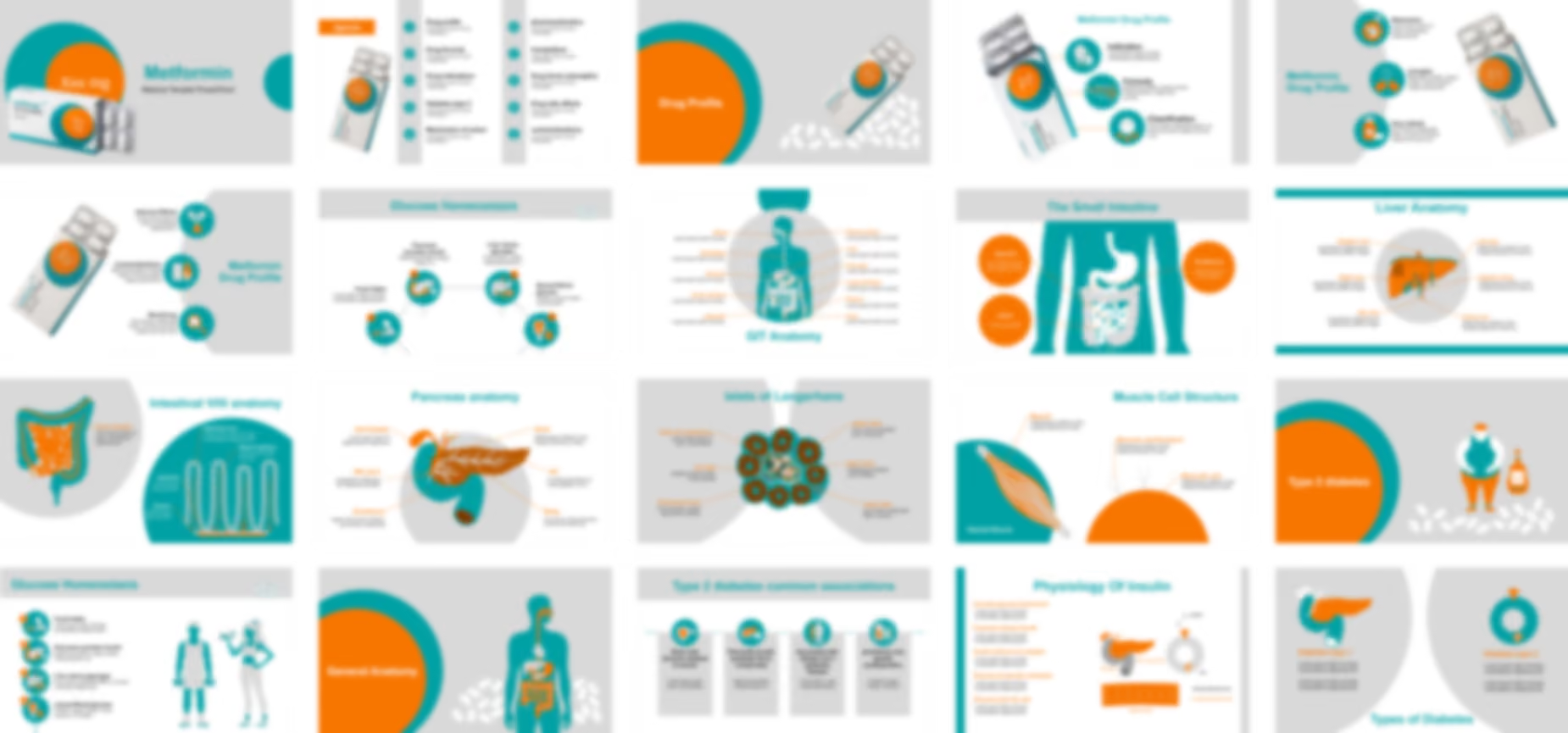
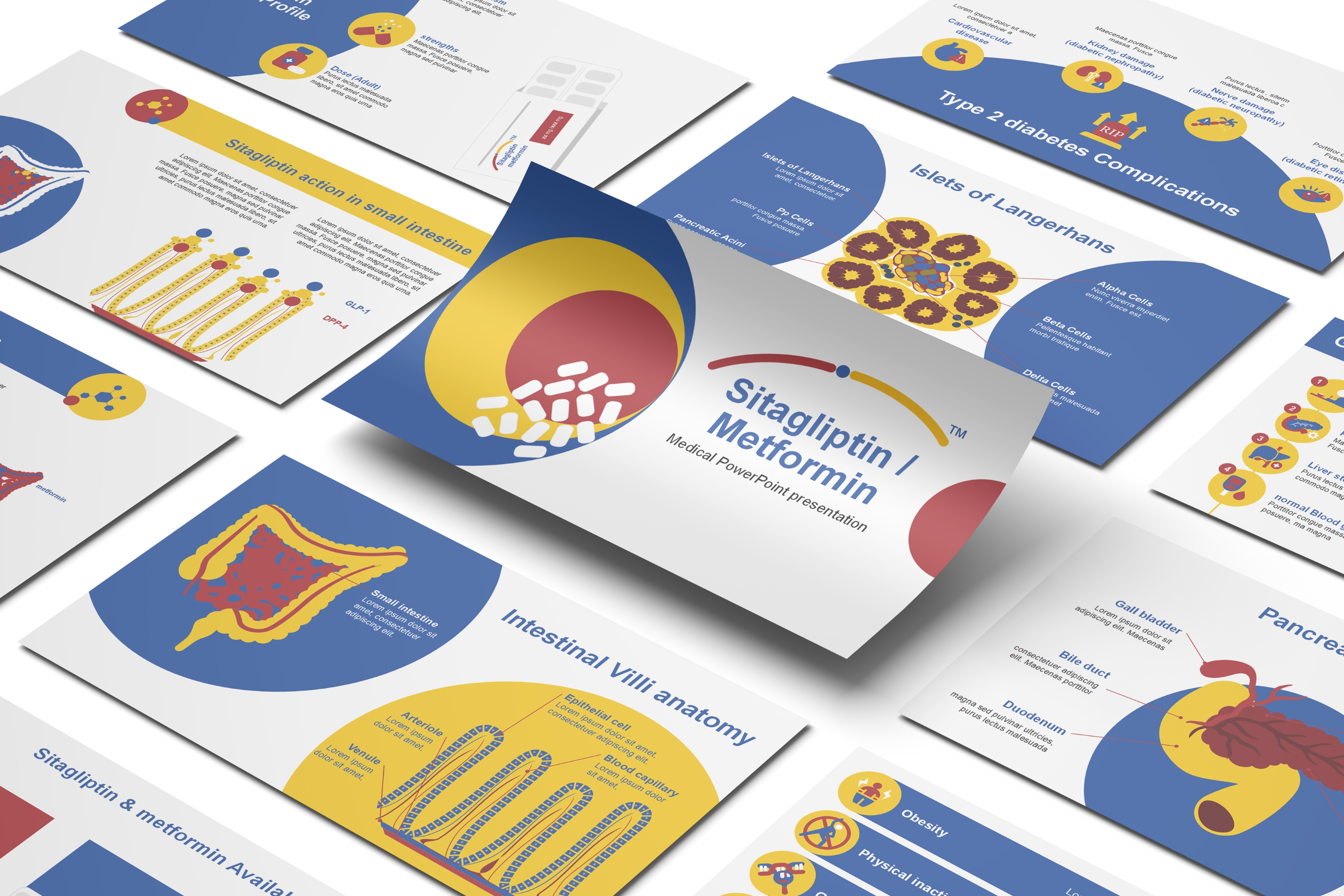
The Metformin PowerPoint template opens with cover slides and an editable table of contents before a diabetes overview covers insulin physiology, disease types, and the pathogenesis of type 2 diabetes. An overview of metformin itself follows, illustrating the biguanide chemical structure, its classification as a first line oral antihyperglycemic agent, and dosage forms marketed under the brand Glucophage.
Medical icons present indications including type 2 diabetes mellitus, prediabetes, polycystic ovary syndrome, and gestational diabetes, in this editable medical presentation template. A black box warning slide then covers lactic acidosis, illustrated through symptoms including nausea, abdominal pain, and rapid breathing.
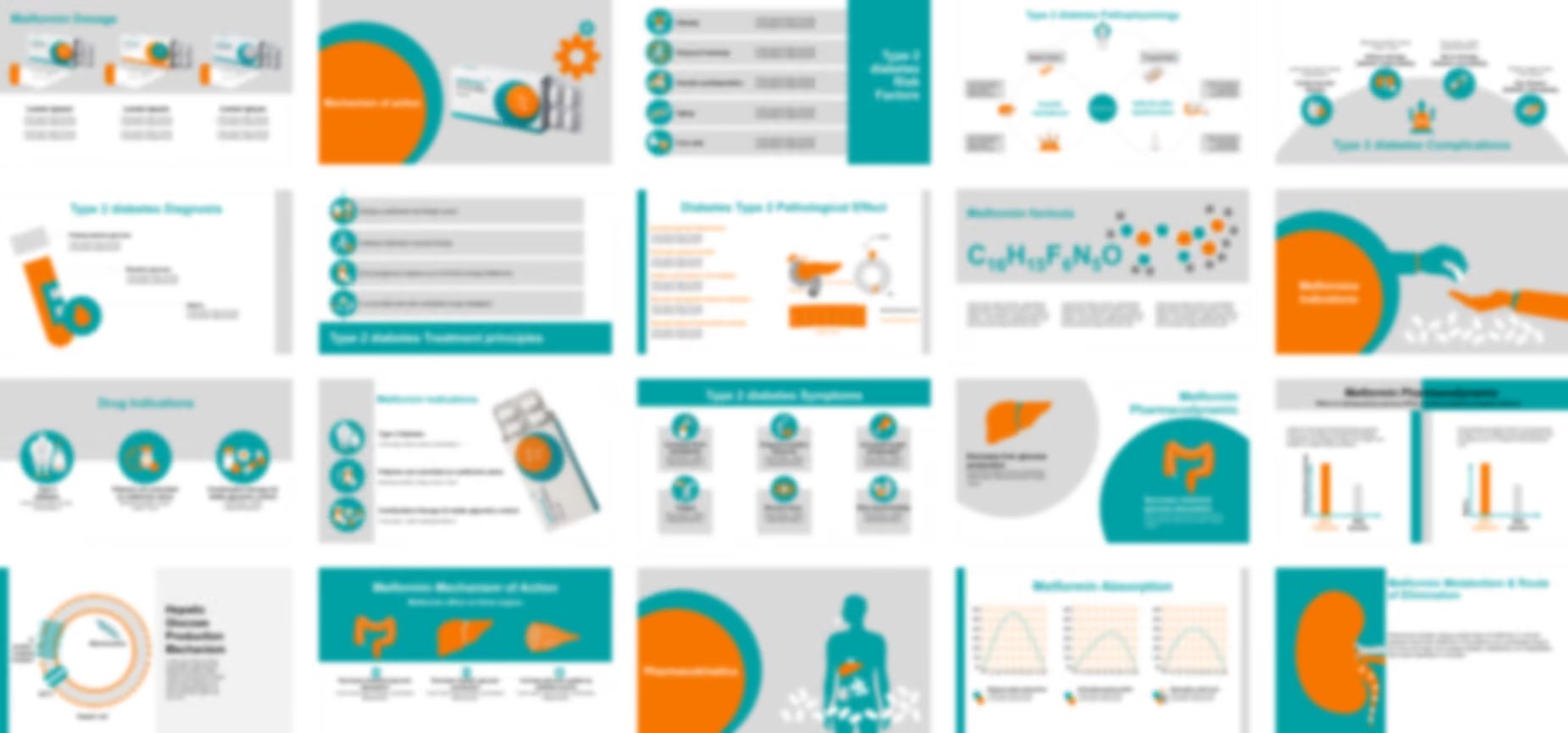
An animated mechanism first traces normal hepatic glucose production, showing how glucagon activates the adenyl cyclase system to trigger glycogenolysis. Establishing this normal pathway first gives educators a shared reference point before the sequence shows how metformin enters hepatic cells through the OCT1 receptor, raises the AMP to ADP ratio, and inhibits glucagon related glucose production.
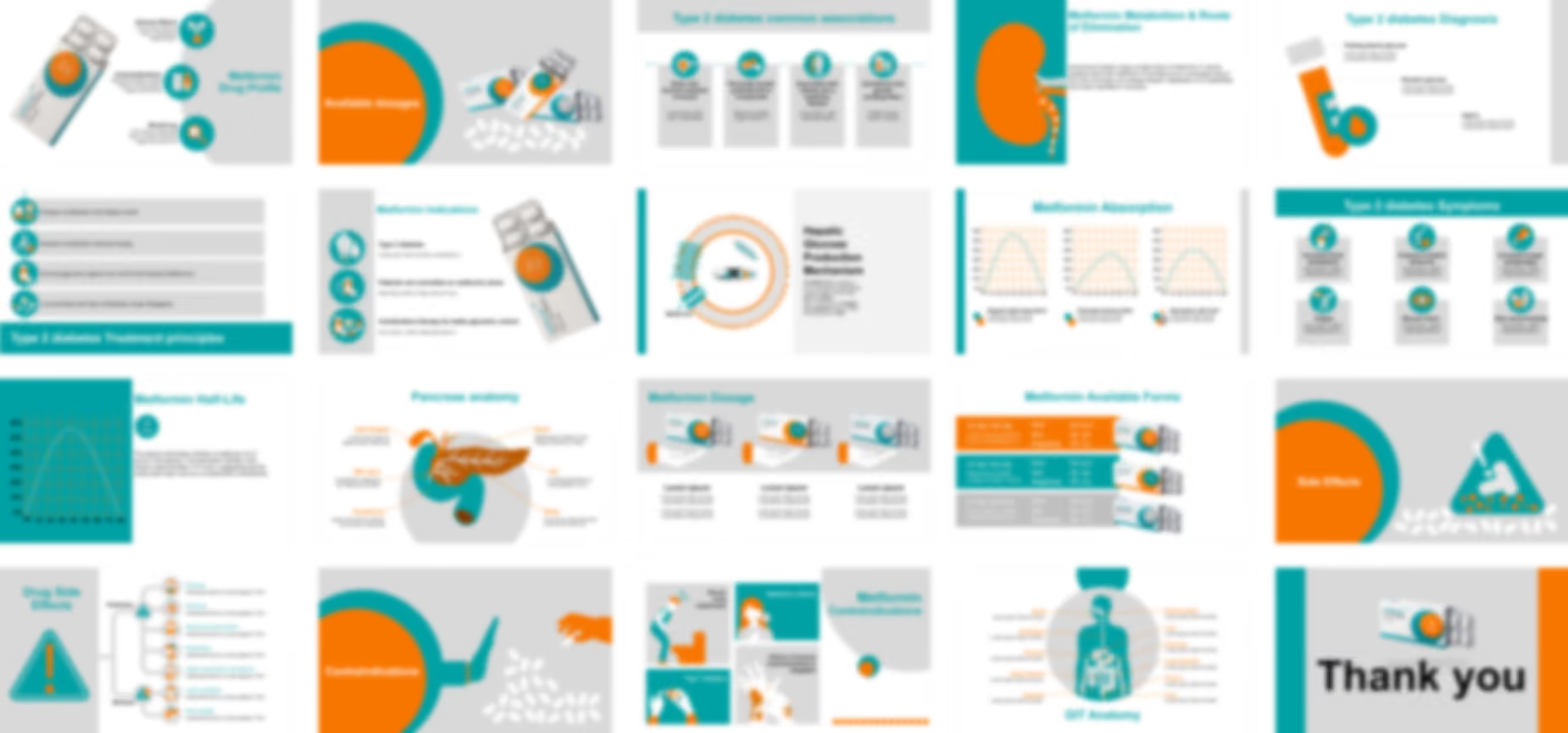
Charts and graphs illustrate pharmacokinetics, covering absorption, protein binding, metabolism, and route of elimination, alongside adverse effects such as nausea, vomiting, and diarrhea and toxicity ranging from hypoglycemia to lactic acidosis. Medical infographics then present drug interactions that raise lactic acidosis risk or enhance the hypoglycemic effect, plus a set of customizable icons and illustrations for endocrinology education.
Ready To Transform Your Presentation ?
Pay once, use forever