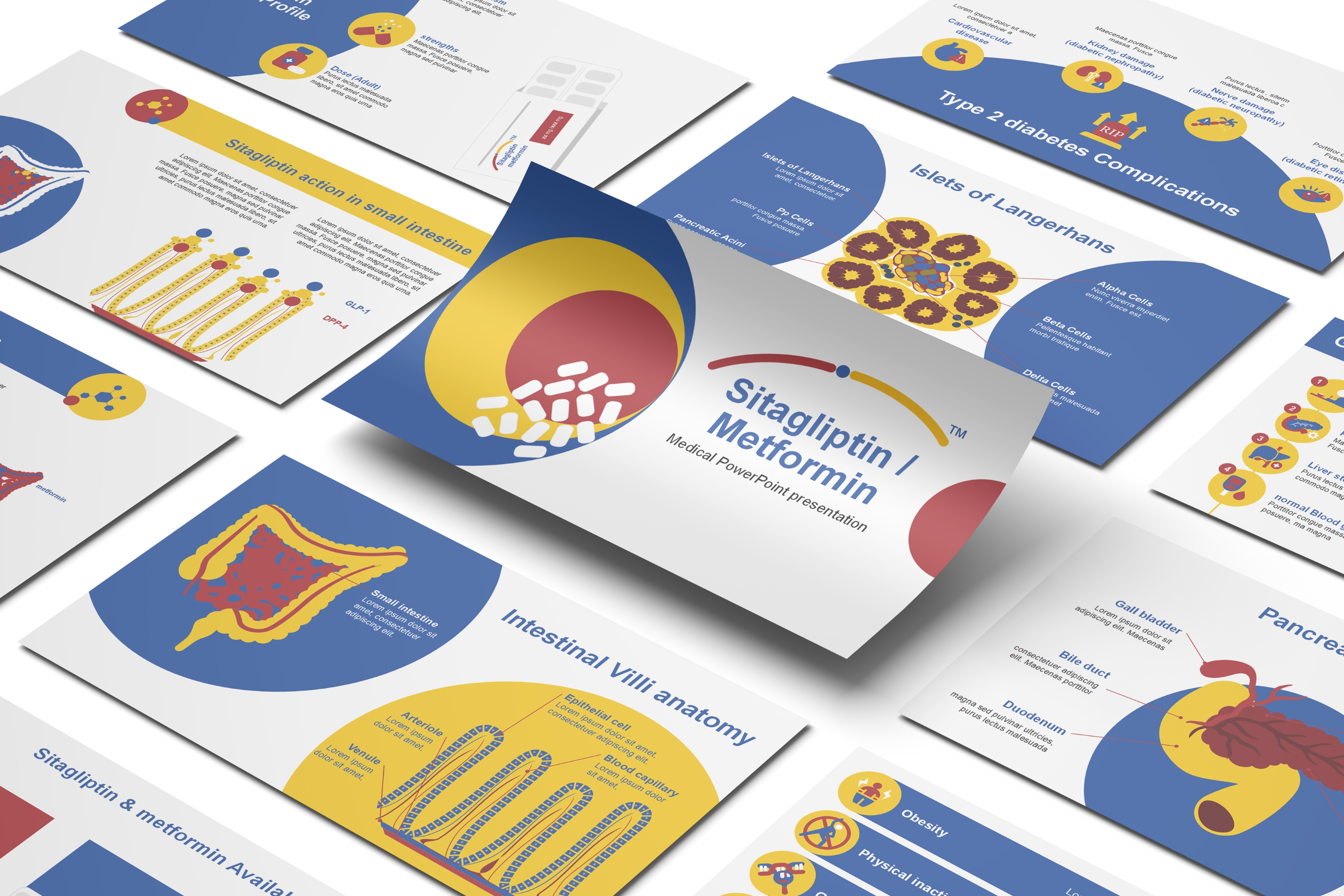
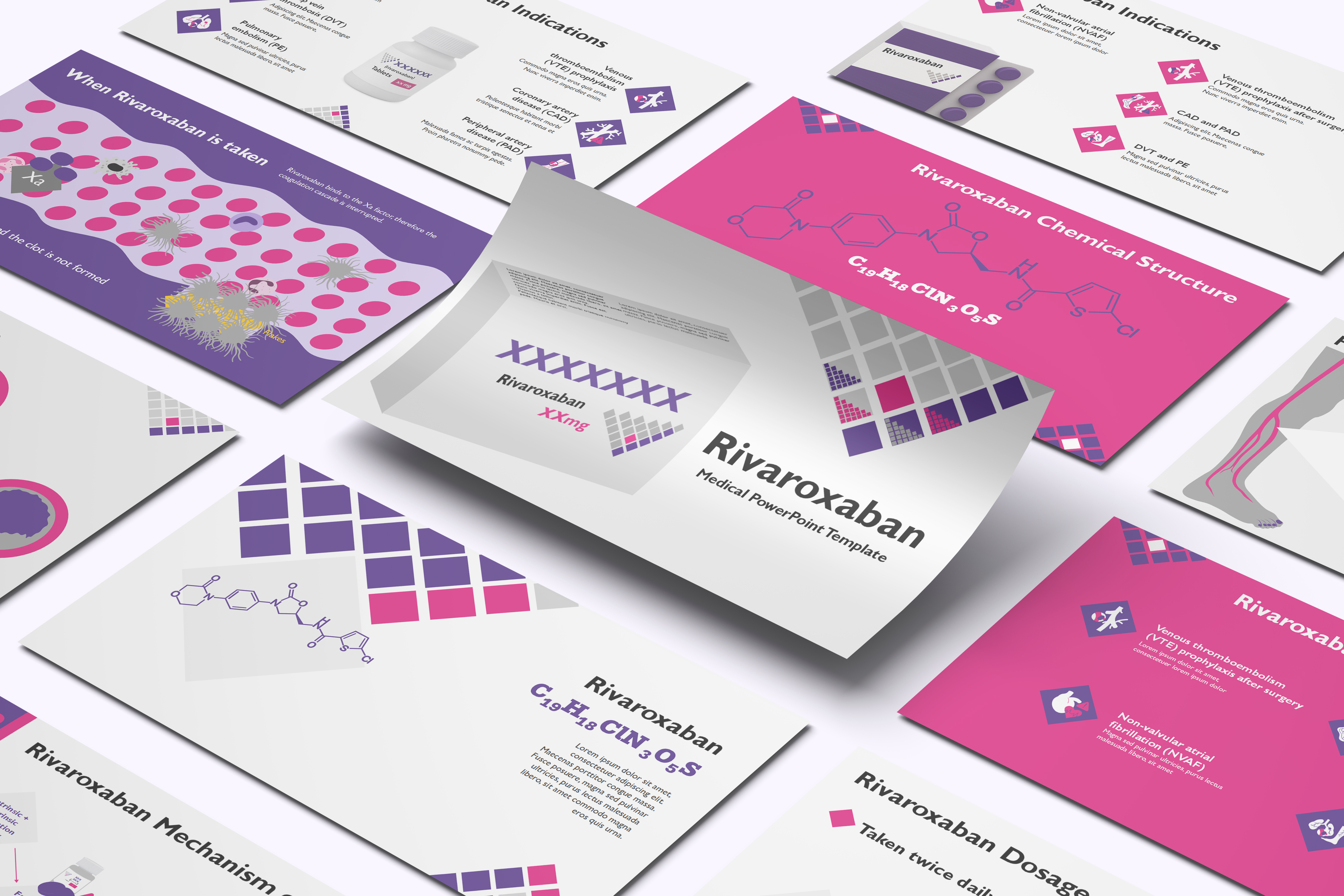
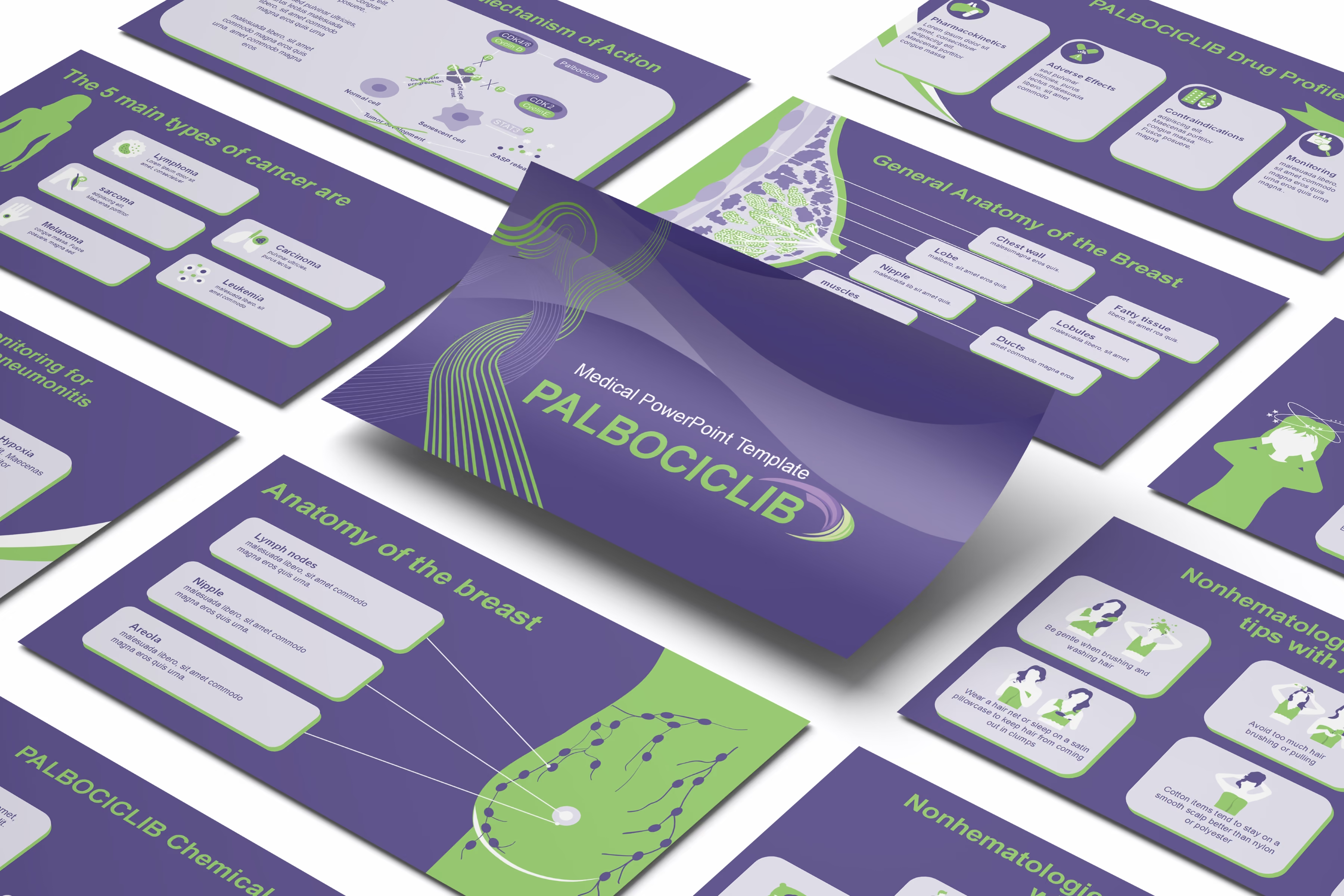
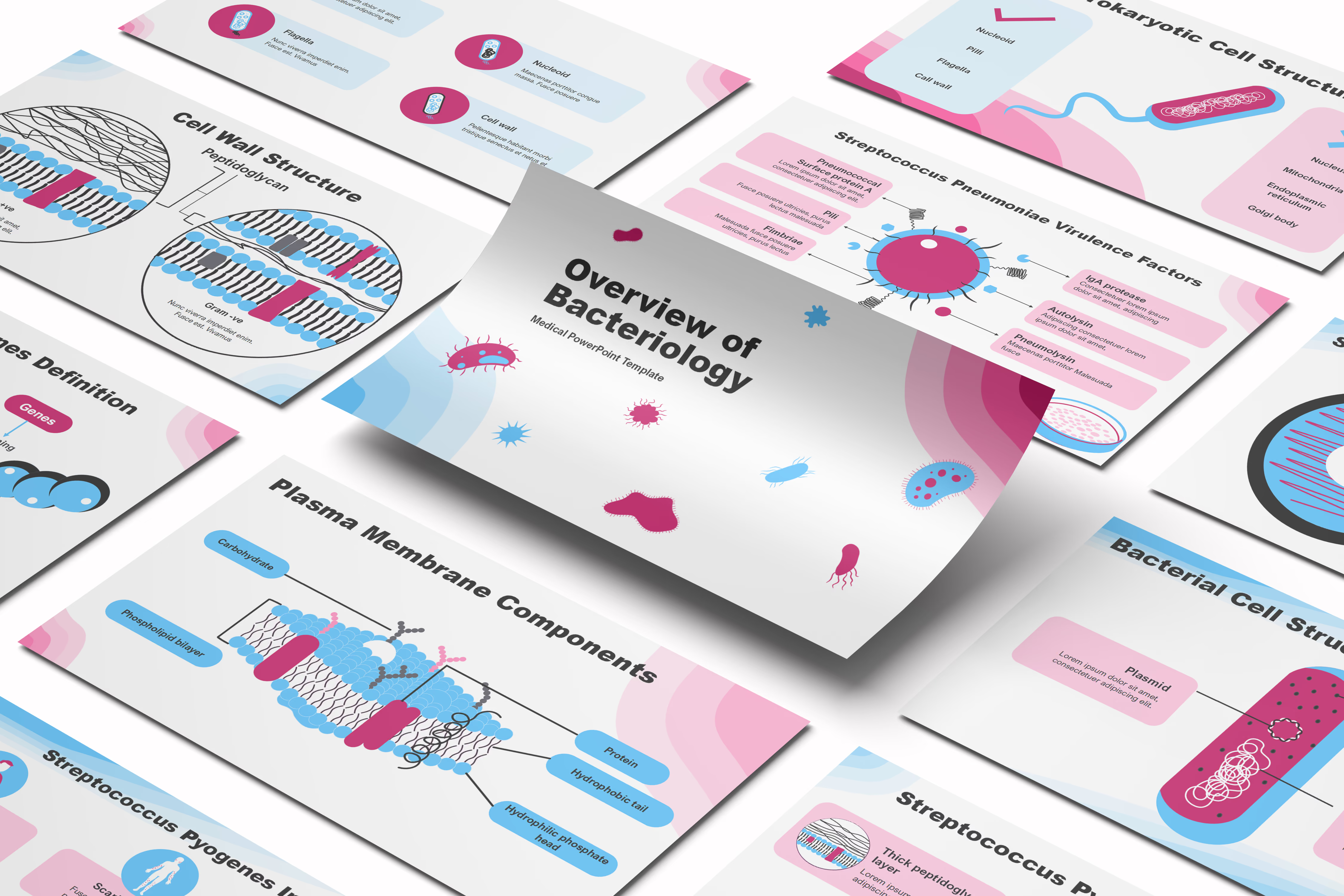
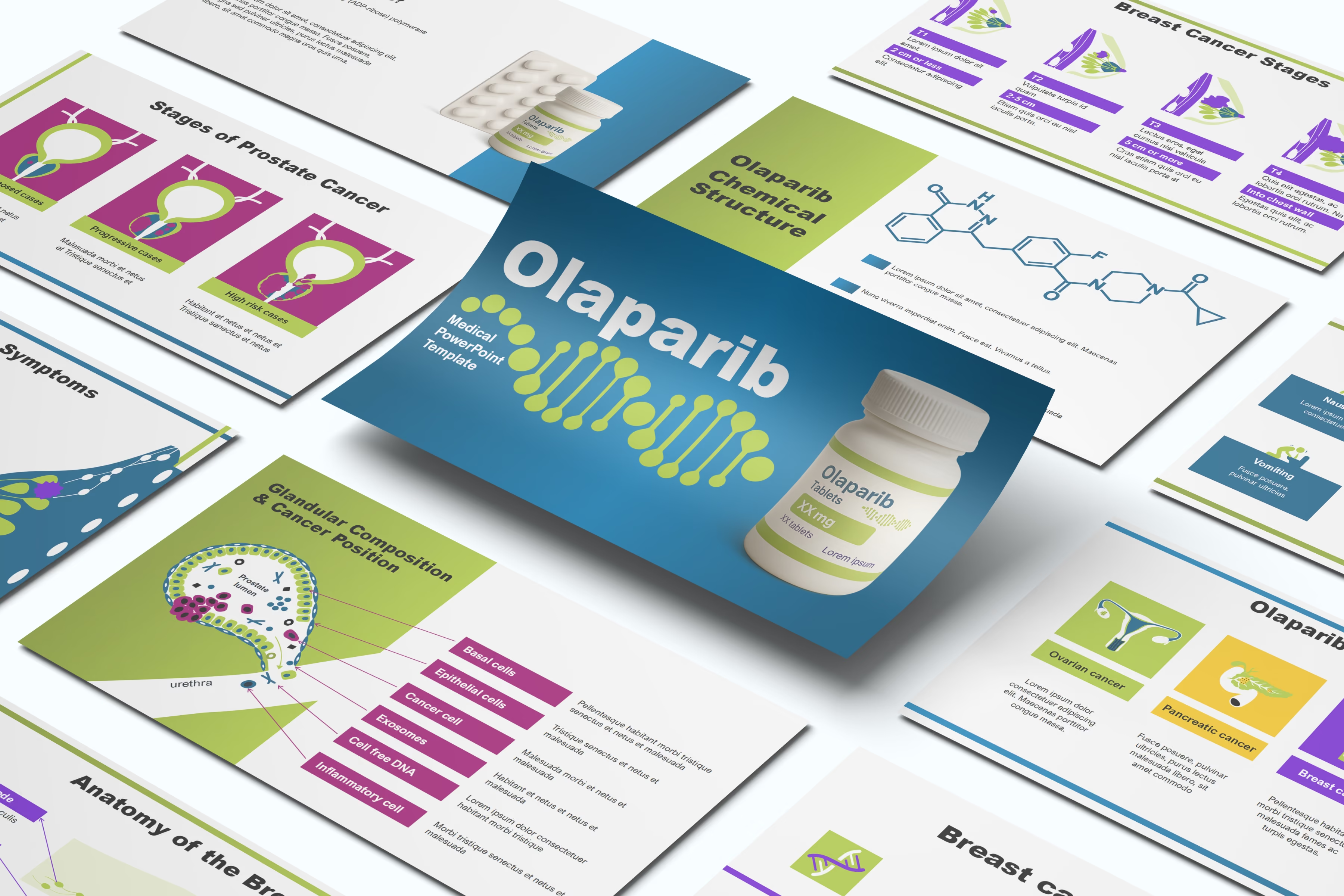
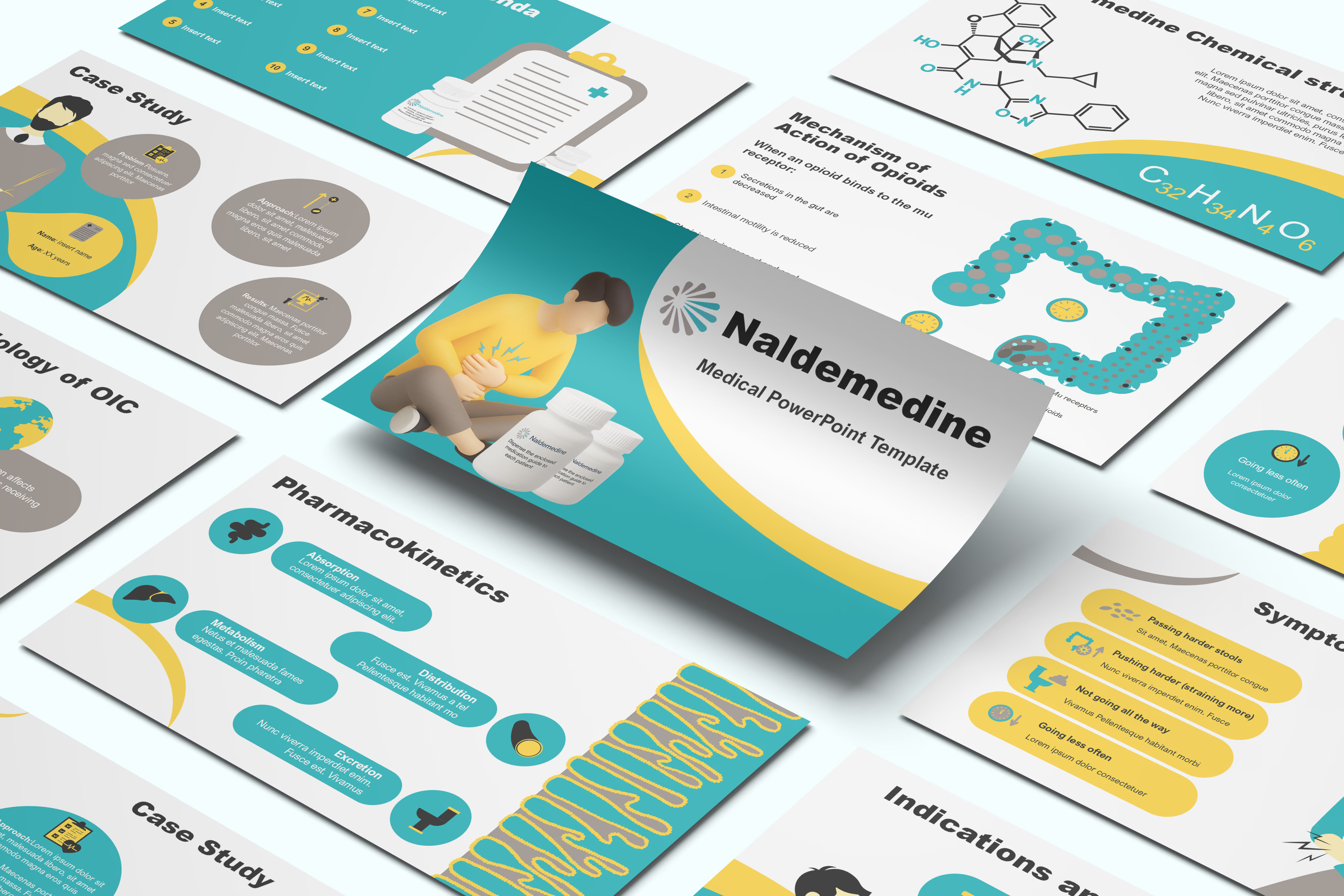
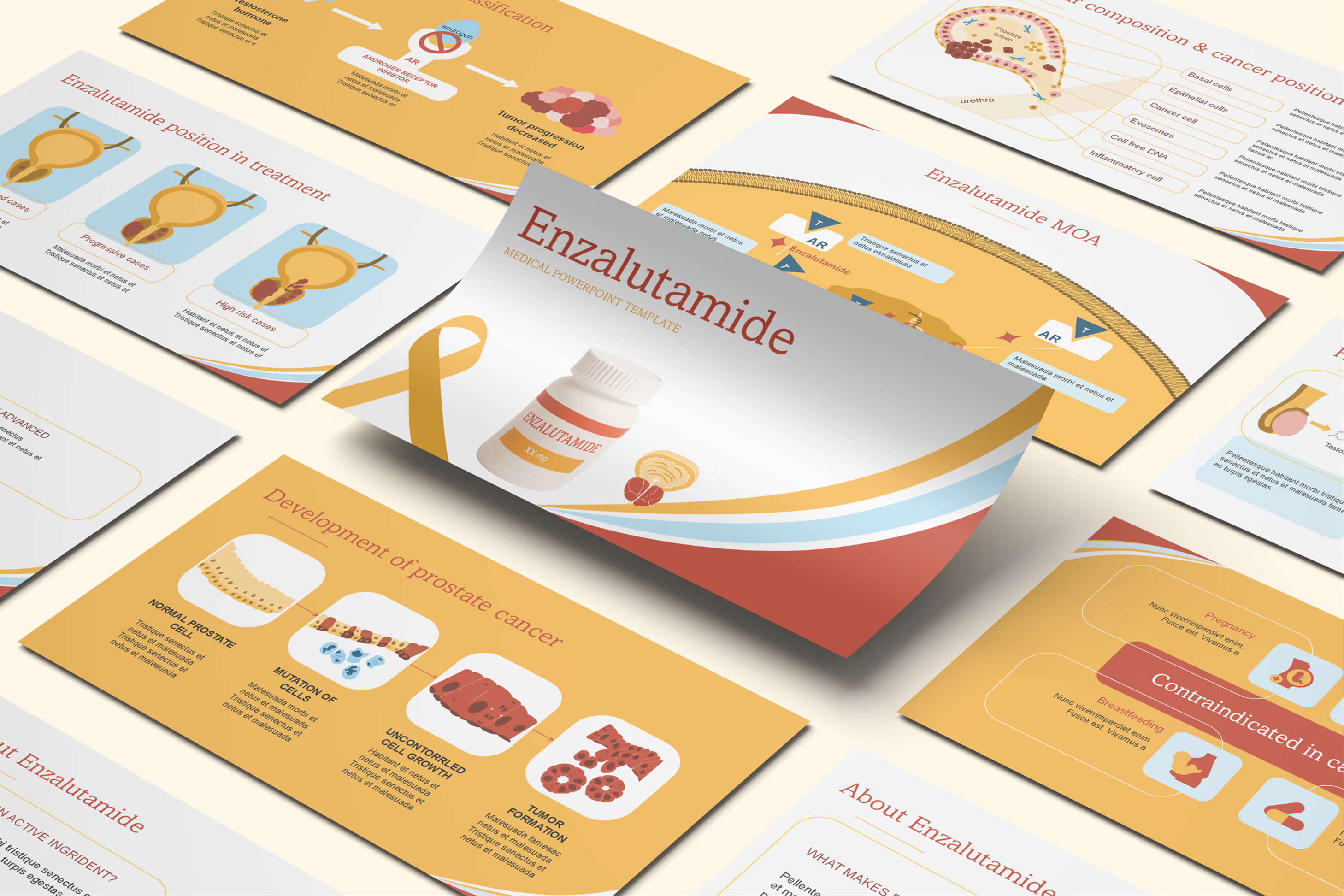
Migraine PowerPoint Template





Template Preview
Designed for healthcare professionals creating clear and structured medical presentations.
Ideal for doctors, medical educators, and pharmaceutical teams preparing lectures, clinical education, product presentations, and training.
Fully editable in PowerPoint, allowing you to customize diagrams, charts, and slide layouts with your own medical content
Ready-to-use presentation structure that saves time and helps you build professional healthcare presentations quickly.
Fully Animated
Built-in animations help you present medical information clearly and make complex concepts easier to understand.
Editable Colors and Shapes
Editable colors and shapes help you easily customize the slides to match your content and presentation style, just drag and drop your content.
Professional medical layouts
Professional medical layouts help you organize clinical information, medical data, and treatment insights in a clear and structured way.

Created by Medical Professionals
This template prioritizes medical accuracy, clarity, and real-world usability. Each slide is designed with a medical audience in mind, helping you present clinical information, data, and treatment insights in a way that is structured, credible, and easy for healthcare professionals to understand.
Medical Training for Pharmaceutical & Life Sciences Companies
Neurology and headache-focused sales teams can build Migraine onboarding around the template's four-phase attack diagram, tracing prodrome, aura, headache, and postdrome before a single therapy conversation begins. Representatives study the three-type classification, with aura, without aura, and chronic, alongside the CGRP-receptor-blocker and triptan mechanism content, before they are cleared to discuss a product with neurologists and headache specialists. The trigger and epidemiology infographics, showing a 75-percent risk when both parents have migraine history, give trainers a complete patient-profile foundation without commissioning new neurology artwork. New hires reach the field able to place a given therapy at the correct point along the four-phase attack timeline.

Medical Congress & Scientific Conference Presentations
Neurologists and headache-specialist Key Opinion Leaders preparing a migraine congress session can start from the template's animated four-phase attack sequence, tracing prodrome through postdrome, instead of assembling a headache-timeline diagram from separate sources. A medical professor lecturing on mechanism can adapt the CGRP-receptor-blocker, 5HT1B, 5HT1D, and 5HT1F comparison to walk through acute treatment options in sequence. The migraine-versus-headache comparison slide gives a clinical case presentation a clear differentiation point before the discussion turns to management. A presenter's own case series or outcomes data fits into the existing sequence without disturbing the underlying illustrations.

Pharmaceutical Product & Medical Affairs Presentations
Medical Affairs teams supporting a CNS or headache portfolio can adapt the template's four-phase mechanism and receptor-target slides to position a therapy within acute or preventive migraine management. Medical Science Liaisons carry the resulting materials into scientific exchange with neurologists and headache specialists, referencing the same CGRP-pathway and receptor-subtype data those clinicians already use to select treatment. Because the acute and preventive therapy content is organized separately, Medical Affairs can shift emphasis toward a specific mechanism class without commissioning new illustrations. The underlying science stays accurate on its own, subject to each company's own medical and compliance review before use.

eLearning & SCORM Training Modules
Neurology nurse educators and instructional designers can customize the Migraine template with their own institutional treatment protocols, then optionally convert the finished presentation into a SCORM-compliant module for nursing staff or residents on an LMS. Out of the box, the 110-plus-slide template is a comprehensive reference set rather than a paced course. Because the classification, triggers, mechanism, and treatment content already builds in a clinical progression, a customized version reaches certification-ready SCORM status without restructuring the underlying sequence. Where a program needs something more specific, the RxSlides team can adjust scope, depth, or branding, or design a fully custom neurology presentation from scratch.
Medical & Healthcare Education
Neurology faculty teaching headache disorders can use the template's four-phase attack animation to walk students through prodrome, aura, headache, and postdrome in a single continuous narrative, instead of describing each phase from text alone. Continuing education providers preparing CME on migraine-versus-headache differentiation benefit from the same comparison content, instead of rebuilding a distinguishing-features slide for every course. Editable trigger and trigger-management infographics let an instructor tailor the discussion to a neurology, nursing, or patient-education audience. Students leave with a structured understanding of how migraine progresses from genetic predisposition to a four-phase clinical attack.
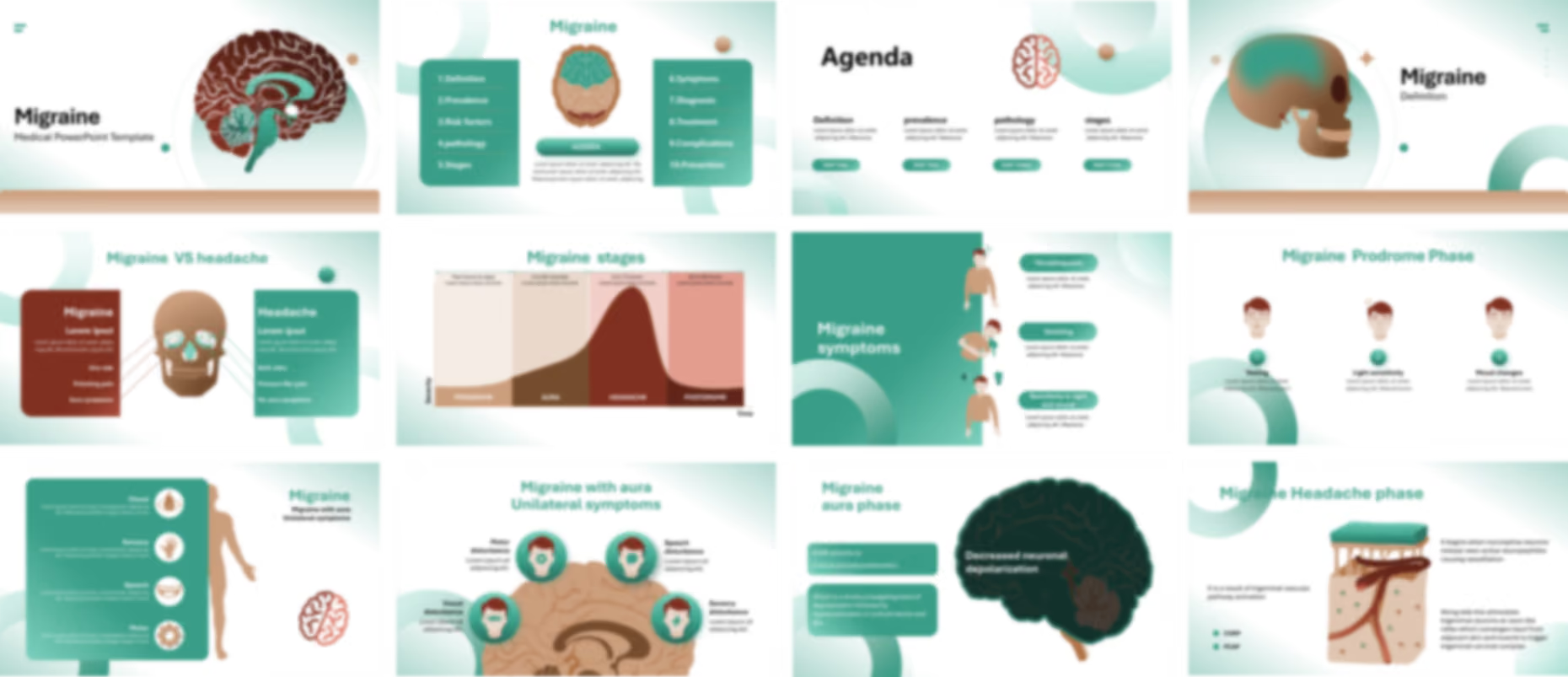
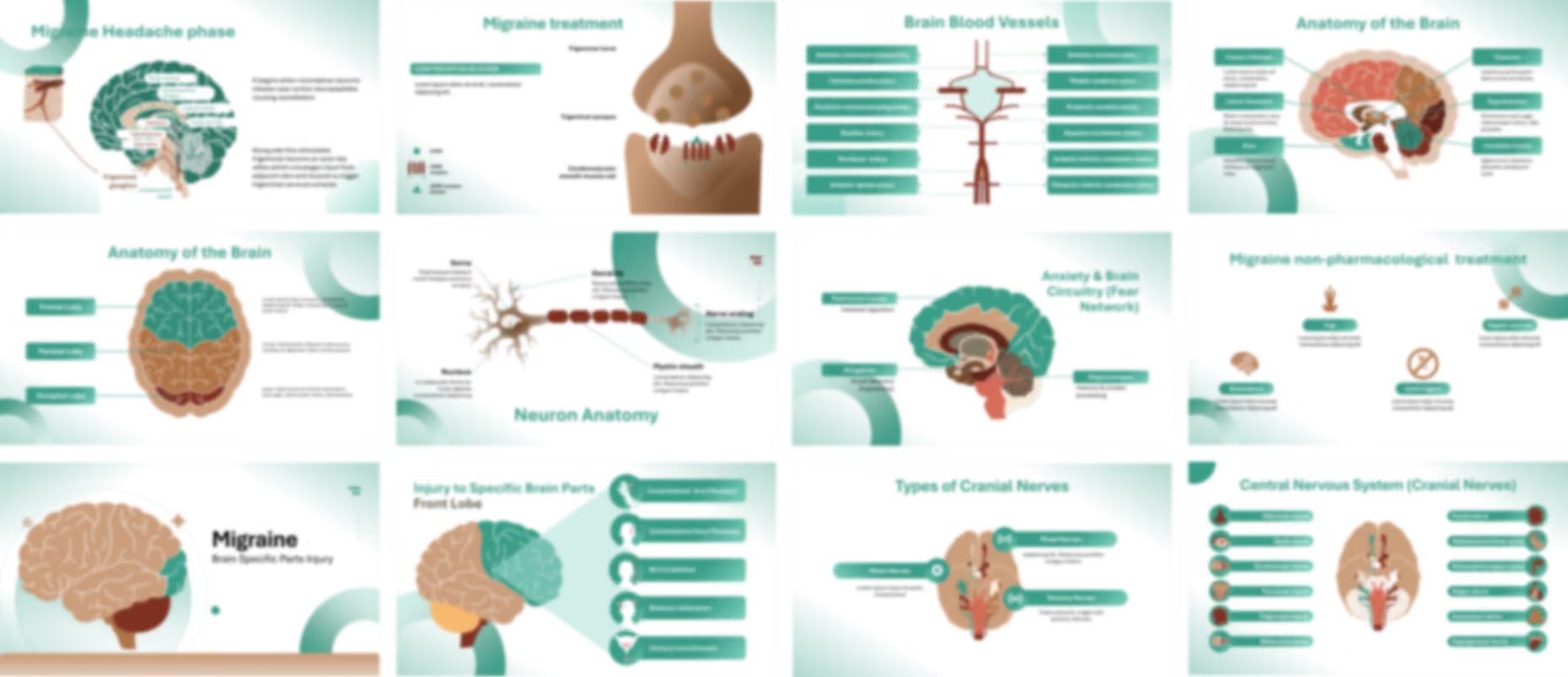
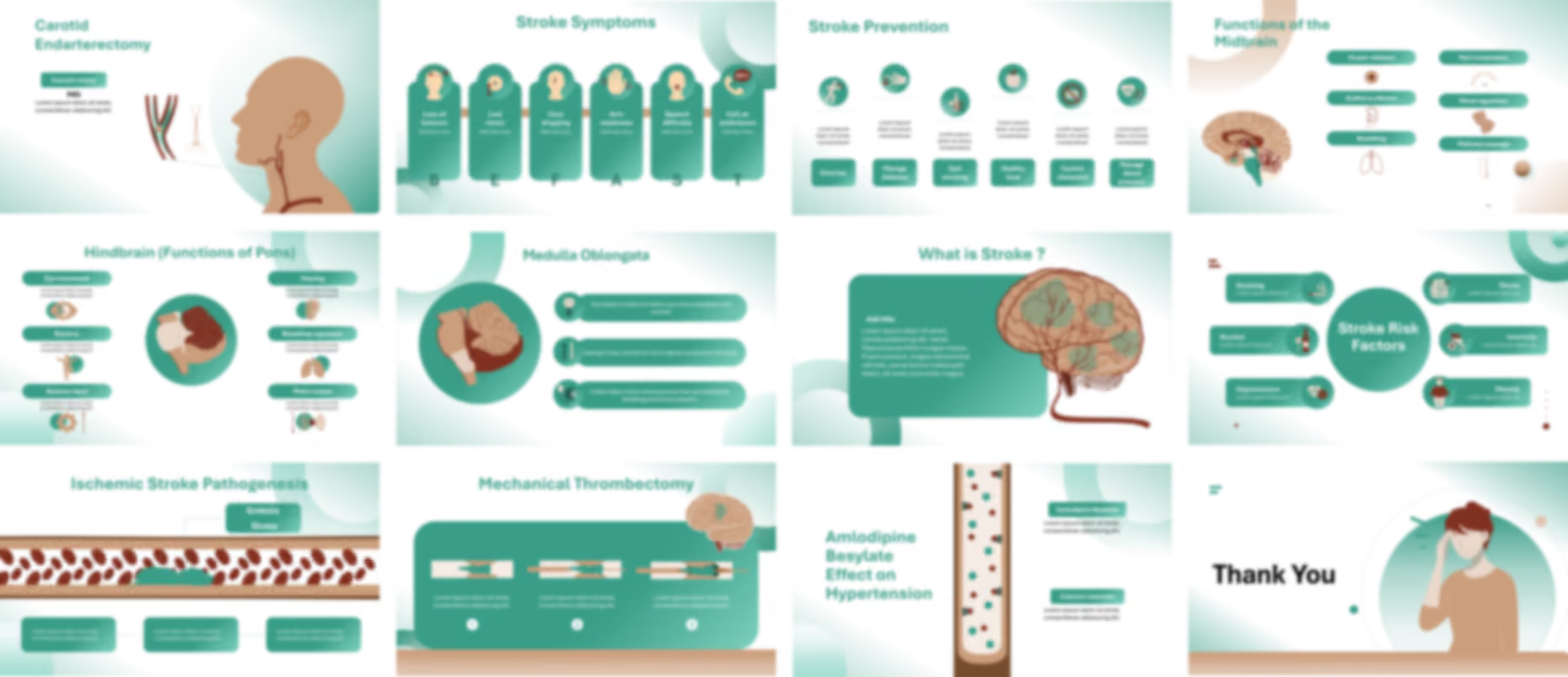
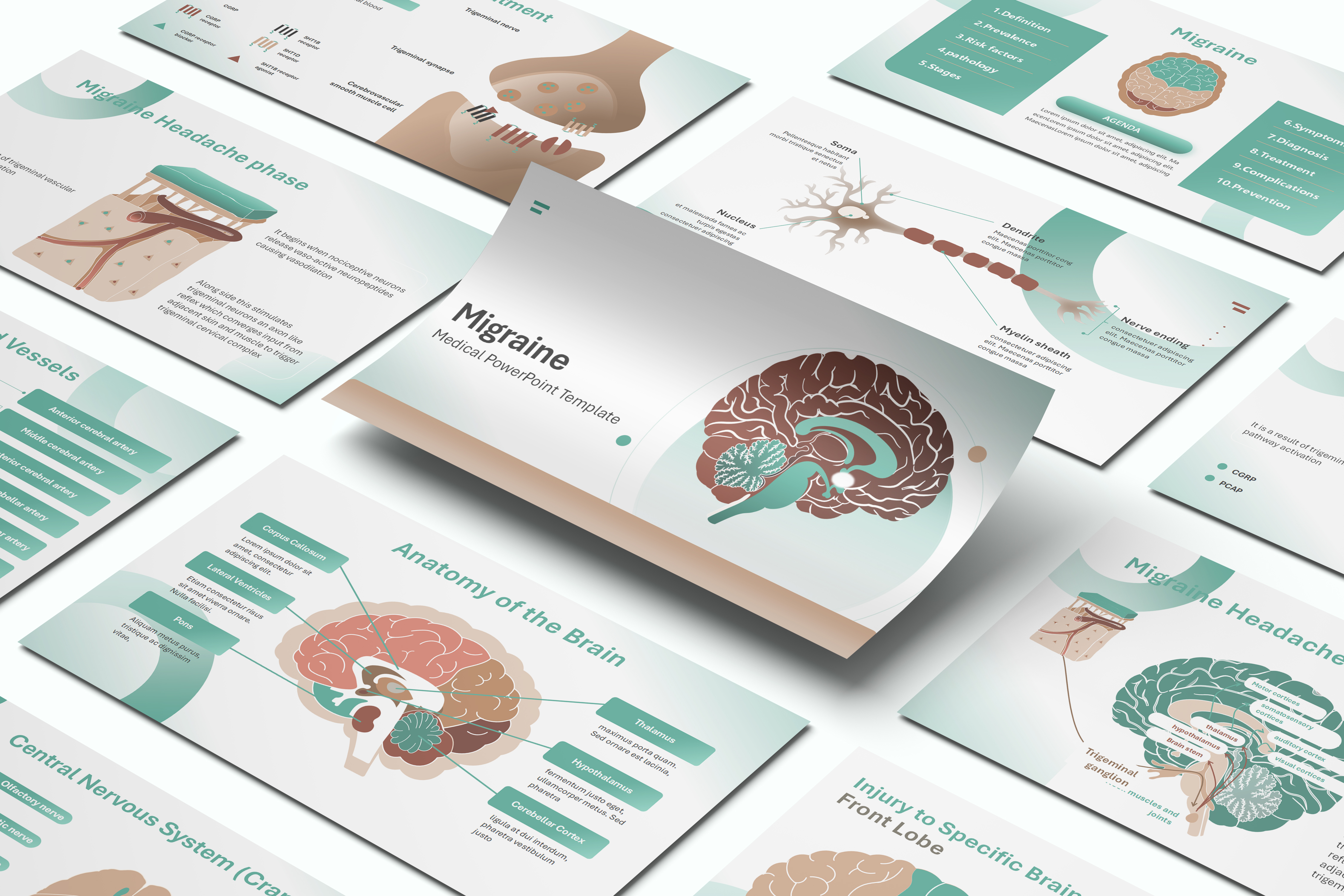
The Migraine PowerPoint template opens with cover slides and a customizable table of contents before animated medical icons and characters illustrate migraine as a genetically influenced disorder marked by moderate to severe, typically unilateral headaches accompanied by vertigo and sensitivity to light and sound, alongside a comparison slide contrasting migraine with ordinary headache. Animated slides then differentiate the three main types, migraine with aura, migraine without aura, and chronic migraine, along with related presentations such as status migrainosus, persistent aura without infarction, and migrainous infarction.
The template outlines etiology as primarily genetic, noting that relatives of affected patients face three times the migraine risk of relatives of healthy individuals, before medical icons illustrate triggers such as menstruation, weather changes, strong odors, light exposure, alcohol, temperature, and certain foods. Editable infographics then present epidemiology showing migraine affecting 12 percent of the population, up to 17 percent of women and 6 percent of men, with inherited risk rising to 40 percent with one affected parent and 75 percent with both.
An animated diagram maps the relationship between time and severity across the four clinical phases of a migraine attack, prodrome, aura, headache, and postdrome. Medical illustrations explain the hypothalamic activation behind the prodrome phase, the cortical and neurovascular changes underlying positive and negative aura symptoms such as scintillating scotoma and visual field defects, and the trigeminal vascular pathway believed to drive the headache phase itself.
The presentation template illustrates how different drug classes prevent the cranial vasodilation that intensifies migraine pain, including CGRP receptor blockers, 5HT1D receptor agonists that prevent CGRP release, and 5HT1B and 5HT1F receptor agonists that cause cranial vasoconstriction. Establishing these mechanisms side by side gives educators a clear comparative reference before the presentation closes with prophylactic options such as beta blockers, CGRP antagonists, and calcium channel blockers, alongside a closing set of editable medical icons and illustrations.
Ready To Transform Your Presentation ?
Pay once, use forever