Respiratory Distress Syndrome PowerPoint Template

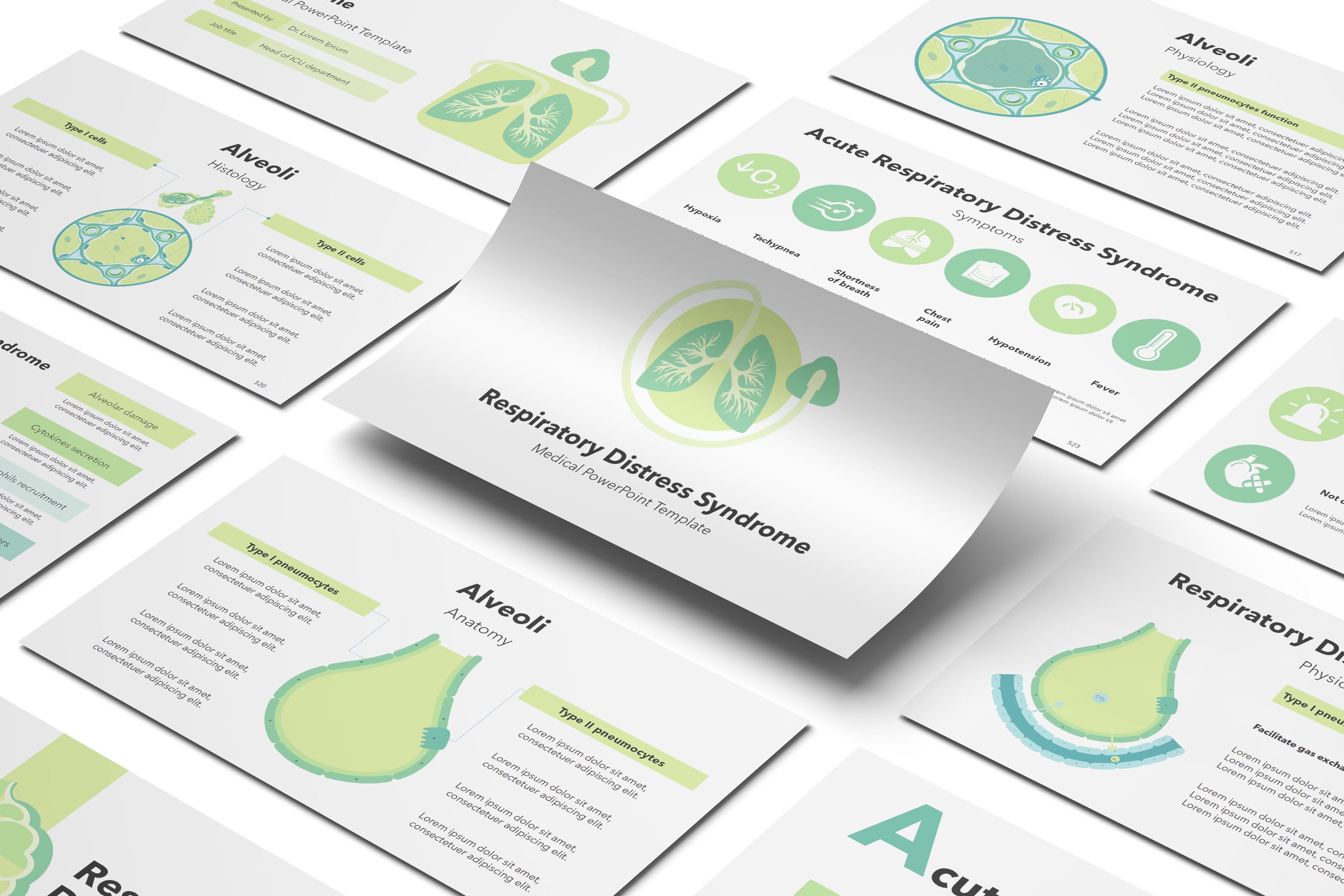




Template Preview
Designed for healthcare professionals creating clear and structured medical presentations.
Ideal for doctors, medical educators, and pharmaceutical teams preparing lectures, clinical education, product presentations, and training.
Fully editable in PowerPoint, allowing you to customize diagrams, charts, and slide layouts with your own medical content
Ready-to-use presentation structure that saves time and helps you build professional healthcare presentations quickly.
Fully Animated
Built-in animations help you present medical information clearly and make complex concepts easier to understand.
Editable Colors and Shapes
Editable colors and shapes help you easily customize the slides to match your content and presentation style, just drag and drop your content.
Professional medical layouts
Professional medical layouts help you organize clinical information, medical data, and treatment insights in a clear and structured way.

Created by Medical Professionals
This template prioritizes medical accuracy, clarity, and real-world usability. Each slide is designed with a medical audience in mind, helping you present clinical information, data, and treatment insights in a way that is structured, credible, and easy for healthcare professionals to understand.
Medical Training for Pharmaceutical & Life Sciences Companies
Neonatology and pulmonology training teams onboarding new sales reps can structure introductory sessions around this 100-plus-slide Respiratory Distress Syndrome template's alveolar-anatomy foundation, type I and type II pneumocytes, before moving into the ARDS-versus-NRDS distinction. New hires get a visual reference for how a single syndrome name covers two structurally different conditions, adult lung injury and neonatal surfactant deficiency. The four-criteria diagnostic framework, acute, bilateral, not cardiac, abnormal PF ratio, gives trainees a structured reference for how RDS is actually differentiated from other respiratory presentations. New reps finish training able to connect the surfactant-deficiency mechanism to why premature infants are disproportionately affected.
Medical Congress & Scientific Conference Presentations
Pulmonologists and neonatologists preparing a conference session can build around this Respiratory Distress Syndrome template's cytokine-cascade animation, tracing alveolar damage through interleukin-1 and TNF-alpha secretion to neutrophil-mediated tissue injury, rather than assembling inflammatory-pathway diagrams independently. The ARDS-versus-NRDS comparative content gives a speaker a ready framework for a cross-population discussion spanning adult critical care to neonatal medicine. A Key Opinion Leader presenting at a pulmonology or neonatology conference can pair the existing epidemiology content with their own institutional case data. The antenatal-corticosteroid and nasal-CPAP treatment content keeps the discussion clinically current for a specialist audience.
Pharmaceutical Product & Medical Affairs Presentations
Medical Affairs teams supporting a surfactant therapy, respiratory-support product, or broader critical-care portfolio can use this Respiratory Distress Syndrome presentation as disease-state groundwork for scientific exchange, covering alveolar physiology and the ARDS-versus-NRDS distinction before any product-specific data enters the conversation. Medical Science Liaisons can reference the type II pneumocyte and surfactant-synthesis content when a scientific exchange conversation calls for context on why surfactant replacement matters in neonatal cases. The scope is neonatal and adult lung pathophysiology, not a specific product, so it's still routed through the customer's own medical and compliance review before Medical Affairs shares it with any audience. Neonatology and pulmonology teams gain a consistent scientific reference spanning anatomy, pathogenesis, and treatment.
eLearning & SCORM Training Modules
Neonatology and pulmonology fellowship programs building a respiratory-distress module can customize this template with their own case studies, then convert the finished presentation into a SCORM-compliant module for their learning management system when self-paced study fits the curriculum better. The cytokine-cascade and alveolar-anatomy animations translate naturally into interactive checkpoints within a broader critical-care or neonatology course. When a program needs a narrower scope, such as the NRDS-specific content alone or a version tailored for nursing versus physician learners, the RxSlides team can adjust the template's coverage and branding. For a training objective the catalog doesn't already reach, the RxSlides team can still build a presentation entirely from scratch.
Medical & Healthcare Education
Medical and nursing faculty teaching pulmonology or neonatology can use this template's alveolar-anatomy slides to establish normal gas exchange before introducing how surfactant deficiency or inflammatory injury disrupts it. The ARDS-versus-NRDS framework gives students a clear structure for approaching a syndrome that presents very differently across the age spectrum. The four-criteria diagnostic content connects classroom pathophysiology to how RDS is actually diagnosed at the bedside. Students leave with a structured understanding of respiratory distress syndrome spanning anatomy, pathogenesis, diagnosis, and treatment.
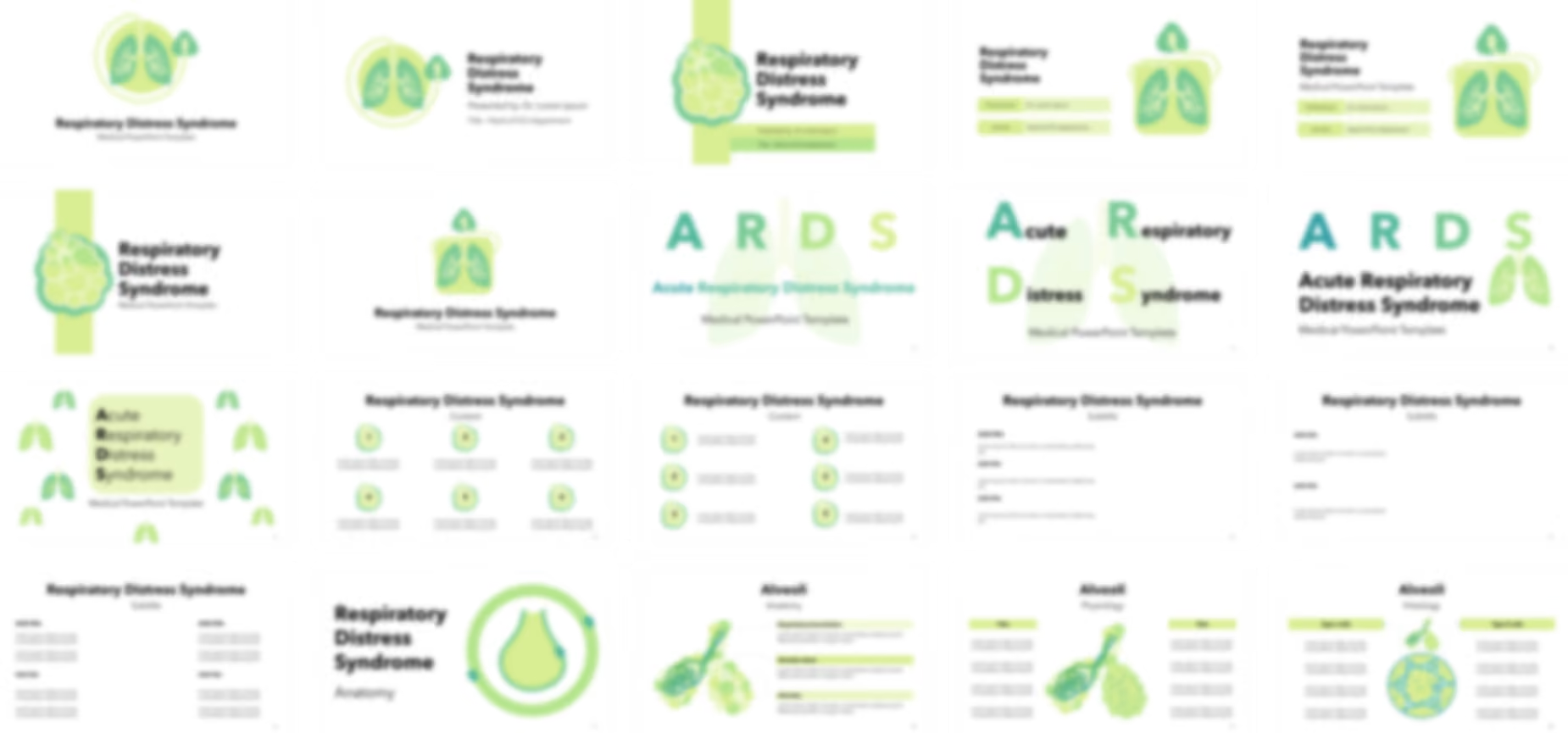

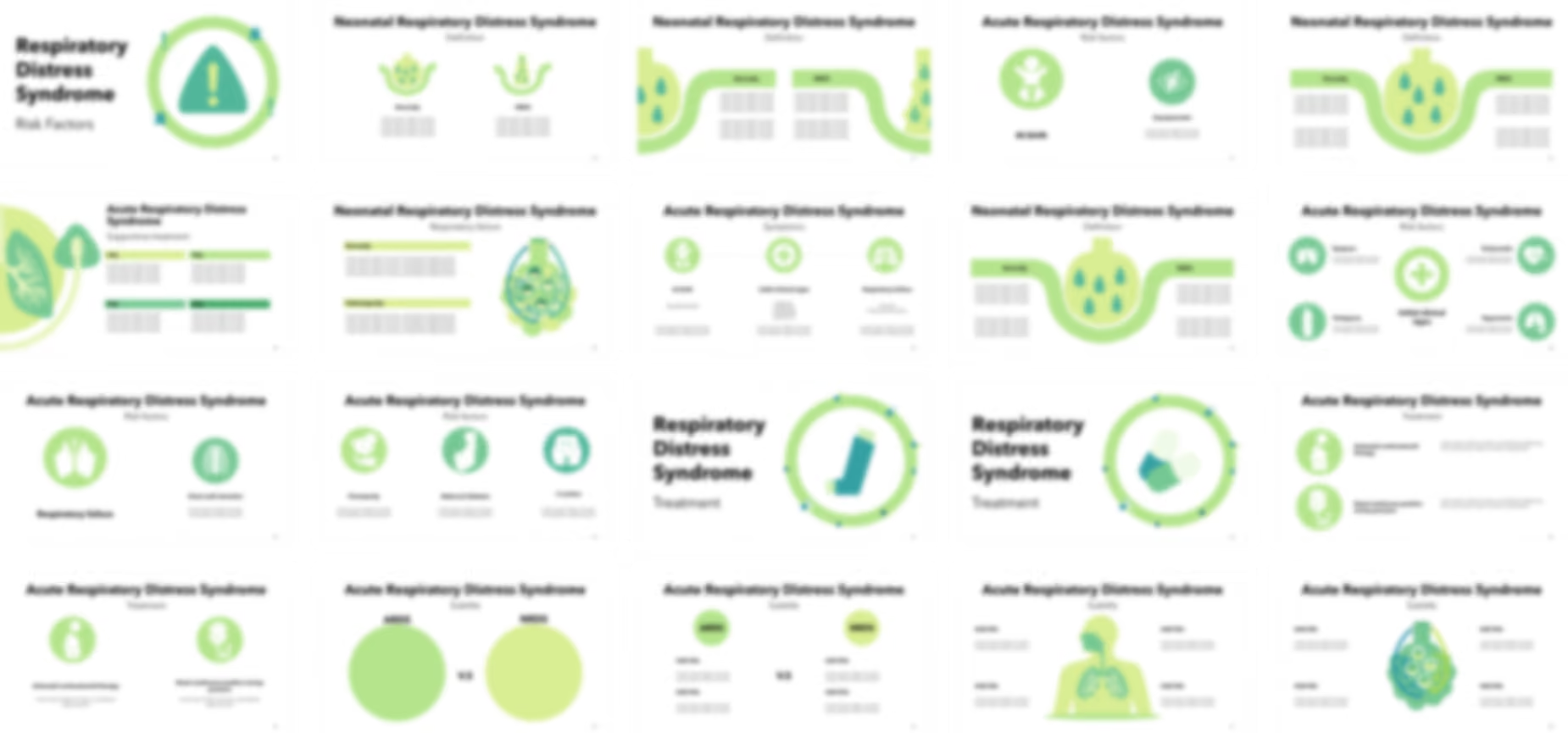
The Respiratory Distress Syndrome PowerPoint template opens with cover slides before comparative illustrations distinguish acute respiratory distress syndrome, a severe lung injury that lets fluid leak into the lungs, from neonatal respiratory distress syndrome, a surfactant deficiency condition affecting premature babies.
An epidemiology infographic with adjustable percentages and countries visualizes prevalence, alongside an anatomical illustration of the alveoli detailing type I and type II pneumocytes, in this editable medical presentation template. Type II pneumocytes are shown synthesizing the alveolar surfactant that prevents alveolar and airway collapse.
An animated illustration explains the pathogenesis of respiratory distress syndrome, tracing how alveolar damage triggers cytokine secretion of interleukin 1 and TNF alpha. Establishing this cytokine cascade first gives educators a shared reference point before the sequence shows how neutrophil secretion releases toxic mediators such as reactive oxygen species and proteases.
Medical icons visualize symptoms including hypoxia, tachypnea, and chest pain, alongside risk factors such as prematurity, maternal diabetes, and cesarean delivery, and diagnostic criteria requiring acute, bilateral, non-cardiac findings with an abnormal PF ratio. The template closes with treatment options including antenatal corticosteroid therapy and nasal continuous positive airway pressure, plus a set of customizable icons and illustrations for pulmonology education.
Ready To Transform Your Presentation ?
Pay once, use forever