Respiratory PowerPoint Templates Bundle

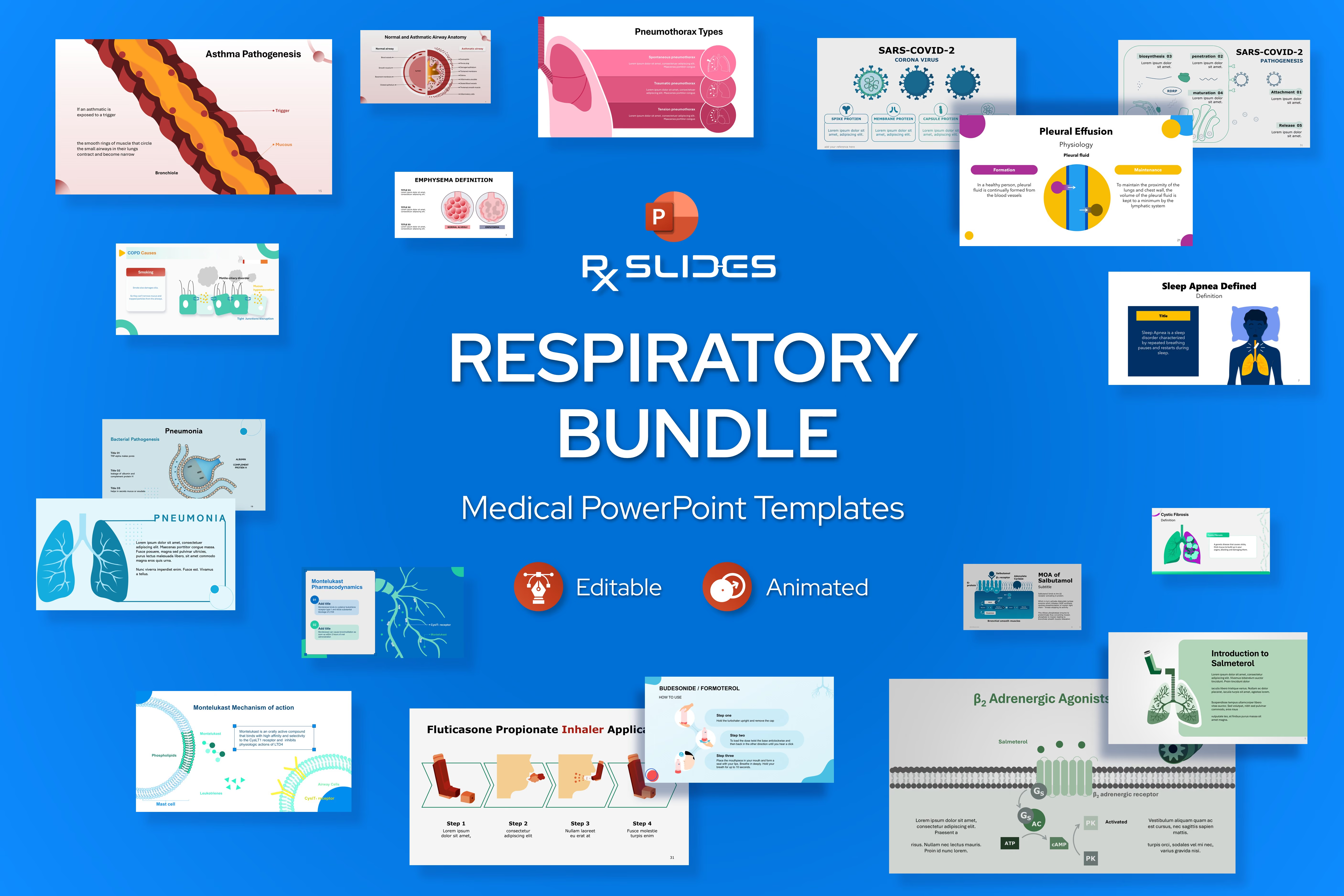




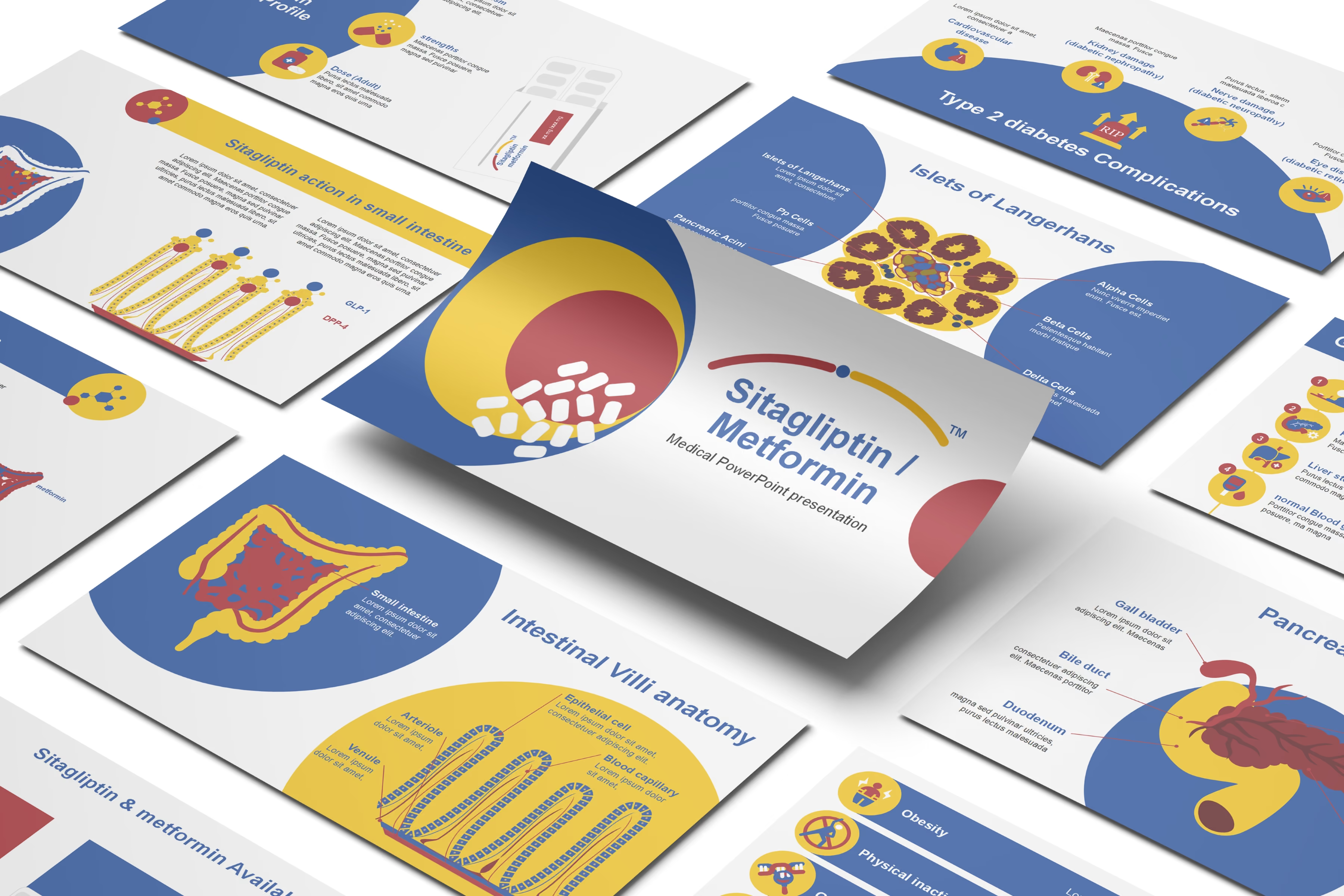
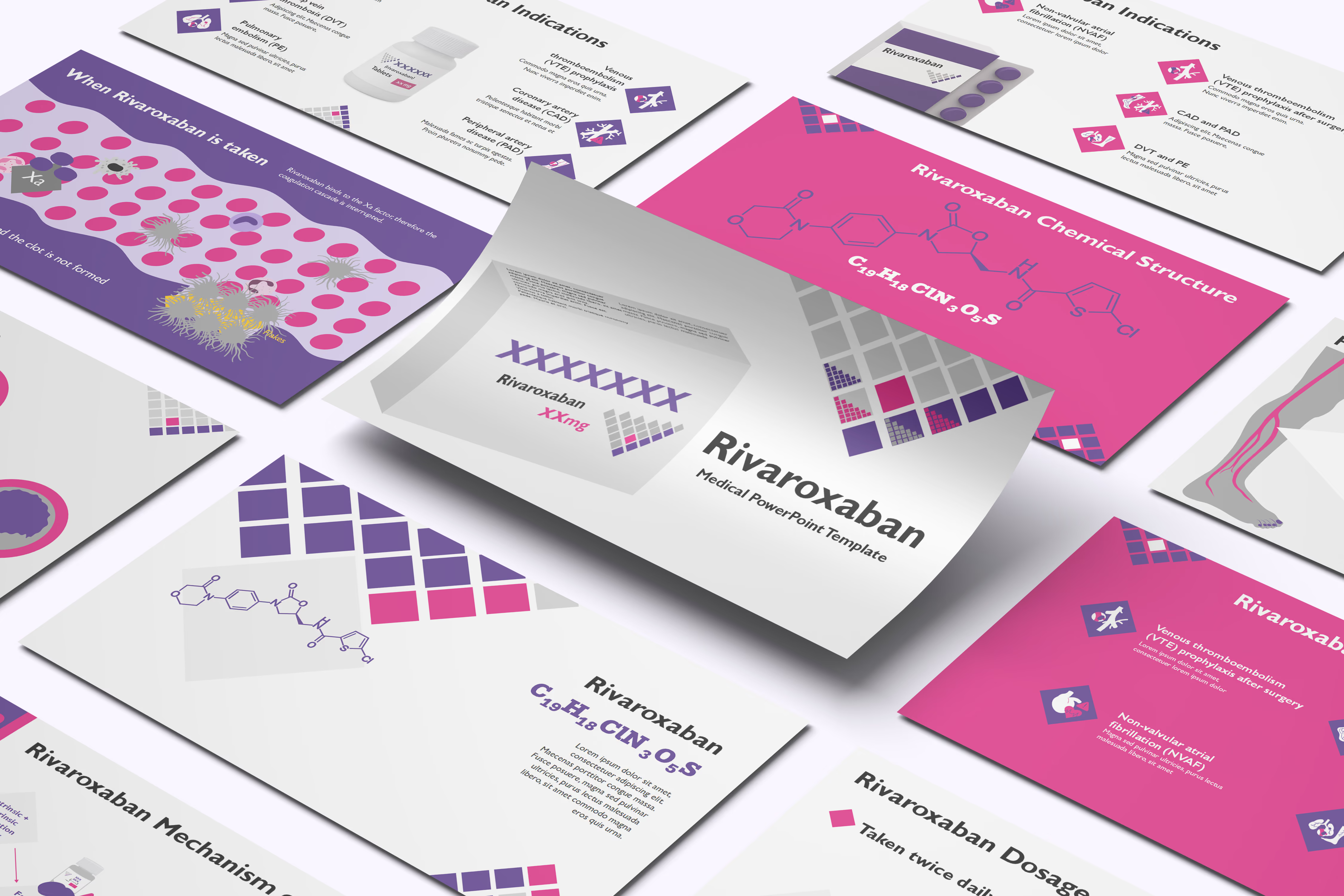
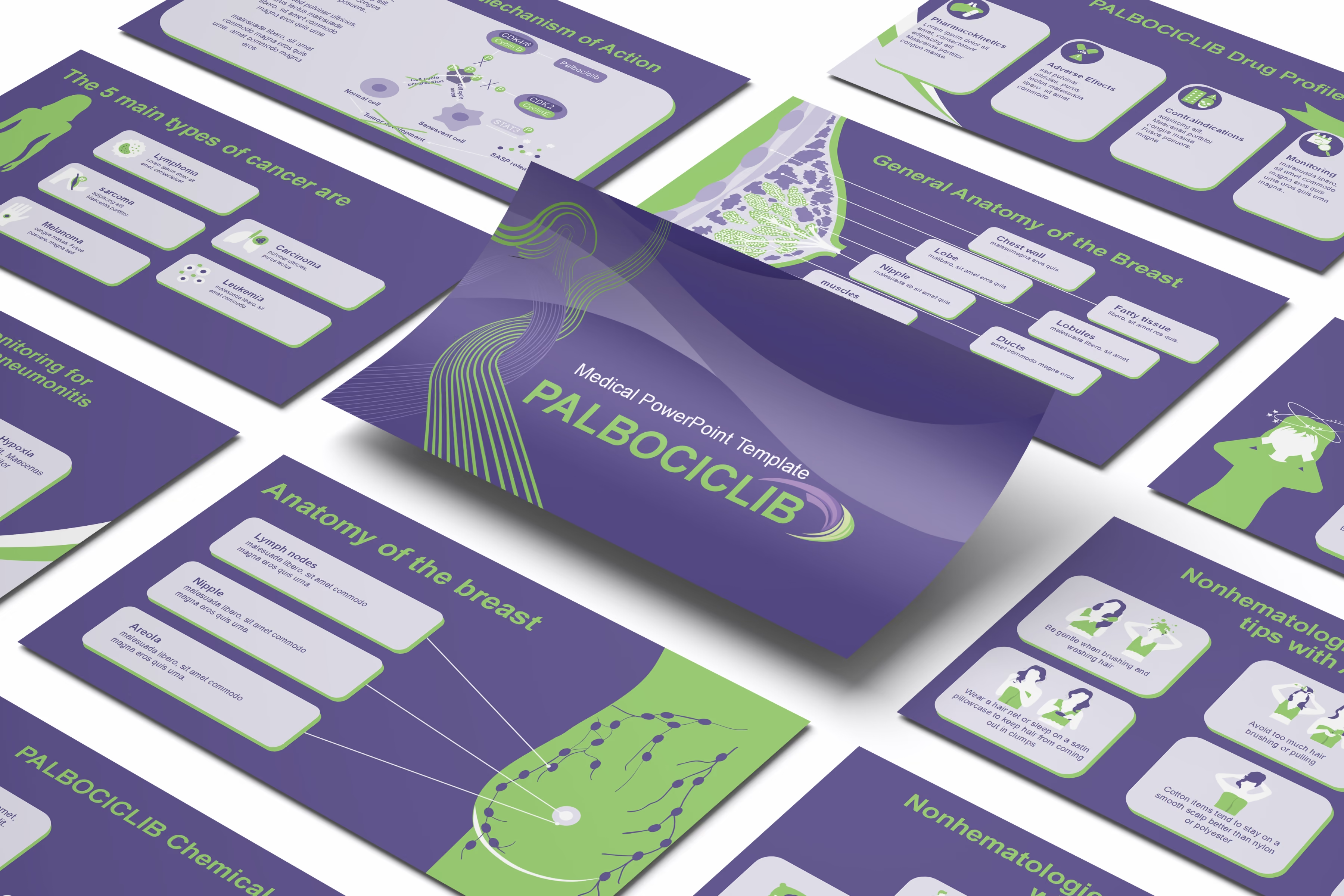
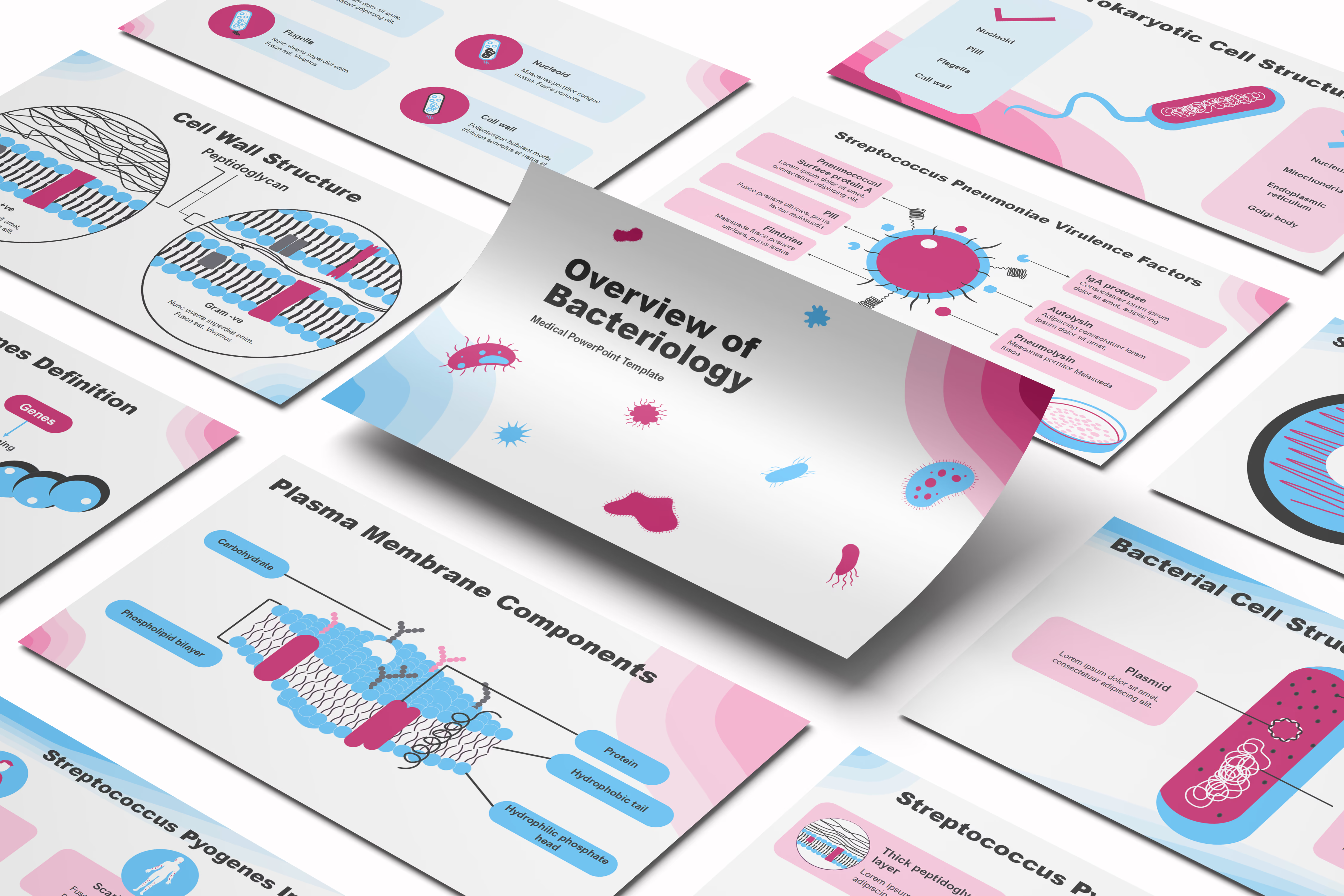
Template Preview
Designed for healthcare professionals creating clear and structured medical presentations.
Ideal for doctors, medical educators, and pharmaceutical teams preparing lectures, clinical education, product presentations, and training.
Fully editable in PowerPoint, allowing you to customize diagrams, charts, and slide layouts with your own medical content
Ready-to-use presentation structure that saves time and helps you build professional healthcare presentations quickly.
Fully Animated
Built-in animations help you present medical information clearly and make complex concepts easier to understand.
Editable Colors and Shapes
Editable colors and shapes help you easily customize the slides to match your content and presentation style, just drag and drop your content.
Professional medical layouts
Professional medical layouts help you organize clinical information, medical data, and treatment insights in a clear and structured way.

Created by Medical Professionals
This template prioritizes medical accuracy, clarity, and real-world usability. Each slide is designed with a medical audience in mind, helping you present clinical information, data, and treatment insights in a way that is structured, credible, and easy for healthcare professionals to understand.
Medical Training for Pharmaceutical & Life Sciences Companies

The 15 editable templates in this bundle pair respiratory conditions with the medicines used to treat them. Ten cover conditions from asthma, COPD, and cystic fibrosis to pneumothorax and sleep apnea, and five cover respiratory drugs, including salbutamol, salmeterol, and budesonide/formoterol. Medical Affairs and training teams at pharmaceutical and life sciences companies can use the condition and drug templates side by side to train new MSLs and sales representatives on a respiratory portfolio, adding their own material and branding.
Medical Congress & Scientific Conference Presentations

A pulmonology or cystic fibrosis meeting talk can follow the disease from inheritance to treatment with the cystic fibrosis template. Animated slides show how two carrier parents pass on the condition and how faulty chloride and sodium transport thickens mucus, and the template goes on to the five classes of CFTR mutation and the mechanism of lumacaftor and ivacaftor. Pulmonologists and respiratory researchers add their own registry data and patient cases.
Pharmaceutical Product & Medical Affairs Presentations
Medical Affairs and product teams presenting an inhaled therapy can open with the asthma template's three-step cellular mechanism of an attack, then use the budesonide/formoterol template to set formoterol's beta-2 receptor cascade beside budesonide's glucocorticoid receptor pathway. The team adds its own product data, references, and approved messaging, and the presentations go through internal medical, legal, and regulatory review before they reach healthcare professionals.
eLearning & SCORM Training Modules

Respiratory courses for therapists, nursing staff, sales trainees, and new MSL hires can be built on these templates by Learning and Development and corporate training teams, who add their own content, data, and branding. For lessons on inhaler use, the budesonide/formoterol and salmeterol templates include step-by-step inhaler technique slides. Each finished course can be converted into a SCORM-compliant module for the company's LMS, and the RxSlides team can tailor a template's scope, depth, or branding, or design a fully custom presentation from scratch.
Medical & Healthcare Education
Medical, nursing, and respiratory therapy educators teaching obstructive lung disease can set the COPD template's comparison of chronic bronchitis and emphysema beside the emphysema template's panacinar, centriacinar, and paraseptal types and its animated sequence of smoking-driven alveolar damage. Lecturers bring spirometry tracings and cases from their own practice.




Anatomy slides follow the respiratory tract from the larynx and trachea to the bronchial tree and alveoli. Dilated and narrowed bronchioles are contrasted in the salmeterol template, and the fluticasone slides show the ciliated and goblet cells of the nasal mucosa. Breathing mechanics appear in the pneumothorax template, which explains normal respiration through thoracic expansion and elastic recoil. Sleep apnea anatomy is animated from the epiglottis and larynx to the trachea and lungs, and in pleural effusion, animations compare normal, small, and large fluid volumes in the pleural space. Every template in the bundle is animated, and every illustration is original vector artwork drawn by medical professionals trained in medical illustration, so you can resize, recolor, and modify each element and adjust its animations in PowerPoint.
In the pneumothorax template, spontaneous cases start with ruptured bullae, while tension pneumothorax develops as air keeps collecting. The sleep apnea slides compare obstructive, central, and complex sleep apnea, and asthma types run from allergic and exercise-induced to nocturnal asthma. Pleural effusion causes are divided into transudative and exudative, with lung cancer, tuberculosis, and rheumatoid arthritis among the exudative ones. The SARS-CoV-2 template places the virus on a timeline after SARS-CoV in 2003 and MERS in 2012. Cystic fibrosis diagnosis covers the sweat test and immunoreactive trypsinogen, bronchitis slides add sputum testing and spirometry, and ultrasound is among the methods shown for pneumothorax. For COPD management, the template runs from bronchodilators and oxygen therapy to vaccination and pulmonary rehabilitation, while lung transplantation and uvulopalatopharyngoplasty (UPPP) appear in the cystic fibrosis and sleep apnea templates.
Beta-2 receptor signaling is the thread through the bronchodilator slides. Salbutamol's mechanism runs from adenylate cyclase activation to a rise in cAMP and airway smooth muscle relaxation, while the salmeterol template starts at the receptor's seven transmembrane domains and follows the Gs protein to protein kinase activation. Corticosteroid action is animated in three steps in the fluticasone template, from glucocorticoid receptor binding and nuclear entry to the upregulation of lipocortin, and montelukast is shown blocking leukotriene D4 to reduce airway narrowing. Pharmacokinetic slides appear in every drug template, and most also cover side effects.
The bundle includes templates on asthma, bronchitis, COPD, cystic fibrosis, emphysema, pleural effusion, pneumonia, pneumothorax, SARS-CoV-2 (COVID-19), and sleep apnea, along with the medications budesonide/formoterol, fluticasone propionate, montelukast, salbutamol, and salmeterol. Each template has its own visual theme, so a program that moves between respiratory conditions and the drugs used to treat them gives every session a distinct design. The templates are editable in PowerPoint, and you can contact us to have the RxSlides team edit them for you if needed.
Ready To Transform Your Presentation ?
Pay once, use forever