Salmeterol PowerPoint Template





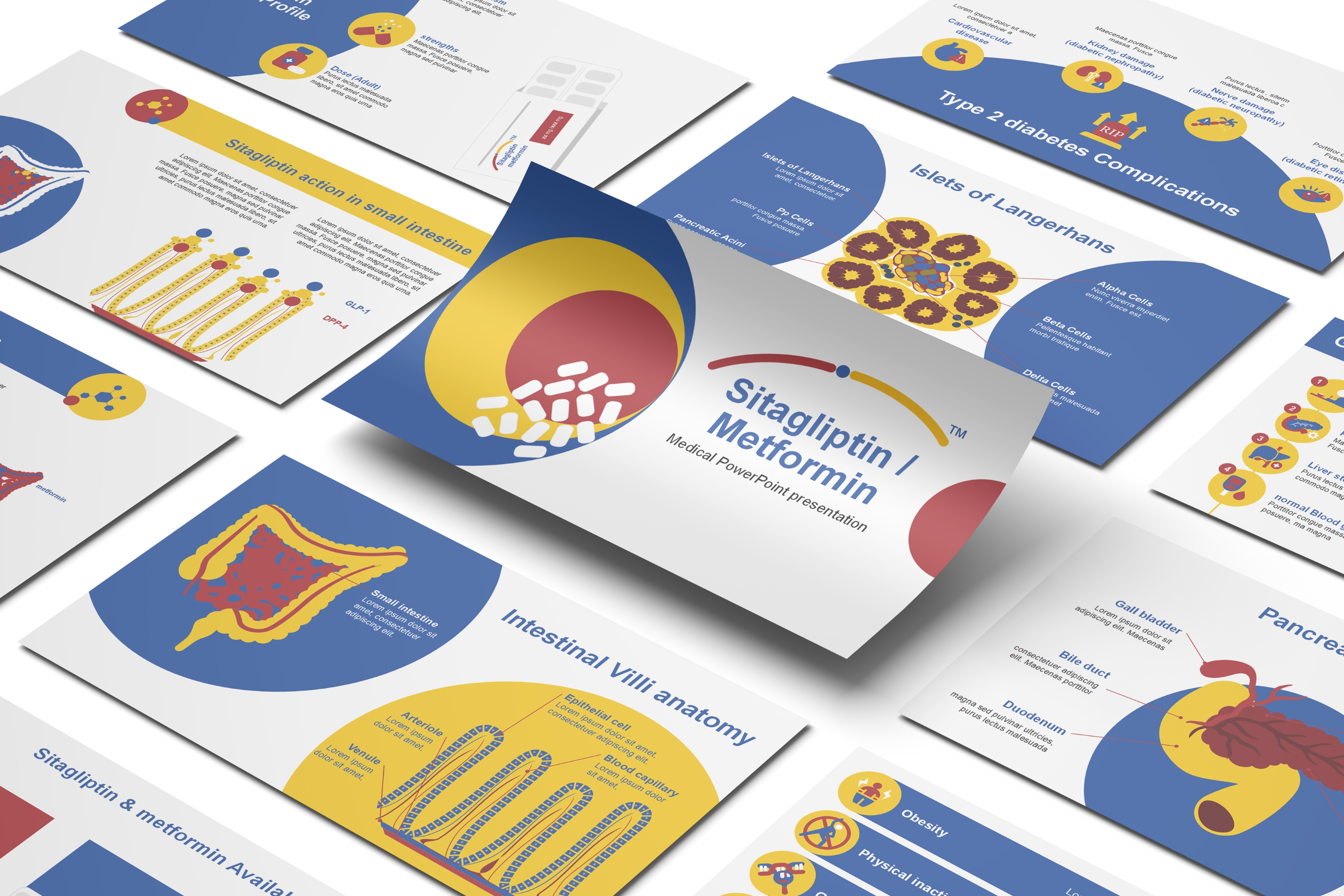
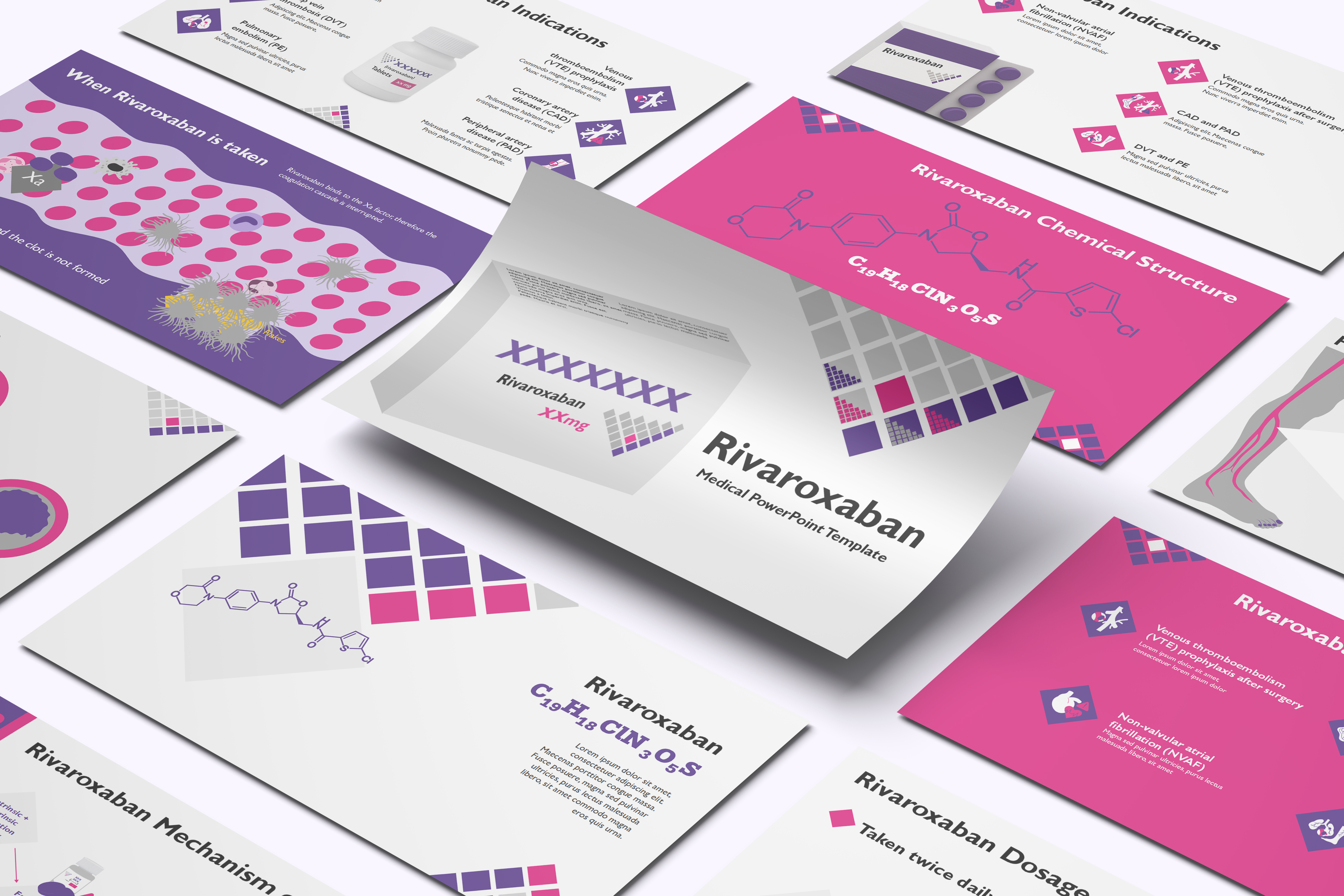
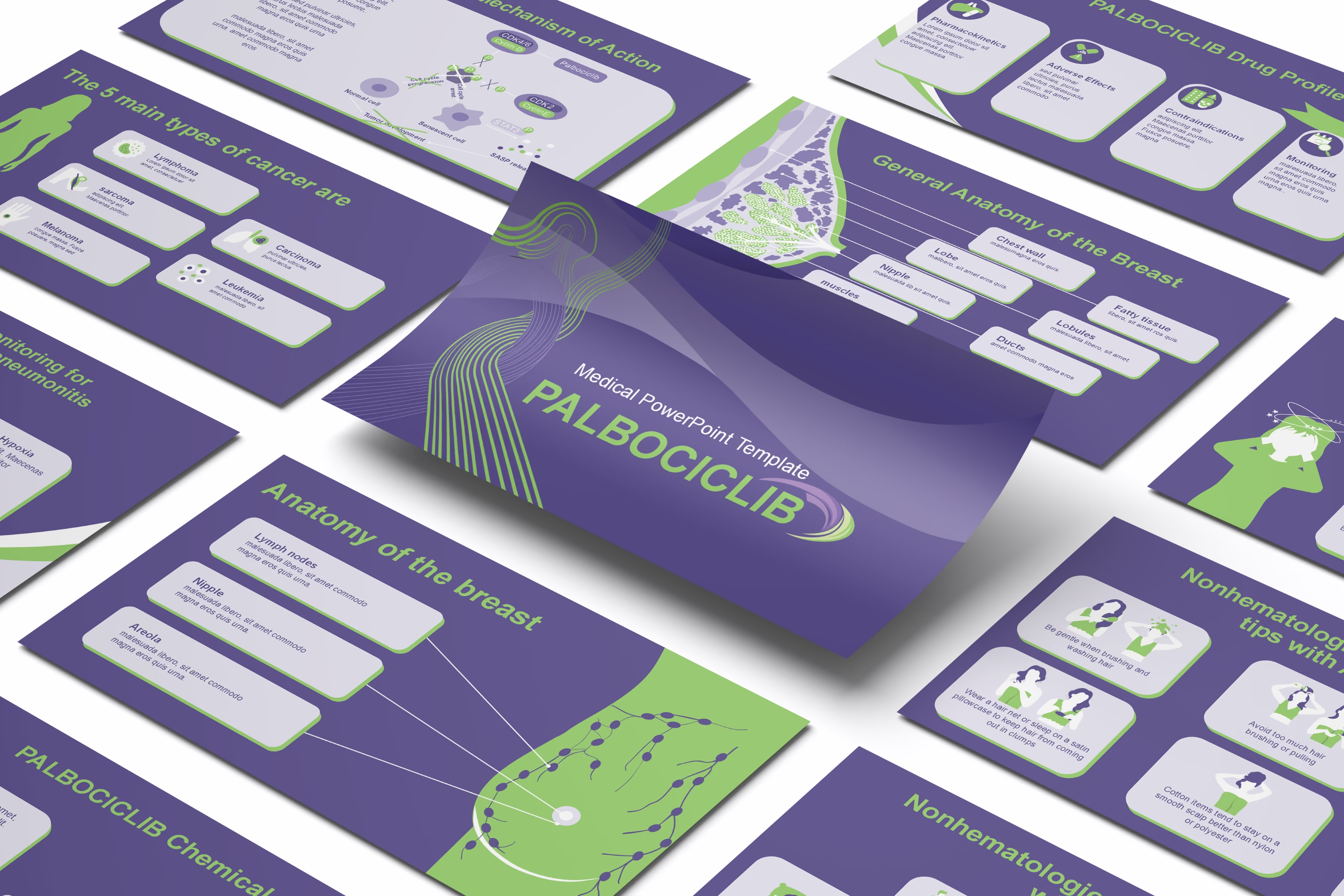
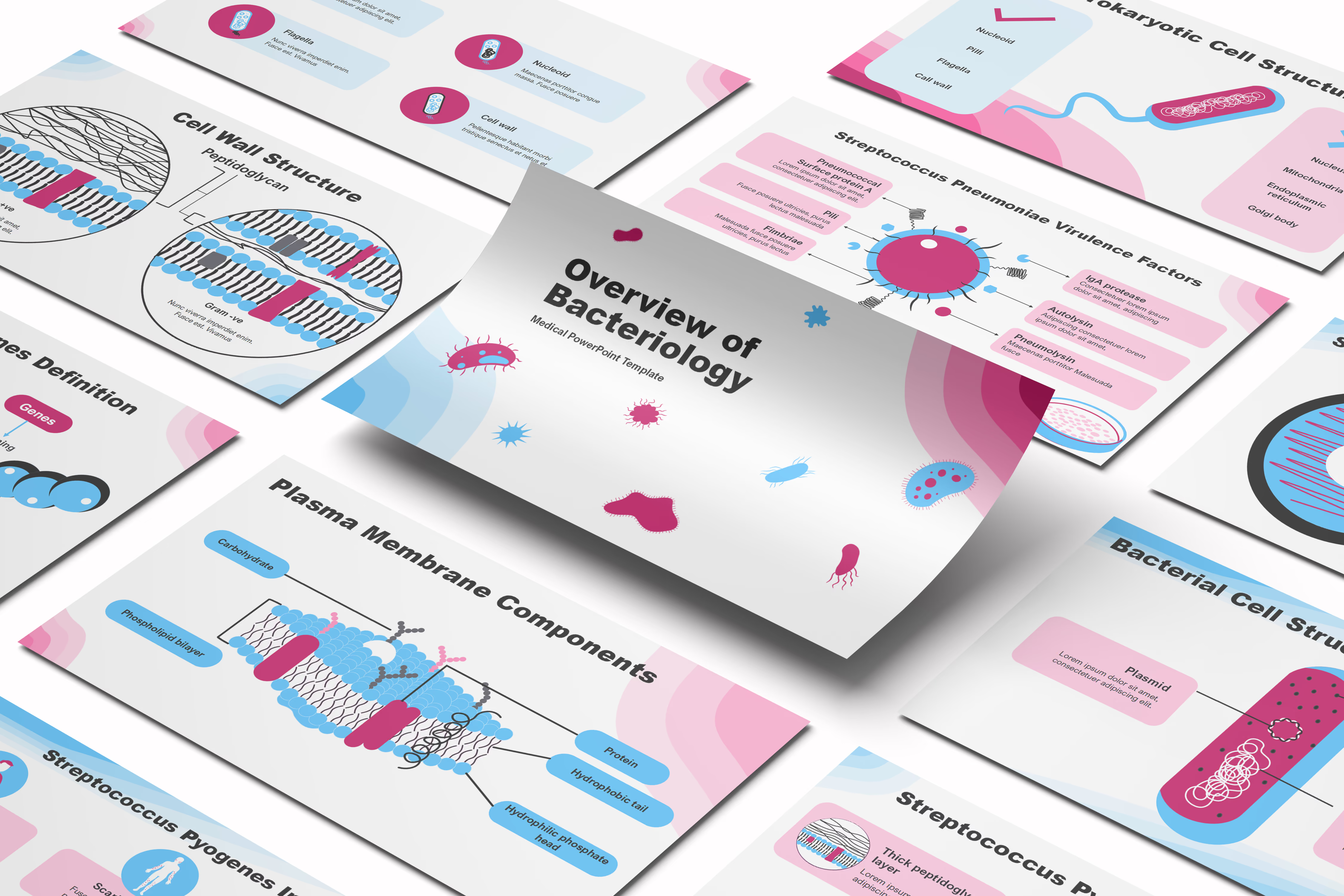
Template Preview
Designed for healthcare professionals creating clear and structured medical presentations.
Ideal for doctors, medical educators, and pharmaceutical teams preparing lectures, clinical education, product presentations, and training.
Fully editable in PowerPoint, allowing you to customize diagrams, charts, and slide layouts with your own medical content
Ready-to-use presentation structure that saves time and helps you build professional healthcare presentations quickly.
Fully Animated
Built-in animations help you present medical information clearly and make complex concepts easier to understand.
Editable Colors and Shapes
Editable colors and shapes help you easily customize the slides to match your content and presentation style, just drag and drop your content.
Professional medical layouts
Professional medical layouts help you organize clinical information, medical data, and treatment insights in a clear and structured way.

Created by Medical Professionals
This template prioritizes medical accuracy, clarity, and real-world usability. Each slide is designed with a medical audience in mind, helping you present clinical information, data, and treatment insights in a way that is structured, credible, and easy for healthcare professionals to understand.
Pharmaceutical Product & Medical Affairs Presentations
Medical Affairs teams supporting a long-acting beta agonist or ICS/LABA combination product can put this 48-slide Salmeterol template to work as scientific-exchange groundwork, covering β2-adrenergic receptor activation, the Gs-protein/cAMP signaling cascade, and the drug's comparative pharmacokinetics (96% plasma protein binding, a 5.5-hour half-life) without referencing a specific brand. Medical Science Liaisons can pull from the drug-interaction slides covering ritonavir, tricyclic antidepressants, beta-blockers, and diuretics when a scientific exchange conversation turns to concomitant medication risk. Because the content stays disease- and mechanism-focused rather than promotional, it works as a starting point that still passes through the customer's own medical and compliance review before reaching the field. Respiratory and pulmonology teams gain a consistent pharmacological reference for conversations spanning both asthma and COPD maintenance therapy.

Medical Congress & Scientific Conference Presentations
Pulmonologists and clinical pharmacists preparing a respiratory pharmacology session can lean on this Salmeterol template's β2 receptor and airway smooth muscle animations instead of assembling bronchodilation diagrams independently. The head-to-head comparison slide contrasting Salmeterol against salbutamol and formoterol gives a speaker a ready framework for distinguishing long-acting from short-acting beta agonists in a case-based discussion. A Key Opinion Leader presenting at a pulmonology or allergy/immunology conference can pair the existing pharmacokinetic and dosing-by-age slides with their own institutional outcomes data. The clinical-studies section, built around four comparative case examples, keeps the discussion evidence-based for a specialist audience.

Medical Training for Pharmaceutical & Life Sciences Companies
Respiratory sales training teams onboarding new hires to the LABA drug class can build around this Salmeterol template's mechanism-of-action sequence, tracing receptor binding through Gs-protein activation to the final bronchodilation outcome. Trainees work through the three-condition indication set, exercise-induced bronchospasm, asthma, and COPD, alongside the explicit warning that Salmeterol is a maintenance therapy and not a rescue inhaler for acute attacks. The adverse-reaction slides, split separately for asthma versus COPD populations, give new Medical Science Liaisons a condition-specific safety reference rather than a single generic list. New hires finish training able to explain why a LABA is prescribed alongside, not instead of, an inhaled corticosteroid.

eLearning & SCORM Training Modules
Pharmacy schools and Medical Affairs Learning & Development teams building a respiratory pharmacology module can customize this Salmeterol template with their own assessment questions, then convert the finished presentation into a SCORM-compliant module for their learning management system when self-paced study fits the curriculum better. The step-by-step cellular signaling pathway and dosing-regimen comparison slides translate naturally into interactive quiz checkpoints within a broader course on bronchodilator pharmacology. When a program needs a narrower scope, such as drug interactions alone or a version tailored for nursing versus pharmacy learners, the RxSlides team can adjust the template's coverage and branding. When no existing template lines up with a program's specific objective, the RxSlides team can also build a fully custom presentation from scratch.
Medical & Healthcare Education
Pharmacy and medical school faculty teaching respiratory pharmacology can use this template to walk students through β2 receptor stimulation and its systemic effects without sourcing separate diagrams for each organ system affected. The lung-anatomy and airway-comparison slides connect the receptor-level mechanism to its clinical outcome, dilated versus narrowed bronchioles, in a way that's difficult to convey through text alone. The dosing-by-age chart and three-tier regimen comparison give students a concrete reference for translating pharmacology into prescribing practice. Students leave with a clear distinction between Salmeterol's maintenance role and the rescue role played by short-acting agonists.
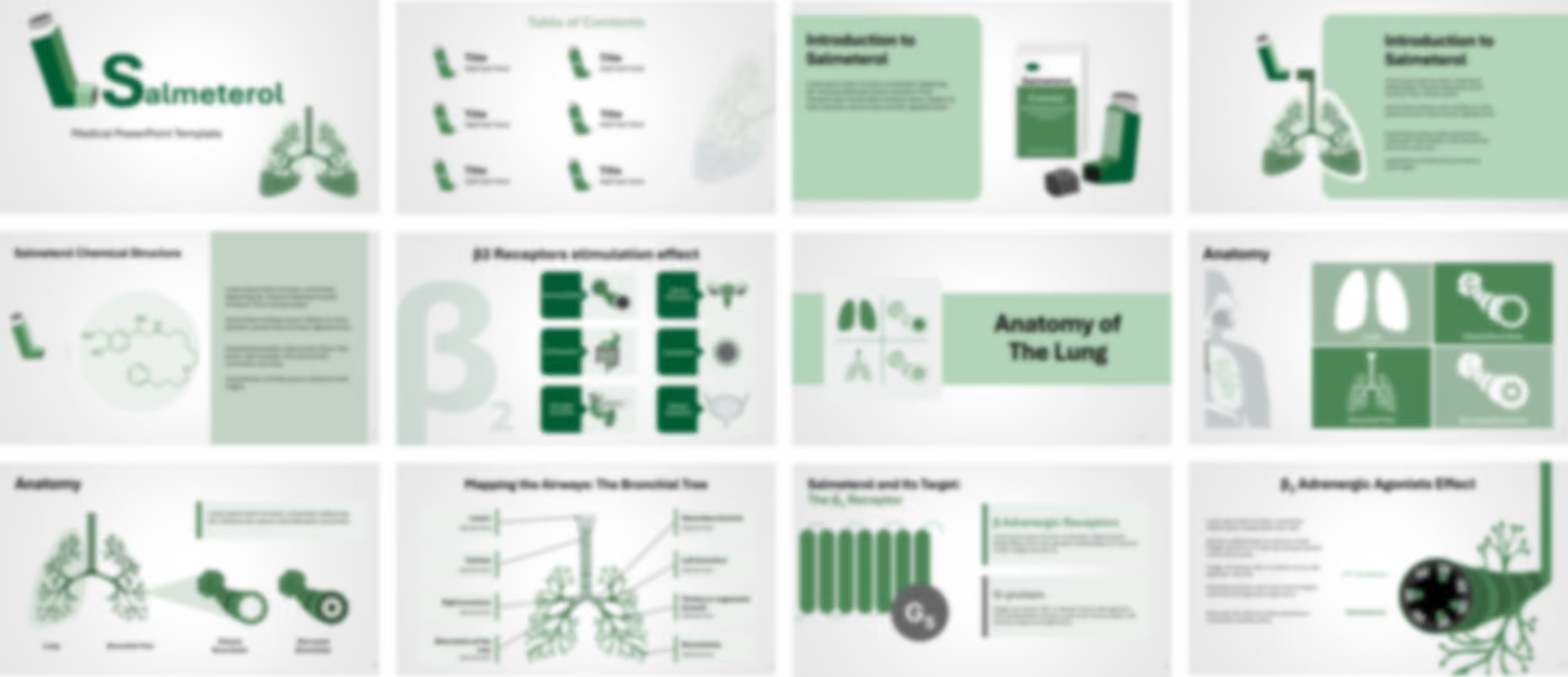
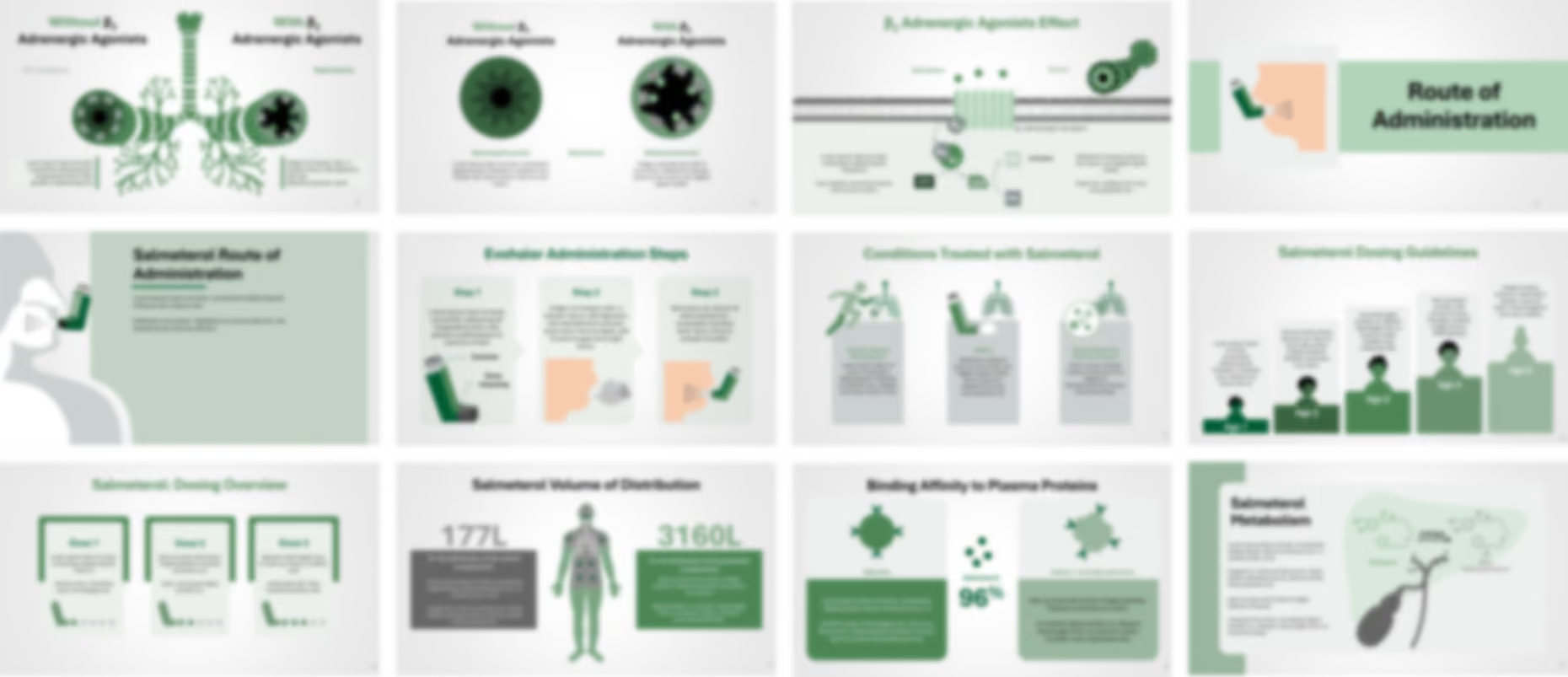
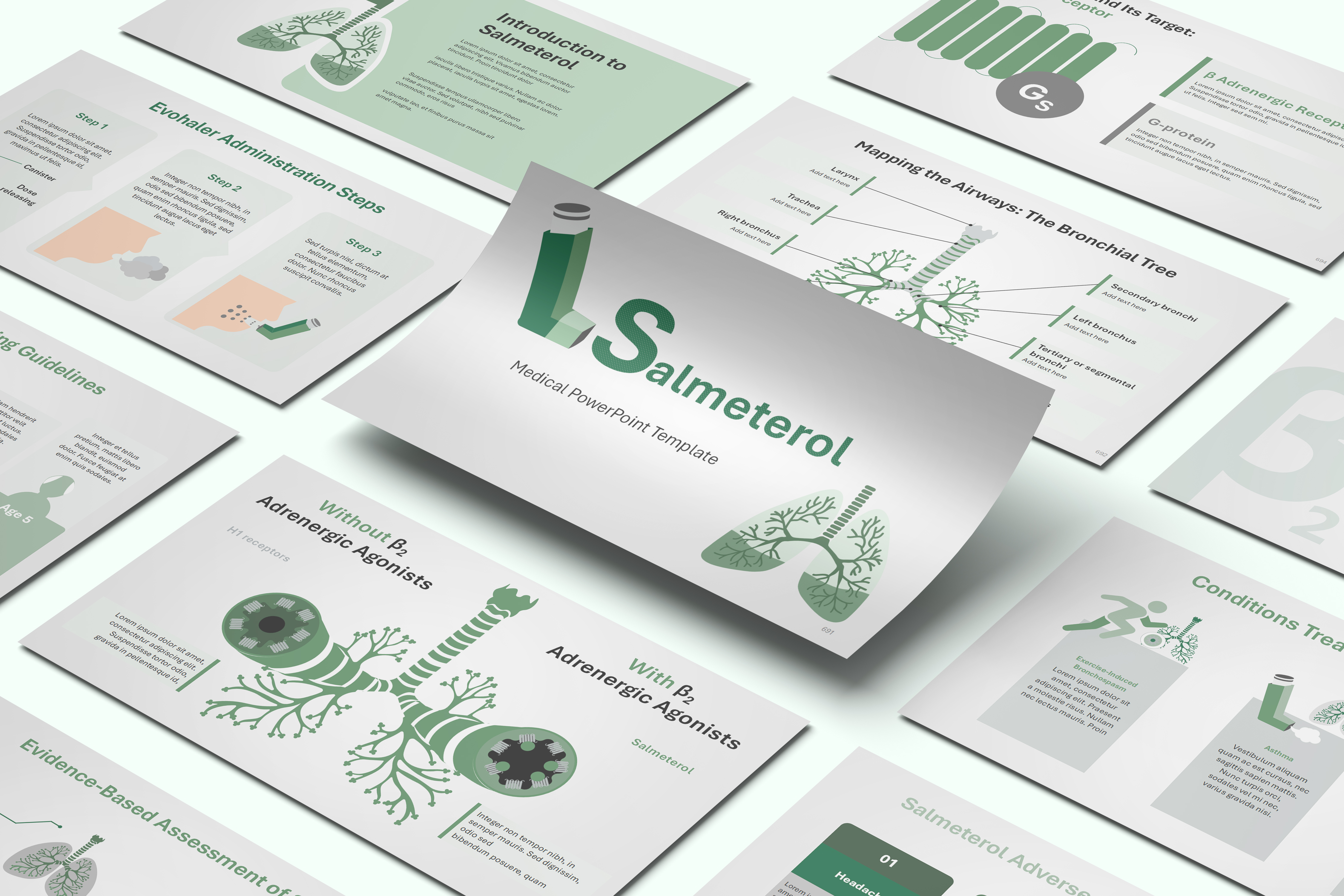
The Salmeterol PowerPoint template opens with a title slide and customizable table of contents before the drug's chemical structure and the effects of β2 receptor stimulation across the lungs and other organs are introduced. Animated illustrations then label the bronchial tree and lower respiratory structures, comparing dilated and narrowed bronchioles across eight key anatomical parts in a set of editable PowerPoint slides.
The template explains the molecular target of the drug, illustrating the seven transmembrane domains of the β2 receptor and its coupled Gs protein. Animated diagrams then map the complete cellular signaling pathway, from salmeterol binding the receptor through Gs protein activation, cAMP production, and protein kinase activation that relaxes bronchial smooth muscle.
Illustrated inhaler diagrams detail the route of administration and a three step guide for using the evohaler device before the presentation covers three indications, exercise induced bronchospasm, asthma, and chronic obstructive pulmonary disease. Establishing these approved uses first gives educators a clear clinical anchor before dosing guidelines cover age based charts and comparative regimens.
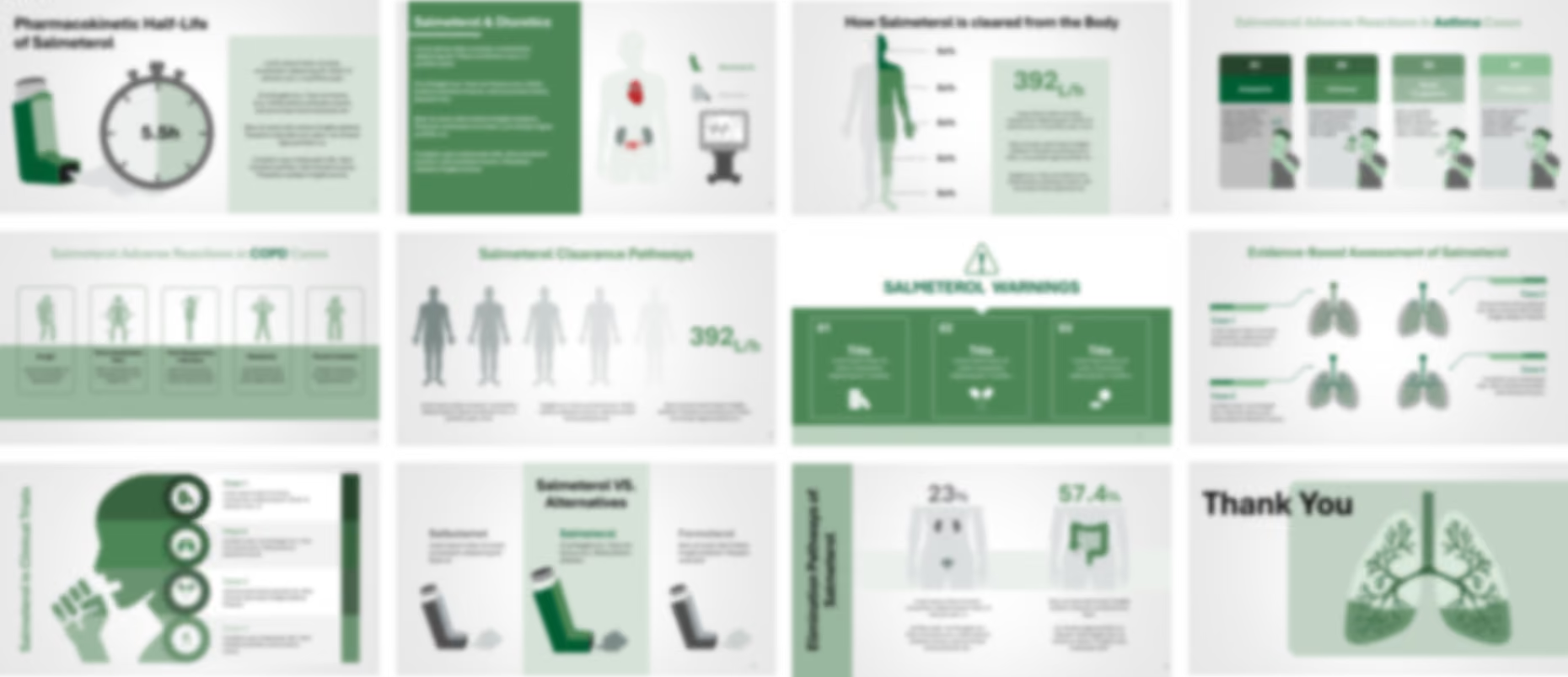
The presentation template details pharmacokinetics including volume of distribution, protein binding, hepatic metabolism through CYP3A4, elimination pathways, and half life before covering adverse reactions in both asthma and COPD cases. It closes with drug interactions involving ritonavir, tricyclic antidepressants, beta blockers, and diuretics, alongside warnings, clinical studies, and a comparative summary against salbutamol and formoterol in a set of editable medical diagrams.
Ready To Transform Your Presentation ?
Pay once, use forever