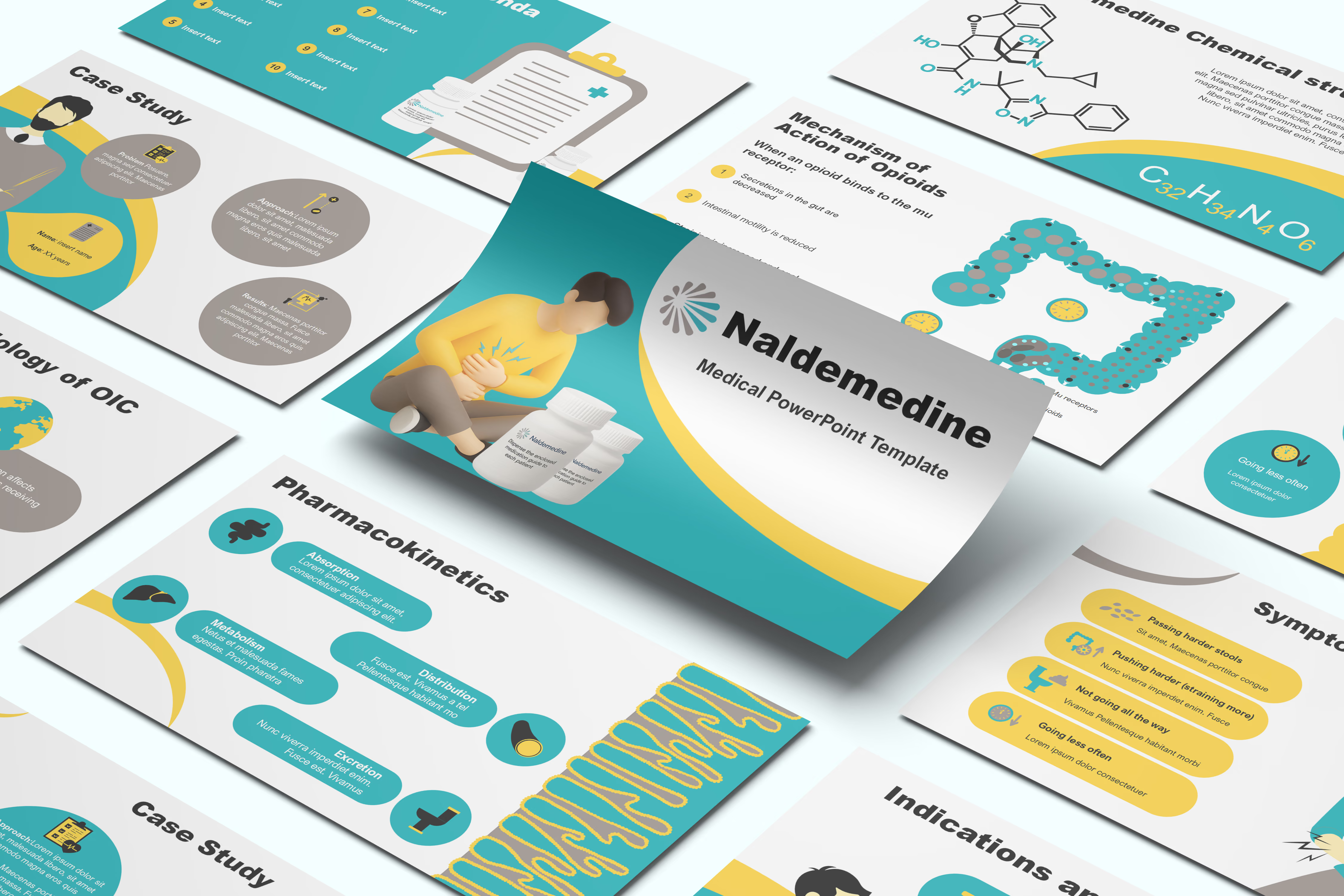
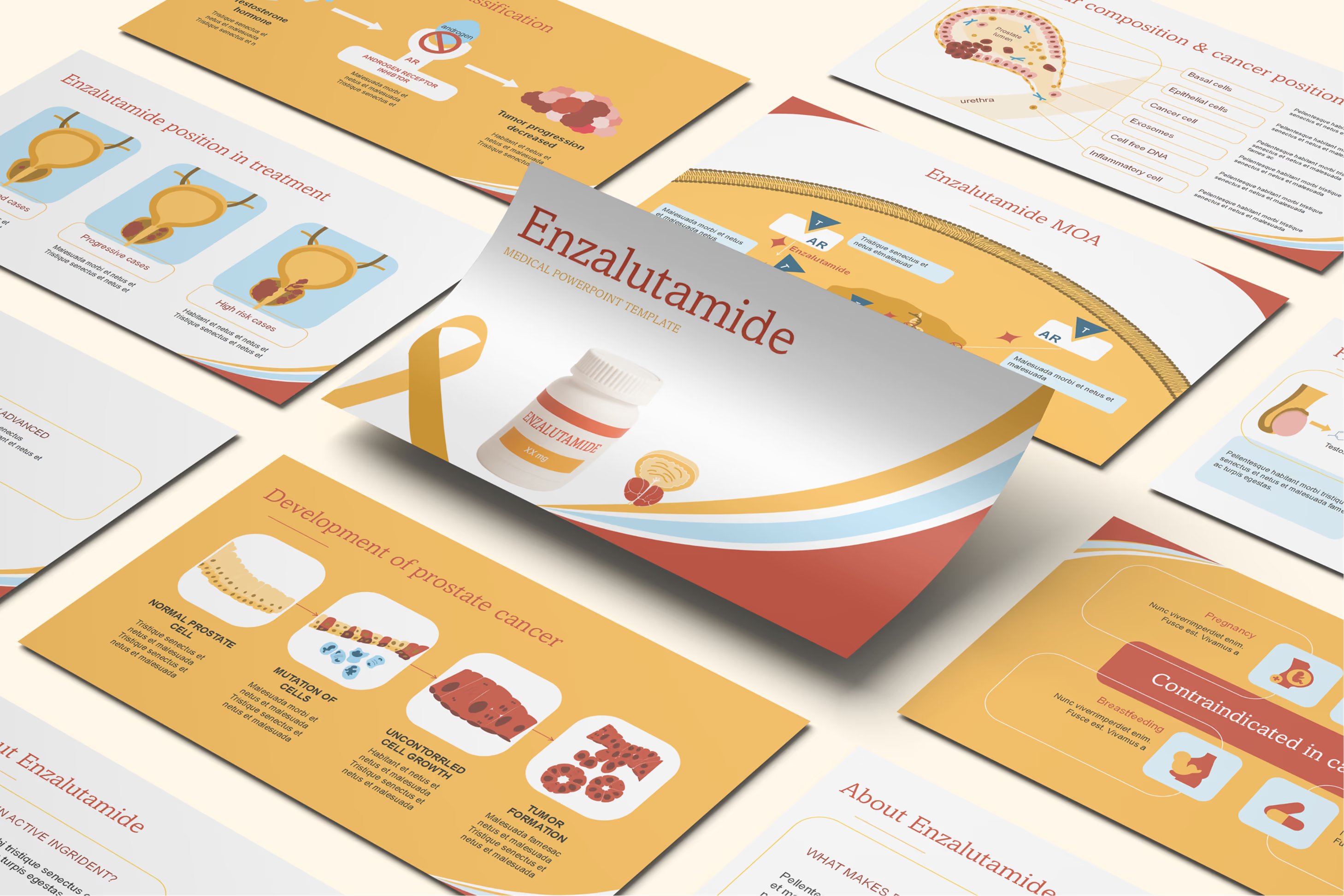
Urology PowerPoint Template Bundle






Template Preview
Designed for healthcare professionals creating clear and structured medical presentations.
Ideal for doctors, medical educators, and pharmaceutical teams preparing lectures, clinical education, product presentations, and training.
Fully editable in PowerPoint, allowing you to customize diagrams, charts, and slide layouts with your own medical content
Ready-to-use presentation structure that saves time and helps you build professional healthcare presentations quickly.
Fully Animated
Built-in animations help you present medical information clearly and make complex concepts easier to understand.
Editable Colors and Shapes
Editable colors and shapes help you easily customize the slides to match your content and presentation style, just drag and drop your content.
Professional medical layouts
Professional medical layouts help you organize clinical information, medical data, and treatment insights in a clear and structured way.

Created by Medical Professionals
This template prioritizes medical accuracy, clarity, and real-world usability. Each slide is designed with a medical audience in mind, helping you present clinical information, data, and treatment insights in a way that is structured, credible, and easy for healthcare professionals to understand.
Medical Training for Pharmaceutical & Life Sciences Companies

Kidney and urinary tract conditions make up most of the bundle's 10 editable templates, from acute kidney injury and chronic kidney disease to kidney stones, cystitis, and urinary incontinence, alongside a urinary system anatomy and physiology template and one on dapagliflozin. Medical Affairs and training teams at pharmaceutical and life sciences companies can turn them into nephrology and urology modules with their own material and branding, then run the sessions for new MSLs and sales representatives ahead of product-specific training.
Medical Congress & Scientific Conference Presentations

At a urology congress or nephrology meeting, a kidney stone talk can follow stones from formation to removal on a single template: calcium oxalate, struvite, and uric acid stones, animated nucleation and stone growth, then shock wave lithotripsy, ureteroscopy, and percutaneous nephrolithotomy. Urologists, nephrologists, and researchers fill in the case series and imaging from their own practice.
Pharmaceutical Product & Medical Affairs Presentations
For a renal therapy, Medical Affairs and product teams can place the chronic kidney disease template's animated hypertension and diabetes pathways beside the dapagliflozin template's slides on SGLT2 inhibition in the proximal tubule. The team adds its own product data, references, and approved messaging, and the presentations go through internal medical, legal, and regulatory review before they reach healthcare professionals.
eLearning & SCORM Training Modules

Urology and nephrology courses for sales trainees, new MSL hires, or nursing and dialysis staff can begin from any template in the bundle, which Learning and Development and corporate training teams fill with their own content, data, and branding. Converted into a SCORM-compliant module, the presentation then runs on the company's LMS. Where a course calls for a narrower or deeper version, or a different brand treatment, the RxSlides team can adapt the template, and when nothing in the bundle fits, a fully custom presentation can be designed from scratch.
Medical & Healthcare Education
Medical and nursing instructors can start a renal teaching unit with the anatomy and physiology template, which animates urine formation through glomerular filtration, tubular reabsorption, and tubular secretion and closes with an infographic on urine composition. The urinary incontinence template then moves the unit to bladder control, with the detrusor muscle, the internal and external sphincters, and an animated five-step micturition sequence. The teaching cases and lecture notes come from the instructor.



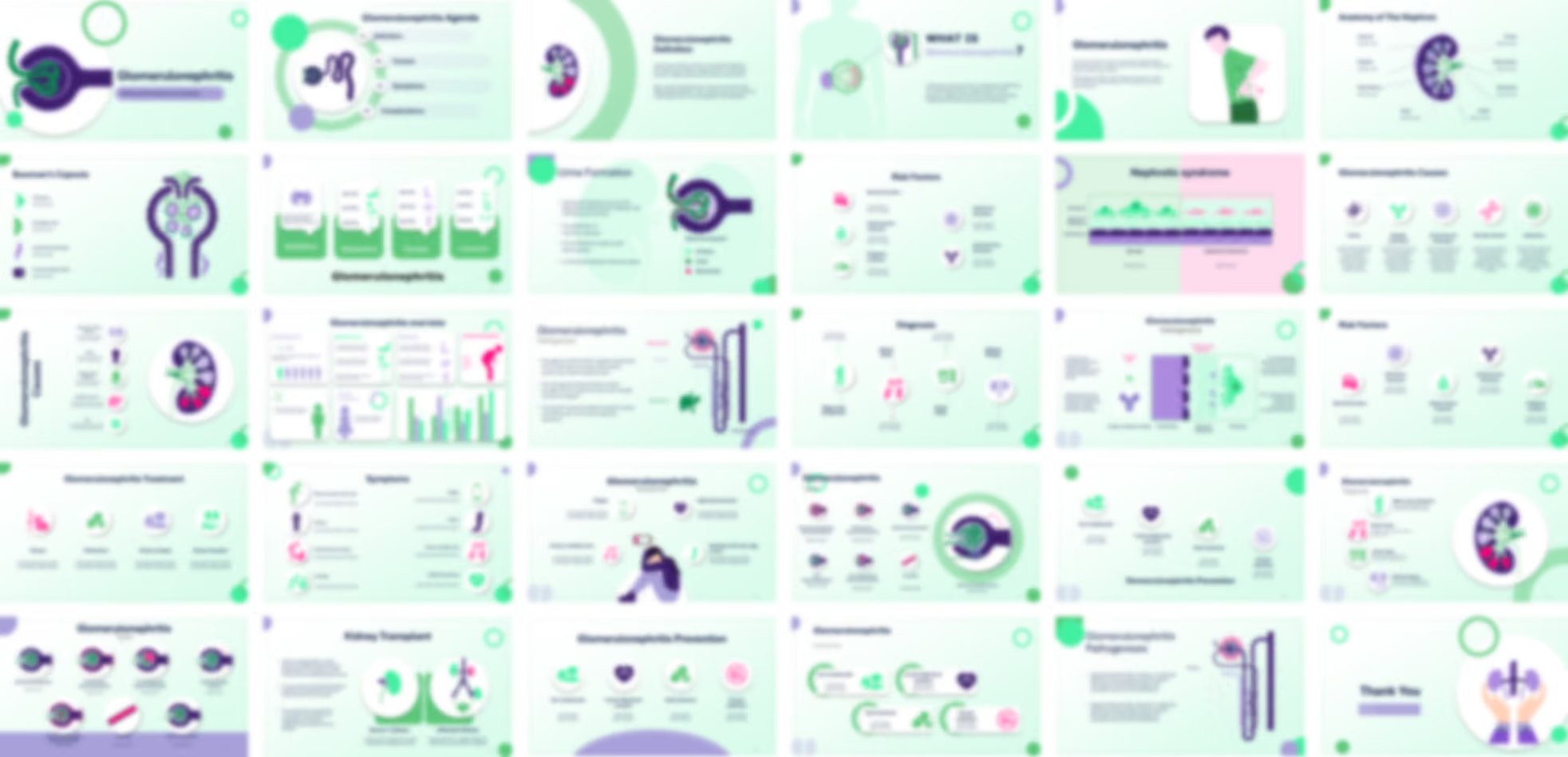




Kidney anatomy runs from the cortex and medulla down to the nephron, with the afferent and efferent arterioles, glomerulus, Bowman's capsule, proximal and distal tubules, loop of Henle, and collecting duct. The glomerulonephritis and chronic kidney disease templates add podocytes and mesangial cells, the cystitis and dysuria templates trace the ureters down to the bladder, and the anatomy and physiology template shows the male and female bladder and urethra with their accessory glands. The dysuria template animates the neural control of normal urination, from bladder stretch receptors to the brain's inhibitory signal. Every template in the bundle is animated, and every illustration is original vector artwork drawn by medical professionals trained in medical illustration, so you can resize, recolor, and modify each element and adjust its animations in PowerPoint.
Animated pathogenesis slides show acute kidney injury through acute tubular necrosis, interstitial nephritis, and postrenal obstruction, and glomerulonephritis through immune complex deposition in the basement membrane, podocyte damage, and protein loss. The cystitis template animates how bacteria travel up the urethra to inflame the bladder wall, and the urinary tract infection template adds vesicoureteral reflux. Classification slides separate prerenal, renal, and postrenal acute kidney injury, and divide urinary tract infection (UTI) into urethritis, cystitis, and pyelonephritis. They also cover stress, urge, overflow, total, functional, and transient incontinence, along with overactive bladder.
All eight condition templates cover symptoms, diagnosis, and treatment. Diagnostic slides include a bladder diary, postvoid residual measurement, and cystoscopy for incontinence, urine culture for urinary tract infection, and kidney biopsy in the acute kidney injury, chronic kidney disease, and glomerulonephritis templates. Treatment slides range from hemodialysis and peritoneal dialysis to kidney transplantation, pelvic floor exercises, bladder training, and antibiotic therapy. The dapagliflozin template adds pharmacokinetics, warnings, side effects, and contraindications, and compares dapagliflozin with empagliflozin and canagliflozin.
The bundle includes templates on acute kidney injury, chronic kidney disease, cystitis, dysuria, glomerulonephritis, kidney stones, urinary incontinence, urinary tract infection, and urinary system anatomy and physiology, along with the medication dapagliflozin. Each template has its own visual theme, so sessions on the kidney and on the lower urinary tract stay visually distinct even for the same audience. The templates are editable in PowerPoint, and you can contact us to have the RxSlides team edit them for you if needed.
Ready To Transform Your Presentation ?
Pay once, use forever