5 Clinical Insights into Azelastine Every Medical Presenter Needs
Introduction: The Urgent Need for Rapid Allergy Management
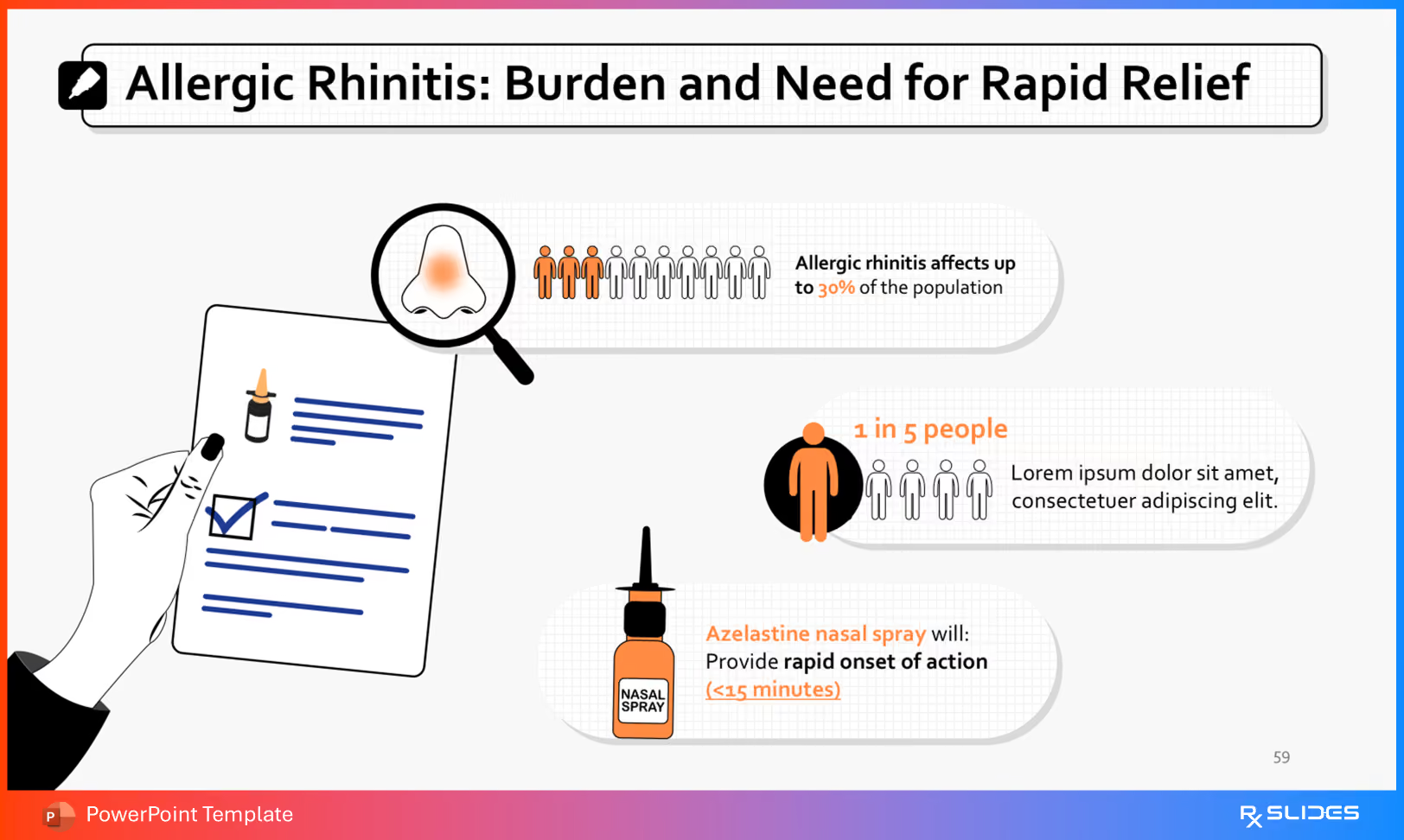
Allergic rhinitis represents a staggering global health burden, currently affecting up to 30% of the population. For approximately 1 in 5 individuals, this condition is not merely a seasonal nuisance but a chronic pathological state that significantly impairs quality of life and daily productivity. As clinicians and medical educators, the challenge lies in identifying pharmacological interventions that provide both immediate symptomatic relief and long-term control.
Azelastine has solidified its role as an essential, versatile antihistamine by addressing the complex inflammatory cascade associated with allergic disease. This post highlights five critical clinical takeaways designed to assist medical presenters in translating pharmacological data into impactful narratives, ensuring that providers understand why Azelastine remains a cornerstone of modern allergy management.
Takeaway 1: The 15-Minute Onset – Speed as a Clinical Priority
Azelastine is distinguished by its exceptionally rapid onset of action, with clinical data demonstrating symptomatic relief in under 15 minutes. This pharmacokinetic profile provides a significant advantage over many oral antihistamines and intranasal corticosteroids. While agents such as Fluticasone Propionate are highly effective for their strong local anti-inflammatory effects and minimal systemic side effects, they are primarily positioned as maintenance therapies. Azelastine, conversely, serves a dual role: it provides the immediate "rescue" relief patients demand while maintaining preventative efficacy.
Clinical Narrative Strategy When presenting to healthcare providers, emphasizing the "<15 minutes" onset is vital because it addresses the most frequent patient complaint: the need for immediate intervention. By contrasting Azelastine’s rapid action with the slower buildup of maintenance steroids like Fluticasone, the presenter can categorize Azelastine as a high-utility tool for acute symptom management.
Slide Example A high-impact slide titled "Allergic Rhinitis: Burden and Need for Rapid Relief" should visually highlight the rapid onset of action. The design should utilize a timeline or infographic format to contrast the immediate relief window of Azelastine against the longer therapeutic lead times of traditional maintenance protocols.
Takeaway 2: Beyond the Nose – A Dual-Path Solution for Eyes and Airways
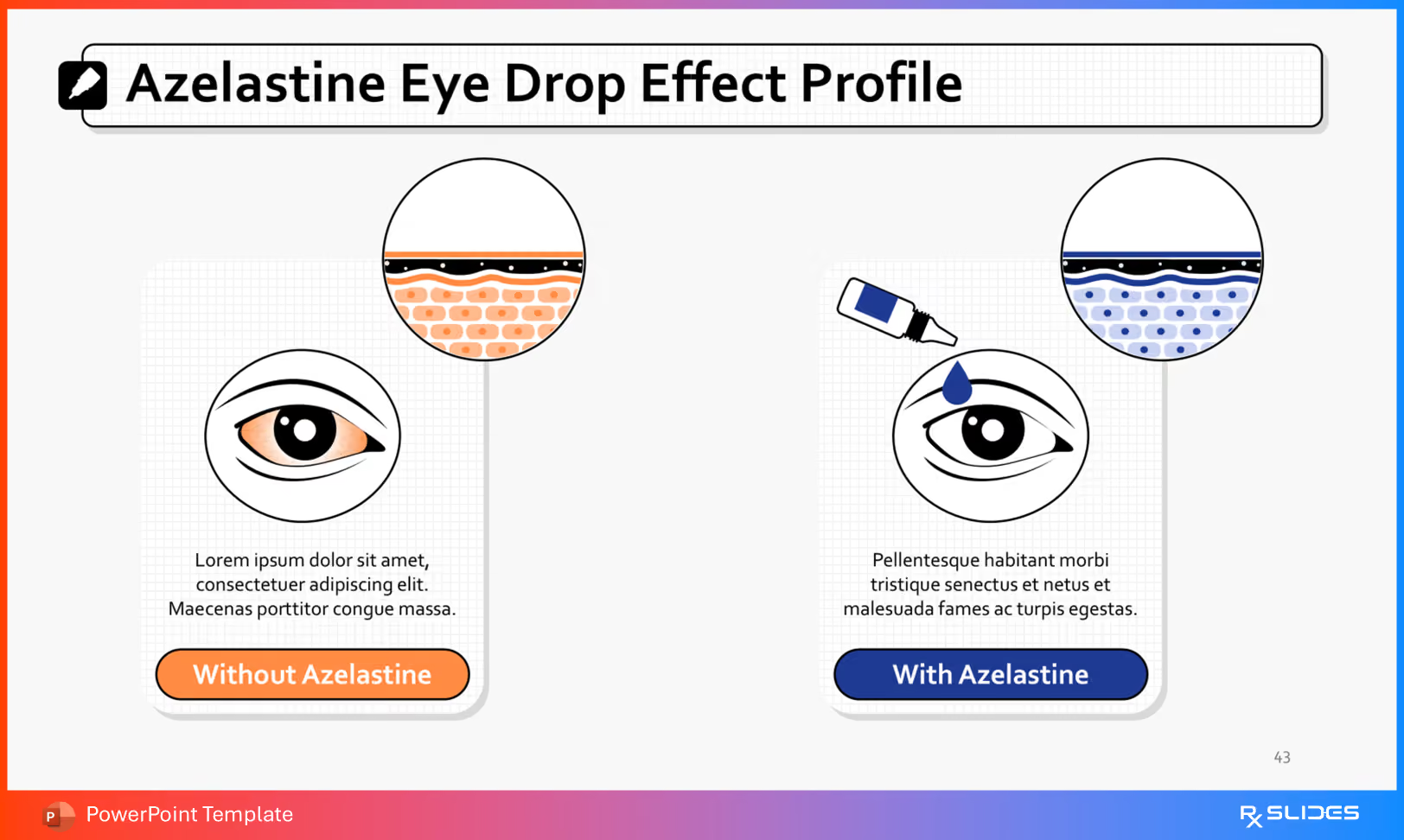
Azelastine’s utility extends beyond the nasal mucosa through its indicated use for both allergic rhinitis and allergic conjunctivitis. Delivered via nasal spray or ophthalmic drops (indicated for adults and children ≥ 3 years), it offers a comprehensive solution for rhinoconjunctivitis. The ophthalmic protocol involves a precise dosing of one drop in each eye twice daily, addressing the complex anatomy of the eye, including the Sclera, Ciliary Body, Iris, Pupil, Cornea, Lens, Vitreous Body, Retina, Macula, Optic Nerve, and Choroid. Furthermore, the ophthalmic formulation supports the integrity of the Tear Film, which consists of the Lipid, Aqueous, and Mucin layers.
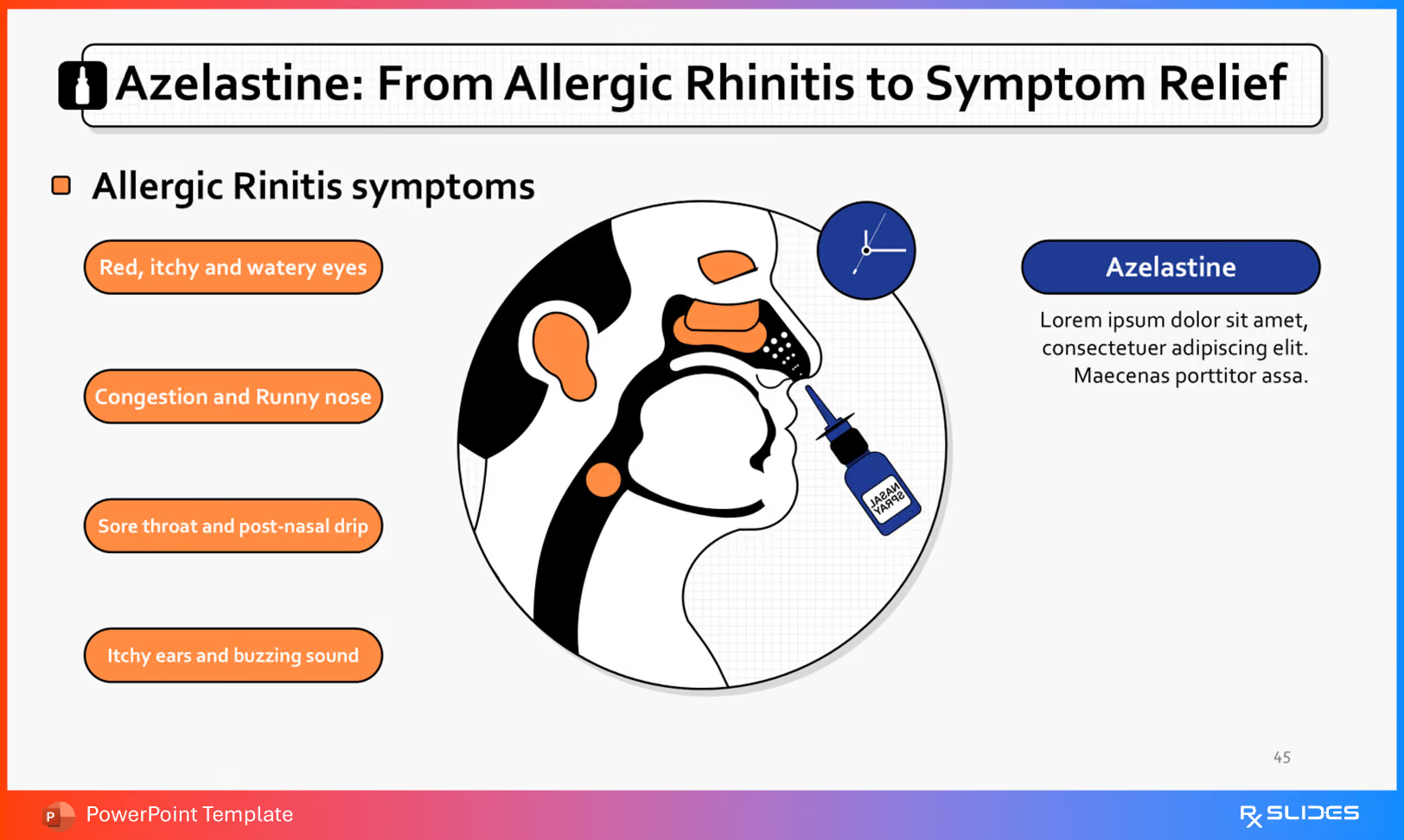
Clinical Narrative Strategy Presenting Azelastine as a dual-path solution demonstrates a holistic clinical approach. Patients rarely present with isolated symptoms; the respiratory landmarks of the Nose, Larynx, Trachea, Nasal Cavity, Lung, and Bronchi are often affected simultaneously with ocular tissues. Highlighting the integrated "Patient Education Module" within this template—which covers the 5-step nasal application and eye drop protocols—adds practical value for the clinician.
"73% of patients treated with azelastine reported overall improvement of rhinoconjunctivitis symptoms."
Slide Example Describe a slide titled "Azelastine Effect Profile" This slide must feature detailed anatomical diagrams of the eye or the human respiratory system.
Takeaway 3: Precision Mechanism – Blocking the Histamine Cascade
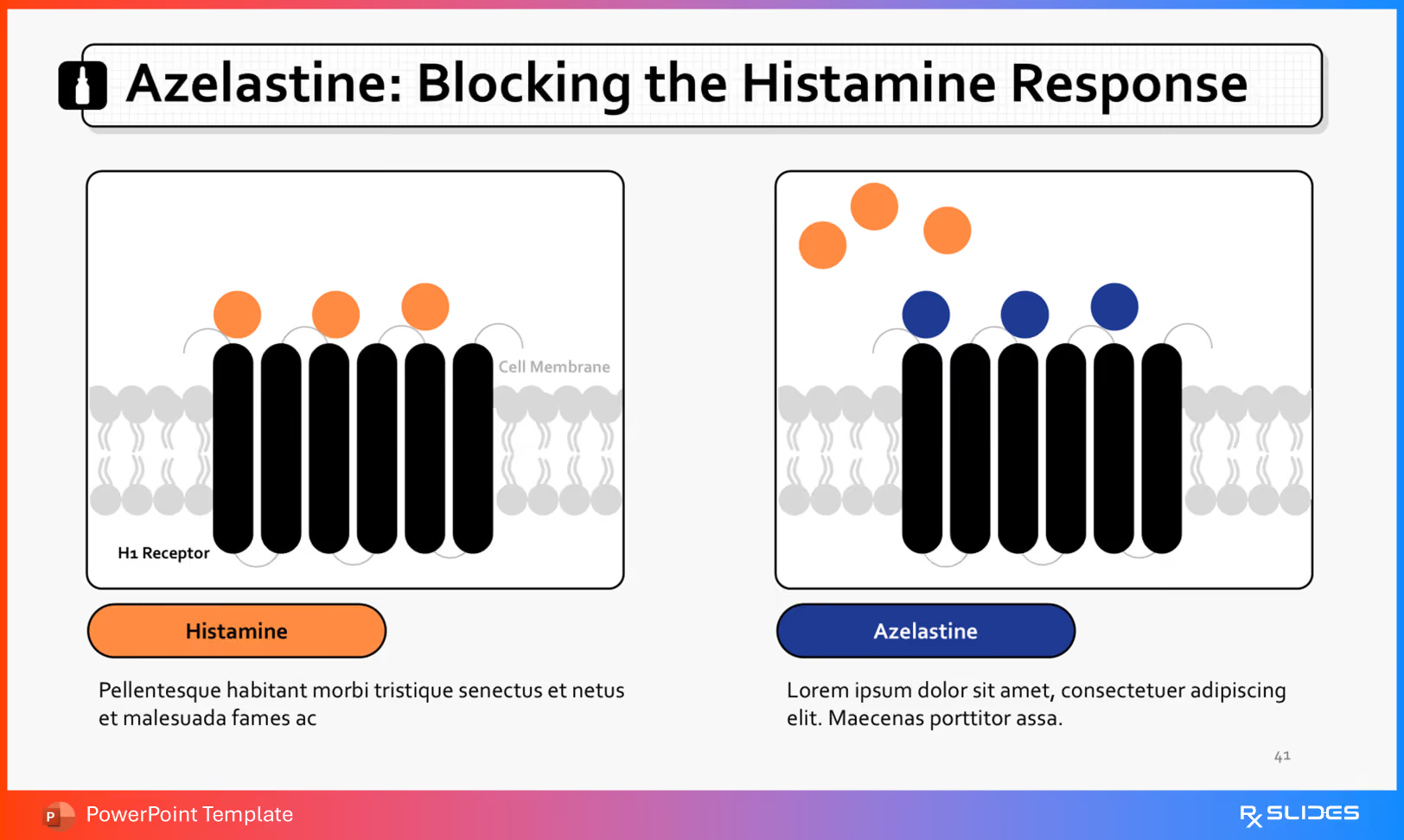
The efficacy of Azelastine is rooted in its sophisticated pharmacodynamics. It serves as a potent H1 receptor antagonist, effectively blocking the histamine response at the cell membrane. Beyond simple receptor blockade, the clinical evidence suggests a role in stabilizing the inflammatory response. This process involves a complex cascade where allergens trigger B-cells and IgE-antibodies, leading to the degranulation of Mast cells and the subsequent release of histamine.
Clinical Narrative Strategy For a medical audience, the "aha!" moment occurs when the molecular mechanism is clearly visualized. The differentiator for Azelastine is its ability to intervene at the site of the H1 receptor while influencing the broader mast cell-mediated response. This dual-action mechanism is what enables the rapid suppression of the inflammatory cascade.
Slide Example Utilize a slide titled "Azelastine: Blocking the Histamine Response." This should feature a high-resolution diagram of the Cell Membrane, showing Azelastine molecules successfully competing with Histamine for the H1 Receptor, effectively halting the progression of allergic symptoms at the molecular level.
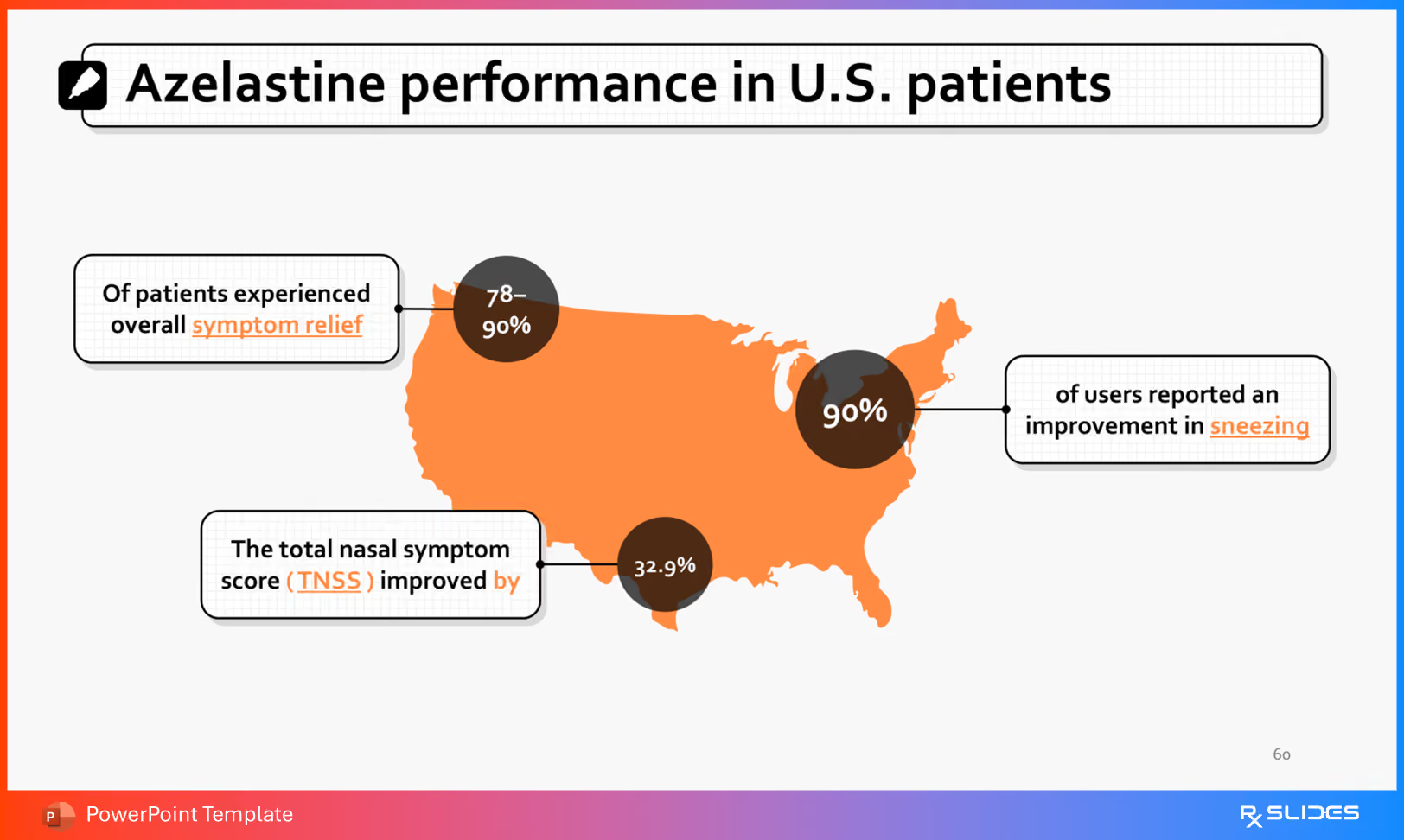
Evidence-based medicine requires robust data, and Azelastine’s clinical performance in U.S. and worldwide trials provides exactly that. In U.S. patient populations, the Total Nasal Symptom Score (TNSS) showed a significant 32.9% improvement. Furthermore, 78–90% of patients experienced overall symptom relief, with a specific 90% improvement reported in sneezing.
Clinical Narrative Strategy Hard clinical data is the primary driver of speaker credibility. Moving away from generalities toward specific metrics—such as the 32.9% TNSS improvement—transforms a presentation from an overview into a persuasive, data-driven argument. These figures provide clinicians with the statistical confidence necessary to alter their prescribing habits.
Slide Example The slide titled "Azelastine Performance in U.S. Patients" should be data-centric. It should feature a bar chart or infographic representing the 32.9% TNSS improvement, with prominent call-out boxes for the 90% improvement in sneezing and the 78-90% overall relief rate.
Takeaway 5: Navigating the Pharmacokinetic Profile and Safety
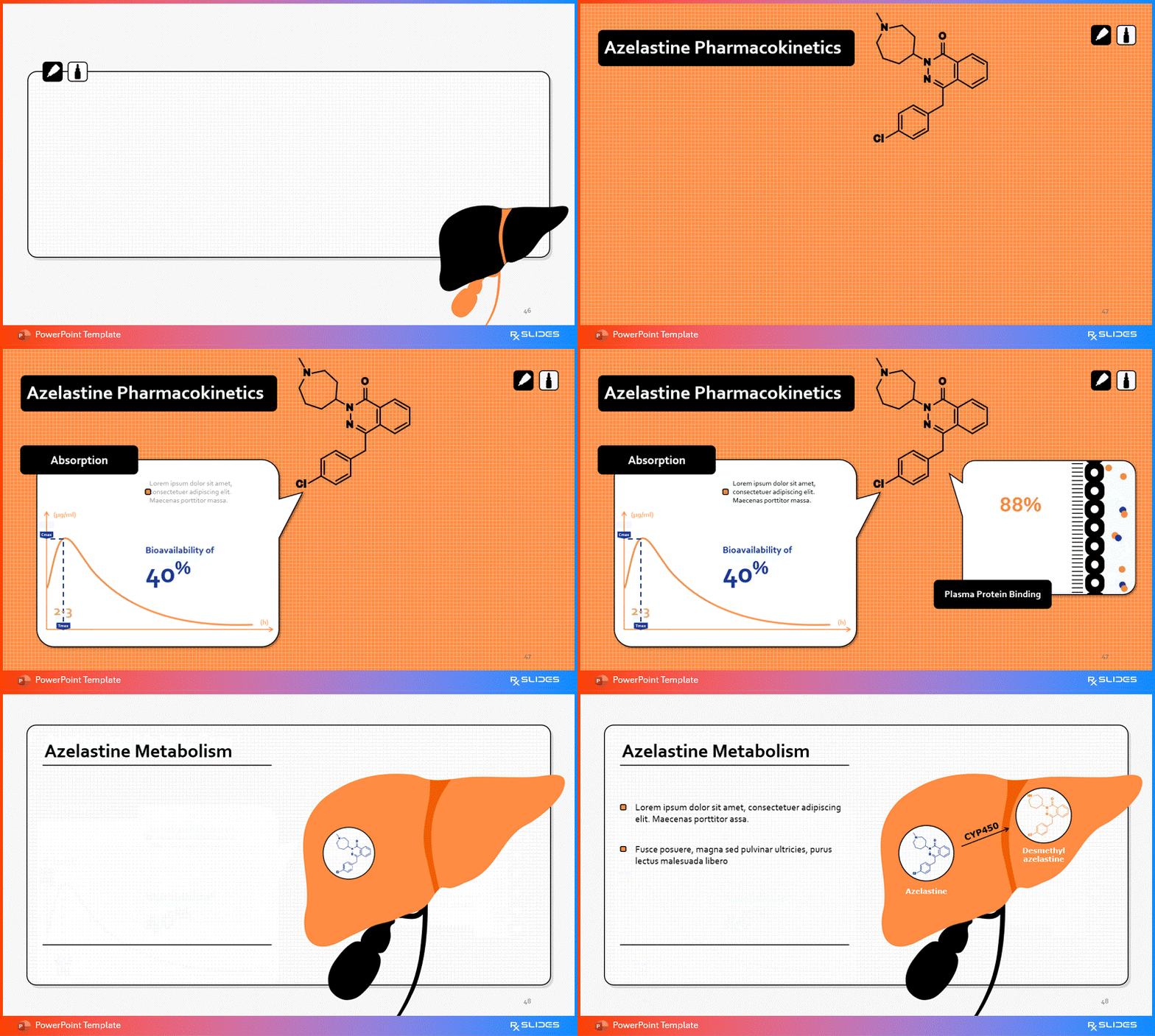
A thorough understanding of Azelastine’s pharmacokinetics is essential for clinical accuracy. The drug has a bioavailability of approximately 40%, a plasma protein binding rate of 88%, and reaches Tmax within 2–3 hours. It is metabolized into the active metabolite Desmethyl azelastine. The elimination profile is robust, with 75% eliminated as metabolite and 10% as unchanged drug. Clinicians must also be aware of safety considerations: while well-tolerated, adverse reactions can include drowsiness, headache, and epistaxis. Furthermore, concomitant use with CNS depressants may enhance impairment and reduce alertness.
Clinical Narrative Strategy Discussing the safety profile and potential side effects like epistaxis (the clinical term for nosebleeds) or nose stinging is not a detractor; it is a hallmark of professional transparency. Addressing these factors, alongside the 2-3 hour Tmax and drug-drug interactions, establishes the presenter as a committed advocate for patient safety and medical accuracy.
Slide Example slides for "Pharmacokinetic and Elimination Profile" should clearly list the 40% bioavailability and 88% protein binding stats. A separate section should detail the drug-drug interaction with CNS depressants, ensuring the clinician is fully informed of potential psychomotor performance impacts.
Conclusion: Why Design Matters for Medical Mastery
Azelastine remains a vital component of the allergy treatment landscape due to its rapid onset, dual-indication versatility, and proven impact on the Total Nasal Symptom Score. For the medical presenter, the challenge is to synthesize these complex anatomical and pharmacological details into a scannable, professional format that mirrors clinical decision-making.
The Azelastine presentation architecture is designed for this purpose, combining anatomical precision across the ocular and respiratory systems with rigorous clinical data. It provides the structured evidence clinicians need to optimize patient outcomes.
In a field where patient relief is measured in minutes, is your current presentation style moving fast enough to keep up with the science?