A Guide to Presenting Otitis Media with Our Medical Template

A Guide to Presenting Otitis Media with Our Medical Template

Otitis media is an inflammatory condition of the middle ear cavity and remains one of the most common pediatric diagnoses globally. Its pathophysiology centers on Eustachian tube dysfunction, middle ear effusion, and subsequent microbial proliferation. For medical educators and congress presenters, translating these mechanisms requires visuals that integrate anatomy, pathology, and clinical decision-making.

The Otitis Media PowerPoint Template provides a structured framework to teach this condition from foundational ear anatomy through diagnostic workflow and surgical intervention.

Below is a practical guide for leveraging the template in professional medical education settings.

1. Anatomical Orientation and Disease Localization

Begin by establishing normal ear structure before introducing pathology.

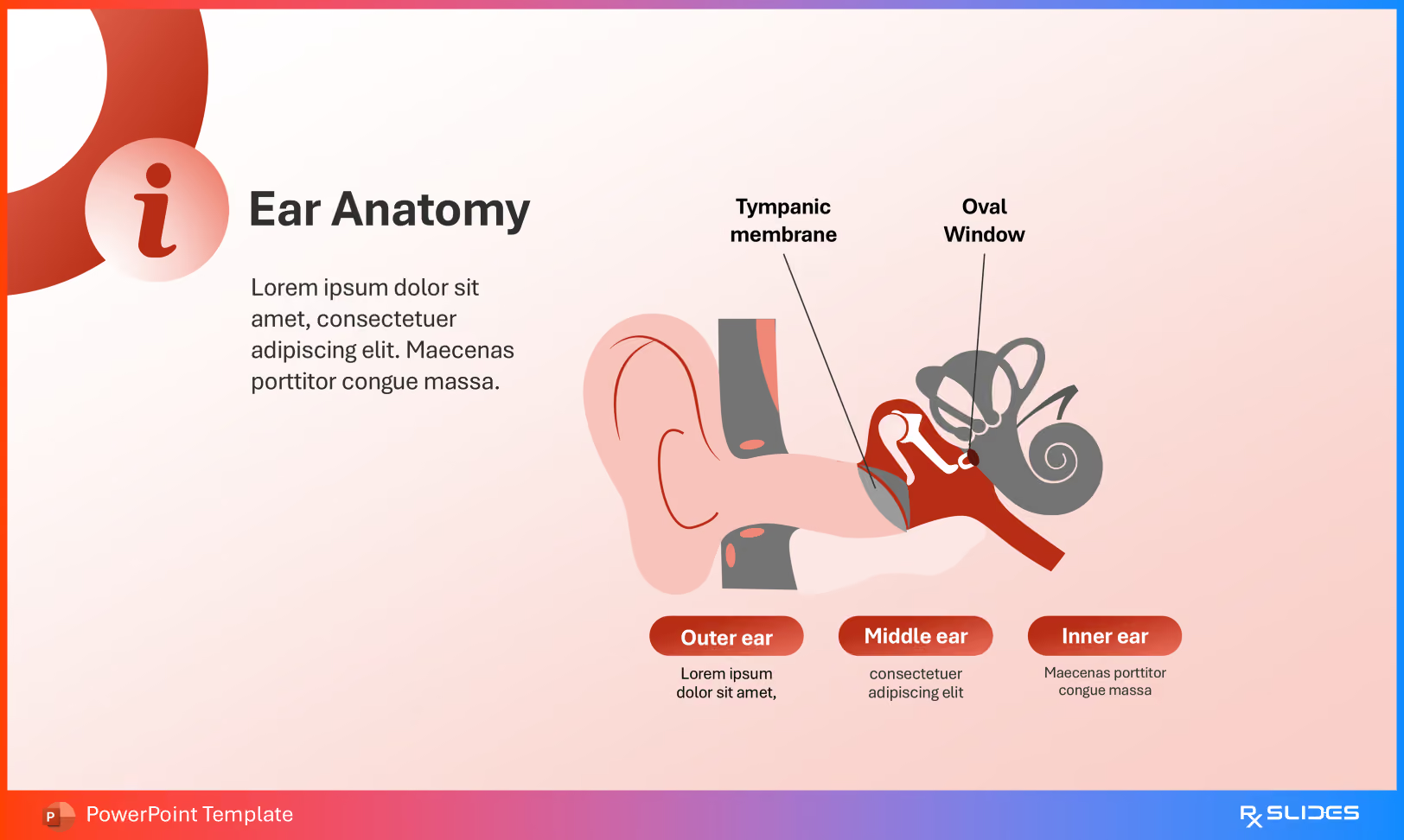
Otitis Media Anatomy

Use these visuals to outline the three anatomical regions:

  • Outer ear
  • Middle ear
  • Inner ear
Otitis Media Anatomy Slide From Otitis Media PowerPoint Template

Emphasize that otitis media develops posterior to the tympanic membrane within the middle ear cavity, creating the anatomical basis for effusion and pressure-related symptoms.

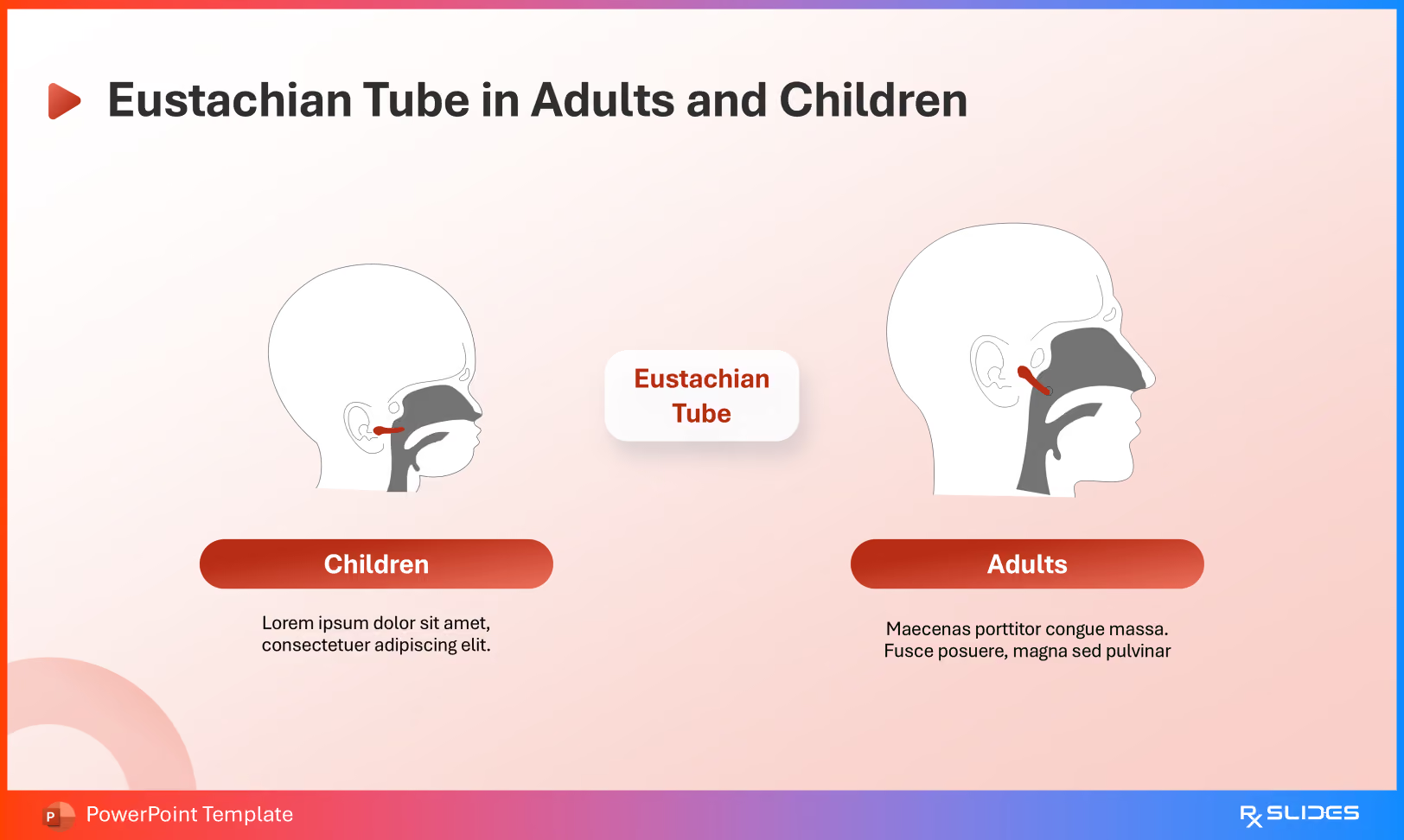
Eustachian Tube in Adults vs Children

This comparison is central to pediatric pathophysiology:

  • Pediatric Eustachian tubes are shorter, narrower, and more horizontal
  • This configuration compromises ventilation and drainage
Eustachian Tube in Adults vs Children Slide From Otitis Media PowerPoint Template

Clinically, this explains the increased incidence of recurrent infections in infants and young children and supports anatomical reasoning during case-based teaching.

2. Disease Cascade: Pathogenesis for Medical Training

For pathology and microbiology education, present otitis media as a sequential process.

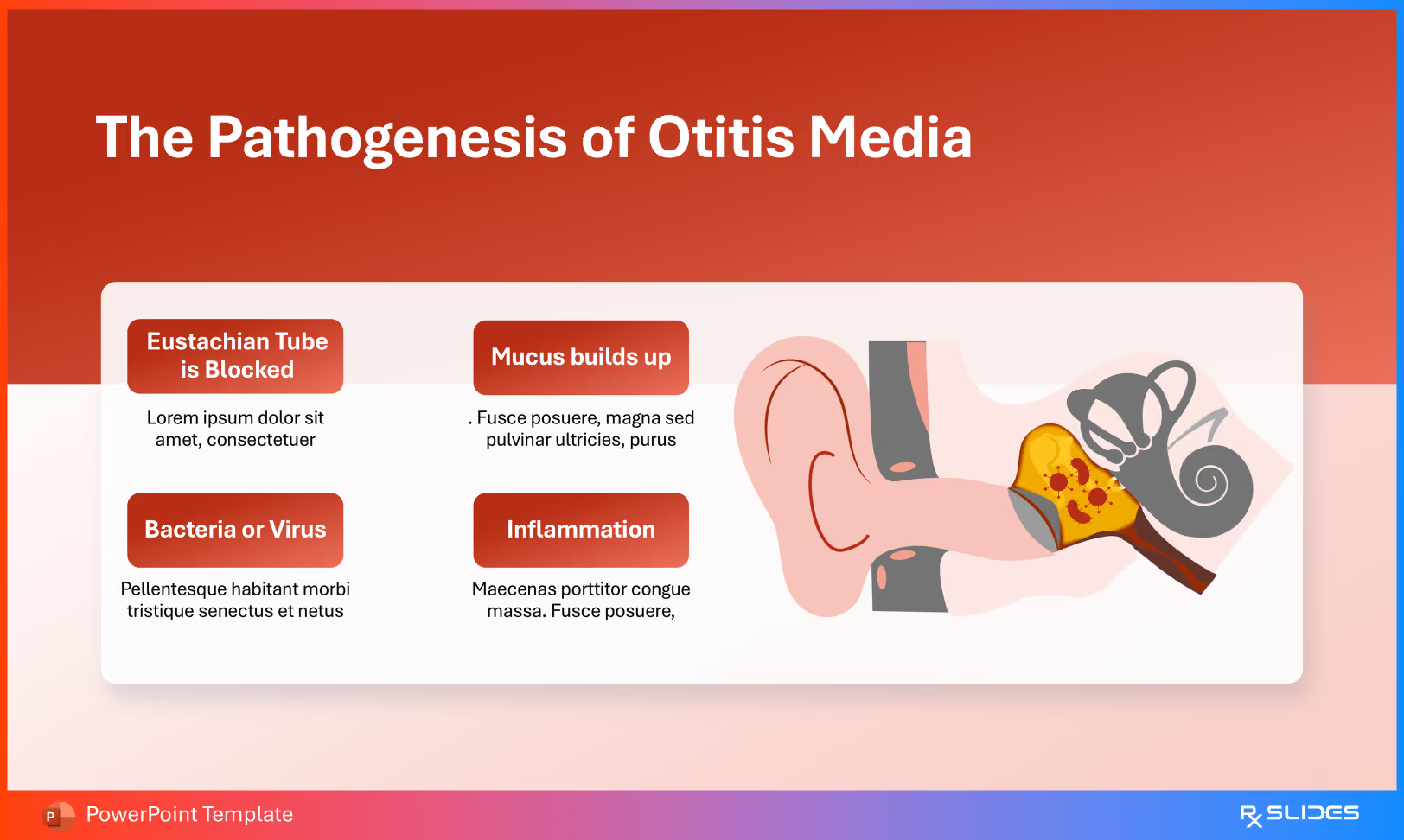
Pathogenesis of Otitis Media

Use the flow diagram to illustrate:

  • Eustachian tube obstruction, commonly following upper respiratory infection
  • Mucus retention within the middle ear
  • Bacterial or viral colonization
  • Local inflammatory response resulting in pain, pressure, and fever
Pathogenesis of Otitis Media Slide From Otitis Media PowerPoint Template

This cascade links structural dysfunction to symptom development and reinforces impaired middle ear aeration as the central mechanism.

3. Etiology and Risk Stratification

For prevention and population health discussions, highlight contributing factors.

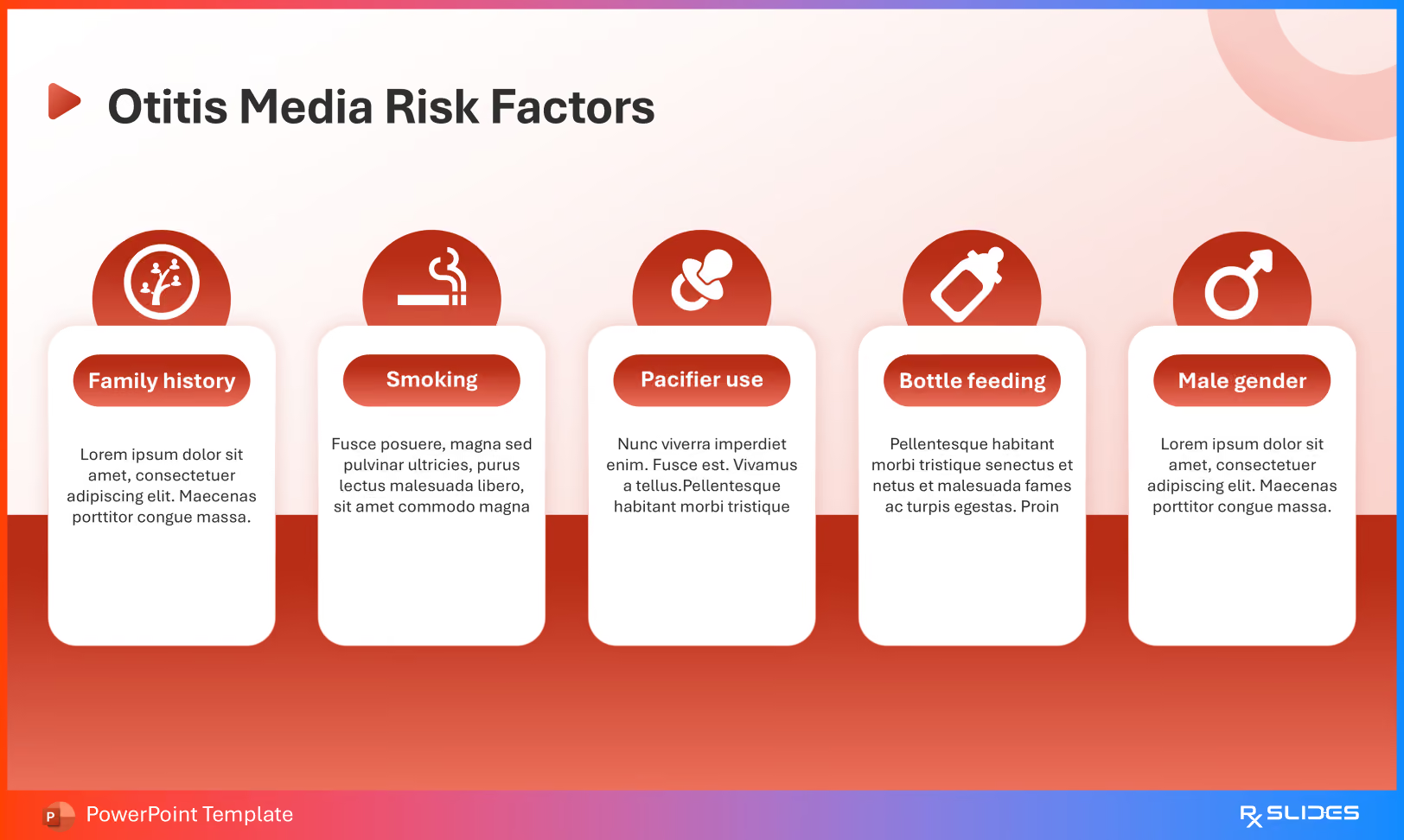
Risk Factors

Review environmental and behavioral contributors:

  • Pacifier use
  • Supine bottle feeding
  • Passive tobacco exposure

Address biological predispositions:

  • Family history
  • Male sex
Risk Factors Slide From Otitis Media PowerPoint Template

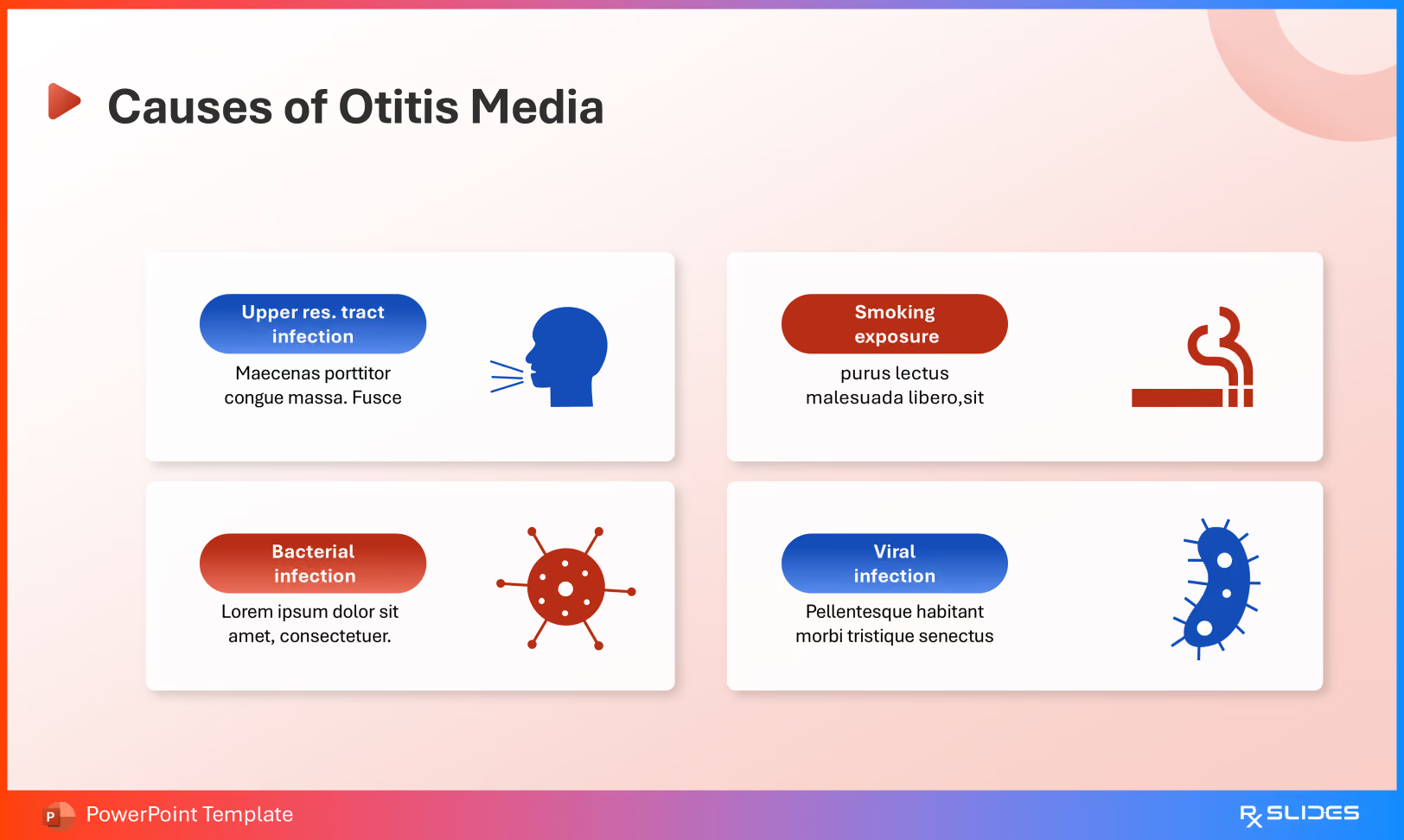
Causes of Otitis Media

Differentiate clearly between:

  • Bacterial infection
  • Viral infection
  • Upper respiratory tract involvement
Causes of Otitis Media Slide From Otitis Media PowerPoint Template

This distinction supports antimicrobial stewardship by emphasizing that not all presentations warrant antibiotic therapy.

4. Clinical Classification and Symptomatology

For primary care and pediatric training, accurate categorization is essential.

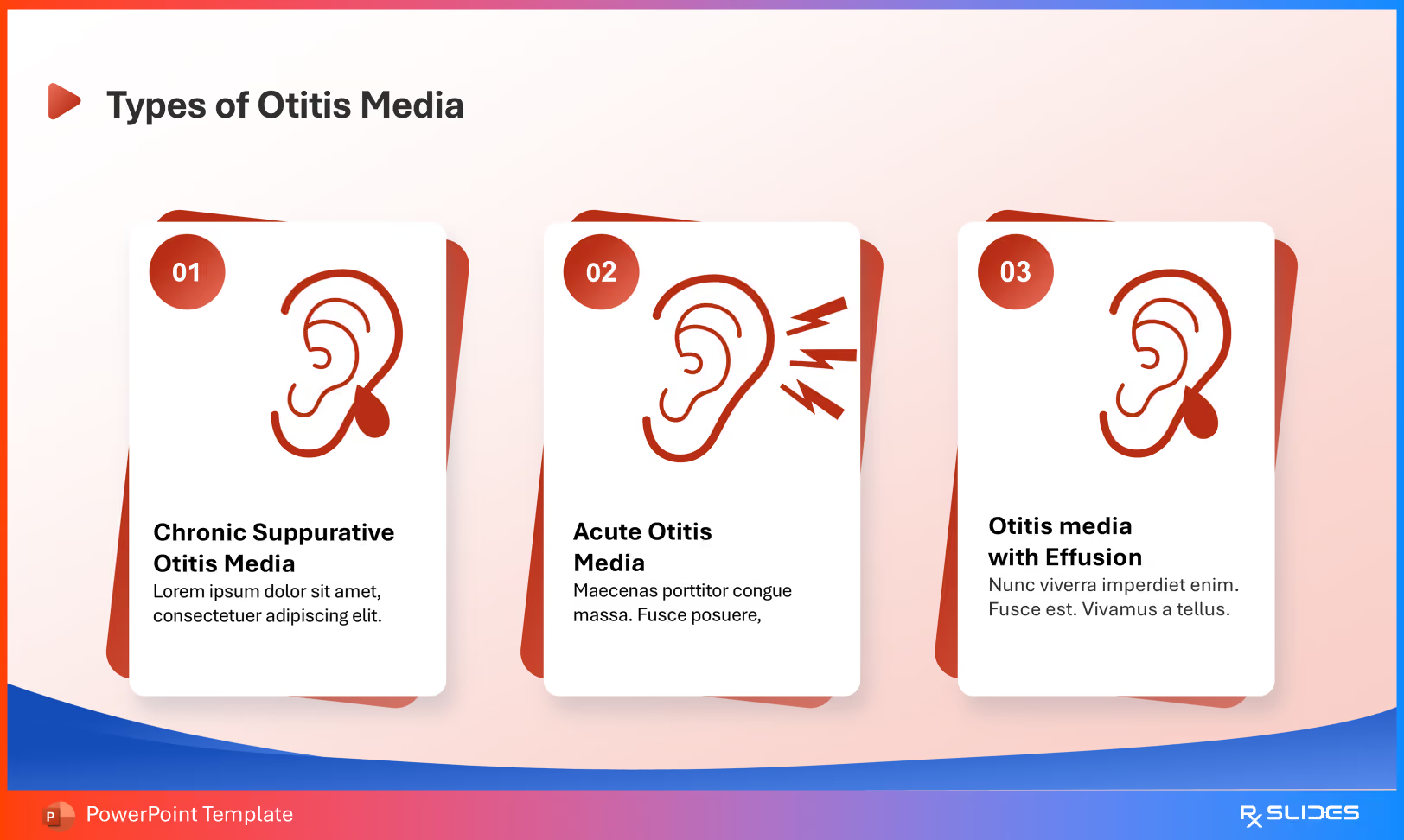
Types of Otitis Media

Use visuals to distinguish:

  • Acute Otitis Media (AOM): bulging tympanic membrane with purulent effusion
  • Otitis Media with Effusion (OME): non-purulent fluid accumulation without acute inflammatory signs
Types of Otitis Media Slide From Otitis Media PowerPoint Template

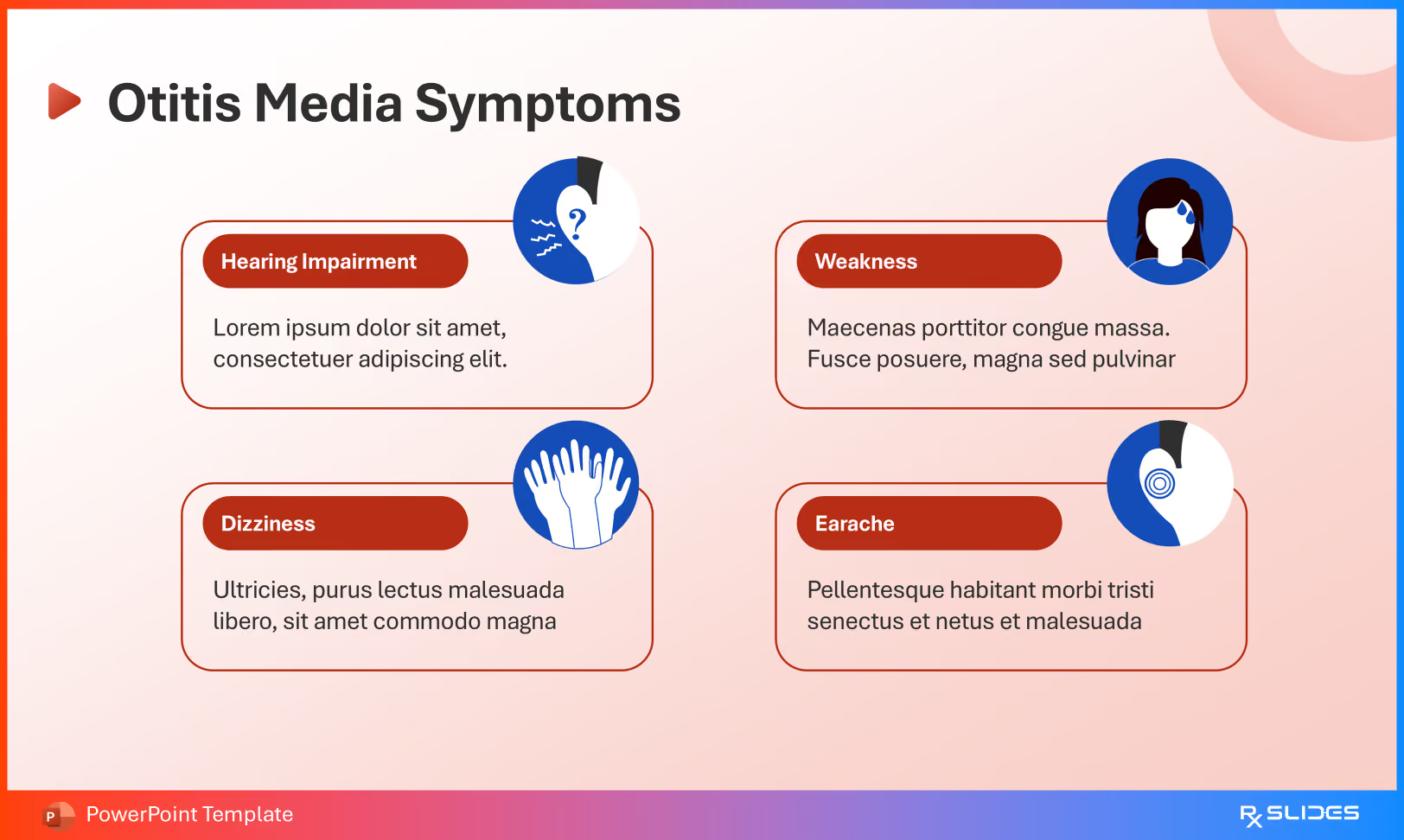
Symptoms

Review key clinical features:

  • Otalgia
  • Fever
  • Otorrhea
  • Vertigo
  • Reduced feeding or irritability in infants
Symptoms Slide From Otitis Media PowerPoint Template

These slides help correlate otoscopic findings with presenting complaints.

5. Diagnostic Pathway and Management Strategy

For healthcare professionals, emphasize structured evaluation and treatment algorithms.

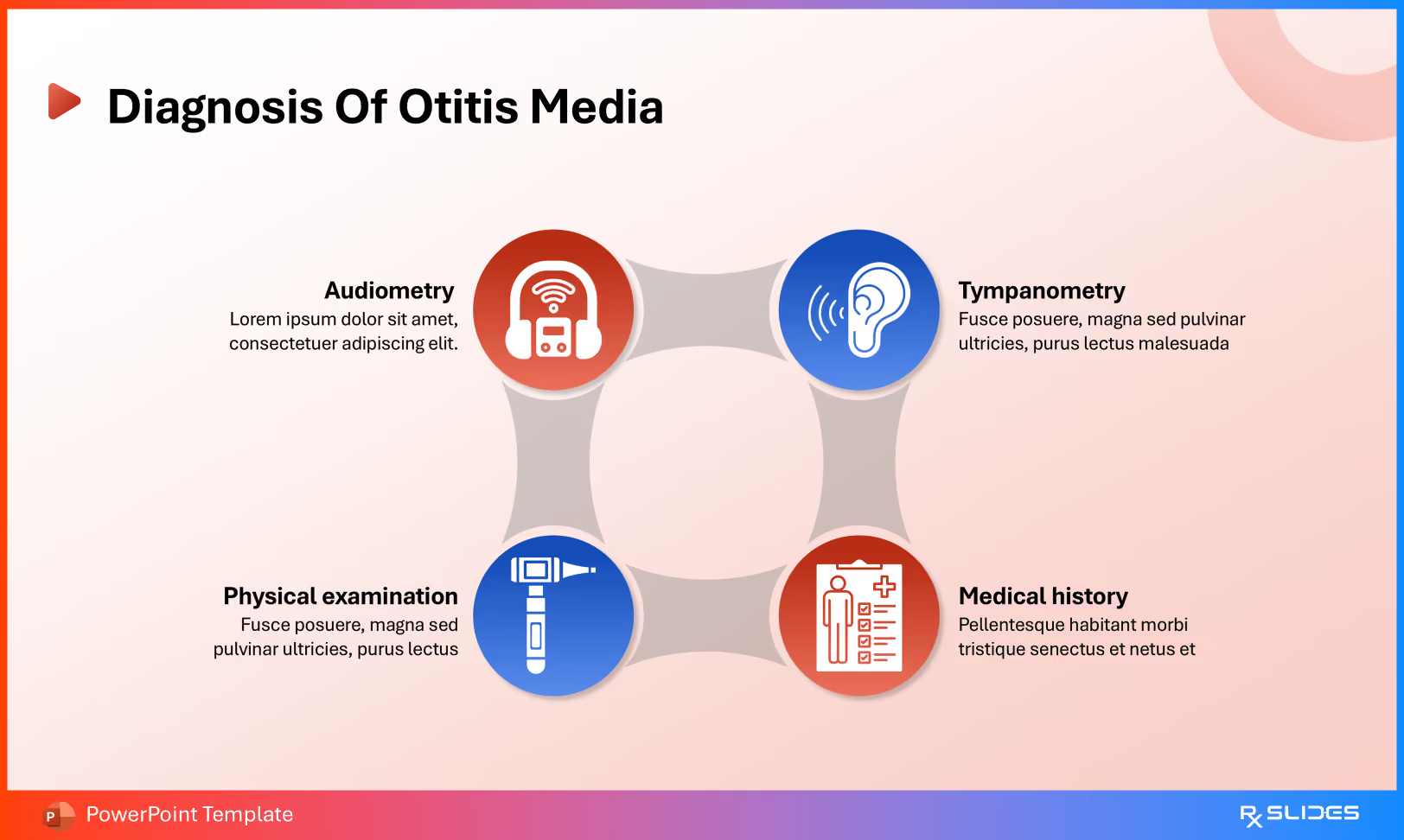
Diagnosis

Outline standard assessment tools:

  • Otoscopic examination
  • Tympanometry
  • Audiometry in chronic or recurrent disease
Diagnosis Slide From Otitis Media PowerPoint Template

Stress visualization of tympanic membrane mobility and middle ear effusion.

Treatment

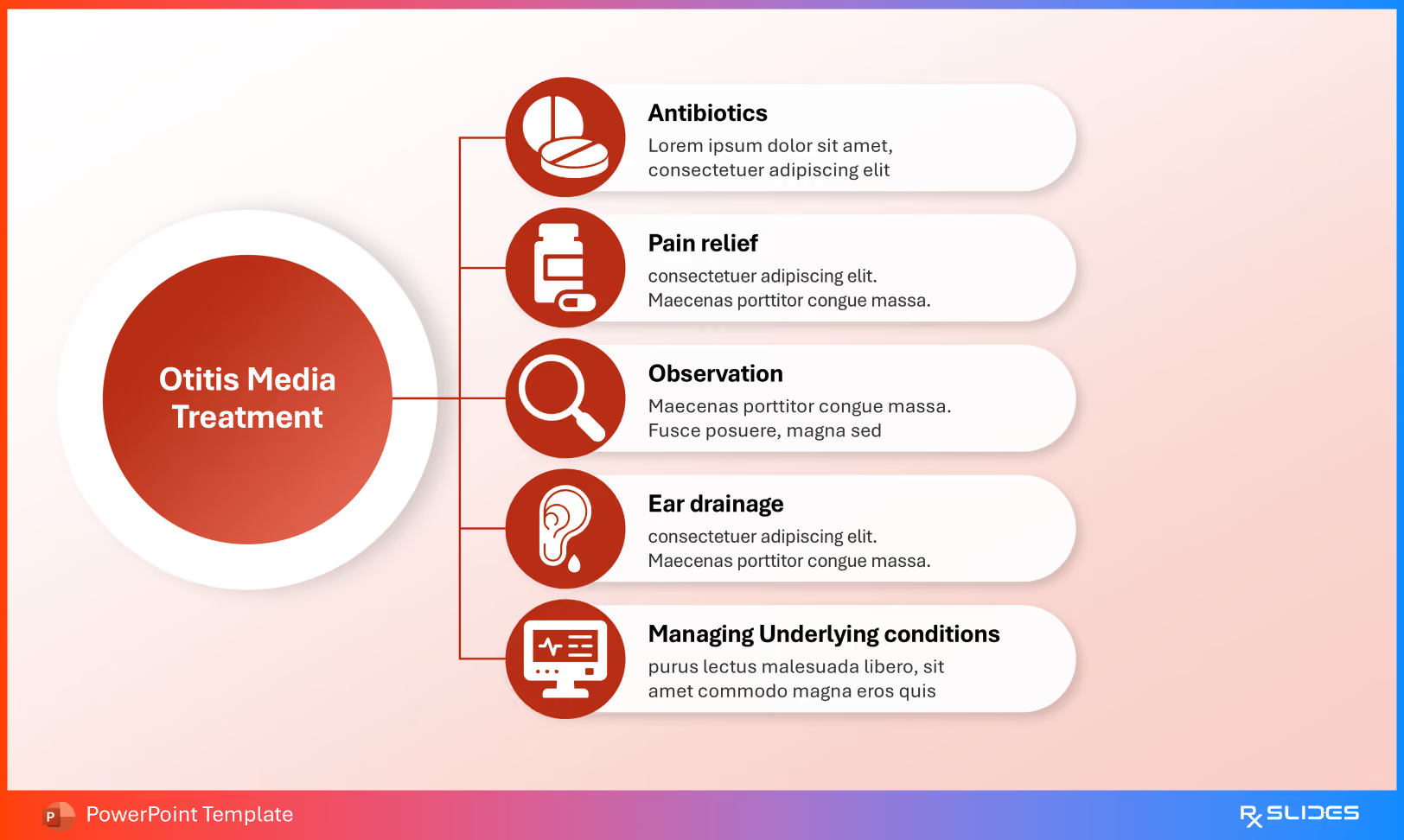
Present the management continuum:

  • Watchful waiting
  • Analgesia
  • Targeted antibiotic therapy when indicated
Treatment Slide From Otitis Media PowerPoint Template

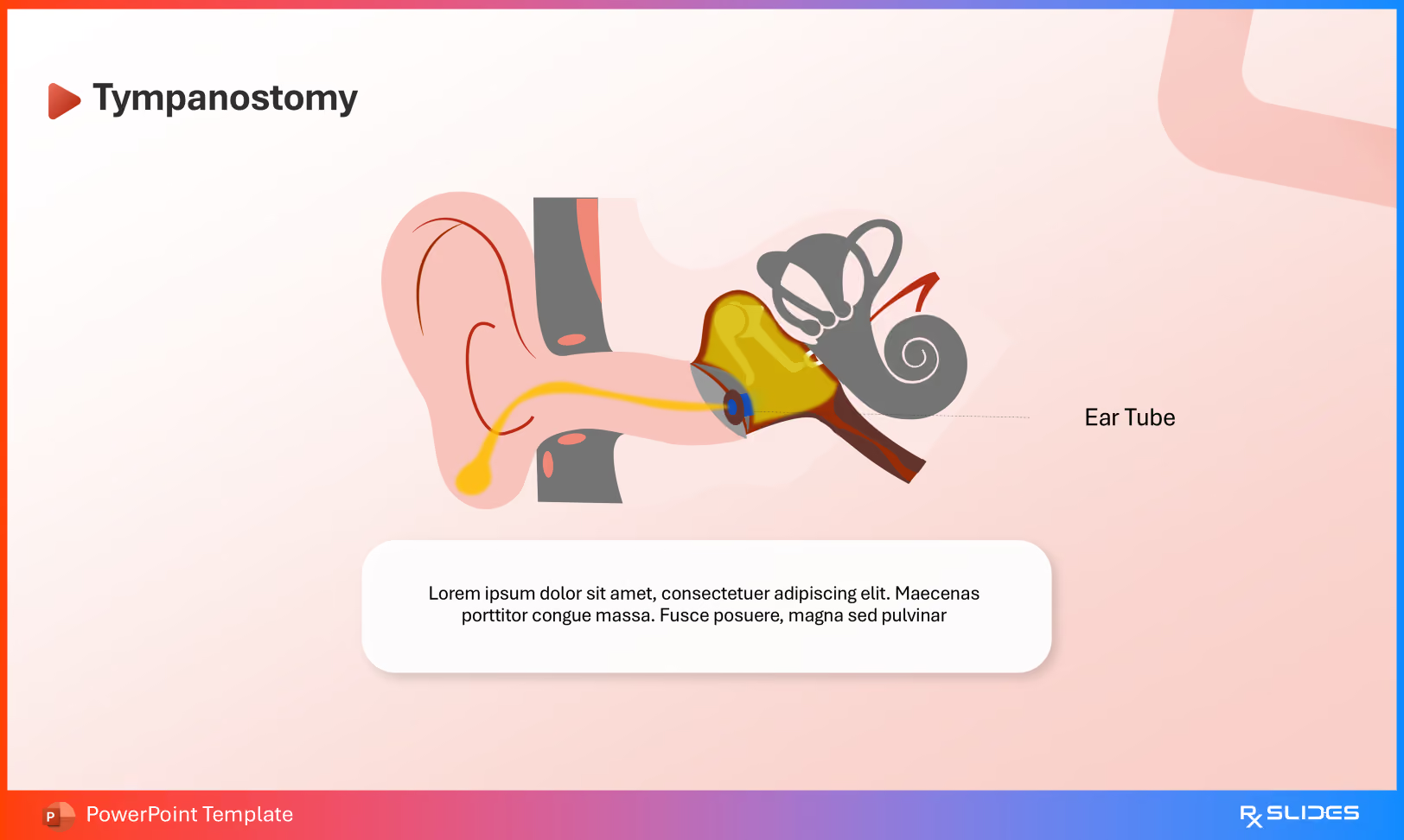
Surgical Option: Tympanostomy

Use the tympanostomy slide to explain:

  • Placement of ventilation tubes
  • Restoration of middle ear aeration
  • Reduction of recurrent effusions
Surgical Option: Tympanostomy Slide From Otitis Media PowerPoint Template

This supports procedural education and outcome-focused counseling.

6. Complications and Preventive Strategy

Conclude by reinforcing long-term clinical impact.

Complications

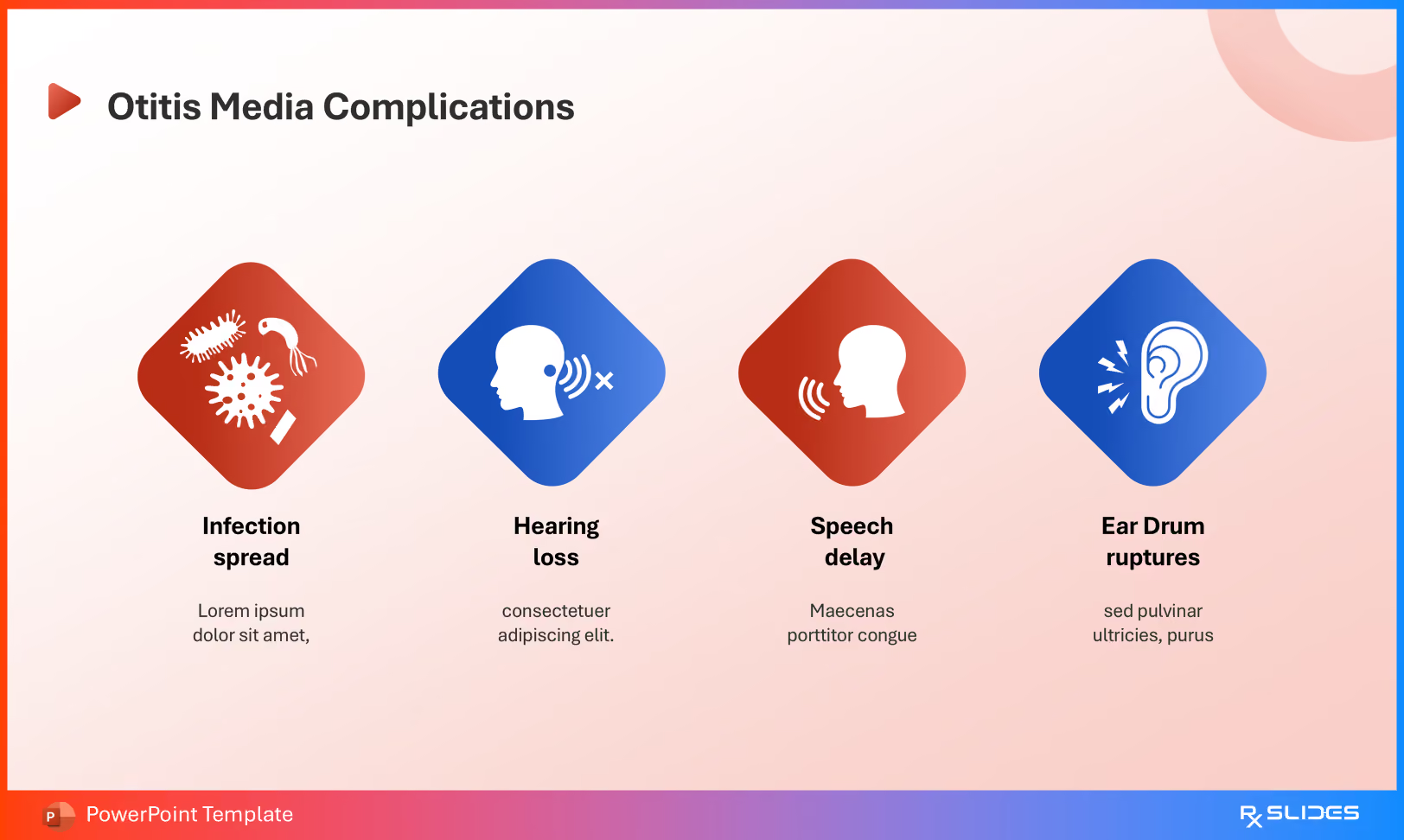
Discuss potential sequelae:

  • Tympanic membrane perforation
  • Conductive hearing loss
  • Speech and language delay
Complications Slide From Otitis Media PowerPoint Template

Prevention

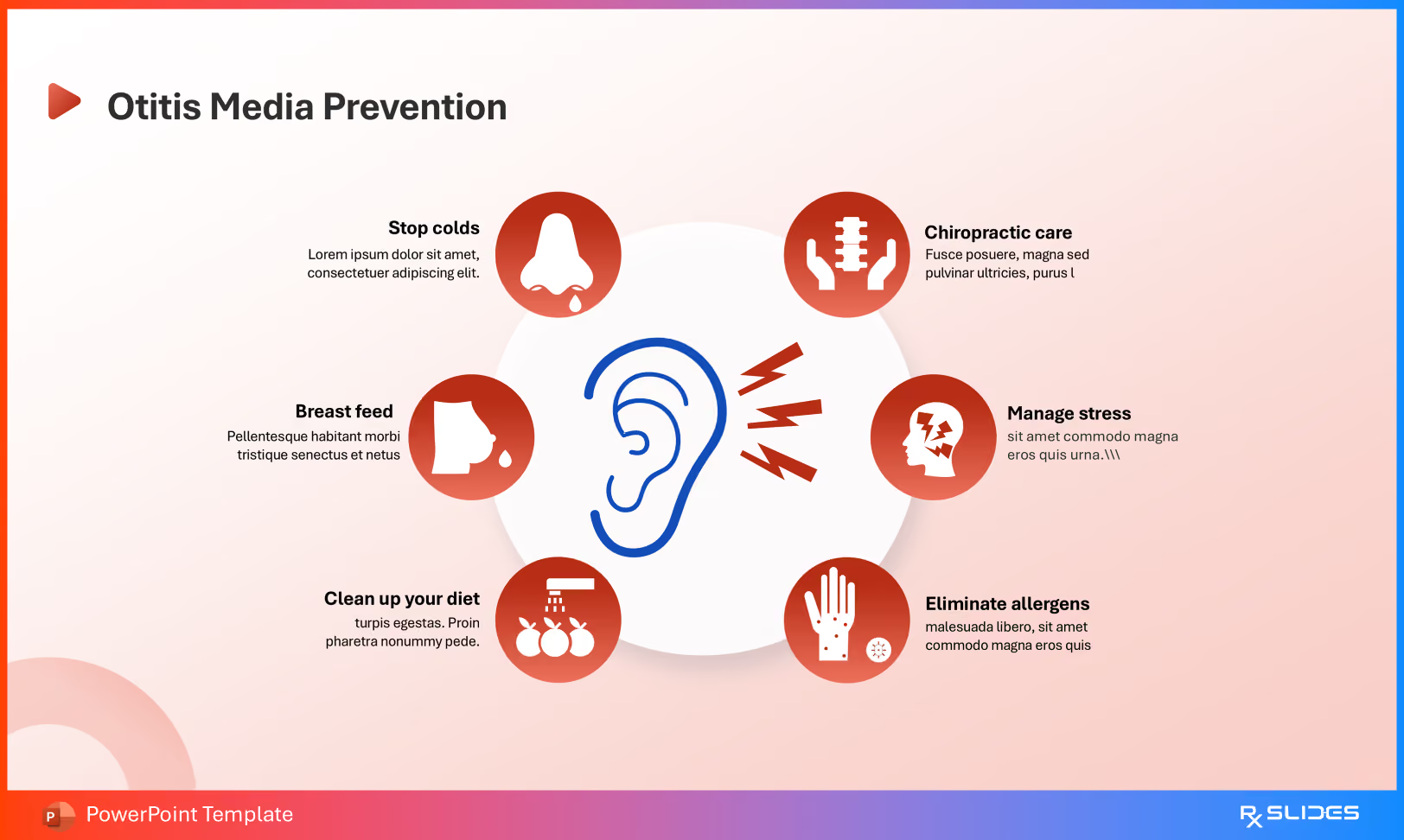
Highlight evidence-based interventions:

  • Breastfeeding
  • Reduction of allergen exposure
  • Limiting viral transmission
  • Avoidance of tobacco smoke
Prevention Slide From Otitis Media PowerPoint Template

Summary

This template connects pediatric Eustachian tube anatomy with the clinical pathway from middle ear effusion to tympanostomy tube placement. It enables seamless progression from mucus accumulation and microbial proliferation to diagnostic otoscopy and long-term hearing preservation, supporting education across pediatrics, primary care training, and medical congress presentations.

Latest Articles

Explore All