A Guide to Presenting Peptic Ulcers with Our Medical Template

A Guide to Presenting Peptic Ulcers with Our Medical Template

Peptic Ulcer Disease (PUD) represents disruption of gastroduodenal mucosal integrity caused by an imbalance between aggressive factors (gastric acid, pepsin, Helicobacter pylori, NSAIDs) and protective mucosal mechanisms. For medical educators, clinical trainers, and congress presenters, communicating this interplay requires visuals that connect cellular physiology with diagnostic pathways and therapeutic decision-making.

The Peptic Ulcers Overview Presentation Template provides a structured framework to teach PUD from anatomy and pathophysiology through pharmacologic and surgical management.

Below is a guide to leveraging the template for professional and academic audiences.

1. Anatomical Orientation and Core Definitions

Begin by establishing localization and disease context.

Definition and Types

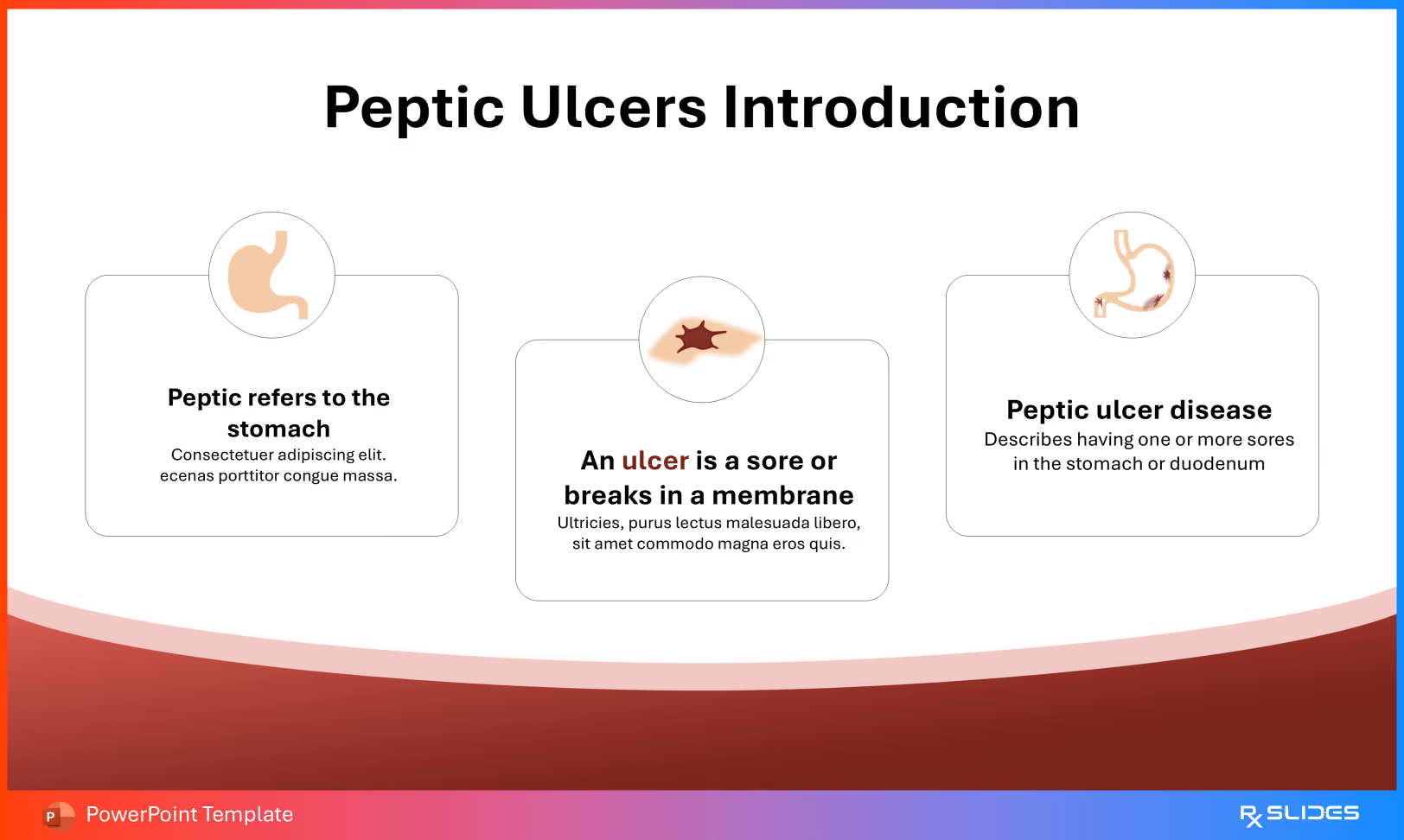
Start with the “Peptic Ulcers Introduction” slide:

  • Define PUD as one or more mucosal breaks in the stomach or duodenum
  • Clarify terminology: peptic reflects acid exposure; ulcer denotes disruption of the mucosal barrier
Peptic Ulcers Introduction From Peptic Ulcers Overview Presentation Template

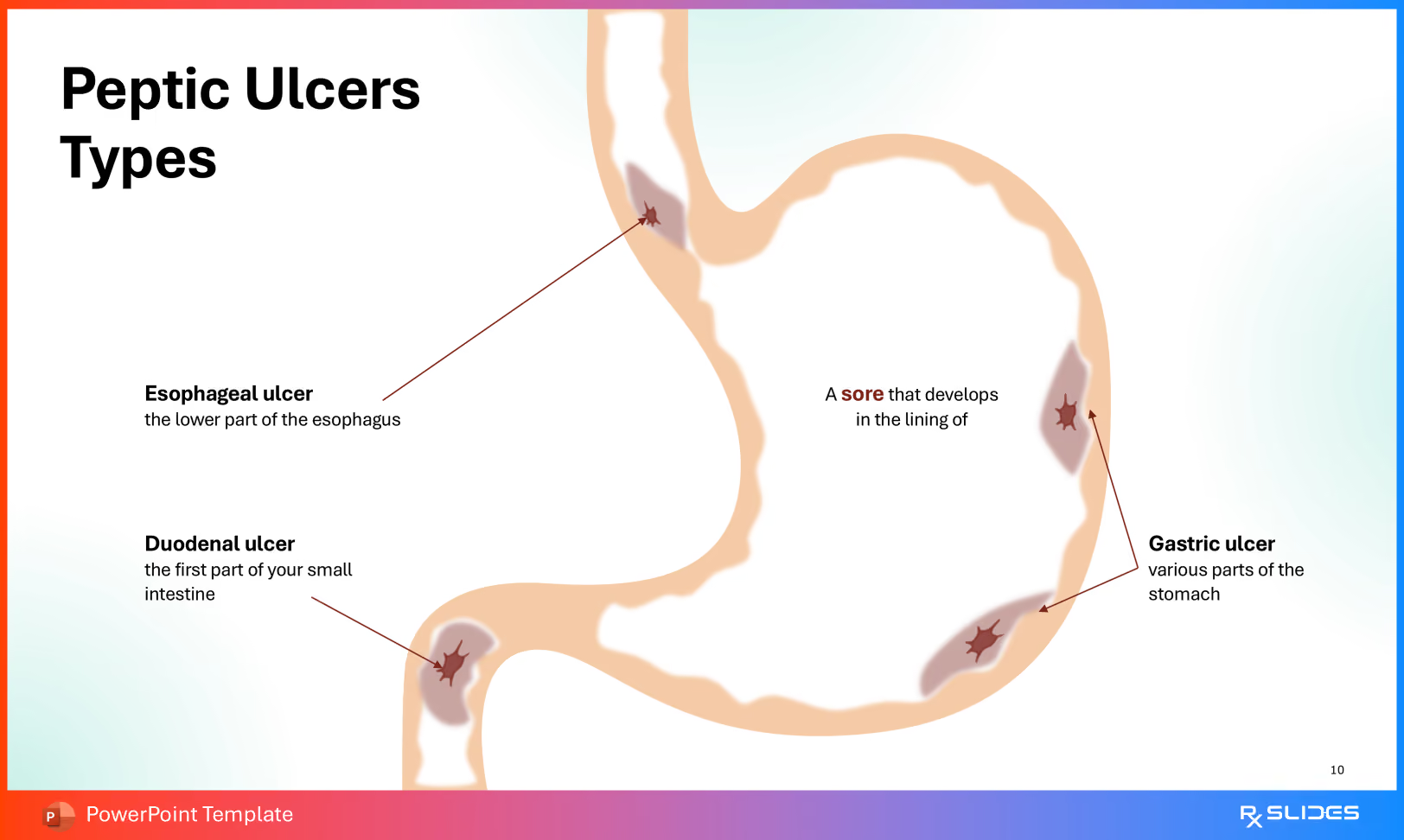
Use the “Peptic Ulcers Types” slide to differentiate:

  • Gastric ulcers
  • Duodenal ulcers
  • Esophageal ulcers
Peptic Ulcers Types From Peptic Ulcers Overview Presentation Template

This provides anatomical grounding for symptom interpretation and endoscopic findings.

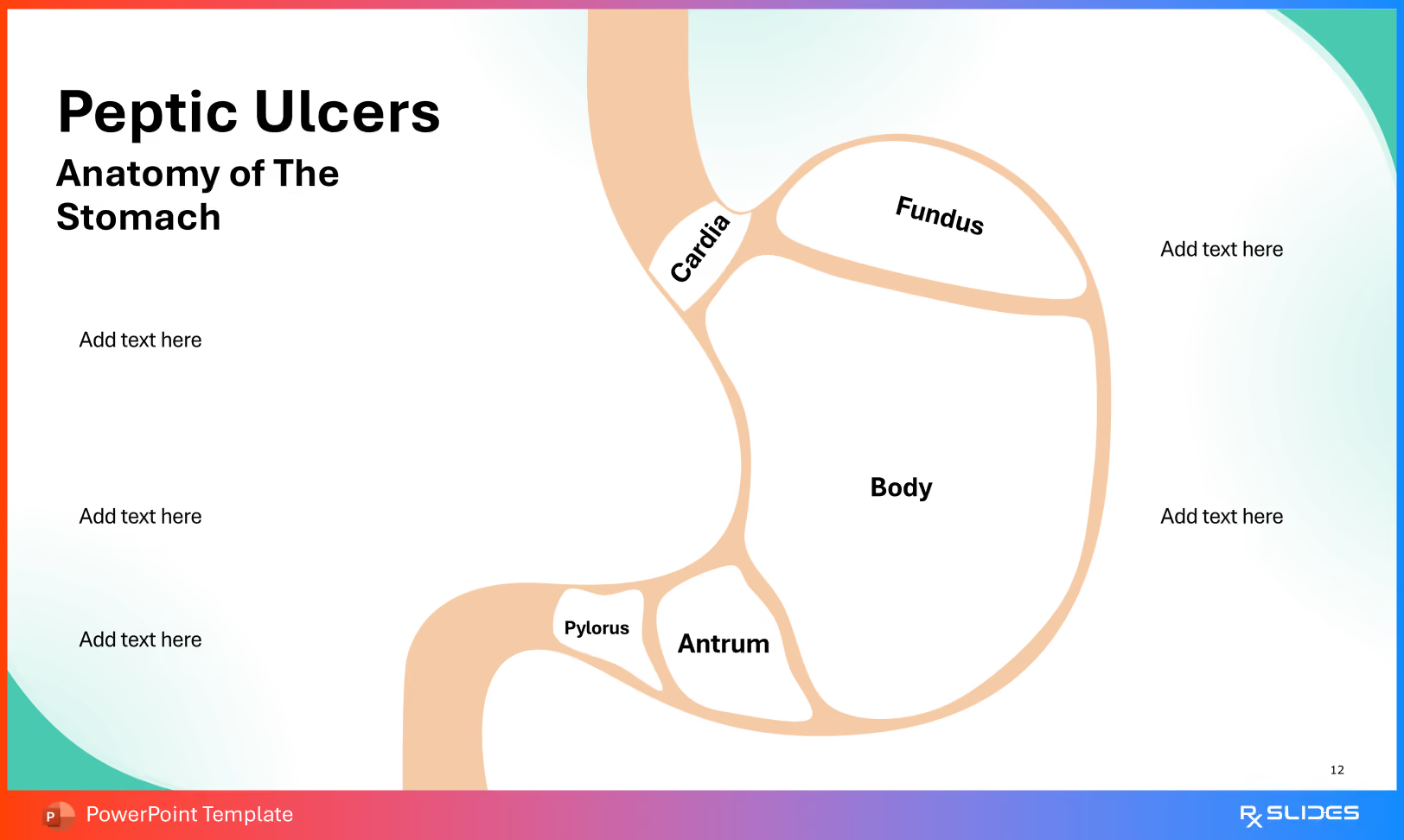
Anatomy of the Stomach

Use labeled diagrams (Cardia, Fundus, Body, Antrum, Pylorus) to correlate epigastric pain patterns and ulcer location with specific gastric regions. This supports clinical localization during case discussions.

Anatomy of the Stomach From Peptic Ulcers Overview Presentation Template

2. Cellular Architecture and Acid Physiology

For medical education and pharmacology training, transition to microscopic structure.

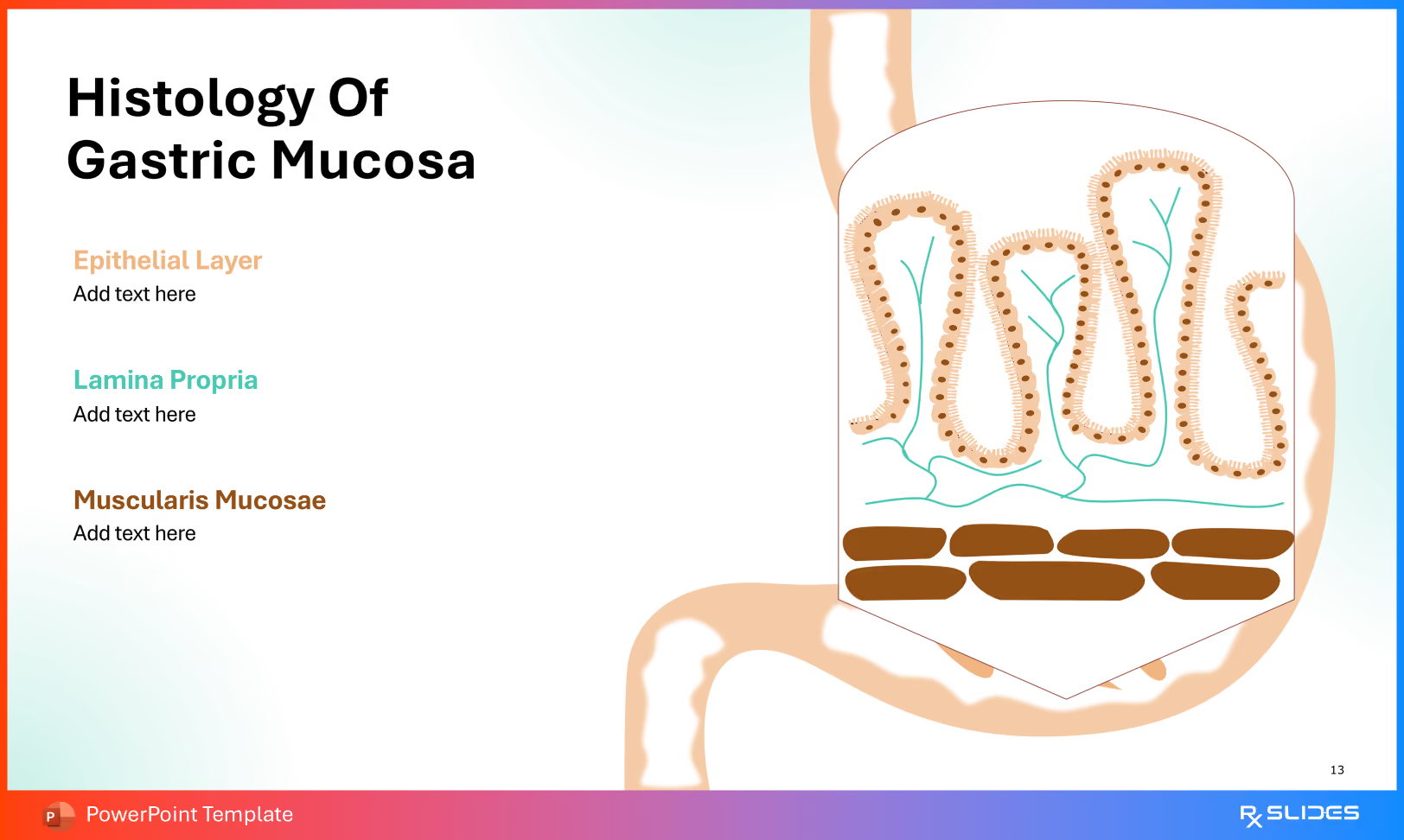
Histology of Gastric Mucosa

Introduce key cellular components:

  • Foveolar cells responsible for mucus and bicarbonate secretion
  • Parietal cells producing hydrochloric acid and intrinsic factor
  • G cells secreting gastrin
Histology of Gastric Mucosa From Peptic Ulcers Overview Presentation Template

This establishes the foundation for understanding acid regulation and therapeutic targets.

3. Pathogenesis and Risk Modifiers

For clinical pharmacology and public health discussions, focus on etiology.

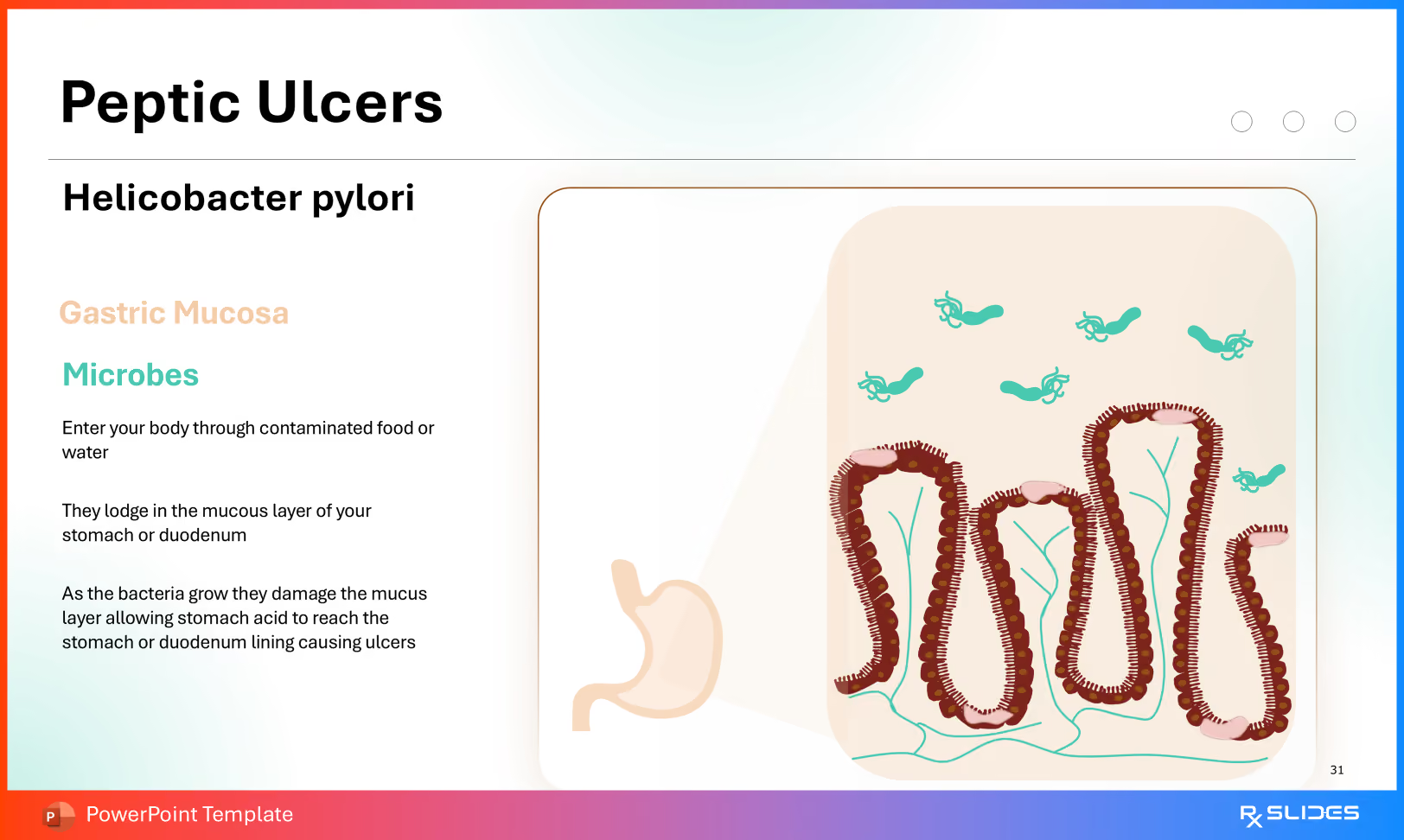
Helicobacter pylori

Use the visual sequence to demonstrate how this gram-negative organism:

  • Colonizes gastric mucus
  • Releases inflammatory mediators
  • Disrupts epithelial integrity
  • Facilitates acid penetration and ulcer formation
Helicobacter pylori From Peptic Ulcers Overview Presentation Template

Highlight its central role in duodenal and many gastric ulcers.

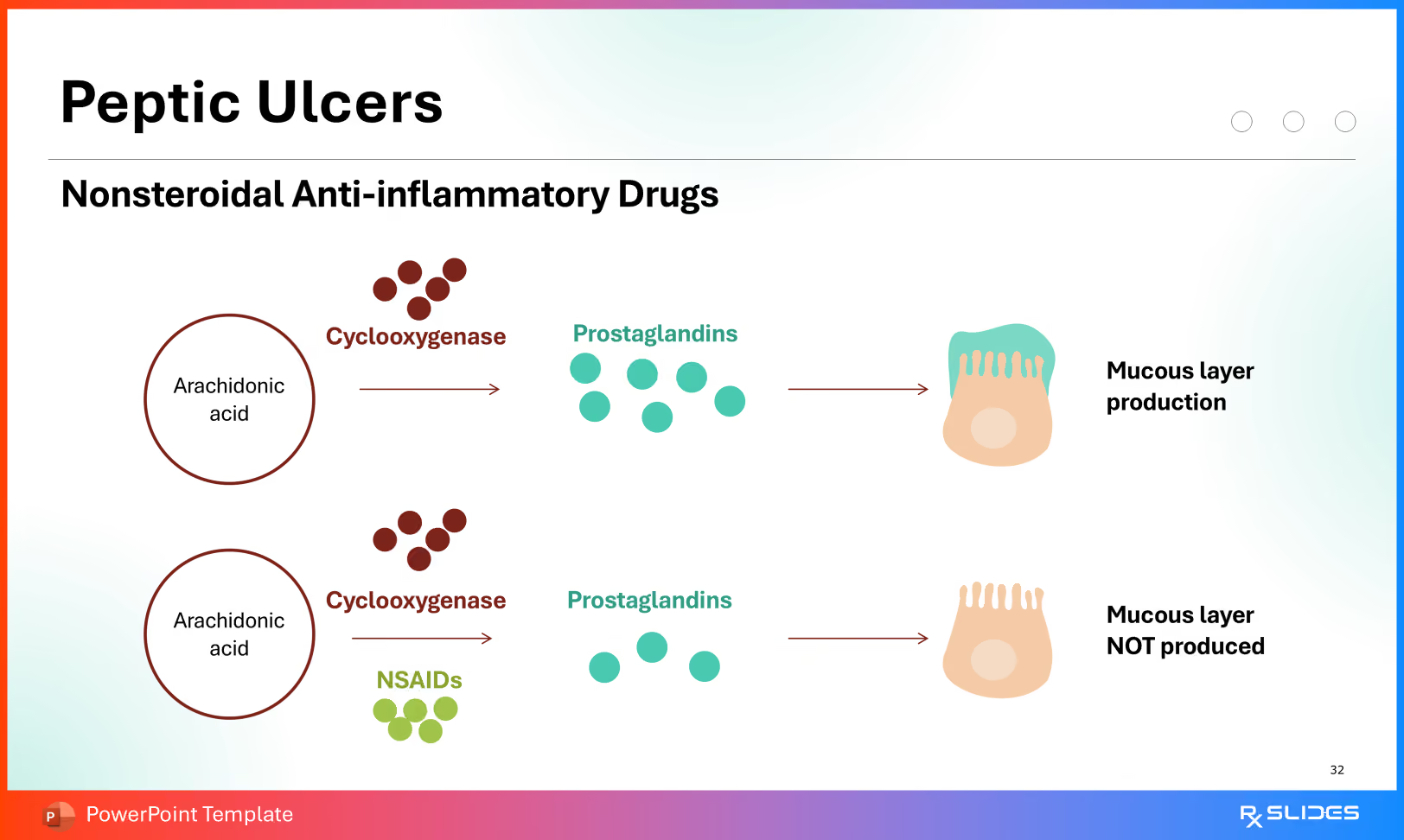
NSAID-Induced Injury

The arachidonic acid pathway illustrates:

  • Cyclooxygenase inhibition
  • Reduced prostaglandin synthesis
  • Loss of mucus and bicarbonate secretion
NSAID-Induced Injury From Peptic Ulcers Overview Presentation Template

This clearly links NSAID exposure to impaired mucosal defense.

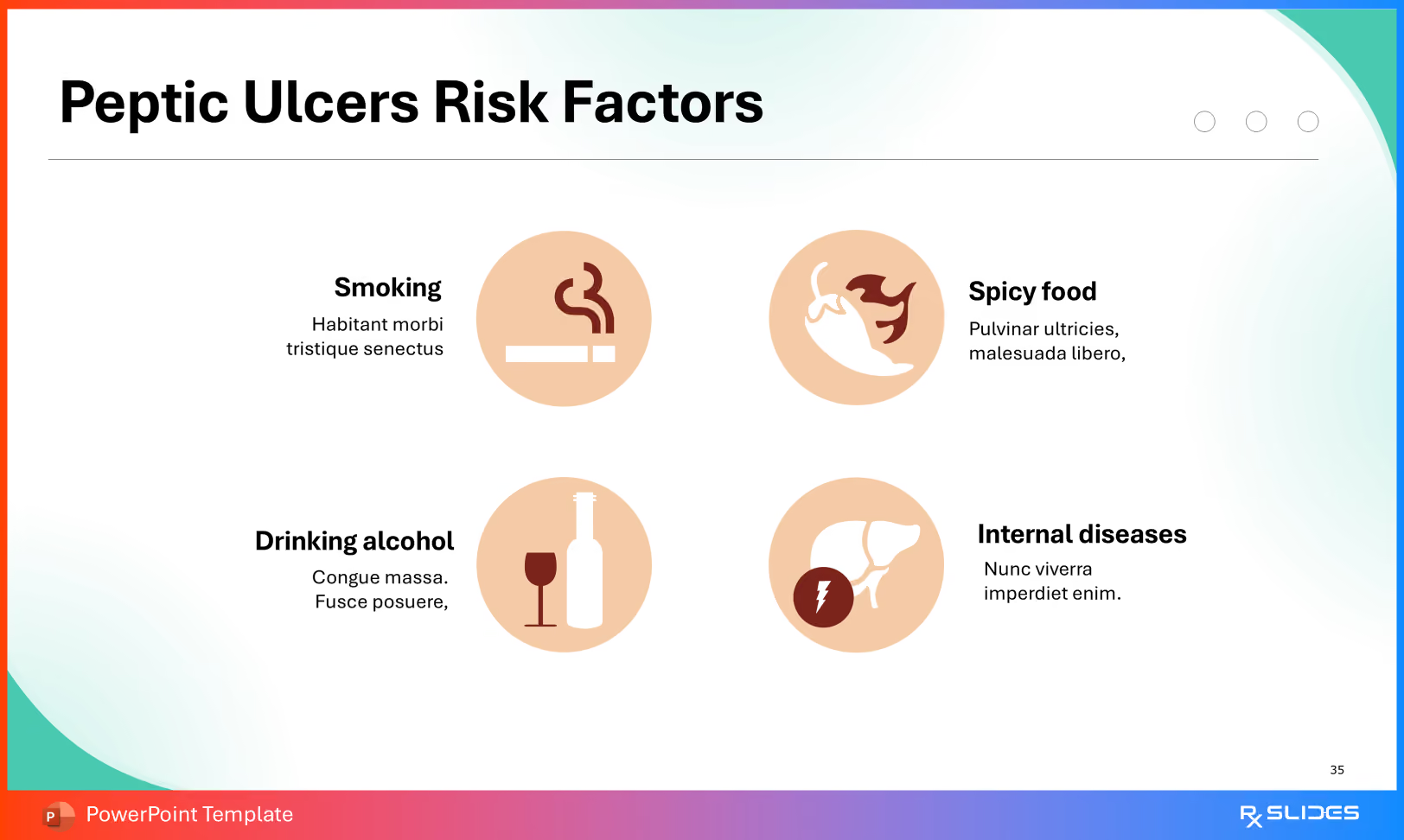
Lifestyle Contributors

Use iconography to discuss:

  • Tobacco exposure
  • Alcohol consumption
  • Dietary irritants
Risk Factors From Peptic Ulcers Overview Presentation Template

Frame these as modifiers that amplify acid-mediated injury rather than primary causes.

4. Diagnostic Workflow

For clinicians and trainees, emphasize structured evaluation.

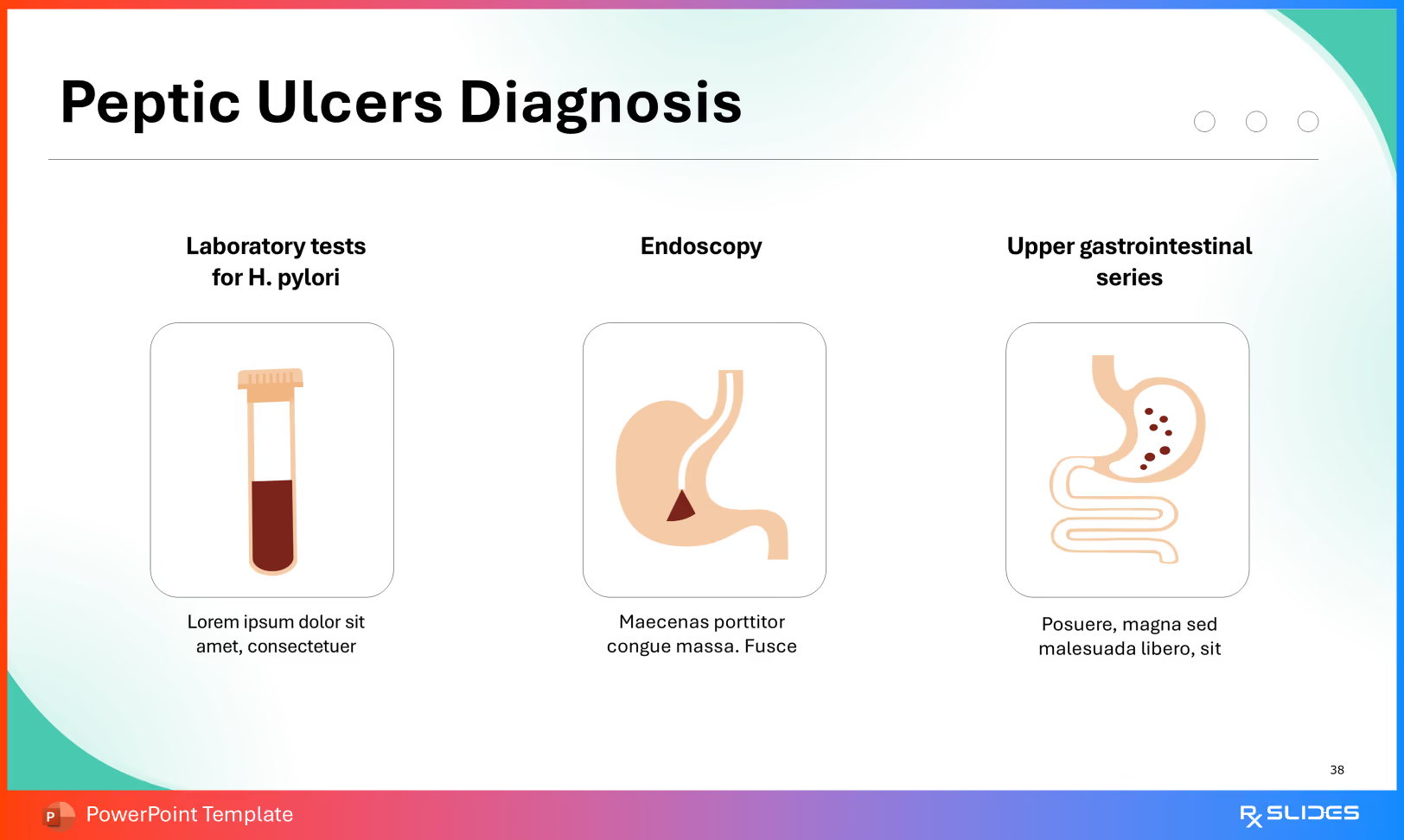
Diagnosis

Outline standard investigations:

  • H. pylori testing (stool antigen, urea breath test, serology)
  • Upper endoscopy for direct visualization and biopsy
  • Upper GI contrast studies when endoscopy is unavailable
Diagnosis Slide From Peptic Ulcers Overview Presentation Template

Reinforce endoscopy’s role in excluding malignancy, particularly in gastric ulcers.

5. Pharmacologic and Surgical Management

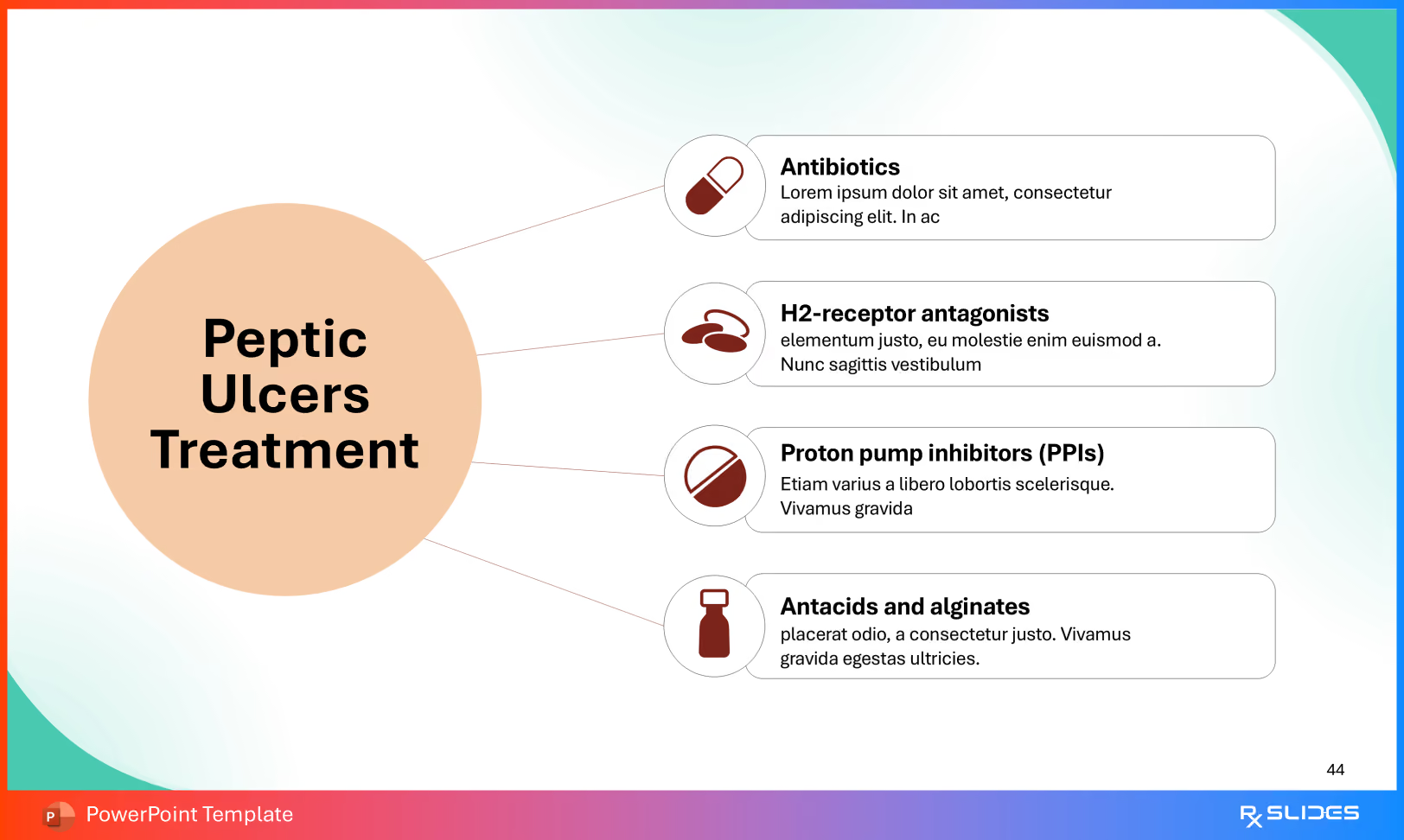
Medical Therapy

Organize treatment by mechanism:

  • Proton Pump Inhibitors such as omeprazole and pantoprazole, illustrating irreversible inhibition of the H+/K+ ATPase
  • H2 receptor antagonists such as ranitidine, demonstrating histamine pathway blockade
  • Antacids, showing chemical neutralization and elevation of gastric pH
Medical Therapy From Peptic Ulcers Overview Presentation Template

This sequence reinforces stepwise acid suppression strategies.

Surgical Intervention

For complicated or refractory disease, use procedural visuals to explain:

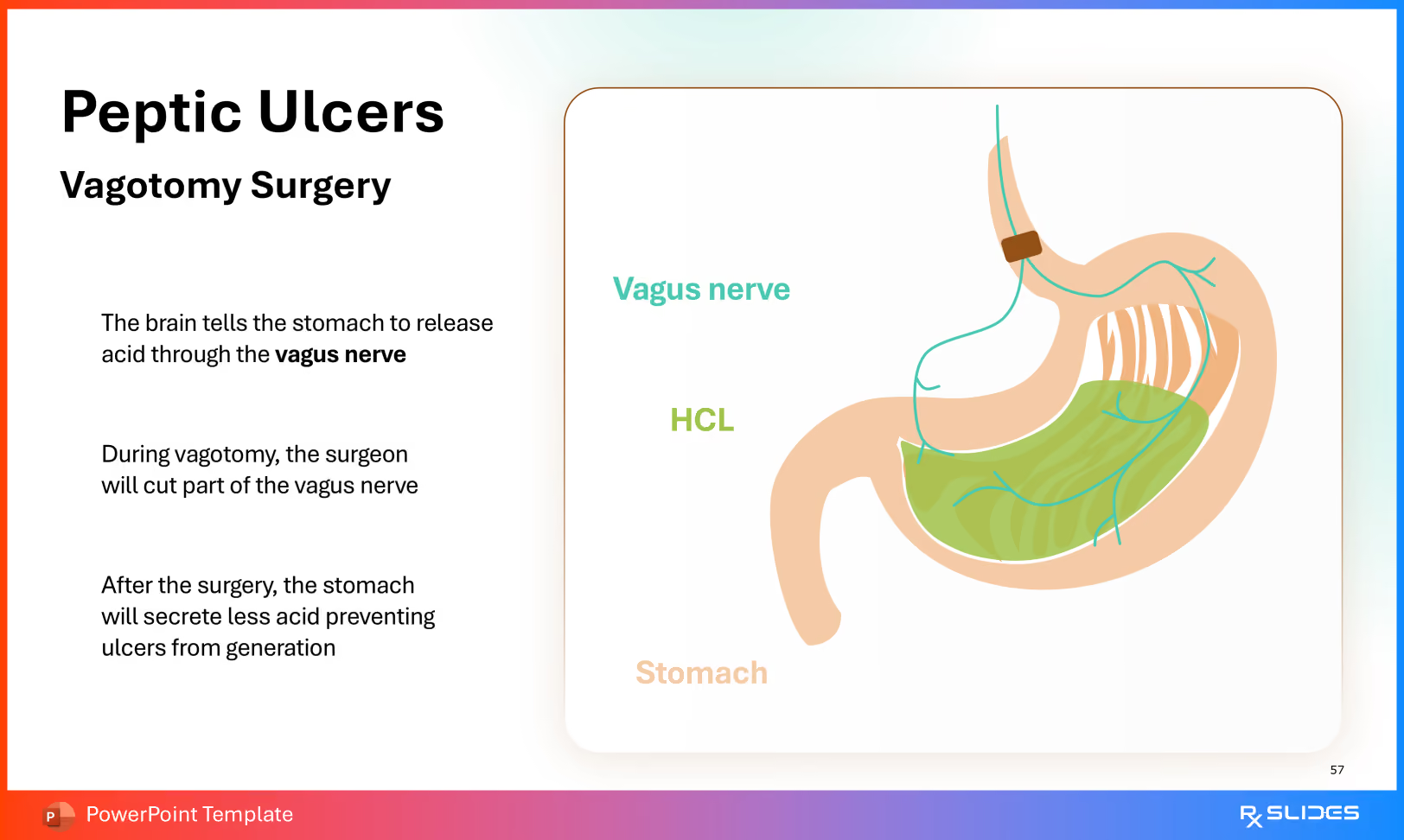
  • Vagotomy for reduction of vagal acid stimulation
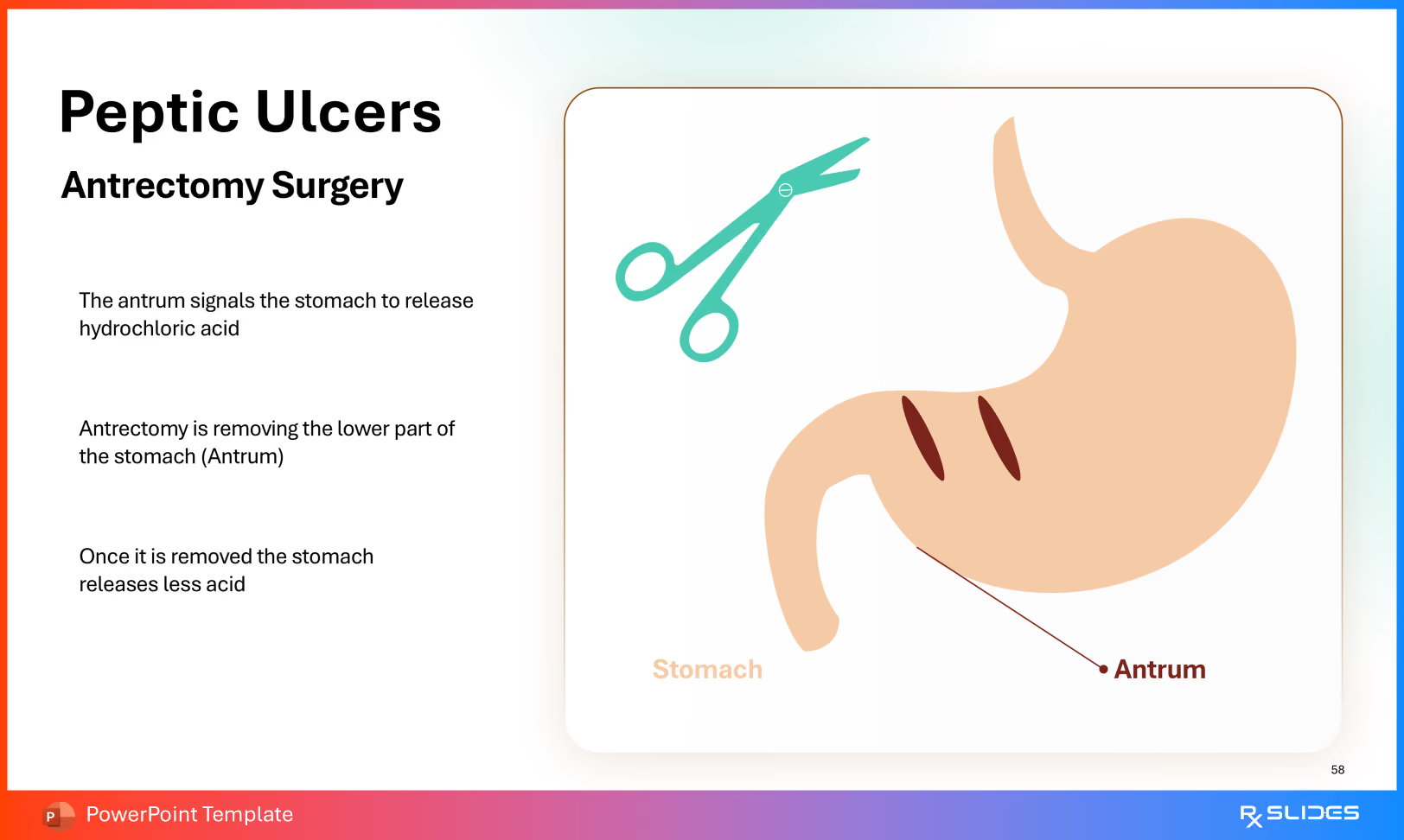
  • Antrectomy to remove gastrin-producing tissue
  • Pyloroplasty to improve gastric emptying
Vagotomy From Peptic Ulcers Overview Presentation Template
Antrectomy From Peptic Ulcers Overview Presentation Template

These slides support understanding of anatomical modification in acid reduction.

Summary

This template links parietal cell biochemistry with clinical outcomes such as bleeding and perforation. It enables seamless progression from cyclooxygenase inhibition and gastrin signaling to endoscopic diagnosis and operative management, making it well suited for medical faculty lectures, residency training, and gastroenterology congress presentations.

Latest Articles

Explore All