A Guide to Presenting Peripheral Arterial Disease Using RxSlides PowerPoint Template

A Guide to Presenting Peripheral Arterial Disease Using RxSlides PowerPoint Template

Peripheral Arterial Disease (PAD) is a manifestation of systemic atherosclerosis characterized by progressive arterial narrowing, most commonly affecting the lower extremities. Despite its prevalence, PAD remains underdiagnosed and undertreated. For medical educators, clinical trainers, and congress presenters, effective PAD education requires structured visuals that link vascular pathology to diagnostic strategy and intervention pathways.

The Peripheral Arterial Disease PowerPoint Presentation Template provides a clinically oriented visual framework to support academic lectures, institutional training, and scientific meetings.

Below is a guide to leveraging the template for professional audiences.

1. Visualizing Luminal Obstruction: Core Anatomical Concepts

Begin with arterial morphology to establish disease context.

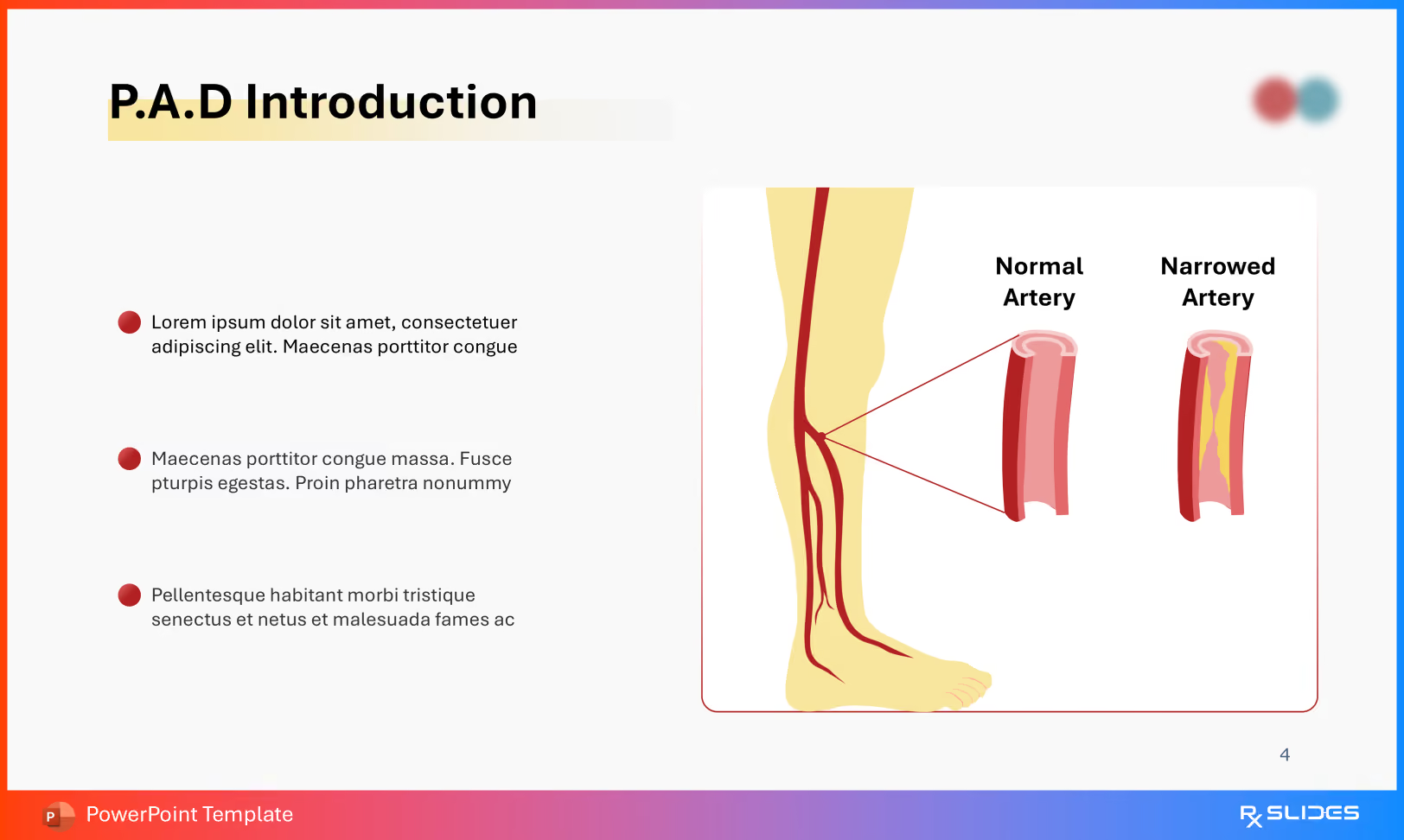
Normal vs. Narrowed Artery

Use the “PAD Introduction” slide to contrast a normal arterial lumen with a stenotic vessel, immediately illustrating flow limitation secondary to plaque accumulation.

Transition to the Causes slide to outline:

  • Atherosclerosis as the primary etiology
  • Superimposed thrombus formation contributing to acute ischemic events
Normal vs. Narrowed Artery From Peripheral Arterial Disease PowerPoint Presentation Template

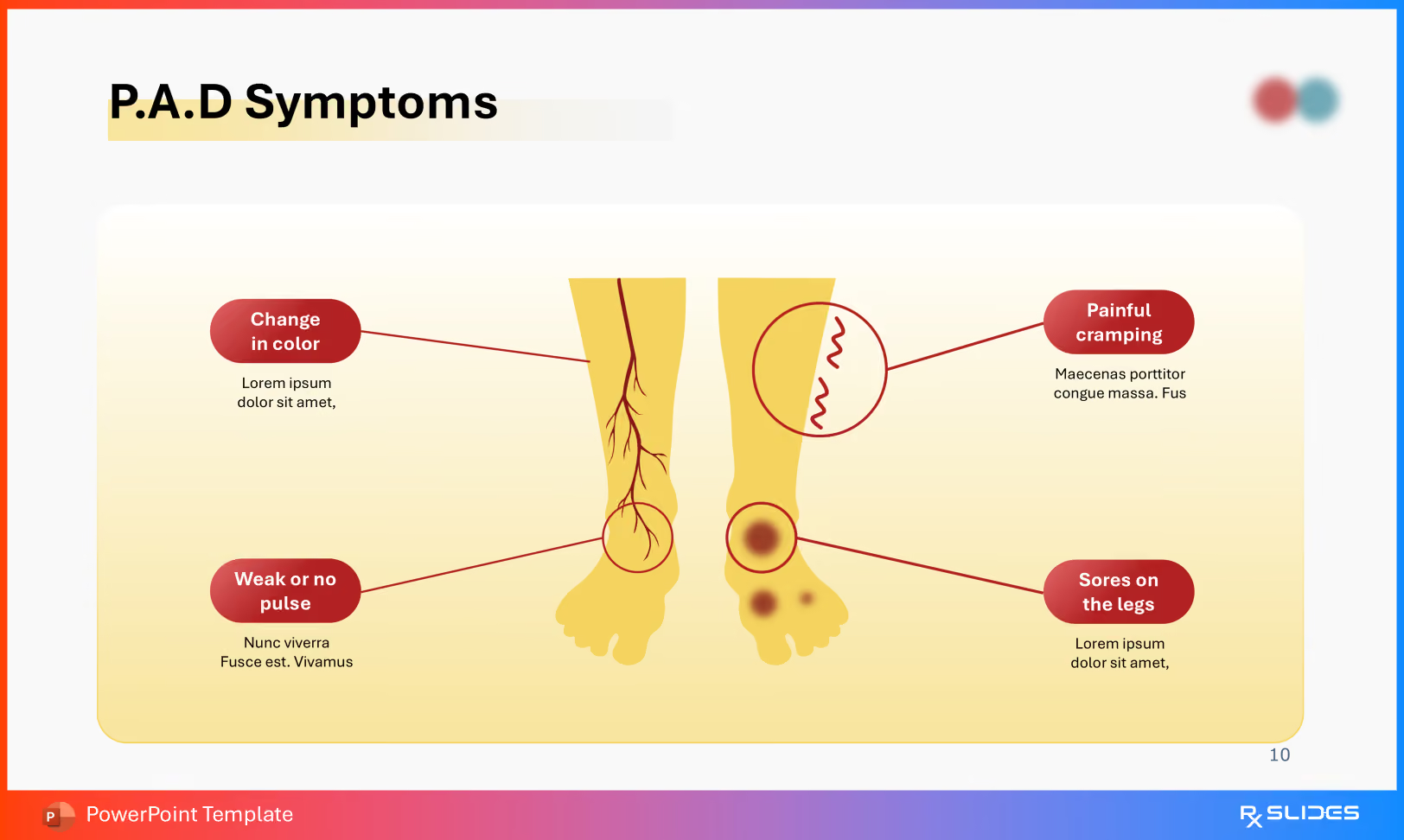
Follow with the Symptoms slide to correlate arterial obstruction with ischemic manifestations such as intermittent claudication, non-healing ulcers, diminished peripheral pulses, and skin trophic changes. This sequence supports anatomical to clinical integration.

Symptoms Slide From Peripheral Arterial Disease PowerPoint Presentation Template

2. Plaque Progression: Pathophysiology for Medical Training

For physiology and pathology education, the template presents PAD as a staged disease continuum.

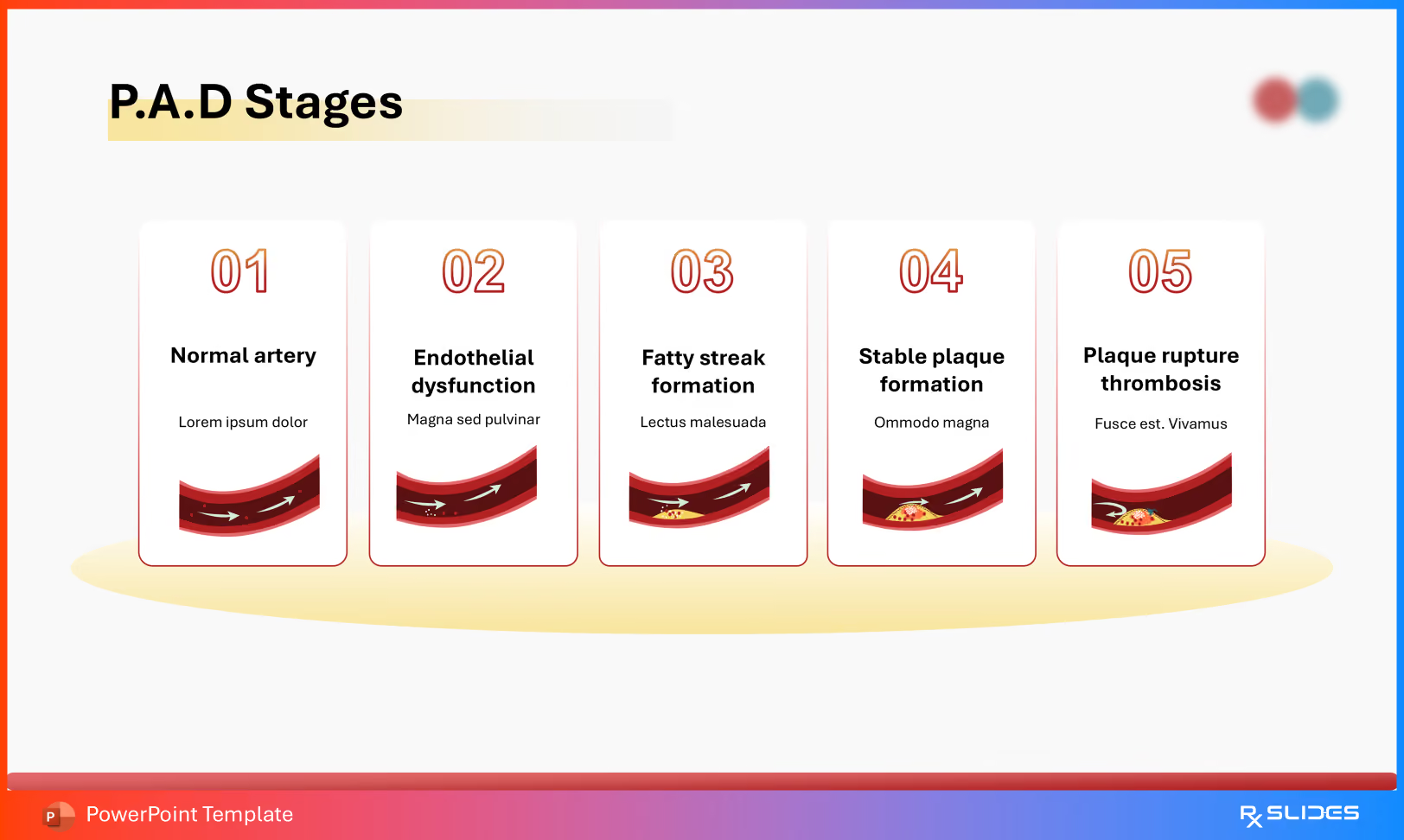
PAD Stages

Use the progressive graphics to describe:

  • Endothelial dysfunction and loss of vascular homeostasis
  • Fatty streak formation with lipid infiltration of the intima
  • Stable plaque development with gradual luminal narrowing
  • Plaque rupture and thrombosis precipitating acute limb ischemia
PAD Stages From Peripheral Arterial Disease PowerPoint Presentation Template

Emphasize PAD as a chronic inflammatory vascular remodeling process driven by dyslipidemia, tobacco exposure, diabetes mellitus, and oxidative stress. This visual timeline supports understanding of both insidious progression and abrupt clinical deterioration.

3. Diagnostic Mapping: Clinical Localization and Assessment

For residents and practicing clinicians, anatomical correlation and diagnostic workflow are central.

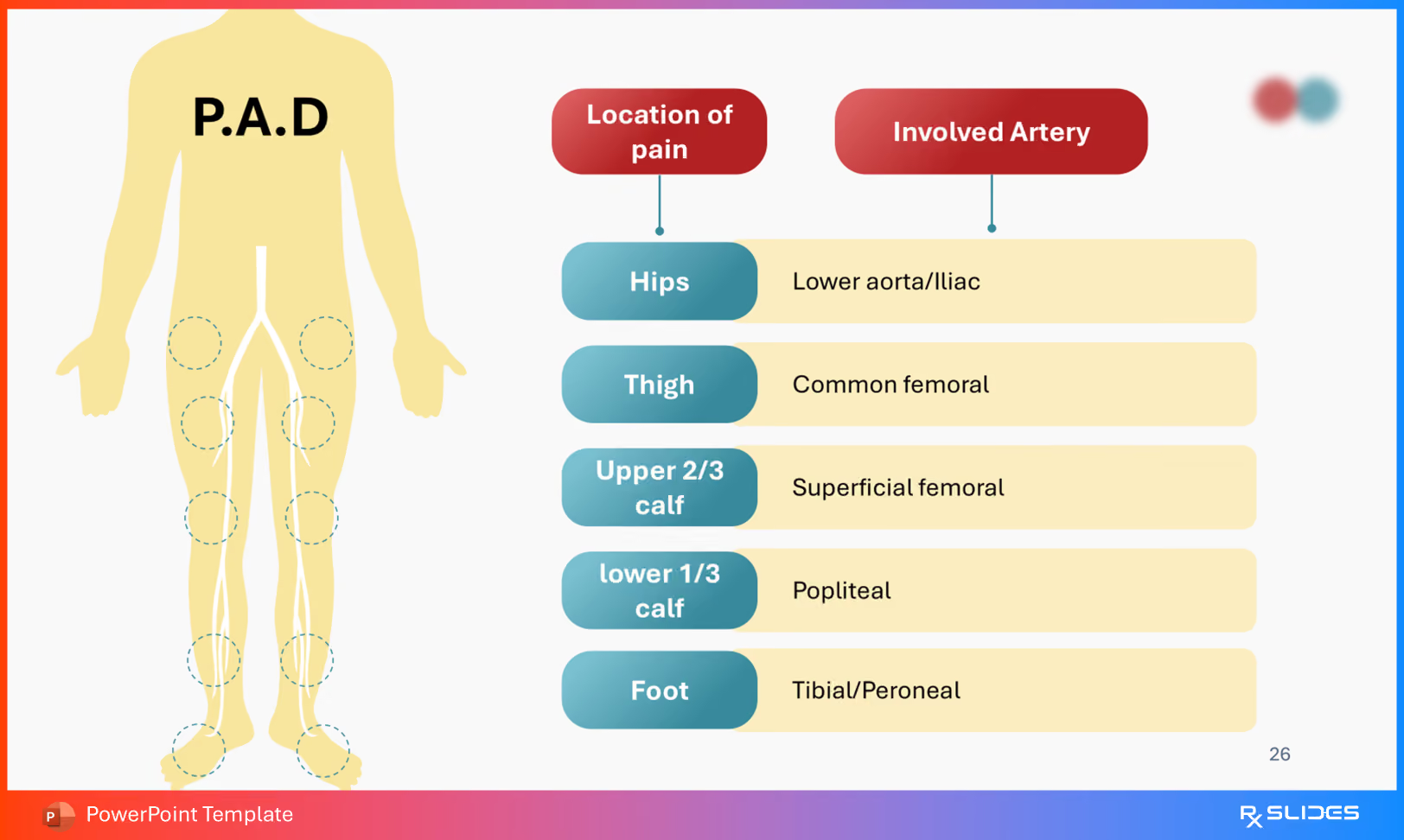
Pain Location vs Involved Artery

This slide supports bedside localization:

  • Hip or buttock pain correlates with lower aorta or iliac disease
  • Thigh pain suggests common femoral involvement
  • Upper calf claudication indicates superficial femoral artery pathology
Pain Location vs Involved Artery From Peripheral Arterial Disease PowerPoint Presentation Template

Use this layout to reinforce segmental ischemia patterns.

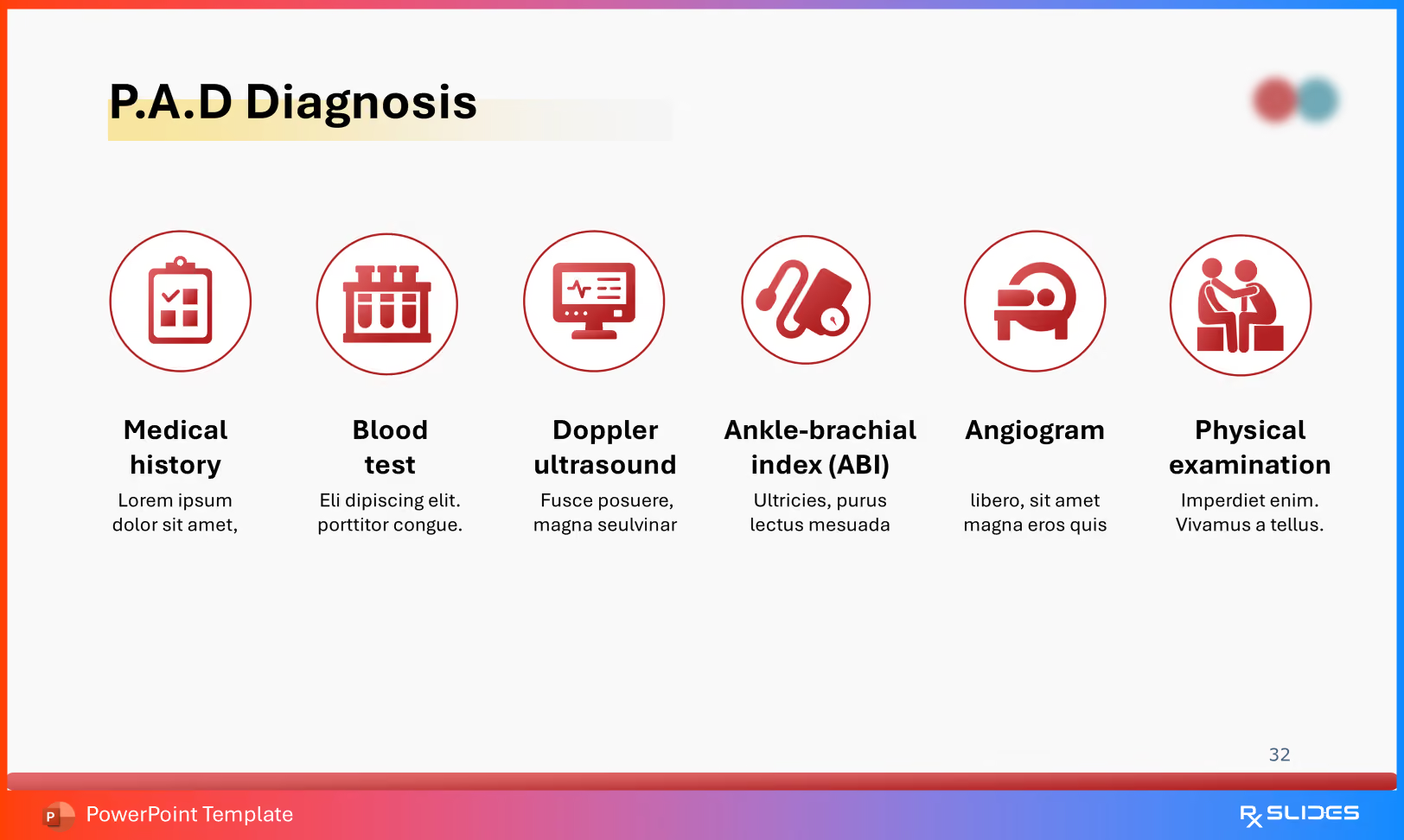
Diagnostic Tools

Outline standard evaluation pathways:

  • Ankle brachial index (ABI) for initial screening
  • Doppler ultrasound for flow characterization
  • Angiography for definitive anatomical mapping prior to intervention
Diagnostic Tools From Peripheral Arterial Disease PowerPoint Presentation Template

This section supports structured clinical reasoning from symptom localization to imaging confirmation.

4. Revascularization Techniques: Procedural Education

For interventional and surgical audiences, the template illustrates both endovascular and open strategies.

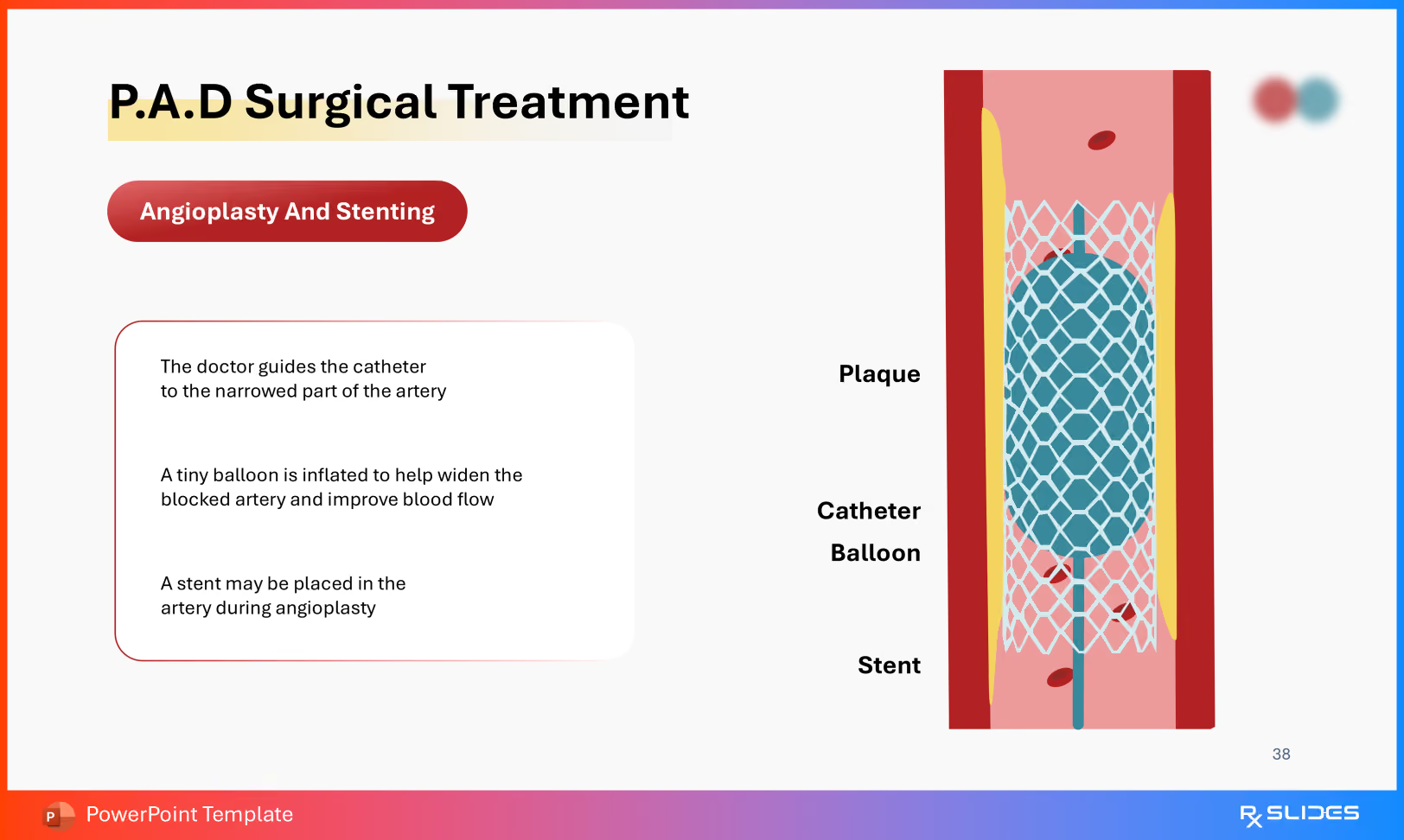
Angioplasty and Stenting

Demonstrate:

  • Balloon dilation of stenotic segments
  • Stent deployment to preserve vessel patency
Angioplasty and Stenting From Peripheral Arterial Disease PowerPoint Presentation Template

Highlight indications for minimally invasive revascularization in focal disease.

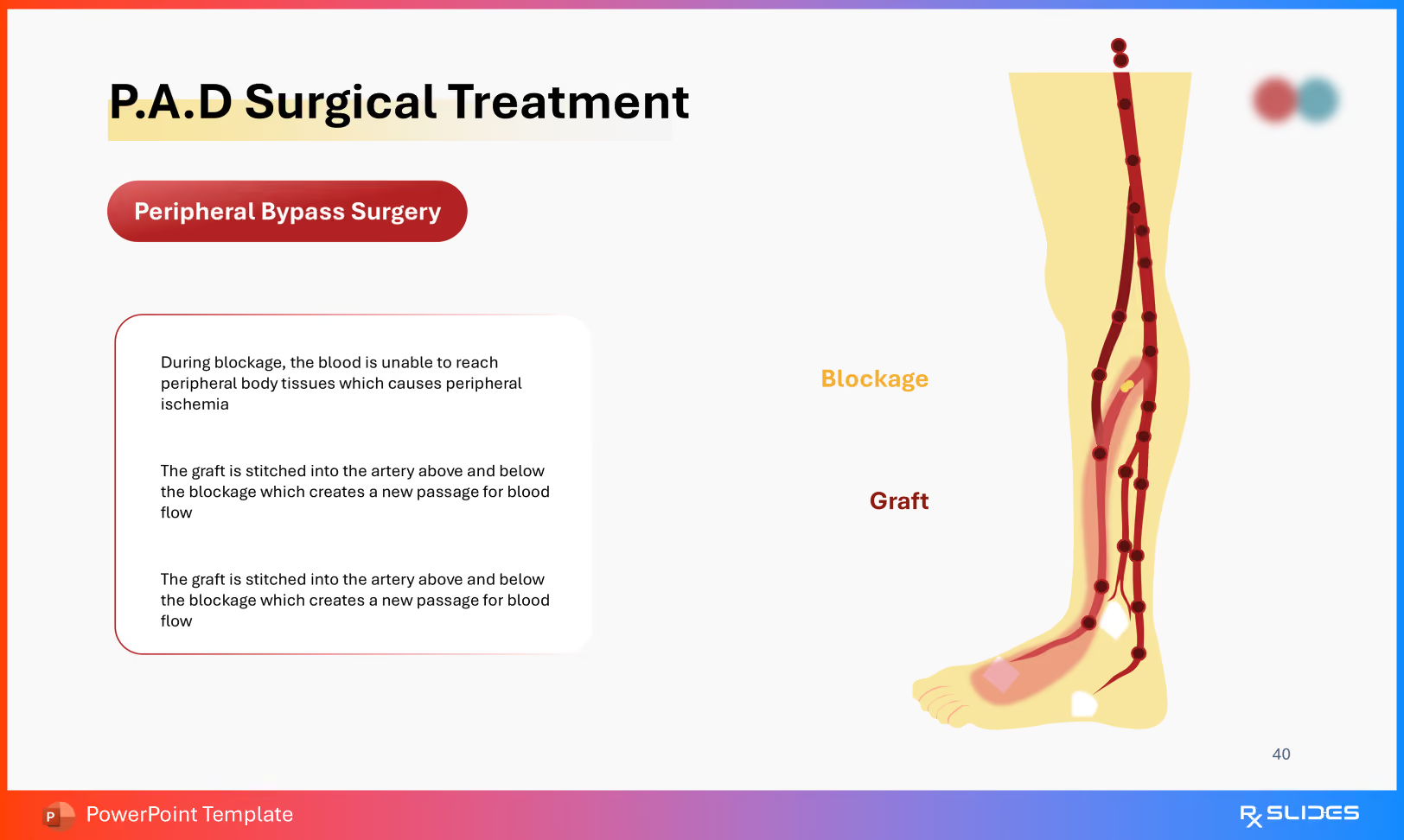
Bypass and Endarterectomy

For advanced PAD:

  • Peripheral bypass surgery showing alternate flow pathways via grafts
  • Endarterectomy illustrating direct plaque removal following arterial exposure
Bypass and Endarterectomy From Peripheral Arterial Disease PowerPoint Presentation Template

These visuals clarify mechanical restoration of perfusion.

5. Risk Modification and Epidemiology

Conclude with population-level risk reduction and long-term management.

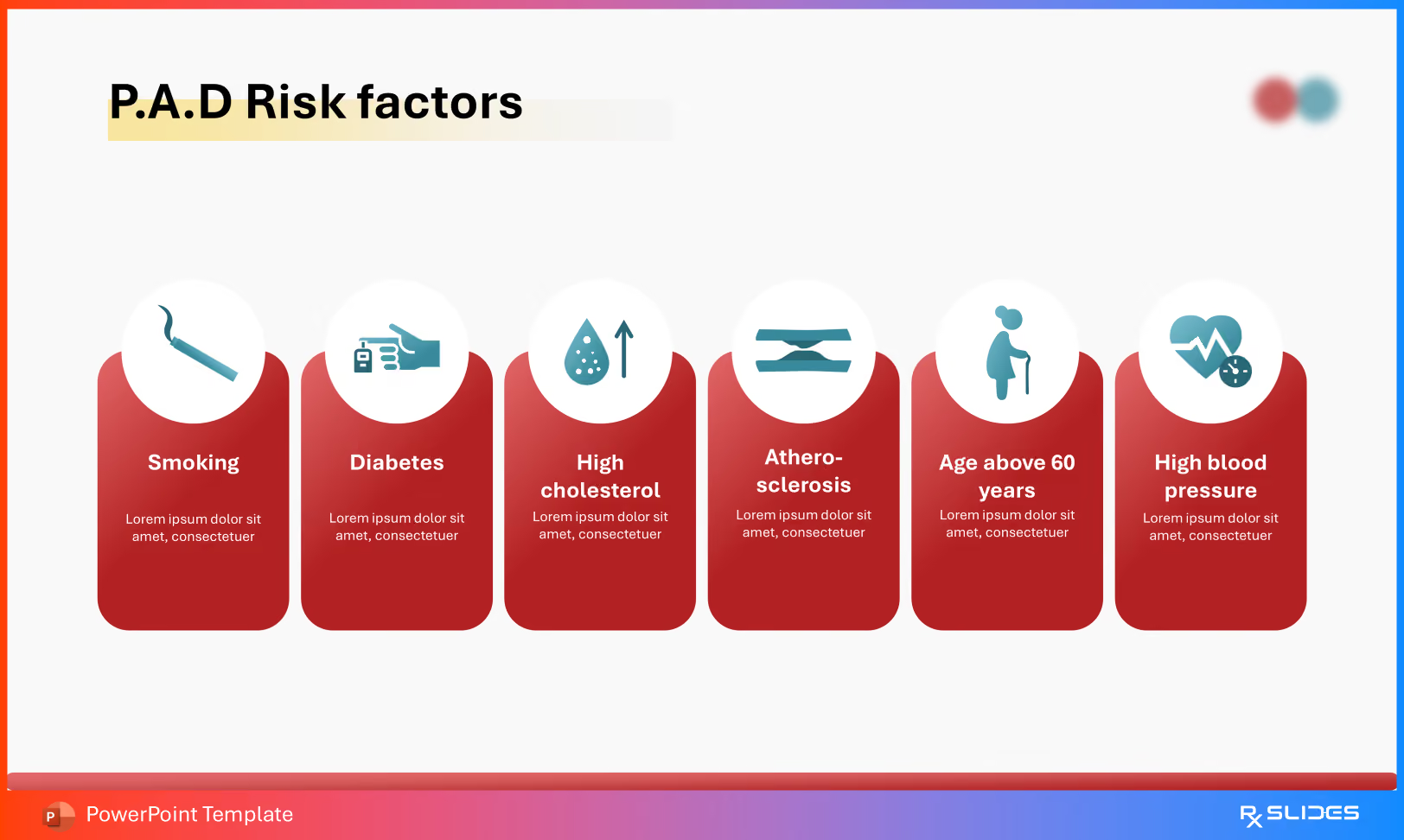
Risk Factors

Highlight:

• Tobacco use
• Diabetes mellitus
• Hyperlipidemia
• Advanced age, typically over 60 years

Risk Factors Slide From Peripheral Arterial Disease PowerPoint Presentation Template

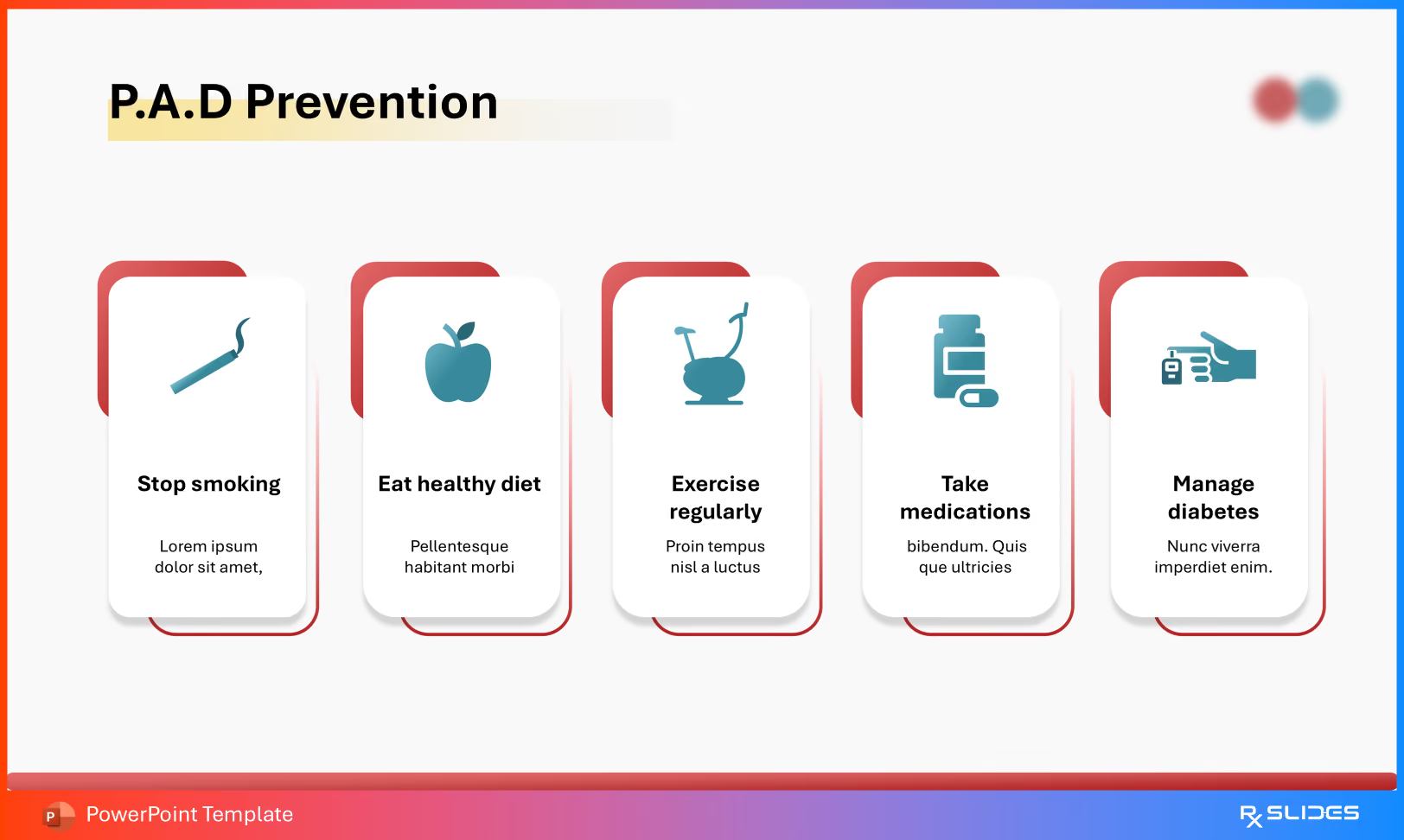
Prevention Slides

Reinforce evidence-based strategies:

  • Smoking cessation
  • Antiplatelet and lipid-lowering therapy
  • Structured exercise programs
  • Cardioprotective dietary patterns
Prevention Slide From Peripheral Arterial Disease PowerPoint Presentation Template

This positions PAD as a systemic vascular disorder requiring multidisciplinary management.

Summary

This template connects microscopic plaque formation with macroscopic limb ischemia and procedural revascularization. It allows presenters to move from claudication patterns to angiographic diagnosis and surgical correction in a coherent educational flow, making it well suited for medical faculty lectures, residency training, and vascular congress presentations.

Latest Articles

Explore All