A Guide to Presenting Salmeterol with Our Medical Template
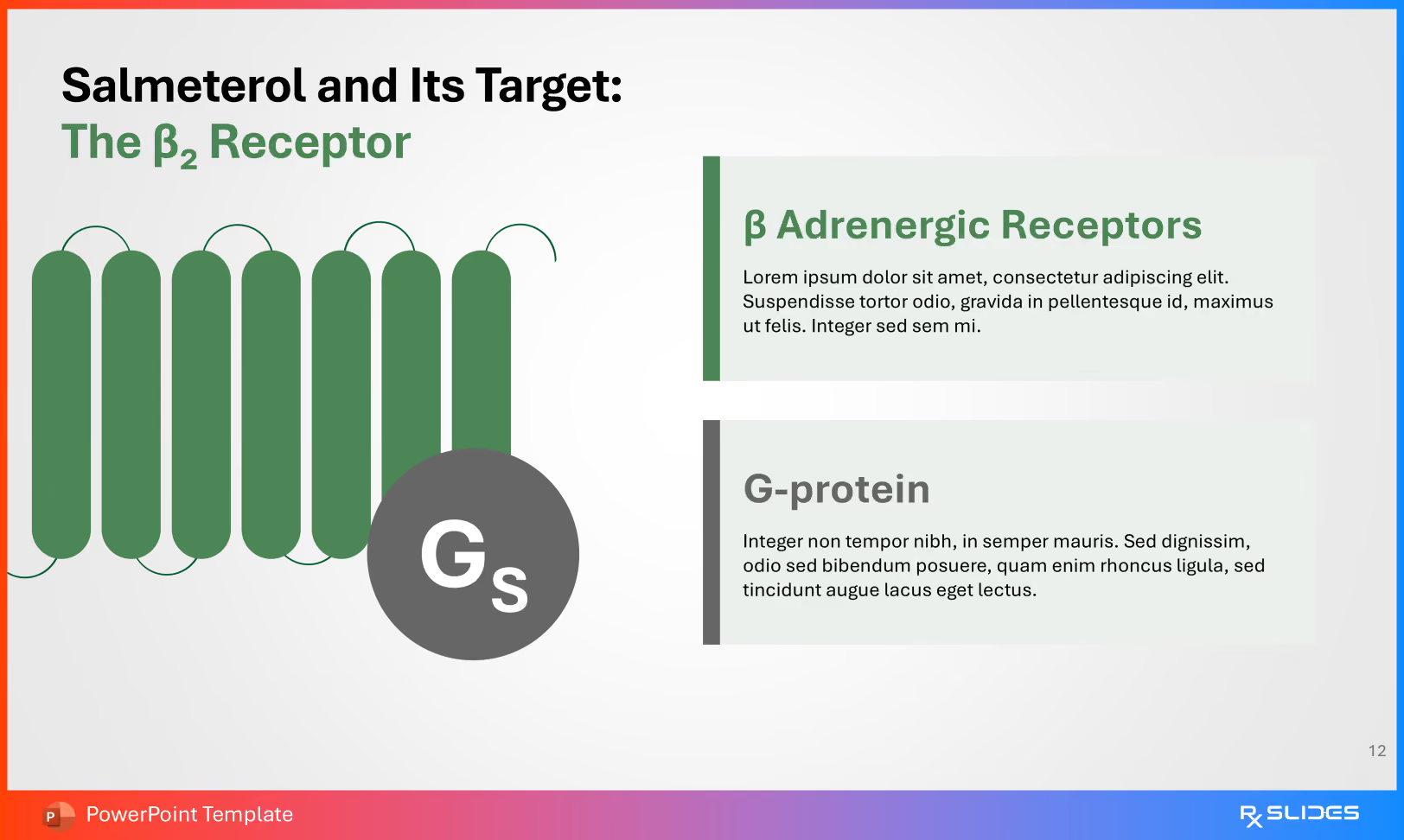
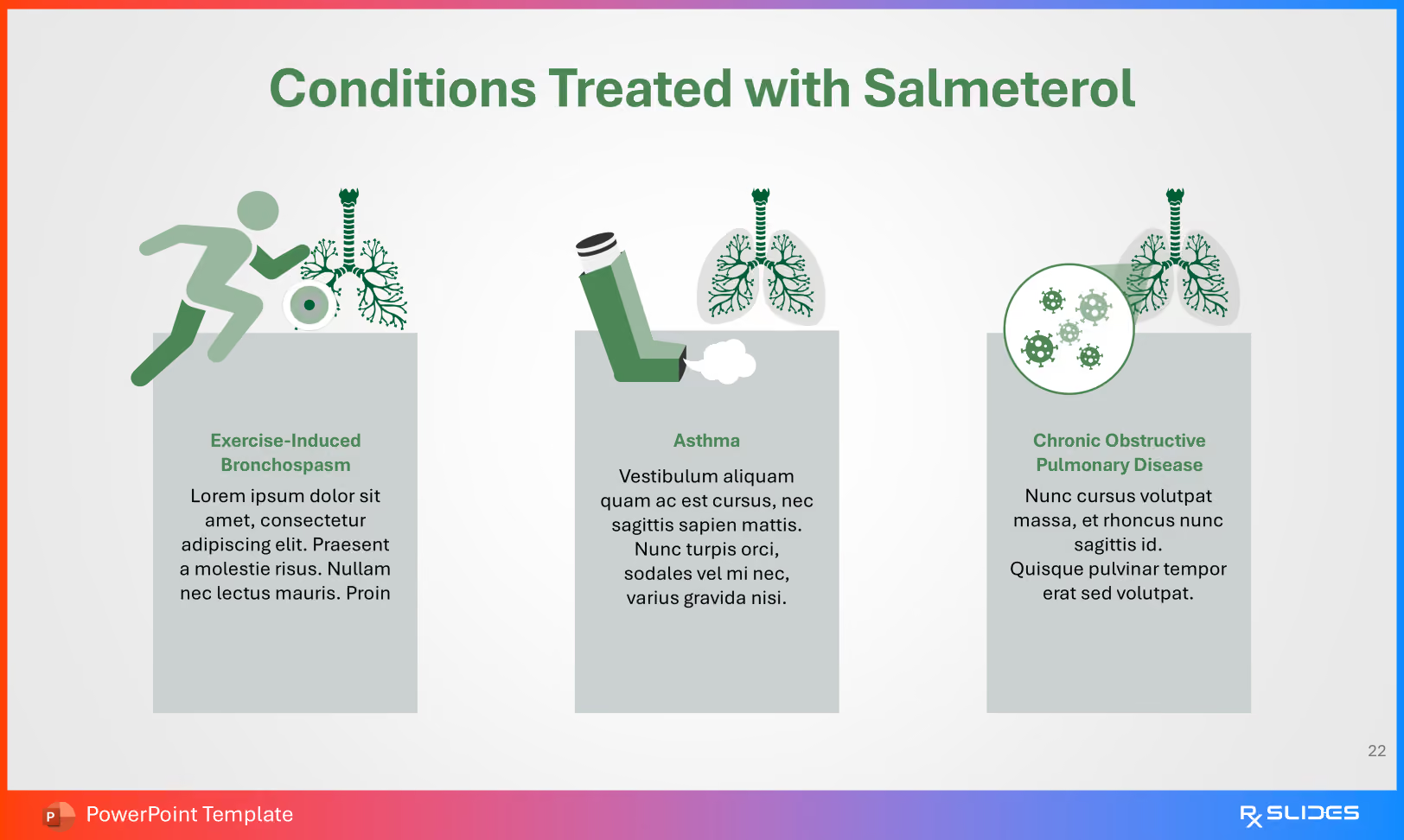
Salmeterol is a long-acting β₂-adrenergic agonist (LABA) indicated for maintenance therapy in asthma and chronic obstructive pulmonary disease (COPD). Its prolonged bronchodilatory effect is mediated through selective β₂-receptor activation on bronchial smooth muscle, leading to cyclic AMP–dependent relaxation.
Because Salmeterol operates at both molecular and clinical levels—from receptor binding to inhaler technique—effective teaching requires visual clarity paired with pharmacologic precision. The Salmeterol PowerPoint Presentation Template is designed to support this dual need.
1. Visualizing the Airway: Respiratory Anatomy for Patients and Students
Understanding drug action begins with anatomy.
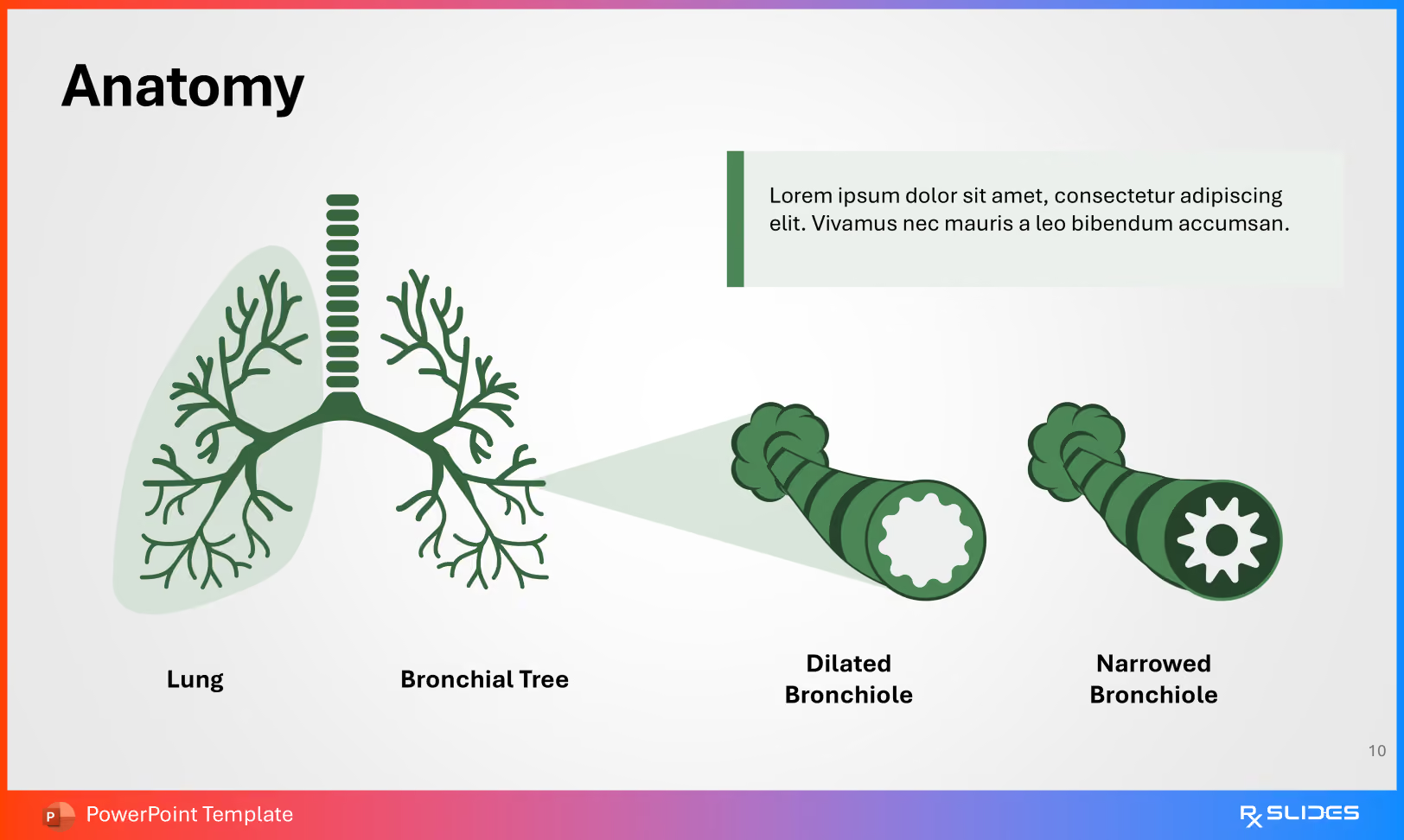
Anatomy of the Lung
Use this slide to orient the audience to:
Upper and lower airway landmarks: larynx, trachea, secondary and tertiary bronchi
Bronchial branching and airflow pathways
The paired visuals comparing a narrowed bronchiole versus a dilated bronchiole are particularly useful for demonstrating functional obstruction in asthma or COPD and how Salmeterol restores airway caliber through smooth-muscle relaxation.
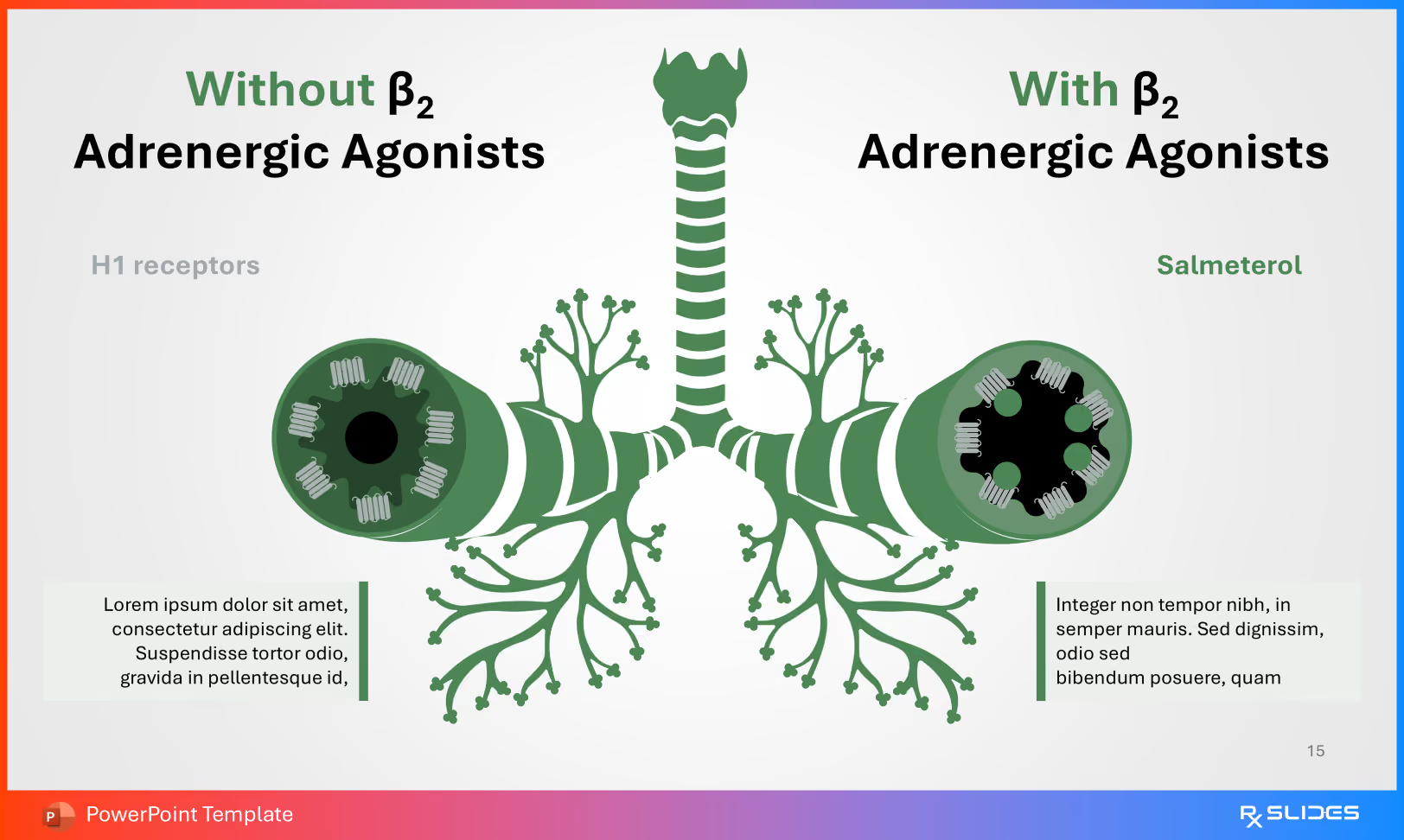
The “With vs Without β₂-Agonist” comparison slide clearly demonstrates ligand–receptor interaction and subsequent airway relaxation, making abstract signaling pathways visually concrete.
These slides are especially useful during prescribing education and multidisciplinary rounds.
Summary
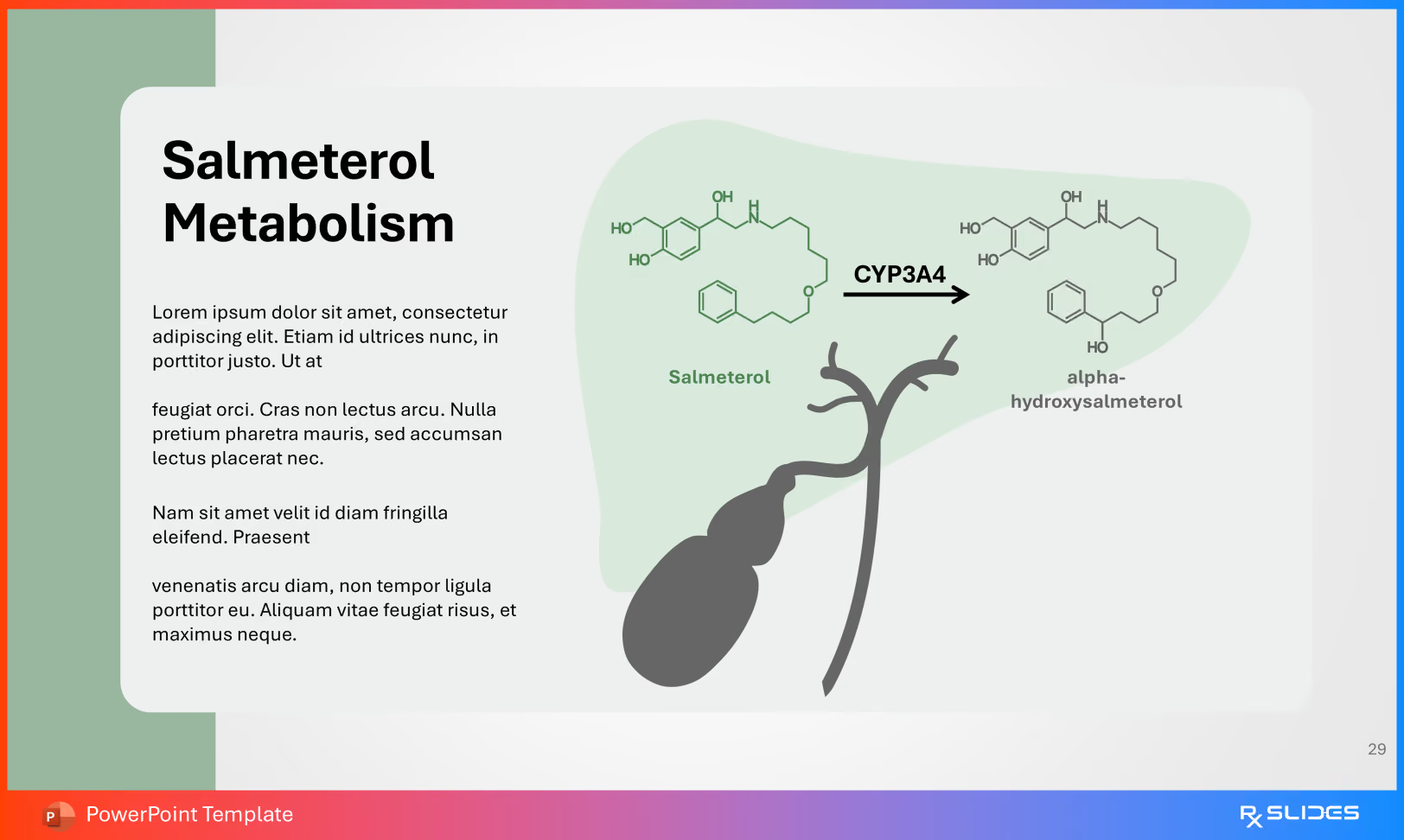
This Salmeterol template connects molecular pharmacology with bedside practice. It supports a seamless transition from β₂-receptor activation and CYP3A4 metabolism to inhaler technique and symptom control. Whether addressing medical students, respiratory therapists, or prescribing clinicians, the framework allows you to move fluidly between mechanism, measurement, and meaningful clinical outcomes—transforming abstract pharmacology into practical respiratory care.