A Guide to Presenting Stroke with RxSlides Medical Template

A Guide to Presenting Stroke with RxSlides Medical Template

Stroke is a neurological emergency in which rapid diagnosis and intervention directly determine patient outcomes. Effective education must therefore connect cerebral vascular anatomy, lesion localization, pathogenesis, and therapeutic workflows into a coherent clinical narrative.

The Stroke PowerPoint Presentation Template provides a structured visual framework to teach cerebrovascular accidents (CVA), from arterial supply mapping to endovascular intervention.

Below is a guide for leveraging this template across neurology training, emergency medicine education, and public health instruction.

1. Neurovascular Foundations: Cerebral Anatomy and Blood Supply

Understanding stroke begins with cerebral perfusion.

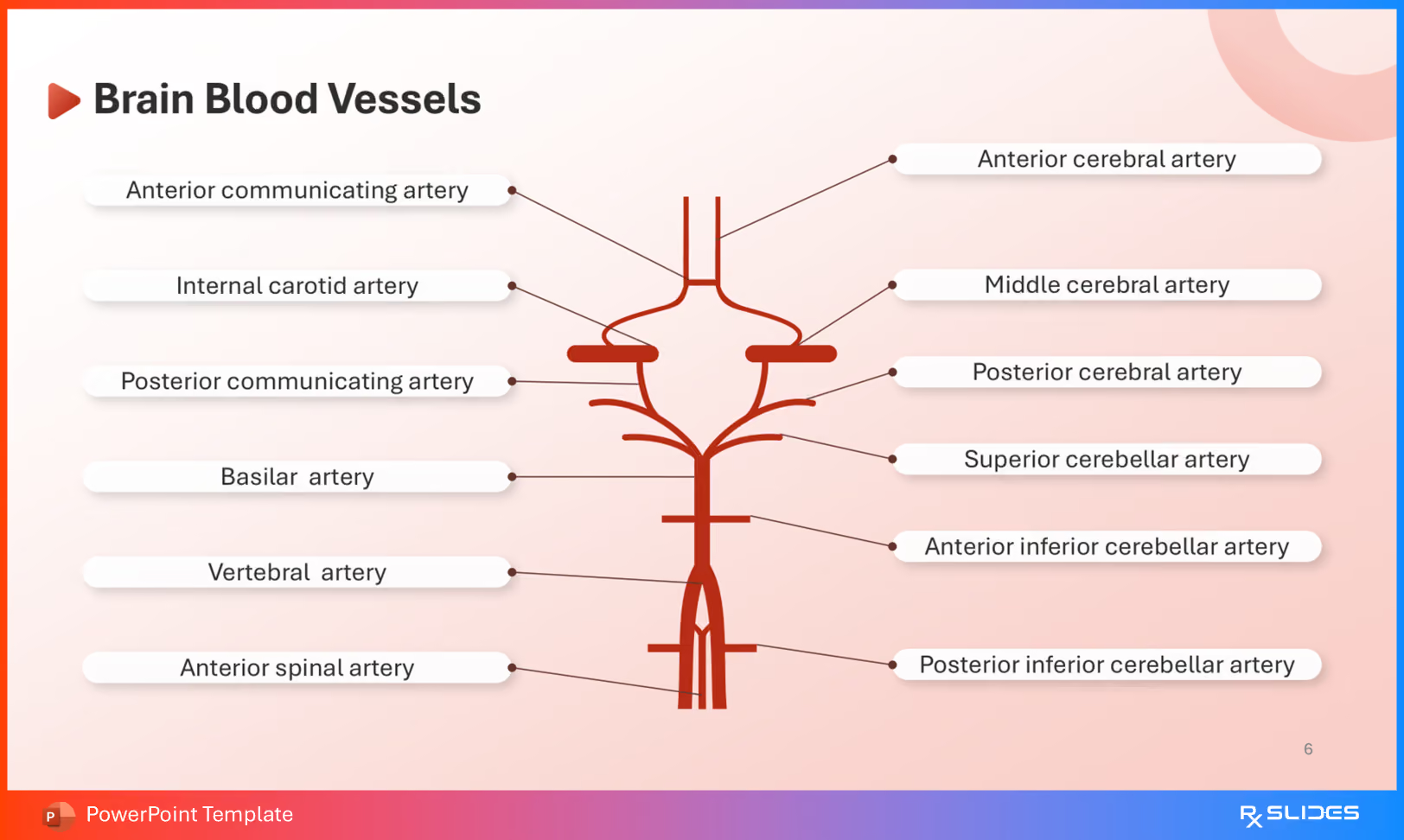
Brain Blood Vessels

Use this slide to trace the Circle of Willis and major arterial pathways, including:

  • Internal carotid arteries
  • Basilar artery
  • Anterior and posterior communicating arteries
Brain Blood Vessels slide from Stroke PowerPoint Presentation Template

This establishes collateral circulation concepts critical to ischemic stroke interpretation.

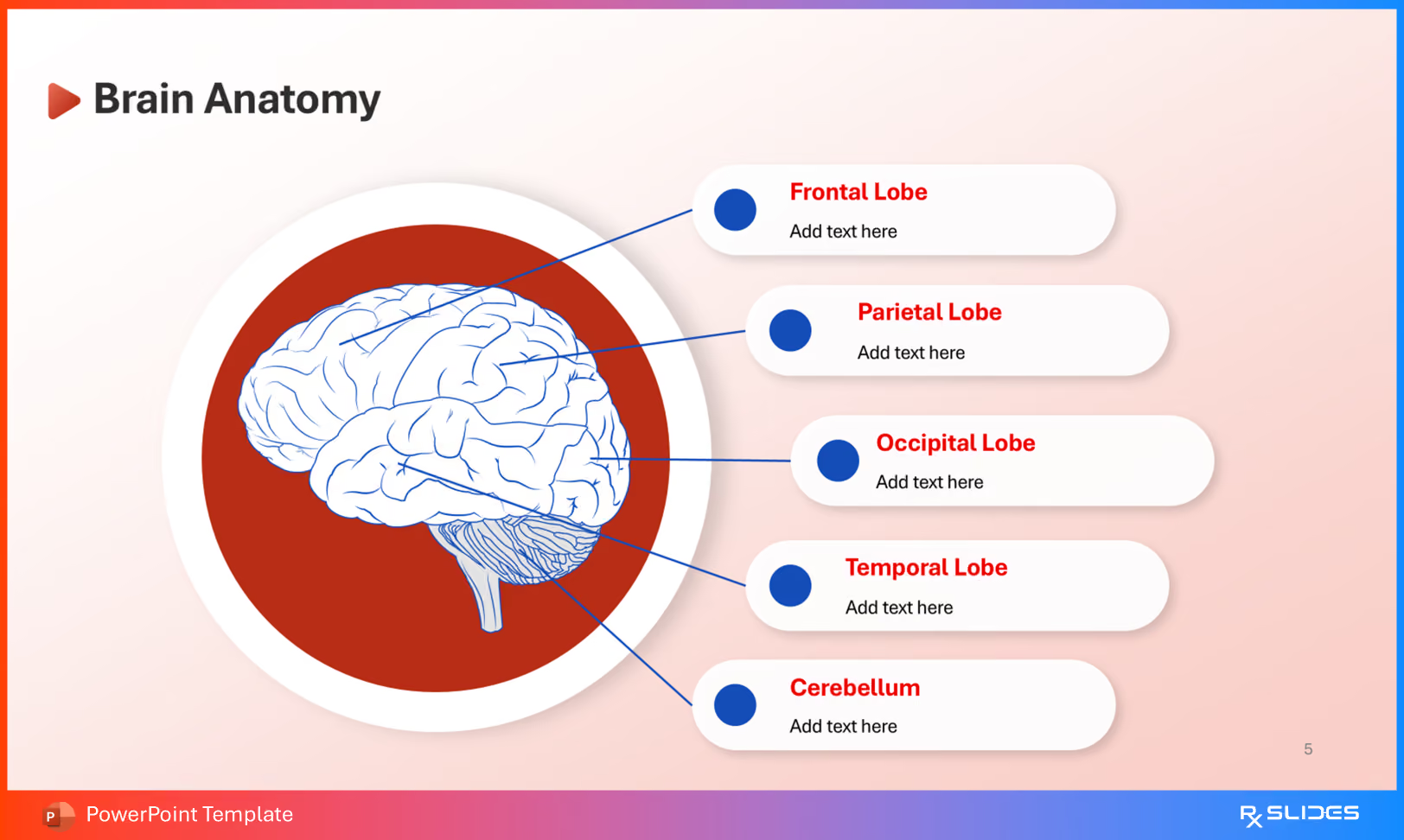
Brain Anatomy

Highlight functional regions:

  • Frontal lobe
  • Parietal lobe
  • Temporal lobe
  • Occipital lobe
  • Cerebellum
Brain Anatomy Slide from Stroke PowerPoint Presentation Template

This prepares learners for lesion localization.

2. Lesion Localization: Linking Anatomy to Neurological Deficits

One of the template’s strongest features is correlating infarct location with clinical presentation.

Injury to Specific Brain Regions

Use these visuals to teach localization:

  • Frontal lobe: Broca aphasia, contralateral arm weakness
  • Parietal lobe: Spatial neglect, sensory deficits
  • Temporal lobe: Wernicke aphasia
  • Occipital lobe: Visual agnosia and field defects
Injury to Specific Brain Regions slides from Stroke PowerPoint Presentation Template

This reinforces bedside neurological examination skills for residents.

3. Early Recognition and Public Health Messaging

Rapid identification remains the most effective stroke intervention.

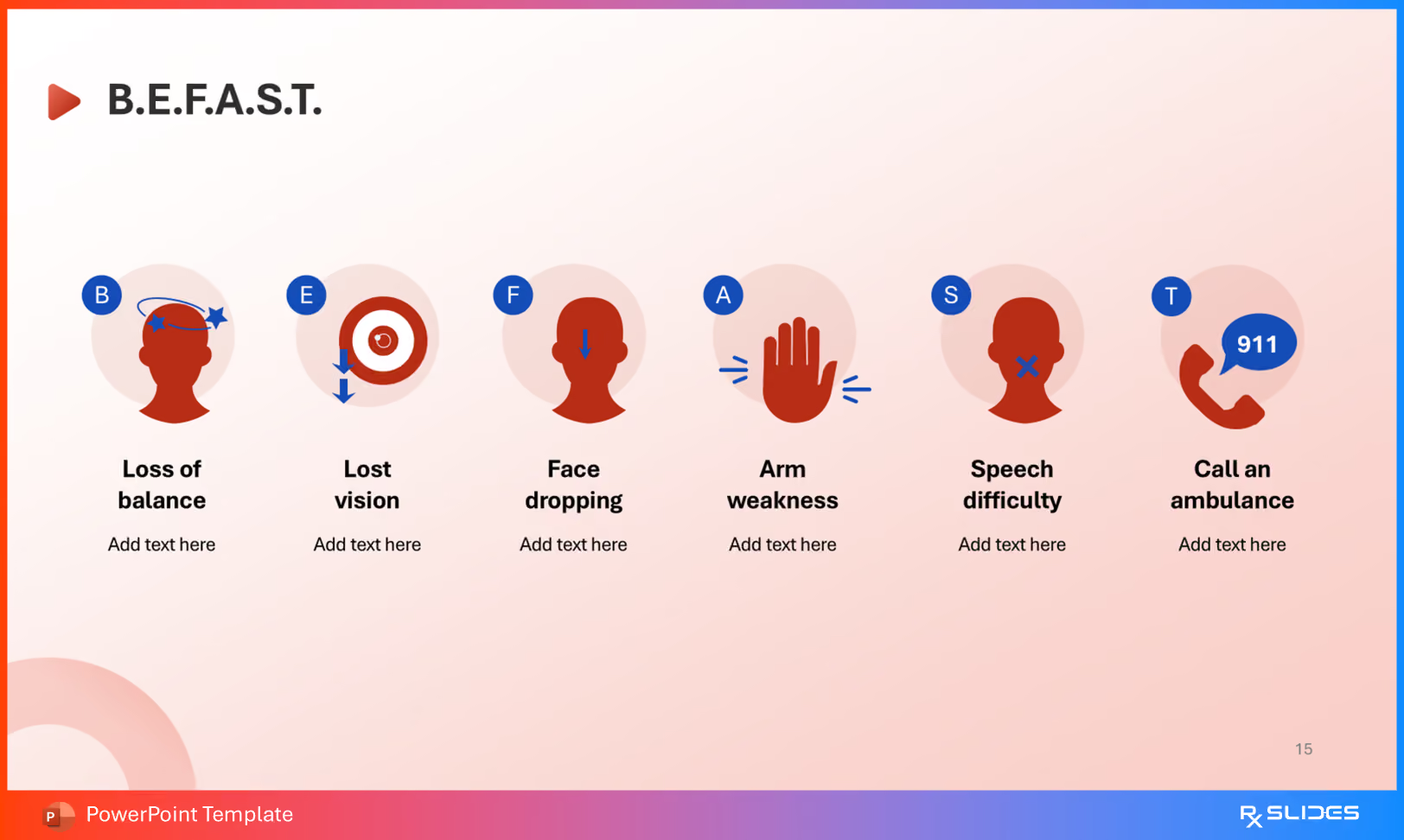
B.E.F.A.S.T.

Use this mnemonic to standardize symptom recognition:

  • Balance – sudden instability
  • Eyes – visual disturbance
  • Face – facial droop
  • Arm – unilateral weakness
  • Speech – dysarthria or aphasia
  • Time – immediate emergency response
B.E.F.A.S.T. Slide from Stroke PowerPoint Presentation Template

This slide supports community education and prehospital triage protocols.

4. Stroke Pathogenesis: Ischemic vs Hemorrhagic Mechanisms

Understanding etiology guides acute management.

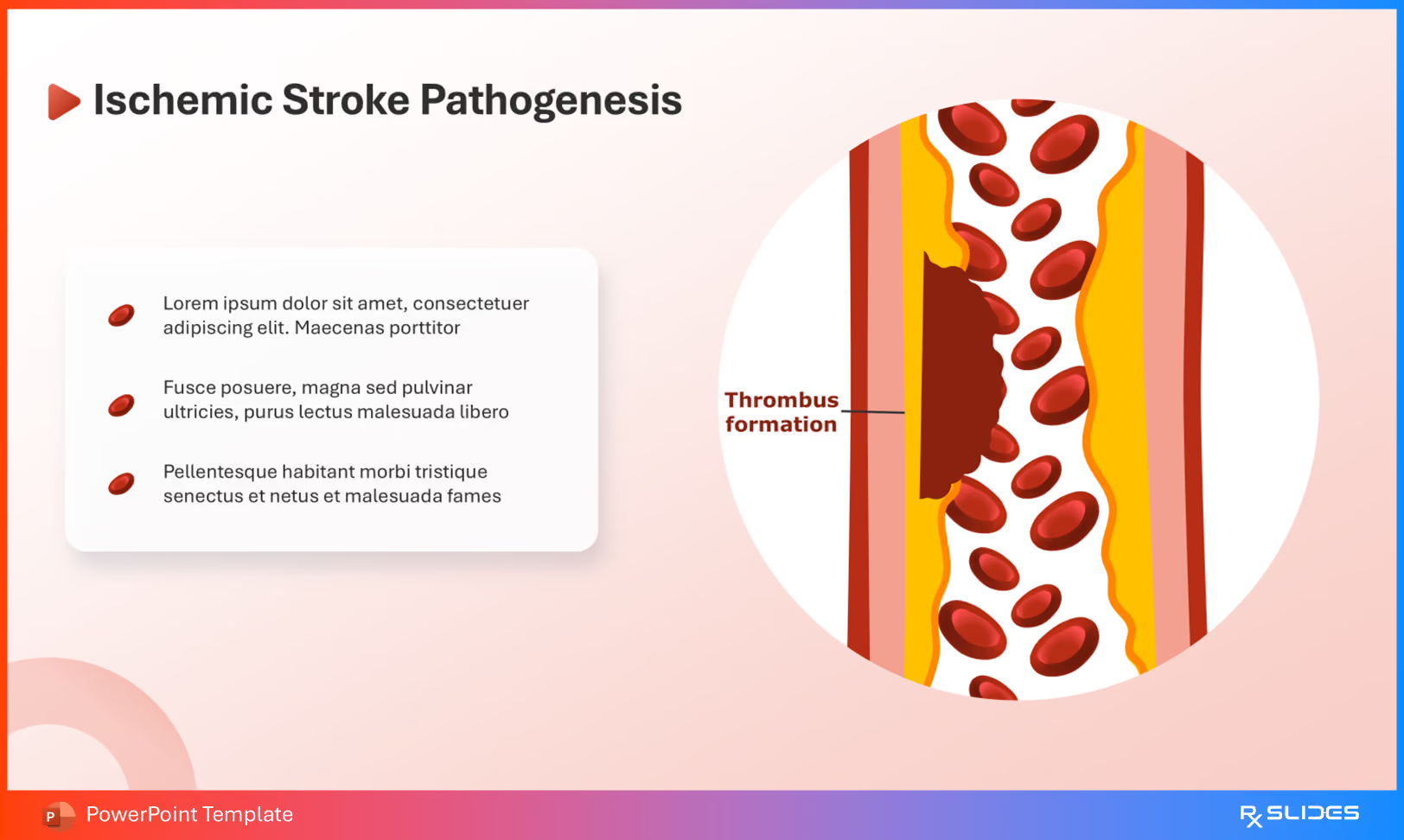
Ischemic Stroke

Demonstrate:

  • Atherosclerotic plaque formation
  • Thrombus development
  • Distinction between thrombotic and embolic strokes
Ischemic Stroke Pathogenesis Slide from Stroke PowerPoint Presentation Template

These visuals clarify arterial occlusion dynamics.

Hemorrhagic Stroke

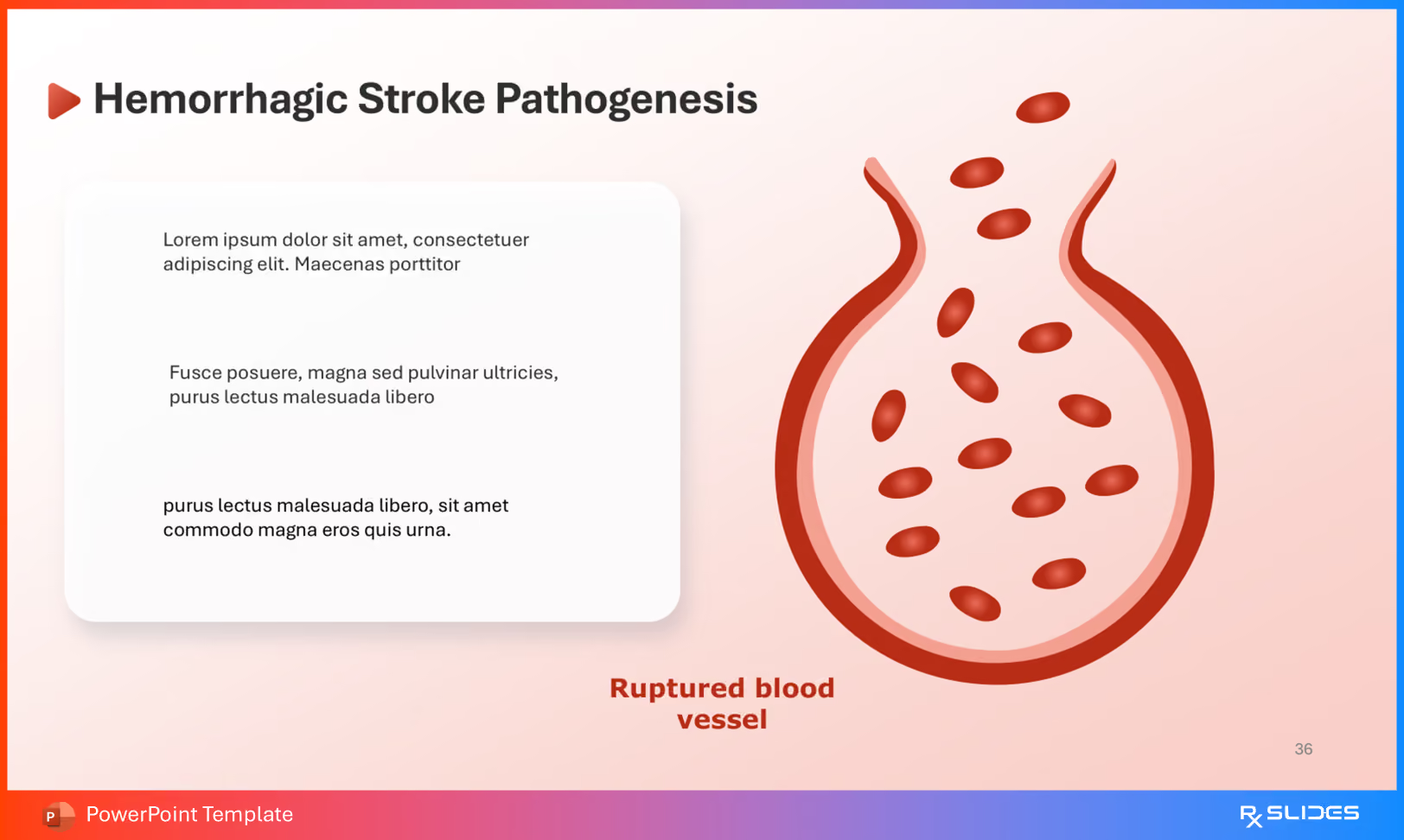
Use vessel cross-sections to explain rupture mechanisms, including aneurysm-related bleeding and hypertensive vessel failure.

Hemorrhagic Stroke Pathogenesis Slide from Stroke PowerPoint Presentation Template

5. Acute Diagnosis and Intervention Pathways

Stroke Diagnosis

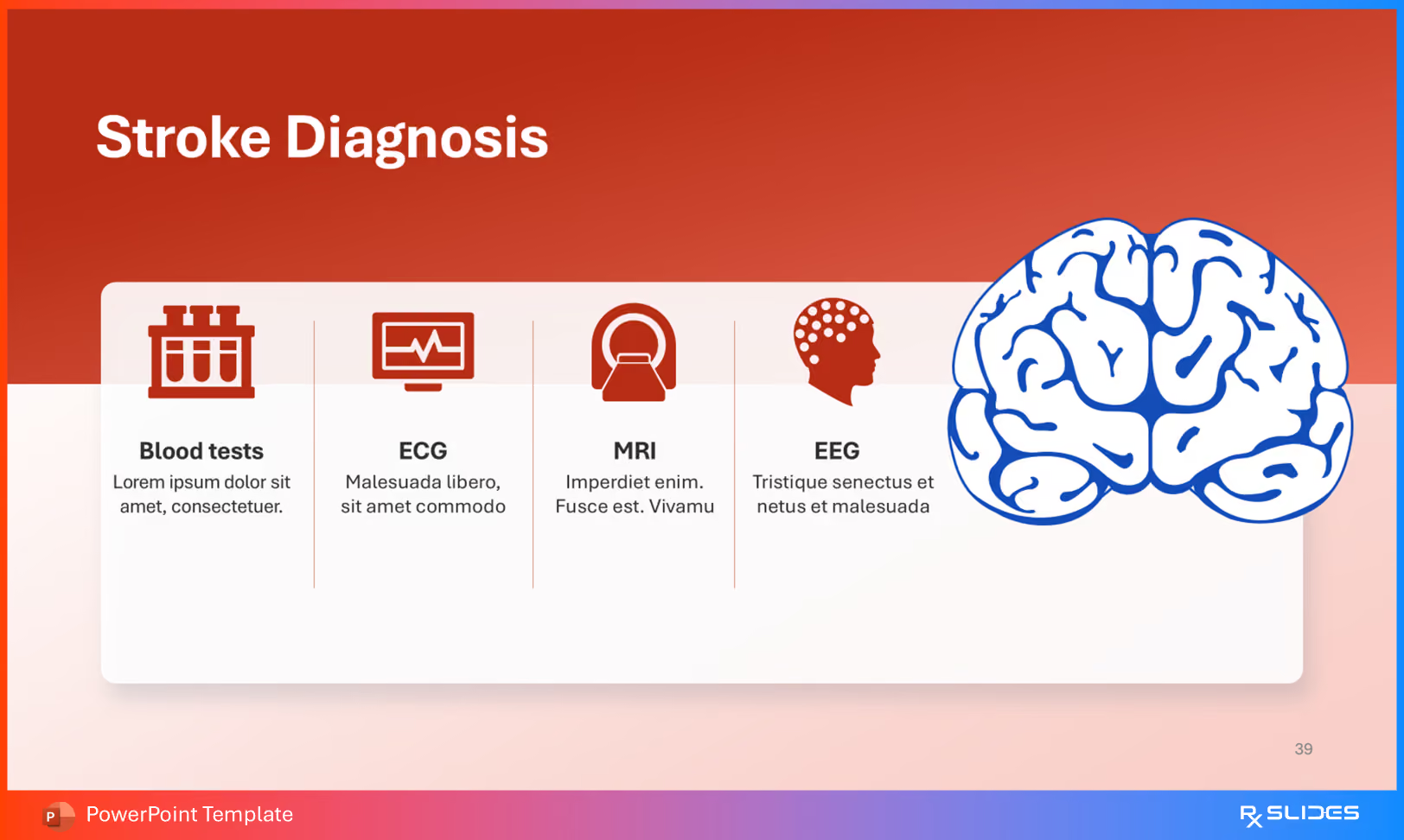
Outline standard evaluation:

  • Laboratory testing
  • ECG for cardioembolic sources
  • Neuroimaging (CT/MRI)
Stroke Diagnosis slide from Stroke PowerPoint Presentation Template

This establishes the emergency diagnostic sequence.

Therapeutic Interventions

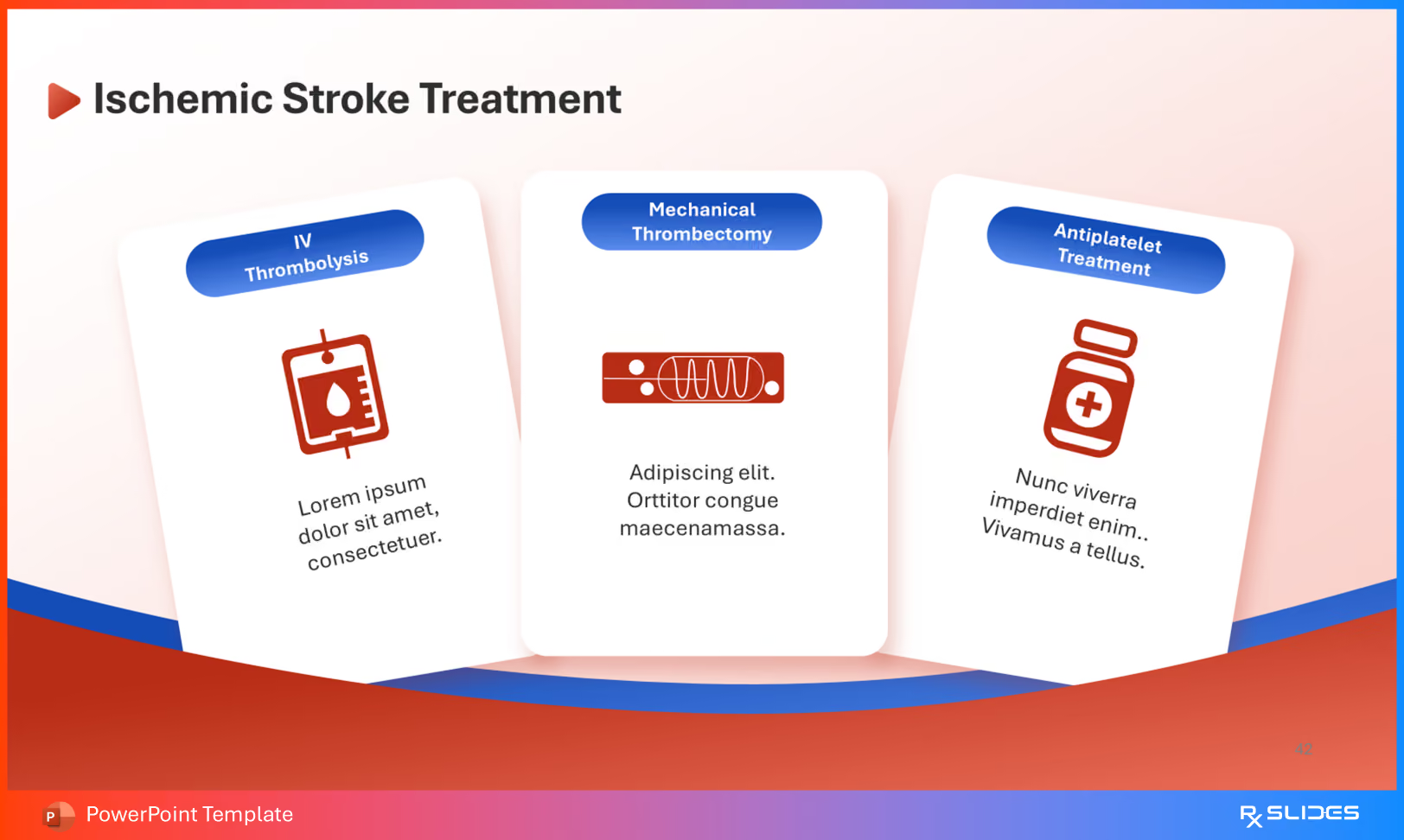
Use procedure visuals to explain:

  • Mechanical thrombectomy for large vessel occlusion
  • Carotid endarterectomy for extracranial stenosis
  • Hemorrhagic management strategies including blood pressure control, intracranial pressure monitoring, and hemostatic therapy
Ischemic Stroke Treatment slide from Stroke PowerPoint Presentation Template

These slides integrate neurology with interventional practice.

6. Secondary Prevention and Pharmacologic Risk Reduction

Long-term management focuses on modifiable risk factors.

Stroke Prevention

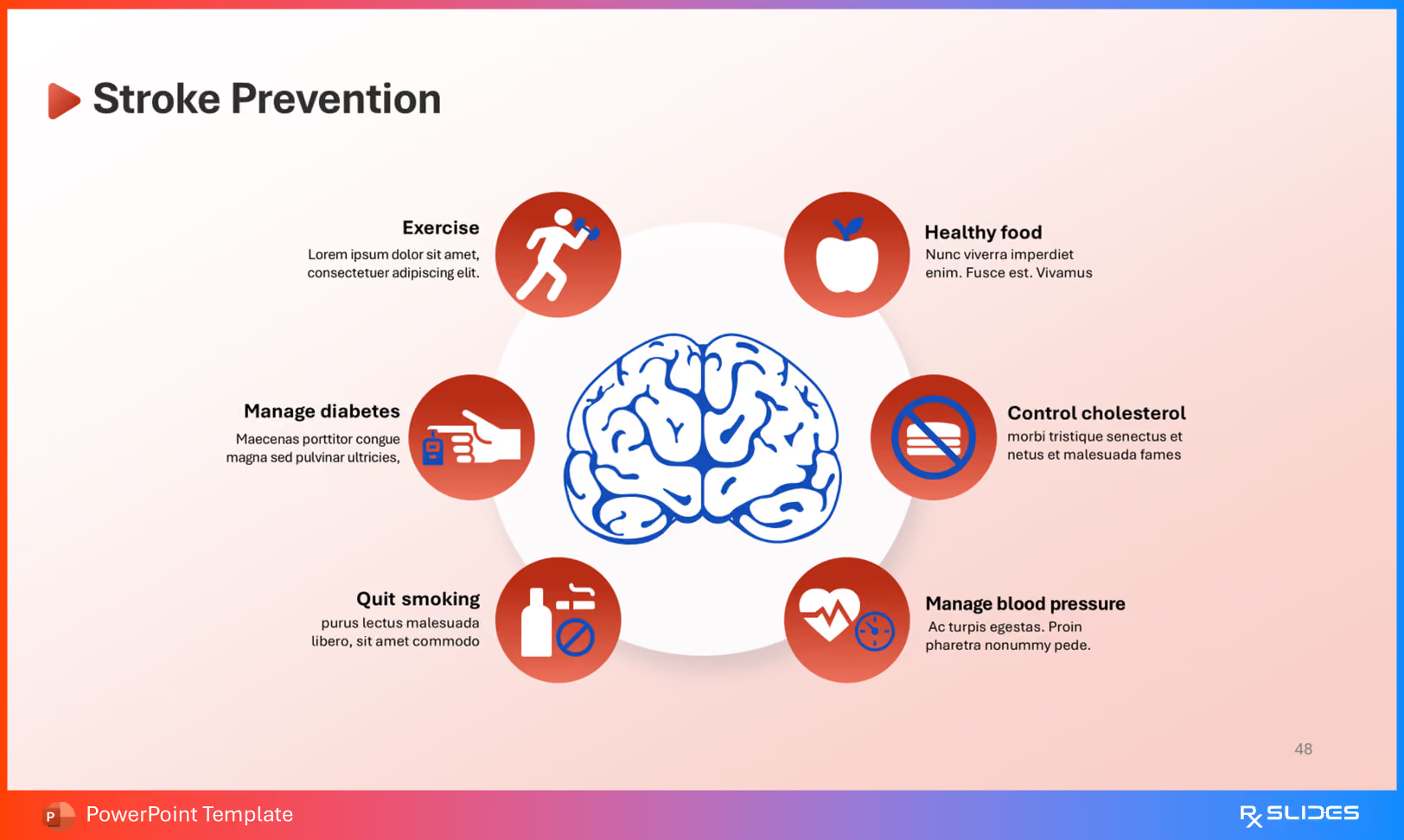
Highlight:

  • Dietary modification
  • Physical activity
  • Smoking cessation
Stroke Prevention slide from Stroke PowerPoint Presentation Template

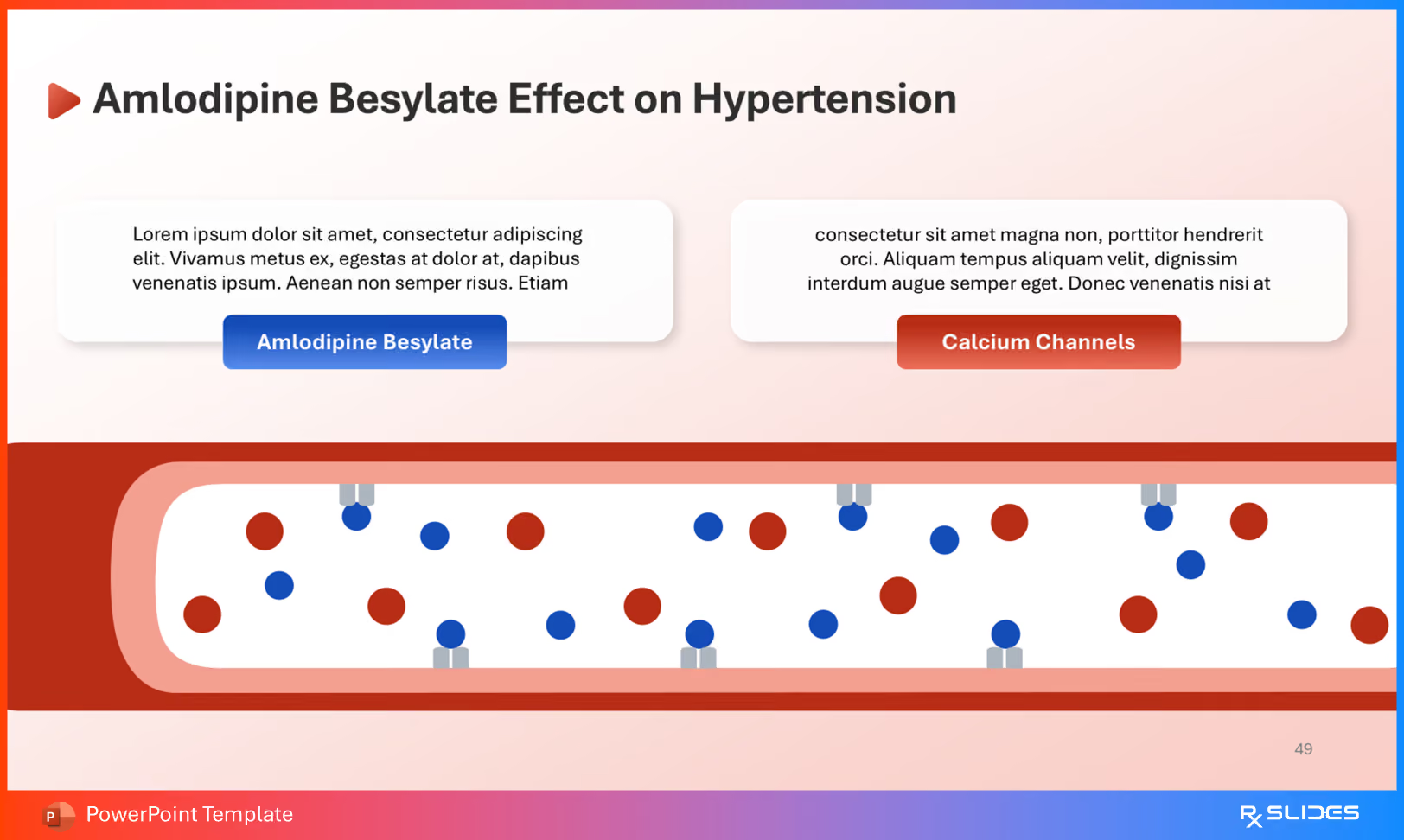
Amlodipine Besylate

Use this slide to explain calcium channel blockade and blood pressure control, reinforcing hypertension management as a primary stroke prevention strategy.

Amlodipine Besylate effect slide from Stroke PowerPoint Presentation Template

Conclusion: From Middle Cerebral Artery Occlusion to Functional Recovery

This template connects cerebral arterial anatomy with clinical signs, pathophysiology, and modern intervention. It enables educators to transition seamlessly from fibrofatty plaque formation to mechanical thrombectomy, and from facial droop recognition to long-term vascular risk management.

For healthcare professionals, it provides a cohesive framework for teaching stroke across neurology, emergency medicine, rehabilitation, and public health.

Latest Articles

Explore All