Ataxia Insights: Step by Step Approaches for Educators and Clinicians in Presentations

Ataxia Insights: Step by Step Approaches for Educators and Clinicians in Presentations

Explaining neurological disorders affecting coordination requires a presentation as structured as the condition is complex. Whether you are lecturing on neuroanatomy, discussing hereditary risk patterns in a scientific forum, or presenting management strategies at a medical congress, the Ataxia PowerPoint Presentation Template provides a comprehensive framework for professional audiences.

This guide highlights how to leverage the template’s features to communicate intricate neurological concepts effectively.

1. Defining the Disorder: Terminology and Core Concepts

Ataxia is often conflated with general dizziness. For scientific clarity, the Definition slides allow presenters to highlight the key clinical manifestations.

Ataxia Definition

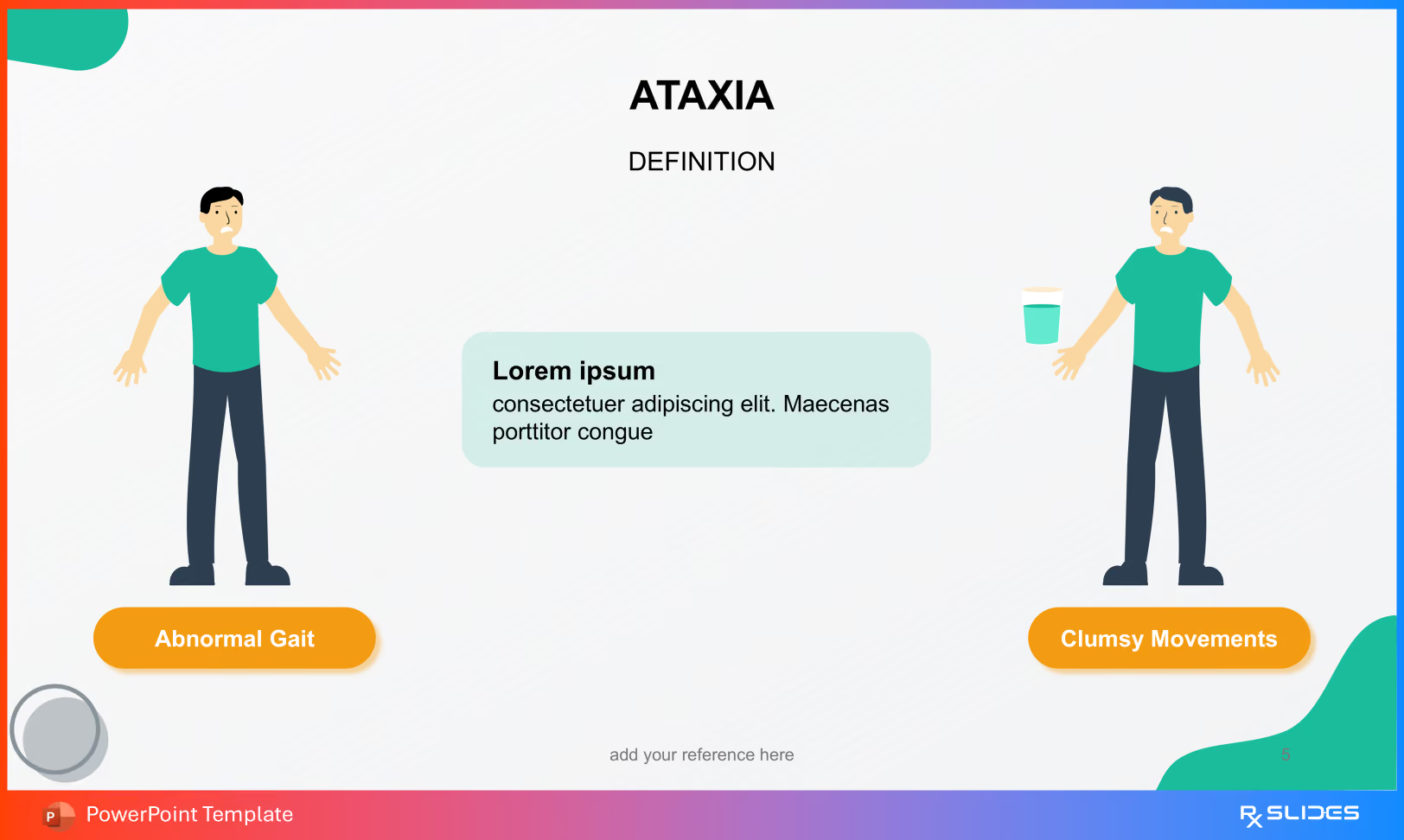
Use slides to define ataxia in precise terms such as abnormal gait, clumsy limb movements, and impaired motor coordination. This establishes a clear foundation for deeper anatomical and physiological discussions.

Ataxia Definition Slide from Ataxia PowerPoint Presentation Template

2. Anatomical Classification: Cerebellar, Sensory, and Vestibular

The template organizes ataxia by anatomical origin, a critical feature for academic and professional presentations.

Ataxia Types

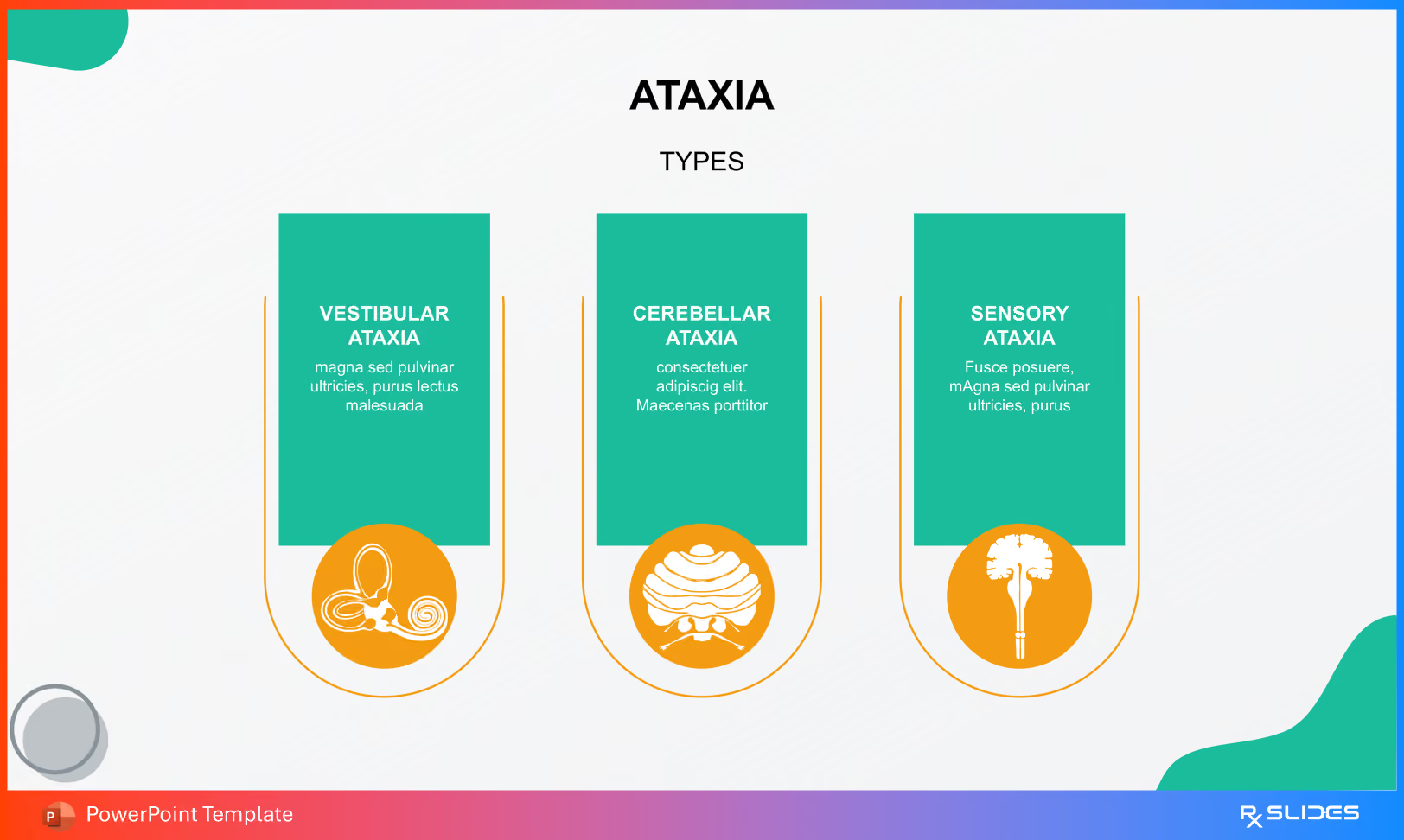
Segment the disorder into Cerebellar, Sensory, and Vestibular ataxias.

Ataxia Types Slide from Ataxia PowerPoint Presentation Template

Cerebellar Ataxia Details

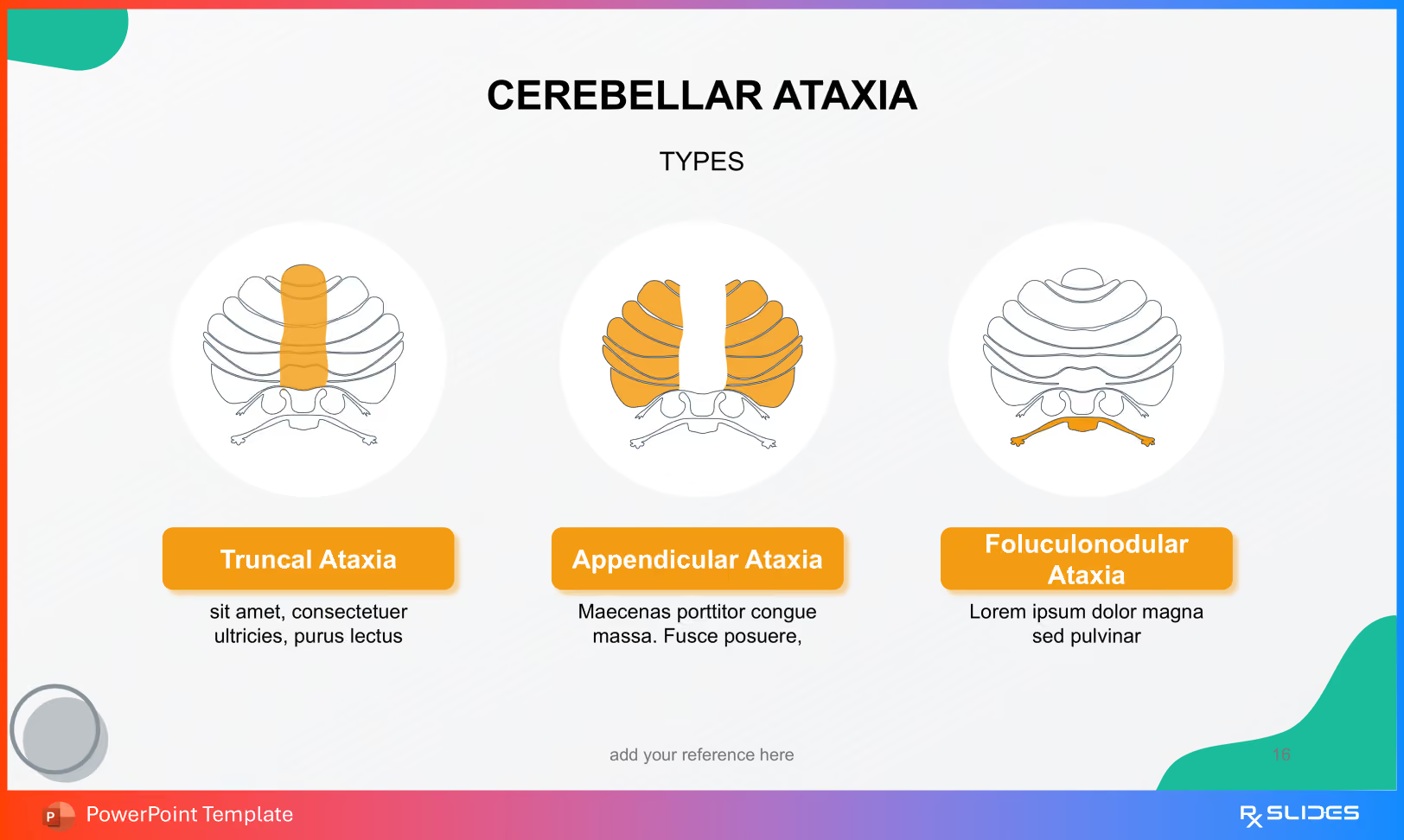
  • Anatomical Zones: Differentiate lesions in the vermis versus cerebellar hemispheres.
  • Functional Categories: Illustrate appendicular ataxia (limb), truncal ataxia (trunk), and flocculonodular ataxia, supporting in-depth neuroanatomy teaching.
Cerebellar Ataxia Details slide from Ataxia PowerPoint Presentation Template

3. Clinical Presentation: Symptom Mapping

Neurological education benefits from structured visual representation. The template provides slides for detailed symptom categorization.

Vestibular Symptoms:

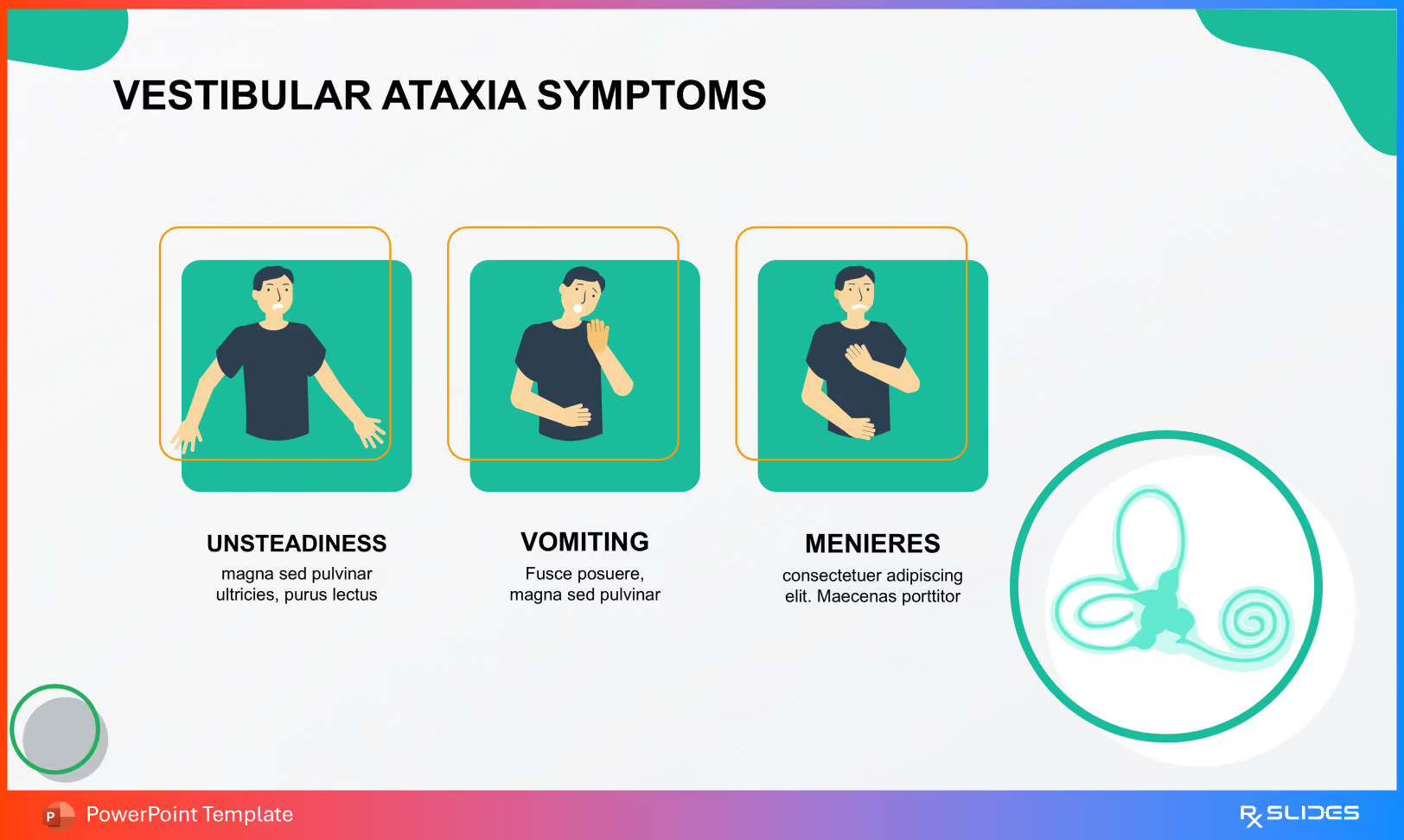
Include balance disturbances, vertigo, and nausea associated with inner ear dysfunction.

Vestibular Ataxia Symptoms Slide from Ataxia PowerPoint Presentation Template

Cerebellar Symptoms:

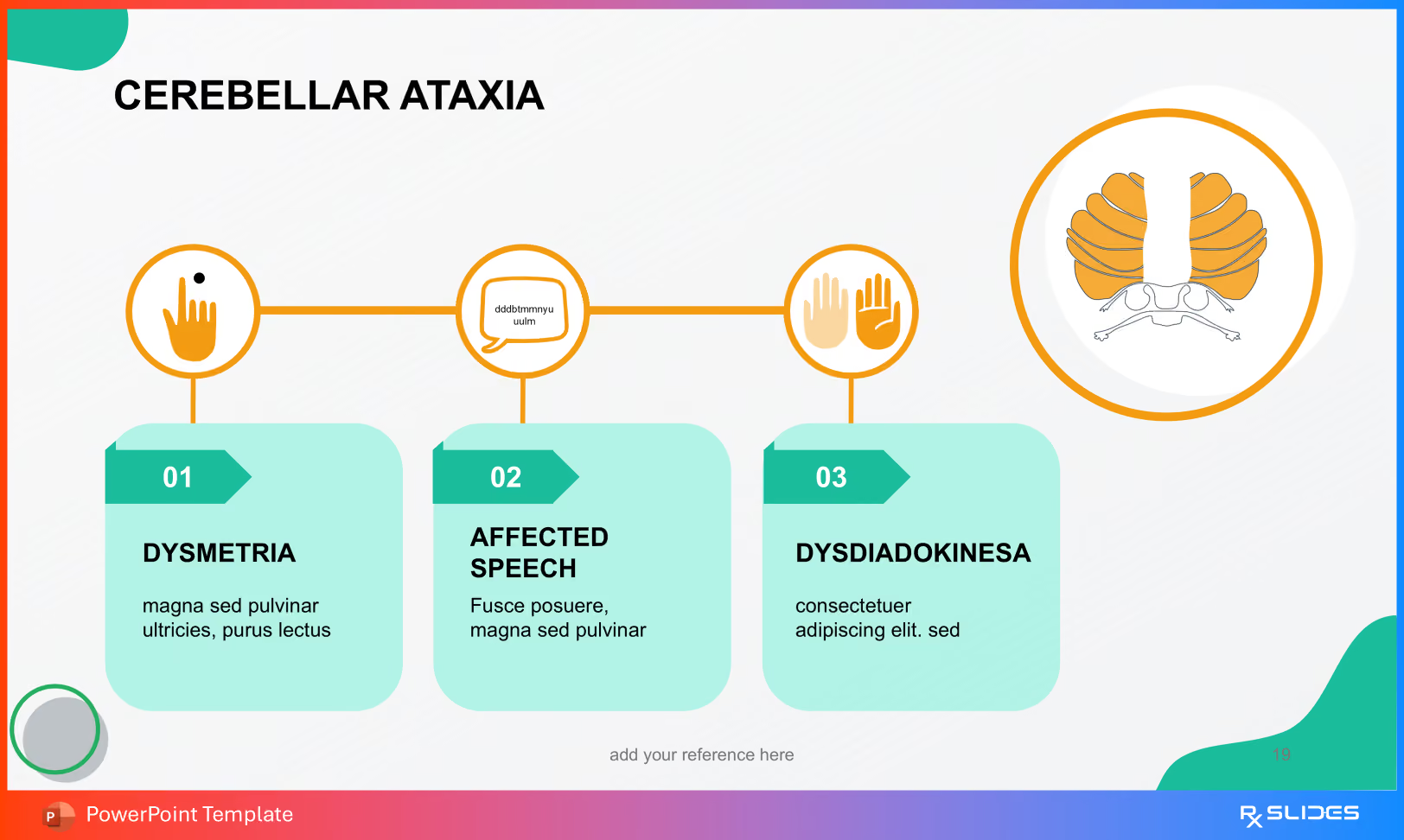
Display dysmetria, scanning speech, impaired ocular movement, and dysdiadochokinesia, supporting case-based teaching and clinical correlations

Cerebellar Symptoms Ataxia slide Ataxia PowerPoint Presentation Template

4. Etiology and Epidemiology: Understanding Risk Patterns

For professional sessions on public health, genetics, or pathophysiology, the template includes data-driven layouts.

Epidemiology

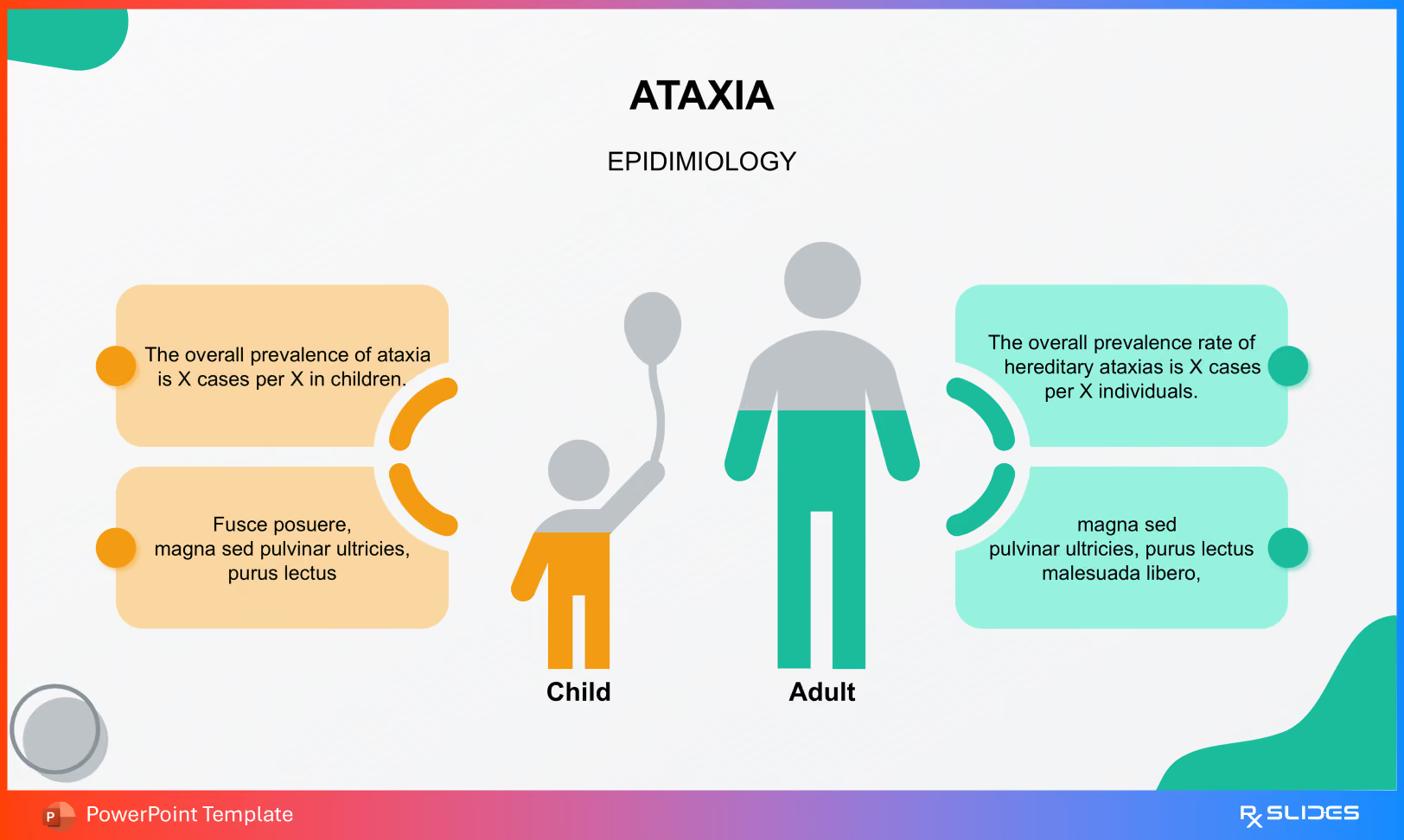
Use global prevalence maps, highlighting hereditary ataxia patterns in pediatric versus adult populations.

Epidemiology Slide from Ataxia PowerPoint Presentation Template

Ataxia Causes

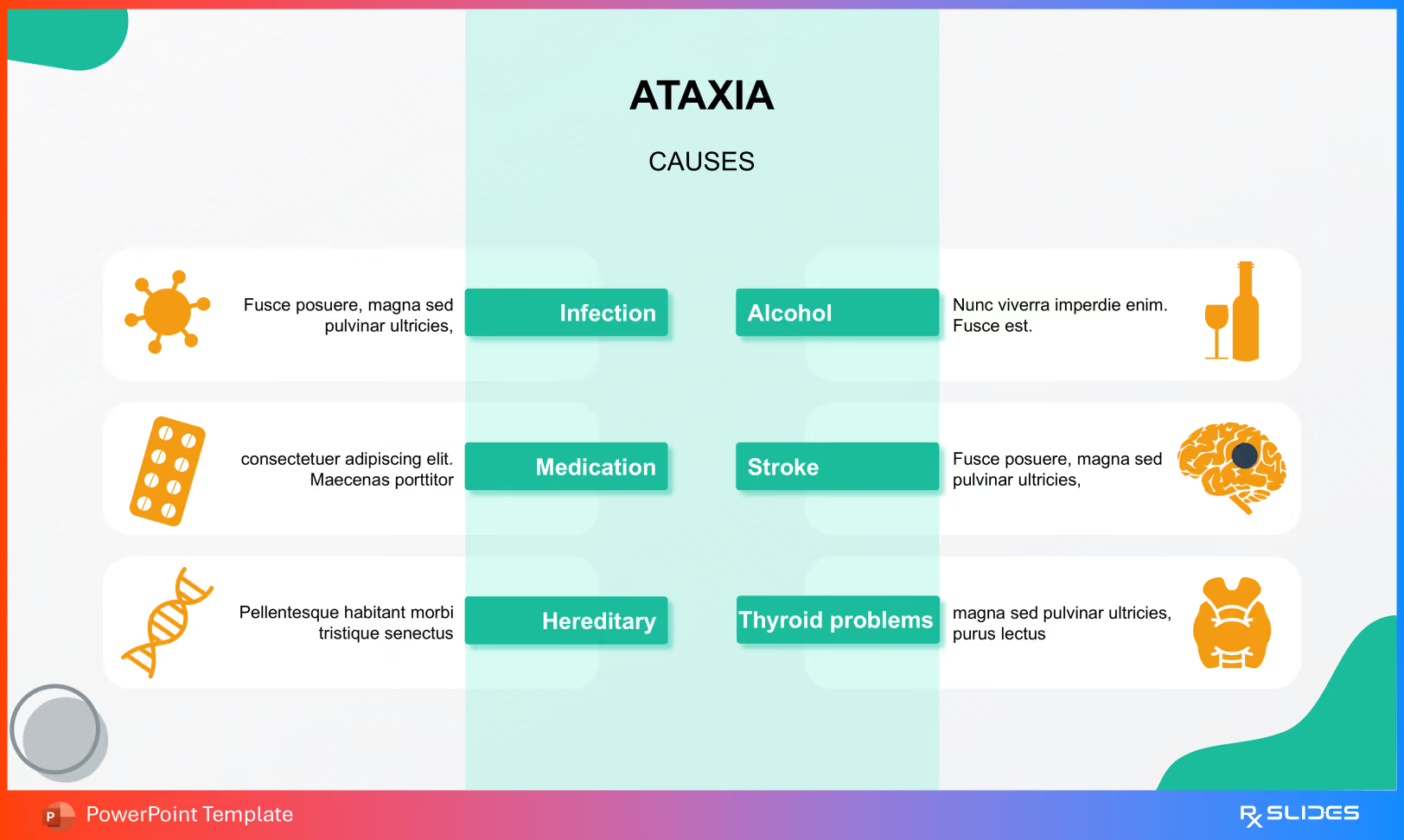
Categorize etiological factors:

  • External: Stroke, infection, toxins, and medications.
  • Internal: Hereditary syndromes, metabolic or endocrine dysfunction (e.g., thyroid disorders).
Ataxia Causes slide from Ataxia PowerPoint Presentation Template

5. Diagnostic and Management Pathways

Presentations aimed at clinicians or multidisciplinary teams can leverage these slides to show structured approaches to diagnosis and care.

Diagnosis:

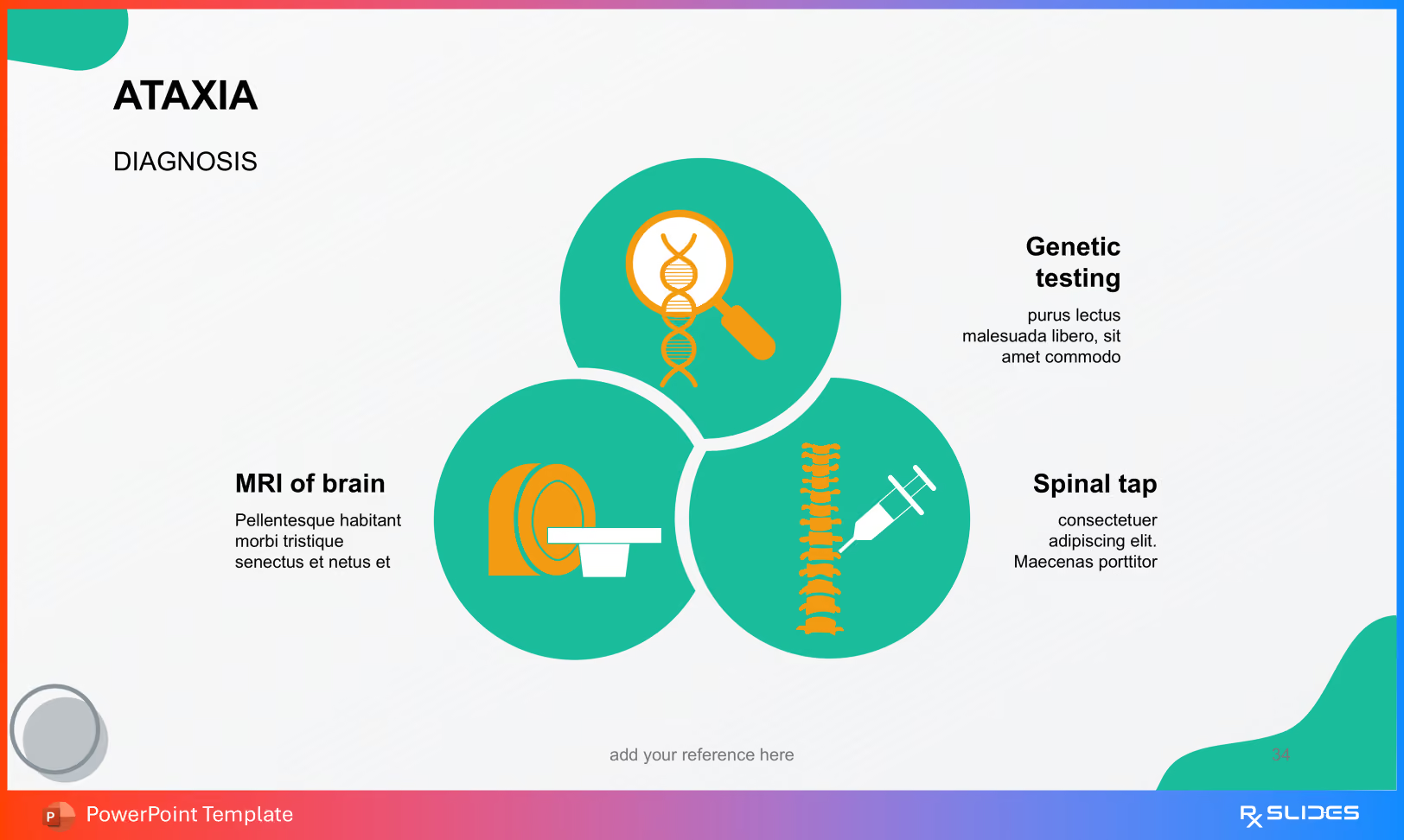
Visualize workflow for genetic testing, MRI brain imaging, and cerebrospinal fluid analysis.

Ataxia Diagnosis Slide from Ataxia PowerPoint Presentation Template

Management:

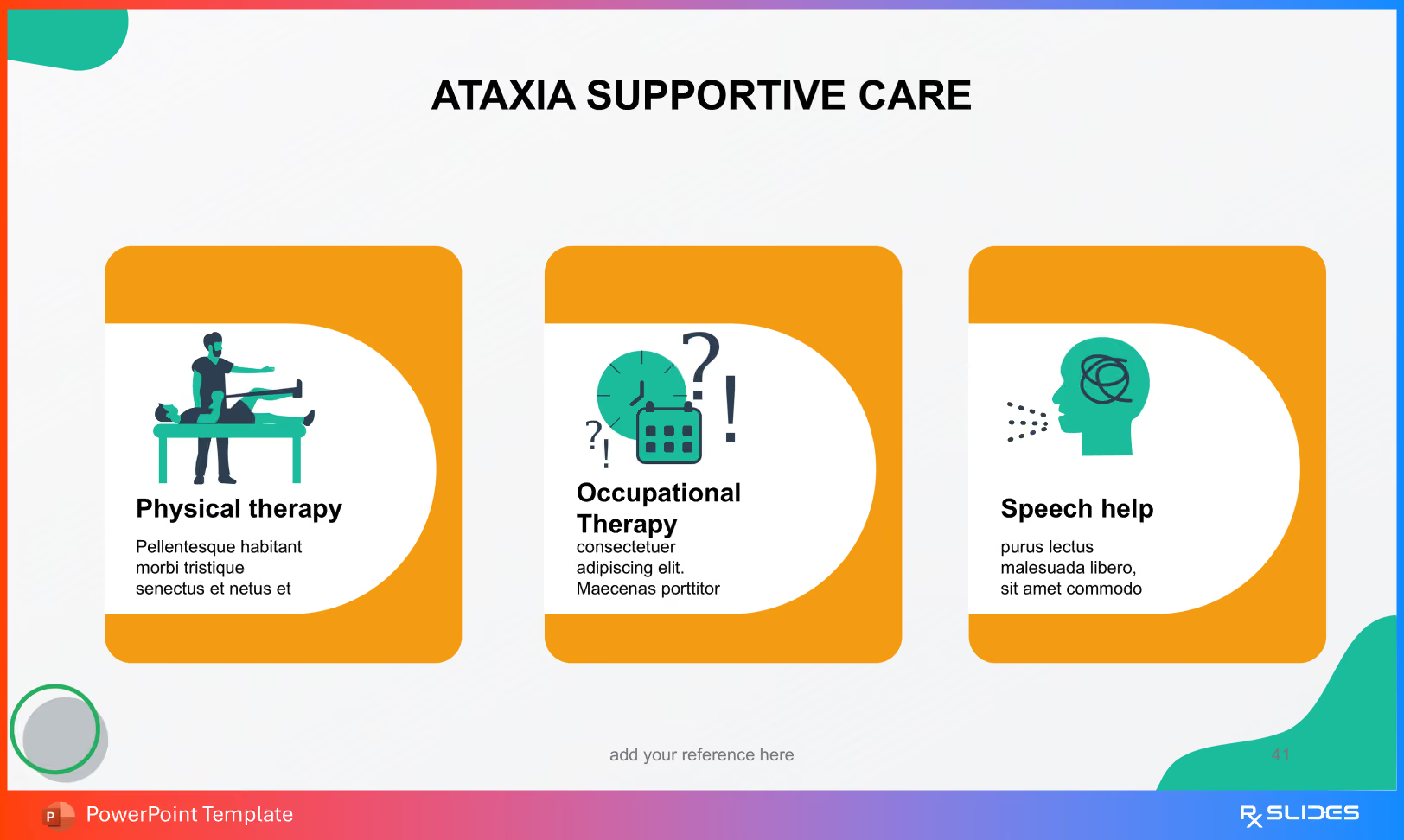
Highlight supportive interventions for functional rehabilitation, including physical therapy, occupational therapy, and speech therapy, emphasizing evidence-based, multidisciplinary strategies.

Ataxia Supportive Care Slide from Ataxia PowerPoint Presentation Template

Summary

The Ataxia PowerPoint Presentation Template enables professional audiences to navigate from molecular and genetic underpinnings to functional deficits and therapeutic strategies. It supports congress-level delivery, bridging neuroanatomy, clinical manifestations, epidemiology, and rehabilitation frameworks in a coherent, visually structured format.

Latest Articles

Explore All