CNS Anatomy and Physiology Presentation Template Covering Brain Spinal Cord Nerves and Reflexes

CNS Anatomy and Physiology Presentation Template Covering Brain Spinal Cord Nerves and Reflexes

The Central Nervous System (CNS) is the most complex biological structure known to science. When delivering scientific content to medical educators, clinical faculty, or congress audiences, clarity and structure are essential. The CNS Anatomy & Physiology PowerPoint Presentation Template provides a hierarchical framework to map the brain and spinal cord, helping transform complex neuroanatomy into a coherent, presentation-ready narrative.

Below is a guide on how to leverage this template for academic sessions, professional training, and medical congresses.

1. High-Level Framework: Overview

For plenary sessions or foundational lectures, begin with macrostructure before progressing to finer anatomical detail.

CNS Overview

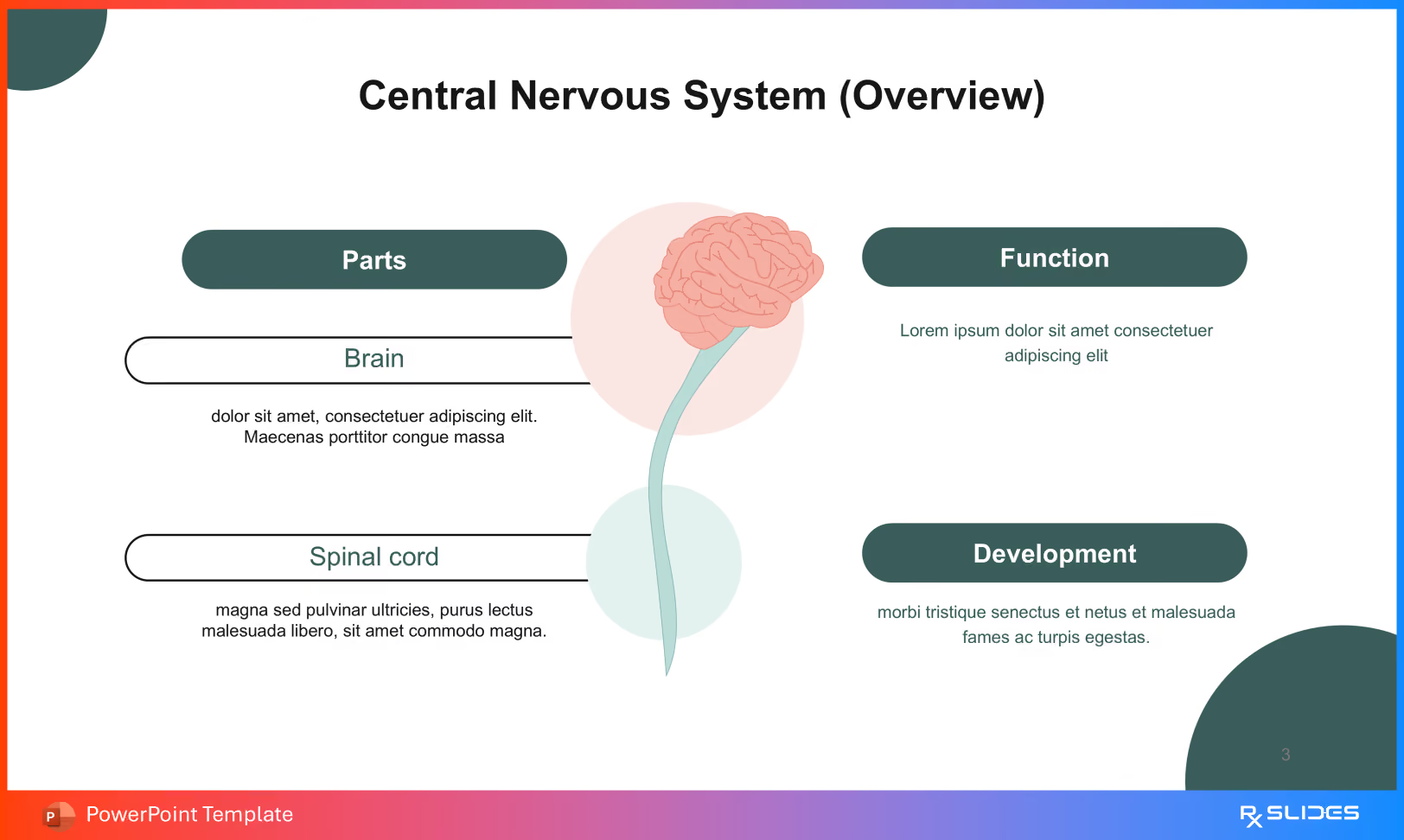
Use the “Central Nervous System (Overview)” and Introduction slides to clearly distinguish the two primary components: the Brain and the Spinal Cord.

CNS Overview from CNS Anatomy & Physiology PowerPoint Presentation Template

2. Neural Pathways: Cranial and Spinal Nerves

For neurology-focused sessions and anatomy reviews, the template offers structured layouts for comprehensive nerve classification.

Cranial Nerve Classification

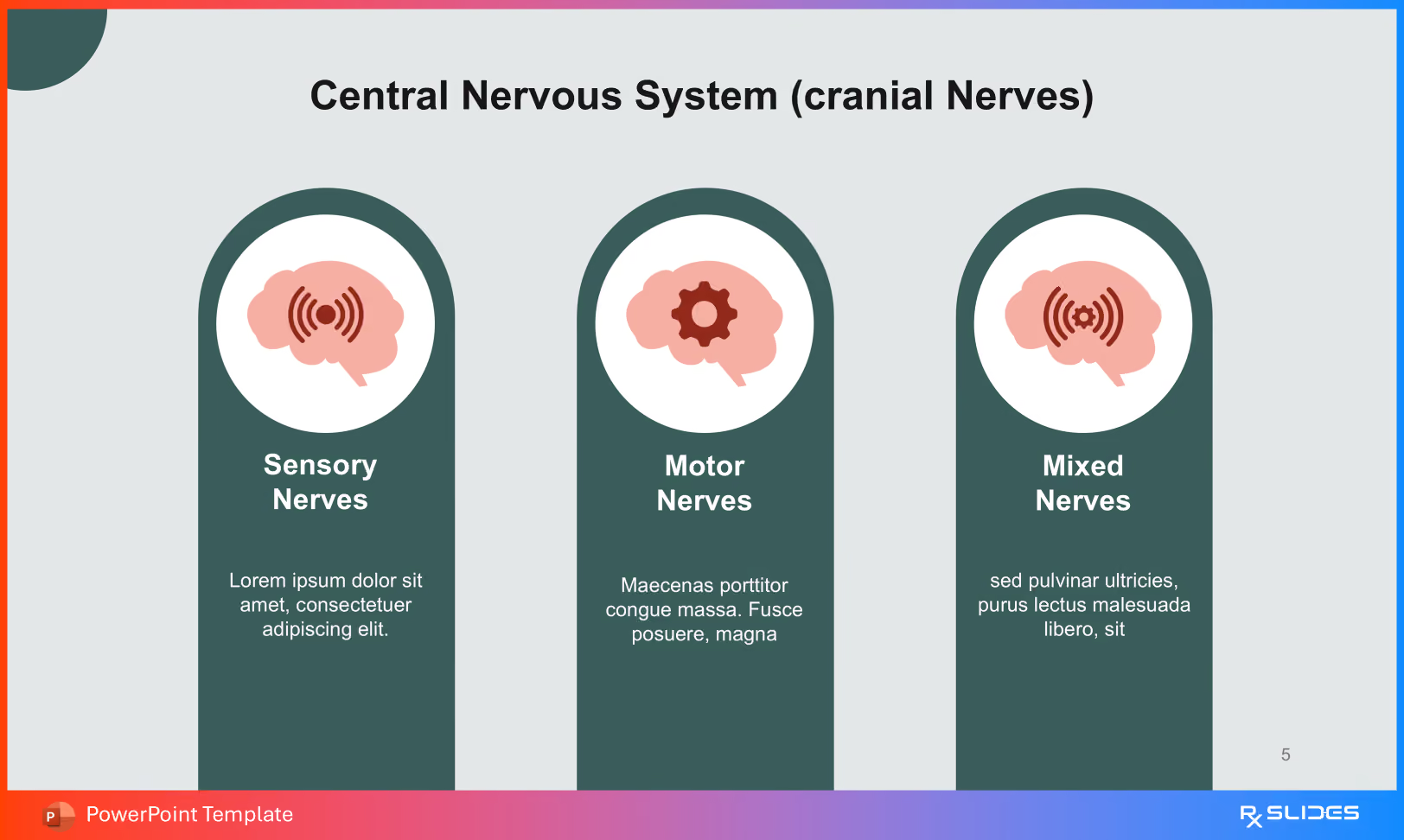
Use the “Types of Cranial Nerves” slides to group nerves by function:

• Sensory nerves (Olfactory, Optic, Vestibulocochlear)
• Motor nerves (Oculomotor, Trochlear, Abducens, Accessory, Hypoglossal)
• Mixed nerves (Trigeminal, Facial, Glossopharyngeal, Vagus)

These layouts support systematic teaching, board review sessions, and congress workshops.

Cranial Nerve Classification From CNS Anatomy & Physiology PowerPoint Presentation Template

Spinal Segments

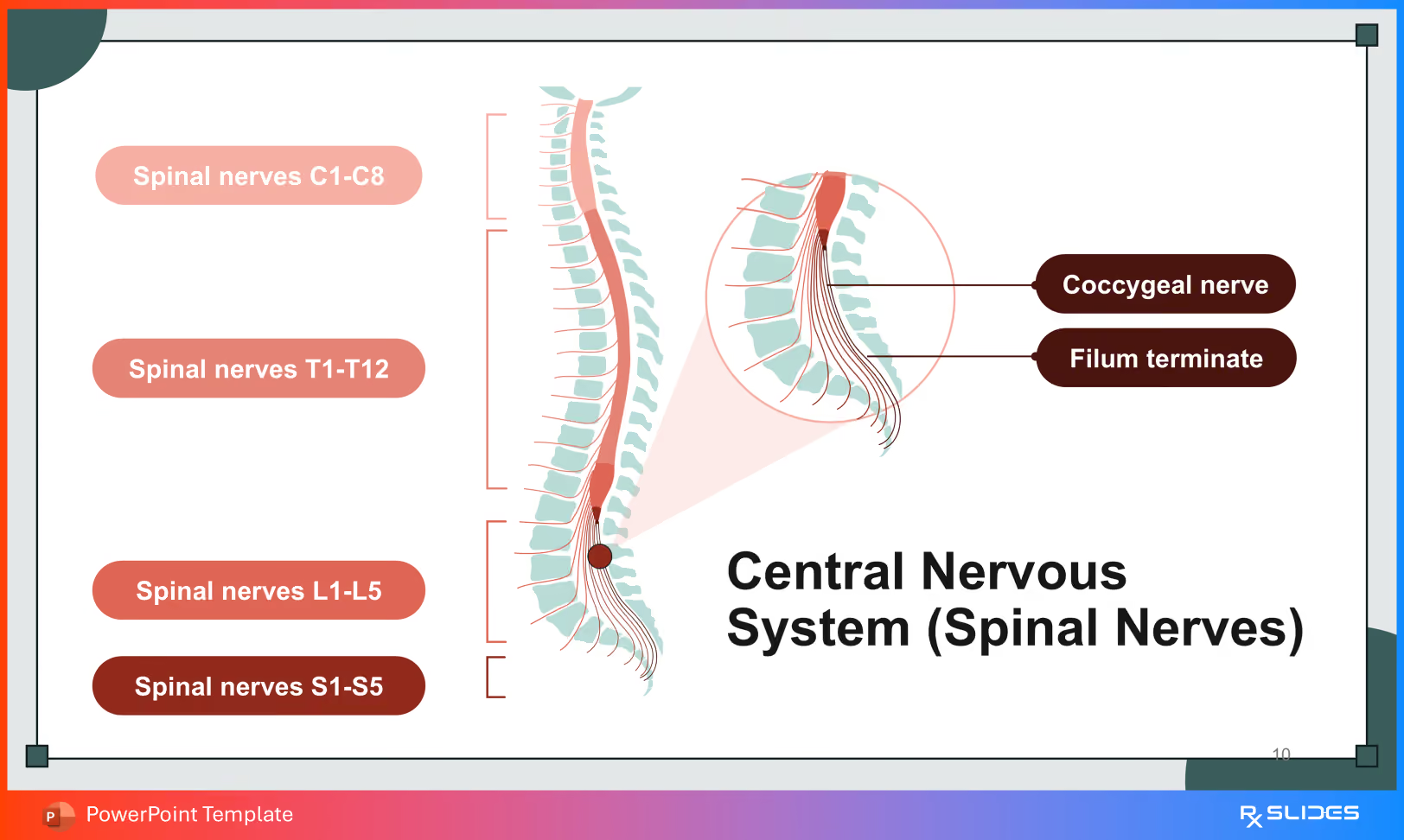
The “Central Nervous System (Spinal Nerves)” slide presents clinical segmentation:

C1 to C8 (Cervical)
T1 to T12 (Thoracic)
L1 to L5 (Lumbar)
S1 to S5 (Sacral)

This structure is particularly useful for orthopedic, neurology, and rehabilitation-focused presentations.

Spinal Segments From CNS Anatomy & Physiology PowerPoint Presentation Template

3. Brain Architecture: Anatomical Divisions

The template enables stepwise exploration of the brain from forebrain to hindbrain.

Forebrain

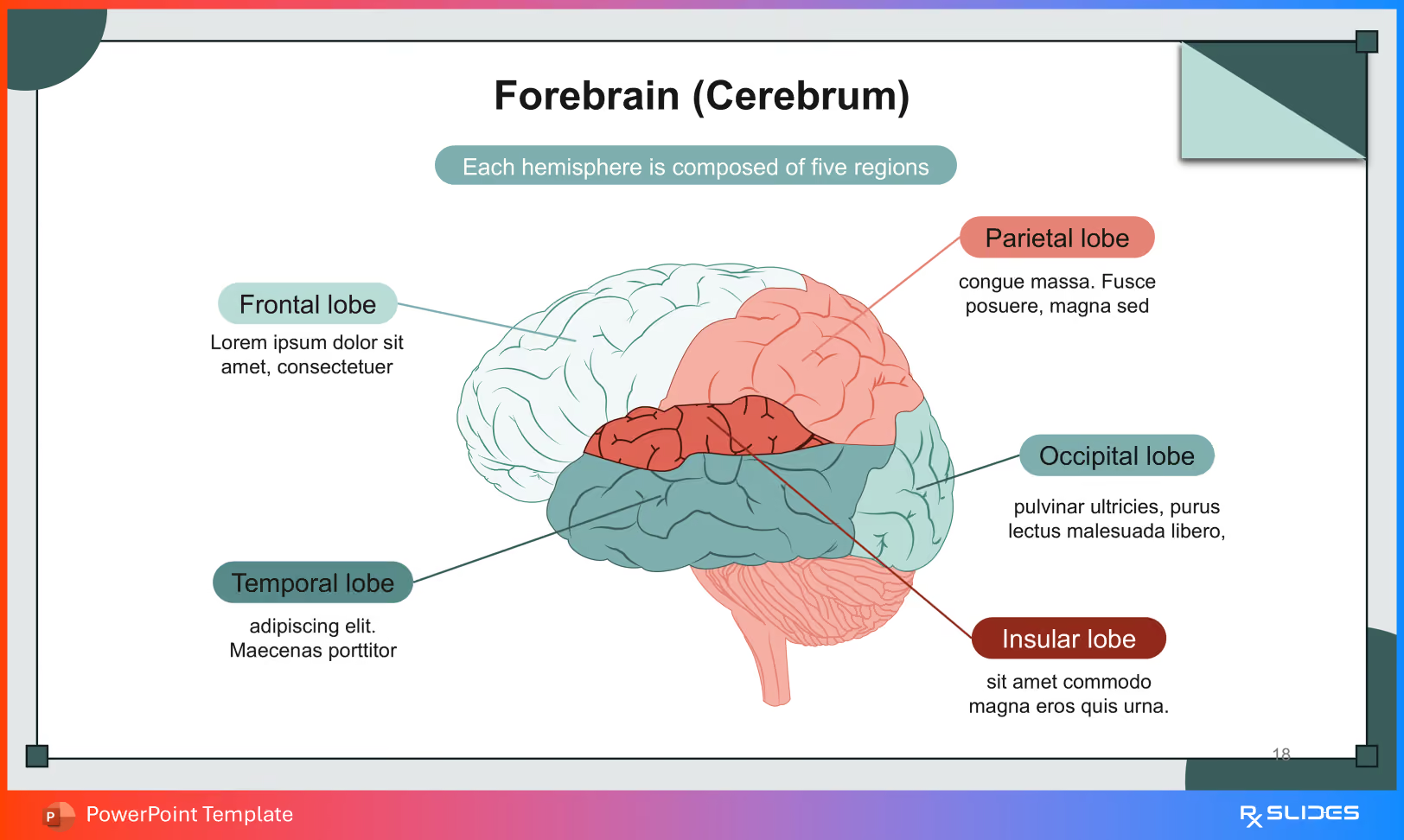
Use the “Forebrain (Cerebrum)” slides to present cortical anatomy, including the frontal, parietal, temporal, occipital, and insular lobes. Dedicated slides for the thalamus, hypothalamus, and basal ganglia support deeper discussion of integration and regulation.

Forebrain From CNS Anatomy & Physiology PowerPoint Presentation Template

Midbrain

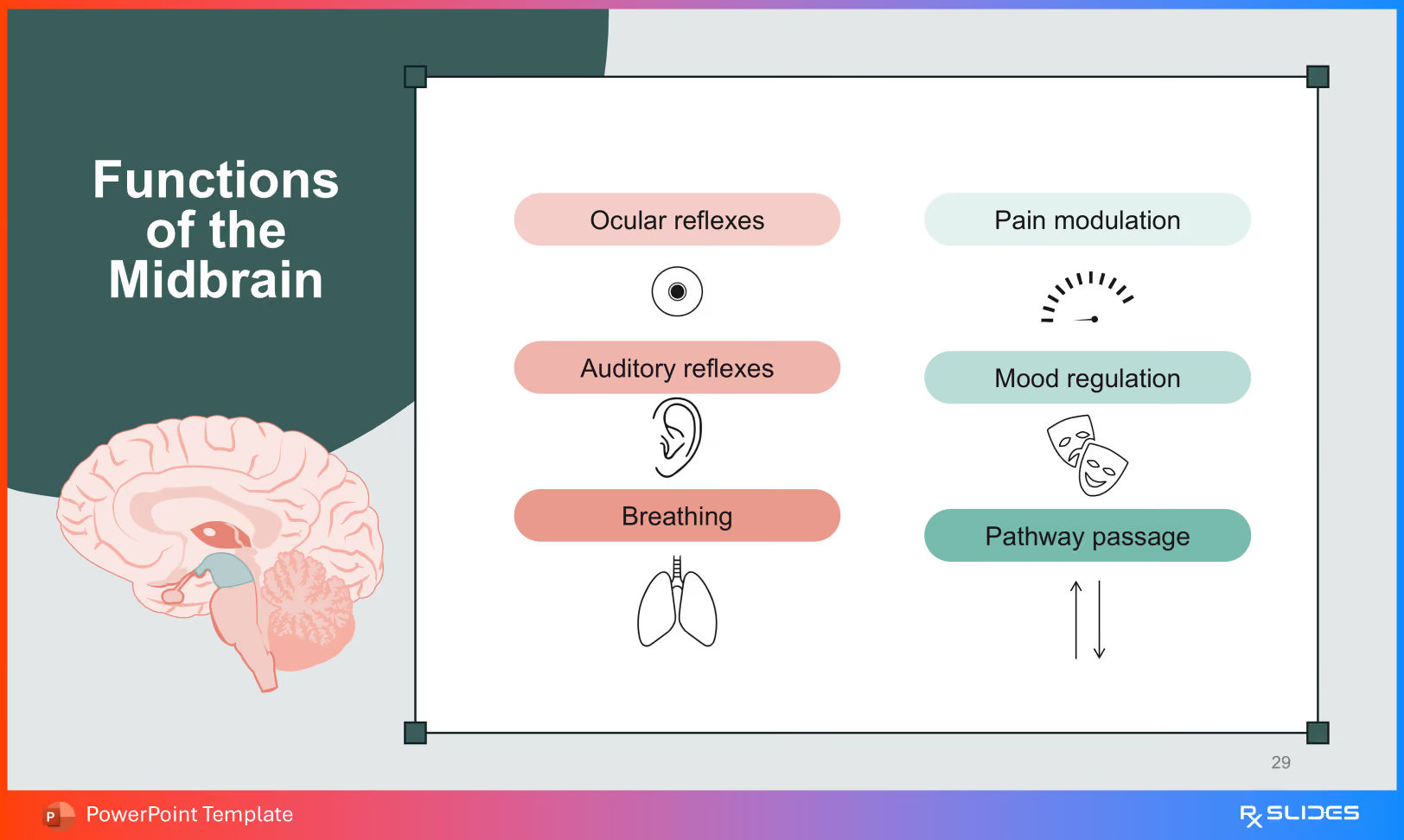
The Midbrain Functions slide supports explanation of ocular reflexes, auditory reflexes, respiratory regulation, and pain modulation.

Midbrain From CNS Anatomy & Physiology PowerPoint Presentation Template

Hindbrain

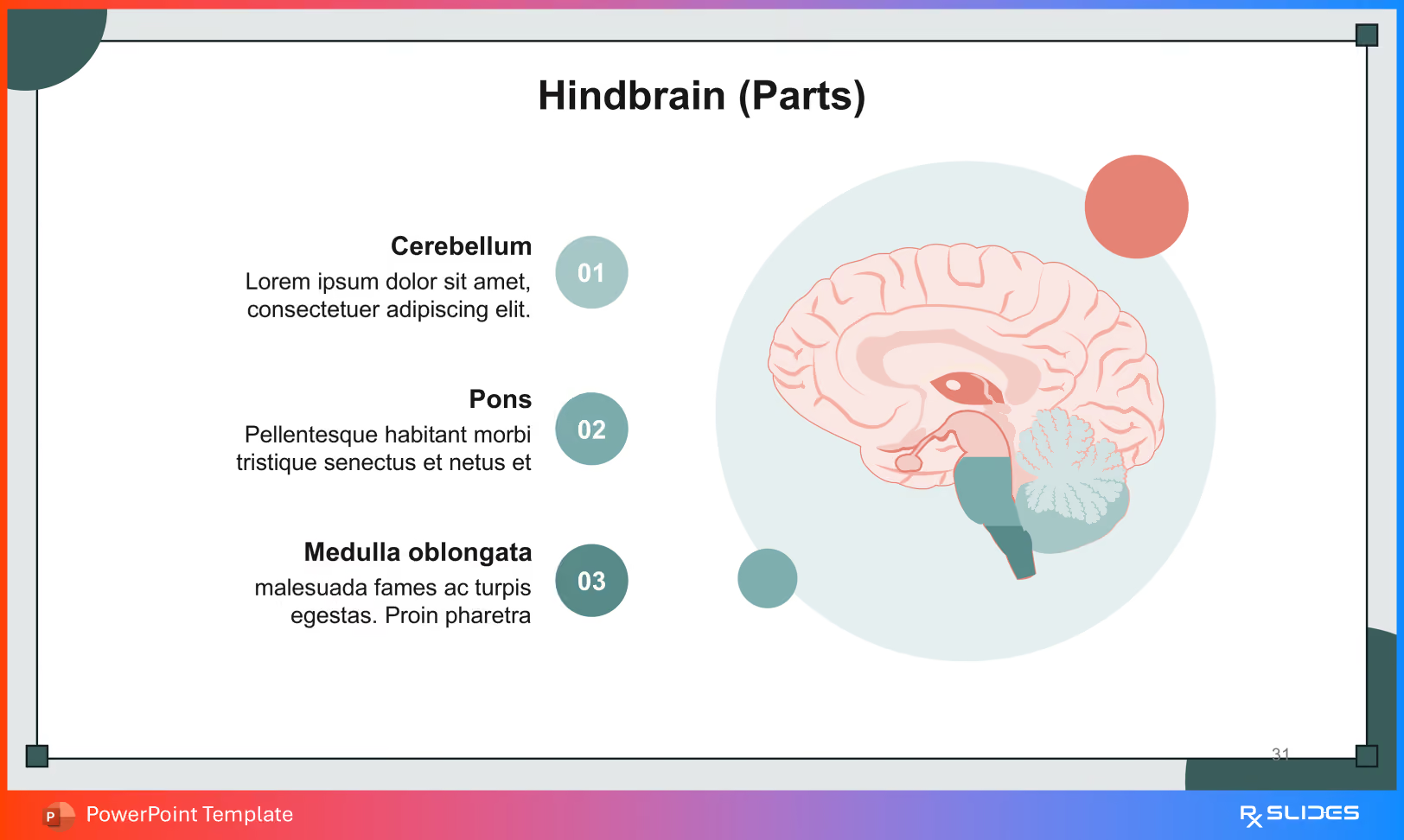
Slides for the cerebellum, pons, and medulla oblongata allow focused discussion of coordination, autonomic control, and signal conduction. The medulla section highlights its role in cardiovascular regulation and respiratory drive.

Hindbrain From CNS Anatomy & Physiology PowerPoint Presentation Template

4. Functional Integration: Physiology and Reflexes

To transition from anatomy to function, use the visual diagrams included in the template.

Reflex Arc

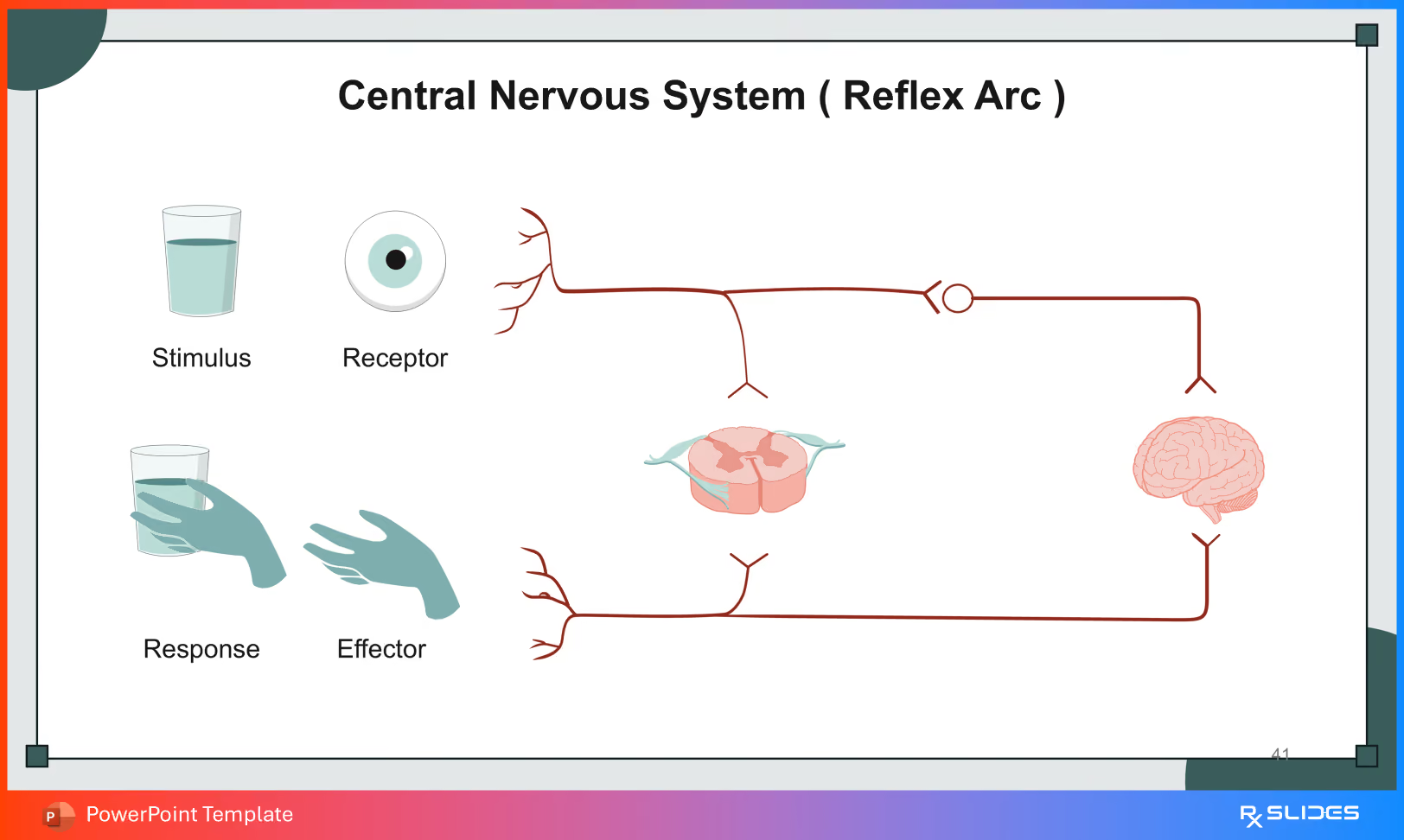
This slide illustrates the rapid neural pathway from stimulus to effector, making it ideal for physiology lectures and neurofunctional workshops.

Reflex Arc From CNS Anatomy & Physiology PowerPoint Presentation Template

Hypothalamus Functions

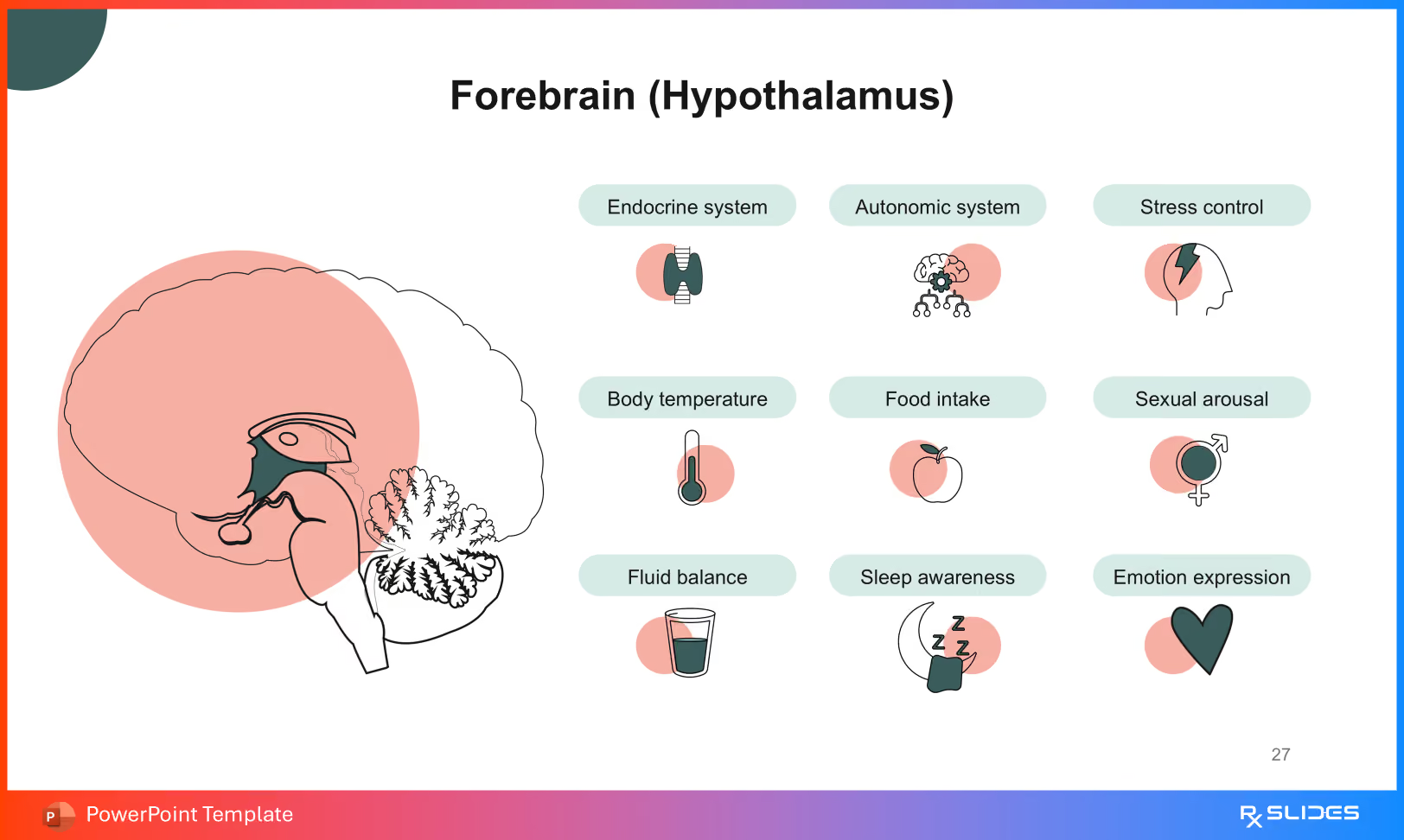
For endocrinology or neuropsychiatry sessions, this slide supports discussion of thermoregulation, appetite, fluid balance, sexual behavior, emotional expression, and autonomic control.

Hypothalamus Functions From CNS Anatomy & Physiology PowerPoint Presentation Template

5. Clinical Context: Disorders and Protection

Link structure to clinical relevance using the pathology and protective anatomy sections.

Protection of Spinal Cord

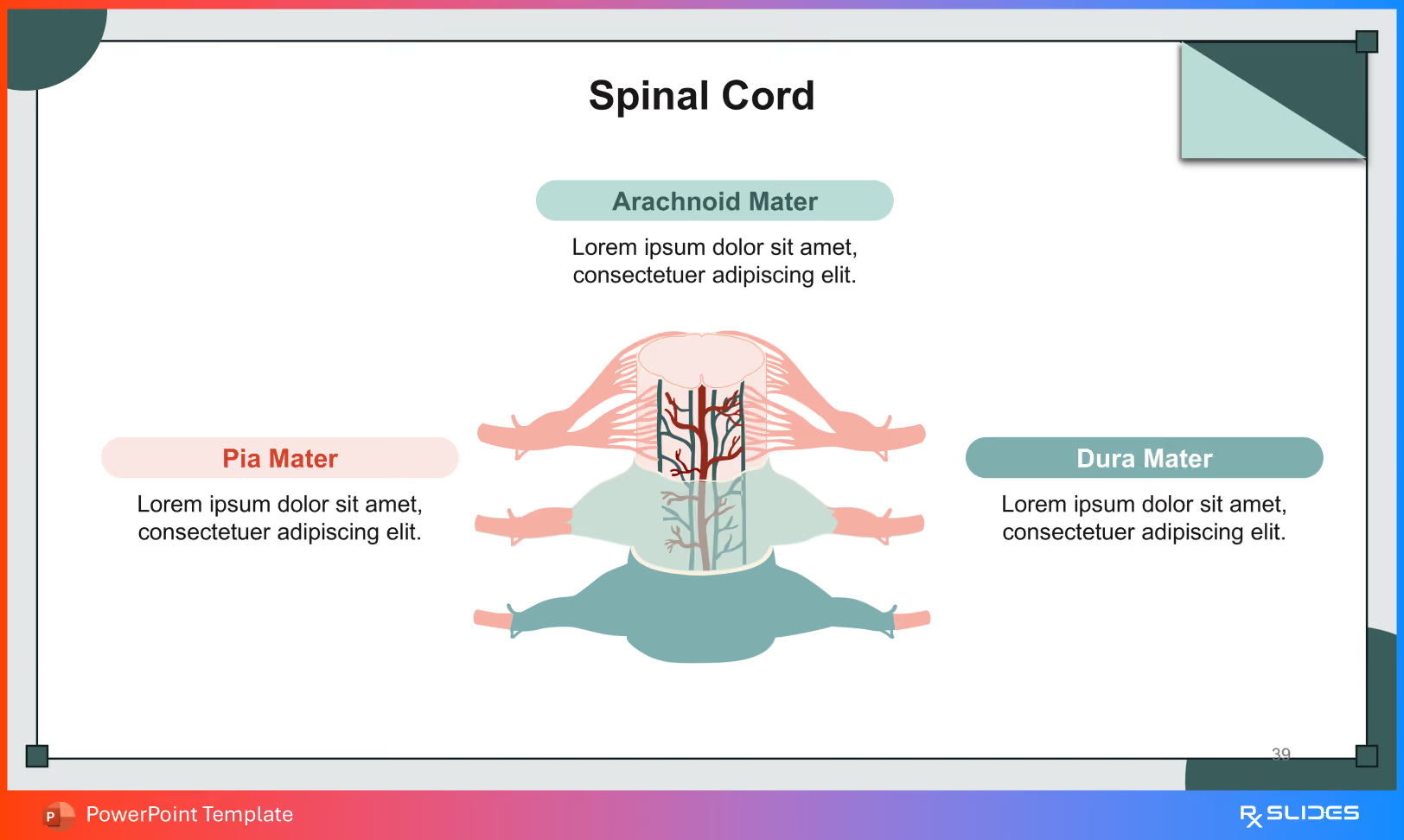
Spinal cord slides outline the meninges (pia mater, arachnoid mater, dura mater), supporting discussion of inflammatory and traumatic CNS conditions.

Protection of Spinal Cord From CNS Anatomy & Physiology PowerPoint Presentation Template

Pathology

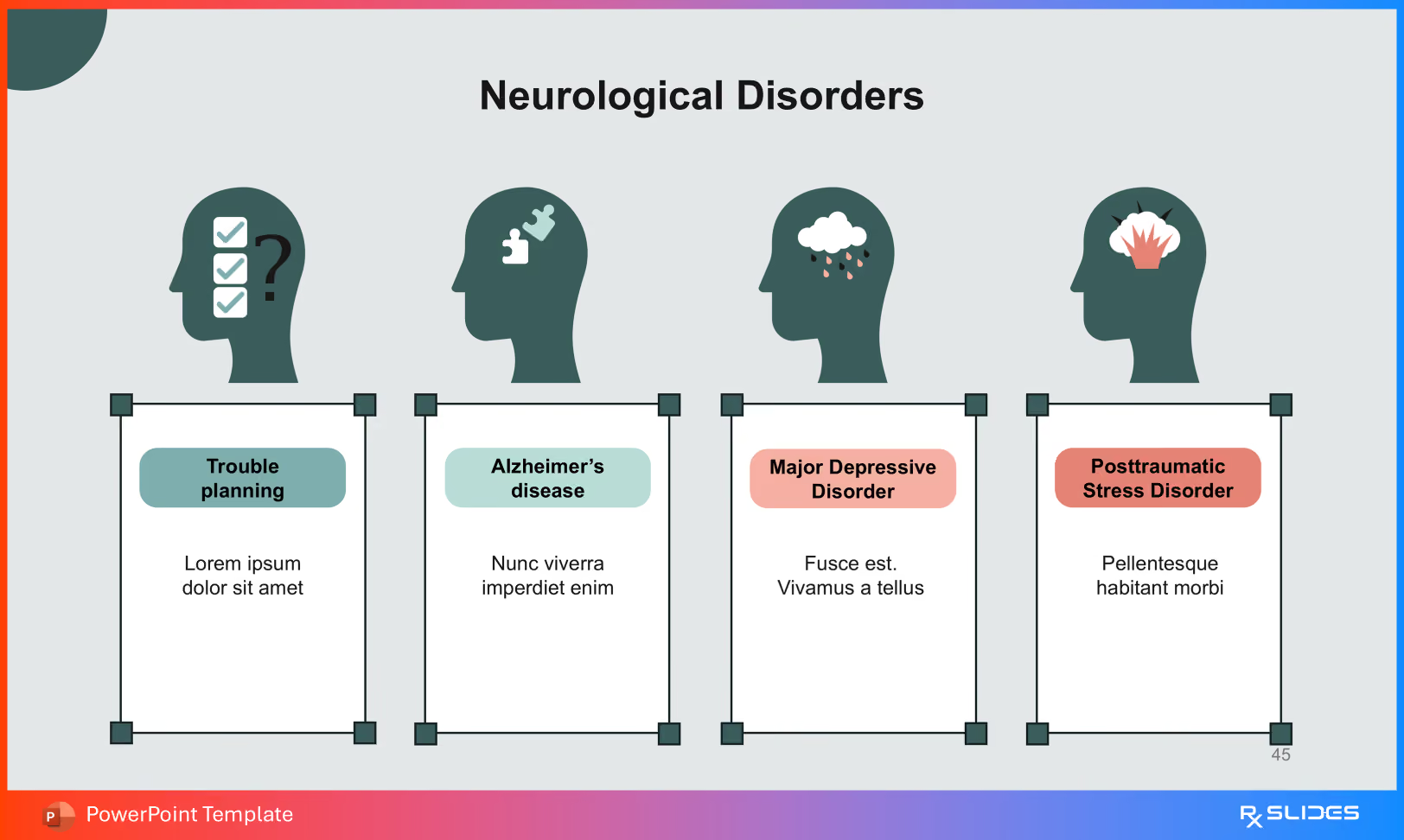
The “Neurological Disorders” slide provides structured content areas for conditions such as Alzheimer’s disease, major depressive disorder, and posttraumatic stress disorder (PTSD), enabling integration into clinical or research-focused presentations.

Neurlogical Disorders From CNS Anatomy & Physiology PowerPoint Presentation Template

Summary

This template functions as a comprehensive CNS atlas for professional education and scientific communication. It supports structured delivery from vertebral protection through cortical organization to hypothalamic regulation, making it suitable for medical faculty lectures, institutional training, and congress presentations.

Latest Articles

Explore All