Whether you are a medical manager, a healthcare professional, or a public health advocate, communicating the complexities of skin health requires clarity and professional design. This blog post explores how to utilize the Acne PowerPoint Presentation Template to deliver high-quality medical information to a wide variety of audiences.
1. Starting with the Basics: Anatomy and Definitions
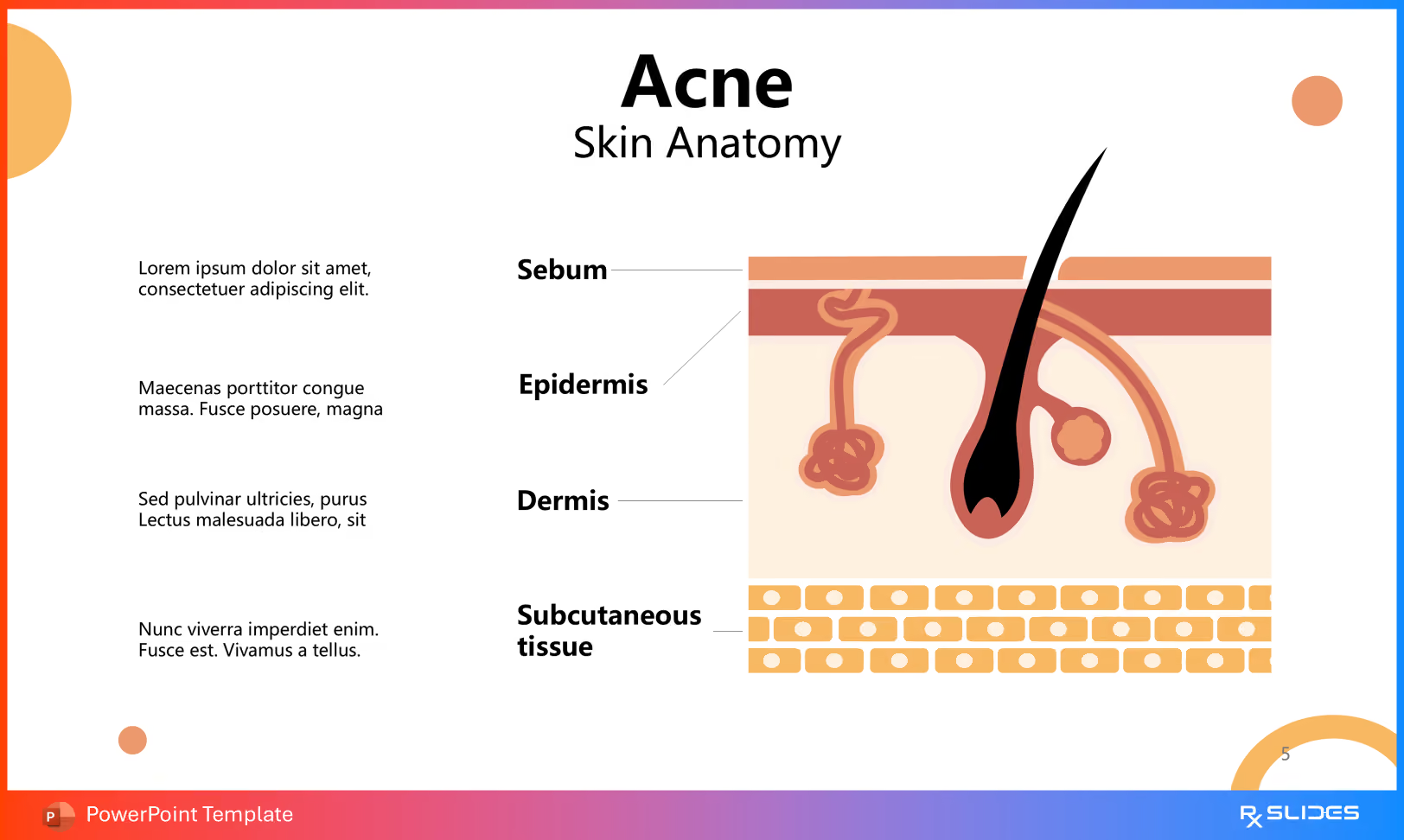
To help your audience understand acne, you must first explain where it begins. The template includes detailed sections on Acne Skin Anatomy, allowing you to identify key layers such as the epidermis, dermis, and subcutaneous tissue, as well as the role of sebum.
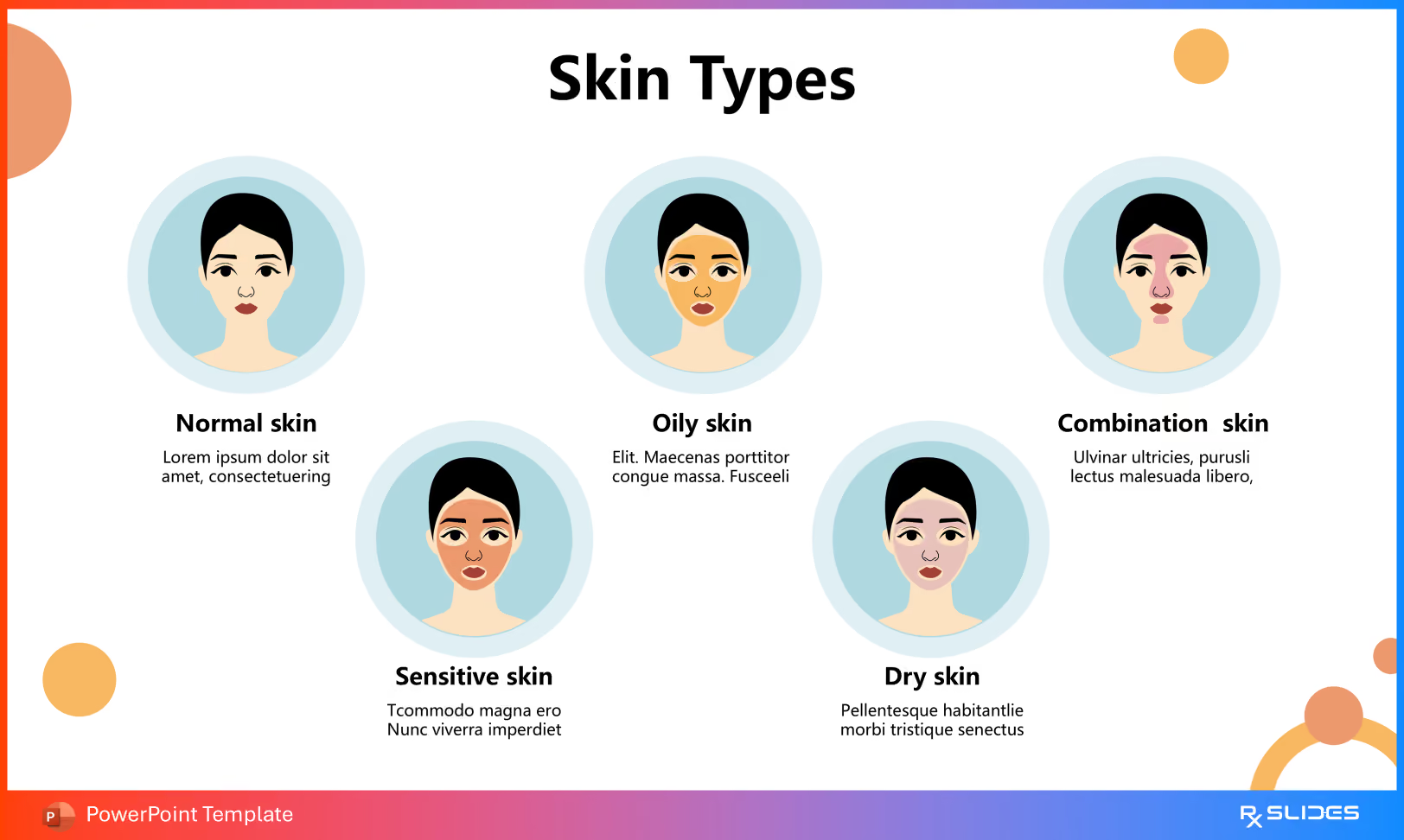
Acne affects different people in different ways. You can tailor your presentation by using the Skin Types slide, which categorizes skin into normal, oily, combination, sensitive, and dry. This is particularly useful for general audiences looking for personalized skincare advice.
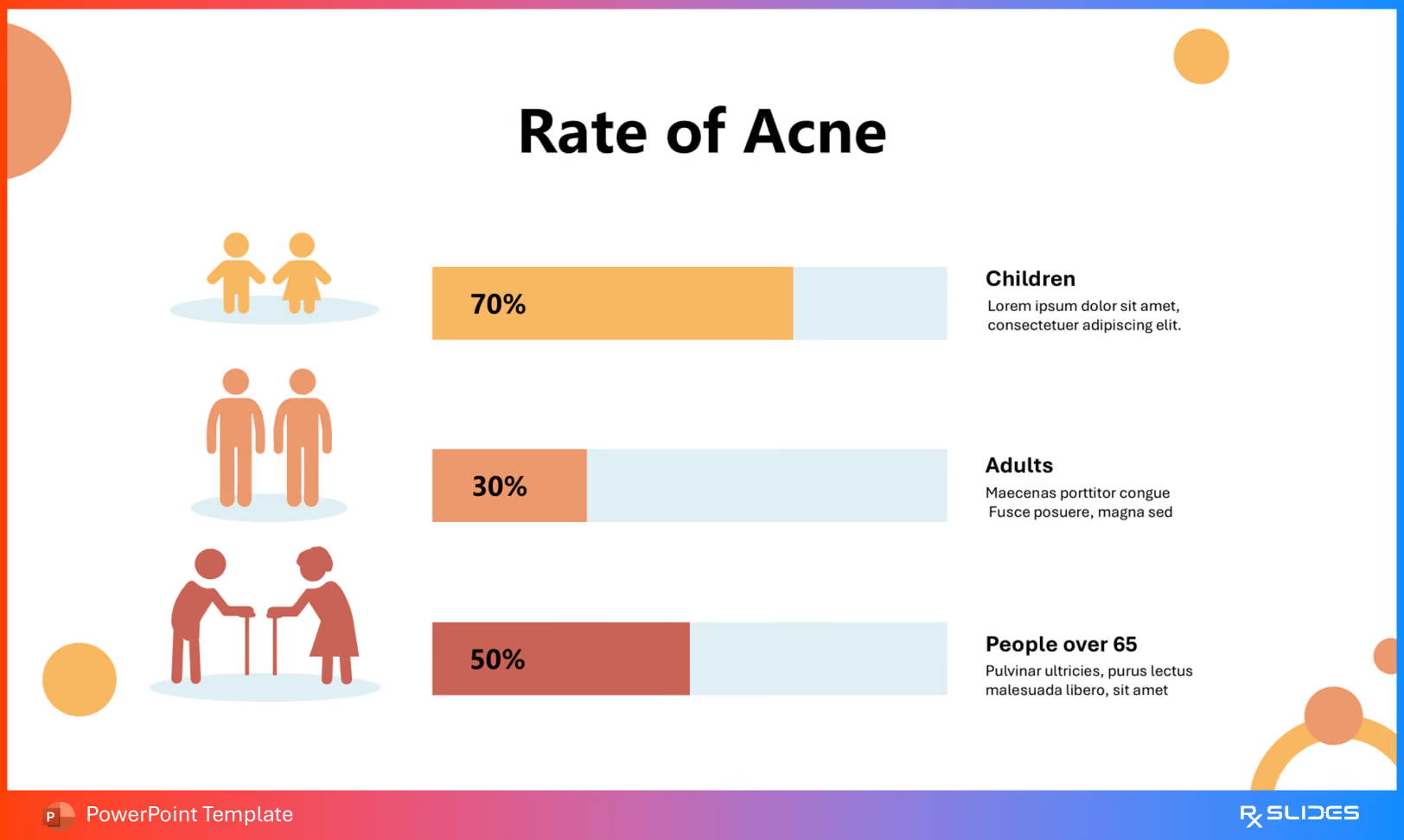
For academic or clinical audiences, the template offers robust data visualization tools for acne prevalence and incidence. You can present specific statistics regarding different age groups, such as children, adults, and people over 65.
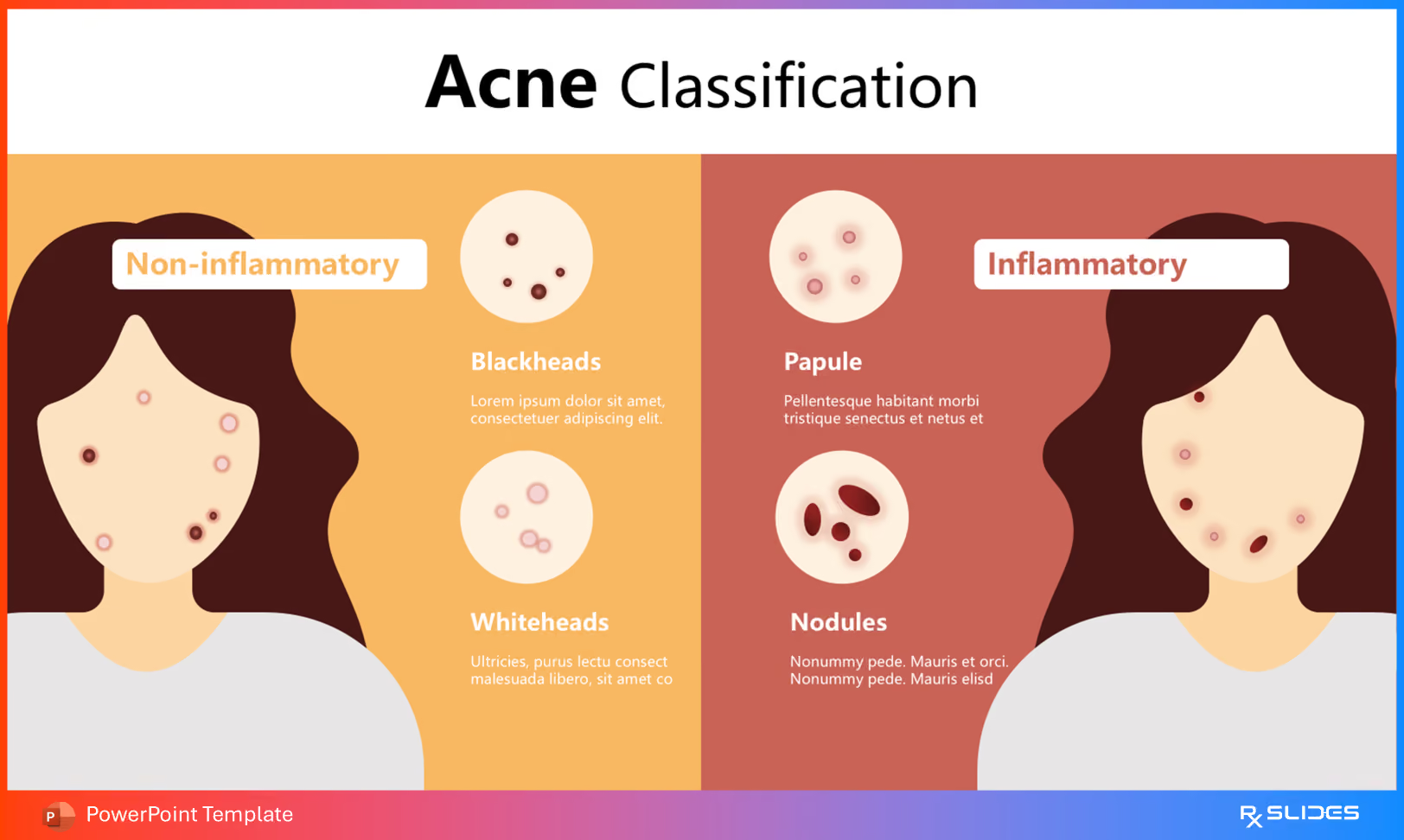
The template provides a clear framework for the classification of acne, distinguishing between non-inflammatory (blackheads and whiteheads) and inflammatory types (papules, pustules, and nodules).
Visuals: Representations of Blackheads, Pustules, Nodules, Papules, and Whiteheads.
Descriptions: Brief medical definitions for each lesion type.
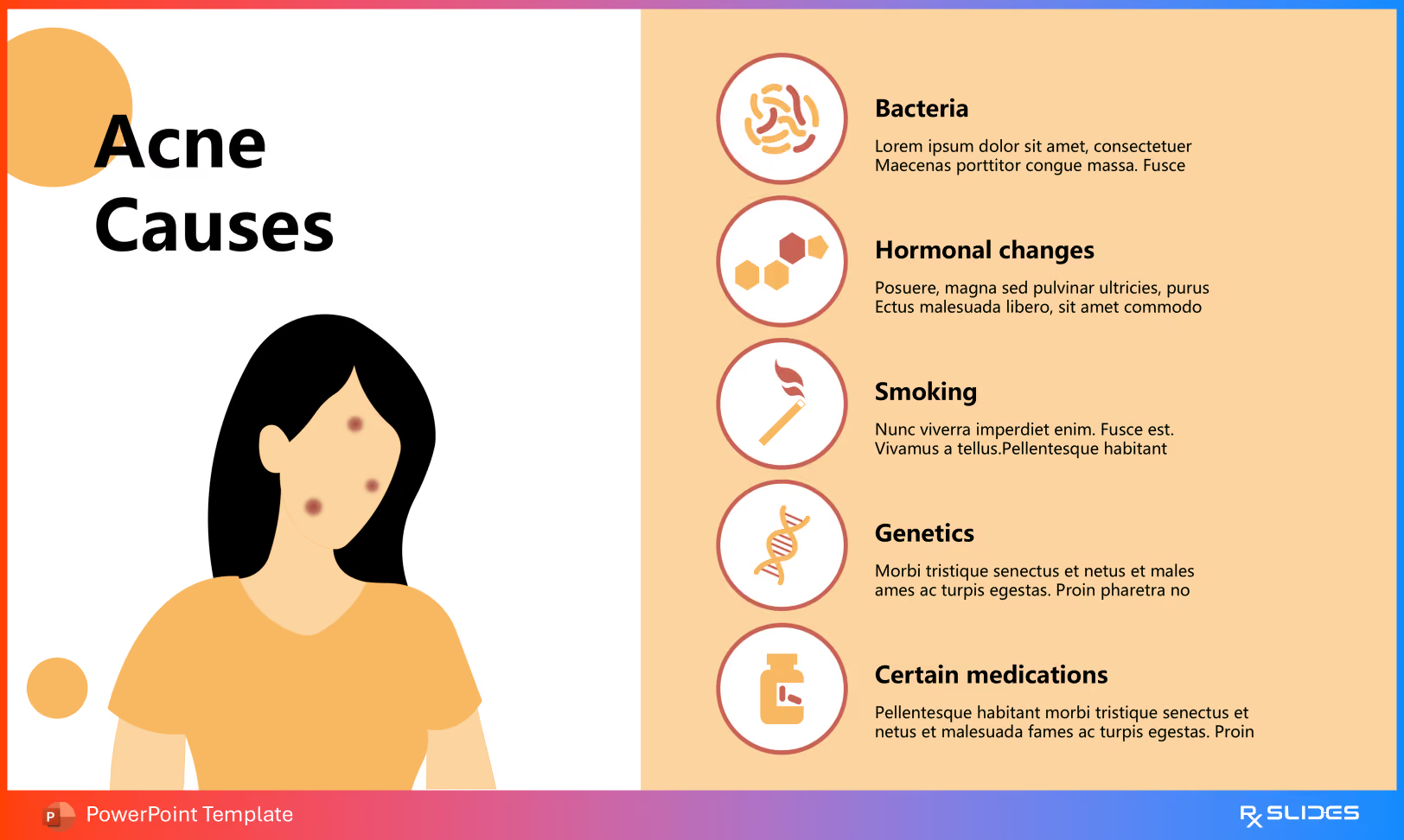
Furthermore, the Acne Causes slides allow you to discuss various triggers, ranging from hormonal changes and genetics to external factors like smoking, stress, bacteria, and certain medications.
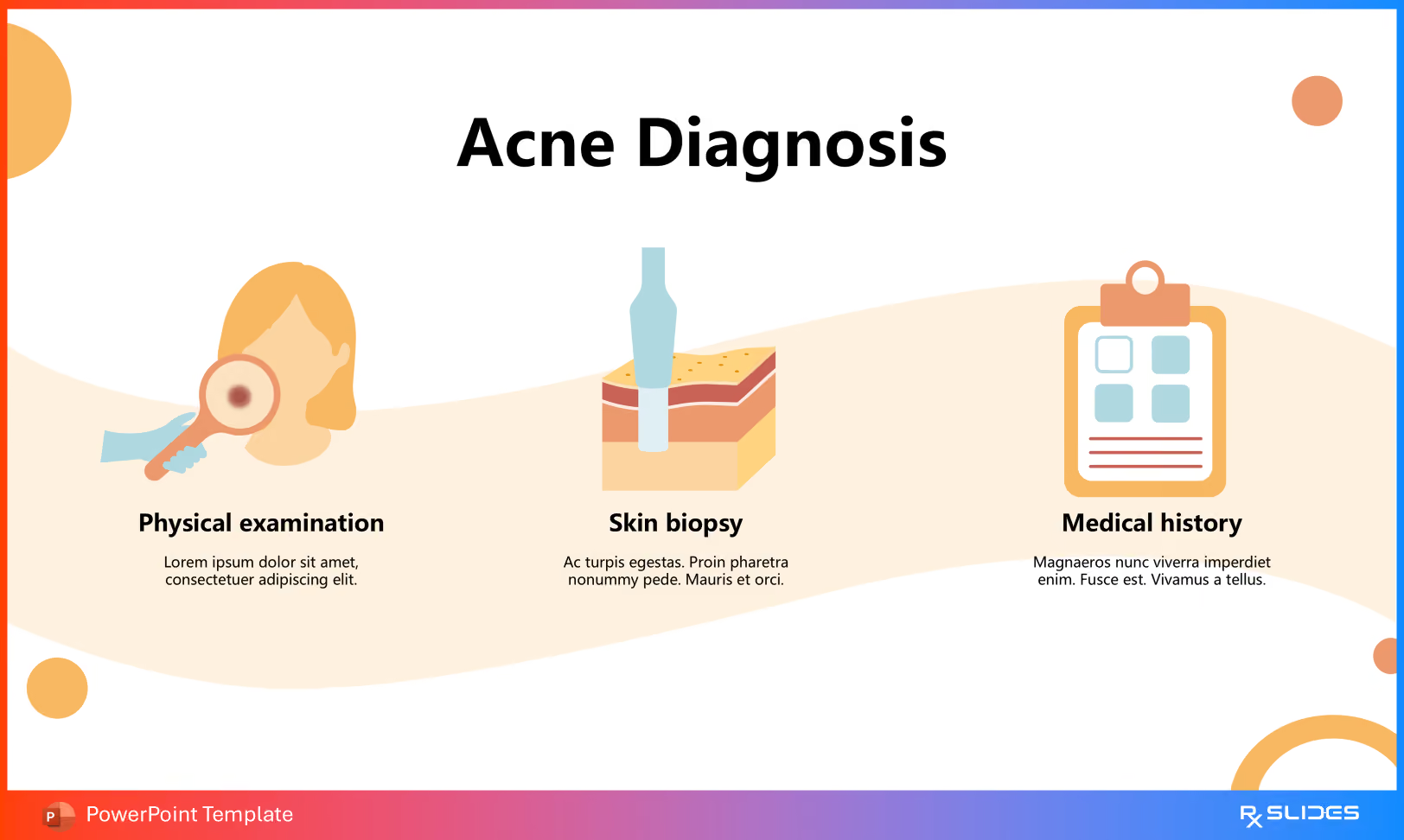
For clinical presentations, the Acne Diagnosis section outlines the standard medical approach, including physical examination, medical history, and skin biopsy.
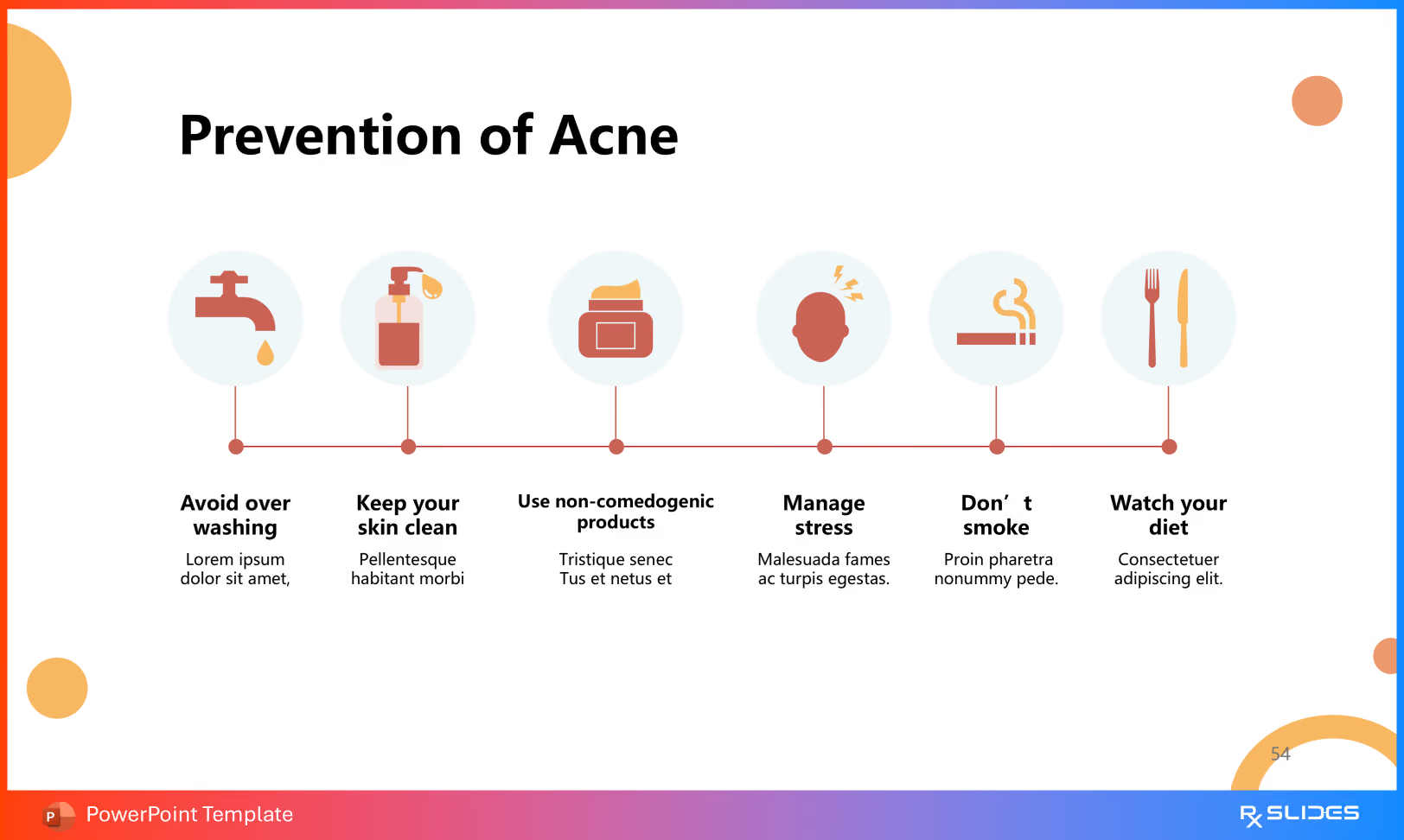
Finally, the Acne Prevention and Management sections are perfect for patient education. They provide actionable tips such as avoiding over-washing, using non-comedogenic products, and not squeezing or picking pimples.
The template is designed to be a "one-stop shop" for dermatological presentations, featuring:
Anatomical insights into skin layers.
Categorization of acne locations, such as the forehead, jawline, back, and chest.
Visual identification of acne scars, including icepick, hypertrophic, boxed, and rolling scars.
Management strategies for long-term skin control.
To put it simply, acne is like a biological "clogged drain" in the skin's plumbing system; this template provides the blueprint to explain why the clog happens and the tools needed to clear it safely.