How to Present Exenatide in PowerPoint for Medical Education
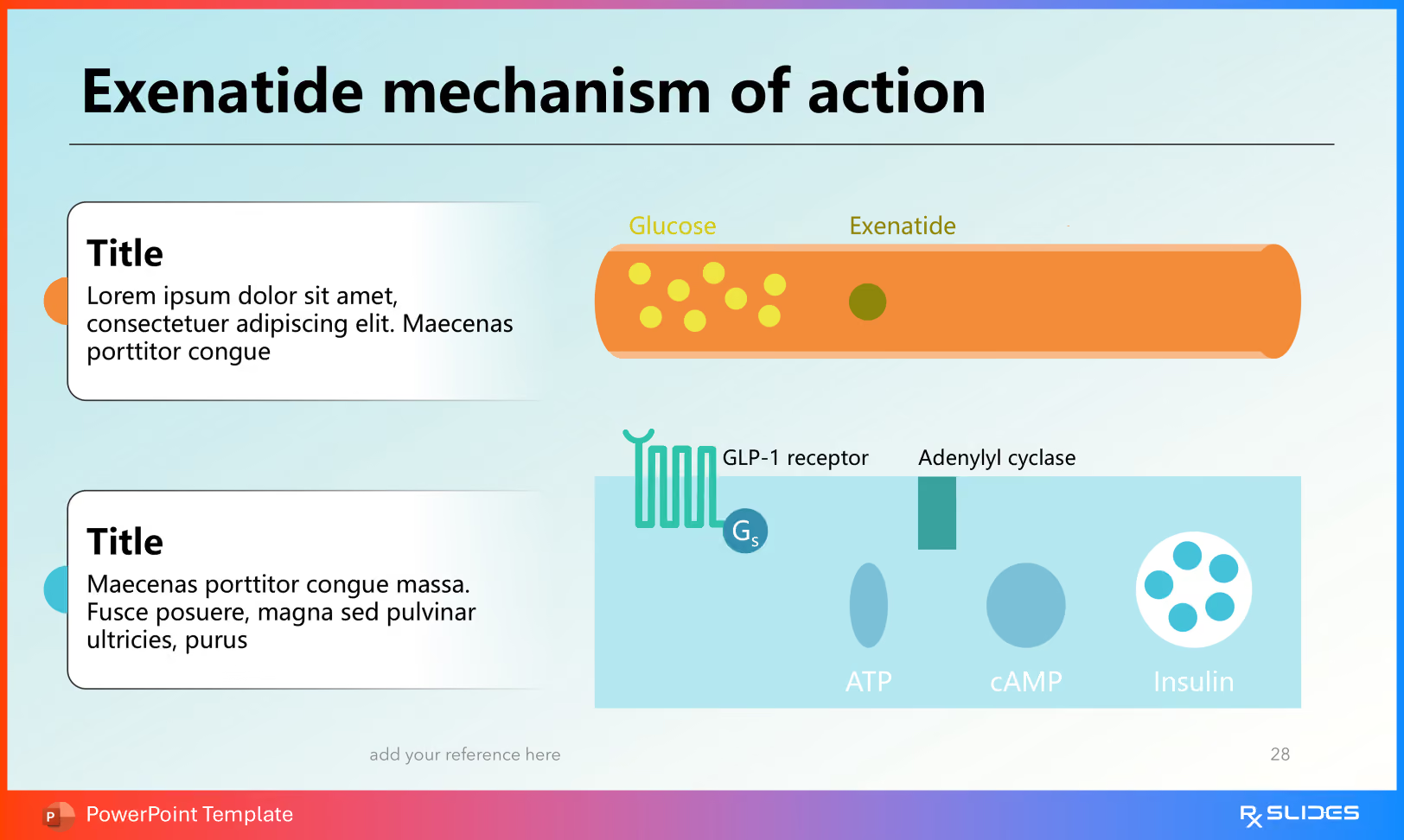
Exenatide is a GLP-1 receptor agonist used in the management of Type 2 diabetes mellitus. Its glucose-dependent mechanism makes it ideal for teaching the connection between pancreatic physiology, pharmacology, and clinical care. This Exenatide PowerPoint Template supports learners ranging from medical students to healthcare professionals and patients.
1. Pancreatic Context Anatomy and Histology
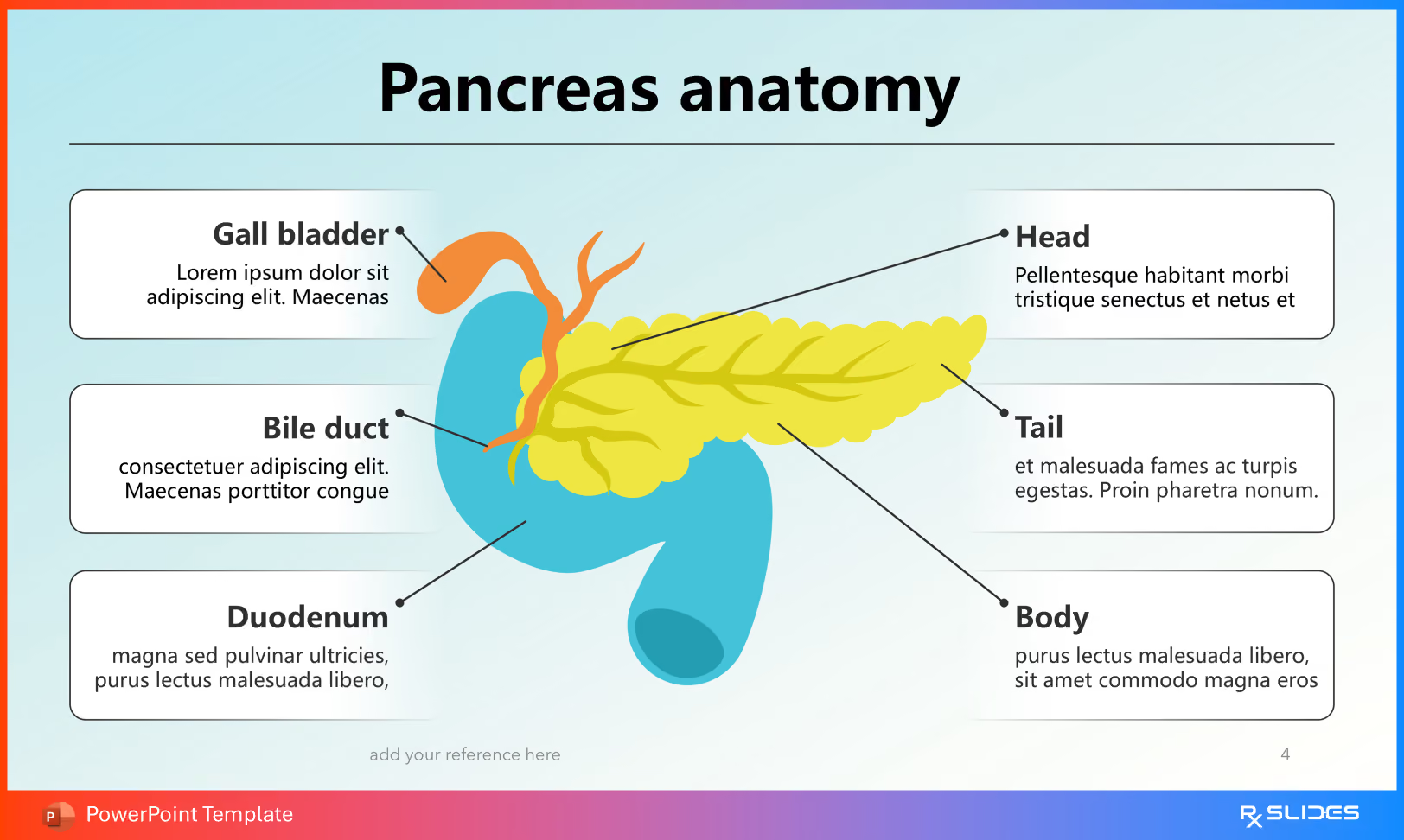
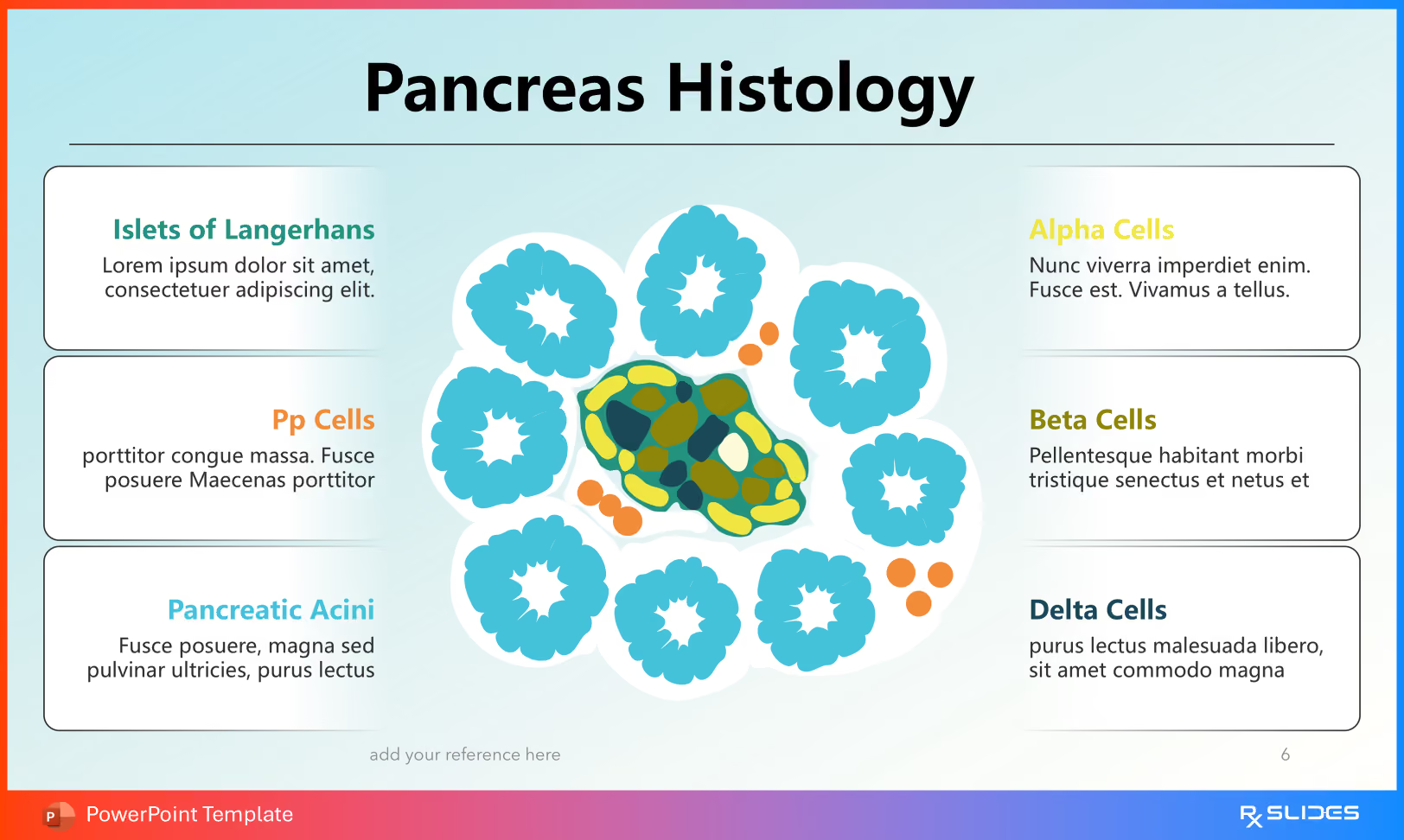
Begin with pancreatic anatomy, highlighting the head, body, and tail, and their relationship to the duodenum and bile duct. Follow with histology slides illustrating the Islets of Langerhans, emphasizing alpha, beta, and delta cells. Visual identification of insulin-secreting beta cells provides essential cellular context for GLP-1 receptor activity.
3. Molecular Perspective Structure and Classification
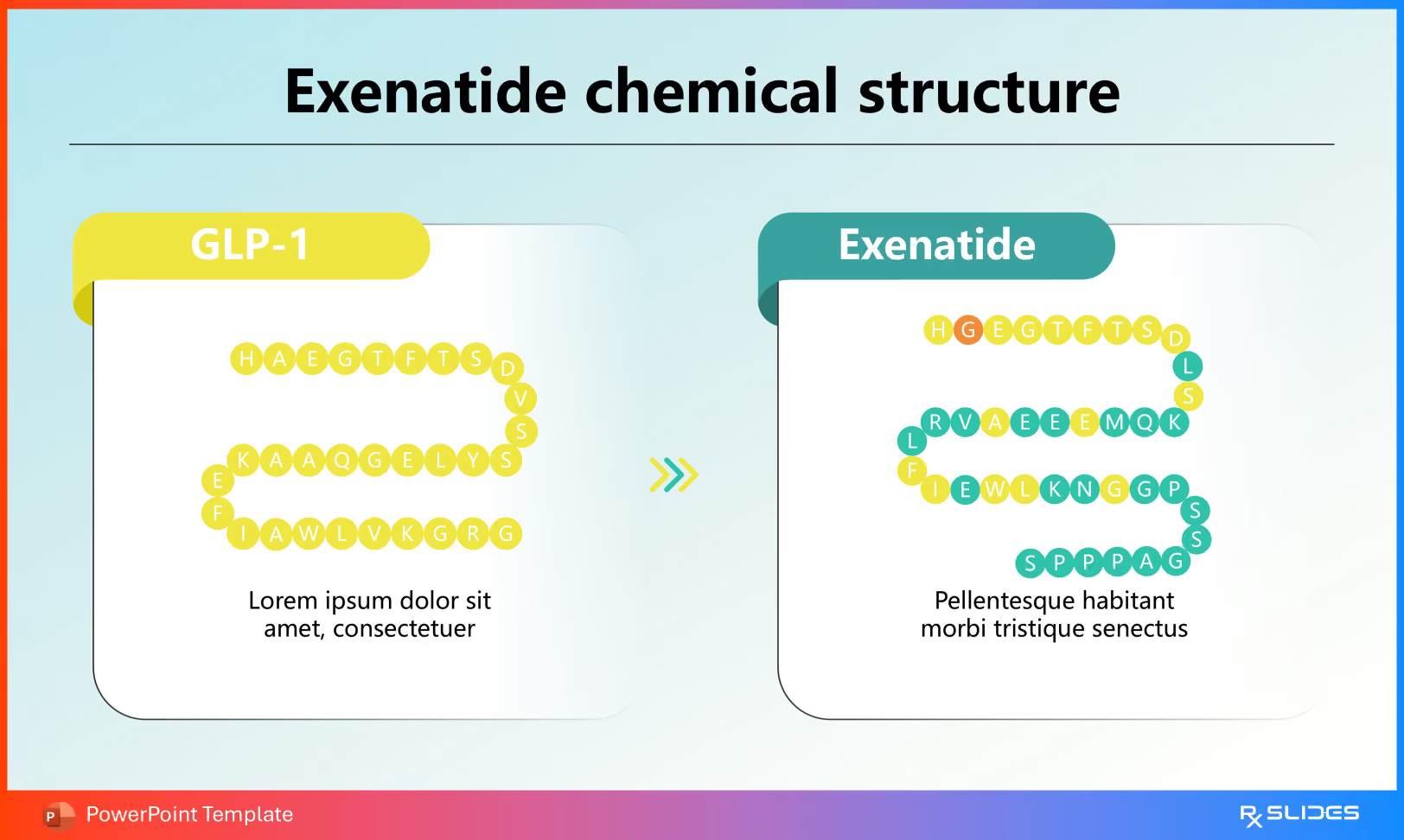
Compare Exenatide’s peptide structure with endogenous GLP-1, highlighting synthetic modifications that extend activity. Classify Exenatide as an incretin mimetic and link its molecular properties to clinical effects such as improved glycemic control and delayed gastric emptying.
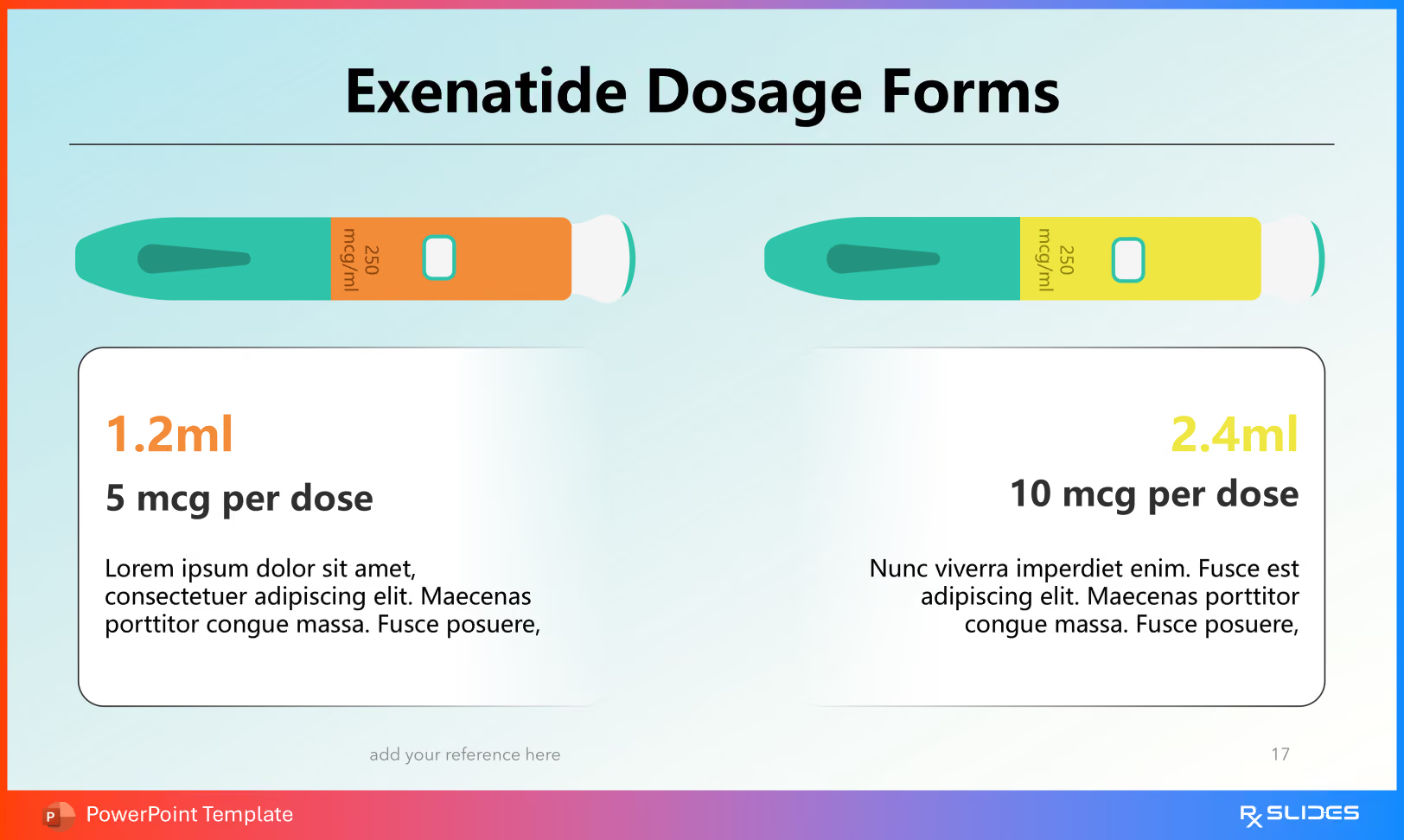
Present available dosage forms, including 5 mcg and 10 mcg subcutaneous injection pens. Emphasize patient self-administration, timing relative to meals, proper storage, and rotation of injection sites. Reinforce the glucose-dependent action that supports safer glycemic regulation.
5. Safety Profile Side Effects and Contraindications
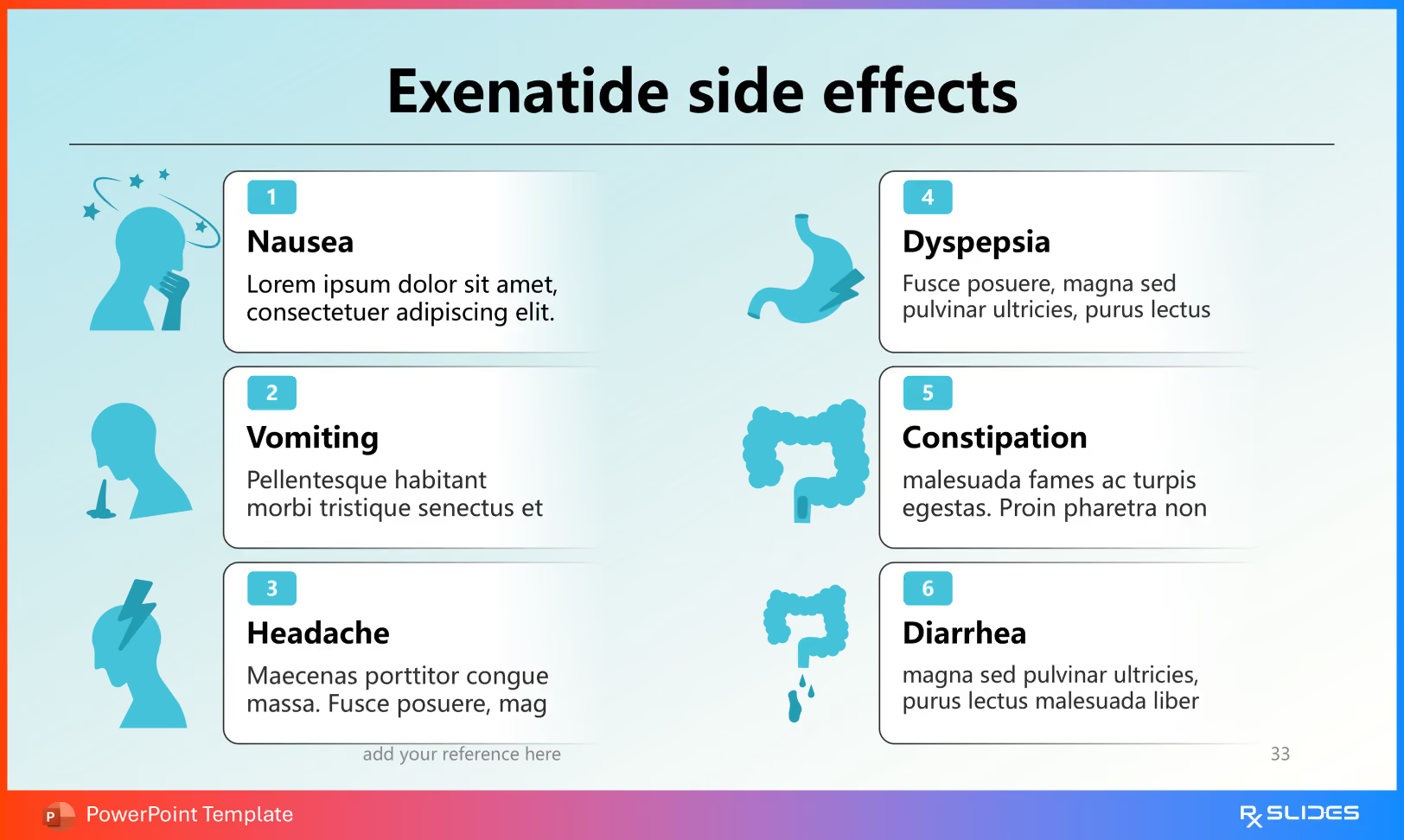
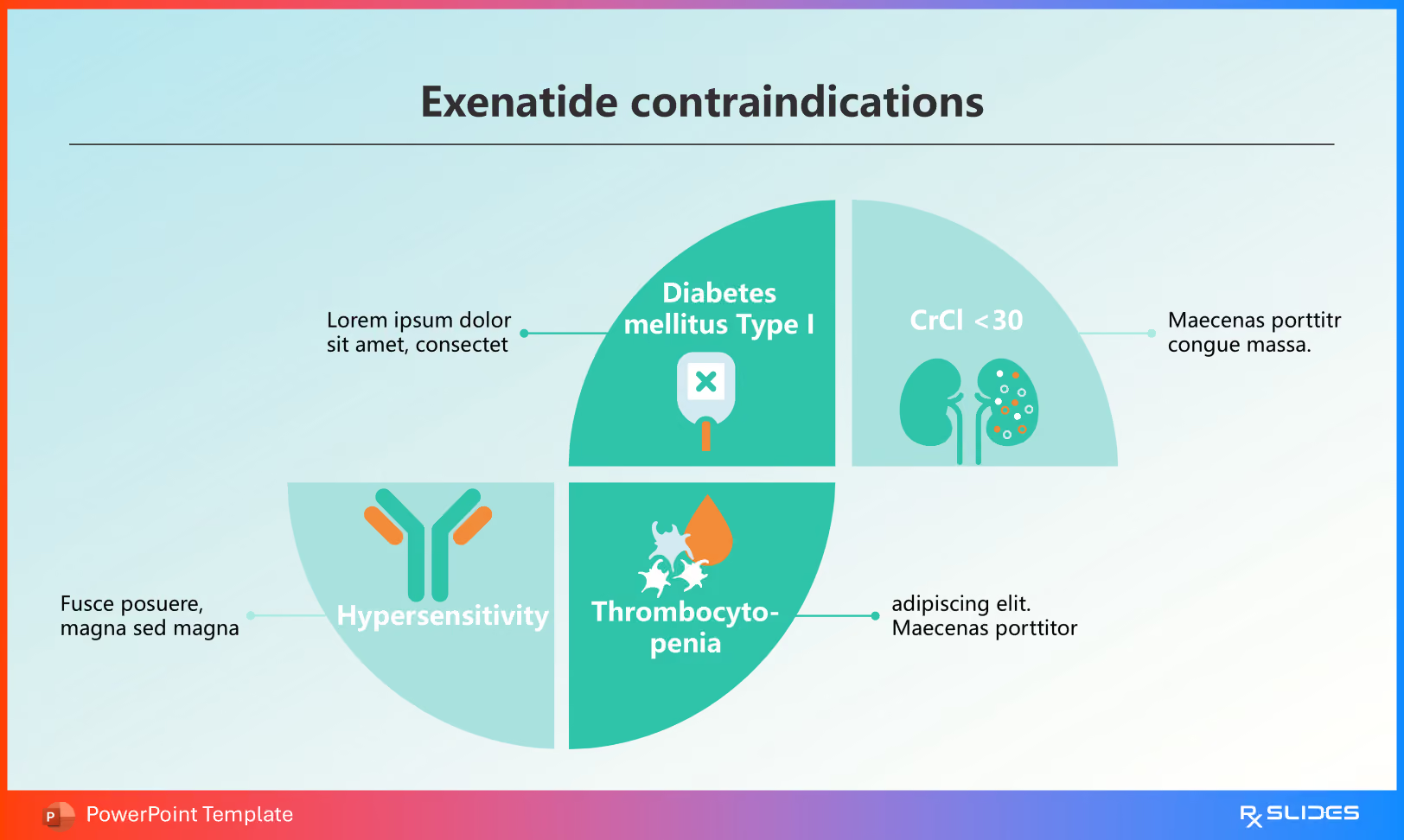
Cover common adverse effects, including nausea, vomiting, diarrhea, dyspepsia, constipation, and headache. Review contraindications such as Type 1 diabetes, severe renal impairment, and hypersensitivity. Address relevant drug interactions, including cidofovir and potassium supplements.
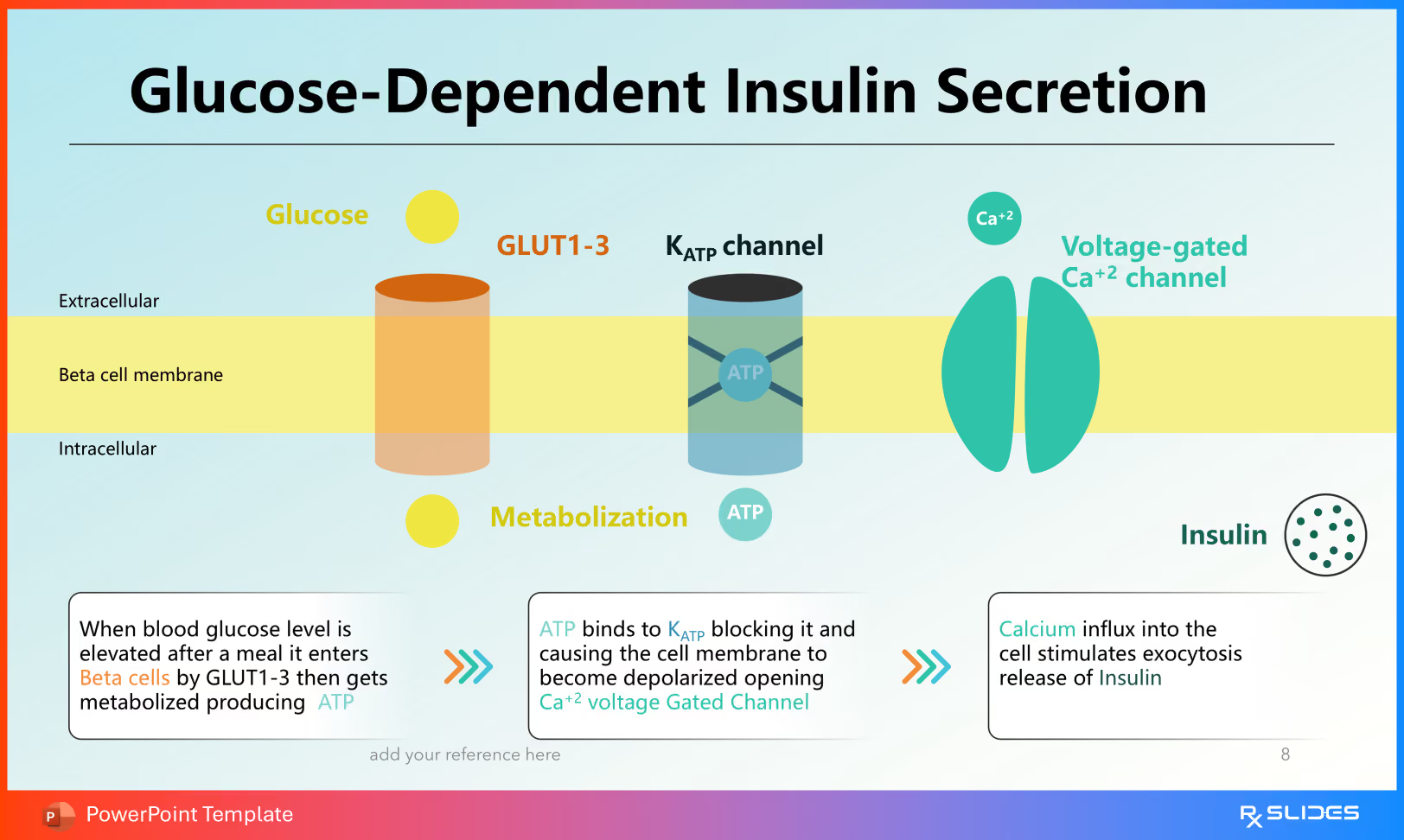
This presentation template integrates molecular pharmacology, pancreatic physiology, and clinical application. From beta-cell calcium signaling to injection technique and gastrointestinal side effects, it provides a structured framework for medical education, clinical training, and patient counseling.