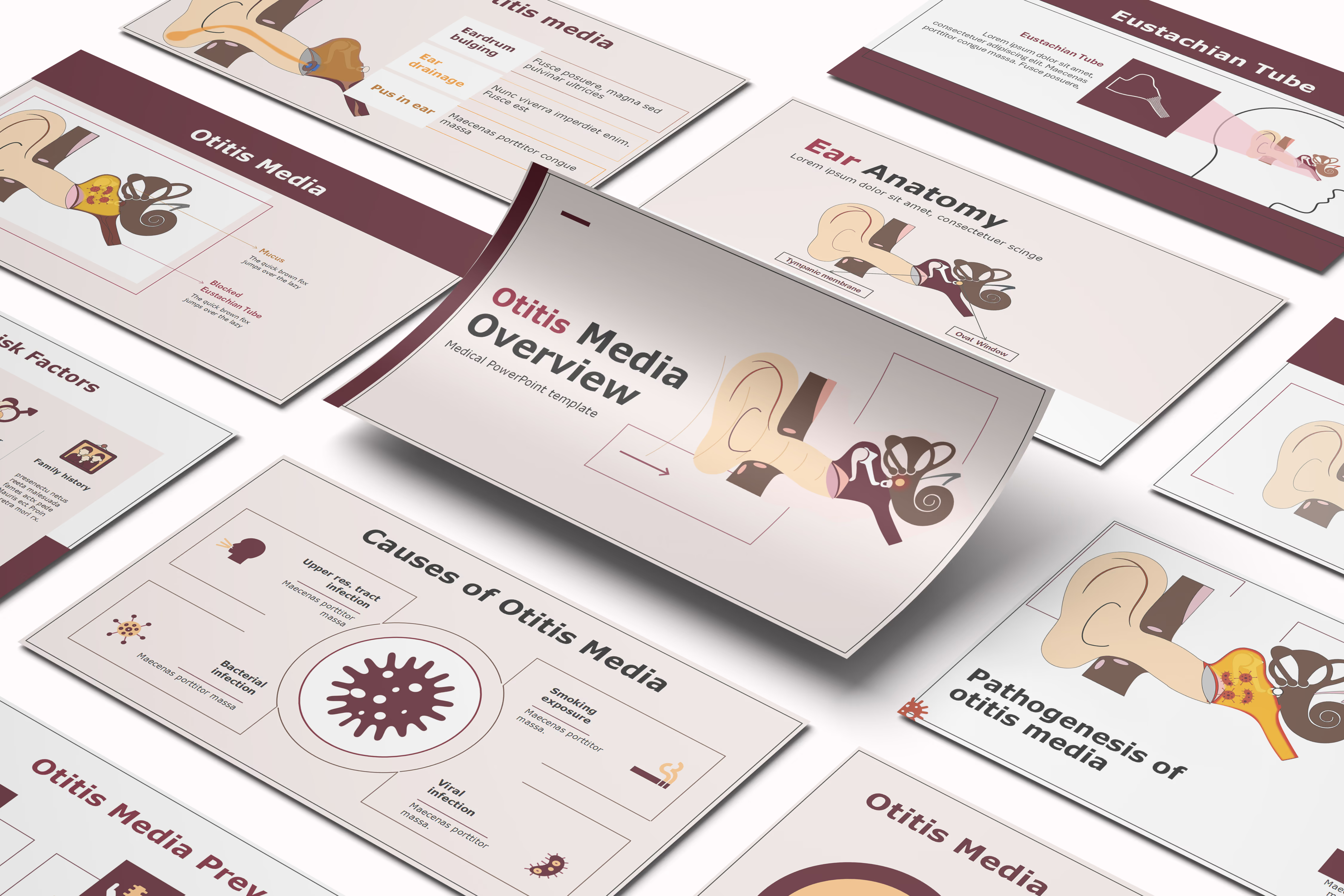
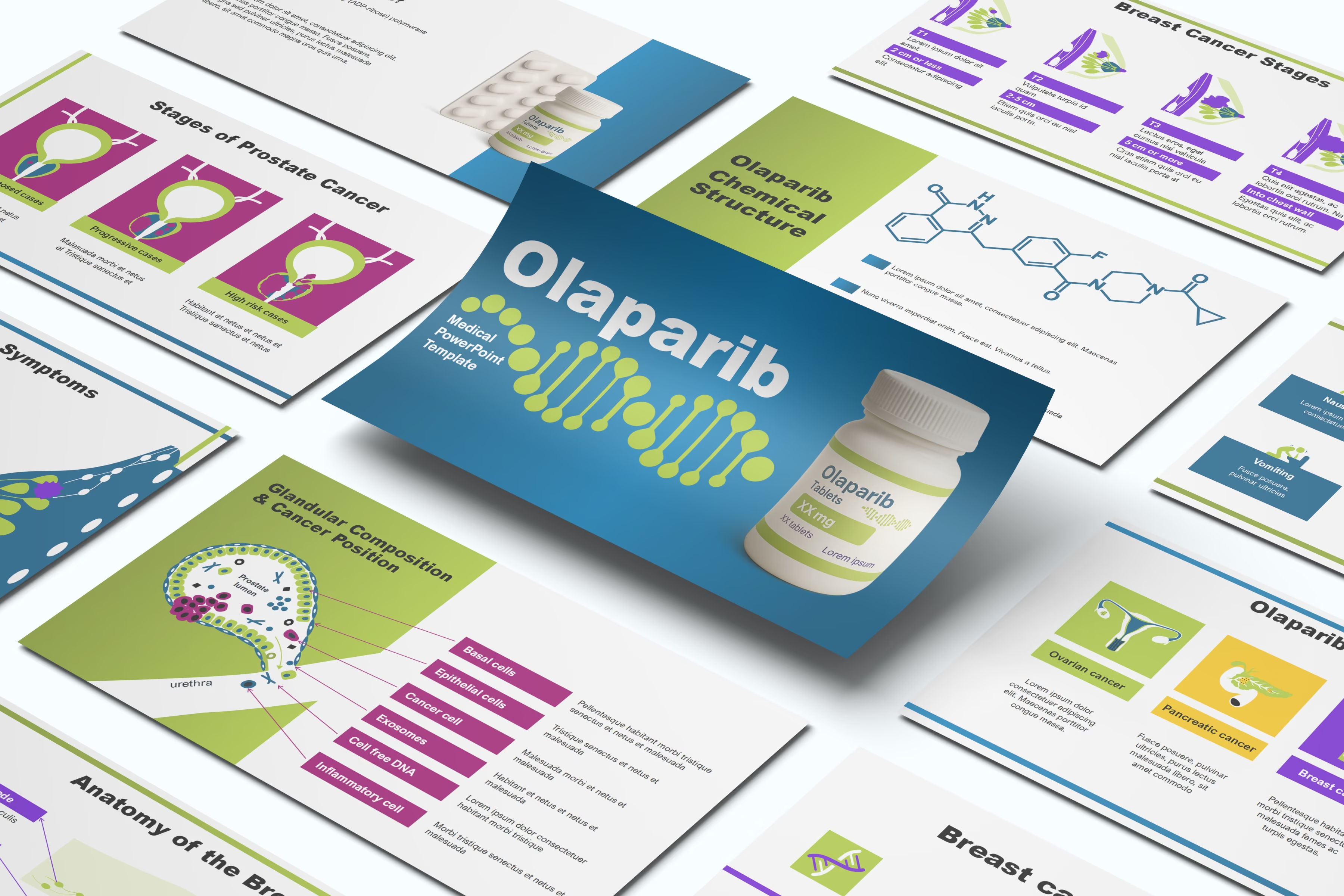
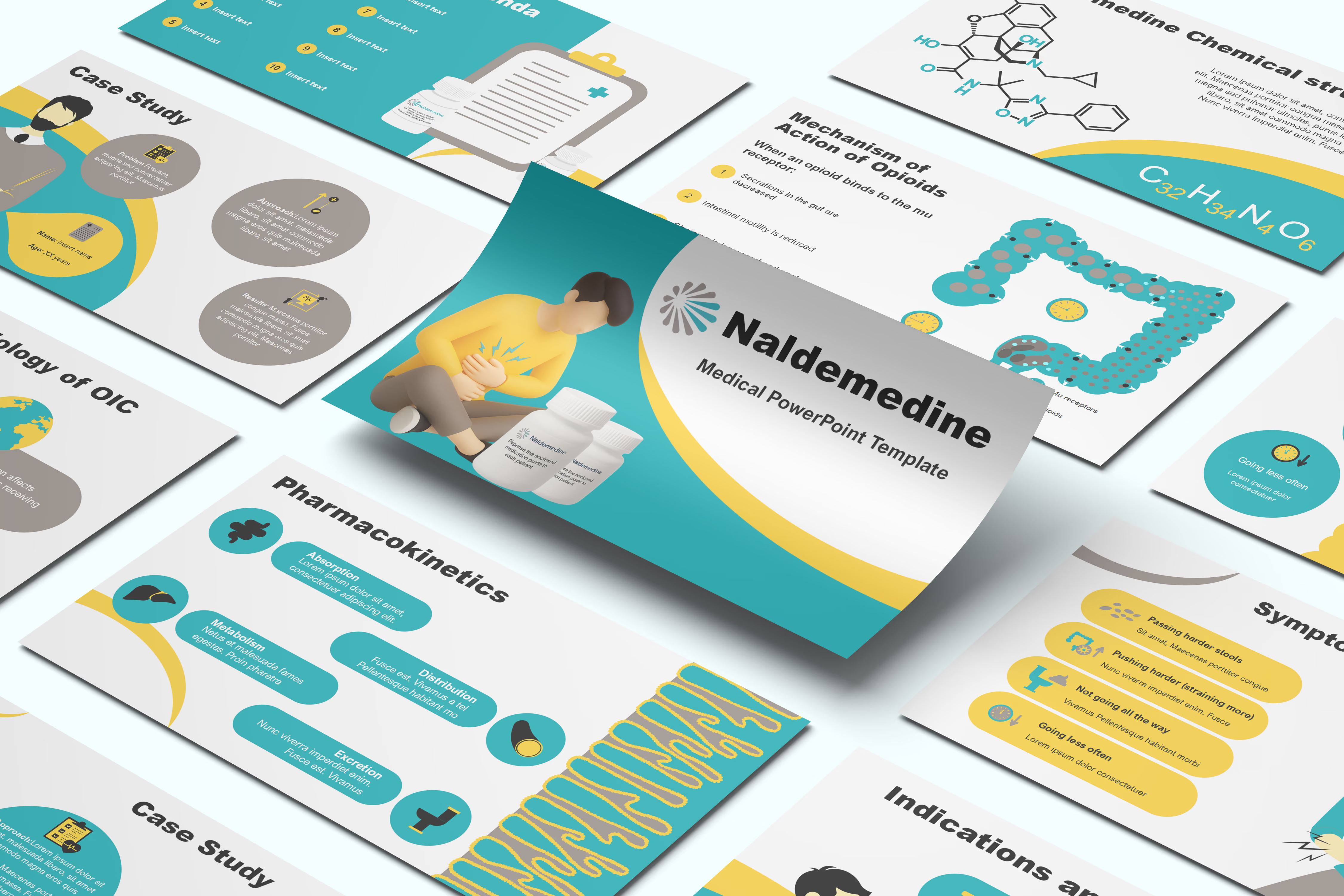
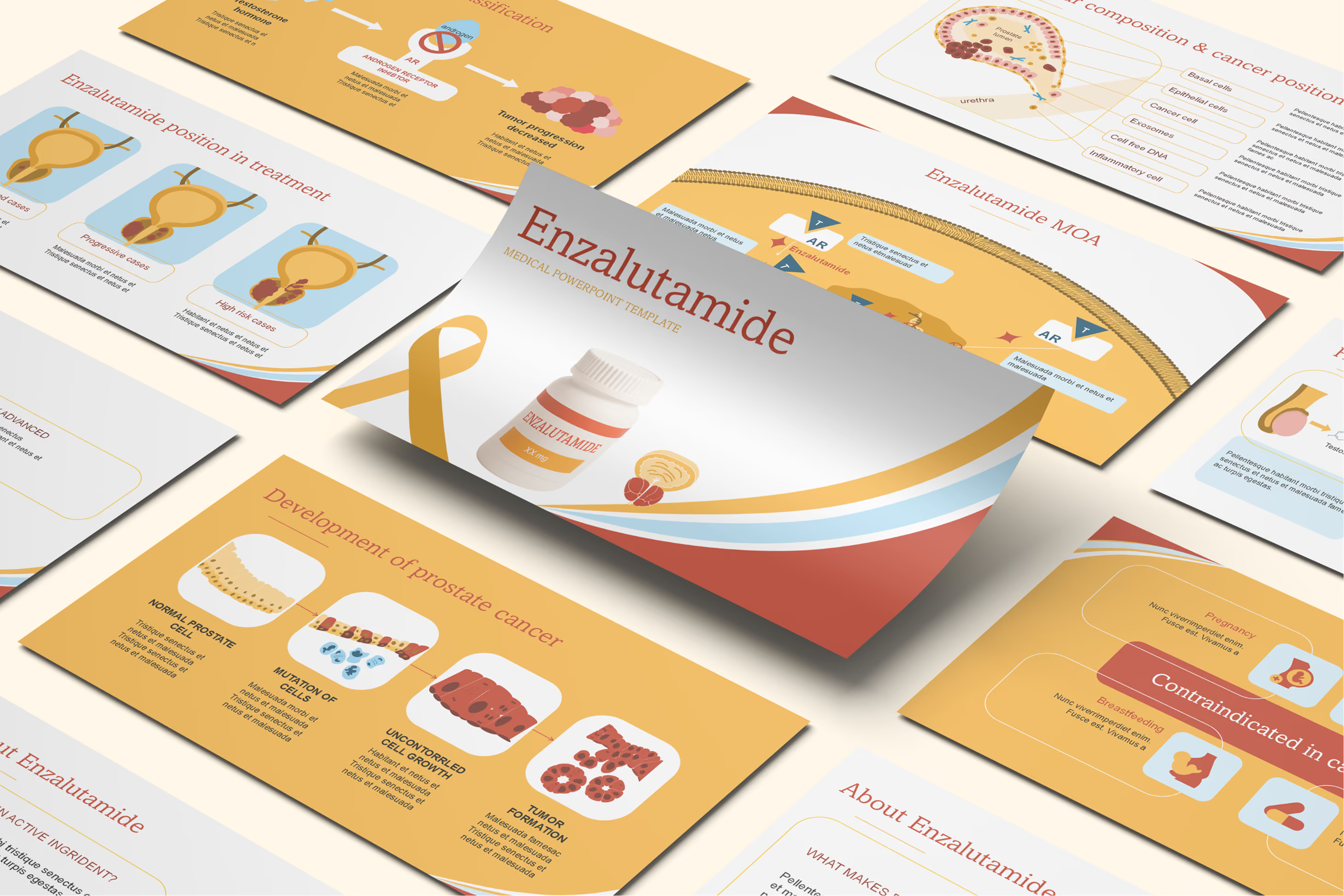
Exenatide PowerPoint Template

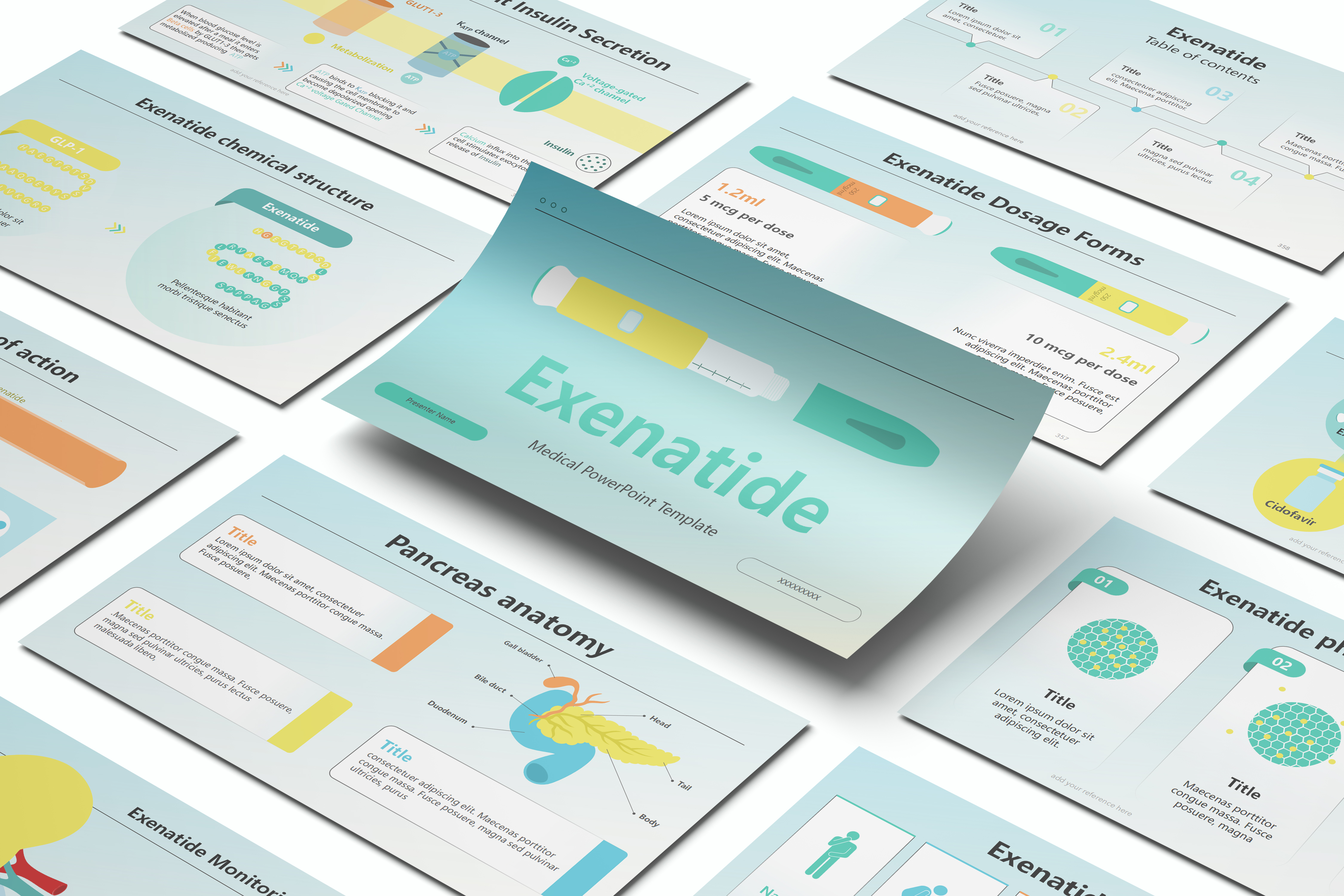




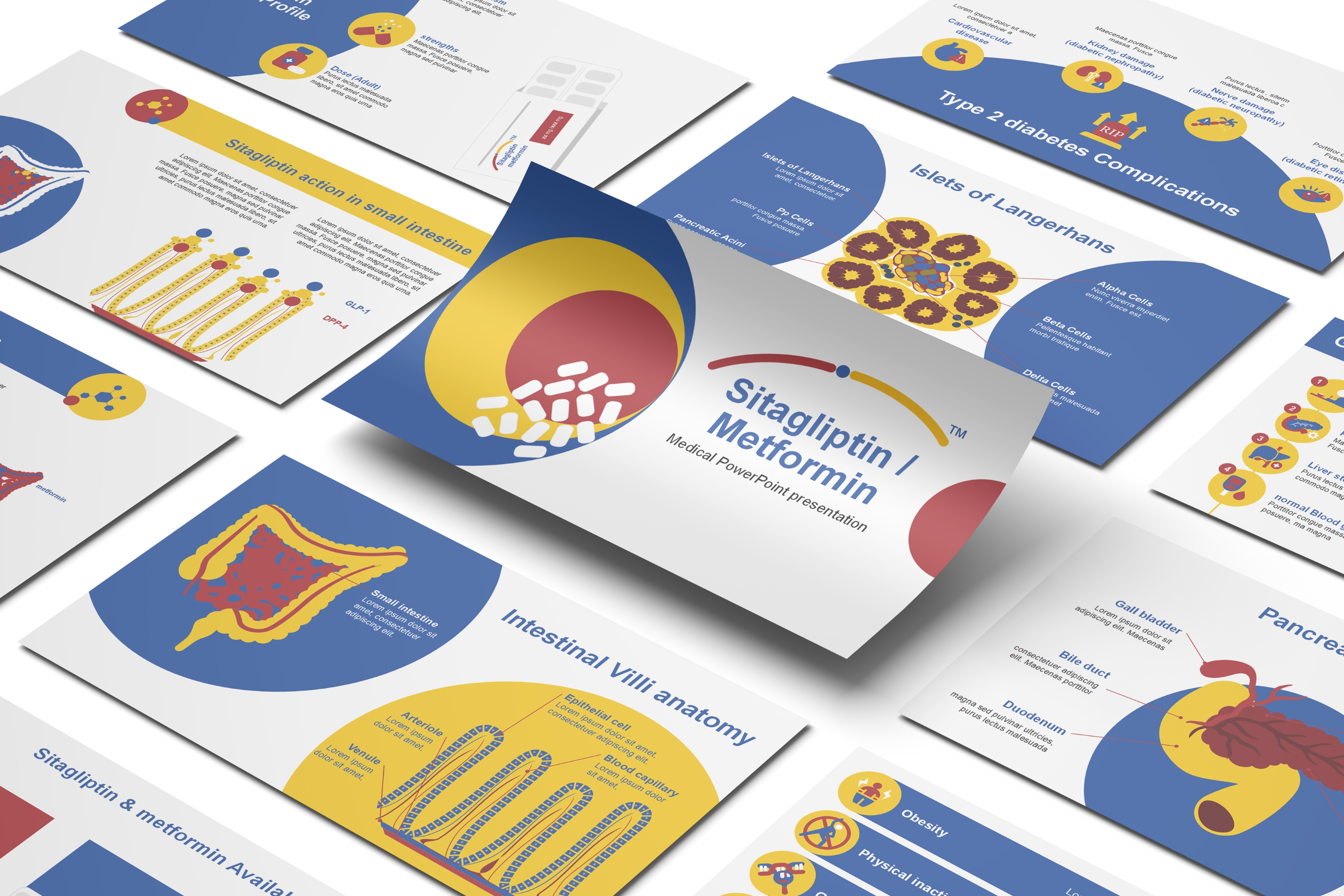
Template Preview
Designed for healthcare professionals creating clear and structured medical presentations.
Ideal for doctors, medical educators, and pharmaceutical teams preparing lectures, clinical education, product presentations, and training.
Fully editable in PowerPoint, allowing you to customize diagrams, charts, and slide layouts with your own medical content
Ready-to-use presentation structure that saves time and helps you build professional healthcare presentations quickly.
Fully Animated
Built-in animations help you present medical information clearly and make complex concepts easier to understand.
Editable Colors and Shapes
Editable colors and shapes help you easily customize the slides to match your content and presentation style, just drag and drop your content.
Professional medical layouts
Professional medical layouts help you organize clinical information, medical data, and treatment insights in a clear and structured way.

Created by Medical Professionals
This template prioritizes medical accuracy, clarity, and real-world usability. Each slide is designed with a medical audience in mind, helping you present clinical information, data, and treatment insights in a way that is structured, credible, and easy for healthcare professionals to understand.
Pharmaceutical Product & Medical Affairs Presentations
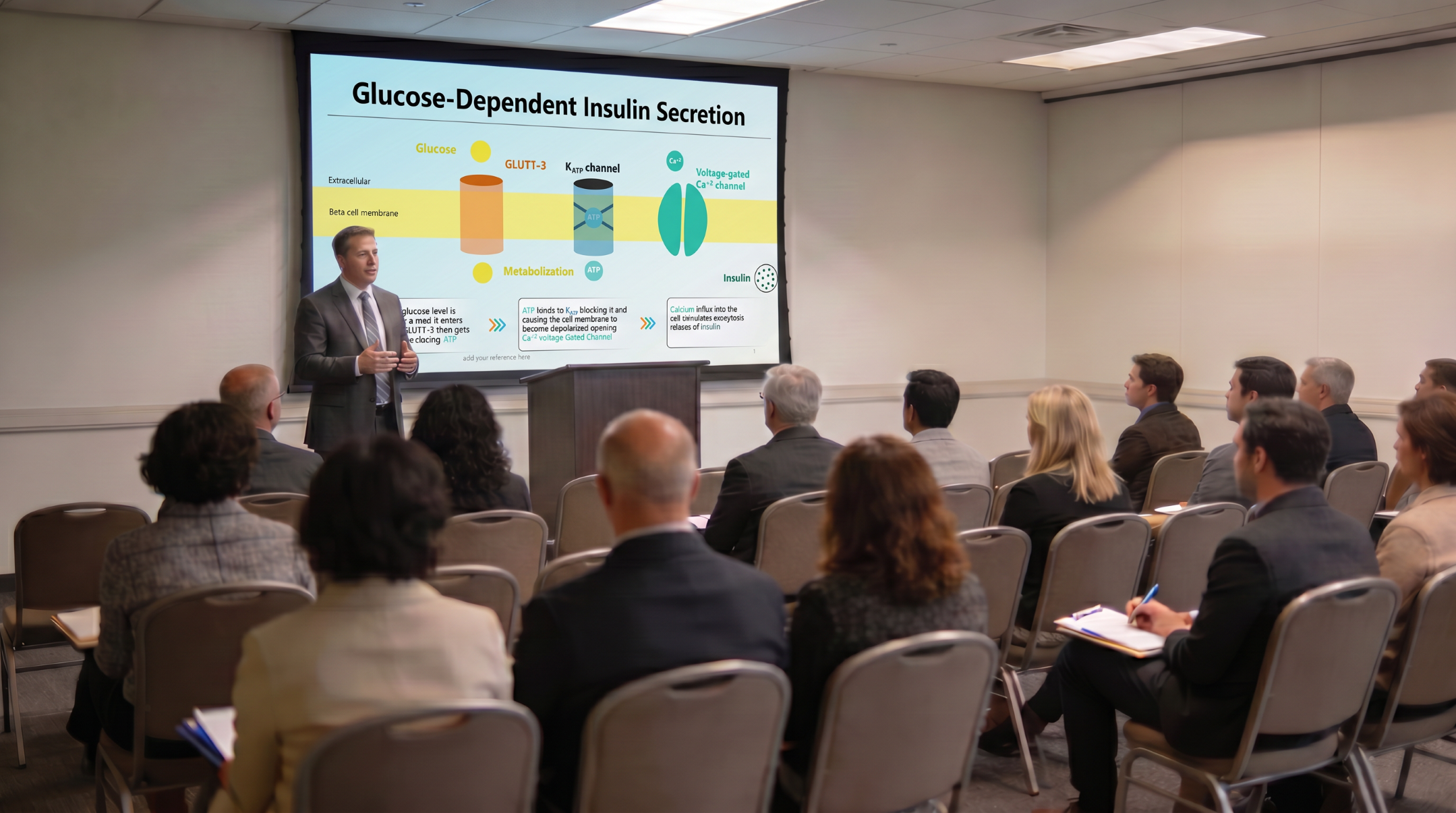
Exenatide's field materials can be built around the template's Islets of Langerhans and glucose-dependent insulin secretion animation, giving Medical Affairs a molecular anchor for a GLP-1 portfolio rather than commissioning new pancreatic artwork. Medical Science Liaisons carry the pharmacokinetics section, covering volume of distribution, clearance, and the 2.4-hour half-life, into scientific exchange with endocrinologists, while sales representatives draw on the same mechanism once trained on the finished materials. The Cidofovir and potassium-supplement interaction slides give Medical Affairs a ready safety framework to build institution-specific stewardship guidance around. The template stays an editable starting point, not a finished promotional asset, subject to each company's own medical and compliance review.
Medical Congress & Scientific Conference Presentations
Endocrinologists and academic Key Opinion Leaders preparing a diabetes congress session can start from the template's side-by-side comparison of Exenatide's chemical structure against native GLP-1, instead of assembling peptide diagrams from separate sources. The self-regulating glucose-control mechanism, contrasted against older diabetic drug classes, gives a talk a clear differentiation point before the discussion turns to outcomes. Built-in clinical study slides, tracing methodology through the 75-versus-25-percent results bar chart, carry a presenter from study design straight into a take-home message. A Key Opinion Leader can layer in their own patient data without redrawing a single diagram.

Medical Training for Pharmaceutical & Life Sciences Companies
New hires on a diabetes-focused sales team can build Exenatide onboarding around the template's pancreas anatomy and Islets of Langerhans illustrations before a single dosing conversation begins. Representatives study the 5-mcg-versus-10-mcg dosage comparison and the six most common side effects, grouped by neurological and gastrointestinal system, before they are cleared to discuss the product with endocrinologists and diabetes educators. The contraindications slide, covering Type 1 diabetes, severe kidney impairment, and hypersensitivity, gives trainers a complete safety foundation without building it from the prescribing information. New hires reach the field able to explain both how Exenatide works and where it should not be used.

eLearning & SCORM Training Modules
Before this Exenatide template becomes a SCORM-compliant module for endocrinology nursing staff or pharmacy students, instructional designers customize it first with their own institutional dosing protocols and case studies. Left unedited, the 52-slide template functions as a pharmacology reference rather than a finished course. Because the pancreas anatomy, mechanism of action, pharmacokinetics, and safety content already follows a teaching sequence, a customized version becomes certification-ready SCORM coursework without a separate instructional-design pass. If a program needs something more specific, the RxSlides team can adjust the template's depth or branding, or build a fully custom diabetes pharmacology presentation from scratch.
Medical & Healthcare Education
Pharmacology and endocrinology faculty teaching incretin-based therapies can lean on the template's glucose-dependent insulin secretion animation to walk students through the beta-cell mechanism before introducing the drug class, instead of rebuilding the cellular diagram each term. Continuing education providers preparing CME on GLP-1 receptor agonists benefit from the same chemical-structure comparison against native GLP-1, without recreating peptide illustrations for every course. Editable pharmacokinetics slides let a course go as deep as its audience needs, from a broad overview for undergraduates to full receptor-level detail for graduate pharmacology. Students leave with a clearer picture of how Exenatide's structure translates into its glucose-lowering effect.
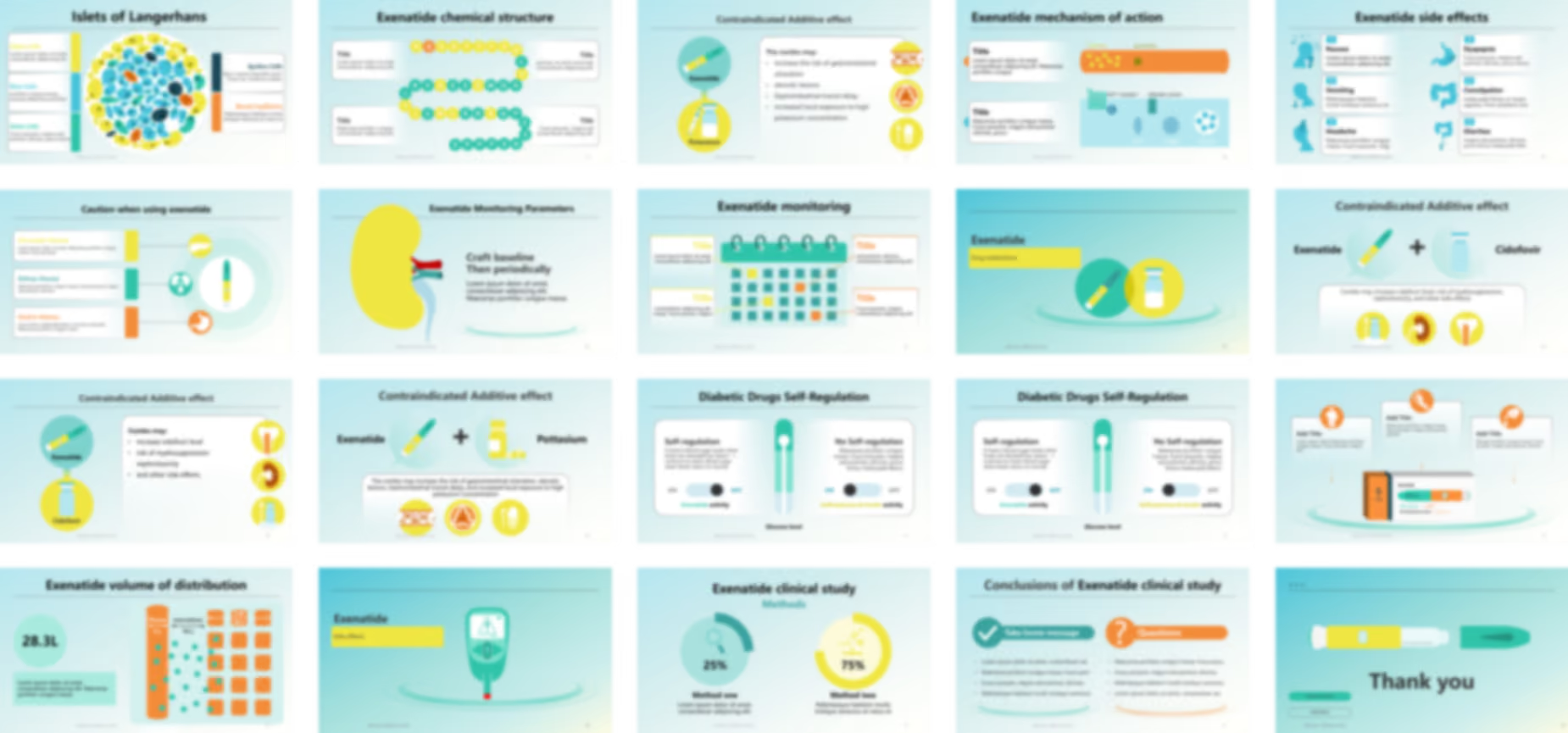
The Exenatide PowerPoint template opens with a title slide and timeline table of contents before detailed diagrams label the pancreas anatomy and histology, including the islets of Langerhans and their alpha, beta, delta, and epsilon cells. A further animated diagram explains glucose dependent insulin secretion, tracing the movement of glucose, ATP, and calcium through the beta cell membrane.
Color coded diagrams contrast exenatide's peptide structure with the natural hormone GLP-1 before the template classifies exenatide as an incretin mimetic and highlights its self regulating action compared to older diabetic drugs. Two dosage forms, the 5 mcg and 10 mcg pen injectors, are then detailed with their key differences in editable PowerPoint slides.
The presentation template details exenatide's volume of distribution, clearance rate, and 2.4 hour half life through labeled diagrams before a three step process illustrates its release and pharmacokinetic journey. Establishing this pharmacokinetic profile first gives educators a shared reference point before a cellular diagram illustrates exenatide's mechanism of action at the GLP-1 receptor and adenylyl cyclase.
Icons cover indications for diabetes management and blood glucose control before further icons illustrate six side effects, including nausea, dizziness, and headache, and a five phase clinical study with bar chart results. The medical presentation template closes with contraindications such as diabetes type 1 and kidney impairment, monitoring parameters, and drug interactions with cidofovir and potassium supplements.
Ready To Transform Your Presentation ?
Pay once, use forever