How to Present Ranitidine with RxSlides's Medical Template

How to Present Ranitidine with RxSlides's Medical Template

Ranitidine is a histamine-2 (H₂) receptor antagonist that suppresses gastric acid secretion by selectively blocking H₂ receptors on parietal cells. It has been widely used in conditions ranging from uncomplicated dyspepsia to pathological hypersecretory states. Because its therapeutic effect depends on interrupting a tightly regulated cellular signaling cascade, effective teaching must connect molecular pharmacology with clinical symptom relief.

Whether addressing pharmacology students, gastroenterologists, or medication safety teams, the Ranitidine PowerPoint Presentation Template provides a structured visual framework to support clear, evidence-based communication.

Below is a guide to using the template across educational and clinical settings.

1. Anatomy and Histology

Before introducing drug action, learners must understand anatomical context.

Digestive Anatomy

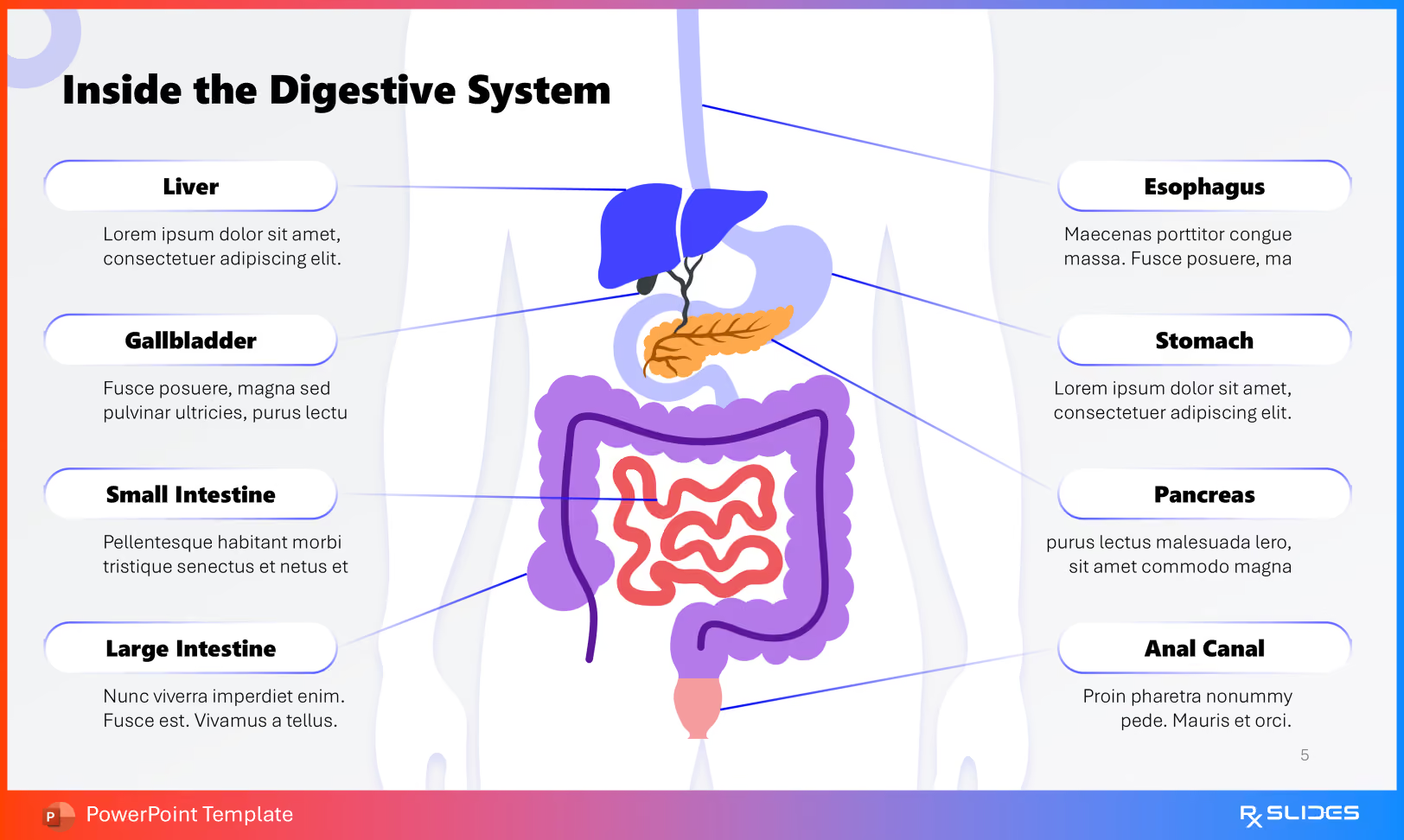
Use the “Inside the Digestive System” slide to trace:

  • Esophagus → stomach → duodenum
  • Typical sites involved in reflux disease and peptic ulceration
Inside the Digestive System Slide from Ranitidine PowerPoint Presentation Template

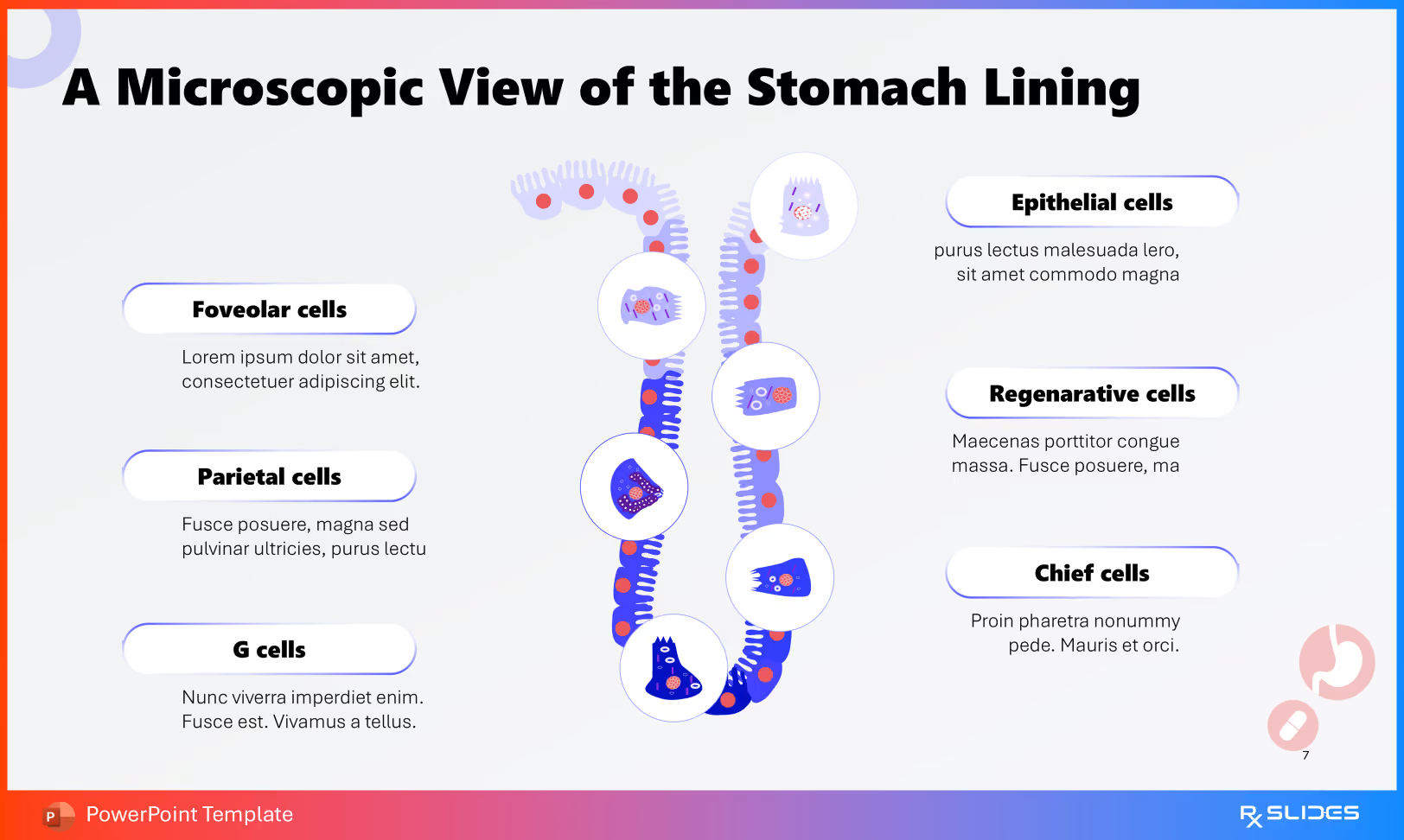
Transition next to the “Microscopic View of the Stomach Lining” slide to identify:

  • Parietal cells – responsible for hydrochloric acid secretion
  • G cells – producers of gastrin
  • Surrounding mucosal architecture
Microscopic View of the Stomach Lining From Ranitidine PowerPoint Presentation Template

This zoom-in approach helps students link macroscopic pathology to cellular targets.

2. Molecular Mechanism: Acid Secretion Physiology

For advanced learners, this section forms the scientific core of the presentation.

Pathway of Gastric Acid Production

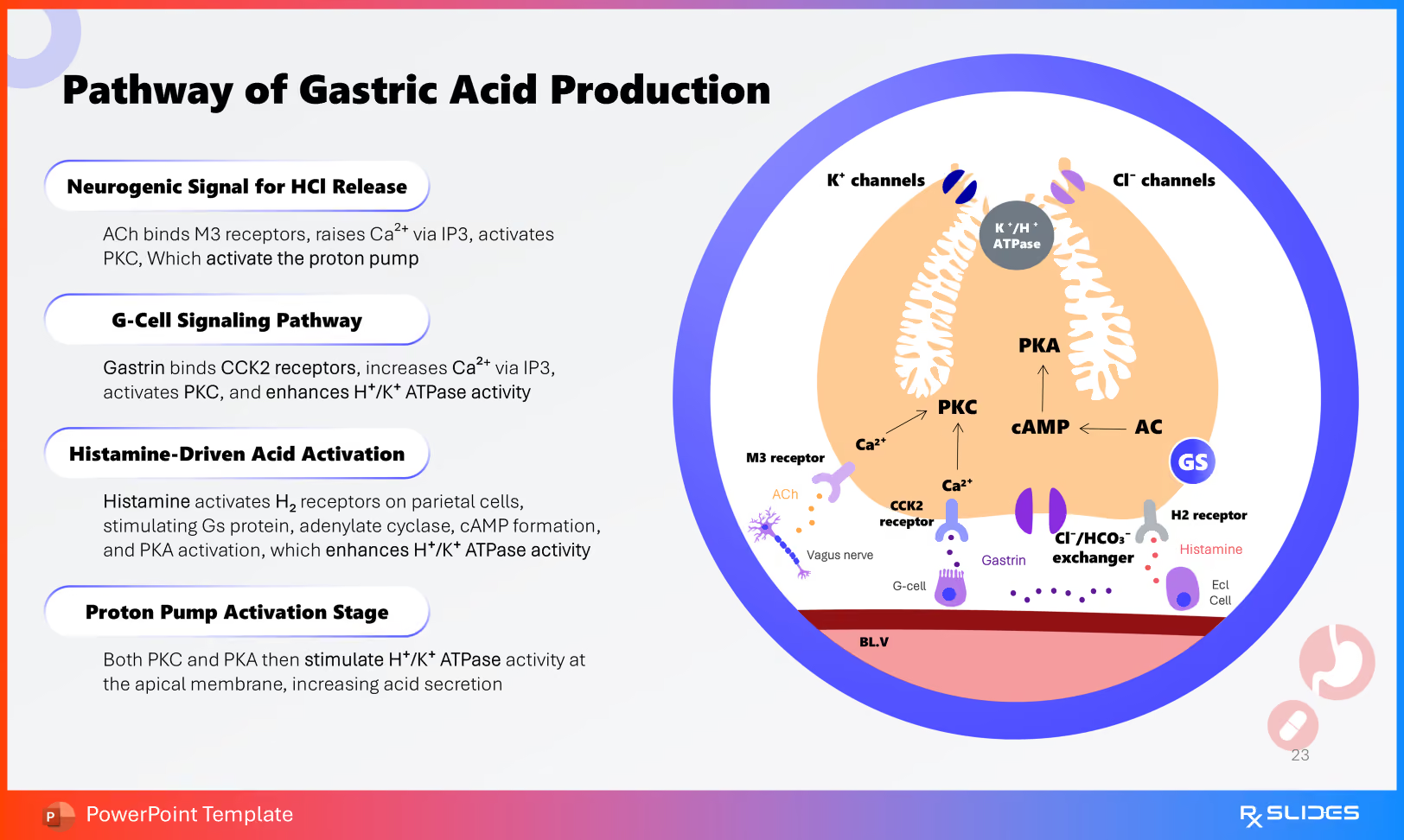
Use the pathway visuals to explain baseline physiology:

  • Acetylcholine binding to M3 receptors and gastrin binding to CCK₂ receptors, increasing intracellular calcium
  • Histamine binding to H₂ receptors, stimulating adenylate cyclase
  • Rise in cAMP and activation of protein kinase A (PKA)
  • Final activation of the H⁺/K⁺ ATPase (proton pump) at the apical membrane, secreting hydrogen ions into the gastric lumen
Pathway of Gastric Acid Production From Ranitidine PowerPoint Presentation Template

This sequence clarifies how multiple inputs converge on acid secretion.

Mechanism of Action

Introduce Ranitidine here:

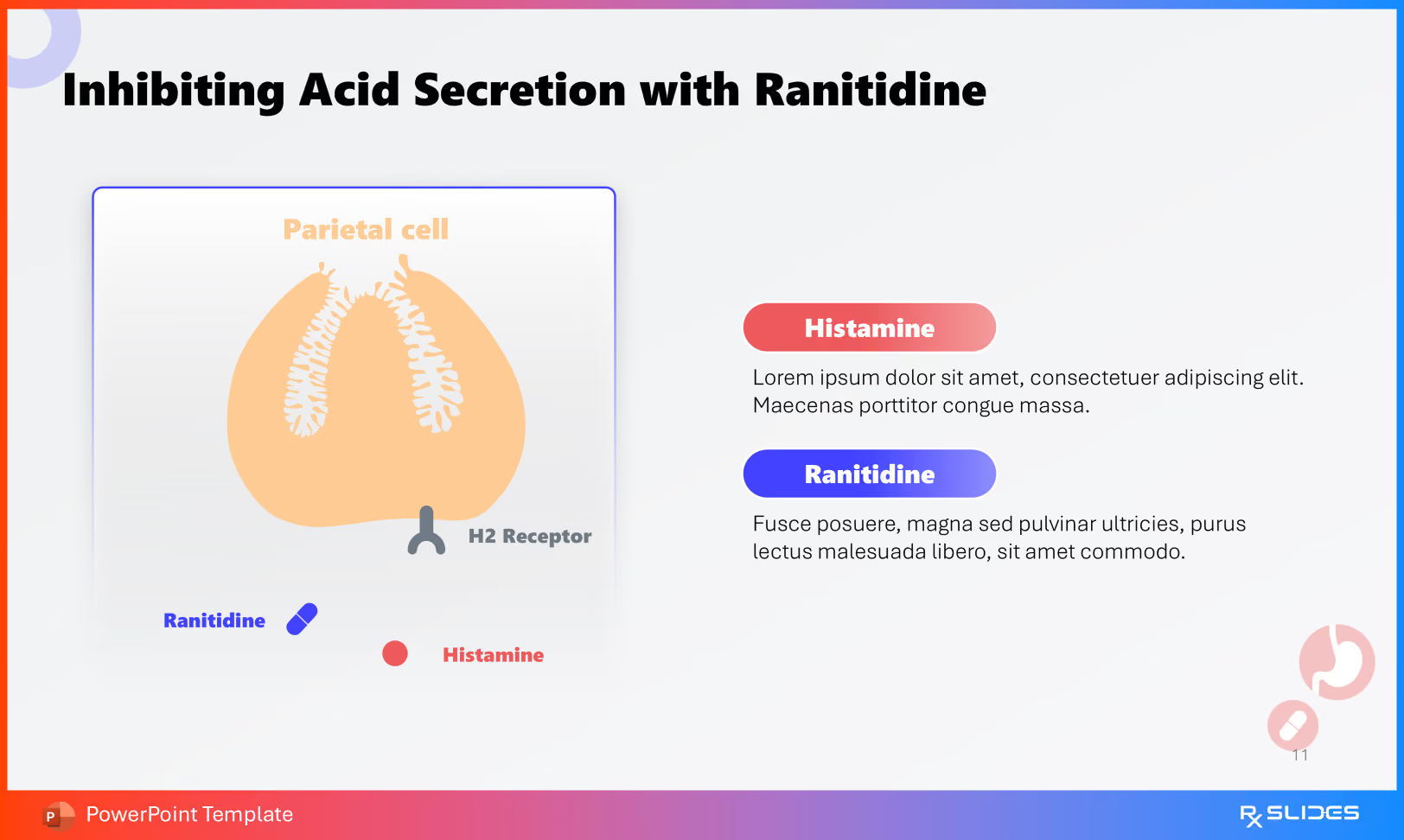
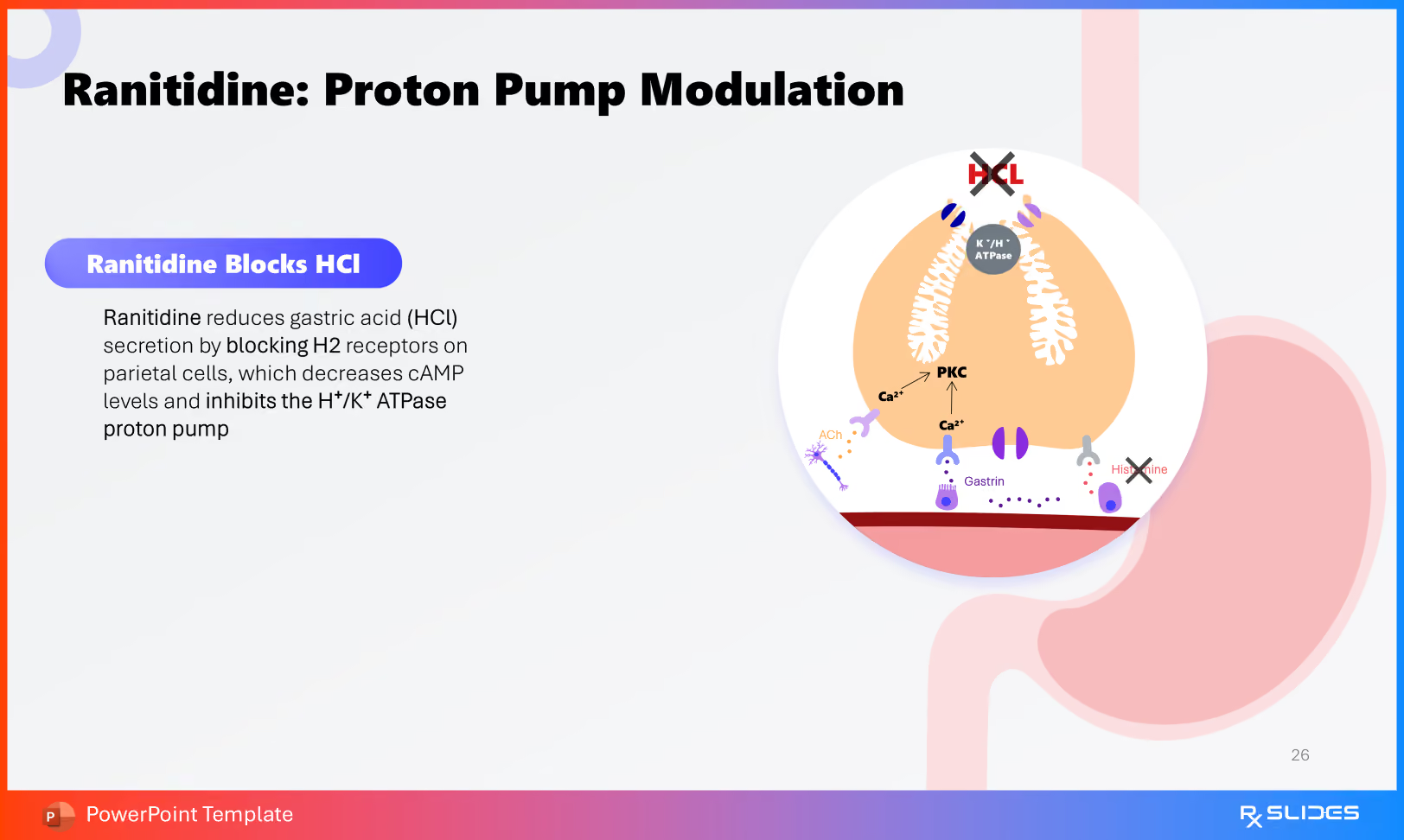
  • Competitive antagonism at the H₂ receptor
  • Reduction in cAMP formation
  • Downstream inhibition of proton pump activity
  • Net effect: decreased basal and stimulated gastric acid output
Mechanism of Action From Ranitidine PowerPoint Presentation Template
Mechanism of Action Simplified From Ranitidine PowerPoint Presentation Template

The visuals help pharmacology audiences conceptualize where H₂ blockers intervene relative to proton pump inhibitors.

3. Clinical Application: Indications and Therapeutic Positioning

For residents and prescribers, emphasis shifts to real-world use.

Indications

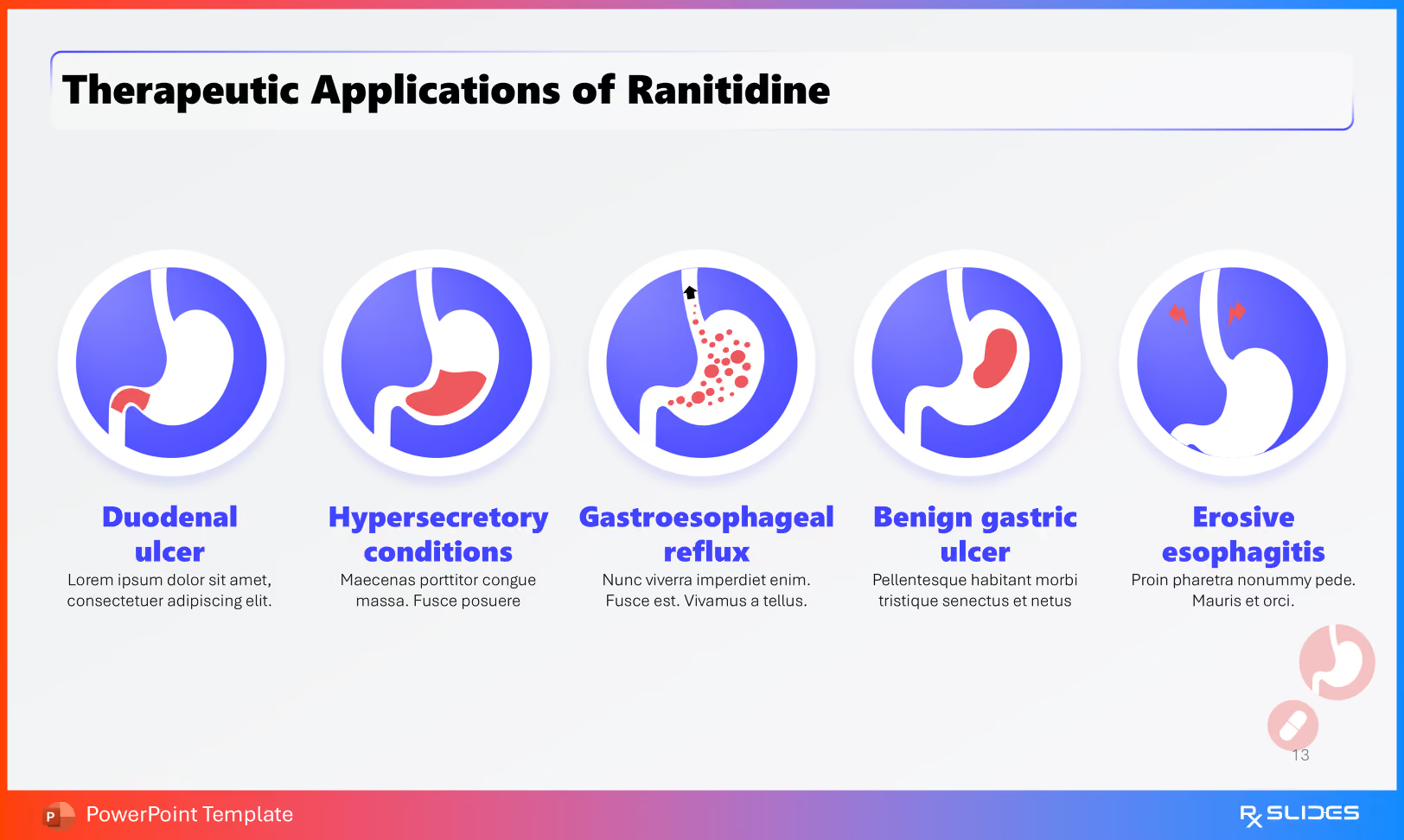
Use the therapeutic slides to cover:

  • Gastric and duodenal ulcers
  • Gastroesophageal reflux disease (GERD)
  • Hypersecretory conditions, including Zollinger–Ellison syndrome
Indications Slide From Ranitidine PowerPoint Presentation Template

Drug Comparison

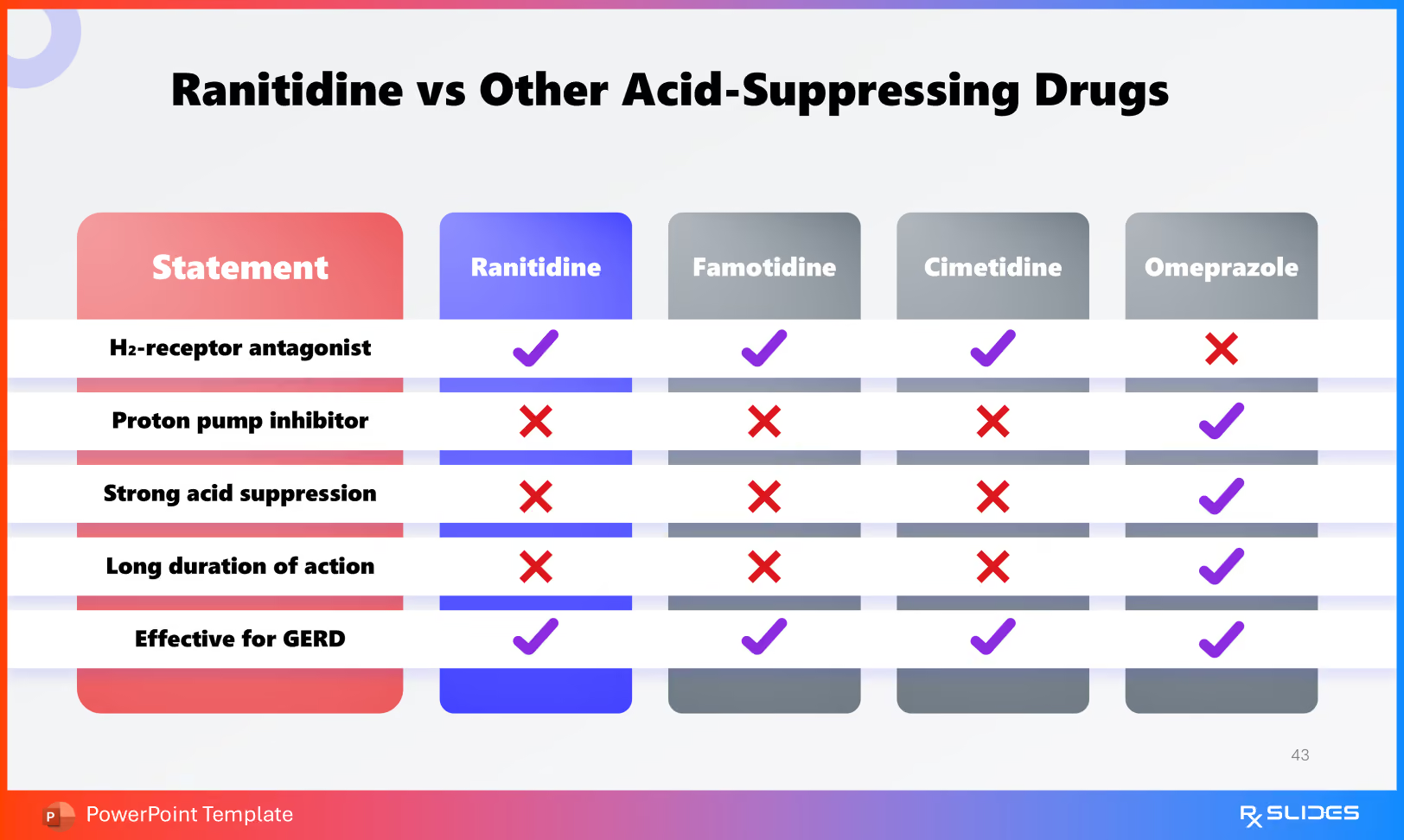
The comparison table allows discussion of:

  • Ranitidine versus other H₂ blockers (cimetidine, famotidine)
  • Contrast with proton pump inhibitors such as omeprazole
  • Differences in potency, duration of acid suppression, and clinical preference
Drug Comparison Slide From Ranitidine PowerPoint Presentation Template

This supports rational prescribing decisions.

4. Pharmacokinetics: Academic and Research Context

For drug reviews and academic sessions, the template provides key kinetic parameters.

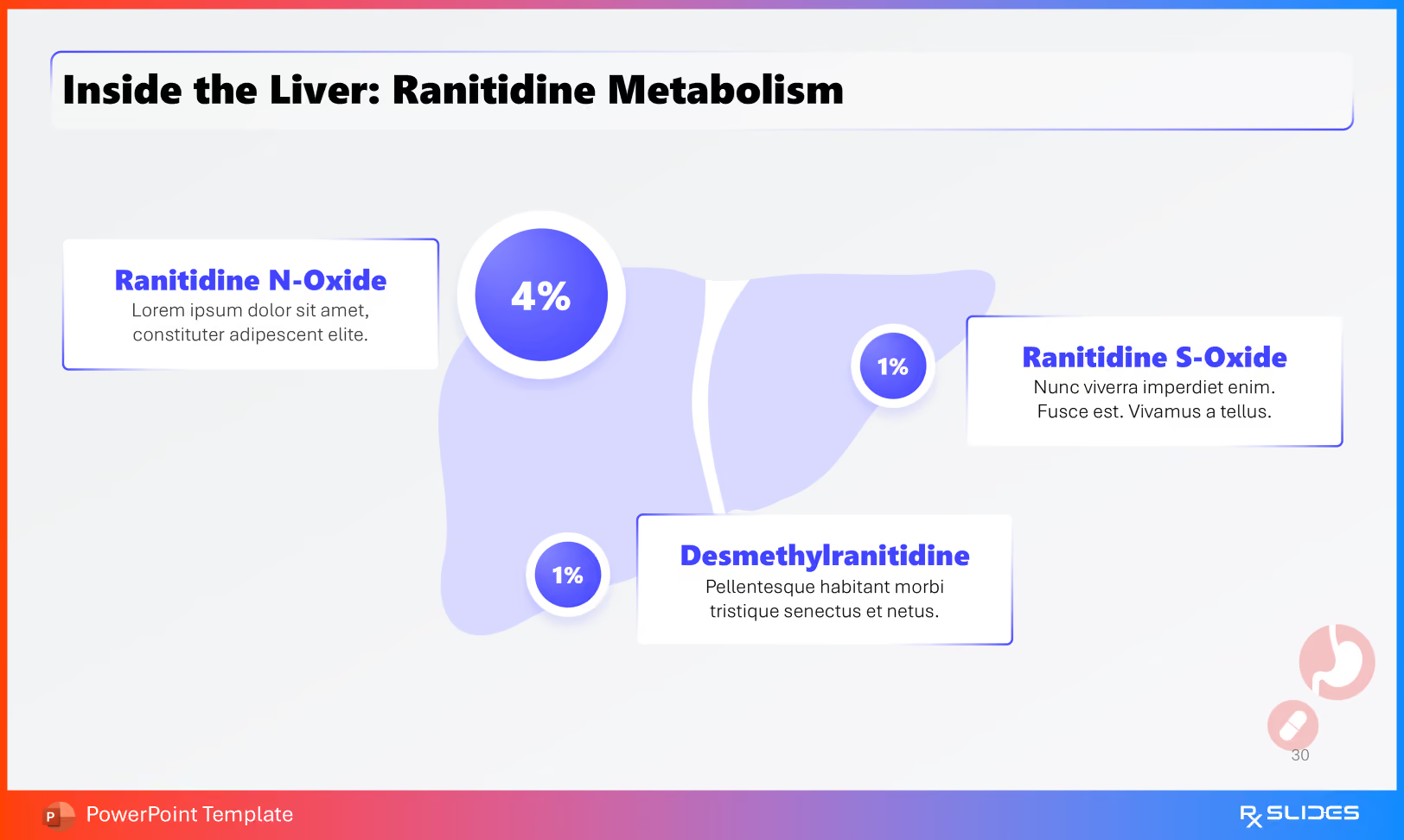
  • Metabolism: Approximately 30–35% undergoes hepatic metabolism, producing metabolites such as ranitidine S-oxide and N-oxide
Metabolism Slide From Ranitidine PowerPoint Presentation Template
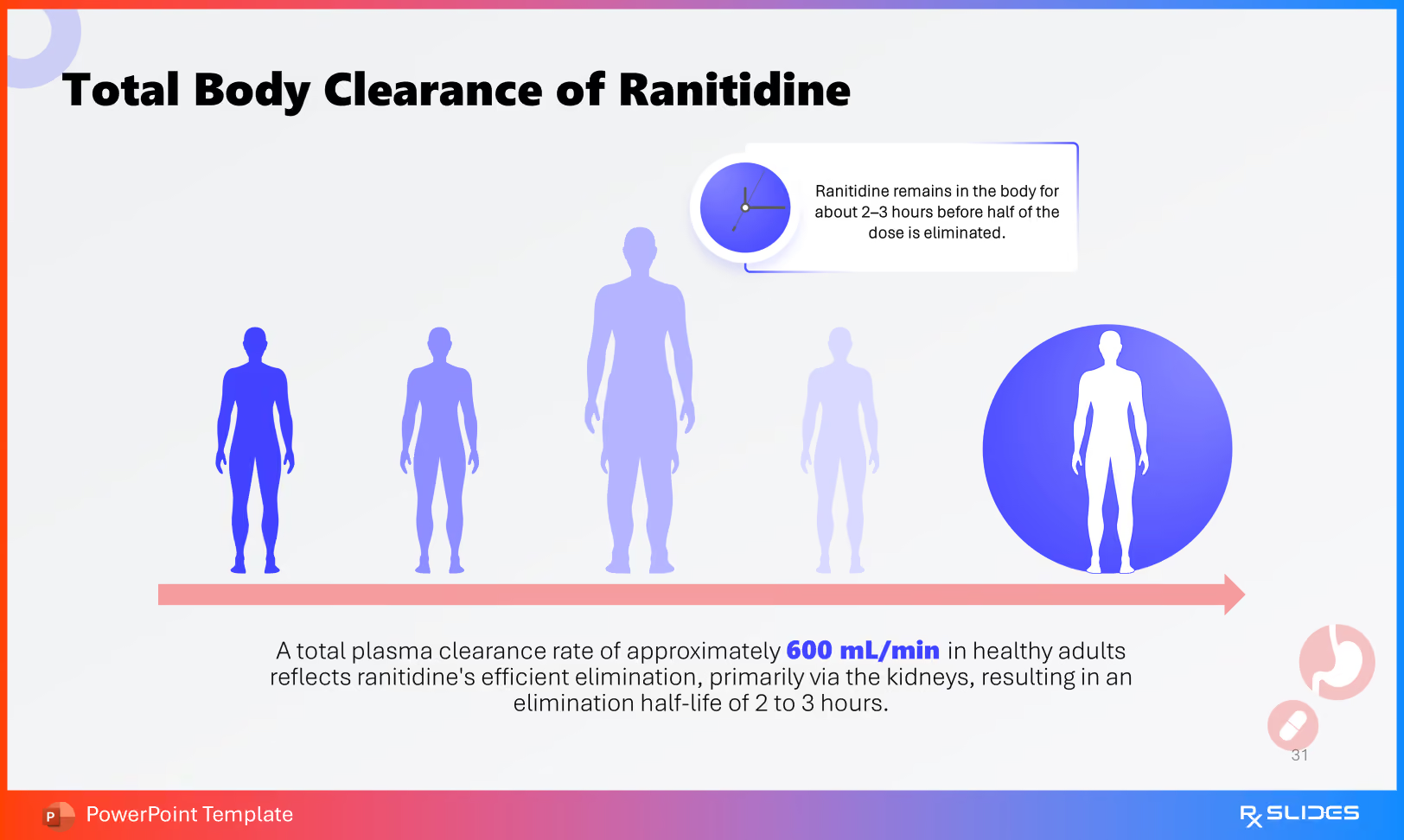
  • Half-life: About 2–3 hours in individuals with normal renal function
Half-life Slide From Ranitidine PowerPoint Presentation Template
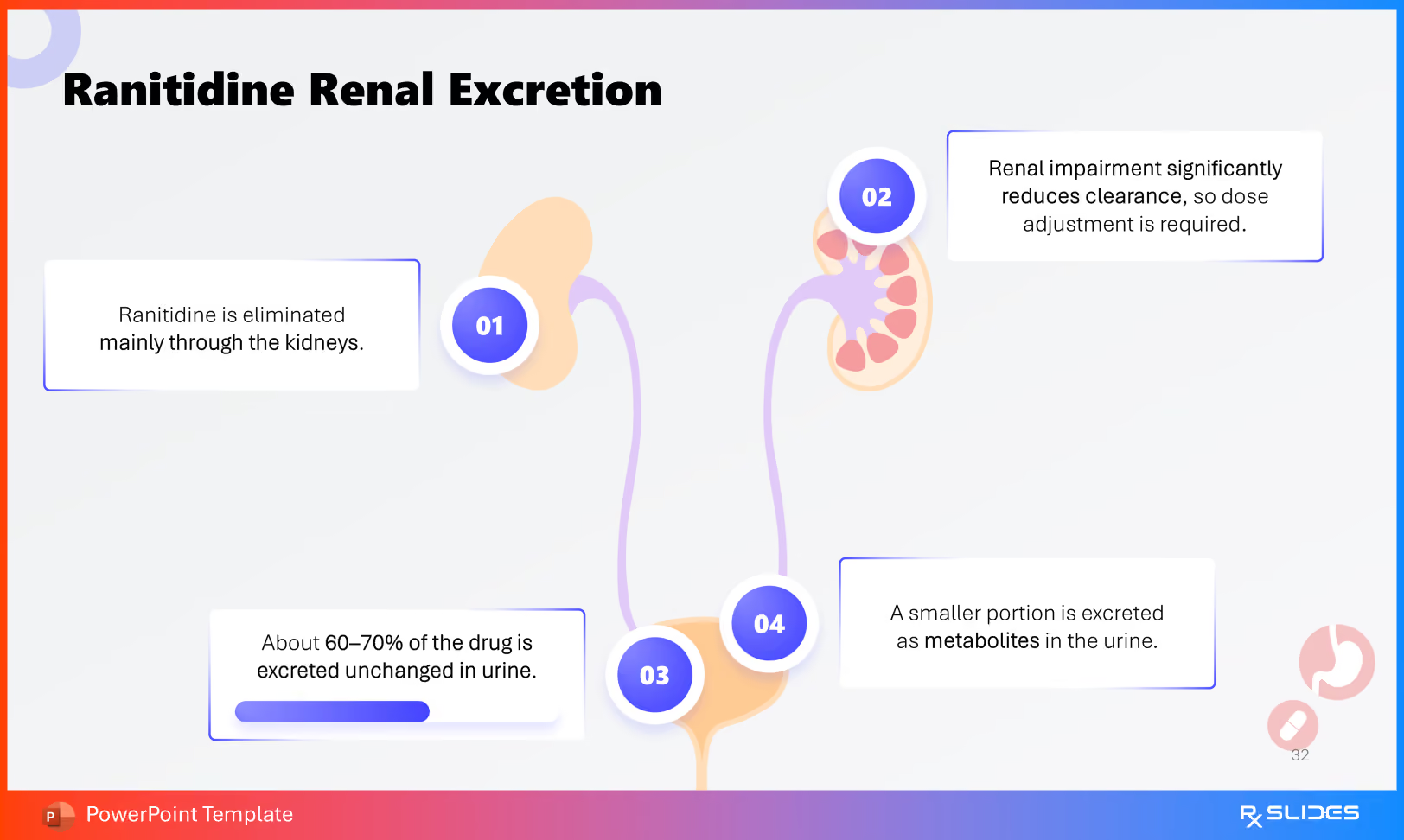
  • Excretion: Predominantly renal, with 60–70% eliminated unchanged in urine
Excretion Slide From Ranitidine PowerPoint Presentation Template

These slides facilitate discussions on dose adjustment, especially in renal impairment.

5. Patient Safety: Warnings and Adverse Effects

For nursing education and medication safety briefings, the template organizes risks clearly.

Safety Risks and Alerts

Highlight:

  • Potential masking of gastric malignancy symptoms
  • Contraindications such as acute porphyria
  • Need for dose adjustment in renal dysfunction
Safety Risks and Alerts Slide From Ranitidine PowerPoint Presentation Template

Toxicological Profile

Review commonly reported adverse effects:

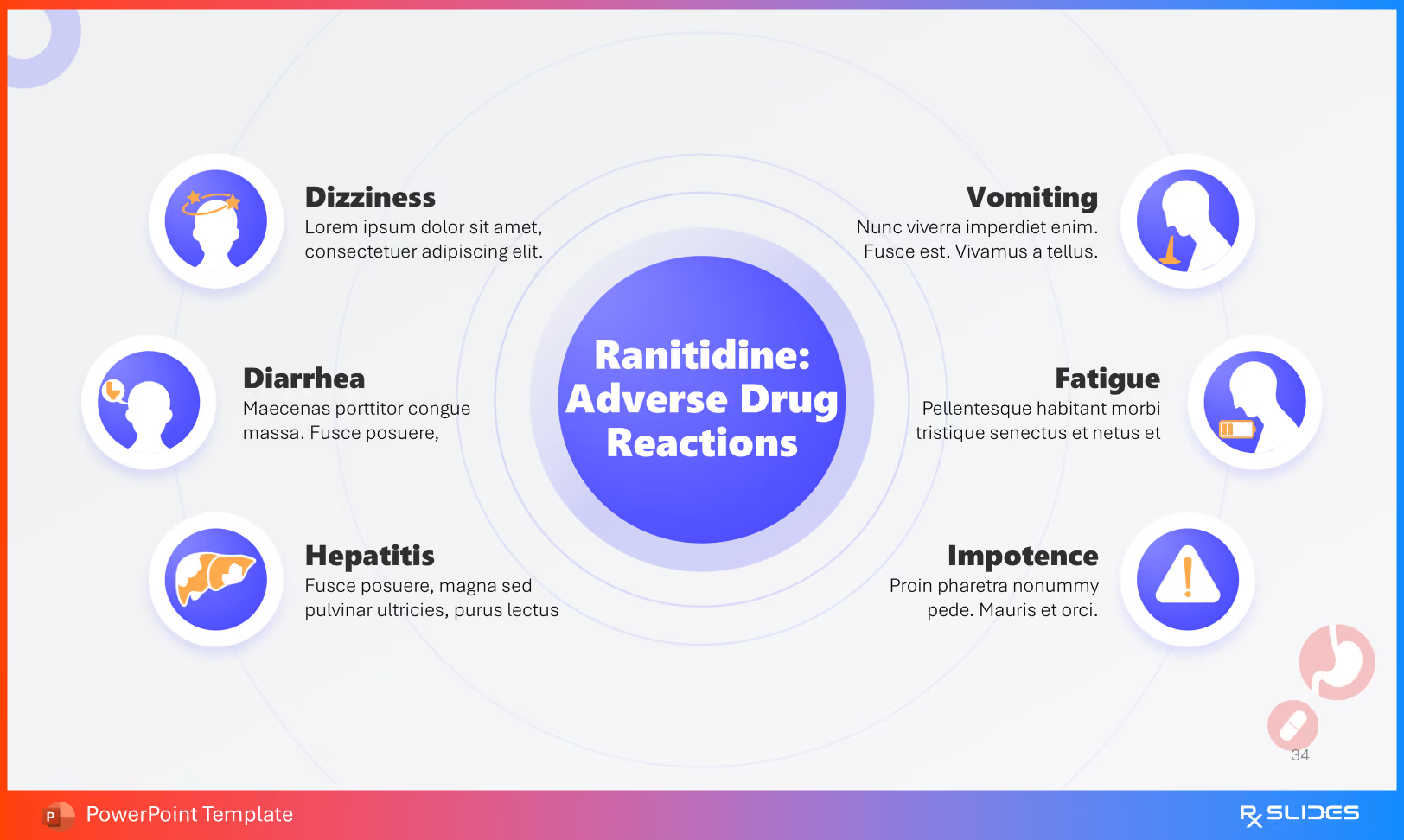
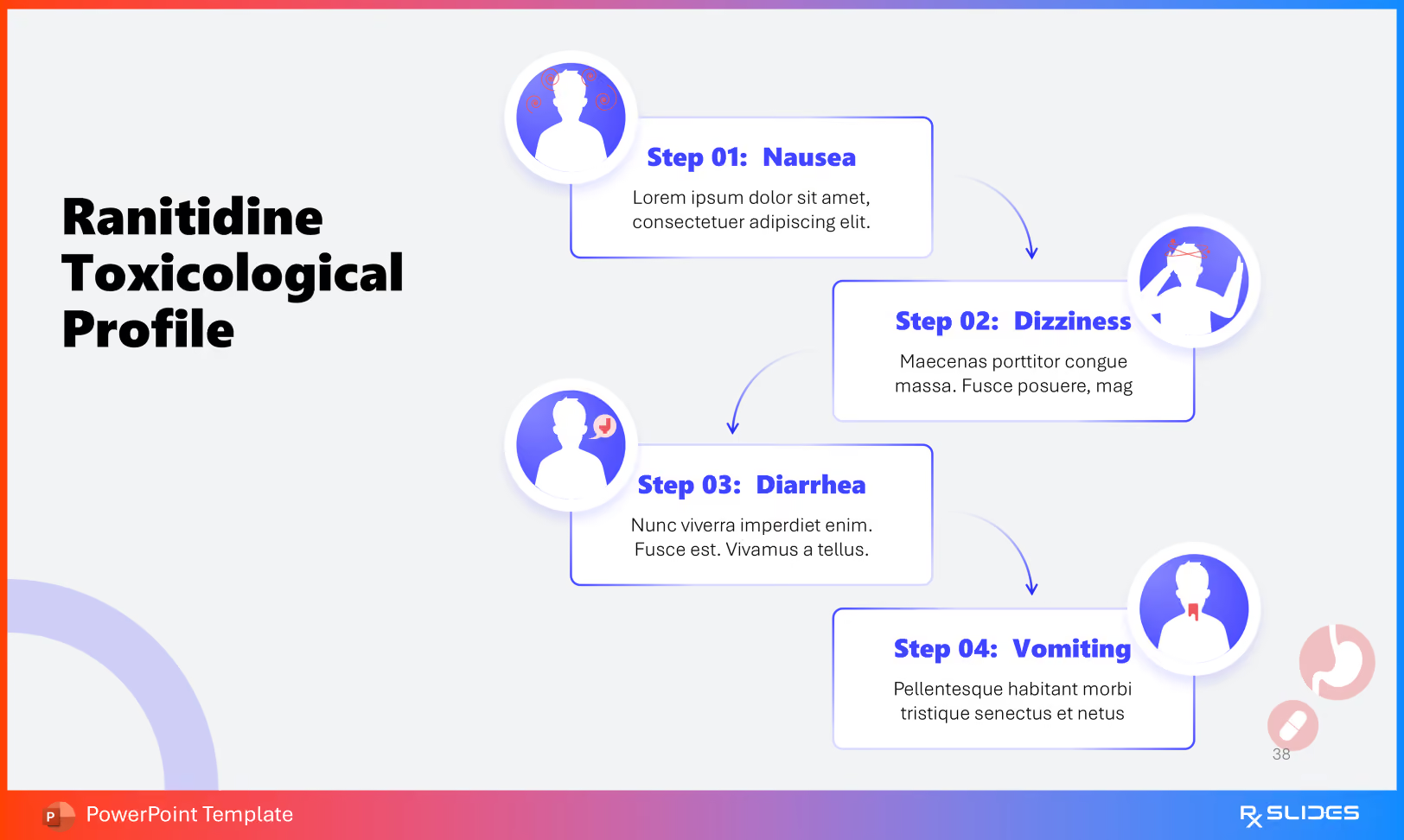
  • Gastrointestinal: nausea, diarrhea
  • Neurological: dizziness
  • Hepatic: rare cases of hepatitis
Toxicological Profile Slide From Ranitidine PowerPoint Presentation Template

These visuals help clinicians recognize side effects early and counsel patients appropriately.

Summary

This Ranitidine template connects intracellular cAMP signaling with everyday symptom control. It allows educators and clinicians to move seamlessly from parietal cell physiology to renal clearance considerations, translating molecular pharmacology into practical gastrointestinal care. The result is a presentation that supports both scientific rigor and clinical relevance and essential for teaching, prescribing, and patient education alike.

Latest Articles

Explore All