How to Use an Asthma PowerPoint Template for Medical Education and Clinical Communication
Communicating the complexities of respiratory health requires a delicate balance between scientific precision and visual clarity. Whether you are lecturing to medical students, presenting public health data to policymakers, or educating patients on condition management, the Asthma PowerPoint Presentation Template offers the tools to tailor your message effectively.
Here is how you can utilize the specific features of this template to engage a wide variety of audiences.
1. Visualizing the Invisible: Anatomy and Definitions
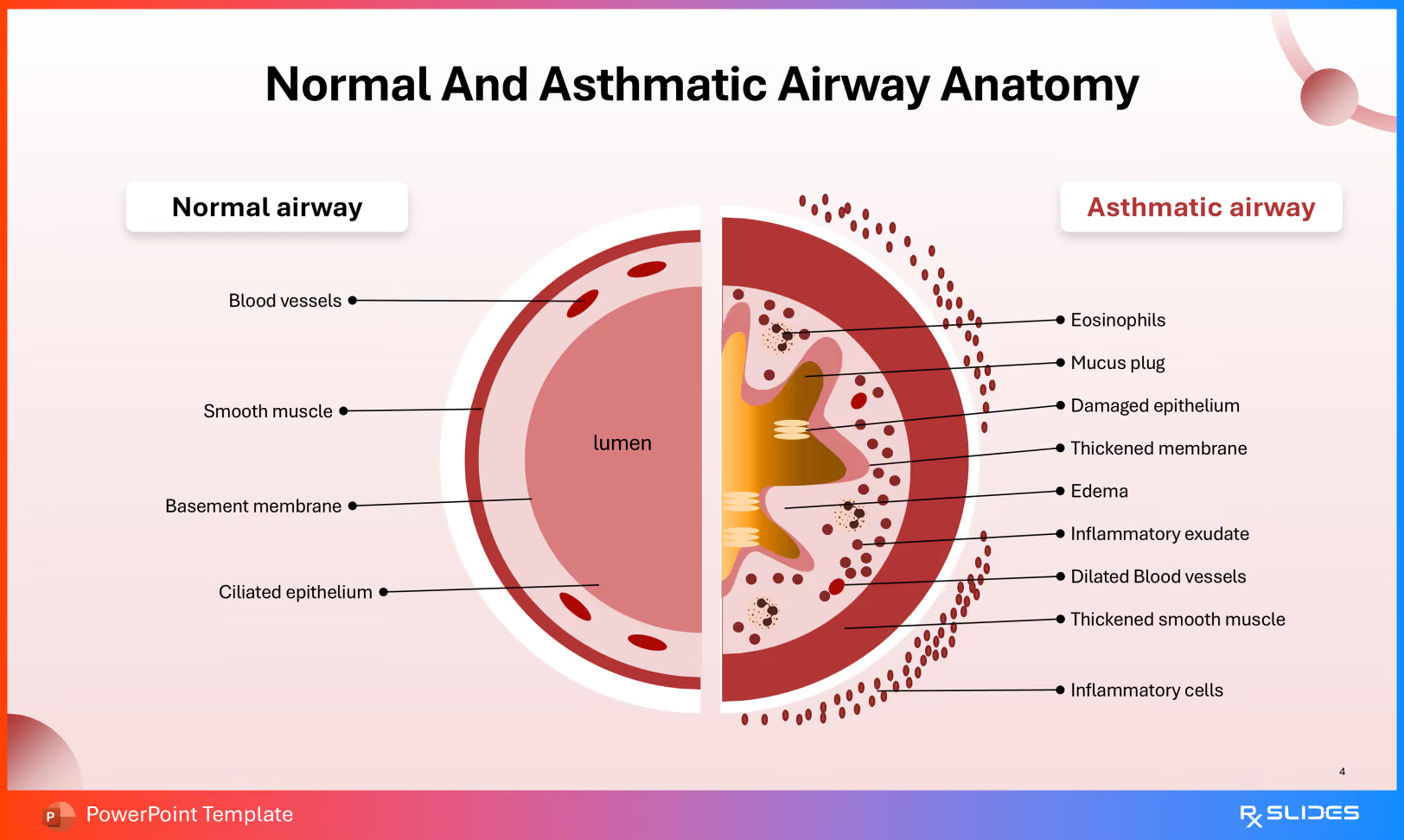
For any audience, the most powerful starting point is visualizing what is happening inside the lungs. The template includes side-by-side comparisons of a "Normal airway" versus an "Asthmatic airway".
• Use the "Normal And Asthmatic Airway Anatomy" slide to simply show the physical blockage. You can point out the mucus plug, the thickened membrane, and the narrowed lumen (airway opening) to explain why breathing feels difficult.
•Use the detailed labels on these slides to discuss the histological changes, such as the condition of the ciliated epithelium, the basement membrane, and the presence of inflammatory exudate and eosinophils.
2. The Science of the Sneeze: Pathophysiology
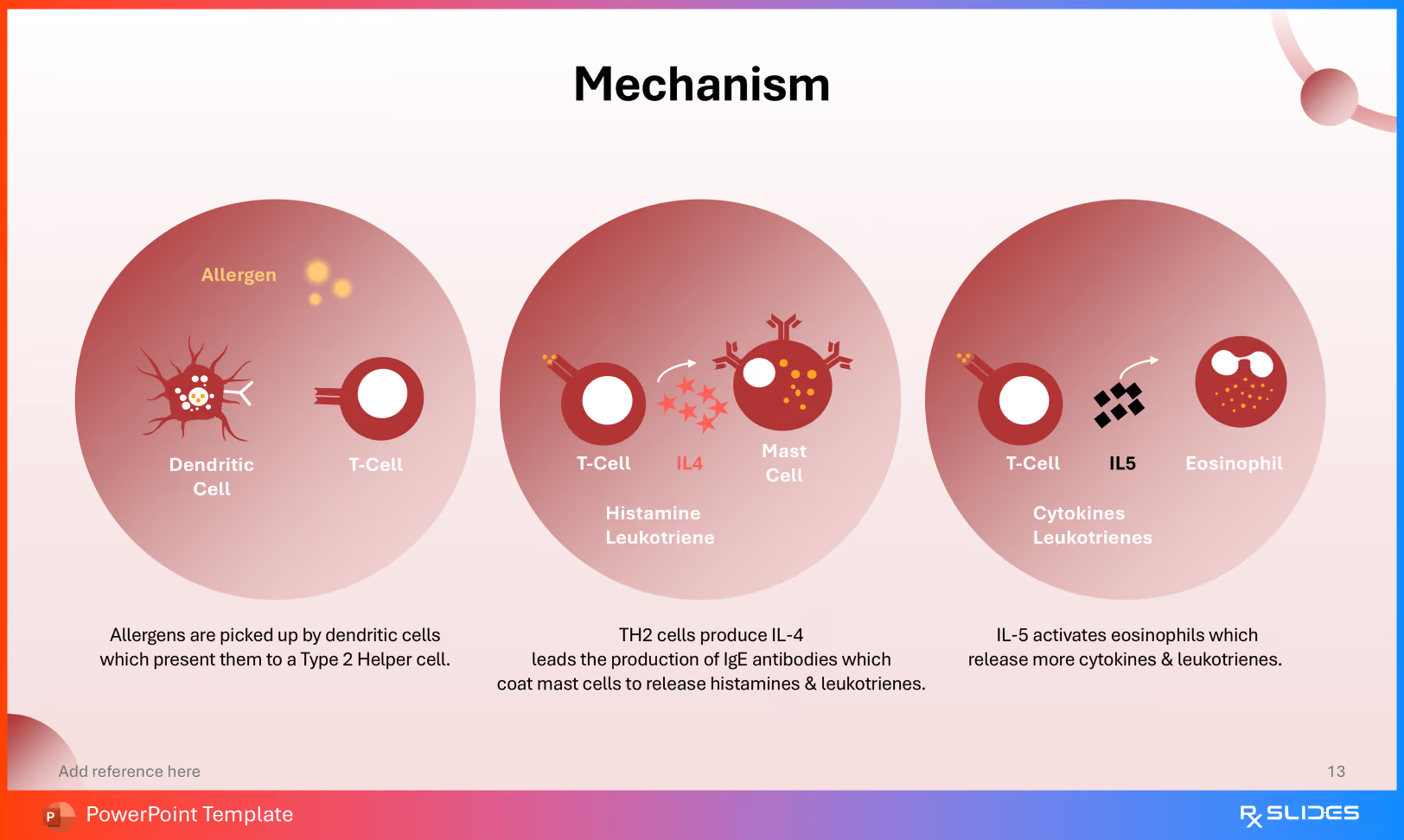
When addressing academic or clinical audiences, you need to dive deep into the cellular mechanisms. The template provides a comprehensive "Asthma Pathophysiology" section that breaks down the immune response.
• Visual Flow: The slide illustrates the chain reaction starting when dendritic cells pick up allergens and present them to Type 2 Helper cells.
• Key Details: You can trace the production of IL-4 and IgE antibodies, explaining how they coat mast cells to release histamines and leukotrienes, eventually leading to the activation of eosinophils.
3. Identifying the Enemy: Risks and Triggers
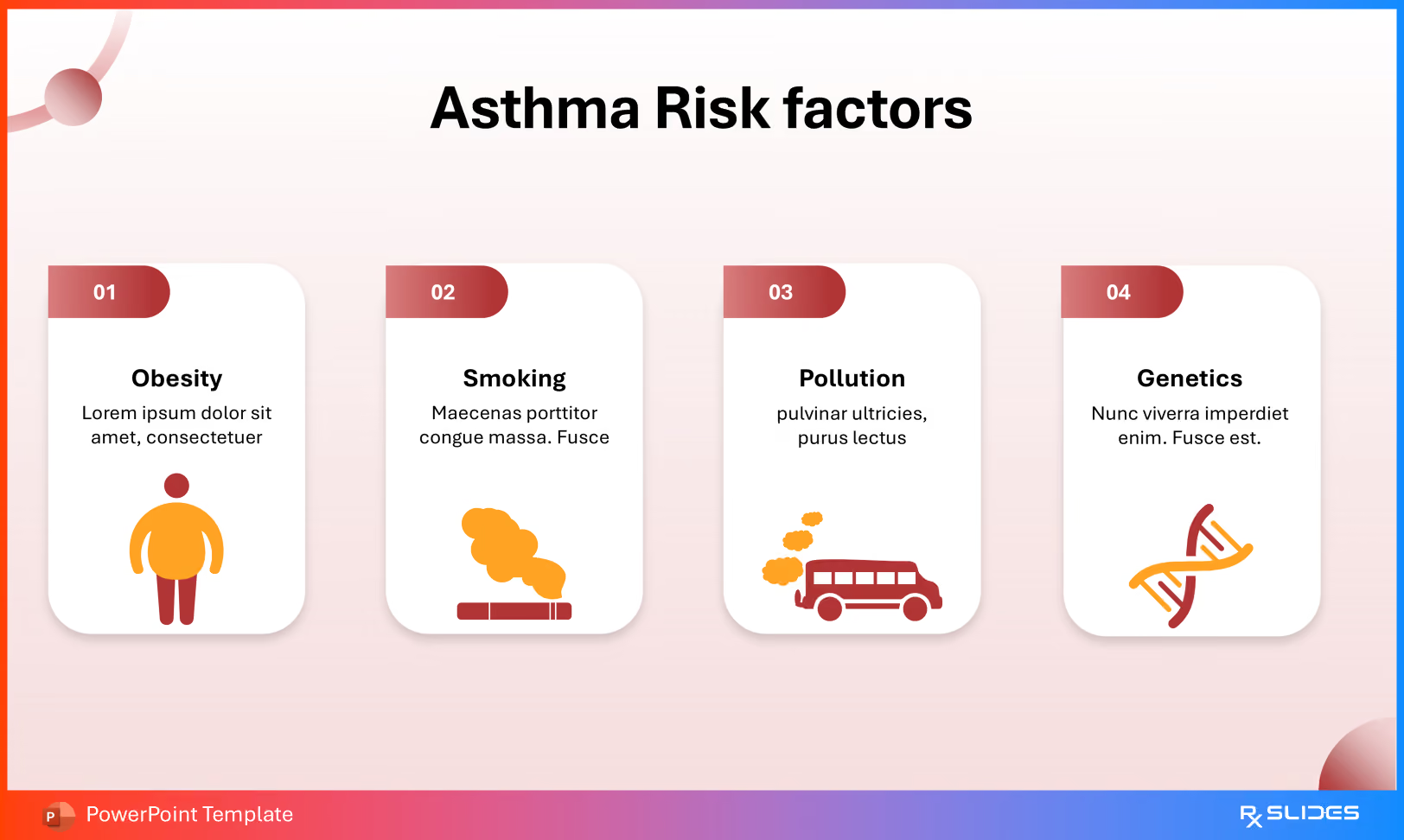
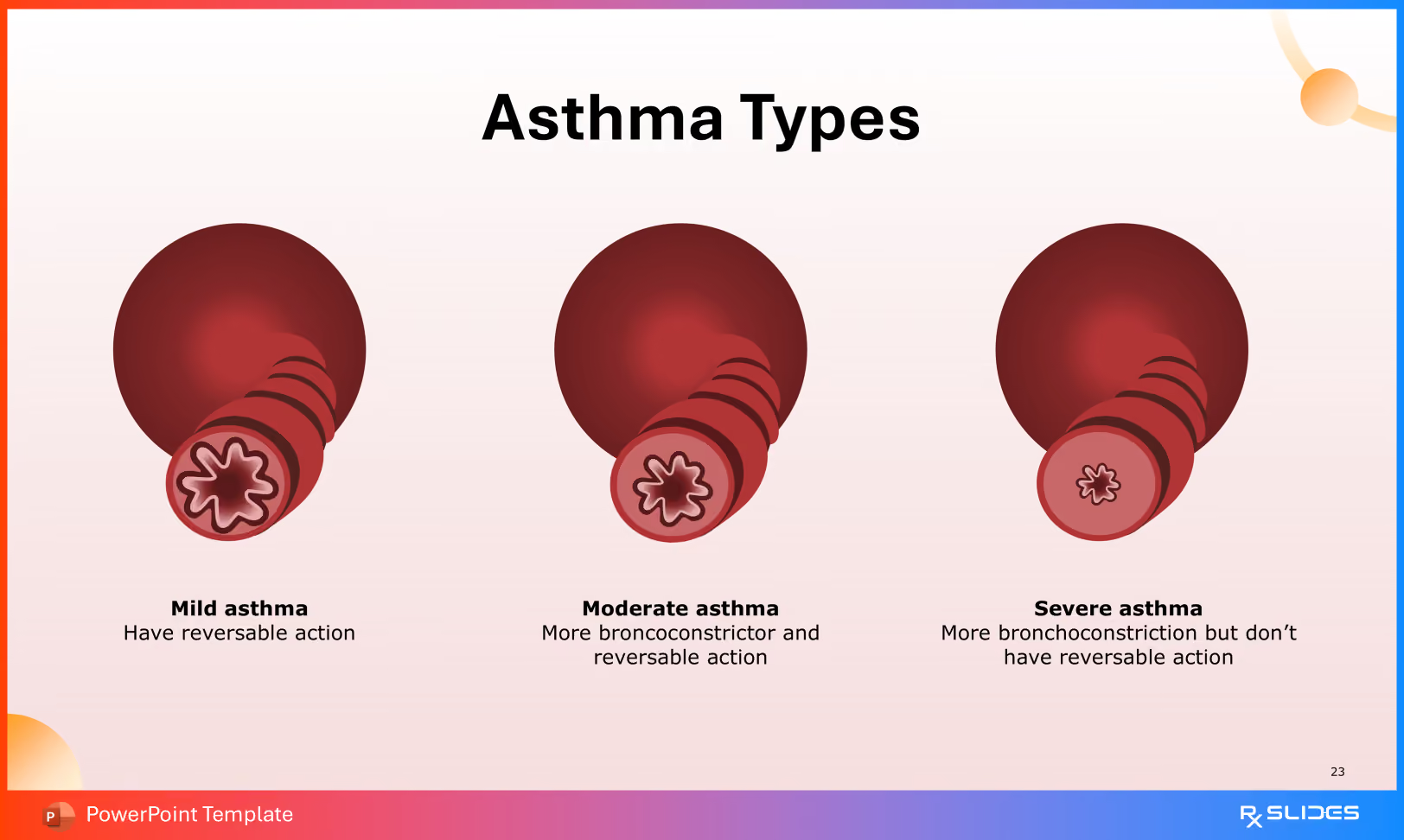
To make your presentation relatable to a general audience, utilize the "Asthma Risk Factors" and "Asthma Types" slides. These sections move away from cellular biology to real-world scenarios.
• Types: You can categorize the condition by severity (Mild, Moderate, Severe) based on reversibility and bronchoconstriction. Alternatively, you can classify it by trigger using the slides for Allergic, Seasonal, Occupational, and Exercise-induced asthma.
4. From Diagnosis to Treatment
For clinical workshops, the template outlines the standard diagnostic journey and pharmacological interventions.
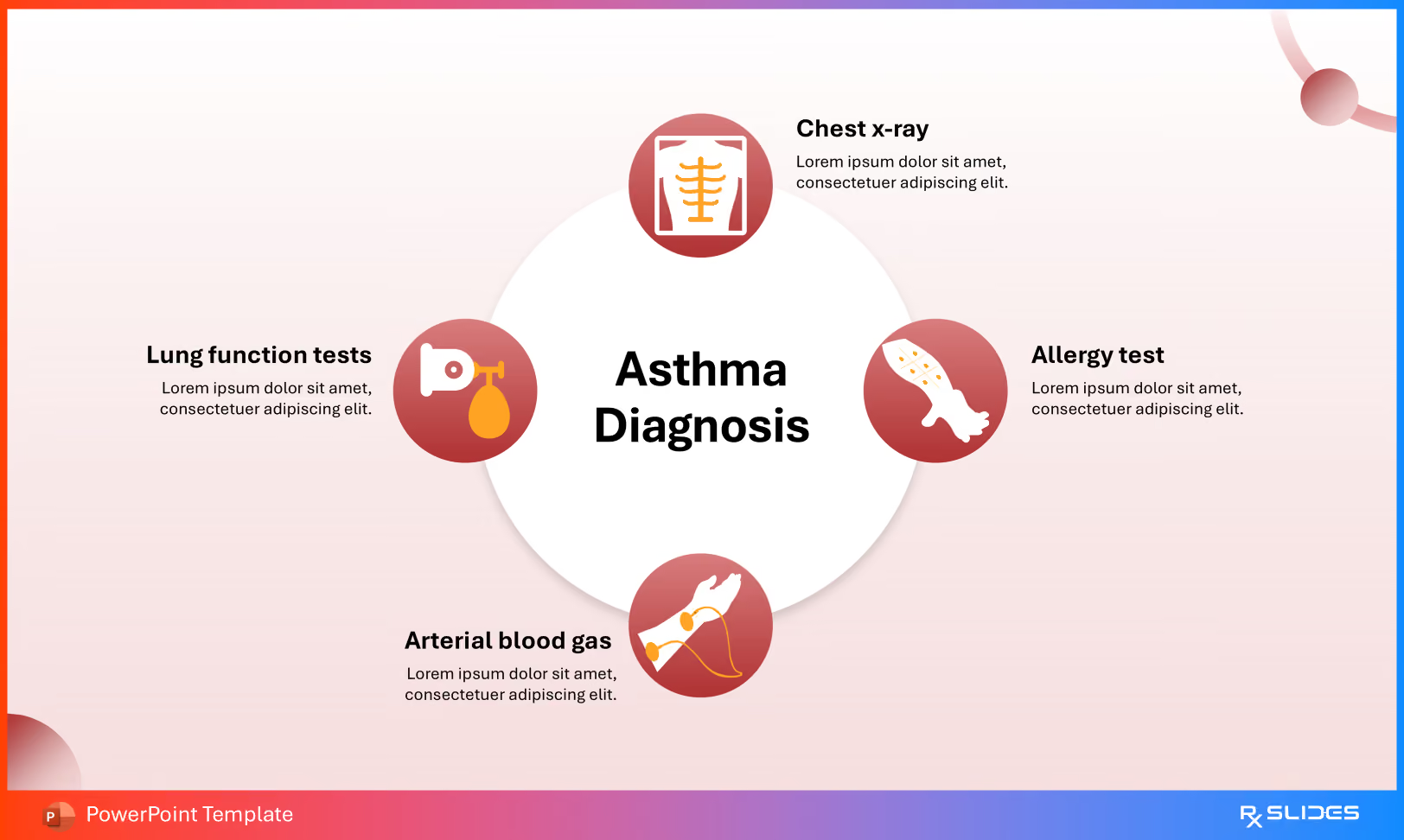
• Diagnosis: Use the provided layout to list diagnostic tools such as Chest X-rays, Allergy tests, Lung function tests, and Arterial blood gas analysis.
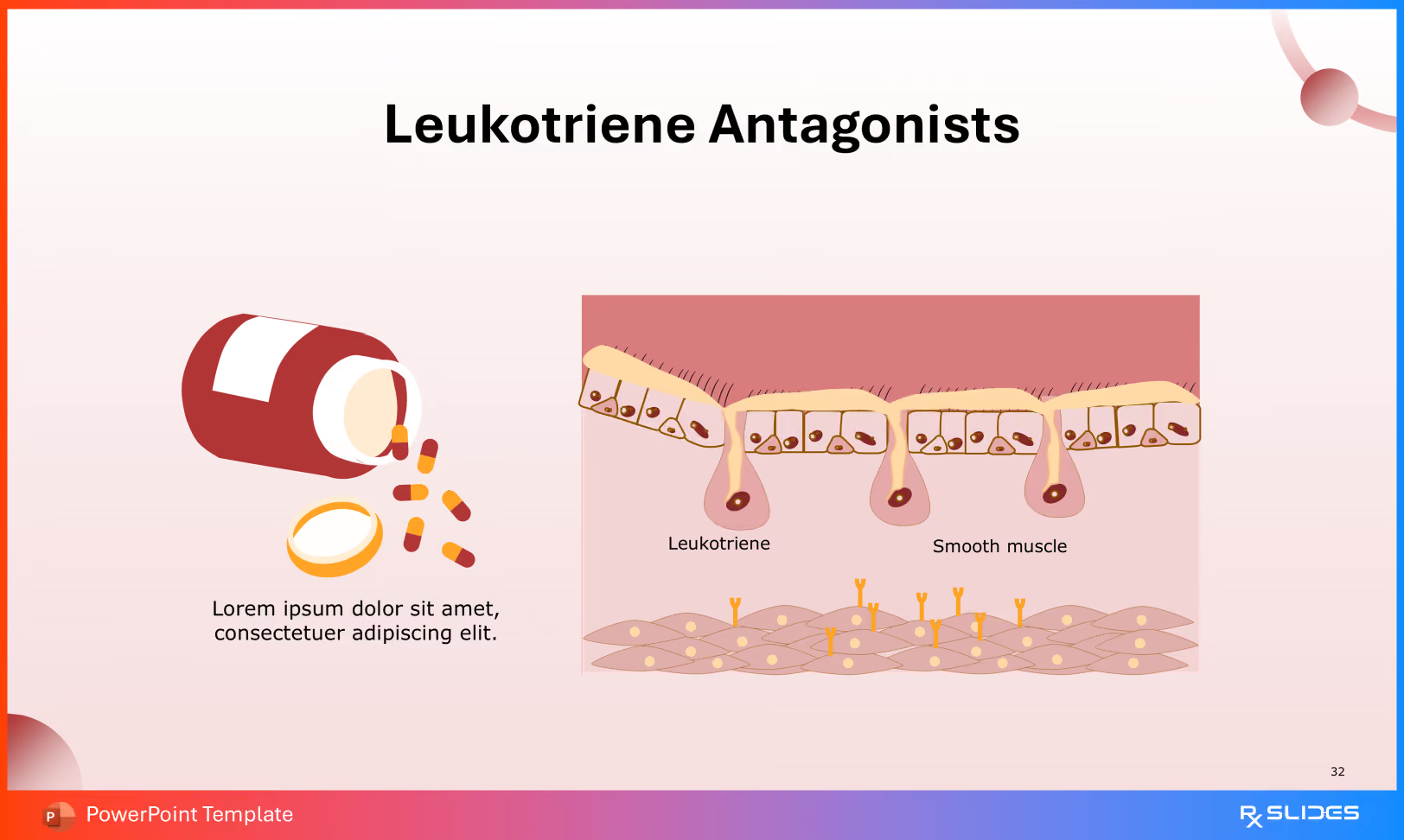
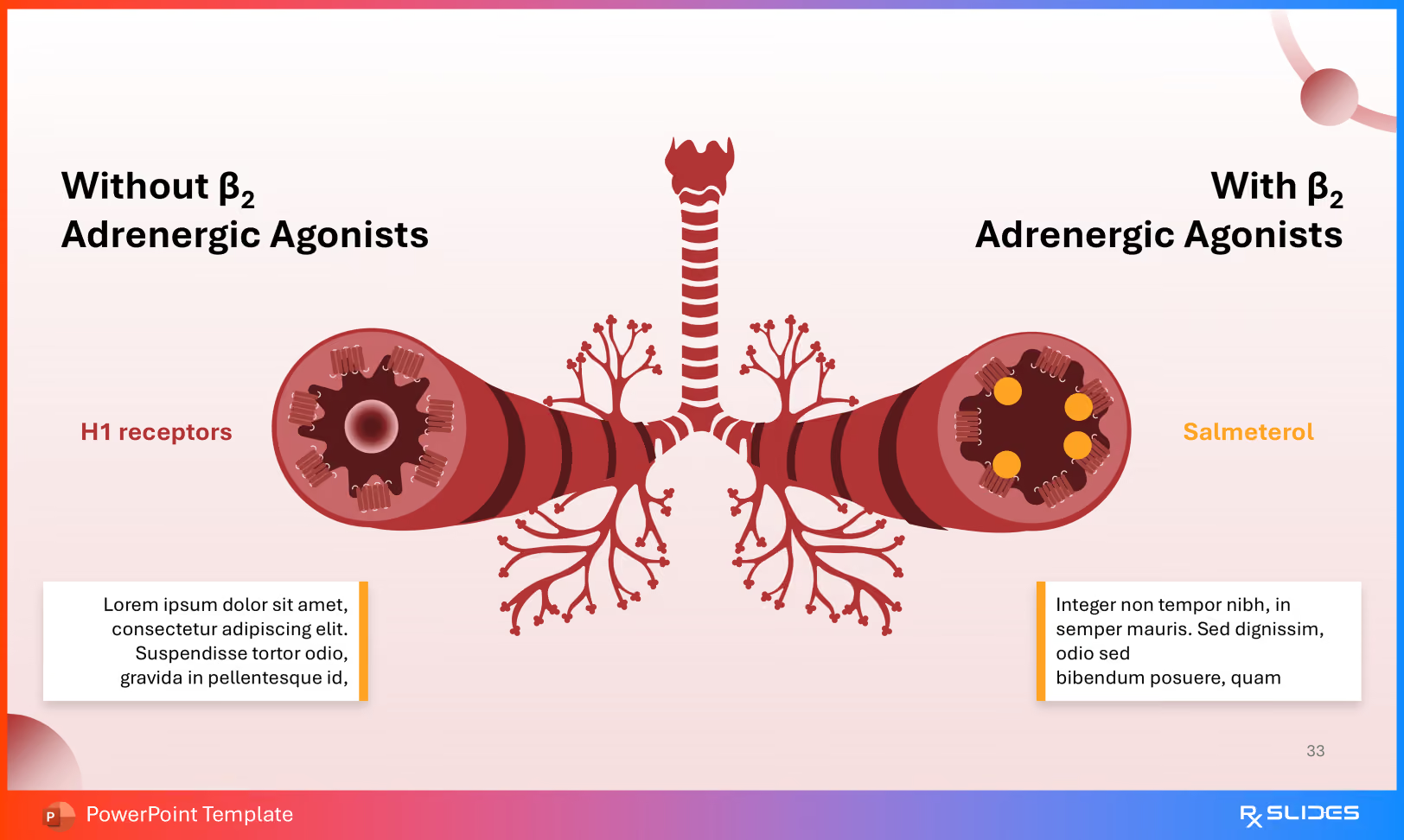
• Pharmacology: The template includes detailed diagrams for "Leukotriene Antagonists" and "Beta-2 Adrenergic Agonists." You can present specific mechanisms, such as how Montelukast binds to the cysteinyl leukotriene receptor to block specific inflammatory pathways, or how Salmeterol interacts with receptors.
Leukotriene Antagonists Vs Beta-2 Adrenergic Agonists Slide from Asthma PowerPoint Presentation Template
5. Actionable Advice: Prevention and Management
End your presentation with practical steps using the "Asthma Prevention" slides. This section is vital for public health talks and patient discharge summaries. The slides cover essential lifestyle changes, including:
This template bridges the gap between complex immunology and practical care. It allows you to visualize global prevalence using world maps, explain the "clogged pipe" of an asthmatic airway, and diagram the molecular effects of modern medication.
To put it simply, using this template is like having a high-definition map for a complex road trip; it highlights the roadblocks (mucus and inflammation) and clearly marks the detours and exits (treatments and prevention) needed to reach the destination of better health.