
Latest Blog Articles

A Guide to Presenting Otitis Media with Our Medical Template

A Guide to Presenting Otitis Media with Our Medical Template

The Otitis Media PowerPoint Template provides a structured clinical framework linking pediatric ear anatomy, Eustachian tube dysfunction, and middle ear effusion with diagnostic pathways and management strategies. Integrating pathogenesis, risk stratification, otoscopic assessment, and tympanostomy intervention, it supports evidence-based teaching for medical trainees and congress audiences—translating inflammatory mechanisms into practical pediatric care.
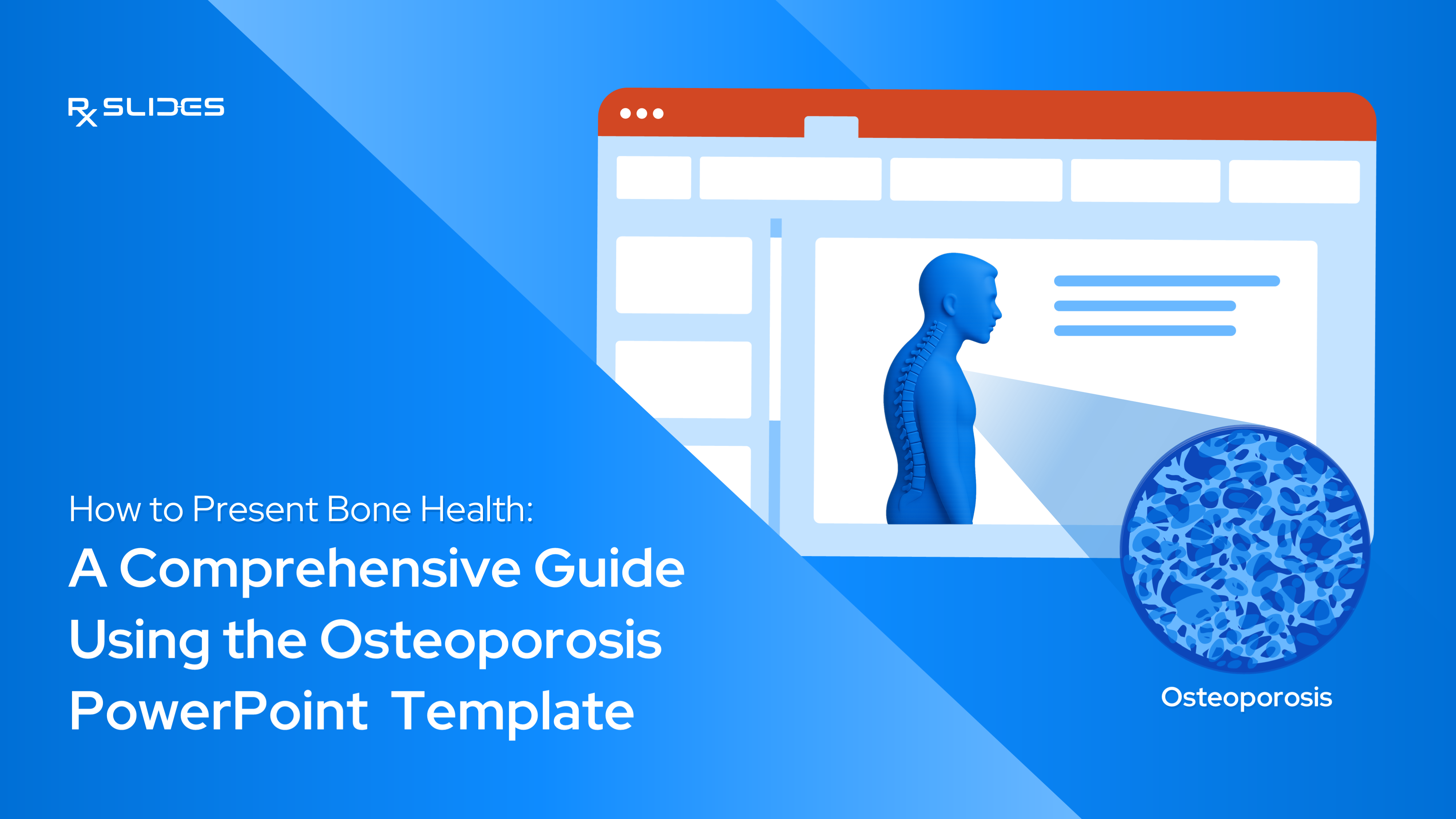
How to Present Bone Health: A Comprehensive Guide Using the Osteoporosis PowerPoint Template

How to Present Bone Health: A Comprehensive Guide Using the Osteoporosis PowerPoint Template

Osteoporosis is a silent metabolic bone disease marked by progressive loss of bone mass and micro-architectural integrity. This Osteoporosis PowerPoint Template translates complex pathophysiology—DEXA-based diagnosis, RANKL/OPG signaling, histological changes, and fracture risk—into structured clinical visuals. It supports early detection, risk stratification, and evidence-based prevention strategies for medical education and professional presentations.

A Guide to Presenting Montelukast with Our Medical Template

A Guide to Presenting Montelukast with Our Medical Template

The Montelukast PowerPoint Presentation Template provides a structured framework linking leukotriene pathway biology with clinical respiratory care. Integrating airway pathophysiology, CysLT₁ receptor antagonism, pharmacokinetics, safety considerations, and dosing strategies, it supports scientific lectures and congress presentations—translating molecular pharmacology into evidence-based management of asthma and allergic rhinitis.

A Guide to Presenting Lisdexamfetamine with Our Medical Template

A Guide to Presenting Lisdexamfetamine with Our Medical Template

Lisdexamfetamine is a prodrug enzymatically converted to D-amphetamine, approved for ADHD and binge eating disorder. This presentation template integrates neuroanatomy, synaptic pharmacology, clinical indications, pharmacokinetics, and safety data. It visualizes prodrug activation, dopamine–norepinephrine modulation, dosing strategies, and risk management, providing a mechanism-driven framework for medical, pharmacy, and multidisciplinary education.

How to Present Lactose Intolerance in PowerPoint for Healthcare Professionals

How to Present Lactose Intolerance in PowerPoint for Healthcare Professionals

Lactose intolerance results from reduced lactase activity, leading to intestinal malabsorption and colonic fermentation. This guide shows how to present lactose intolerance in PowerPoint using structured clinical visuals that connect milk chemistry, digestive physiology, symptom mechanisms, diagnostic pathways, and management strategies. Designed for medical educators and healthcare professionals, it supports clear teaching across gastroenterology, nutrition, and primary care settings.

How to Present Exenatide in PowerPoint for Medical Education

How to Present Exenatide in PowerPoint for Medical Education

Exenatide is a GLP-1 receptor agonist used in Type 2 diabetes that links pancreatic physiology with clinical pharmacology. This guide explains how to present Exenatide in PowerPoint using structured visuals that cover beta-cell signaling, molecular mechanisms, dosing, safety, and pharmacokinetics. Designed for medical education, it supports clear teaching across endocrinology, pharmacology, and patient care settings.

Subscribe to RxSides newsletter

Subscribe to our newsletter to receive weekly free templates!

join our community of subscribers and get weekly free medical PowerPoint templates straight away to your mailbox!

Thanks for joining our newsletter.
Oops! Something went wrong.