Celiac Disease PowerPoint Template

.jpeg)




Template Preview
Designed for healthcare professionals creating clear and structured medical presentations.
Ideal for doctors, medical educators, and pharmaceutical teams preparing lectures, clinical education, product presentations, and training.
Fully editable in PowerPoint, allowing you to customize diagrams, charts, and slide layouts with your own medical content
Ready-to-use presentation structure that saves time and helps you build professional healthcare presentations quickly.
Fully Animated
Built-in animations help you present medical information clearly and make complex concepts easier to understand.
Editable Colors and Shapes
Editable colors and shapes help you easily customize the slides to match your content and presentation style, just drag and drop your content.
Professional medical layouts
Professional medical layouts help you organize clinical information, medical data, and treatment insights in a clear and structured way.

Created by Medical Professionals
This template prioritizes medical accuracy, clarity, and real-world usability. Each slide is designed with a medical audience in mind, helping you present clinical information, data, and treatment insights in a way that is structured, credible, and easy for healthcare professionals to understand.
Medical Training for Pharmaceutical & Life Sciences Companies
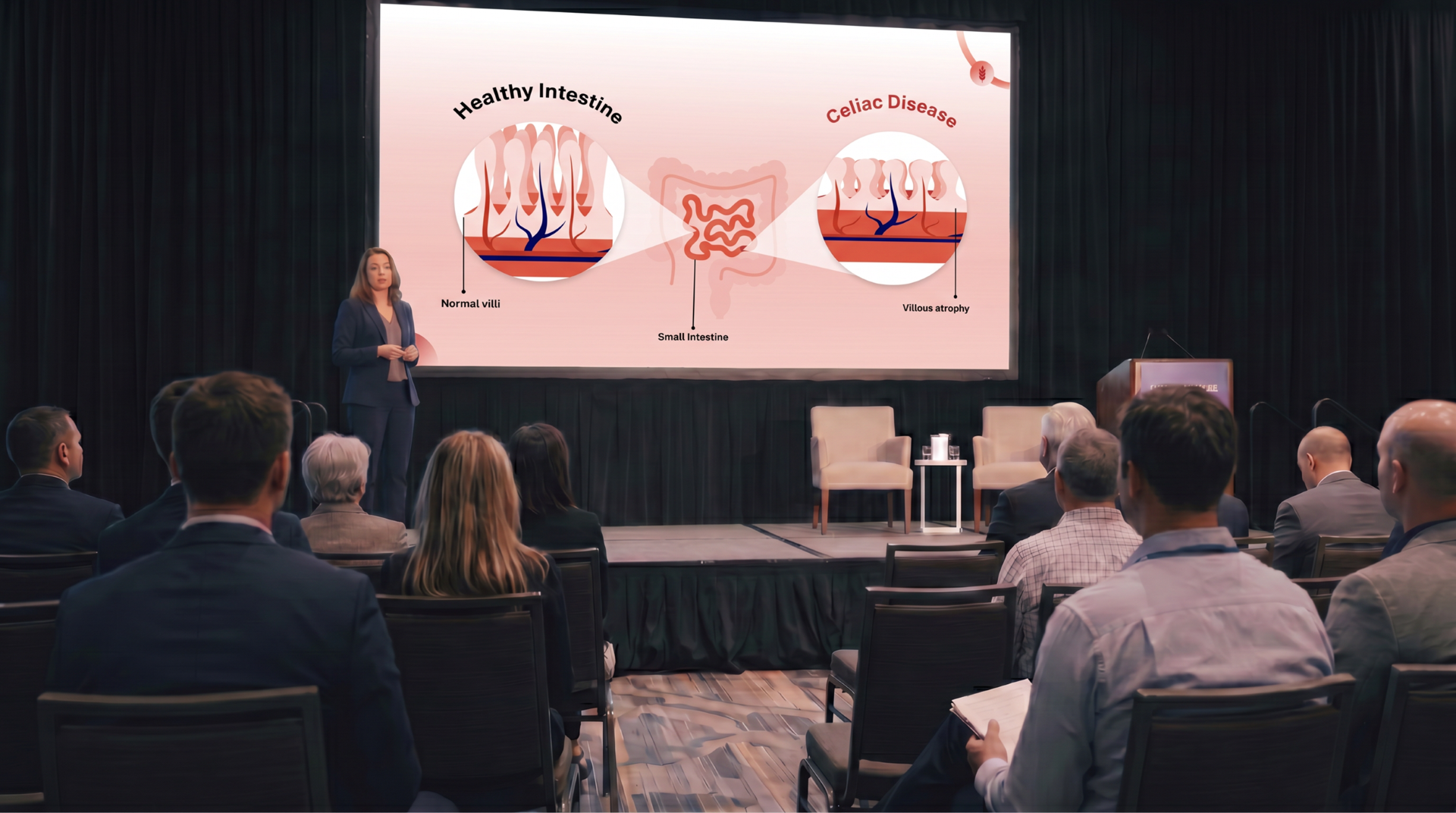
New hires joining a gastroenterology or GI-autoimmune sales team can ground their Celiac Disease training in the template's villous atrophy comparison, contrasting healthy finger-like villi against the flattened, damaged tissue characteristic of the disease. Representatives study the six-step pathogenesis sequence, from gluten entry through T-cell activation to epithelial destruction, before they are cleared to hold promotional conversations with gastroenterologists and dietitians. The six-factor causes infographic and prevalence-by-country data give trainers a globally grounded, scientifically accurate foundation without commissioning original artwork. New hires reach the field with a shared understanding of autoimmune mechanism rather than a memorized list of symptoms.
Medical Congress & Scientific Conference Presentations
Gastroenterologists and academic Key Opinion Leaders preparing a GI congress session can draw on the template's cellular pathogenesis sequence, tracing gliadin's antibody reaction through tissue transglutaminase activity to intraepithelial lymphocyte-driven damage. A medical professor lecturing on differential diagnosis can adapt the three-method diagnostic overview, covering serology, endoscopy, and genetic testing, instead of assembling testing criteria from separate papers. The healthy-versus-damaged villi comparison gives a case presentation an immediate visual anchor before the discussion turns to dietary management. Because the pathogenesis and diagnostic content already stands on its own, presenters spend their preparation time on case selection instead of slide construction.

Pharmaceutical Product & Medical Affairs Presentations
Medical Affairs teams supporting a GI or autoimmune portfolio can adapt the template's pathogenesis and dietary-management slides to position where a given therapy fits alongside a gluten-free diet as the current standard of care. Medical Science Liaisons carry the resulting materials into scientific exchange with gastroenterologists and dietitians, referencing the same prevalence and complication data those clinicians already recognize. Because the causes, symptoms, and management content sit in separate sections, Medical Affairs can adjust emphasis for a specific GI-autoimmune therapy without redesigning the underlying illustrations. Each company still runs the finished materials through its own medical and compliance review before anything reaches the field.

eLearning & SCORM Training Modules
Dietitians and GI nurse educators can customize the Celiac Disease template with their own meal-planning protocols and patient case examples, then optionally convert the finished presentation into a SCORM-compliant module for nutrition students or GI nursing staff on an LMS. As shipped, the template is a content library, not a finished course. The pathogenesis, diagnosis, and dietary-management sequence is already arranged in teaching order, so a customized version becomes certification-ready SCORM coursework without a separate restructuring pass. Where a program needs something the base structure doesn't cover, the RxSlides team can adjust scope, depth, or branding, or build a fully custom gastroenterology presentation from scratch.
Medical & Healthcare Education
The villi comparison built into this template gives gastroenterology and nutrition faculty a ready anatomical anchor for teaching autoimmune GI disease, without sourcing new histology imagery each term. Continuing education providers preparing CME on celiac diagnosis benefit from the same three-method testing overview, instead of rebuilding diagnostic criteria slides for every course. Dietitians and patient educators adapting the food-trigger and management slides for patient-facing sessions can simplify the same content while keeping the underlying science accurate. Students and patients alike leave with a clearer picture of how celiac disease moves from gluten exposure to dietary control.
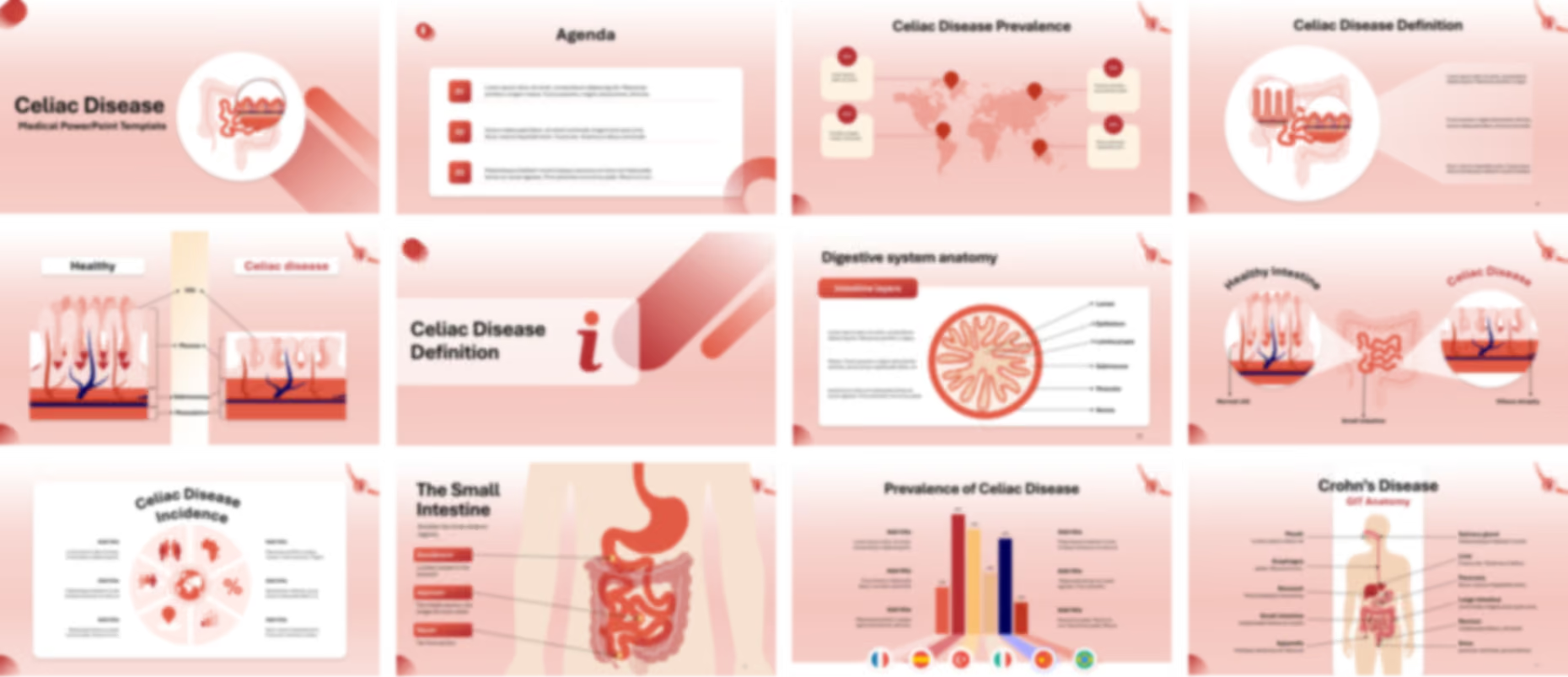
The Celiac Disease PowerPoint template opens with a title slide featuring the digestive system and damaged intestinal villi, followed by a three point agenda and a definition slide built around a stylized information icon. A further anatomical illustration and a healthy versus diseased comparison then contrast normal, finger like villi with the flattened, atrophied villi characteristic of the disease.
The template presents global prevalence data through a spinning globe graphic, a dotted world map, an incidence infographic, and country by country bar charts, before a detailed anatomy sequence traces the gastrointestinal tract from the esophagus to the rectum. Establishing this anatomical foundation first gives educators a shared reference point before the presentation zooms into the small intestine's duodenum, jejunum, and ileum, its six wall layers, and the microscopic villi structure where the disease does its damage.
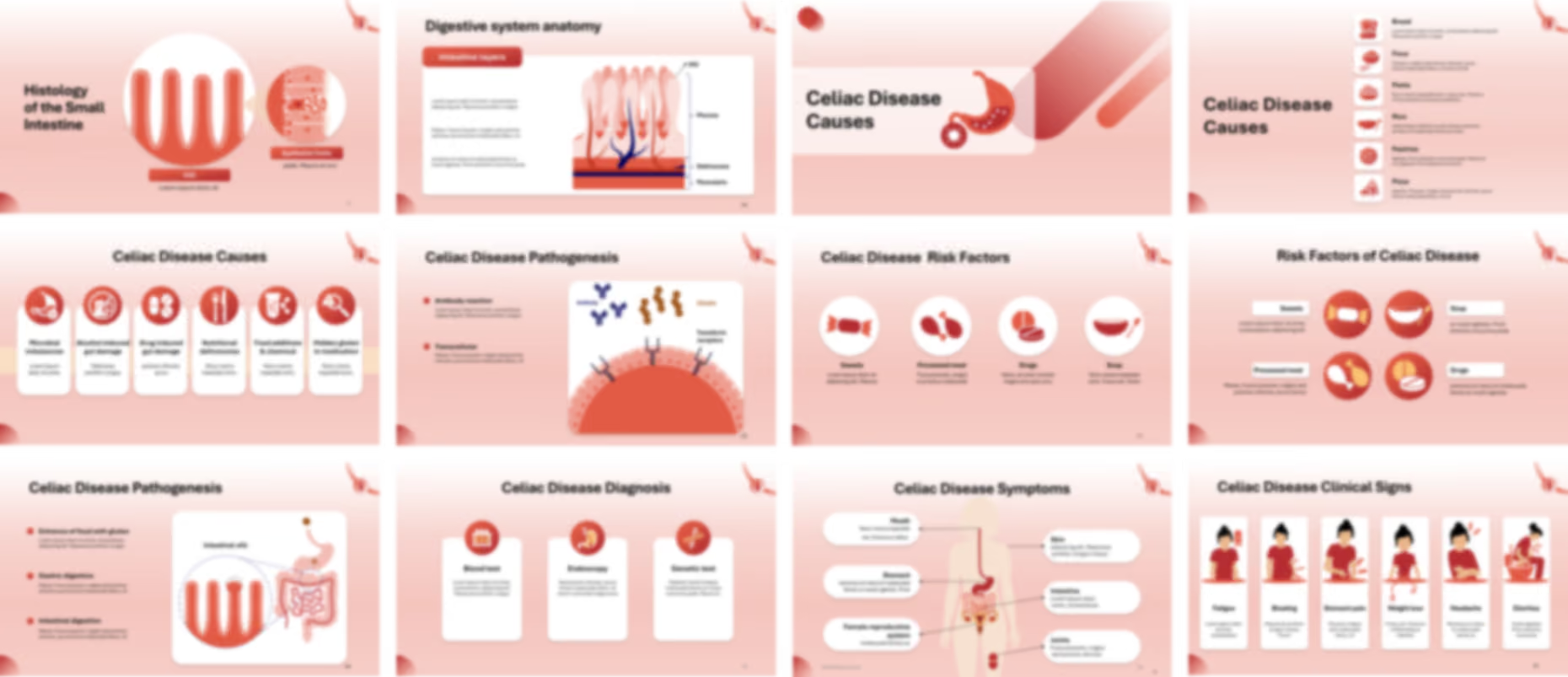
Editable medical diagrams detail six causes ranging from microbial to nutritional factors, a food list of common gluten triggers, and four additional risk factors including processed meat and certain drugs. Five further slides walk through the pathogenesis, from gluten digestion and the antibody reaction to gliadin through T cell and dendritic cell activation to the resulting destruction of the intestinal epithelial cells.
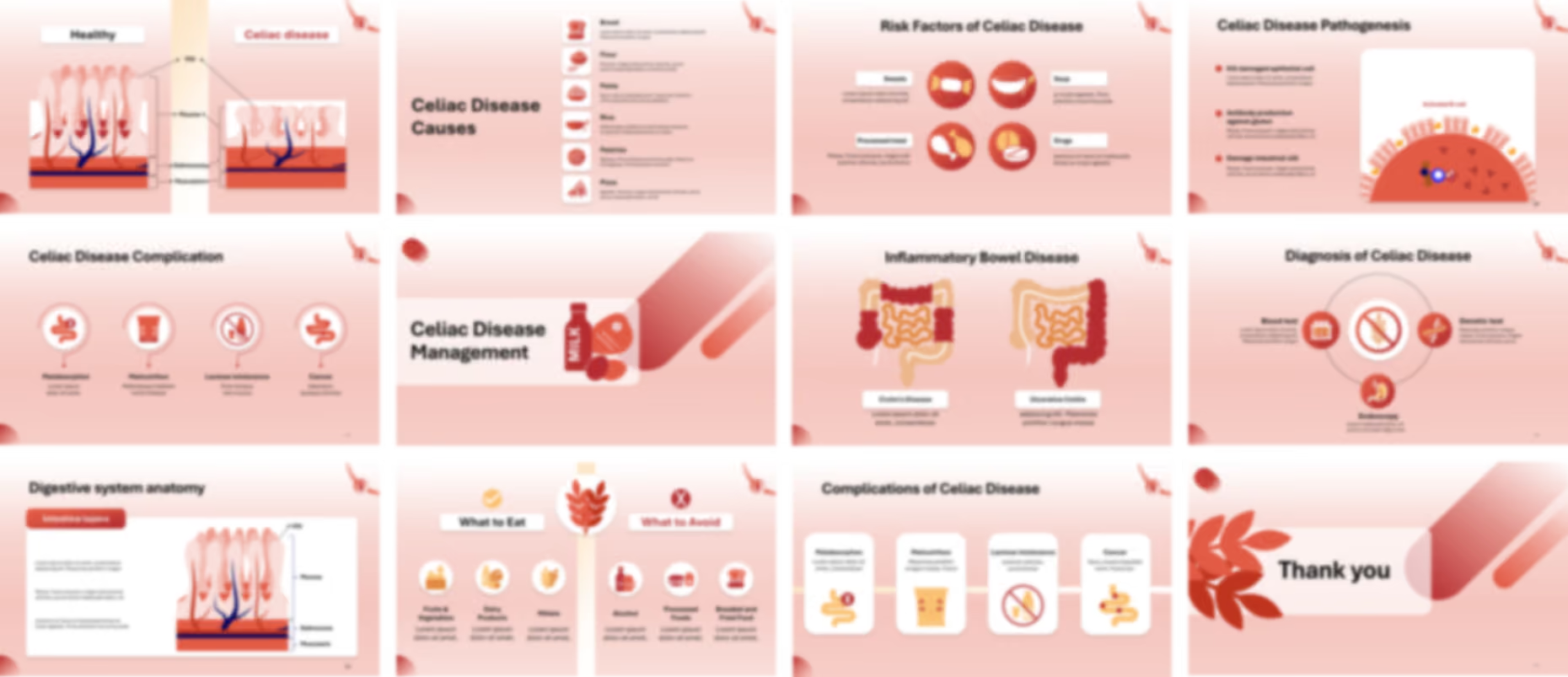
Symptom slides map systemic effects across the mouth, skin, and joints alongside six clinical signs including fatigue, bloating, and weight loss, before diagnostic content covers blood tests, endoscopy, and genetic testing and a comparison to inflammatory bowel disease. The presentation template closes with editable PowerPoint slides on dietary management, listing foods to eat and avoid, and four long term complications, including malnutrition and cancer, ending with a thank you slide.
Ready To Transform Your Presentation ?
Pay once, use forever